
Rubber bung plug
Rubber bung plug can be used in so many ways, which is why they are one of the most versatile products in our offer. Rubber bung plug, rubber stopper, rubber cork or under any other name that is present on the market is used primarily for versatility but also for ease of use and installation. Anyone can install and use it, for whatever purpose they need it. All you have to do is push it into the hole and the plug will hold itself in the position, without the need to use any tools during installation. What is important to make the installation easy and to be able to stand in the intended position is that the size is appropriate. Whether you install it in a panel or in a hole, you must first measure the diameter. After measuring the diameter, you need to measure the length as well as the panel thickness, if you are installing it in a panel. When you know the exact size, check if that size is already available in our offer. If not, contact us and we will make a rubber bung plug according to the measurements you need.
Next comes the choice of materials. Materials options are very diverse, as there are so many rubber materials on the market and in our offer. There is no one type of rubber that is best for all purposes, but the material is chosen according to the purpose of the rubber bung plug. When you look at all the available materials, you may be overwhelmed by the amount of different characteristics of each of the materials. But that’s why we’re here to help you. Tell us what temperature the plow will be exposed to, whether it will come into contact with chemicals, fuel or will be located outdoor so it will be in contact with water and other climatic factors. All this information will be crucial to help you choose the most functional thing for you.
Stopper & Plug Size Catalog
Compare four stopper profiles and check the selected part dimensions against your opening and available depth. Each profile has its own drawing and dimension meanings.
RST T-Shaped Plugs
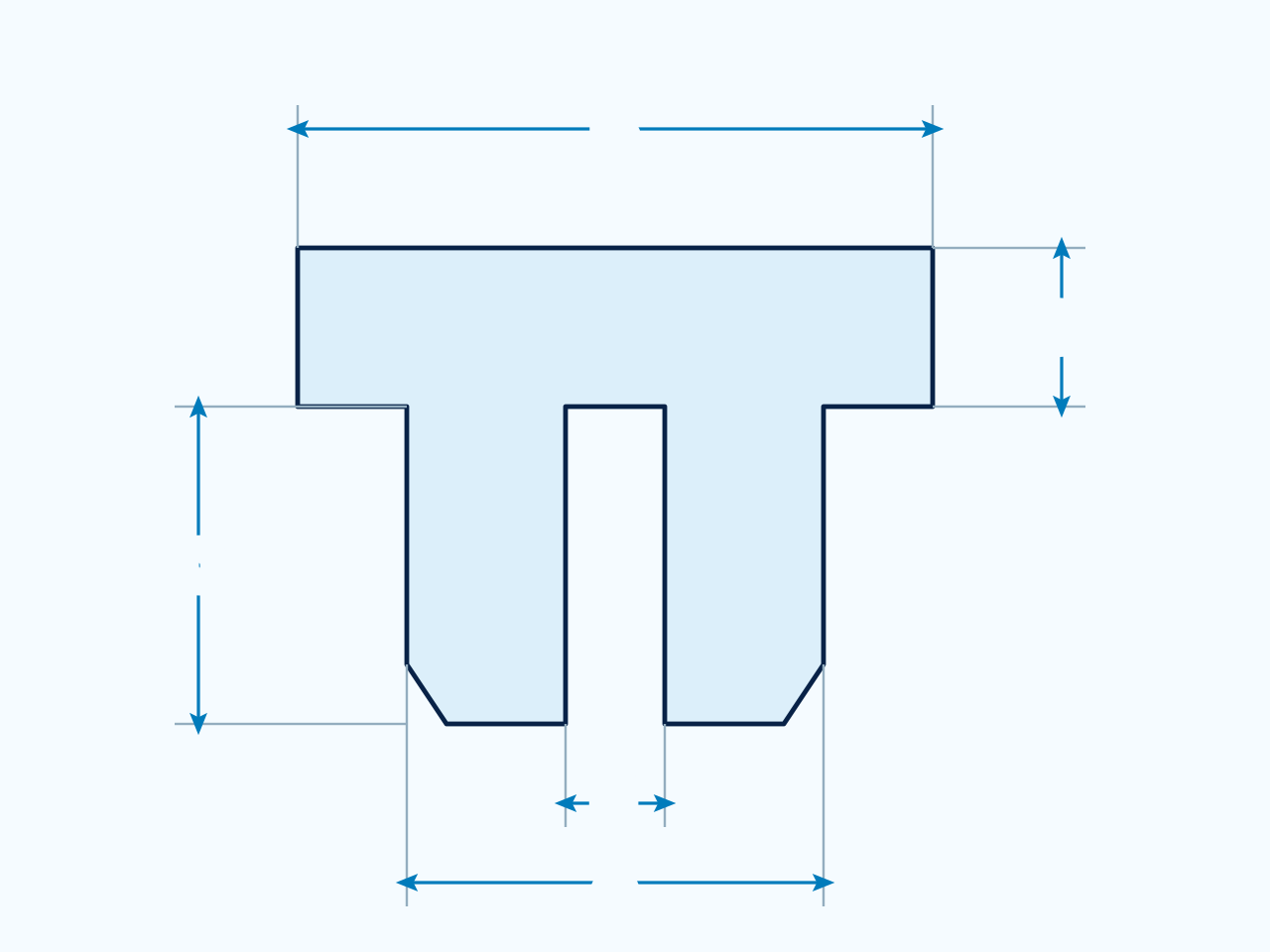
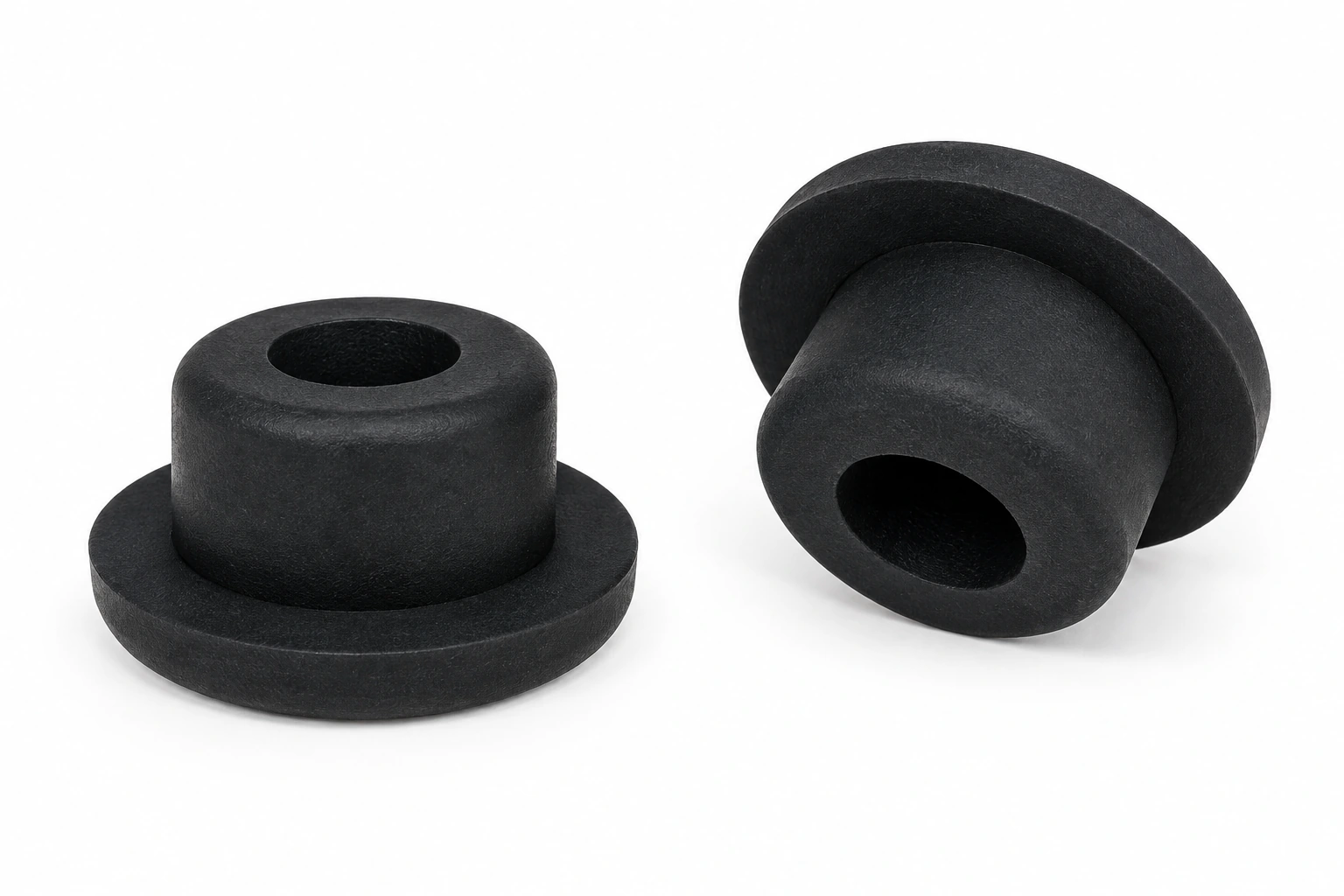
Match stem diameter A, flange diameter B, stem length C and flange thickness D. E refers to the underside recess; use the selected row and approved drawing to confirm the actual profile.
RSA Tapered Corks
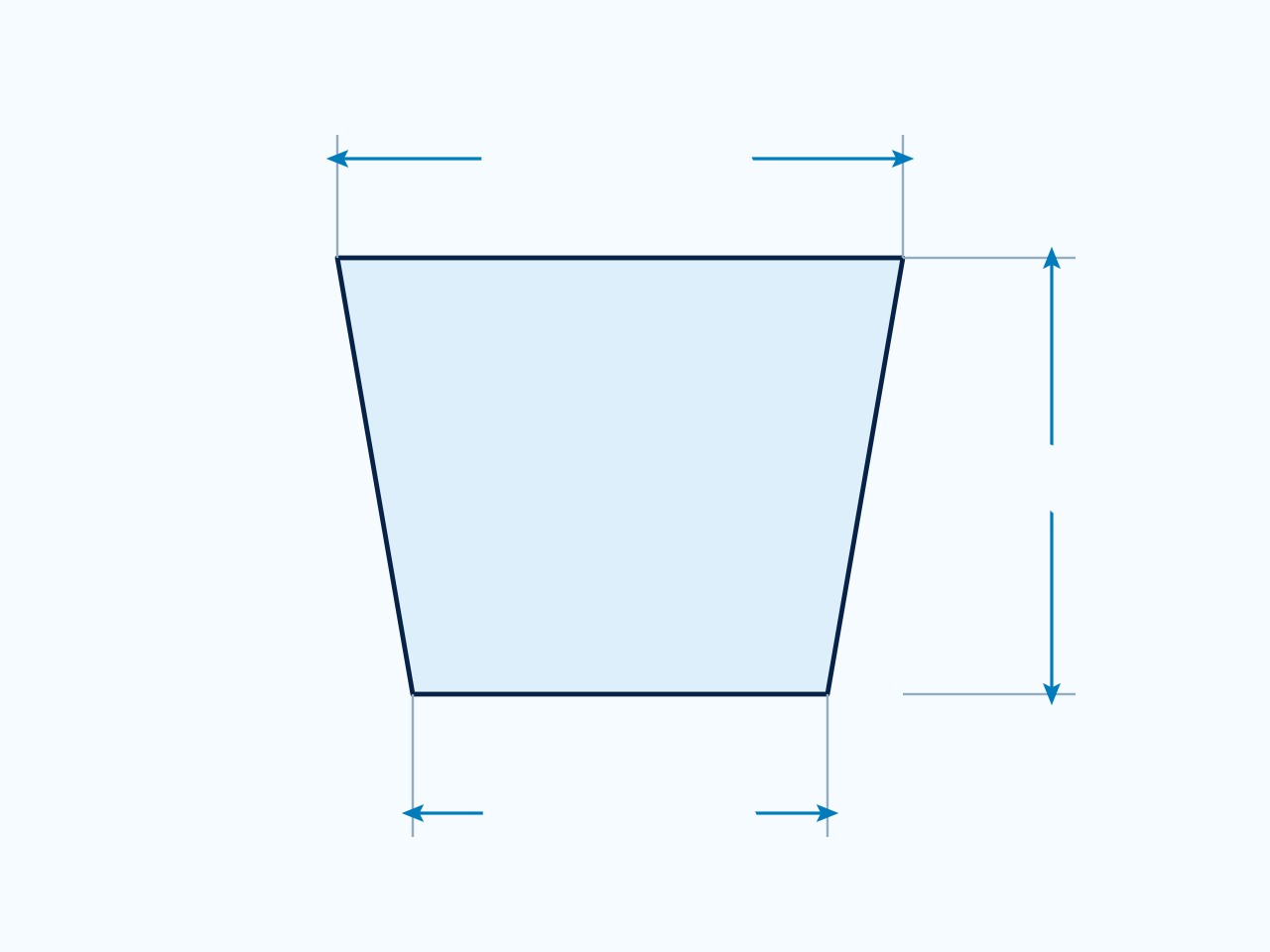
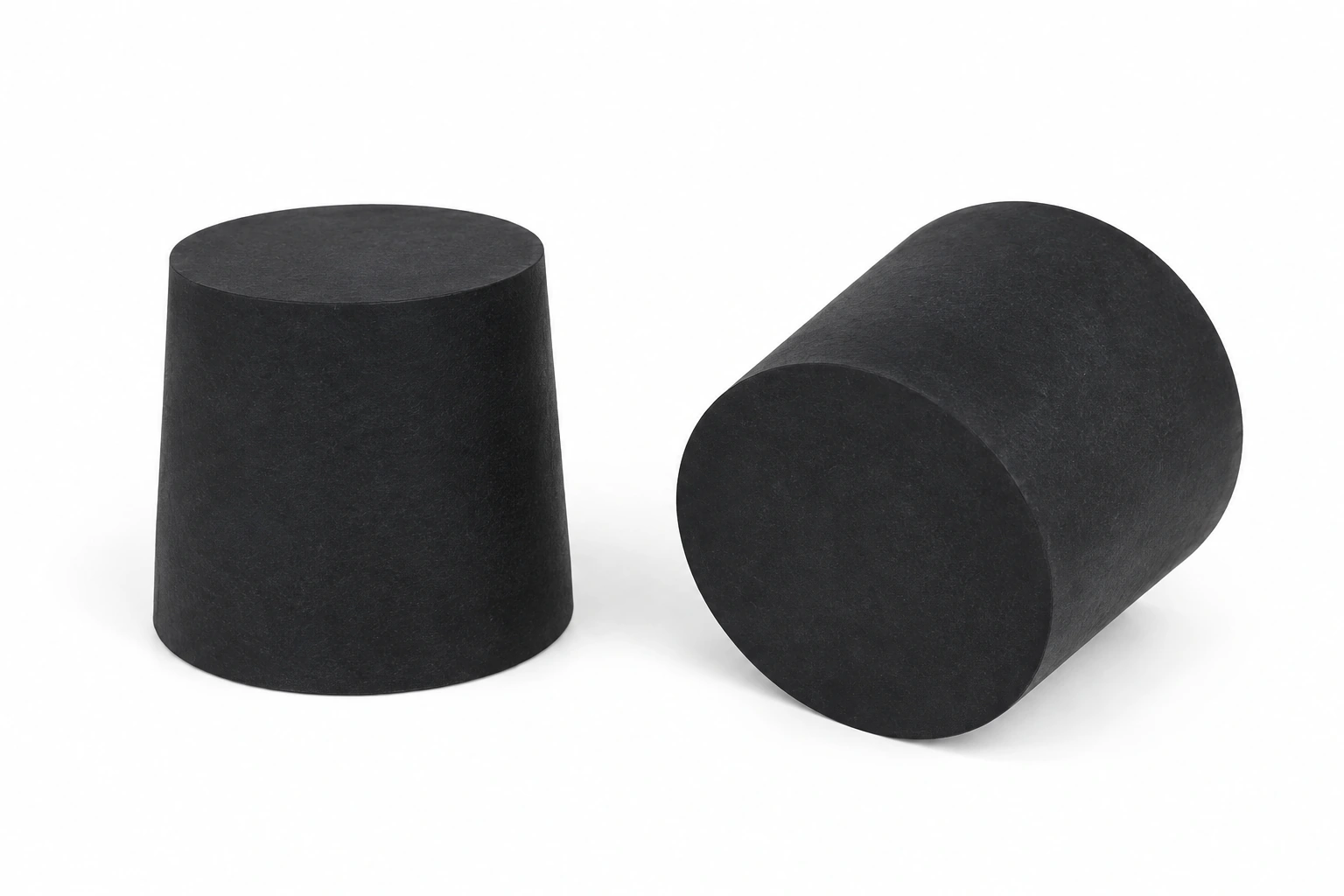
Compare large-end diameter A, small-end diameter B and Height, in mm. The mating bore and required seating depth determine where the taper contacts the opening.
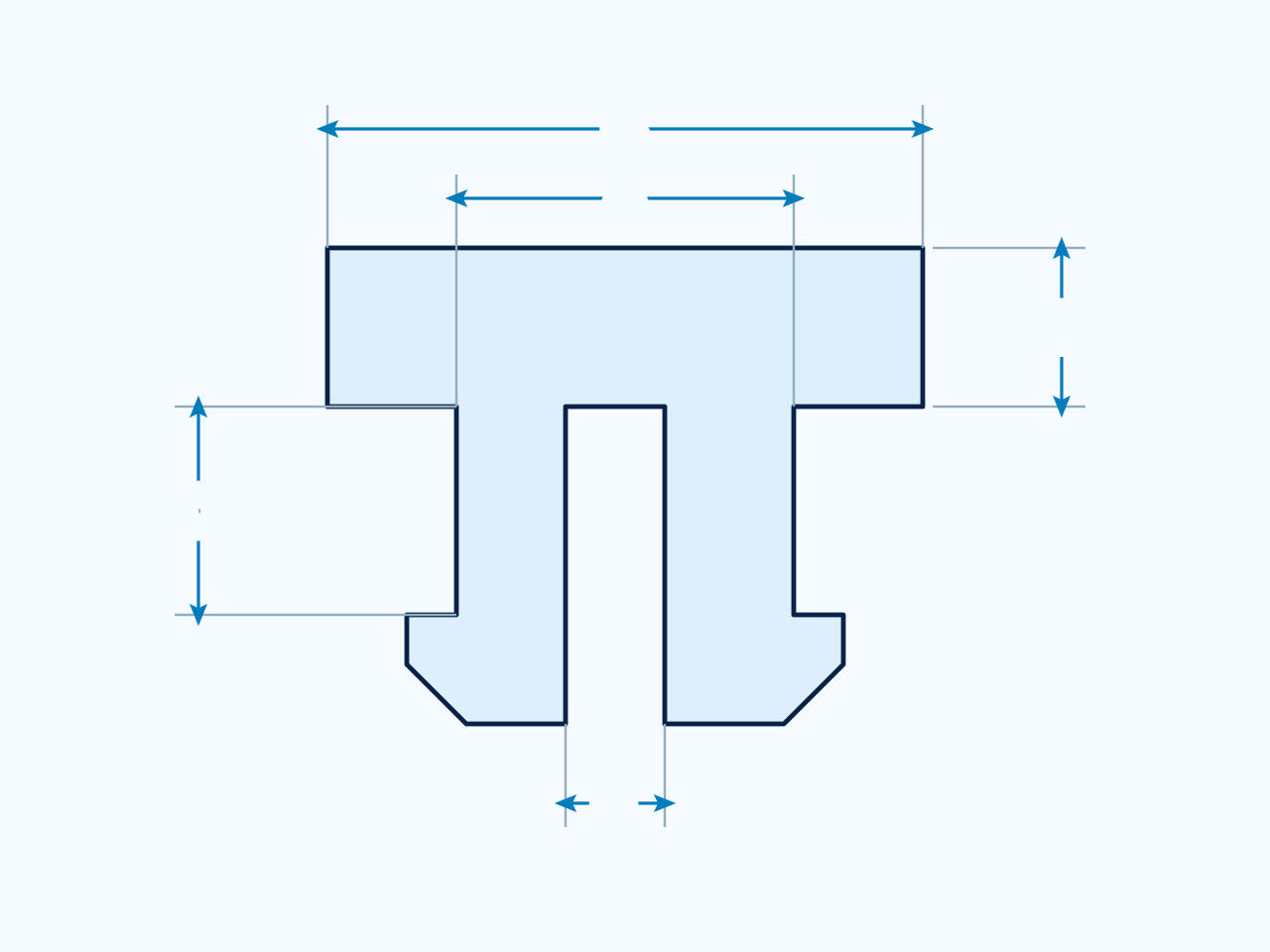
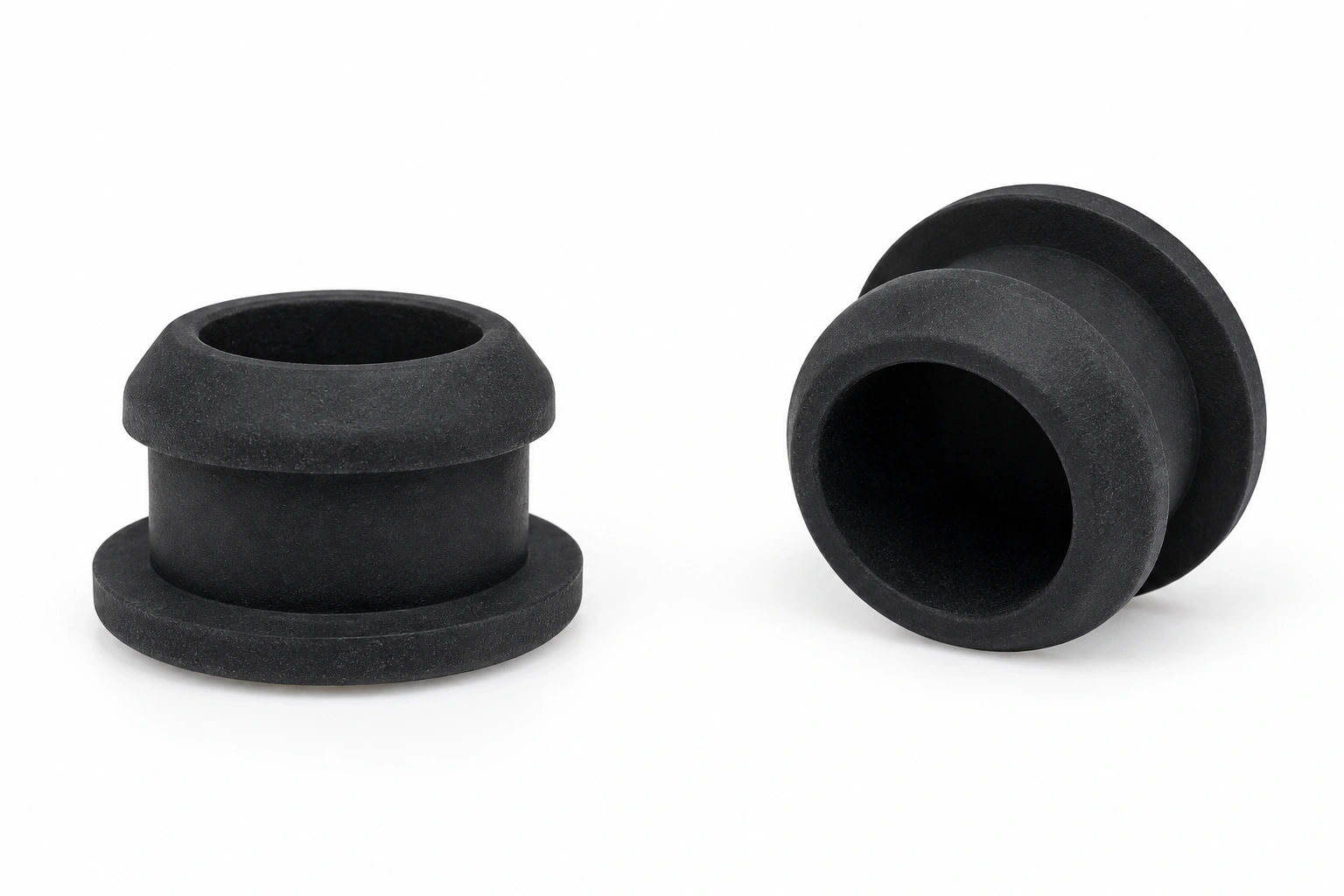
RSB Undercut Plugs
Compare neck diameter A, flange diameter B, flange-to-lip distance C and flange thickness D. Check panel thickness and rear clearance. E refers to the underside recess.
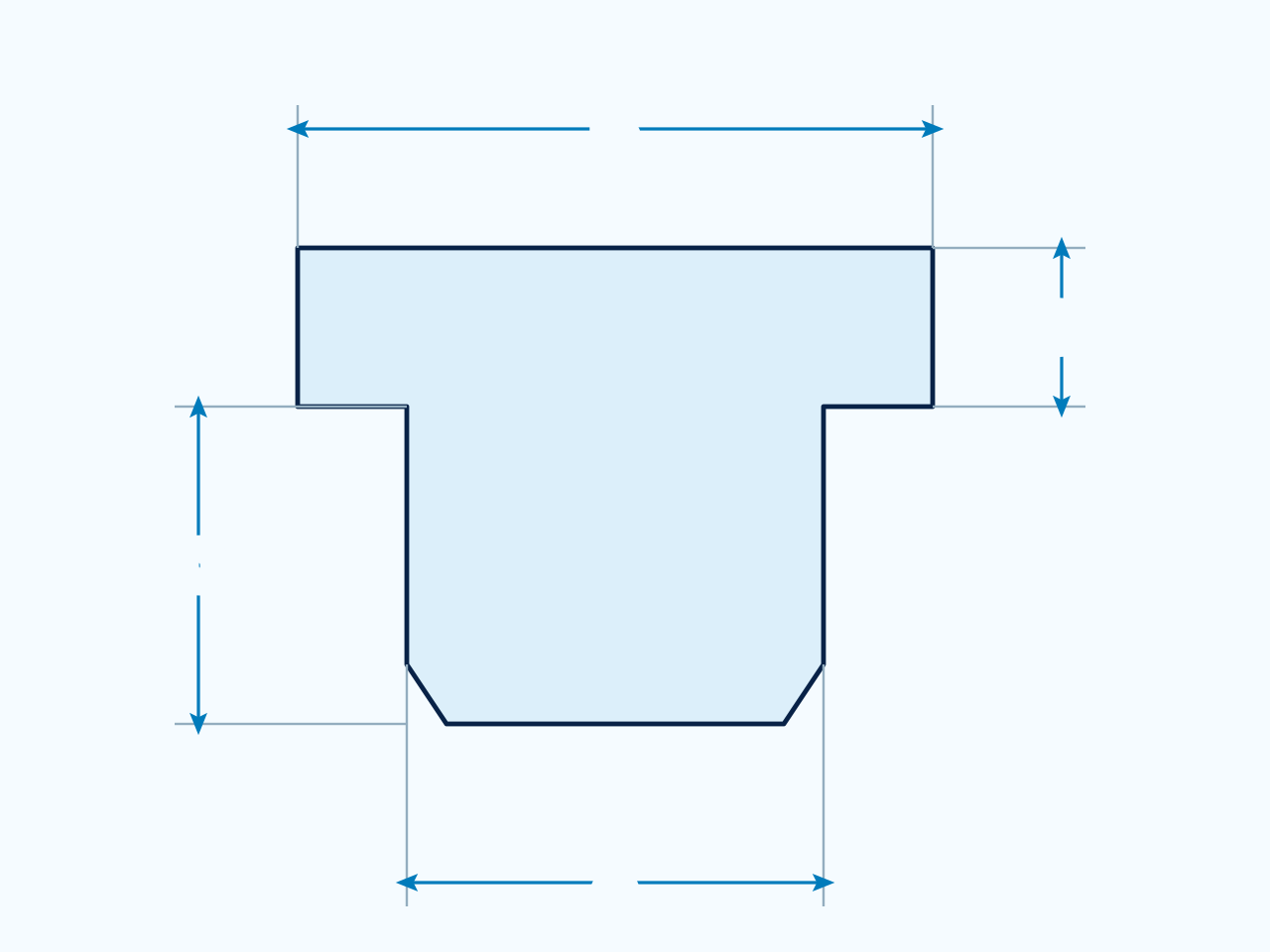
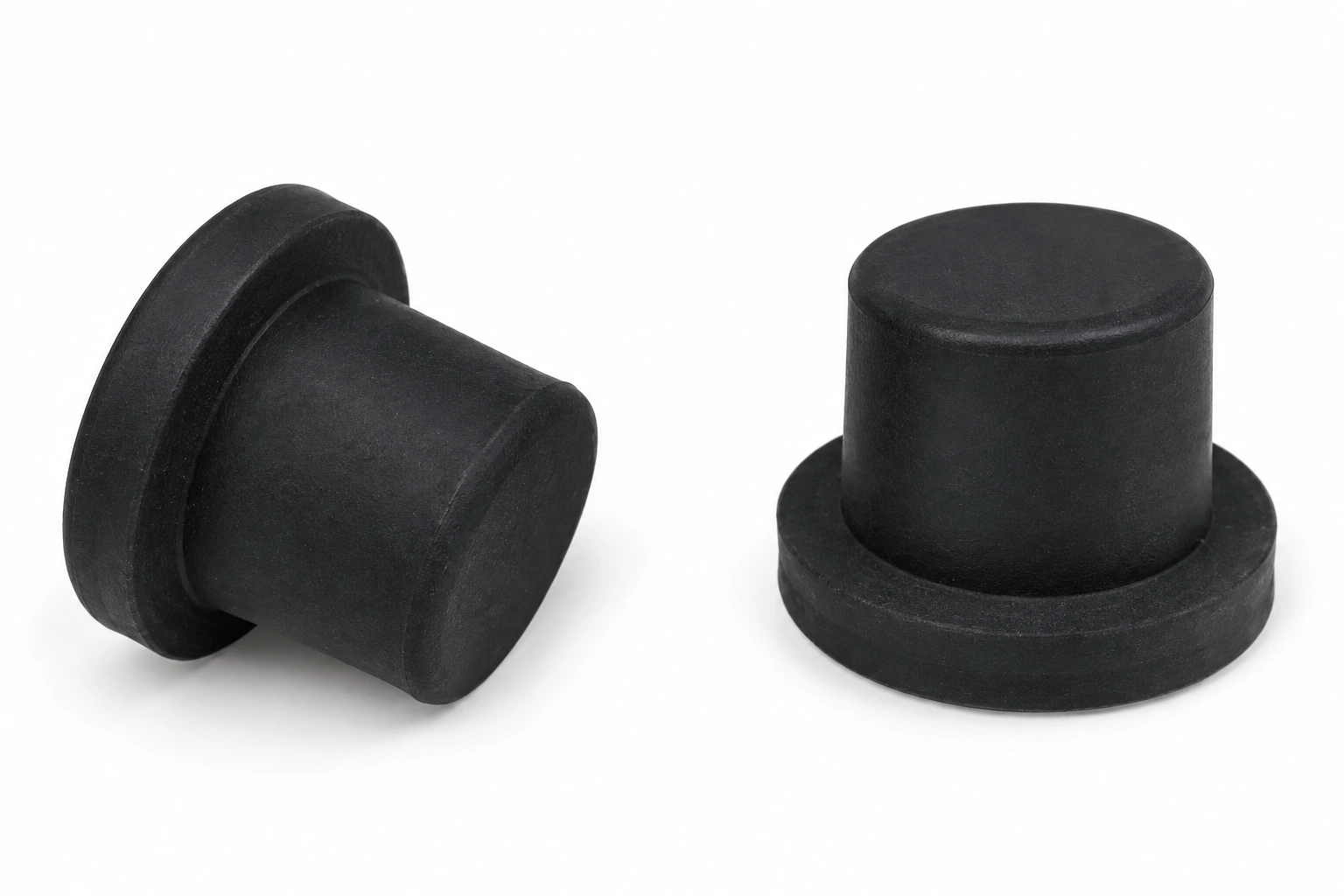
RSD T-Shaped Stoppers
Compare stem diameter A, flange diameter B, stem length C and head thickness D, in mm. Check the seating surface and available depth as well as the hole diameter.
Need a different fit? Share the opening dimensions, mating profile and intended use for a custom size.
Discuss Your RequirementsProduct specifications
- Product form
- Removable closure fitted inside an opening
- Dimensions to confirm
- Opening diameter, closure profile, insertion depth and exposed grip.
- Contact conditions
- Fuel and water: define concentration, temperature and contact time, then check compatibility with the chosen compound.
- Exposure to evaluate
- Outdoor weather. Validate the selected material under the combined conditions.
- Seating check
- Check the sealing contact around the opening and the force needed for insertion and removal.
Need a quote or a custom part?
Send your requirements, drawings or samples to discuss standard and custom silicone rubber parts.
Email us[email protected]