Shape & dimensions
Profiles, openings, wall thickness, mounting features and mating dimensions, with critical tolerances identified on your drawing.

Get custom rubber and silicone parts made to your drawing or sample. Specify the shape, size, material and hardness, with colors matched to your Pantone color code.
Tell us how the part will be used and how many you need. We will review the design with you and confirm quality requirements, pricing and sample timing.
Depending on the design, unit prices may start at $0.02 and samples may be available in as little as 48 hours. Ask for a quote and schedule for your part.
Request a Custom Quote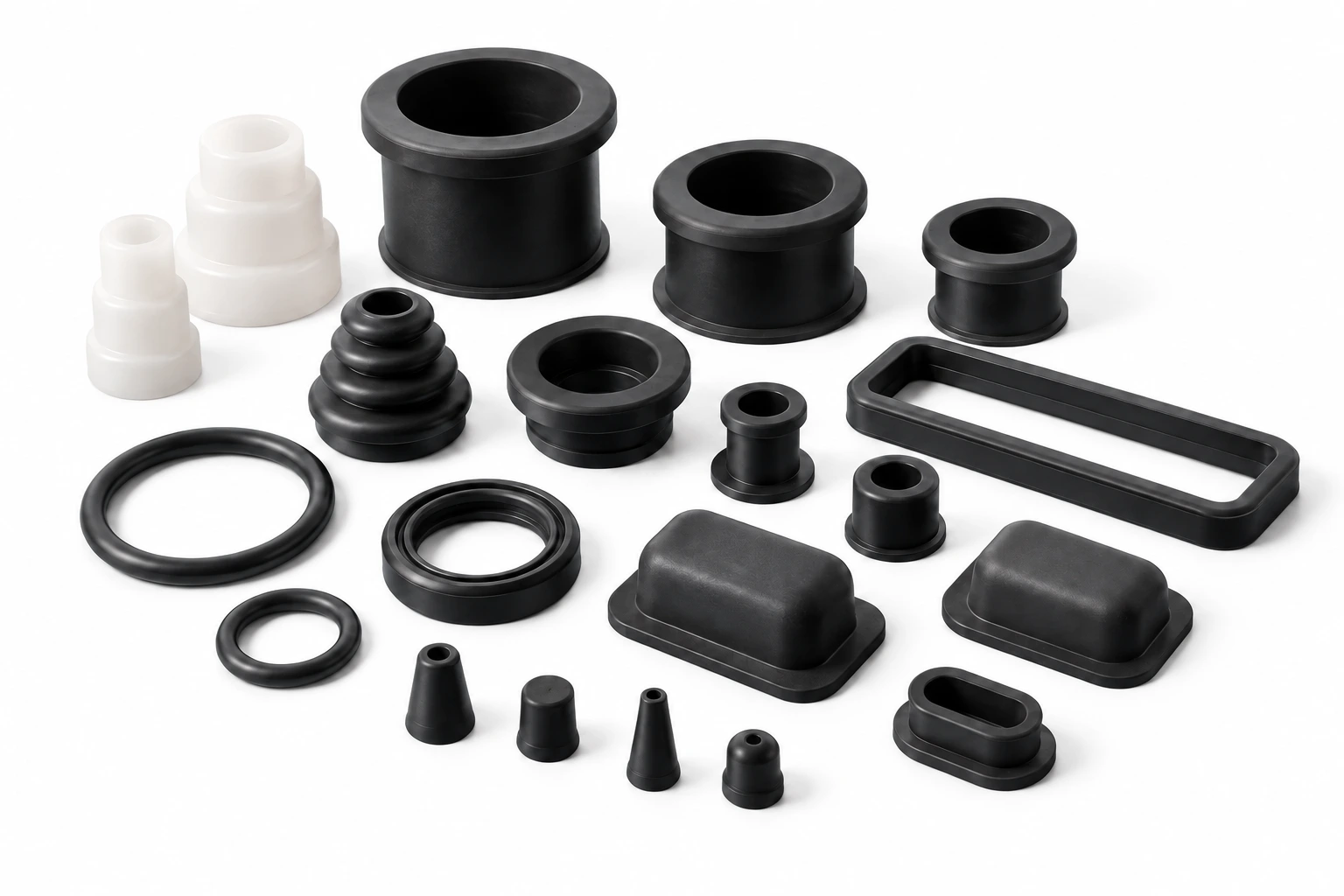
Explore nine custom part examples. The requirements and proposed solutions below are design guidance for similar projects; your specification and validation plan are confirmed during review.
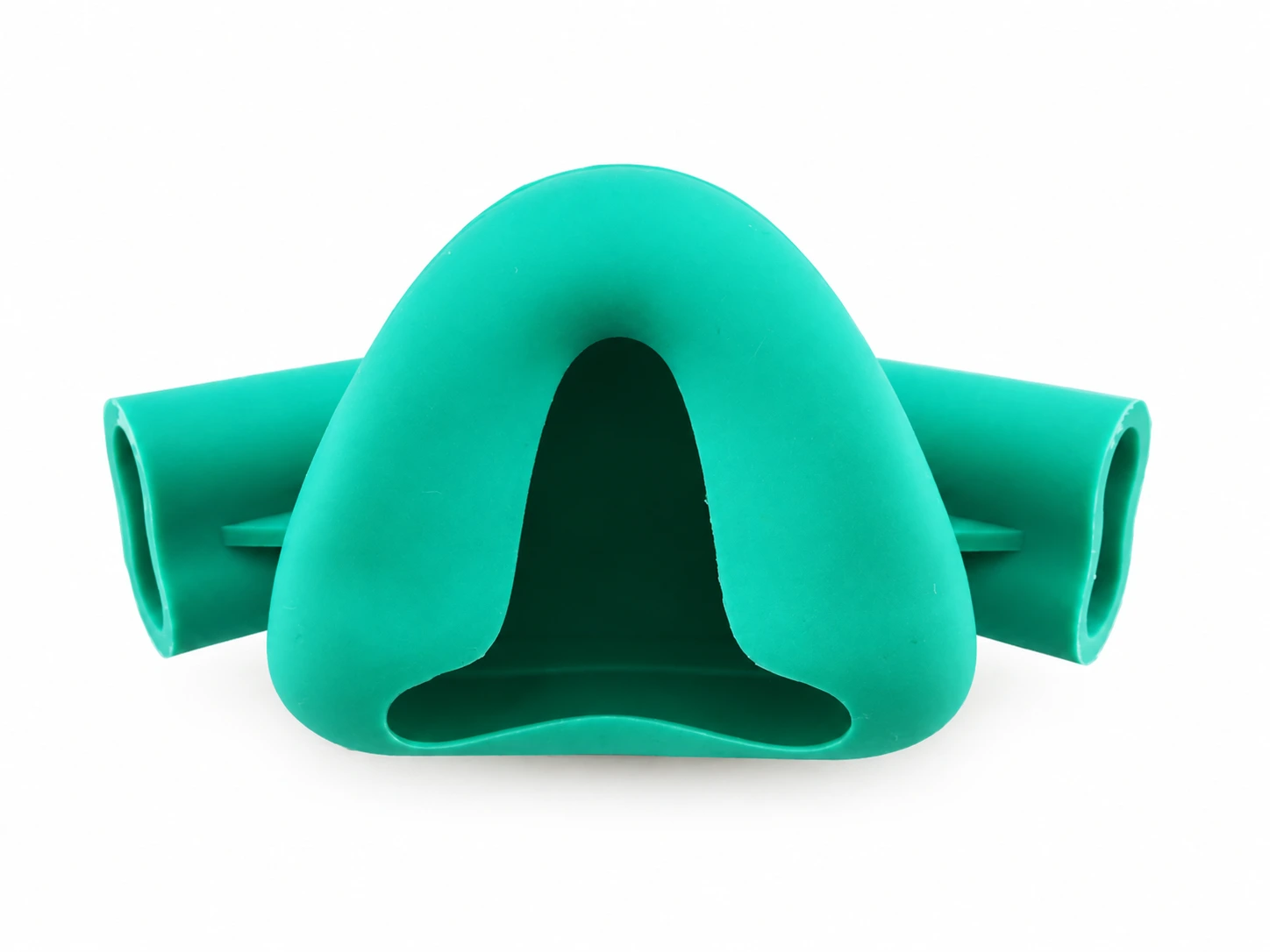
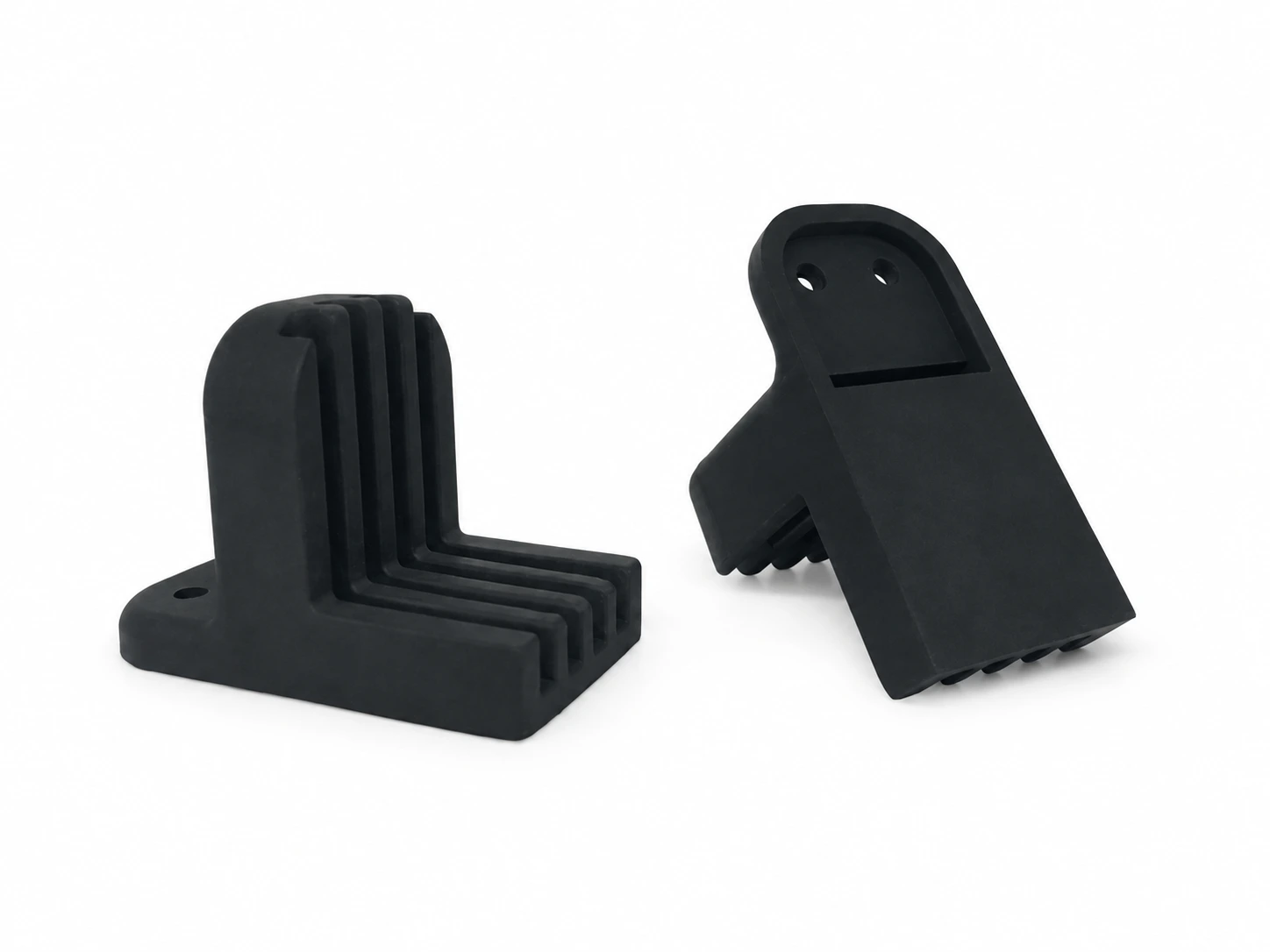
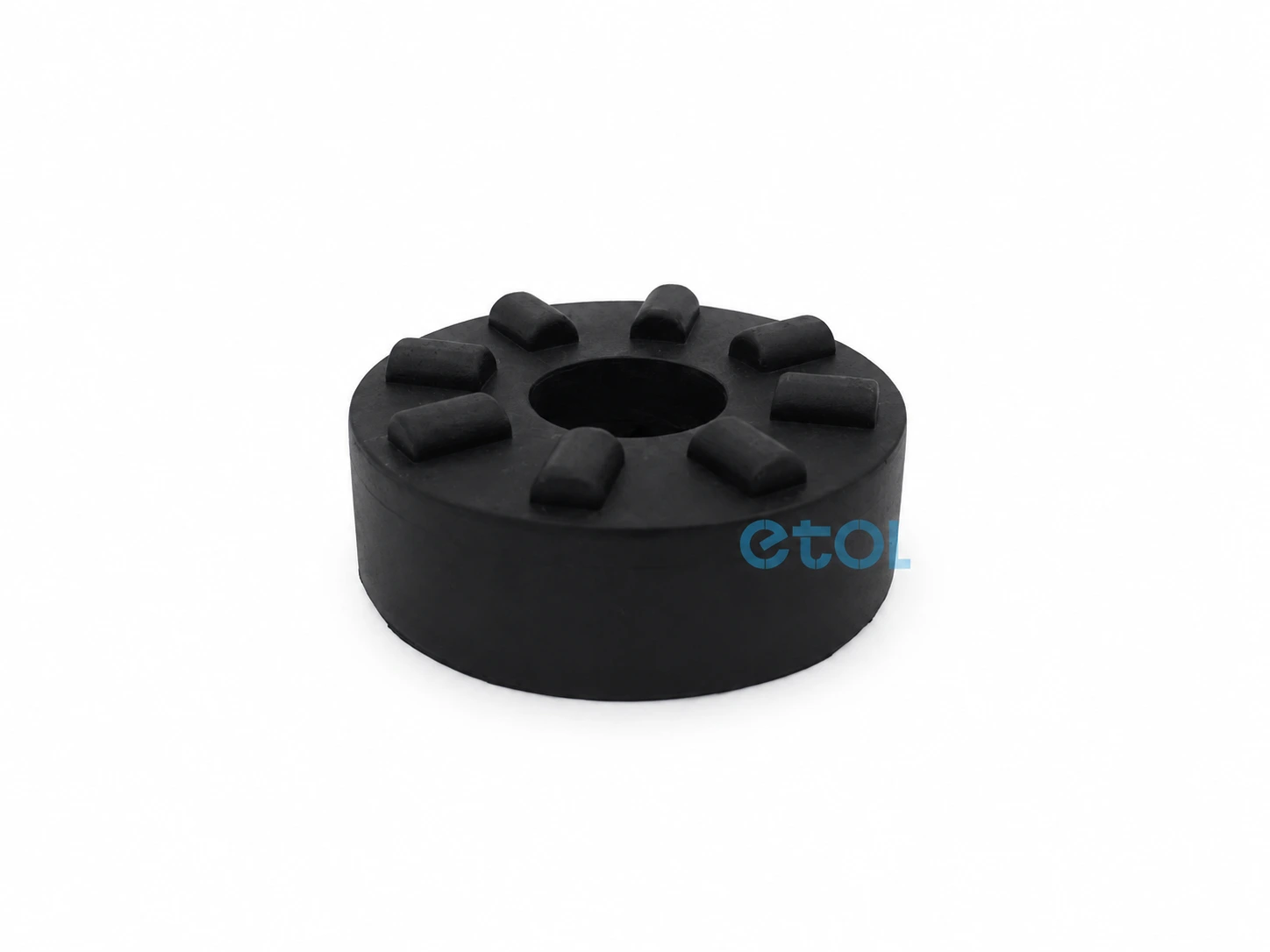
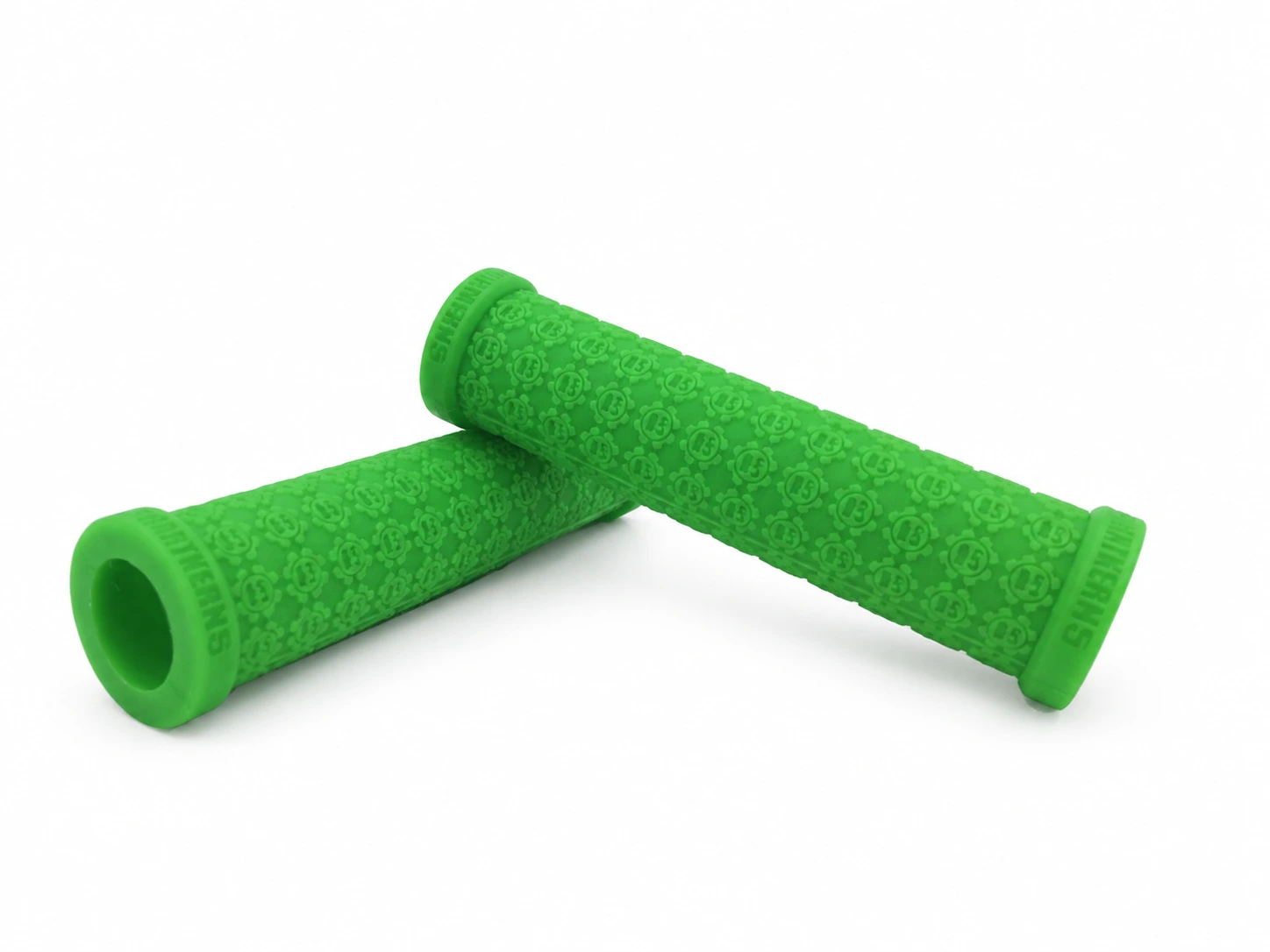
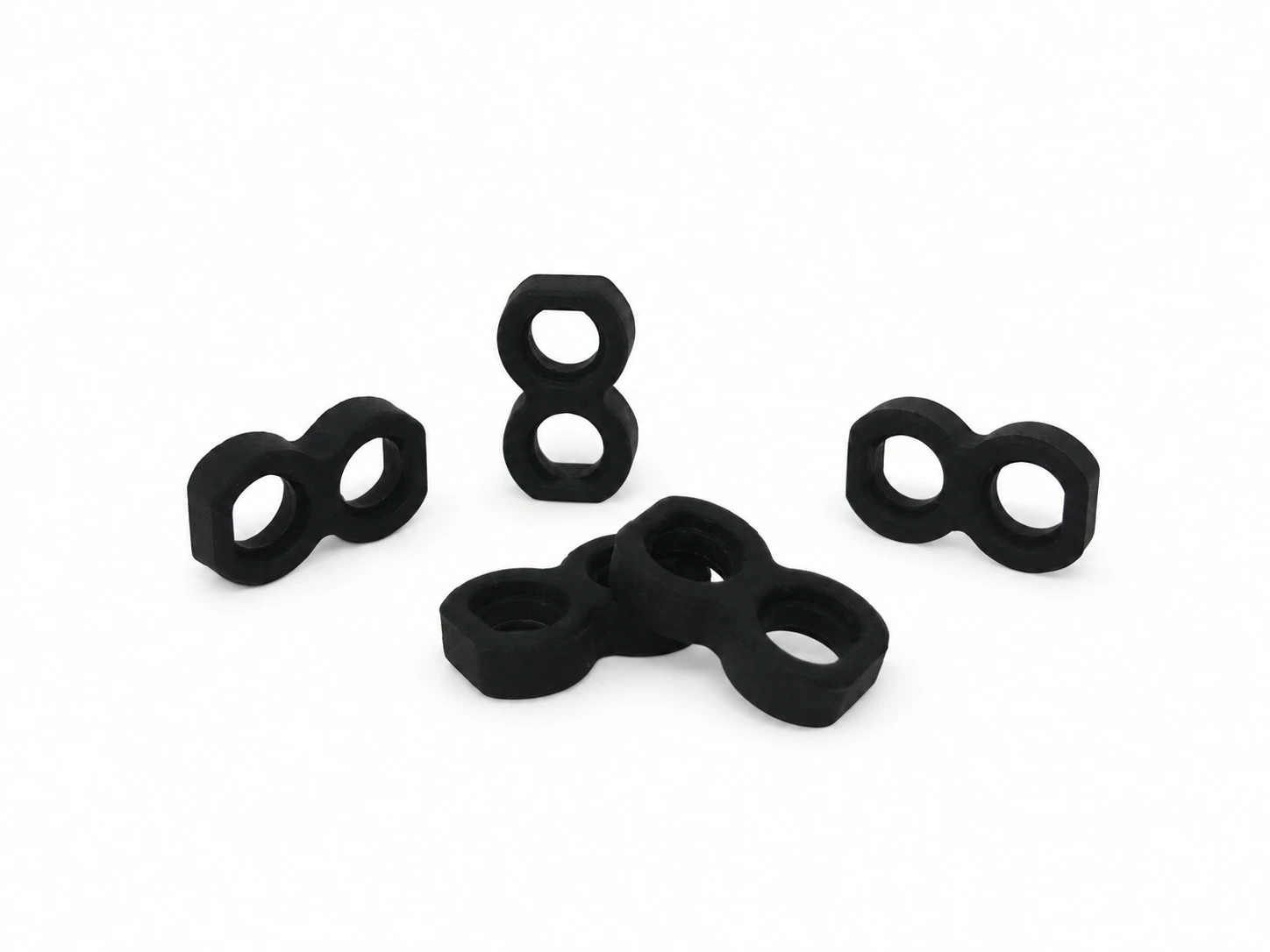
Include these details with your inquiry to help us review the design and prepare a quote. If a detail is undecided, tell us what the part needs to achieve.
Send a dimensioned PDF and, if available, a STEP or IGES model. Include units, part number and revision. If you only have a sample, share photos and key dimensions first so we can confirm the next step.
Mark critical dimensions, mating surfaces, wall thickness and acceptable tolerances. Include an assembly drawing or mating-part details where fit is important.
Specify the material and hardness scale if known, or describe the application, temperature range, contact medium, movement and load.
Include the Pantone reference, texture, markings and acceptable flash or parting-line locations. Identify any application-specific standards or performance requirements.
State the sample quantity, initial order and expected repeat demand, plus your required sample date, production date and delivery destination.
List dimensional, visual and functional checks, test conditions, acceptance limits and required reports. Identify who will approve the samples and release production.
Choose around the job your custom part must do. Use these starting points to discuss the compound, geometry and sample checks with us.
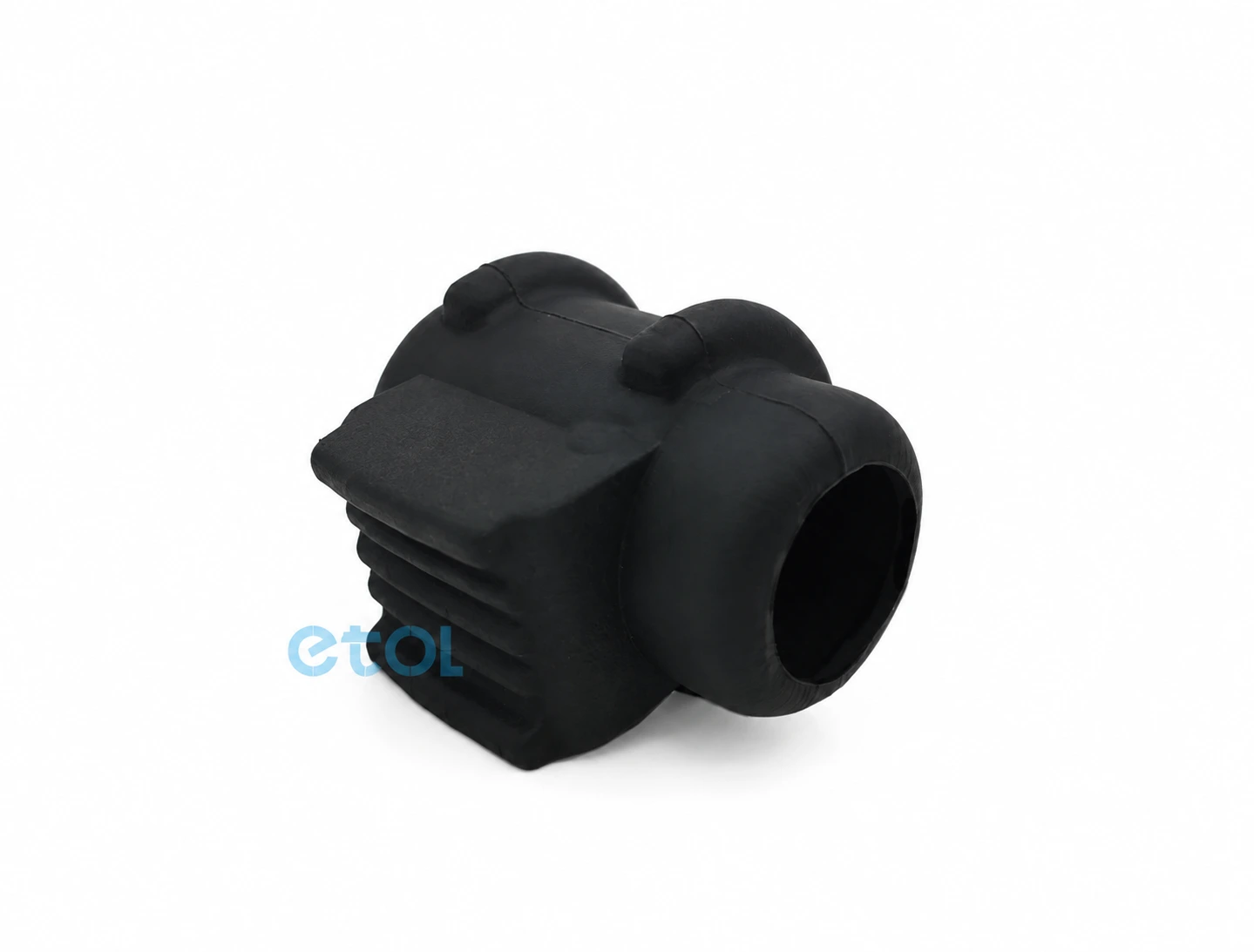
Consider NR for a custom mount or buffer that needs elastic recovery and tear strength. Share the load and movement range so we can review the shape and hardness; flag any oil or outdoor exposure.
NBR is a starting point for custom gaskets and seals in lubricated assemblies. Identify the oil and temperature, then define the mating dimensions and compression needed for sample testing.
Discuss FKM when a custom seal must combine heat resistance with oil or fuel contact. List every fluid, concentration and temperature extreme so the grade can be reviewed before tooling.
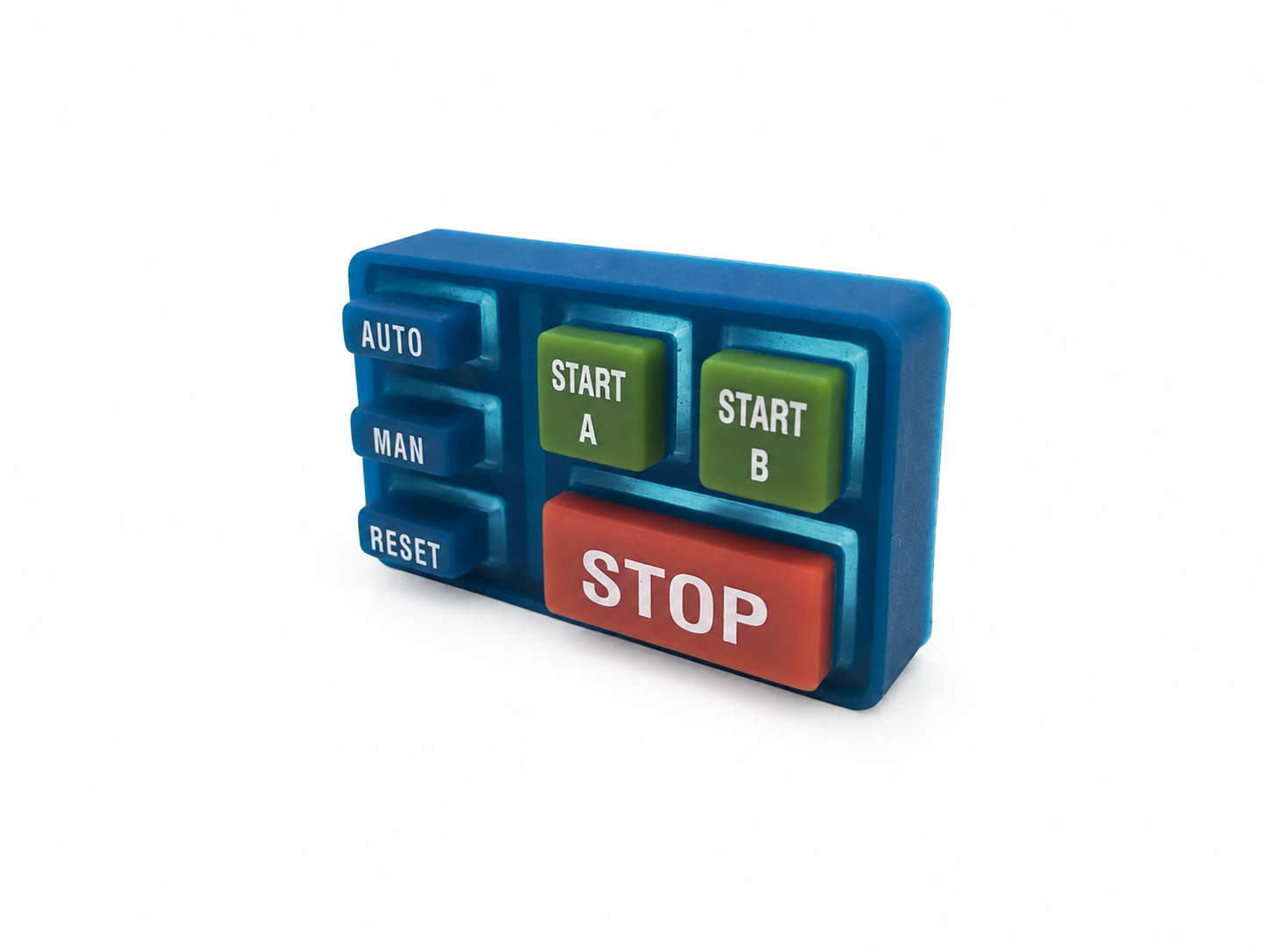
Consider silicone for a custom keypad, plug or flexible cover where temperature flexibility matters. Define the feel, wall thickness and color; identify thin edges and rubbing surfaces for sample evaluation.
CR offers a useful balance for custom boots and covers facing weathering, handling and occasional oil contact. Share the movement envelope and exposure conditions to guide profile and hardness choices.
Consider EPDM for a custom enclosure gasket or water-contact seal where weathering resistance is a priority. Define the sealing gap and compression, and identify any petroleum oil or fuel contact before selection.
These are starting points for design review. Confirm the selected compound against your operating conditions and sample acceptance criteria. Temperature suitability depends on exposure duration, medium and load; dry-air ratings do not establish steam-service limits.
Agree on the tooling, samples and acceptance criteria before production. Timing is confirmed for your design, tooling needs and order quantity.
Share the submission checklist below. Confirm the drawing revision, material, critical dimensions, tolerances, quantity and acceptance criteria before proceeding.
For parts requiring a mold, agree on the tooling design, cost, ownership, storage and modification terms, together with the sample schedule. Approve these details before tooling starts.
Produce trial samples for dimensional, appearance and assembly checks. Review any deviations, agree on changes and repeat sampling where needed; record the approved drawing revision.
Evaluate the samples against the agreed dimensions, hardness, color, finish and functional requirements. Confirm the approved reference sample and inspection plan in writing before batch production.
Produce to the approved specification. Agree on inspection records, sampling quantities and how nonconforming parts will be handled; confirm batch acceptance and packaging before shipment.
Confirm the shipping method and destination. On receipt, check quantity, packaging, part identification and the agreed acceptance items; report any discrepancy with photos and batch details.
We make custom parts by molding, extrusion or cutting. Send a drawing or sample, your material requirements and the quantity you need. We will review the production options and prepare a quote.