
Professional Rubber Tubing And Rubber Hose Manufacturer
ETOL is a rubber tubing manufacturer with over 20 years of experience supplying rubber hoses in a range of sizes. Custom rubber tubing is also available. Send your drawing and operating requirements; samples may be available in as little as 48 hours, depending on the design. We will confirm timing for your project.
Need a custom color? Include your Pantone color code when requesting a quote.
Explore Our Product Range
Find the right part for your application.
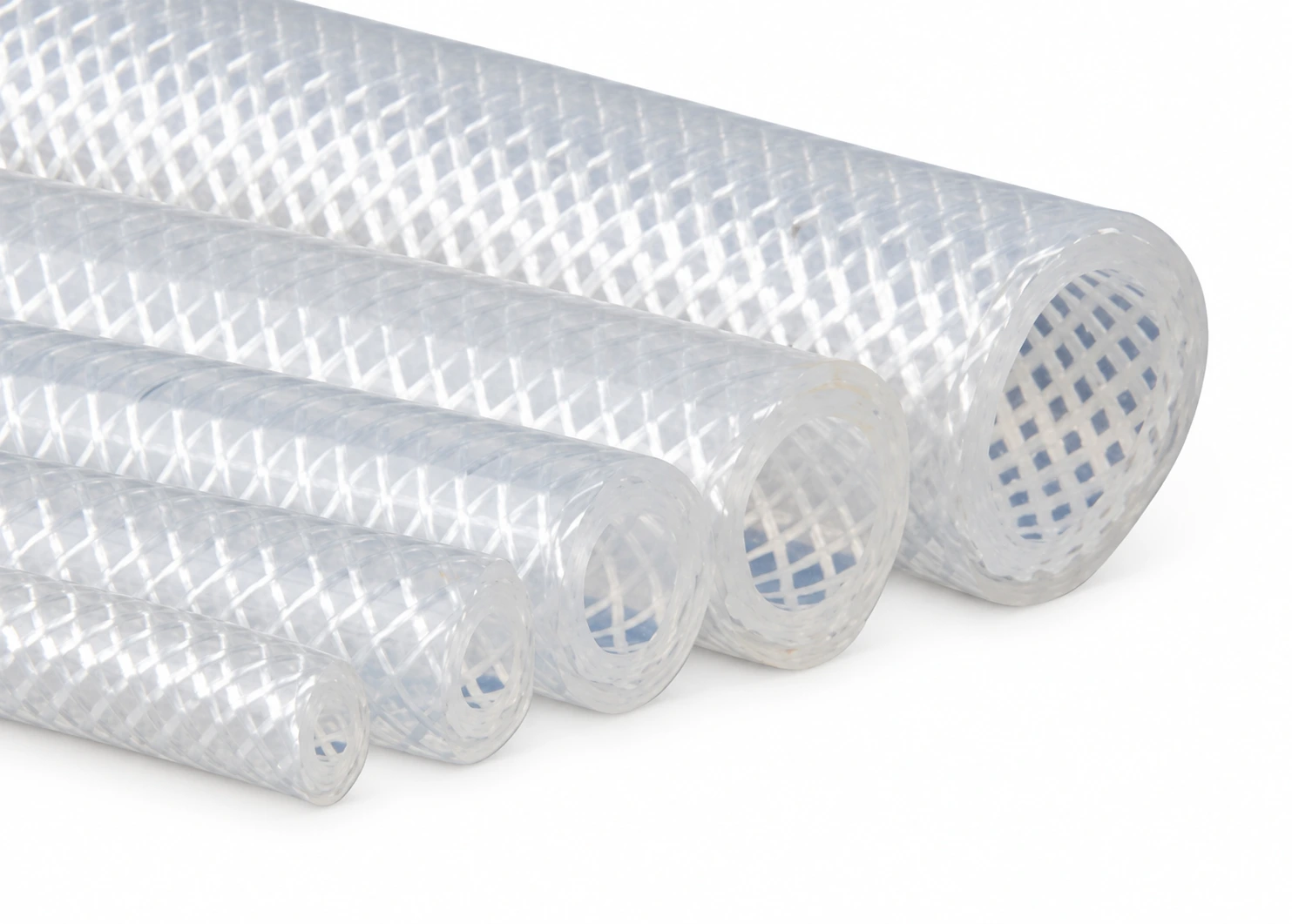
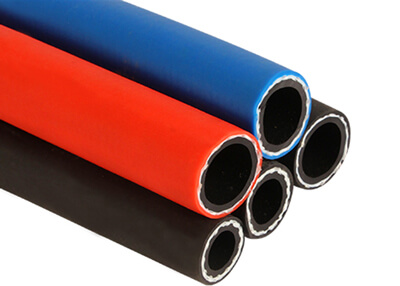
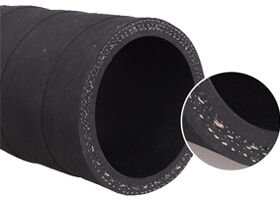
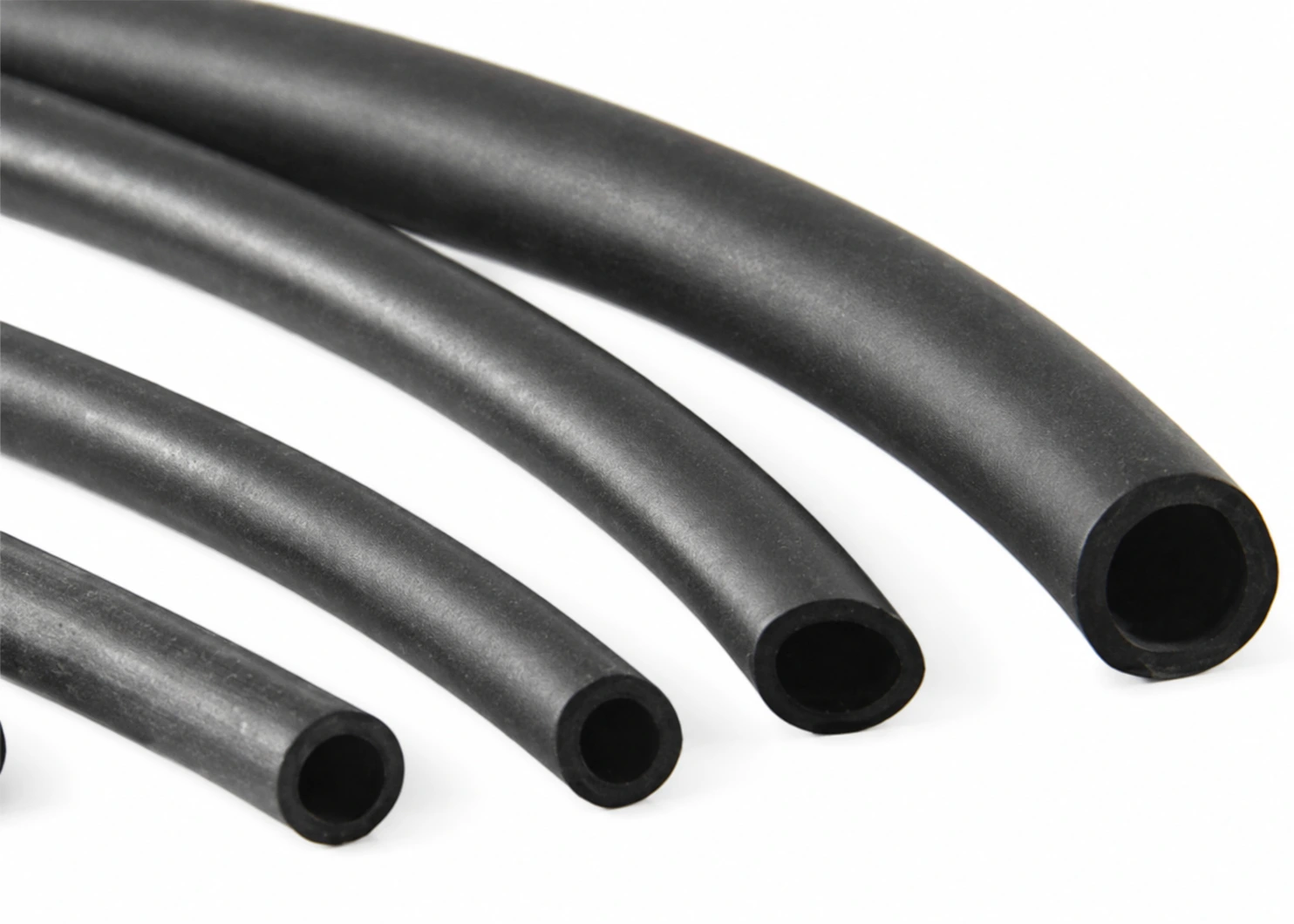
A Closer Fit for Your Application
Every application has its own requirements. From choosing a standard size to developing a custom part, our team can help you explore suitable dimensions, materials and mounting options.
Discuss Your ApplicationWhat Are Rubber Tubing and Rubber Hose?
Rubber tubing, also called rubber hose in many applications, carries fluids or gases. It can be made from natural or synthetic rubber in a range of lengths, diameters and wall thicknesses.
Rubber tubing is used in factories, farms, chemistry laboratories and other workplaces. It is often supplied in coils and cut to the required length. The material and construction determine its flexibility, durability and suitability for the job.
Soft and hard rubber tubes are used as flow lines in industrial, chemical, agricultural, oil and gas applications. Select the tubing for the fluid or gas, pressure, temperature and routing requirements.
Material Classification
Rubber is an elastomer: it can deform under load and recover when the load is removed. This flexibility helps rubber tubing and rubber hoses accommodate movement and curved routes.
Durability, tear resistance, pressure capability and temperature limits vary by compound and construction. Match these properties to the conditions in which the tubing will operate.
When choosing soft rubber tubing, compare the natural rubber and synthetic rubber options available for your application.
What is Natural Rubber Tubing?
Natural rubber, also known as gum rubber, comes from latex harvested from rubber-producing plants. It is valued for elasticity and resilience. For vacuum applications, confirm that the tubing's material and wall construction can withstand the required conditions without collapsing.
What is Synthetic Rubber Tubing?
Synthetic rubber is manufactured to provide different combinations of properties. Options used in tubing and related flexible products include:
- Isoprene
- Ethylene Propylene
- Nitrile Rubber
- Polychloroprene
- Silicone Rubber
- Polyurethane
- Styrene-Butadiene Rubber
Different synthetic rubber grades offer different levels of abrasion, chemical, ozone and oil resistance. Compare the actual compound data, service requirements and cost rather than assuming all synthetic rubber performs alike.
Rubber Hose Construction
Many reinforced flexible rubber hoses have three main layers: an inner tube, reinforcement and an outer cover.
The inner tube contains the fluid or gas and must be compatible with it at the operating temperature.
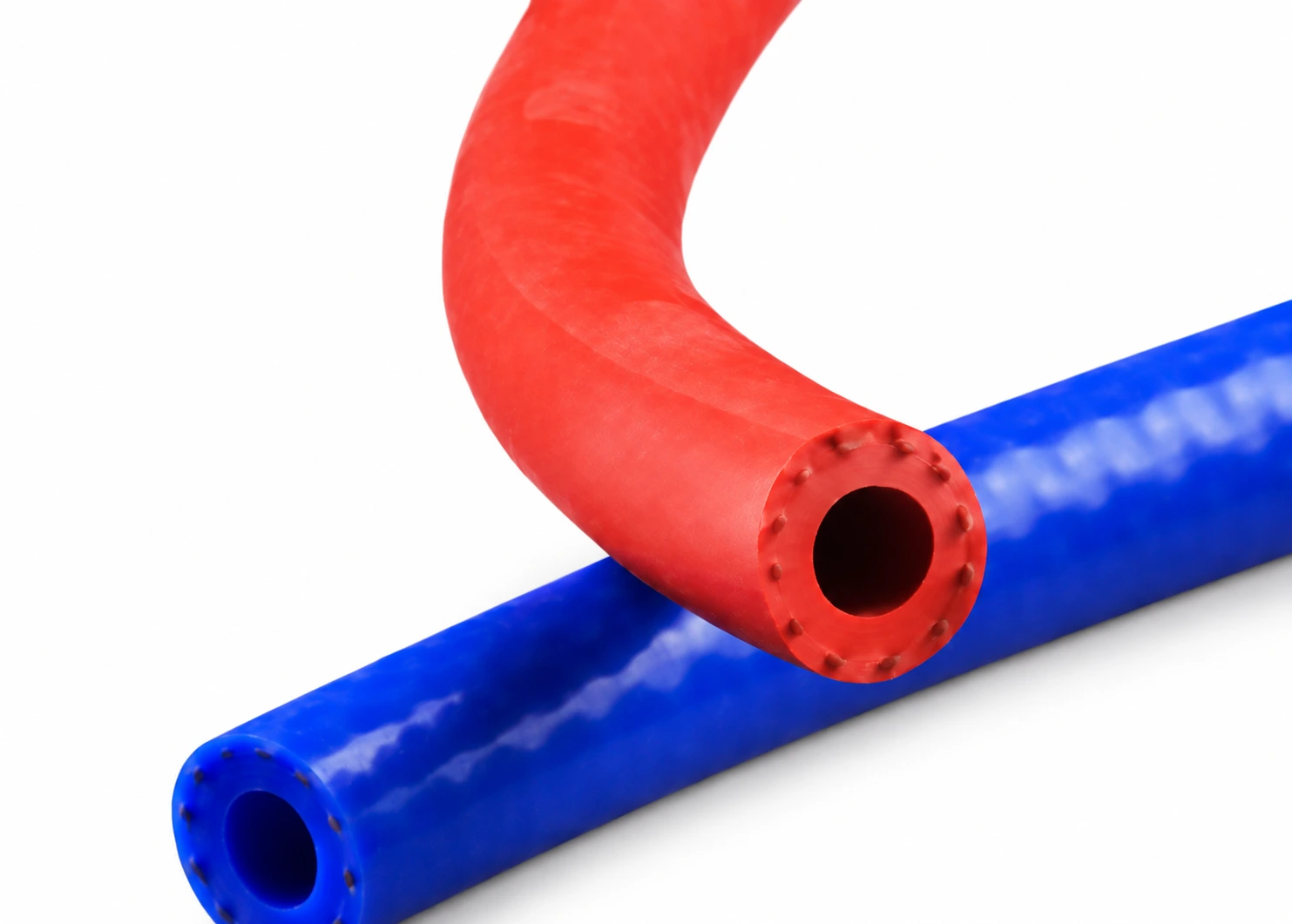
The reinforcement supports the tube under pressure. Braided or wrapped textile or wire layers may be used, depending on the hose design. Confirm the working pressure and temperature rating for the complete hose assembly.
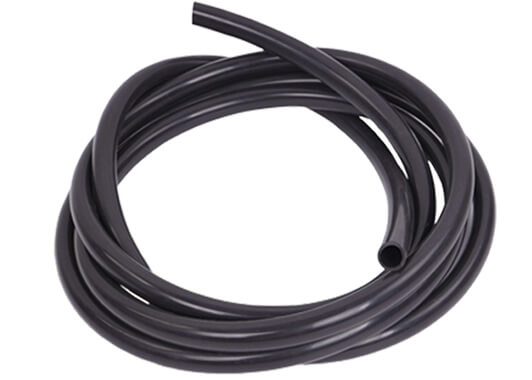
The outer cover helps protect the hose from its surroundings. Different colors can identify lines or match the application; black rubber hose is a common option.
Some small rubber tubing has a single, homogeneous rubber wall without separate reinforcement or an outer cover. Its suitability depends on the material, wall thickness and operating conditions.
Manufacturing Process
Rubber hose manufacturing methods depend on the size, material, reinforcement and intended application.
In extrusion, rubber tubing compound passes through a die that forms the required cross-section. The process is controlled to achieve the specified inside diameter, wall thickness and finished dimensions.
Larger rubber hoses may be built using wrapped layers, including reinforcement and an outer cover. The construction is selected for the hose diameter, pressure and application.
Shape Type
Rubber hoses are often supplied in coils or cut lengths. Flexible tubing can follow a curved route within its specified bend radius, while a permanent shaped section may require custom manufacturing.
For a permanent bend or special profile, send the required shape to the manufacturer. Use a purpose-made part rather than attempting to reshape finished rubber hose with a flame.
A rubber hose manufacturer can review custom shapes around your fittings, installation space and required bend geometry. Include these details with your drawing.
Benefits of Rubber Tubing
Choosing between rubber tubing, silicone tubing, plastic tubing and metal pipe depends on the application. Compare flexibility, fluid compatibility, pressure, temperature and installation cost.
Useful properties to consider include:
Flexibility
Stretch rubber tubing offers flexibility for routing and movement. Keep bends within the specified radius and avoid excessive stretching, which can change the bore or damage the tubing.
Explosion Proof Requirements
If your specification calls for explosion proof equipment, tell us the applicable requirements and operating environment. Do not assume rubber tubing has this rating; suitability needs to be confirmed for the selected hose and complete system.
High Tensile Strength
Tensile strength describes the stress a material can withstand before breaking under tension. The value depends on the compound and test method and should match the tensile demands of the hose design.
Electrical Properties
A soft rubber hose may require electrical insulation, conductivity or static dissipation, depending on its use. Specify the required property and test conditions so the correct construction can be reviewed.
Comparing Costs
Rubber tubing can be an economical option, but the price depends on the compound, dimensions, construction and order quantity. Compare it with silicone tubing, plastic tubing or metal pipe using the same operating requirements, including fittings and installation.
For custom molded rubber tubing, include tooling and sampling in the cost comparison. Ask whether a standard size or a different suitable compound could reduce the overall cost.
Versatility
Rubber tubing can be specified for many different layouts and operating conditions.
Custom shapes and colors can help tubing fit your assembly and make supply lines easier to identify during servicing. Provide a Pantone color code if you need a particular color.
Specify the wall thickness, diameter, length and tubing type you need. Your manufacturer can review these details alongside the fluid, temperature and pressure requirements.
Portable and Easy to Store
Rubber tubing and hoses may be supplied in coils for storage and installation. Keep coils supported, organized and within the recommended bend radius, and follow the handling guidance for their size and weight.
Easy to Maintain
Routine care helps keep rubber hoses in usable condition. Set inspection and cleaning intervals for the material and service conditions.
Avoid dragging tubing over rough surfaces or leaving it unsupported where it could kink or carry excessive load. Even a protective outer cover can be damaged by rough handling.
Use rubber tubing only within its specified operating limits and for compatible fluids or gases.
Ask your rubber hose manufacturer for cleaning and care instructions, including suitable cleaners and inspection intervals. Check for tears, cracks, leaks, discoloration or other damage, and replace tubing when its condition no longer meets the service requirements.
Applications & Usage Methods
Rubber tubing is used across many industries. Each application requires a suitable material and construction. Examples include:
- Food and beverage (PVC rubber)
- Wastewater management (PVC rubber)
- Pool systems (PVC rubber)
- Pharmaceutical manufacturing, including sterilized rubber tubing where the grade and sterilization process are validated.
- Chemical engineering, with tubing selected for the specific process chemicals.
- Automotive applications (EPDM tubing)
- Aerospace (Viton tubing)
- Medical facilities, using medical rubber tubing qualified for the intended application.
These examples show the range of applications; they do not imply that one tubing grade is suitable for all of them.
Rubber Tubing Selection Tips
There is no single rubber tubing size or material that suits every application. Start with your operating conditions and required fit.
When comparing options, consider the inside and outside diameters, wall thickness, length, bend radius, fluid compatibility, operating pressure and temperature. Include any requirements for reinforcement, color or performance testing in your inquiry.
Why Choose Us
Manufacturing Experience
With over 20 years in the rubber and silicone industry, we manufacture parts for 30,000+ customers in over 60 countries. Share your application challenges so we can help you define the right part.
Quality Requirements
Tell us which FDA or RoHS requirements apply to your product. We will review the selected material and part against your application requirements before you order.
Fast Delivery
Delivery may be available in as little as 3 days, depending on stock and destination. Share your required arrival date so we can confirm the options.
Extensive Product Range
Browse more than 18,000 product types. An existing standard part may meet your requirements without the cost of a new mold.
Samples for Evaluation
Want to check the fit and quality first? Free samples may be available for eligible requests. Contact our team to confirm eligibility, availability and shipping costs.
Custom Manufacturing
Work with one team from design and prototyping through mold making, mass production and delivery.
Ready to Find Your Rubber Part?
Send your requirements or drawing to discuss the right part for your application.