
Rubber wire caps
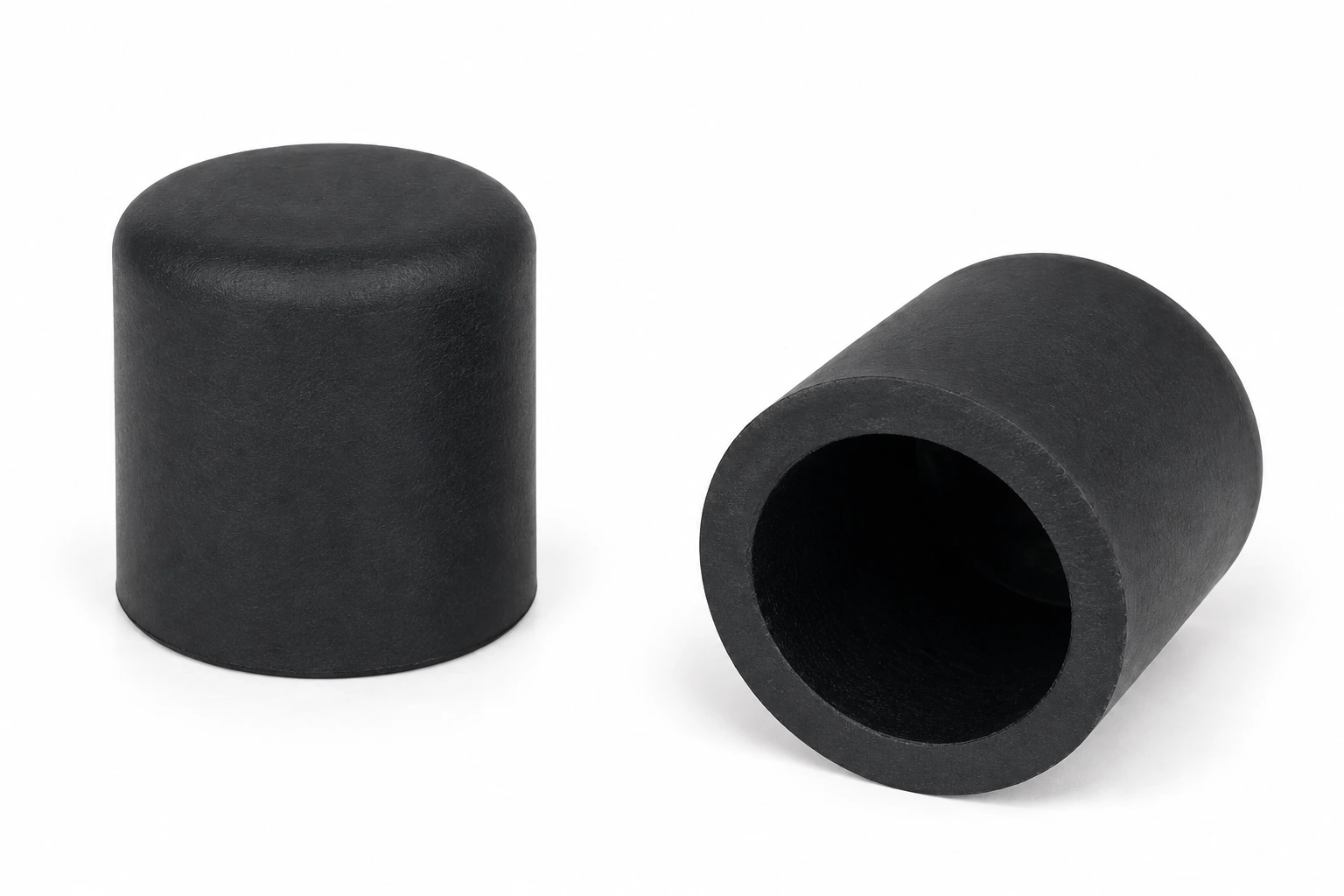
Rubber wire caps are best known for protecting the ends of wires but they can also be used for anything that resembles the shape of a wire such as tubes, pipes, and rods. These caps come in a variety of colors, thicknesses, and sizes. The different colors help distinguish the pairs of wires being held together from one another. The different sizes of the rubber wire caps facilitate you in choosing the cap that is the best fit for your wires. To try for a snug fit, choose a cap whose size is slightly smaller than the diameter of the wires so that the grip is firm and this way, you wouldn’t need to glue the wires together. Coming to the thicknesses of the wire caps, there happens to be a trade-off. The thicker the wire cap, the better will be its sturdiness and the capacity to protect the wires from exterior damage by factors like temperature, pressure, corrosion, oxidation, UV, dirt, and humidity. However, if the wire cap is thinner, it is more lightweight and the group of wires connected via the wire caps is able to be moved around easier.
Additionally, the rubber wire caps are durable enough to withstand mechanical compression and constriction. These caps also increase the friction between the group of wires that are amassed together, providing a tighter grasp for laying out the wiring network adaptably and strongly. Not to mention, the rubber wire caps also keep the ends of the wires from taking wear and tear, which keeps them in brand new condition over the years.
Thus, with such caps, there is no need to pre-twist the wires, soldering, using electric tapes, or color-coding them, as each of these purposes is efficiently fulfilled by the rubber wire caps. Go ahead and use the caps for wiring in your lamps, speakers, audio systems, automobiles, households, offices, or any other place demanding electrical utility.
All dimensions are in mm
Rubber Cap Size Catalog
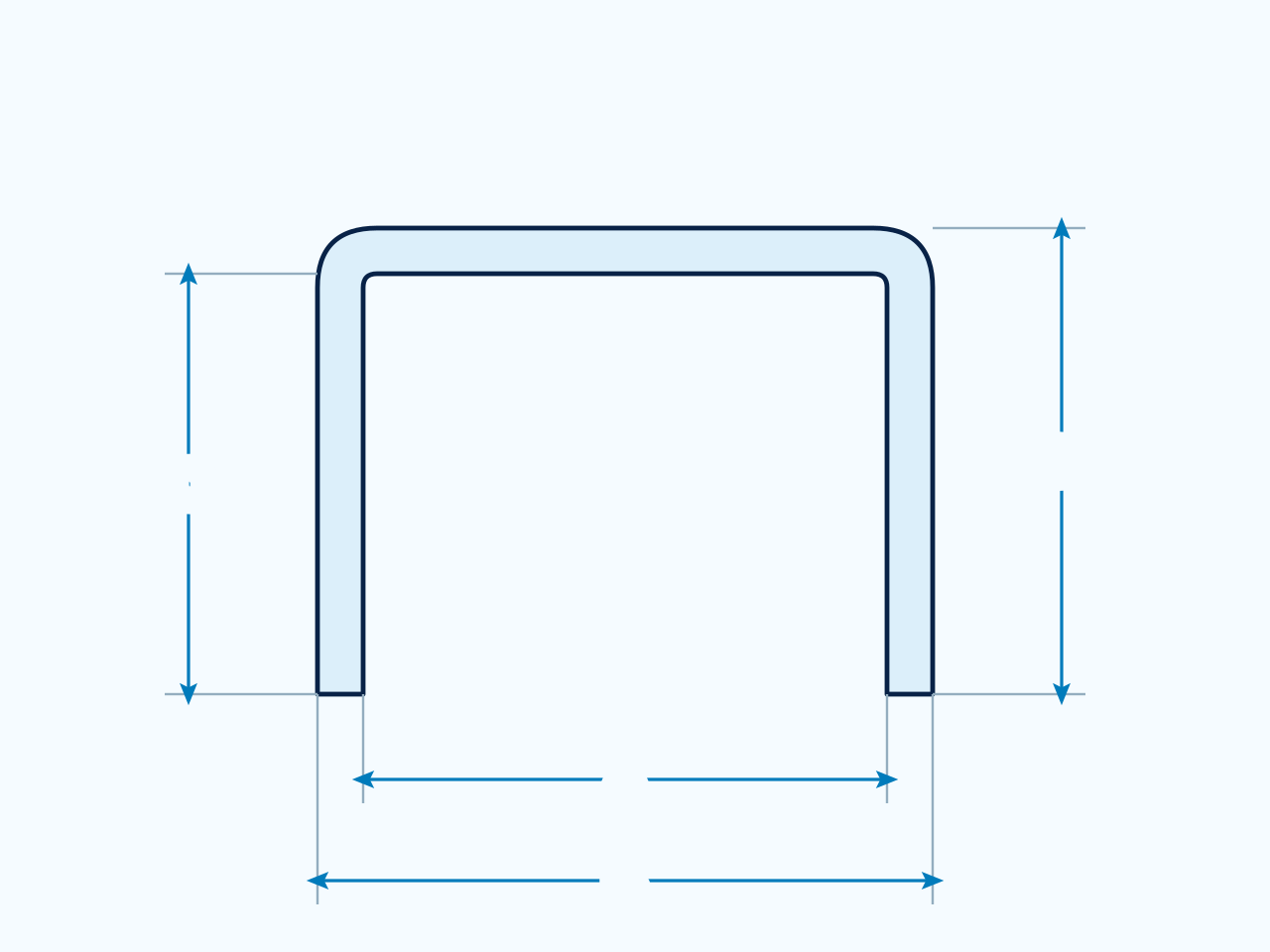
Compare the internal and external dimensions of rubber caps against the part being covered.
Custom colors are available to your Pantone color code. Include the code in your inquiry.
Rubber Caps-RSE
Compare A (inner diameter), B (outer diameter), C (inner depth) and D (total height), in mm.
Need a different size? Share your drawing, mating dimensions and intended use to discuss a suitable part.
Discuss Your RequirementsProduct specifications
- Product form
- Protective cover fitted over a component end
- Application focus
- Wire or terminal ends and pipe or conduit ends. Size the part against the selected assembly.
- Dimensions to confirm
- Mating outside dimensions, cover depth, cavity and wall thickness. Match these to wire or terminal ends and pipe or conduit ends.
- Installation discussed
- Adhesive bonding. Identify the chosen retention method and the surface or hardware it engages.
- Exposure to evaluate
- Sunlight or UV, moisture and dust or debris. Validate the selected material under the combined conditions.
- Cover retention
- Check the installed overlap and pull-off force on the actual end profile.
Need a quote or a custom part?
Send your requirements, drawings or samples to discuss standard and custom silicone rubber parts.
Email us[email protected]