
Rubber plug cap
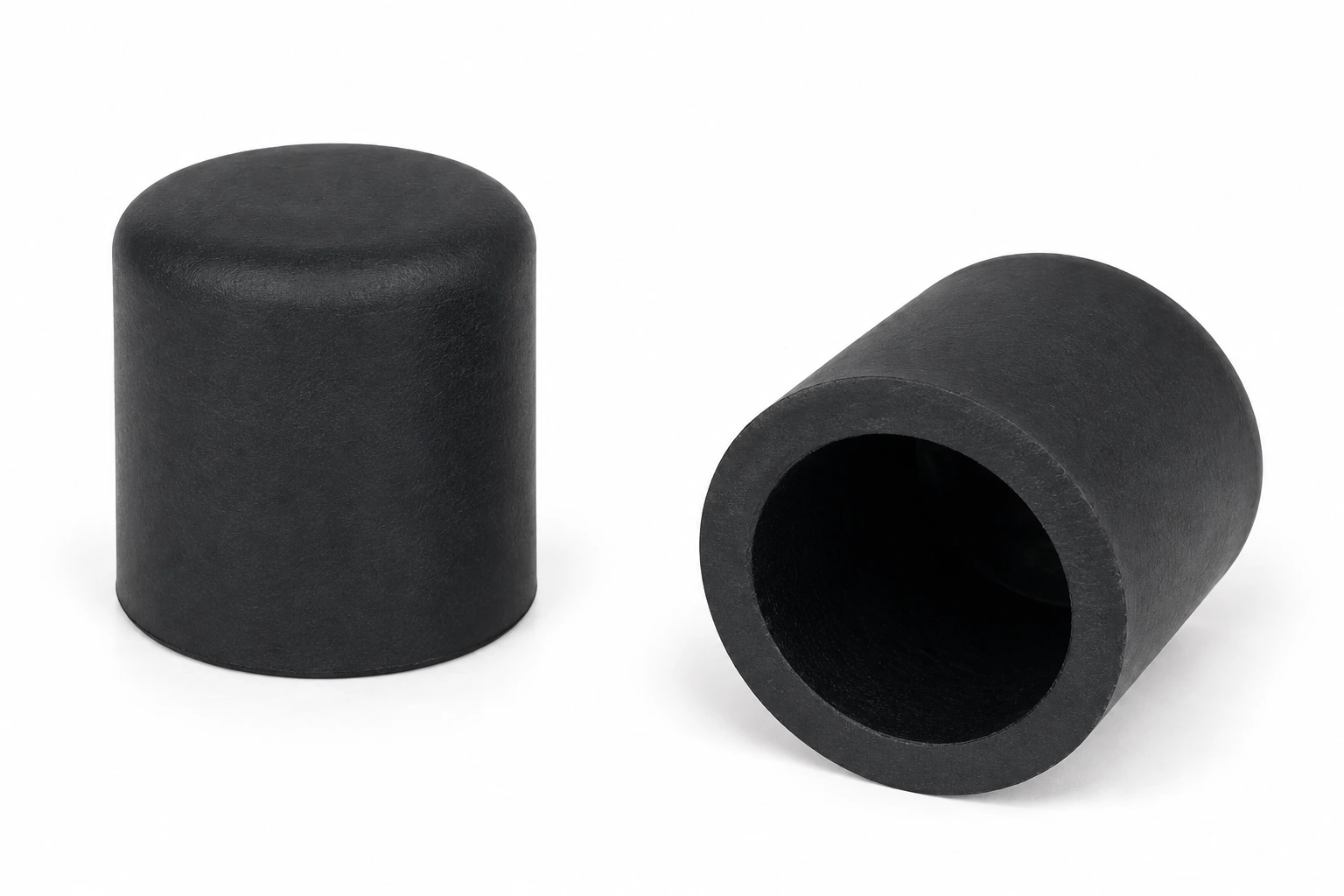
Rubber plug caps are used for different purposes. Still, their primary role is the resistance they have against high temperatures and chemicals. The different types of rubber plugs available are Tapered caps and plugs, Push-fit caps. Vinyl caps and Quick fit and/or removal plugs.
Rubber plug caps are mainly used in masking to protect electrical contact points, welding points, and threaded studs. They are used in manufacturing to ensure that the production runs smoothly and completes; rubber plugs are easy to plug in and plug out, saving more time than conventional plugs. Lastly, they are used to protect equipment or components that are prone to contamination or damage during transportation. One should always keep in mind and choose the correct rubber plugs that are suited to their needs and the purpose they have to serve. They are readily available in the market due to large production and being a temporary disposable item.
They are mostly made from Ethylene Propylene Diene Monomer (EPDM), Silicon and Butyl. EPDM is used to make rubber plug caps because it is versatile enough to act as a protector, especially used as a masking product for sealing irregular and circular shapes. They are also widely used as a roofing agent because they are water-resistant. Oil and gas companies also use EPDM plug caps because of their tendency against acids and alkalis. Plug caps made from silicon are also good at resisting high temperatures, making them best for masking. Even though silicon corrosion resistance is poor, but can still withstand the beating of the repeated production without wear and tear.
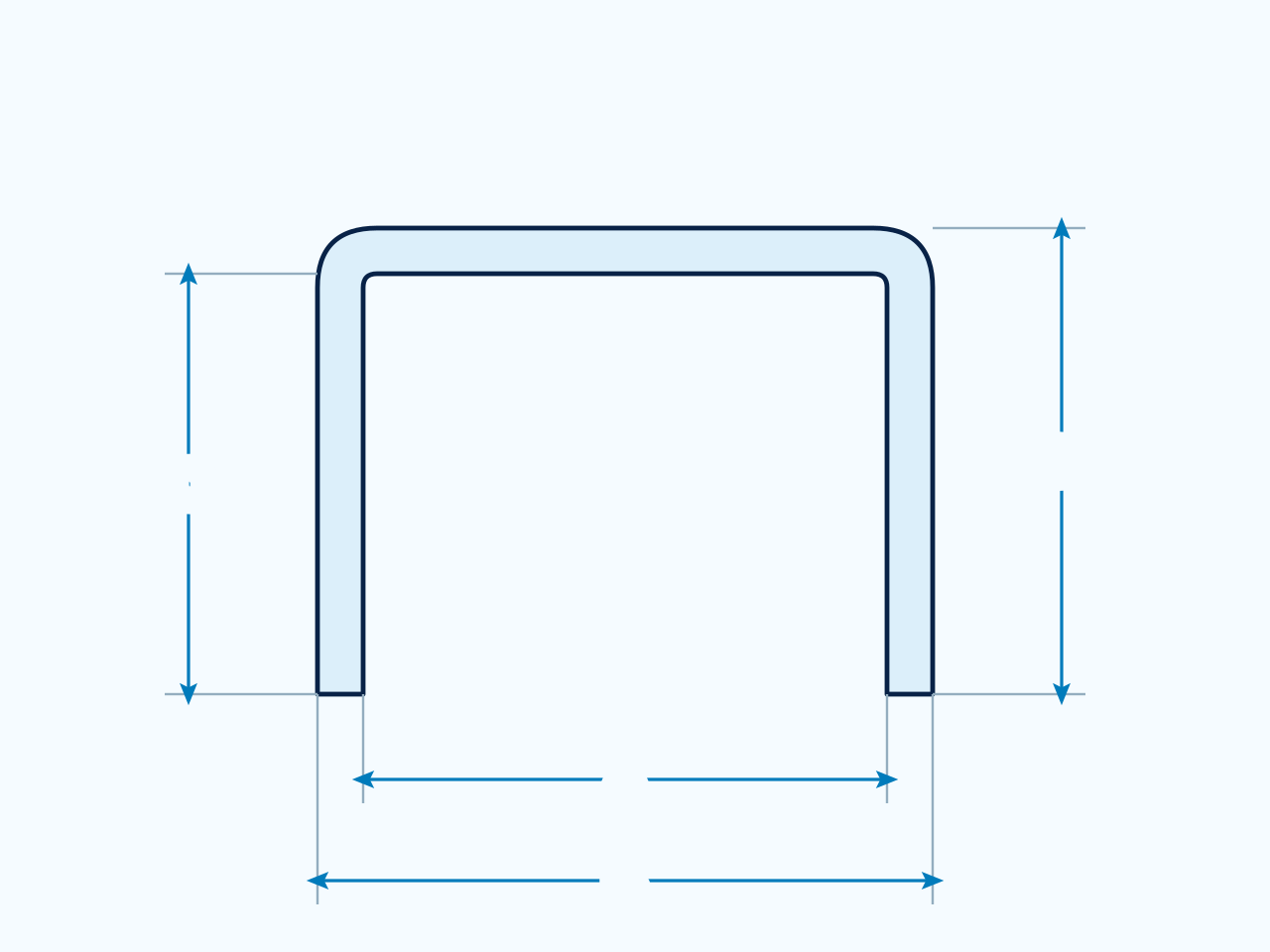
All dimensions are in mm
Rubber Cap Size Catalog
Compare the internal and external dimensions of rubber caps against the part being covered.
Custom colors are available to your Pantone color code. Include the code in your inquiry.
Rubber Caps-RSE
Compare A (inner diameter), B (outer diameter), C (inner depth) and D (total height), in mm.
Need a different size? Share your drawing, mating dimensions and intended use to discuss a suitable part.
Discuss Your RequirementsProduct specifications
- Product form
- Protective cover fitted over a component end
- Material options discussed
- Silicone, EPDM and butyl rubber. Choose one formulation for the actual contact and loading conditions.
- Application focus
- Masking during surface finishing. Size the part against the selected assembly.
- Dimensions to confirm
- Mating outside dimensions, cover depth, cavity and wall thickness. Match these to masking during surface finishing.
- Profiles discussed
- Round profiles and tapered sections. Select the profile that matches the mating part and dimension that section explicitly.
- Exposure to evaluate
- Oil splash. Validate the selected material under the combined conditions.
- Cover retention
- Check the installed overlap and pull-off force on the actual end profile.
Need a quote or a custom part?
Send your requirements, drawings or samples to discuss standard and custom silicone rubber parts.
Email us[email protected]