
Rubber wire caps
No matter the project that you do, in the end, you finish with small finesses like installing rubber wire caps on every single item that needs one. When it comes to wires, isolating them is a number one priority because they can cause great damage to your homes since they can be a fire hazard or the hazard of electroshock. Wires that are not connected to power, are not that dangerous but it is still recommended to isolate them. There are wires that are used for different purposes for example on your bicycle which their purpose is for braking and shifting gears. Those wires should have rubber wire caps because you might hurt yourself in the leg with them or cause minor scratches on your legs.
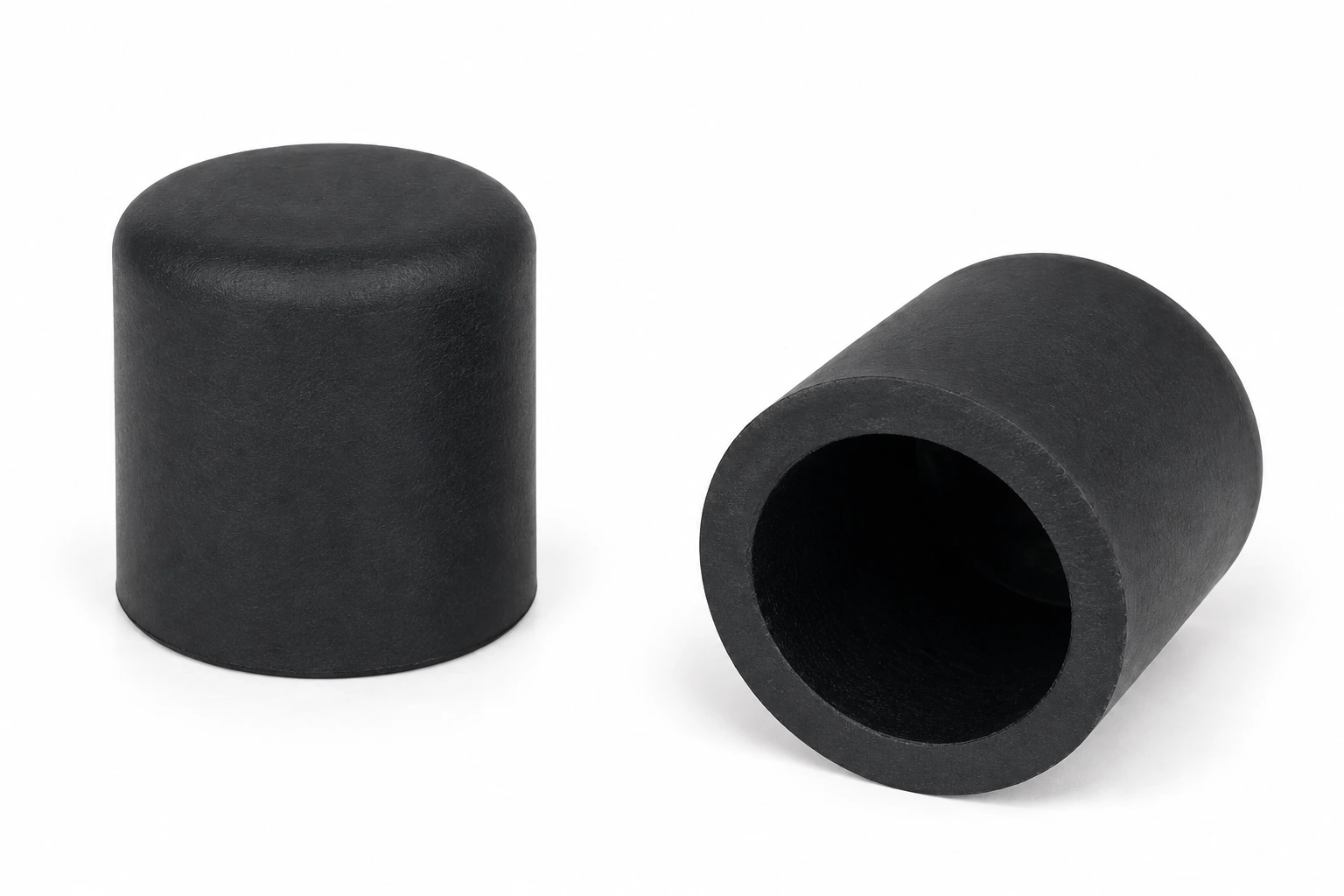
The wire caps can be made from different materials depending on the situation you need. Metal wire caps are mostly made for isolating bicycle wires. They can be made from plastic, but most commonly they are made from rubber since it cheaper to make them and more affordable for the customers. The sizes can be different but you will have no trouble finding the perfect one that you need. Also, if you protect wires that are visible you can pick a color to make it a bit more interesting.
To prevent damage to your home, you will need to have a proper wire installation. When connecting wires, you will need to use electrical tape to cover the stripped wires, and on top of that place a rubber wire cap to seal the wire tips. When the temperatures are high the tape may melt and you are left with stripped wires again. That is why the cap is important, not only that it protects the wires from getting completely stripped but it also helps with abrasion protection.
Rubber Cap Size Catalog
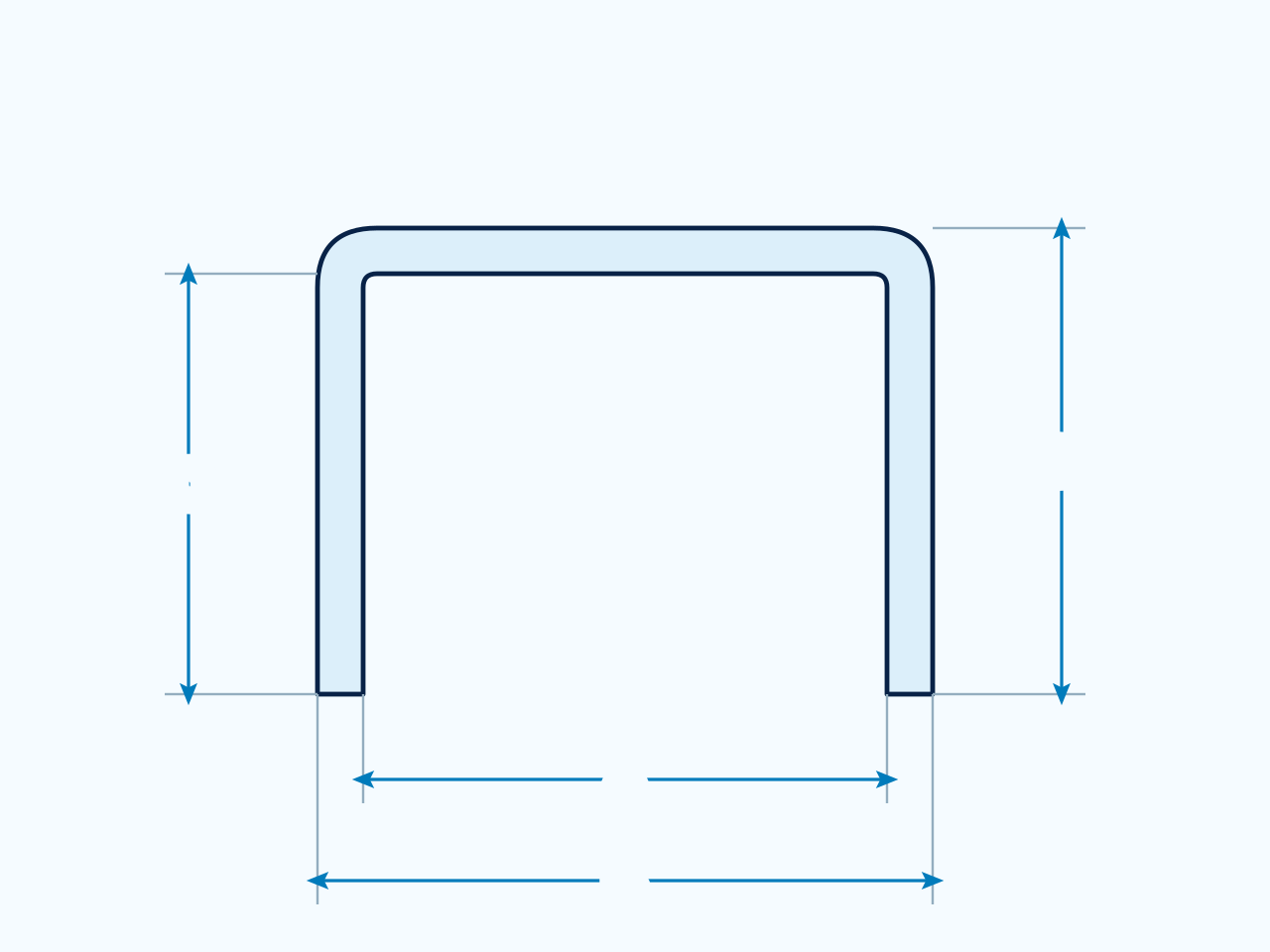
Compare the internal and external dimensions of rubber caps against the part being covered.
Custom colors are available to your Pantone color code. Include the code in your inquiry.
Rubber Caps-RSE
Compare A (inner diameter), B (outer diameter), C (inner depth) and D (total height), in mm.
Need a different size? Share your drawing, mating dimensions and intended use to discuss a suitable part.
Discuss Your RequirementsProduct specifications
- Product form
- Protective cover fitted over a component end
- Application focus
- Wire or terminal ends. Size the part against the selected assembly.
- Dimensions to confirm
- Mating outside dimensions, cover depth, cavity and wall thickness. Match these to wire or terminal ends.
- Exposure to evaluate
- Rubbing or abrasion. Validate the selected material under the combined conditions.
- Cover retention
- Check the installed overlap and pull-off force on the actual end profile.
Need a quote or a custom part?
Send your requirements, drawings or samples to discuss standard and custom silicone rubber parts.
Email us[email protected]