
Silicone Tubing Guide
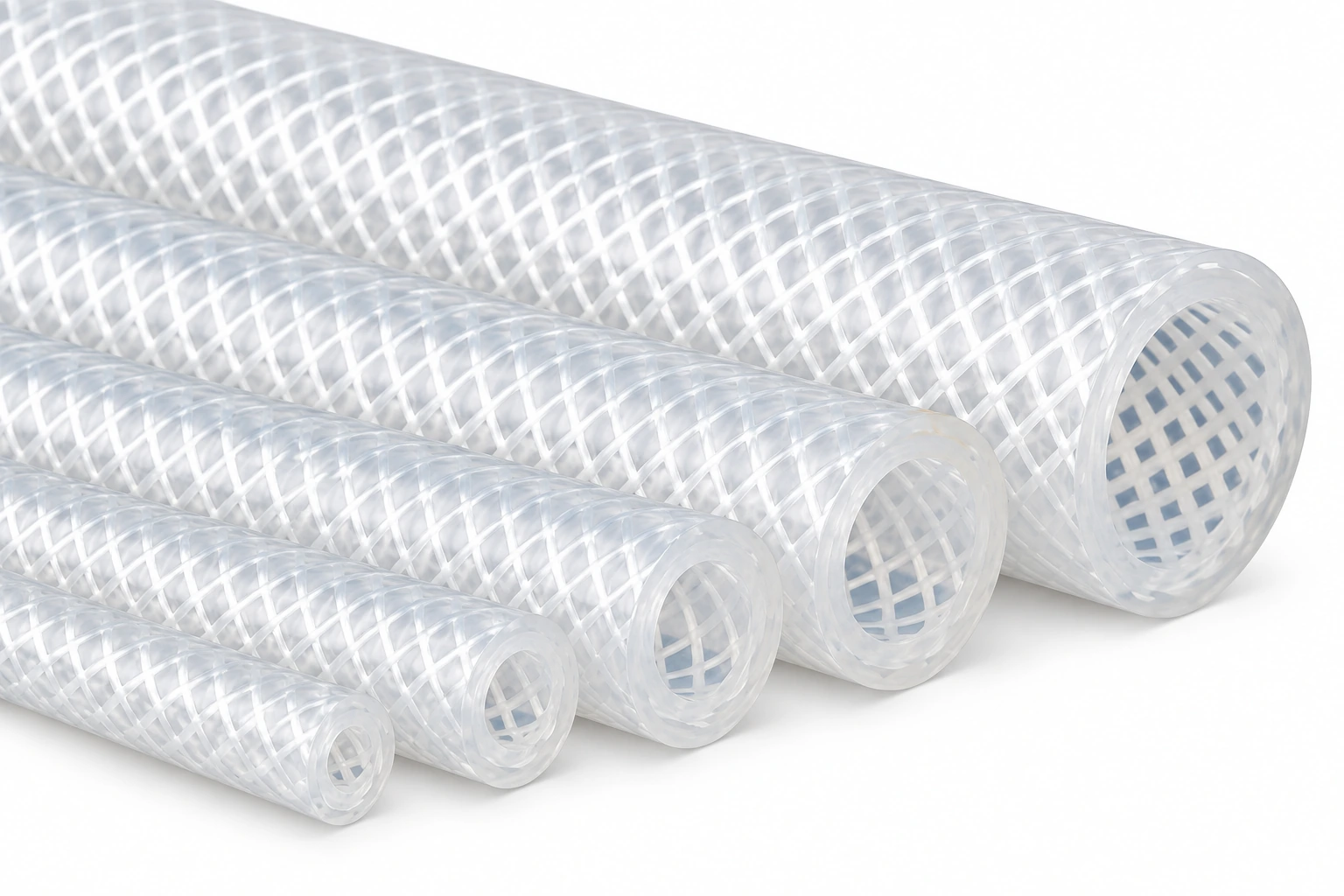
Silicone tubing is widely suitable for transporting fluids under standard specifications and is ideal for a wide range of applications. silicone tubing is developed and produced specifically for applications with higher pressures and temperatures. Pressure-resistant polyester braiding is firmly implanted between two layers of silicone, giving this tubing exceptional durability and pressure resistance. biomedical/pharmaceutical grade platinum-cured silicone tubing – made with Dow Corning SILASTIC Q7-4750 material – has superior flow properties and is ideal for use in transfer operations and other non-leachable applications.
It can also withstand high temperatures without sticking or encrustations. Tubing comes in typical sizes and tolerances. With us, you can avail of shore A with fifty durometer hardness, and coil lengths of up to 50 inches are available. You will find material certification inside every tubing box, and our company also allows firms to trace their ordered lot. close tolerance platinum-cured silicone tubing has a highly tight inner diameter and wall thickness tolerances and is subjected to severe quality control methods throughout the production process.
silicone tubing is an excellent alternative for fluid transmission in pharmaceutical and biotechnology applications. It has a solid thermal resistance that leads to lesser perforation than other materials. Silicone has excellent biocompatibility and chemical inertness, allowing sensitive fluids to remain pure. Smooth surfaces and low protein binding levels are also features of this tubing. silicone tubing is made to exceptionally tight tolerances, ensuring consistent, accurate flow and long tubing life. It has been factory tested and inspected visually.
silicone tubing is ideal for utilization in various procedures, including the ones that involve testing in extreme temperatures. silicone is frequently used in the pharmaceutical, biotechnology, injectable, and food and beverage industries. Any technique that necessitates long-term heat or strain exposure, acceptable customization, or high hardness. High tear and tensile strength, minimal shrinkage, exquisite detail replication, and versatile hardness are the primary advantages of silicone.
Silicone Tubing Size Catalog
Compare inside diameter, outside diameter and listed wall thickness across silicone tube ranges. Confirm the material grade and application requirements for the selected part.
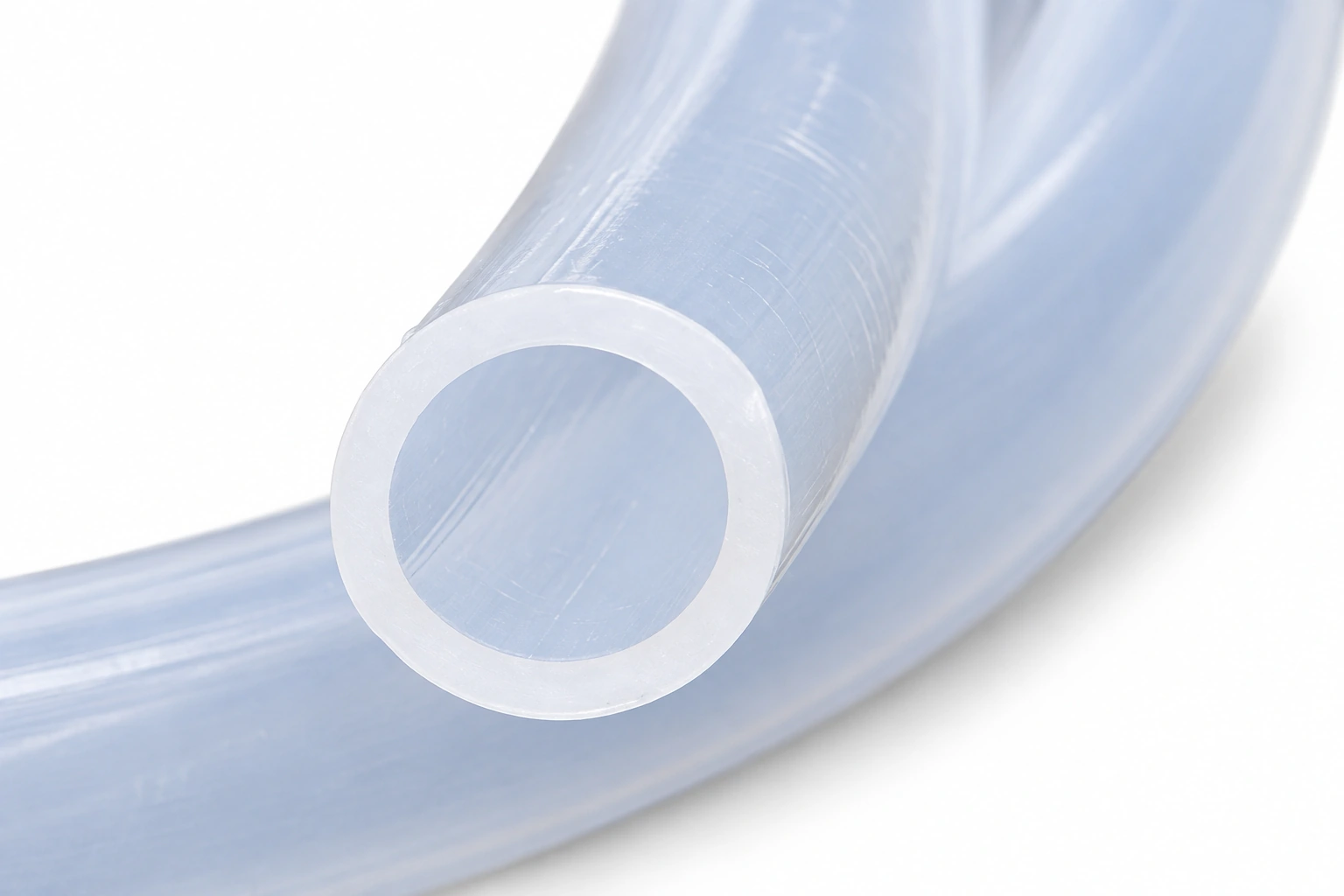
Food grade silicone tube
Compare Inside Diameter and Outside Diameter in mm, together with the listed Thickness and Colour. The cross-section drawing identifies the bore and outside diameter; confirm the selected tube material and service requirements.

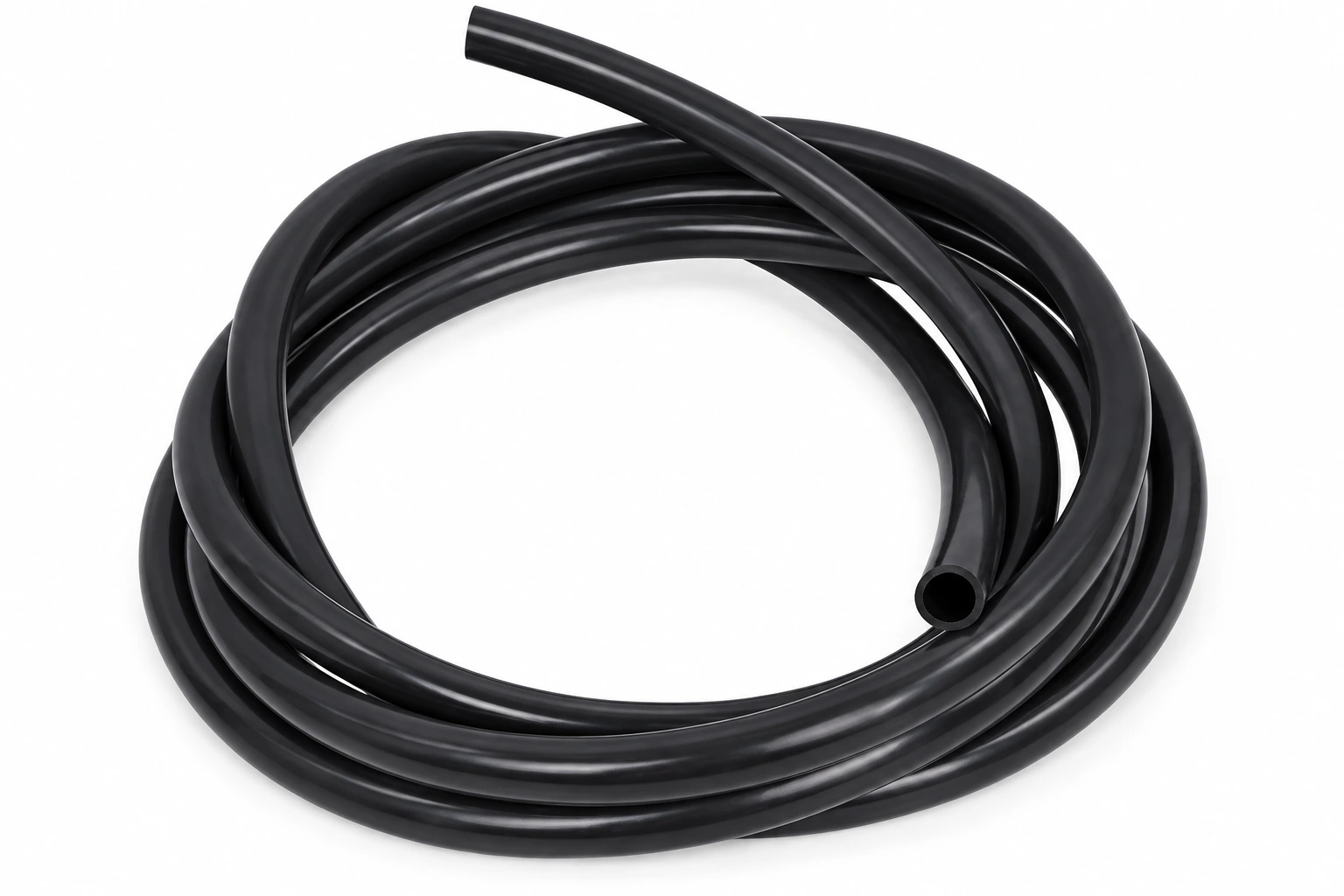
Black silicone tubing
Compare Inside Diameter and Outside Diameter in mm, together with the listed Thickness and Colour. The cross-section drawing identifies the bore and outside diameter; confirm the selected tube material and service requirements.
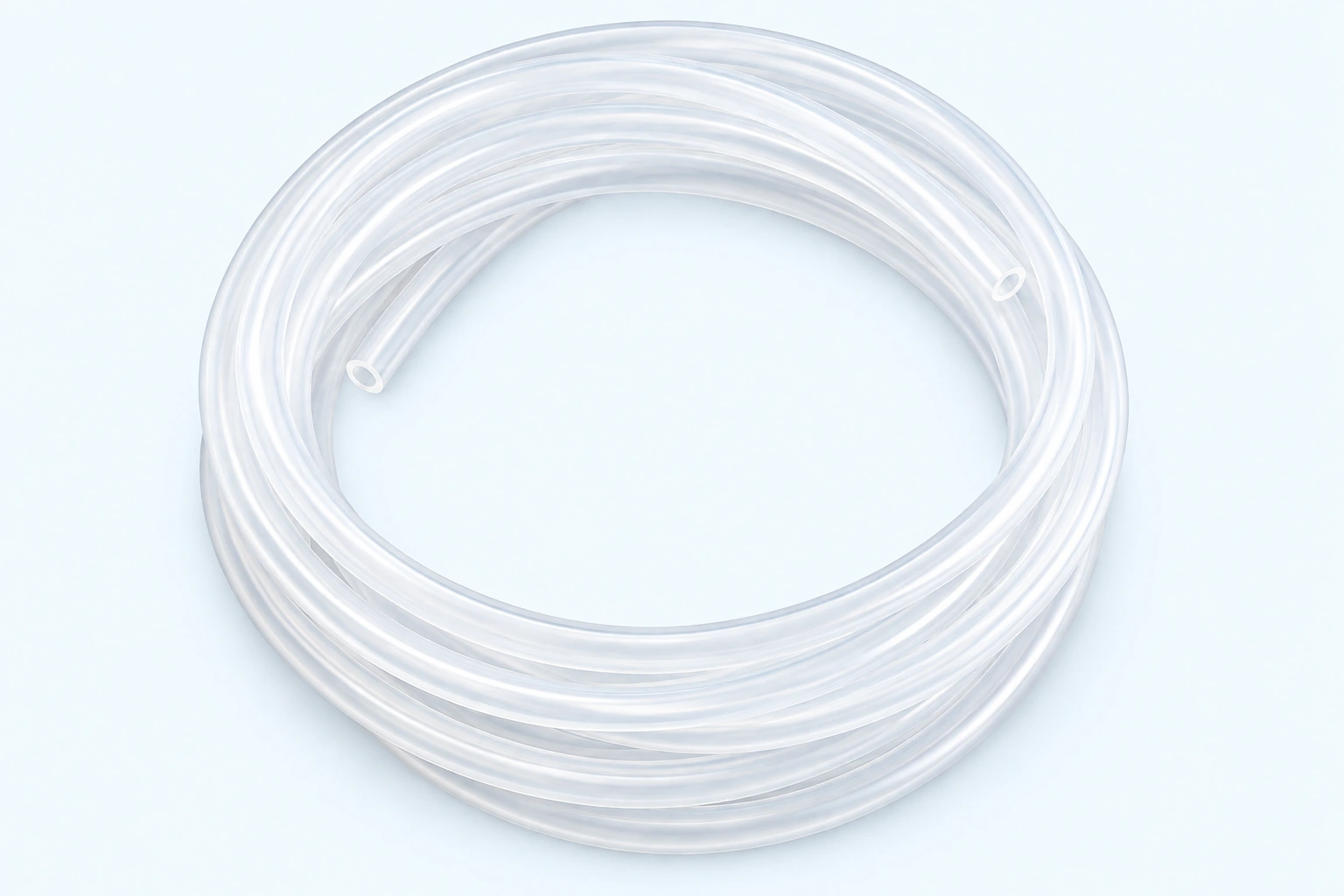
Industrial silicone tube
Compare Inside Diameter and Outside Diameter in mm, together with the listed Thickness and Colour. The cross-section drawing identifies the bore and outside diameter; confirm the selected tube material and service requirements.
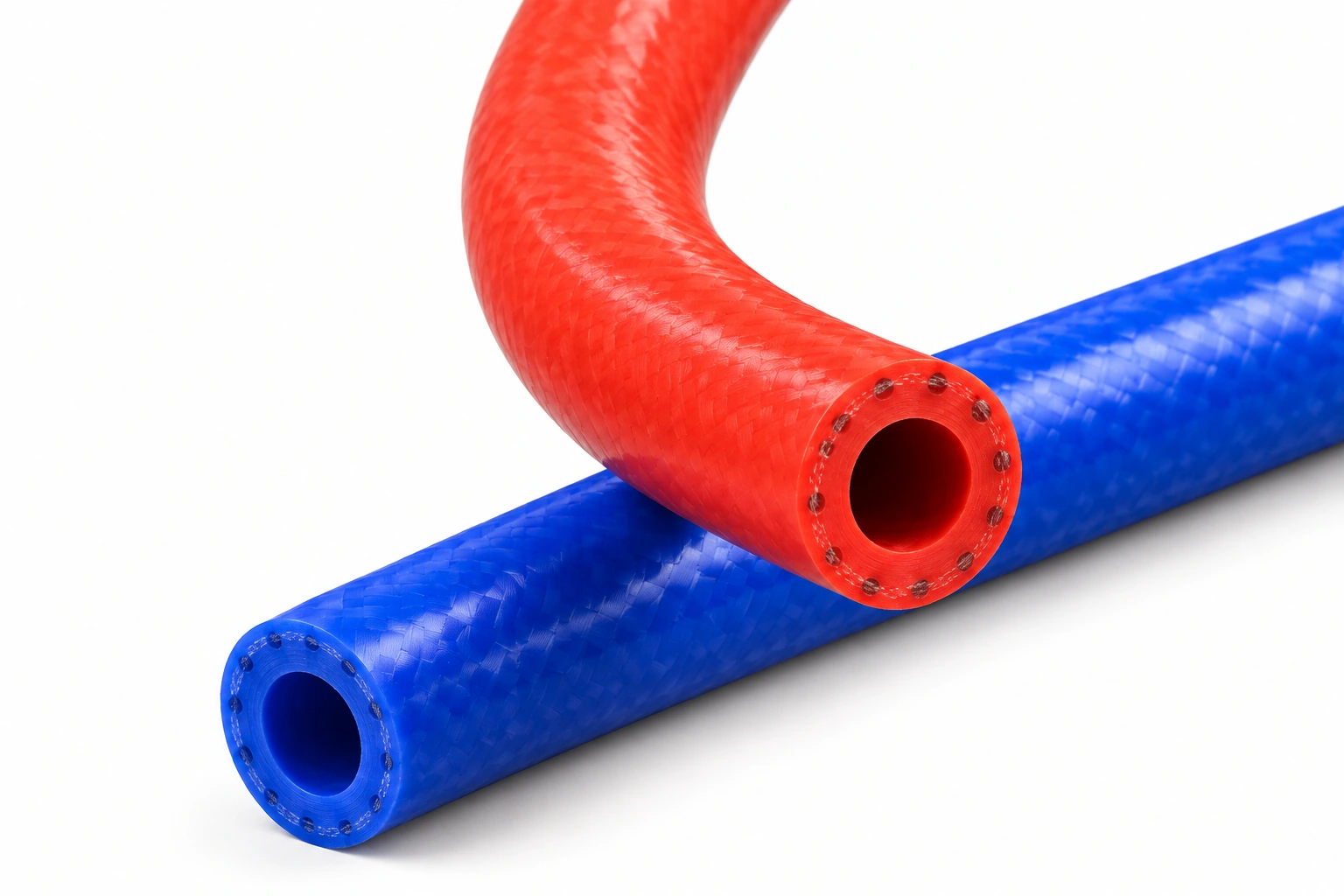
Colourful silicone braided tube
Compare Inside Diameter and Outside Diameter in mm, together with the listed Thickness and Colour. The cross-section drawing identifies the bore and outside diameter; confirm the selected tube material and service requirements.
Food grade silicone braided tube
Compare Inside Diameter and Outside Diameter in mm, together with the listed Thickness and Colour. The cross-section drawing identifies the bore and outside diameter; confirm the selected tube material and service requirements.
Need a different size? Share your drawing, mating dimensions and intended use to discuss a suitable part.
Discuss Your RequirementsProduct specifications
- Product form
- Hollow elastomer tubing for a fitted line or sleeve
- Material
- Silicone. Specify the compound grade for the selected service.
- Application focus
- Pharmaceutical fluid handling and food-processing equipment. Size the part against the selected assembly.
- Dimensions to confirm
- Inside diameter, outside diameter, wall thickness and cut length. Match these to pharmaceutical fluid handling.
- Contact conditions
- Food ingredients: define concentration, temperature and contact time, then check compatibility with the chosen compound.
- Exposure to evaluate
- Heat and cold cycling. Validate the selected material under the combined conditions.
- Line layout
- Check bend radius, unsupported spans and clearance at both connections.
Need a quote or a custom part?
Send your requirements, drawings or samples to discuss standard and custom silicone rubber parts.
Email us[email protected]