
Rubber conductive tubing
The main purpose of rubber conductive tubing is to transport gases and liquids. However, there is another essential feature it possesses. That’s right. It enables the electricity to pass through it freely. This way, it eliminates the sparks that occur due to natural friction. As you probably know, these sparks can easily cause a fire. The risk of this happening is eliminated because the rubber conductive tubing includes a special conductive liner inside the tubes. Obviously, due to this property, rubber conductive tubing is used across several industries. It is essential if the tubing has to be connected to a device or any machine, i.e., when any electricity is present.
When it comes to the material used, this tubing is usually made of natural or synthetic rubber. Natural rubber is produced from latex, and the manufacturing process consists of several stages, such as extrusion and dipping. On the other hand, synthetic rubber is created using various chemicals. These are carefully selected to ensure that the final product, that is, the rubber conductive tubing possesses all the necessary properties.
What are the vital features of rubber conductive tubing? Naturally, we have already explained the first and most important, so we will focus on the others. These items have to be extremely durable. They will be in contact with electricity, transport gases, and liquids, so they have to last for a long time. It is why, in some cases, the vulcanization process is implemented when working with natural rubber. What’s more, some of the products are flexible, and you can cut them easily with a pair of scissors, while others are very sturdy. Due to this reason, you have to consider how and where you will install it before making the purchase. If you need to boost its conductivity feature, you should look for tubing that has been treated with special liquids and coats.
Rubber Hose Size Catalog
Compare tube bore, outside diameter and available wall thickness. Confirm material compatibility and operating requirements for the selected hose.
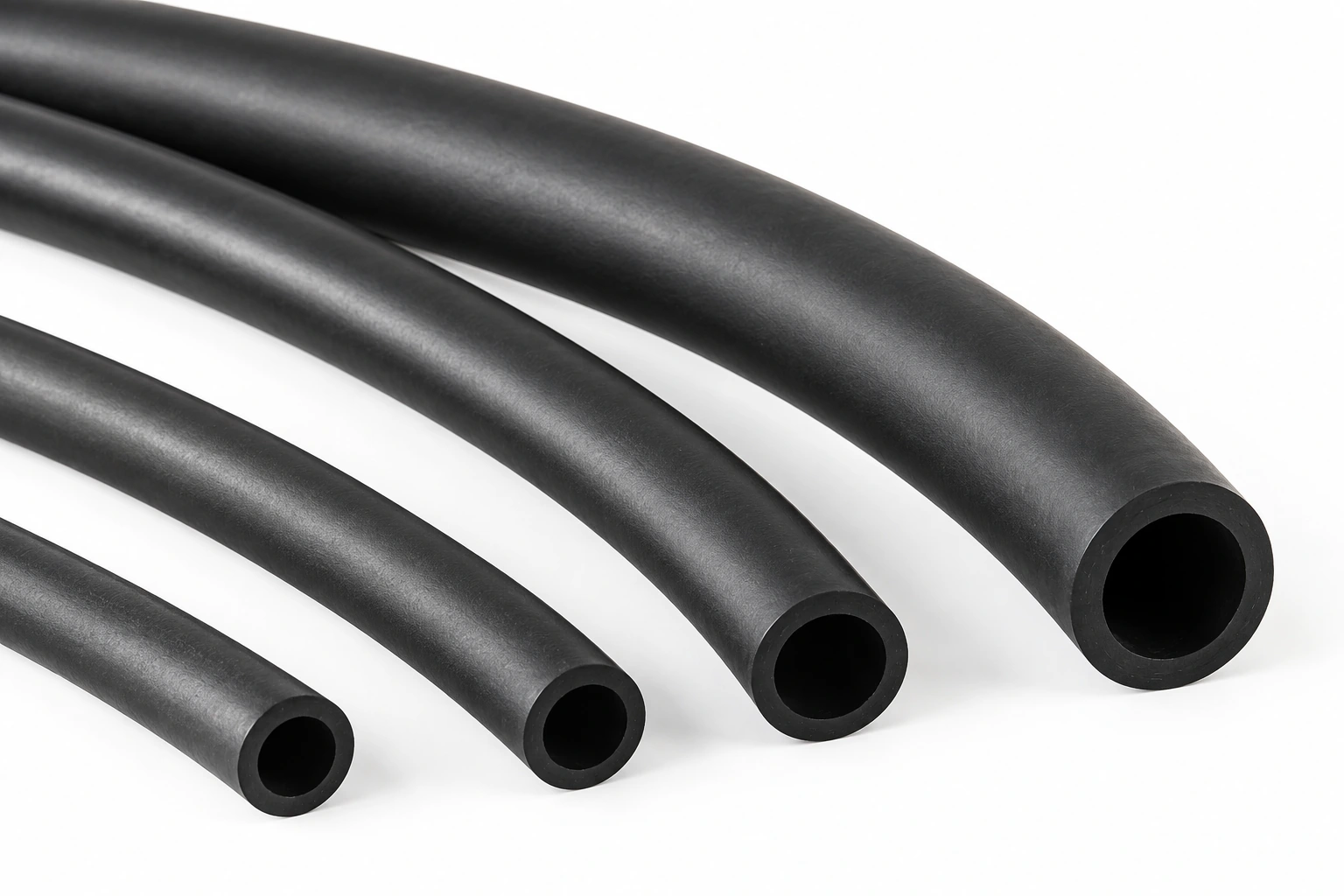
Rubber Hose
Compare Inside Diameter and Outside Diameter in mm. The cross-section drawing identifies the bore and outside diameter; confirm the selected tube material and service requirements.

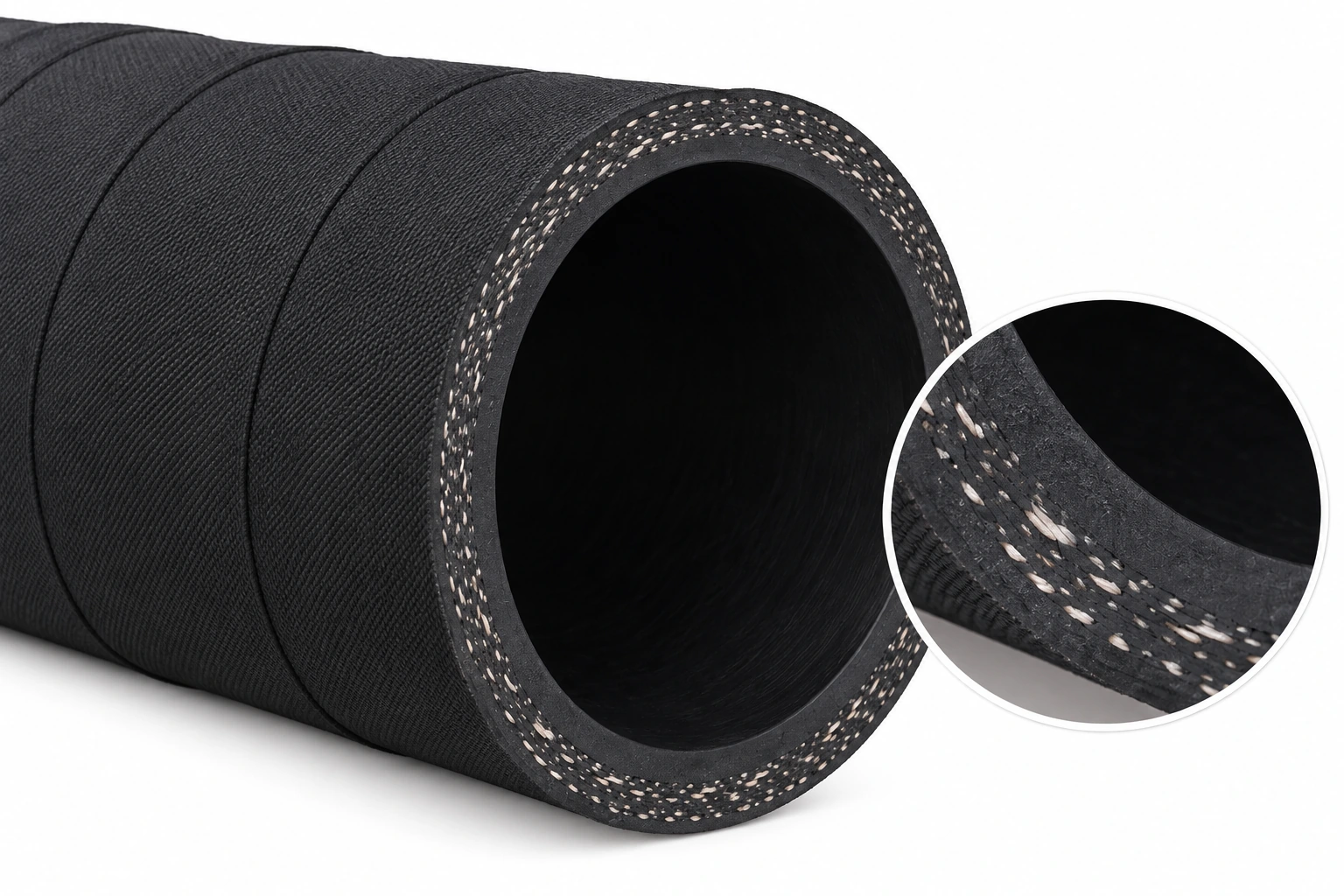
Fluororubber Hose
Compare Inside Diameter and Outside Diameter in mm. The cross-section drawing identifies the bore and outside diameter; confirm the selected tube material and service requirements.
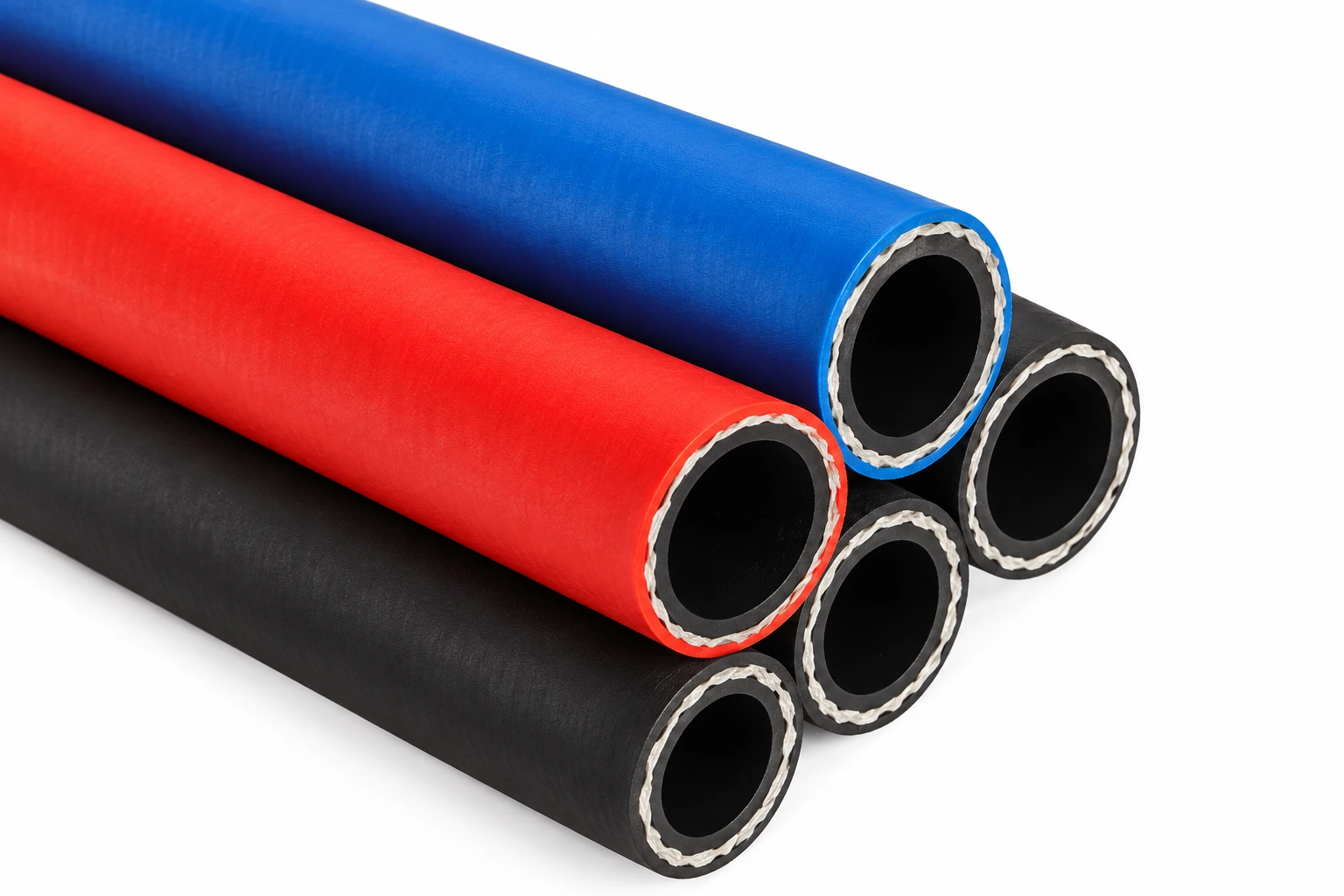
Colourful rubber high pressure hose
Compare Inside Diameter and Outside Diameter in mm, together with the listed Thickness and Colour. The cross-section drawing identifies the bore and outside diameter; confirm the selected tube material and service requirements.
Need a different size? Share your drawing, mating dimensions and intended use to discuss a suitable part.
Discuss Your RequirementsProduct specifications
- Product form
- Hollow elastomer tubing for a fitted line or sleeve
- Material options discussed
- Natural rubber / latex. Choose one formulation for the actual contact and loading conditions.
- Application focus
- Industrial fluid lines. Size the part against the selected assembly.
- Dimensions to confirm
- Inside diameter, outside diameter, wall thickness and cut length. Match these to industrial fluid lines.
- Electrical function
- Set the required resistance range, electrode arrangement and test method for the finished geometry.
- Contact conditions
- Other gases: define concentration, temperature and contact time, then check compatibility with the chosen compound.
- Line layout
- Check bend radius, unsupported spans and clearance at both connections.
Need a quote or a custom part?
Send your requirements, drawings or samples to discuss standard and custom silicone rubber parts.
Email us[email protected]