
Anti-vibration screws
Is your desktop computer making that annoying noise again? You have probably checked every part of it, dusted everything, and the problem is still there. Yes, it can be quite maddening. Well, did you remember to investigate the screw used to hold the fan? A lot of people don’t know this, or it doesn’t even occur to them, but traditional metal items can be the culprit. It is why, nowadays, anti-vibration screws are commonly used.
The purpose of using these is probably fairly obvious to you now. Unlike ordinary ones, anti-vibration screws do not transfer vibration, meaning that the noise will stop the moment you install these and turn your desktop computer on. What’s more, these also protect all the components of the device, or in this case, the fan. It is quite simple, actually. Since they absorb the vibration, they prolong the lifespan of the fan and other components.
Furthermore, due to the fact these are made of rubber, they can provide you with several other benefits. First of all, there is a matter of durability. As you know, rubber cannot be damaged or destroyed easily. In a nutshell, once you install them, they will last you for a long time, regardless of the degree of heat and vibration they are exposed to. Moreover, anti-vibration screws are very flexible, which is another property of the rubber. Because of this, install these will be very simple, and it shouldn’t take you more than a few minutes. Naturally, this is true if you know what you are doing, that is, if you know how to put the computer back together. These come in several sizes, so you need to conduct research to find the right ones. However, even if you get the appropriate ones, you can easily cut the length of the ones you have and adjust them to meet your requirements.
Vibration Mount Size Catalog
Compare five mounting arrangements using the matching drawing, thread and dimensional data. Load and compression columns retain their stated units; confirm operating conditions for your installation.
Vibration Damping Mounts A
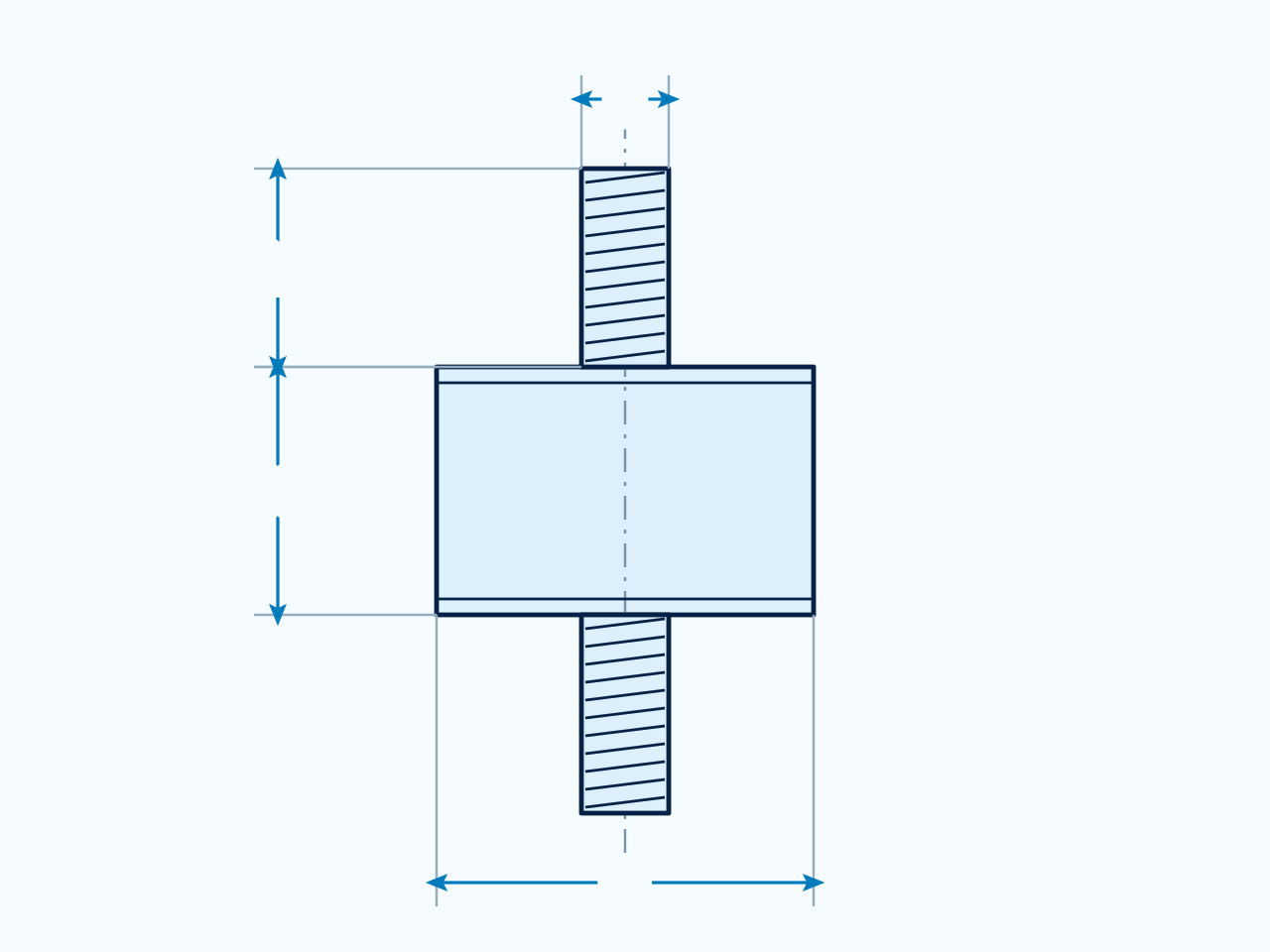
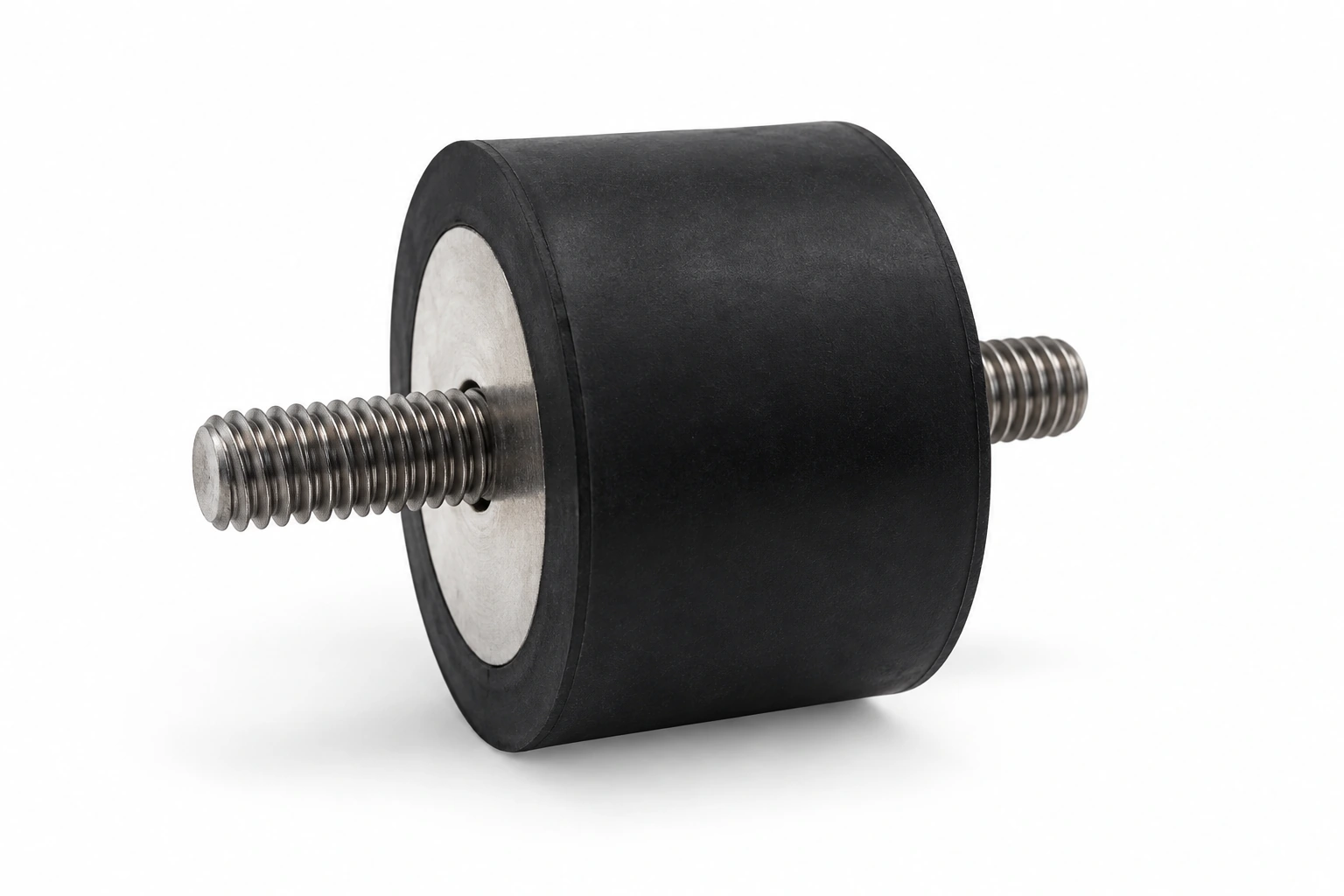
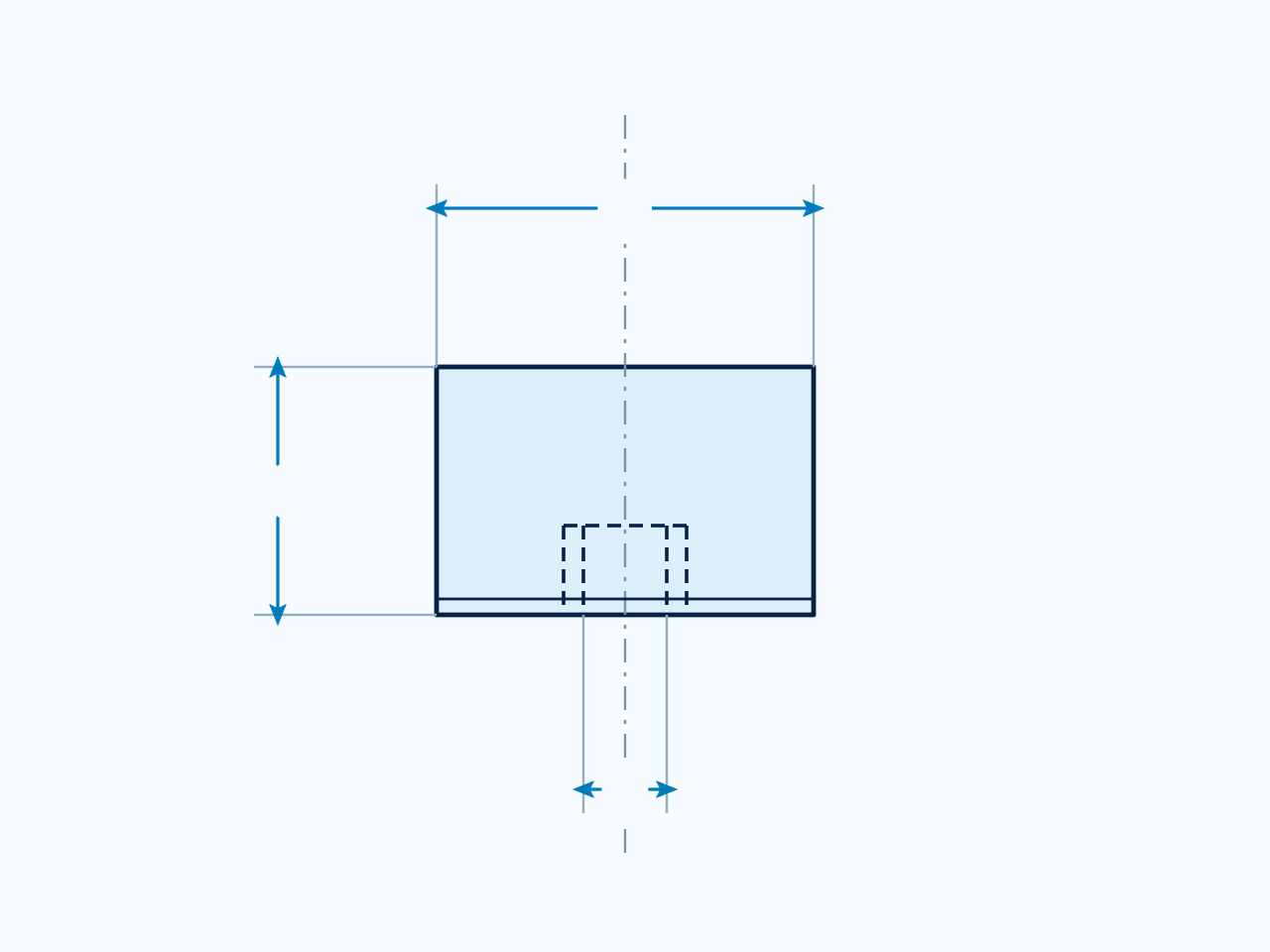
Match D, H and thread d to the drawing, including stud length L. Dimensions are in mm; thread designations, load in kg and compression in mm follow the table headings. Confirm load direction and operating conditions for your installation.
Anti-Vibration Rubber Mounts B
Match D, H and thread d to the drawing, including stud length L. Dimensions are in mm; thread designations, load in kg and compression in mm follow the table headings. Confirm load direction and operating conditions for your installation.
Vibration Isolators C
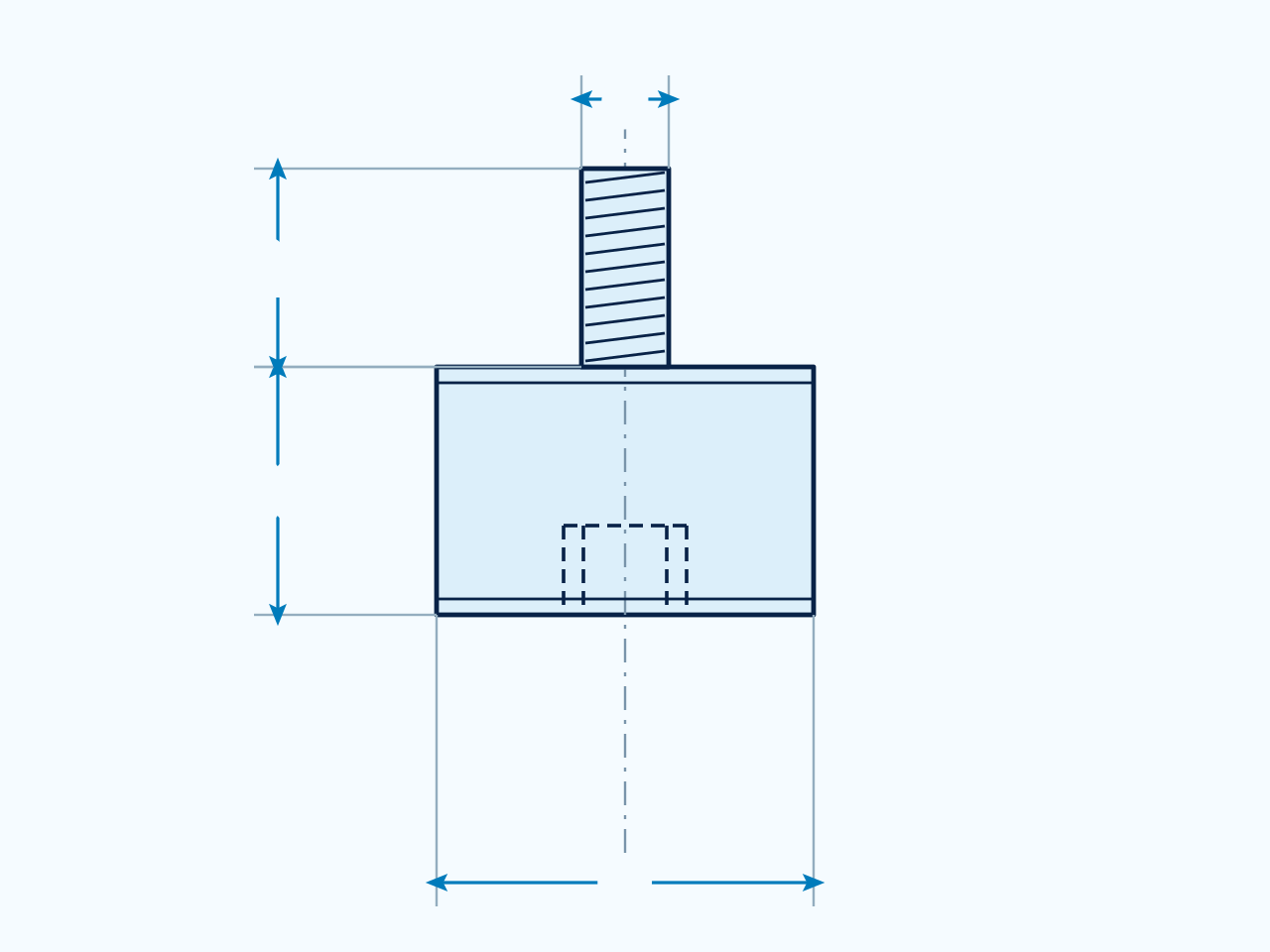
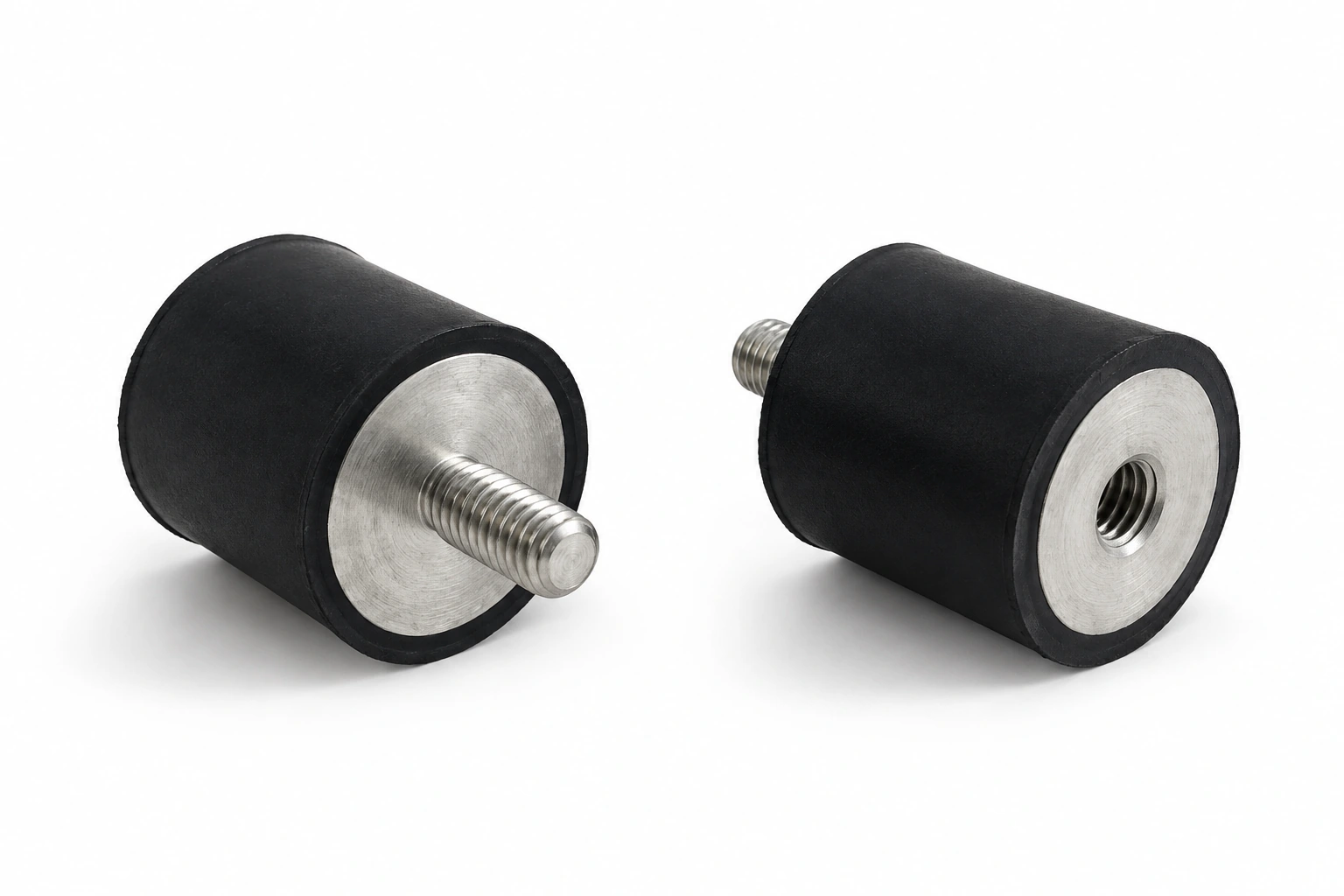
Match D, H and thread d to the drawing. Dimensions are in mm; thread designations, load in kg and compression in mm follow the table headings. Confirm load direction and operating conditions for your installation.
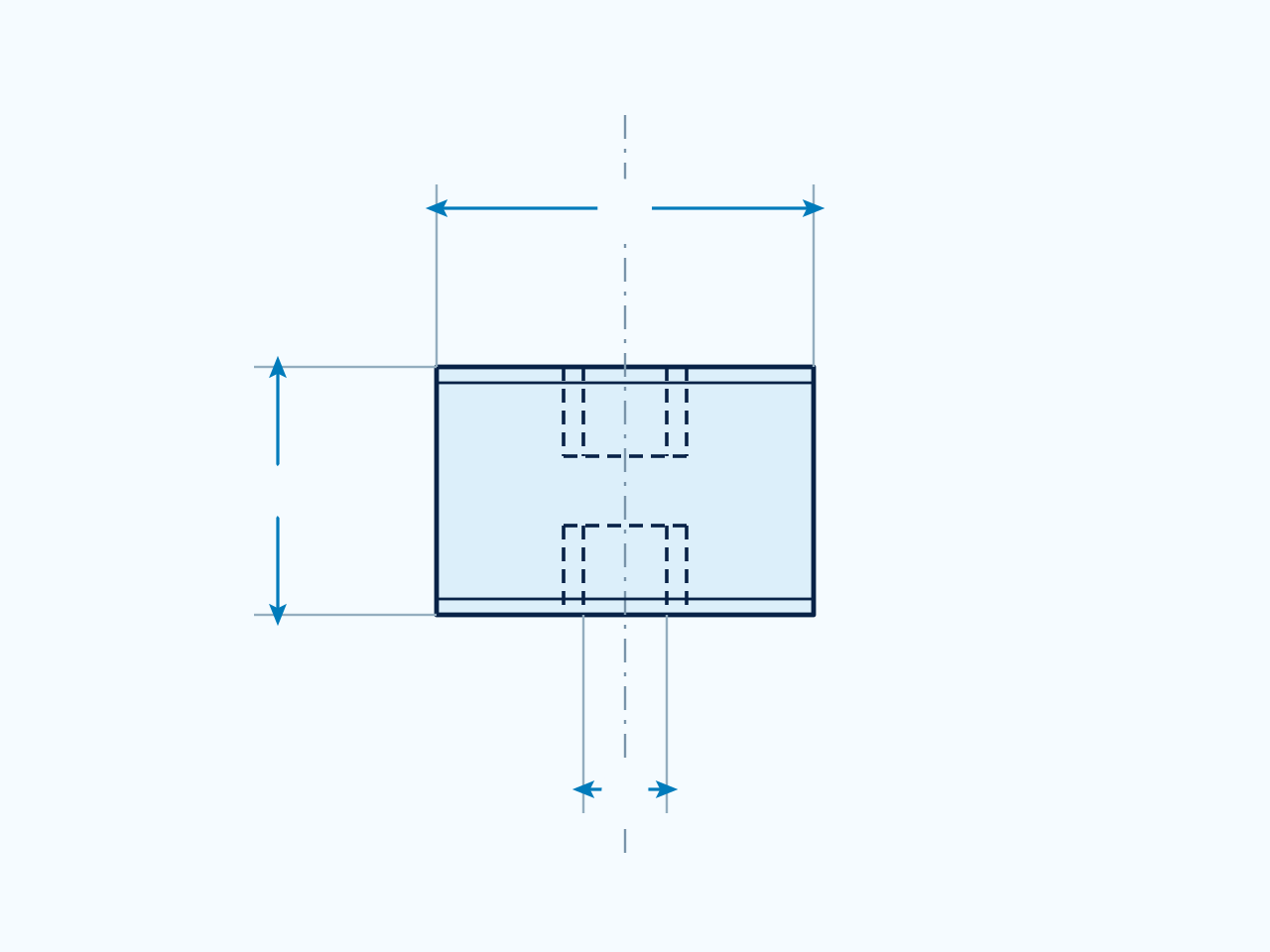
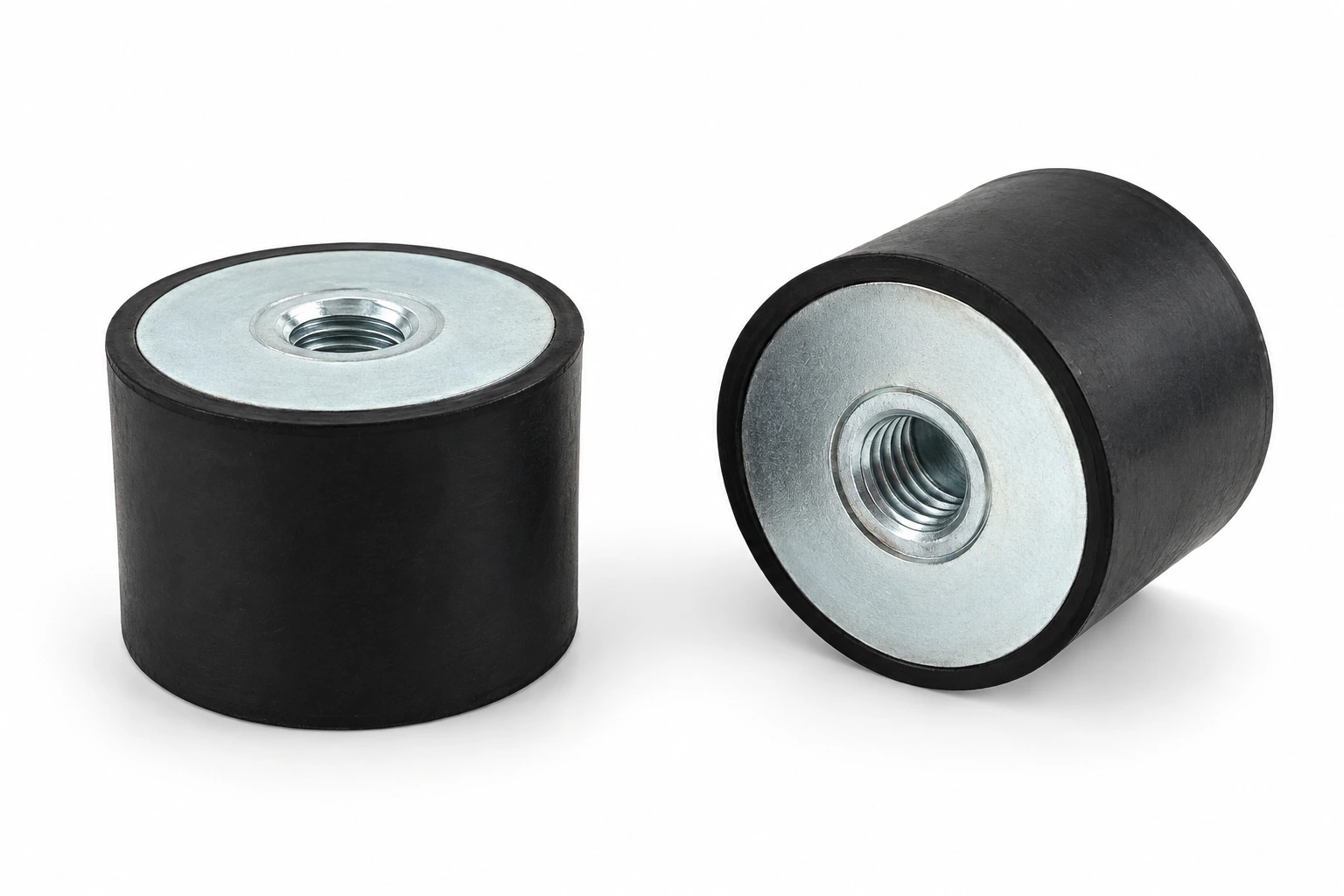
Rubber Mountings D
Match D, H and thread d to the drawing, including stud length L. Dimensions are in mm; thread designations, load in kg and compression in mm follow the table headings. Confirm load direction and operating conditions for your installation.
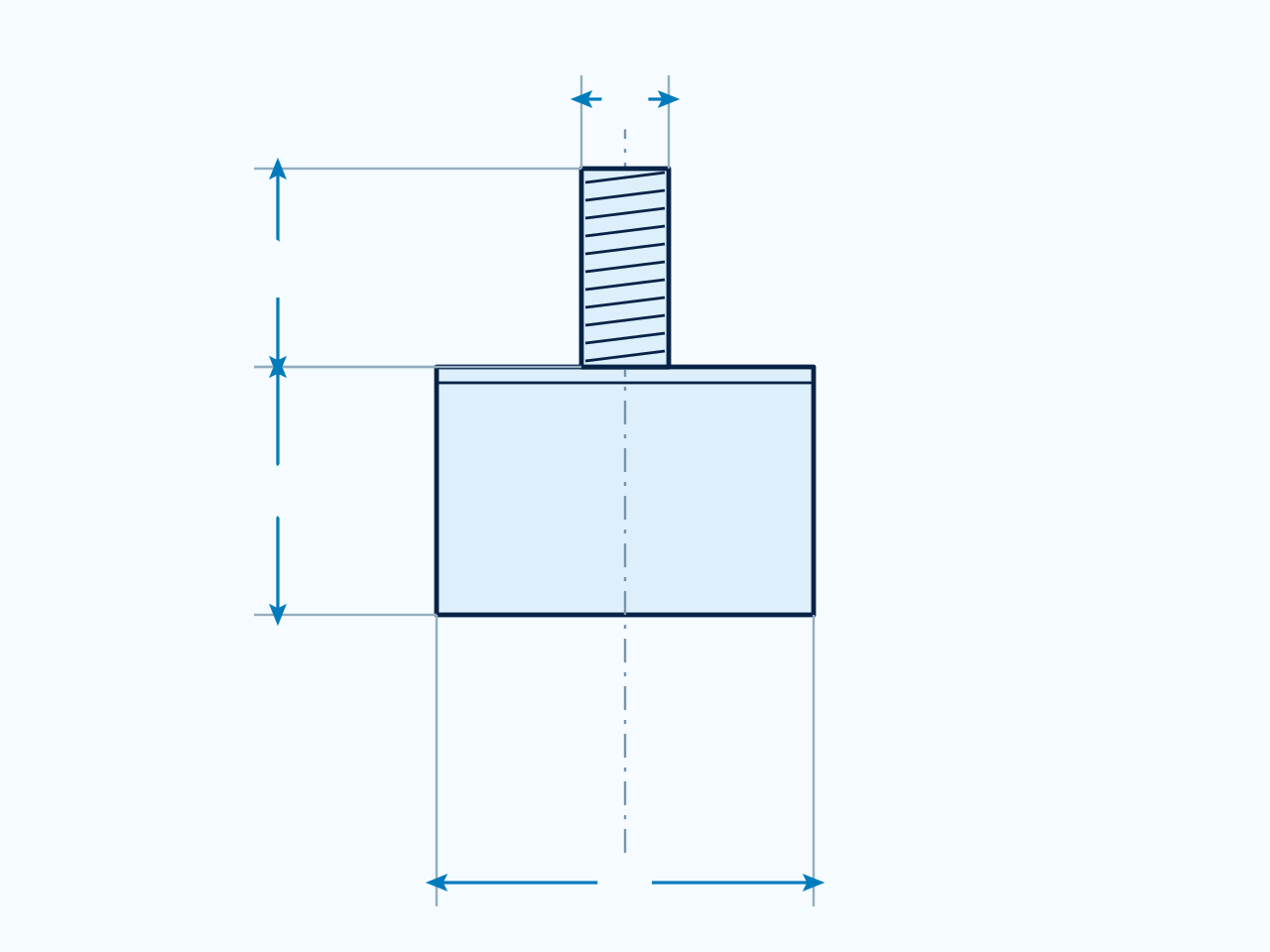
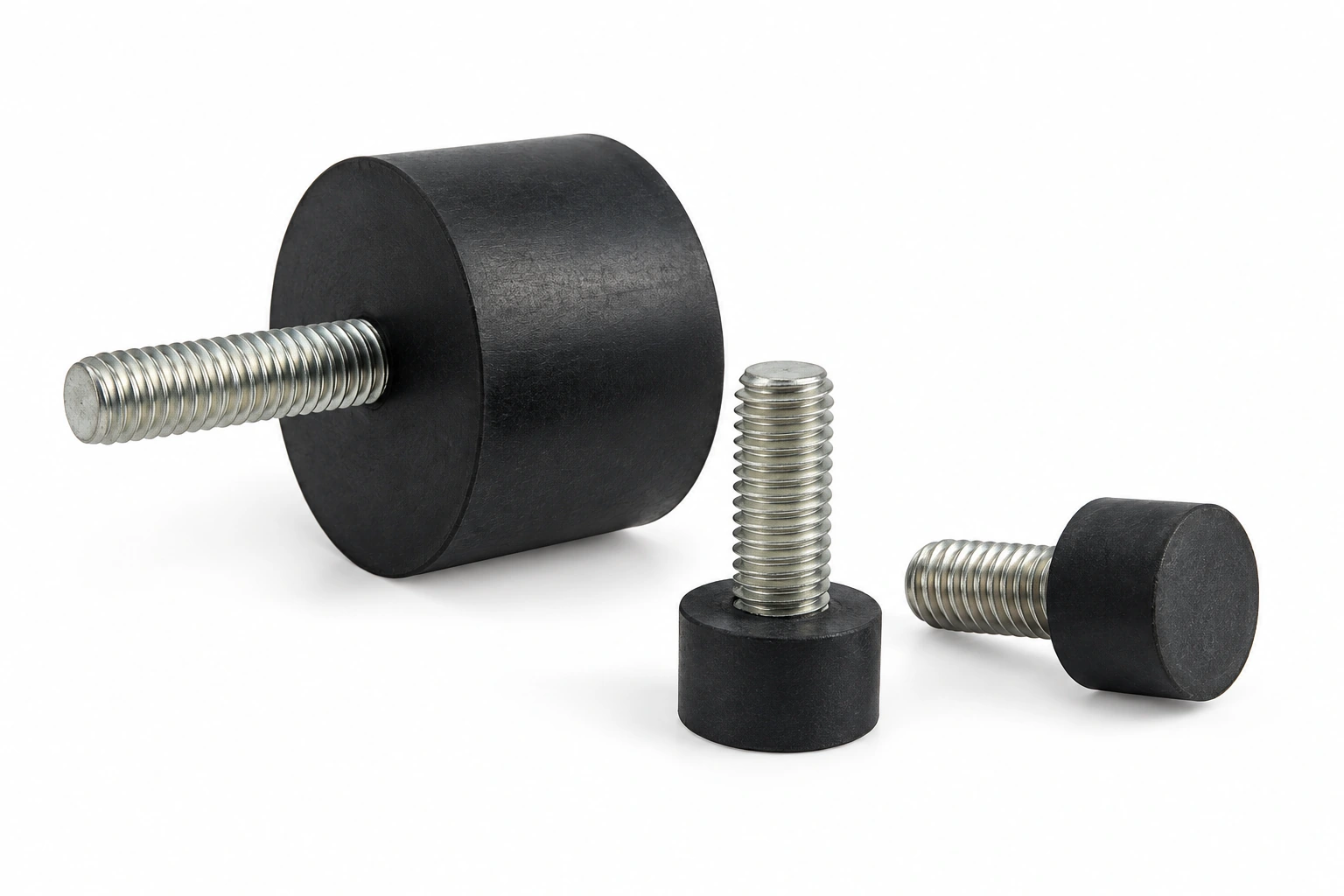
Rubber Vibration Mounts E
Match D, H and thread d to the drawing. Dimensions are in mm; thread designations, load in kg and compression in mm follow the table headings. Confirm load direction and operating conditions for your installation.
Need a different size? Share your drawing, mating dimensions and intended use to discuss a suitable part.
Discuss Your RequirementsProduct specifications
- Product form
- Elastomer mount between a vibrating assembly and its support
- Application focus
- HVAC or ventilation equipment. Size the part against the selected assembly.
- Dimensions to confirm
- Free and loaded heights, attachment spacing and body envelope. Match these to HVAC or ventilation equipment.
- Fastening
- Define thread size, pitch, engagement and clearance; identify whether the hardware is molded in or fitted separately.
- Isolation objectives
- Steady vibration and structure-borne noise. Define a measurable acceptance target on the supported assembly.
- Construction discussed
- Bolts or screws. Detail the chosen arrangement and all mating hardware on the drawing.
- Dynamic selection
- Use the load per mount, excitation frequency and allowed movement to select the mount.
Need a quote or a custom part?
Send your requirements, drawings or samples to discuss standard and custom silicone rubber parts.
Email us[email protected]