
Anti-vibration rubber
The vibration is a process where the working of the machine or the device is spreading to the other surfaces around and produces that buzzing noise that bothers everybody. Depending on the device or machine that you have, you should always find ways to reduce this from happening because of many reasons. Firstly, you should do it because of health reasons, you should not spend your days under vibrations, and the noise is also bad for you. Secondly, it will prolong the life of the device or machine because there will be no hitting of the surrounding surfaces, and thirdly, you can prevent falling off that object because it can move due to the little movements if it is not isolated.
To prevent the vibrations, you should use pads that should be inserted under the machines and they will absorb it. The material that is essential for this to happen is rubber. Because of the many synthetics that can be used to make some qualities better, and the base characteristic of being elastic it absorbs any movements and helps to keep things intact and well secured.
These pads have different shapes depending on the machine or device that you are trying to protect. For example, if we are talking about the washing machine it can be a square shape with rubber inside that you place under every corner so it sits tightly. If you plan on making the sound quality better in your room, you can place anti-vibration rubber pads under the speakers and you will notice the difference quickly.
Vibration Mount Size Catalog
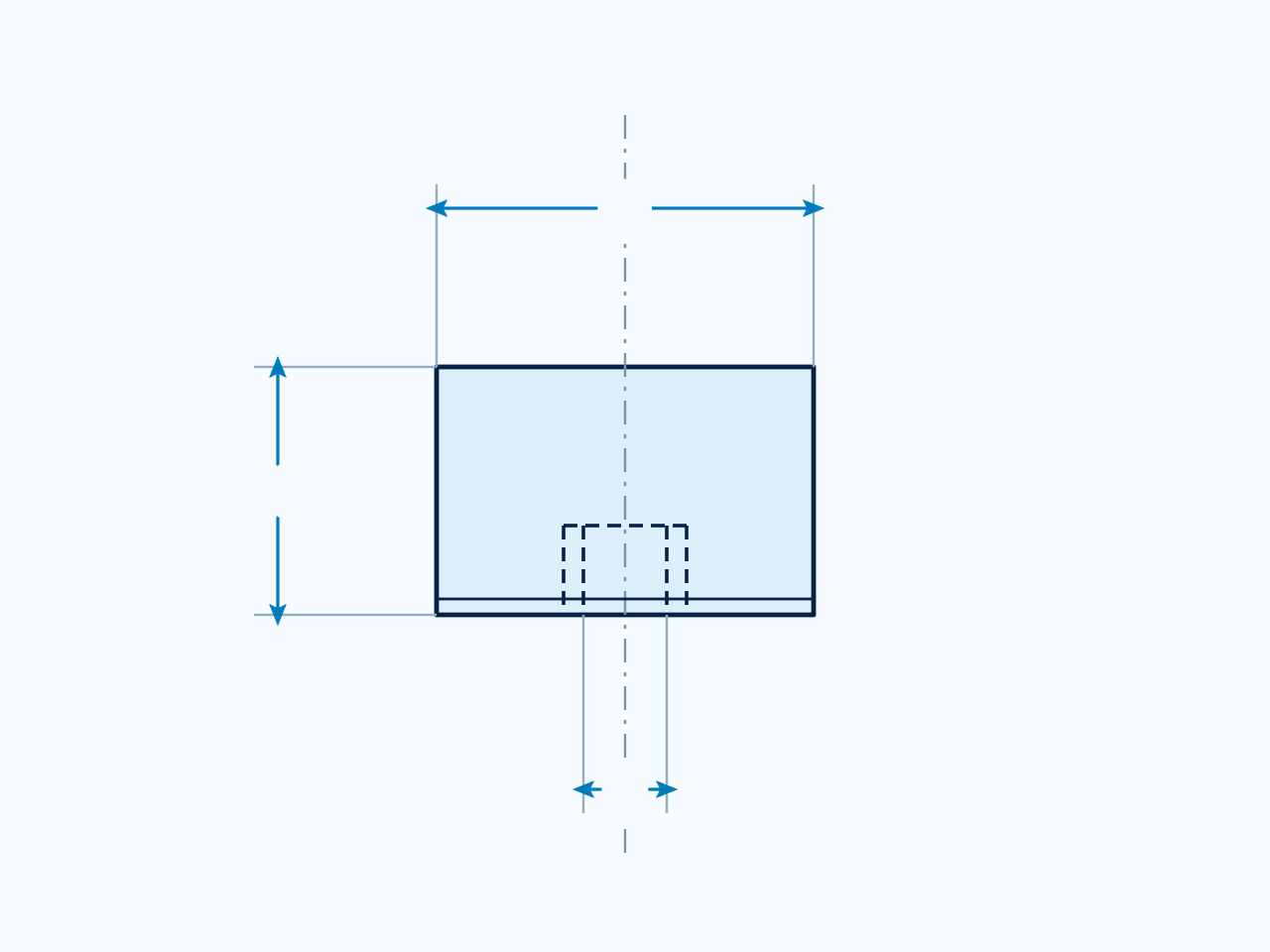
Compare five mounting arrangements using the matching drawing, thread and dimensional data. Load and compression columns retain their stated units; confirm operating conditions for your installation.
Vibration Damping Mounts A
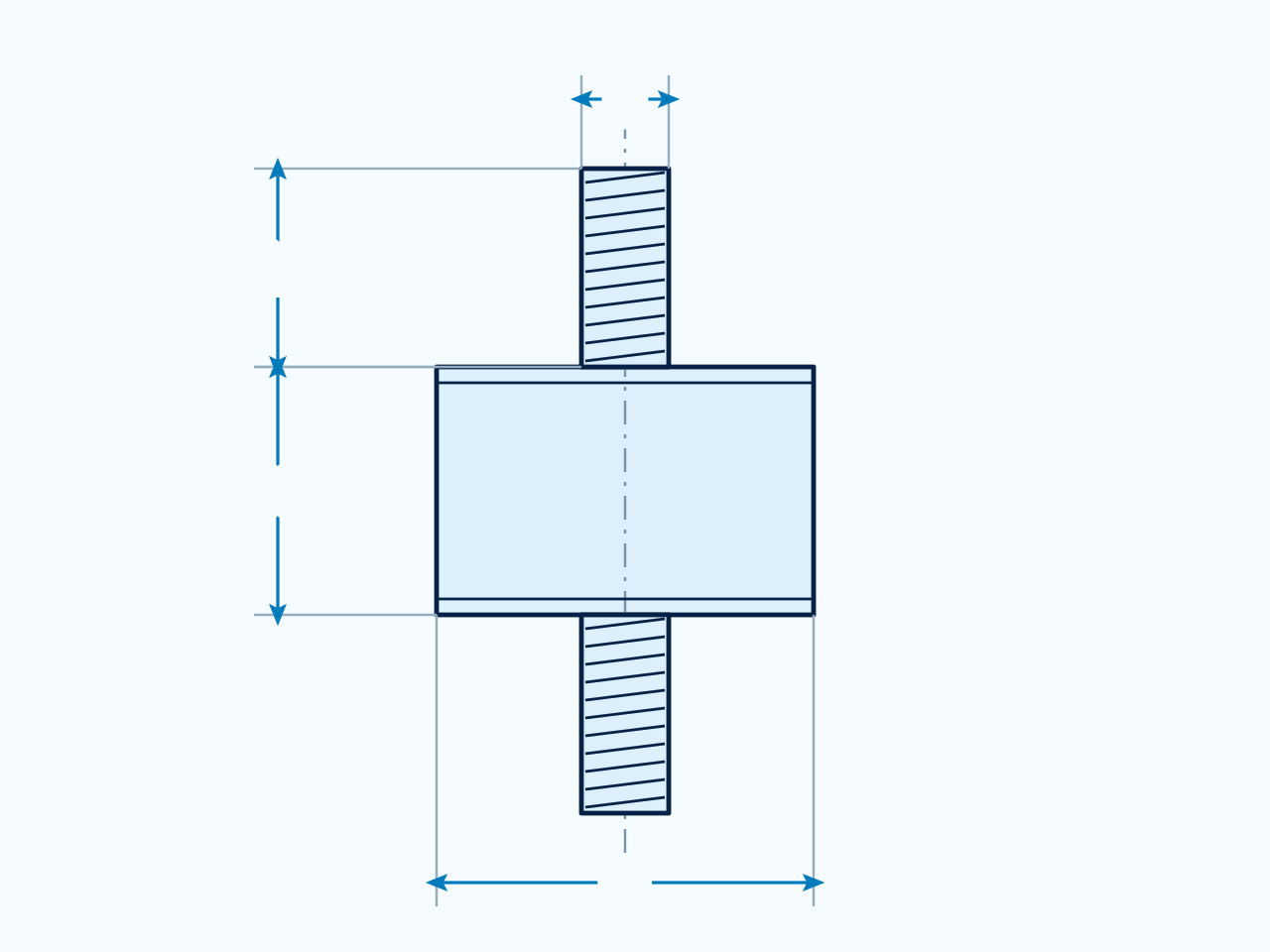
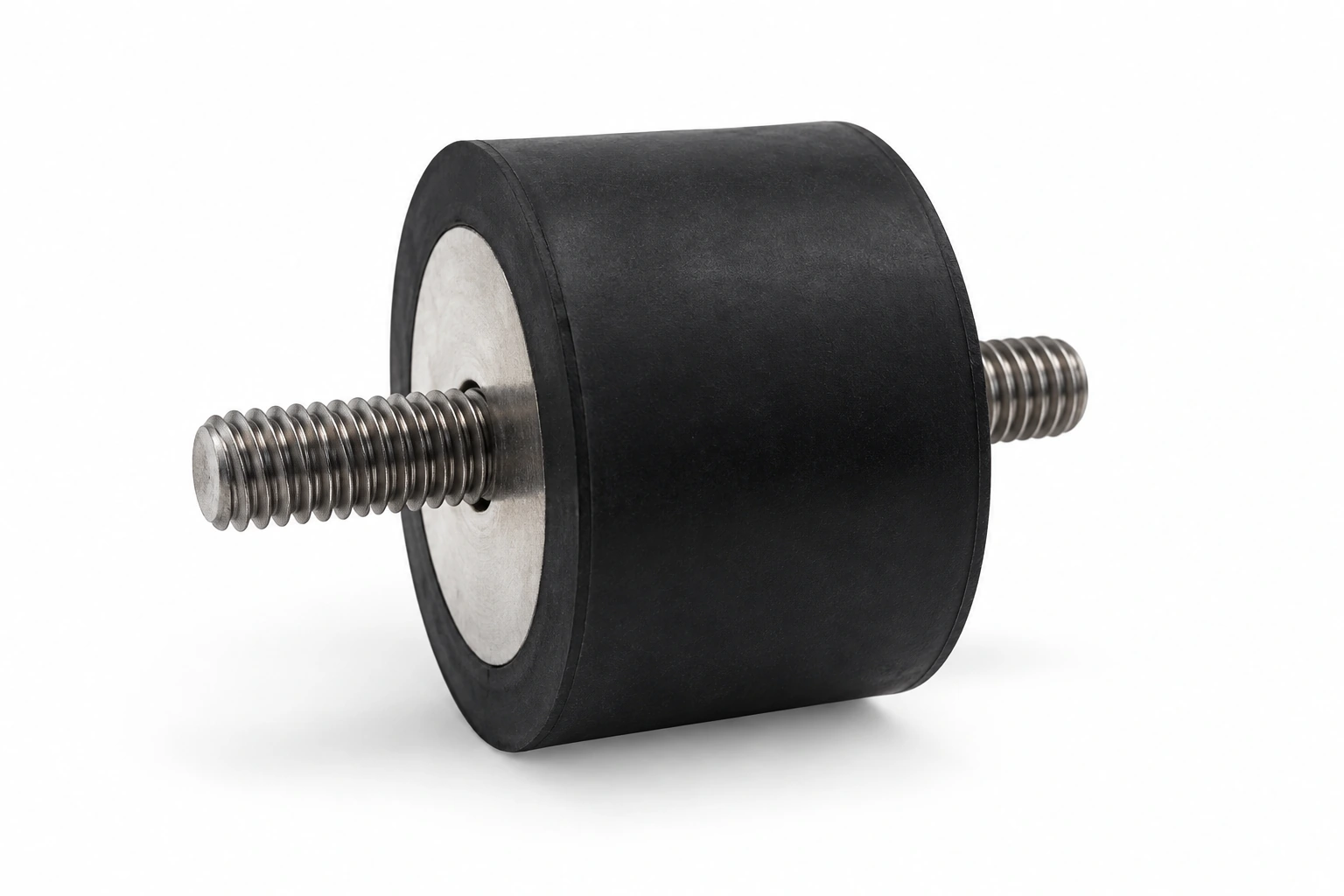
Match D, H and thread d to the drawing, including stud length L. Dimensions are in mm; thread designations, load in kg and compression in mm follow the table headings. Confirm load direction and operating conditions for your installation.
Anti-Vibration Rubber Mounts B
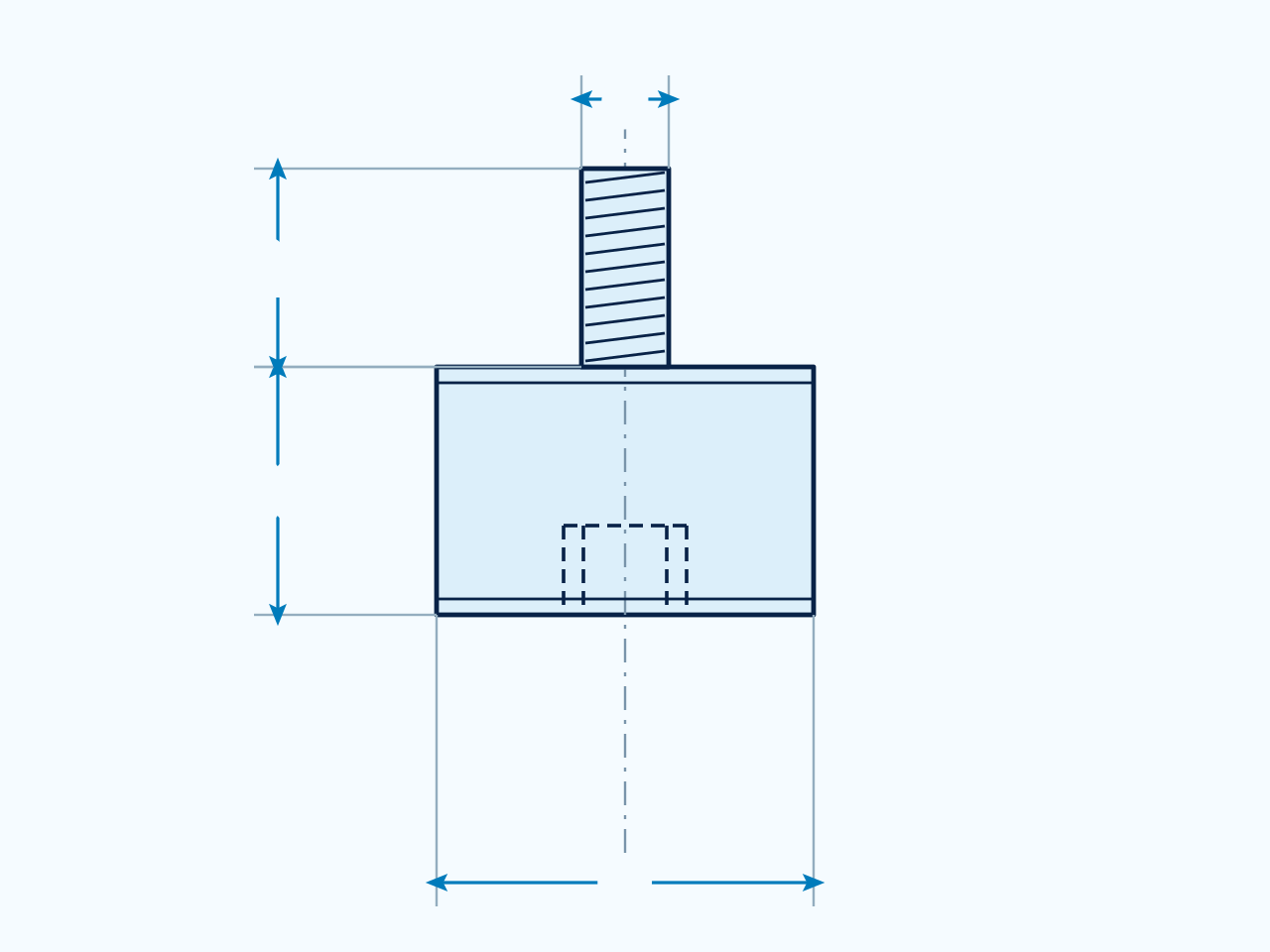
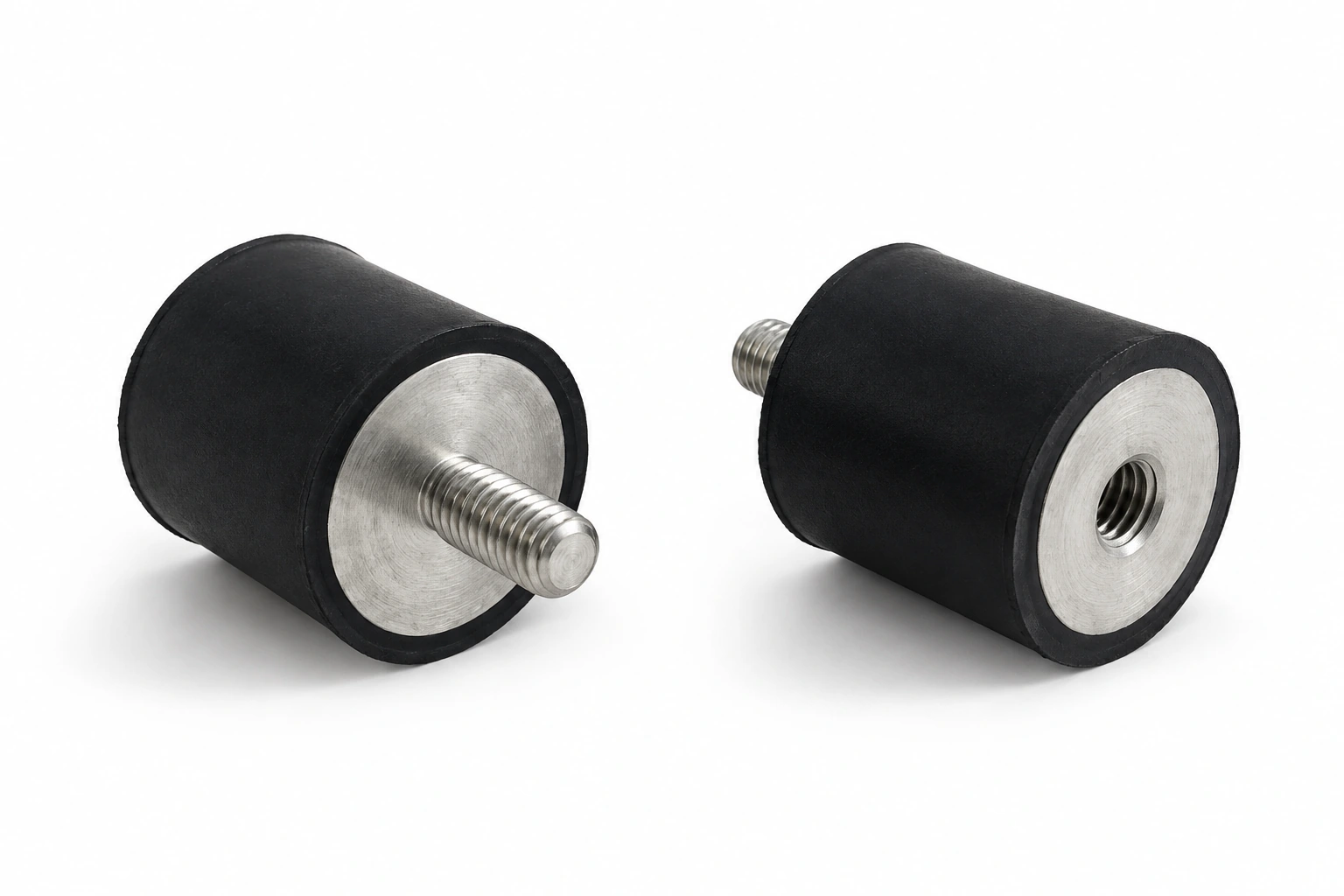
Match D, H and thread d to the drawing, including stud length L. Dimensions are in mm; thread designations, load in kg and compression in mm follow the table headings. Confirm load direction and operating conditions for your installation.
Vibration Isolators C
Match D, H and thread d to the drawing. Dimensions are in mm; thread designations, load in kg and compression in mm follow the table headings. Confirm load direction and operating conditions for your installation.
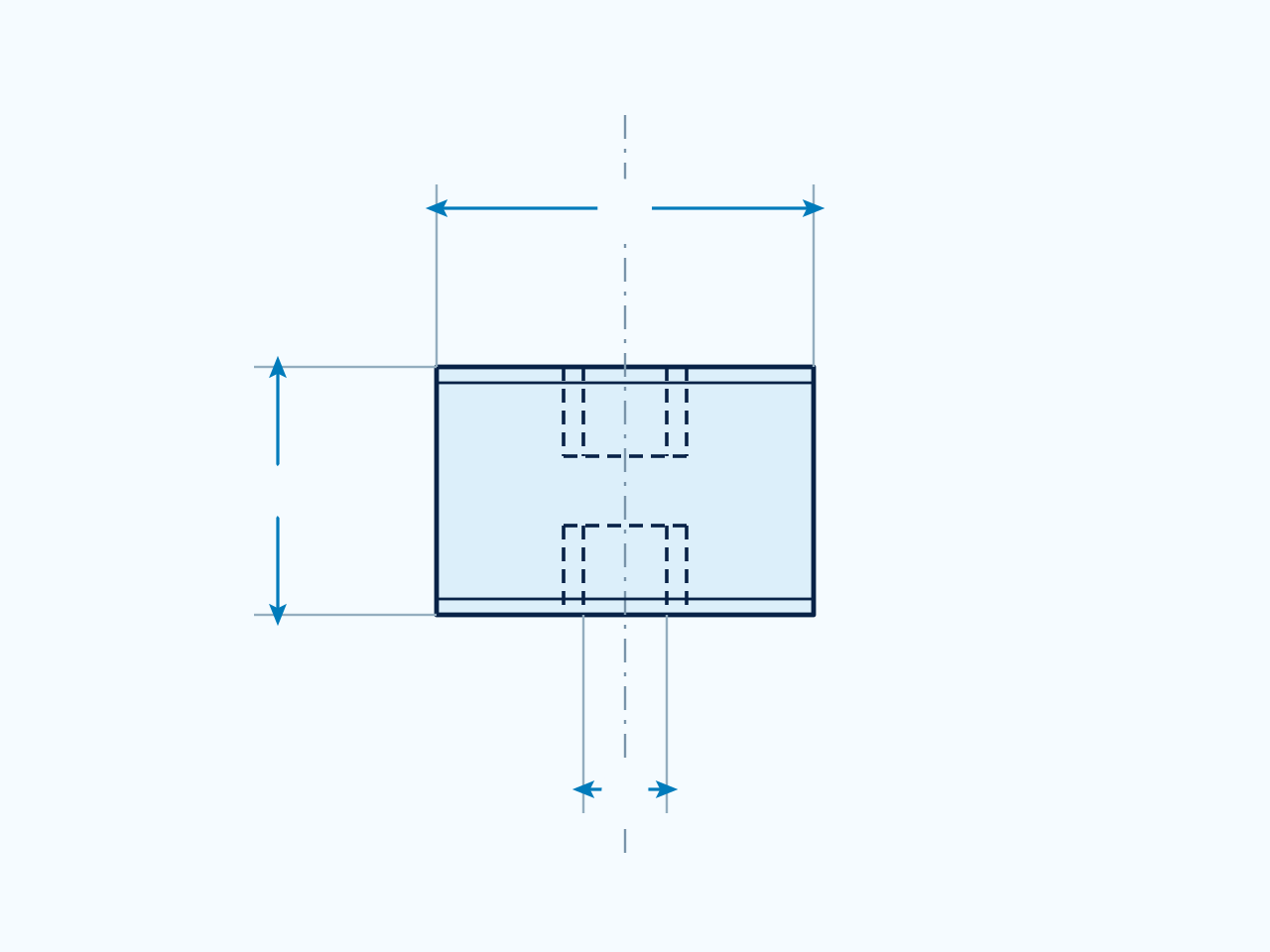
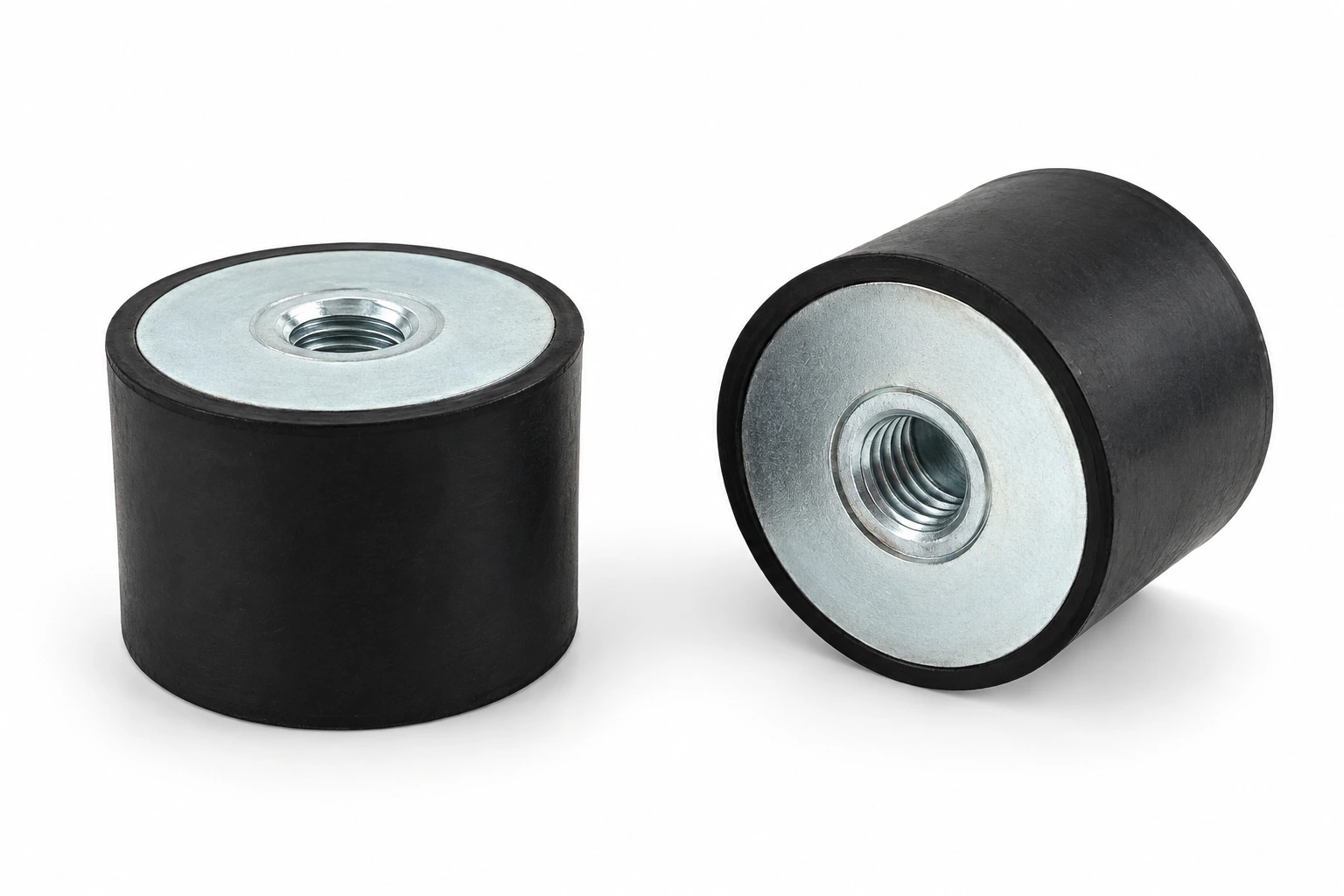
Rubber Mountings D
Match D, H and thread d to the drawing, including stud length L. Dimensions are in mm; thread designations, load in kg and compression in mm follow the table headings. Confirm load direction and operating conditions for your installation.
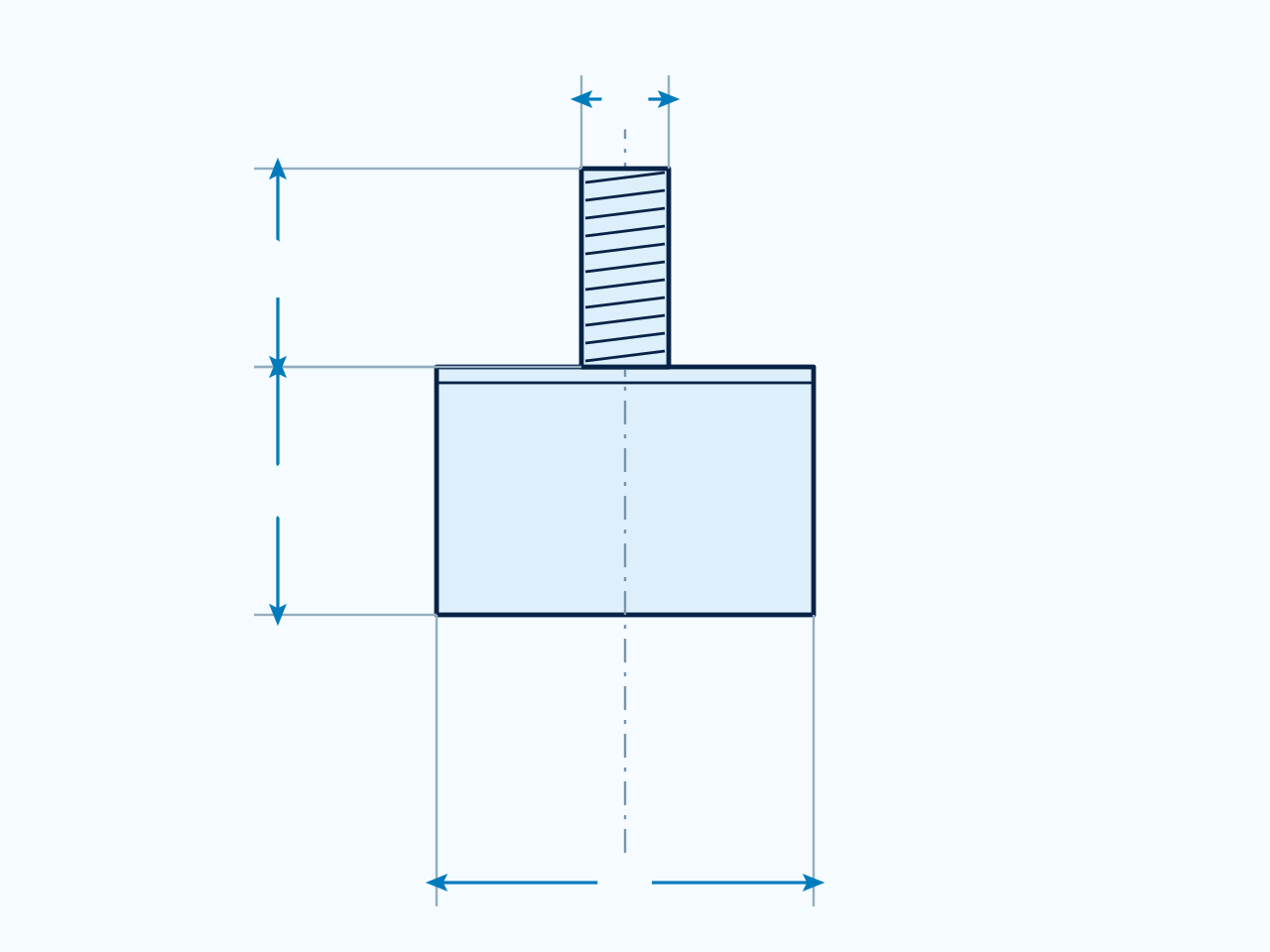
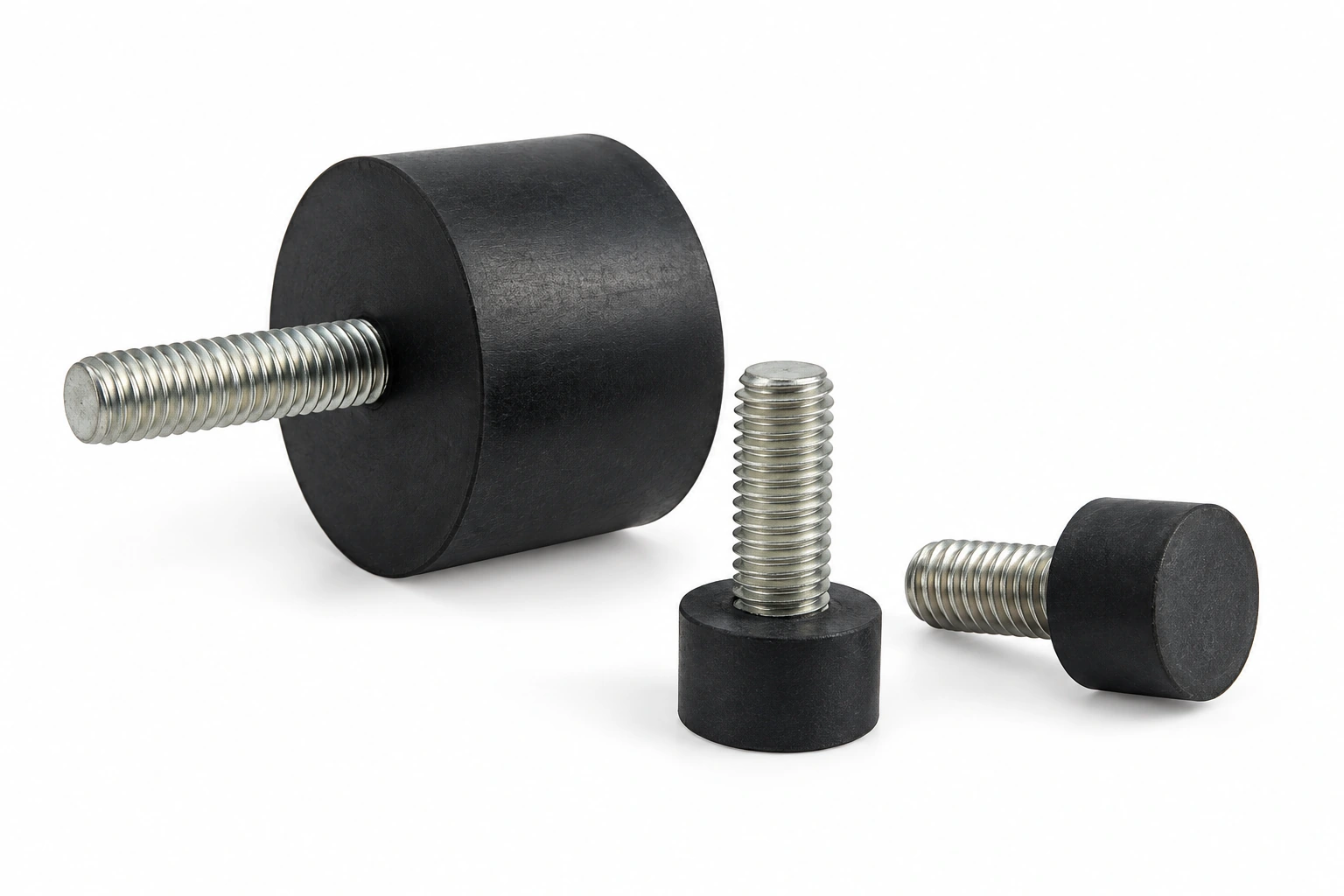
Rubber Vibration Mounts E
Match D, H and thread d to the drawing. Dimensions are in mm; thread designations, load in kg and compression in mm follow the table headings. Confirm load direction and operating conditions for your installation.
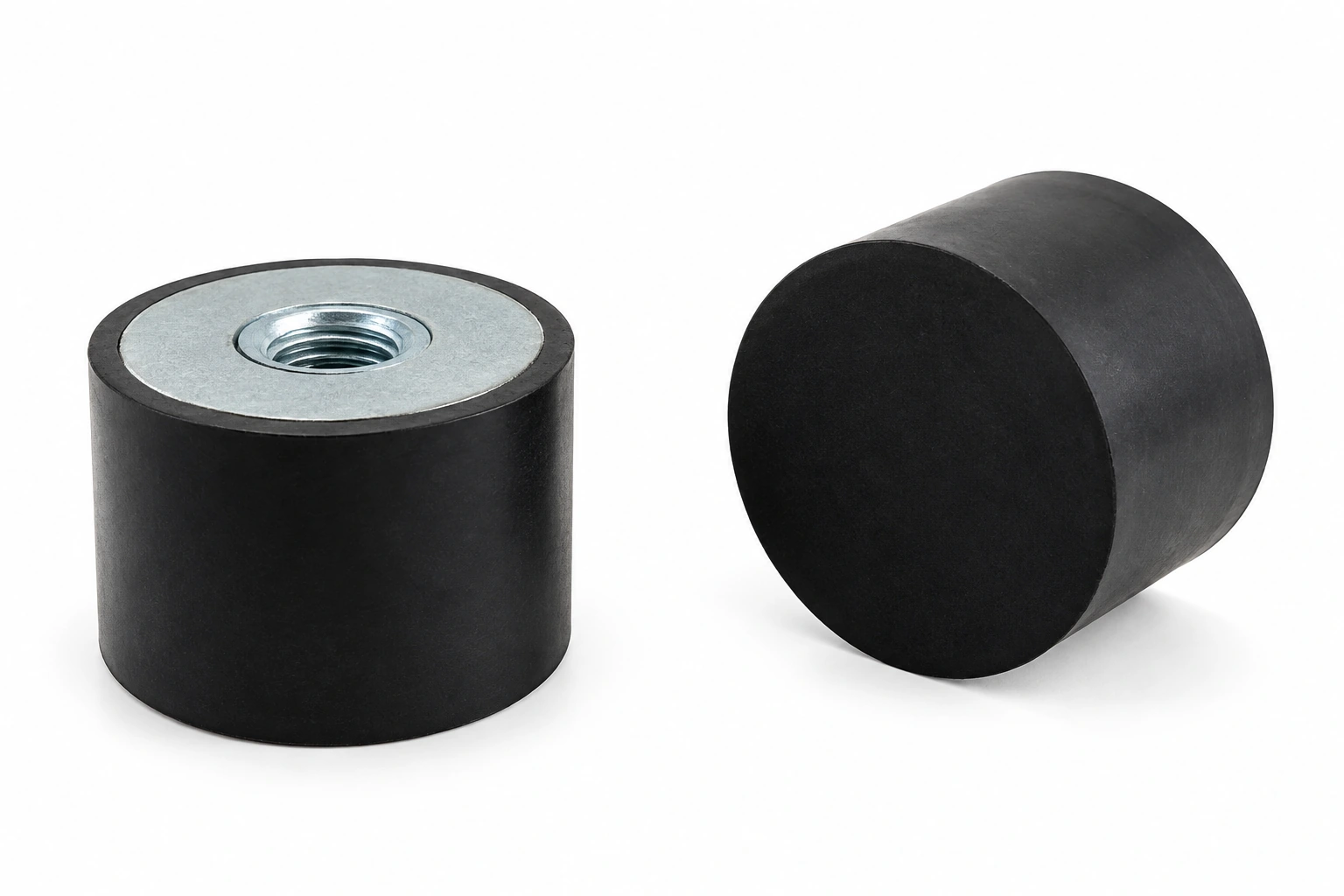
Need a different size? Share your drawing, mating dimensions and intended use to discuss a suitable part.
Discuss Your RequirementsProduct specifications
- Product form
- Elastomer mount between a vibrating assembly and its support
- Application focus
- Washing machines and speaker cabinets. Size the part against the selected assembly.
- Dimensions to confirm
- Free and loaded heights, attachment spacing and body envelope.
- Isolation objectives
- Steady vibration and structure-borne noise. Define a measurable acceptance target on the supported assembly.
- Dynamic selection
- Use the load per mount, excitation frequency and allowed movement to select the mount.
Need a quote or a custom part?
Send your requirements, drawings or samples to discuss standard and custom silicone rubber parts.
Email us[email protected]