
Bolt on rubber feet
You have probably seen bolt on rubber feet before in both commercial and industrial settings fitted underneath various devices, machines, appliances, as well as equipment – and there is a good reason behind this. The devices in question often move while operating, which means that by installing bolt on rubber feet to their bases, you could prevent them from moving, and at the same time, you will prevent any damage such as scratched from occurring on your floors. However, you should also know that this will prevent the components within the machines from moving, thus, our bolt on rubber feet can prevent them from breaking down – meaning that you won’t have to spend money on expensive repairs.
Since all of our components are manufactured from premium materials, they are all incredibly durable and strong, which is what allows them to be used in industrial settings as well. As the name implies, they will have to be secured into place by a bolt, hence, if the surface doesn’t feature an opening, you might have to create one by yourself. Other than that, the installation process is relatively simple and quick. It’s worth mentioning that our bolt on rubber feet can also be removed easily, thus, if needed, you could take them off a machine and use them on a different one.
The use of high-quality materials makes the bolt on rubber feet extremely resistant to a wide range of things, including chemicals, some acids, dust, grime, dirt, as well as other contaminants located in industrial settings. Additionally, high temperatures, as well as low ones won’t influence the characteristics of the components, thus, even if the temperatures change on a daily basis, the color, durability, and other features of the bolt on rubber feet won’t change – which means that you could use them for a really long time before replacing them.
Rubber Feet & Bumper Size Catalog
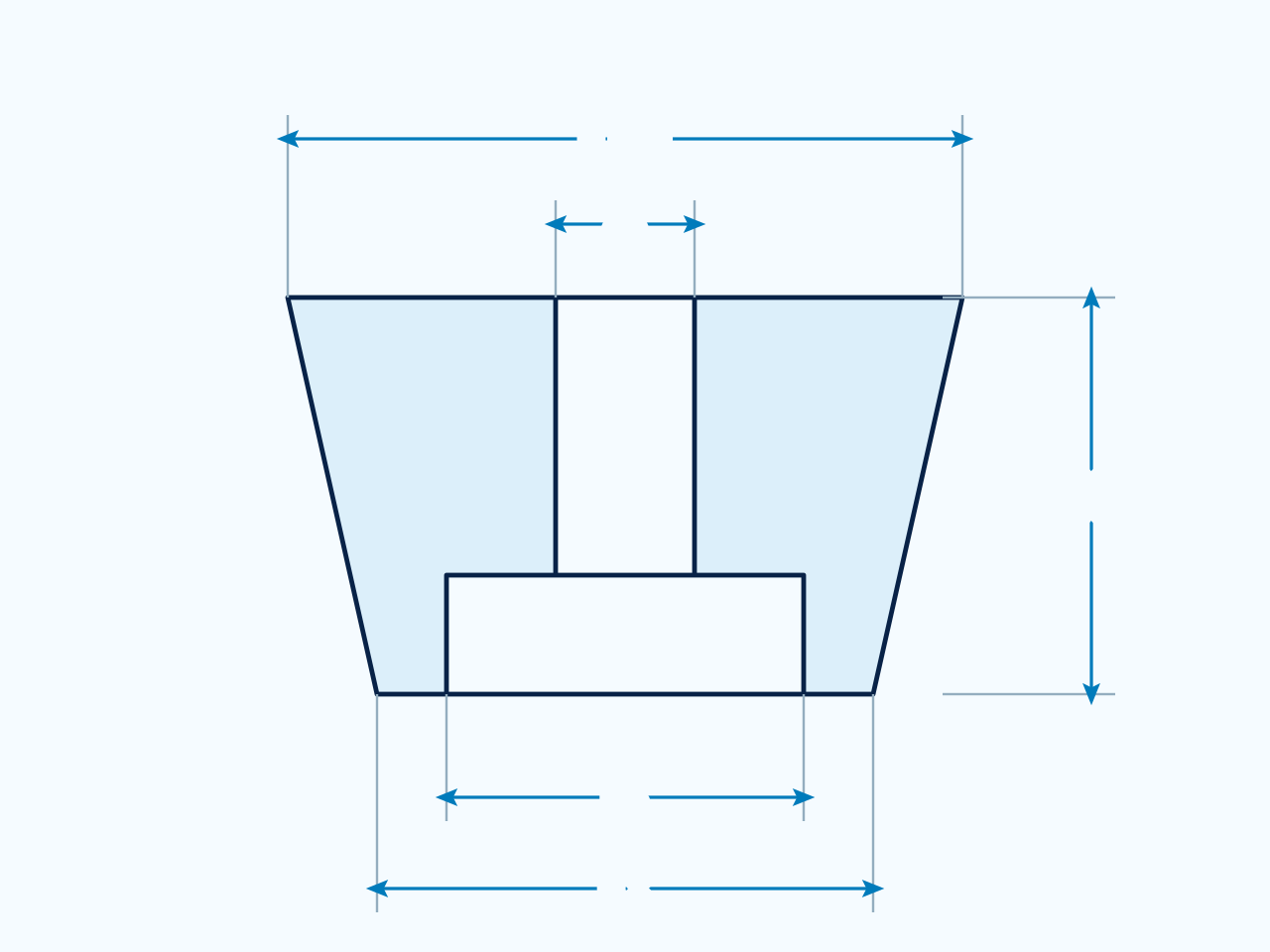
Compare mounting style, overall size and recess dimensions. Each profile uses its own drawing and column meanings.
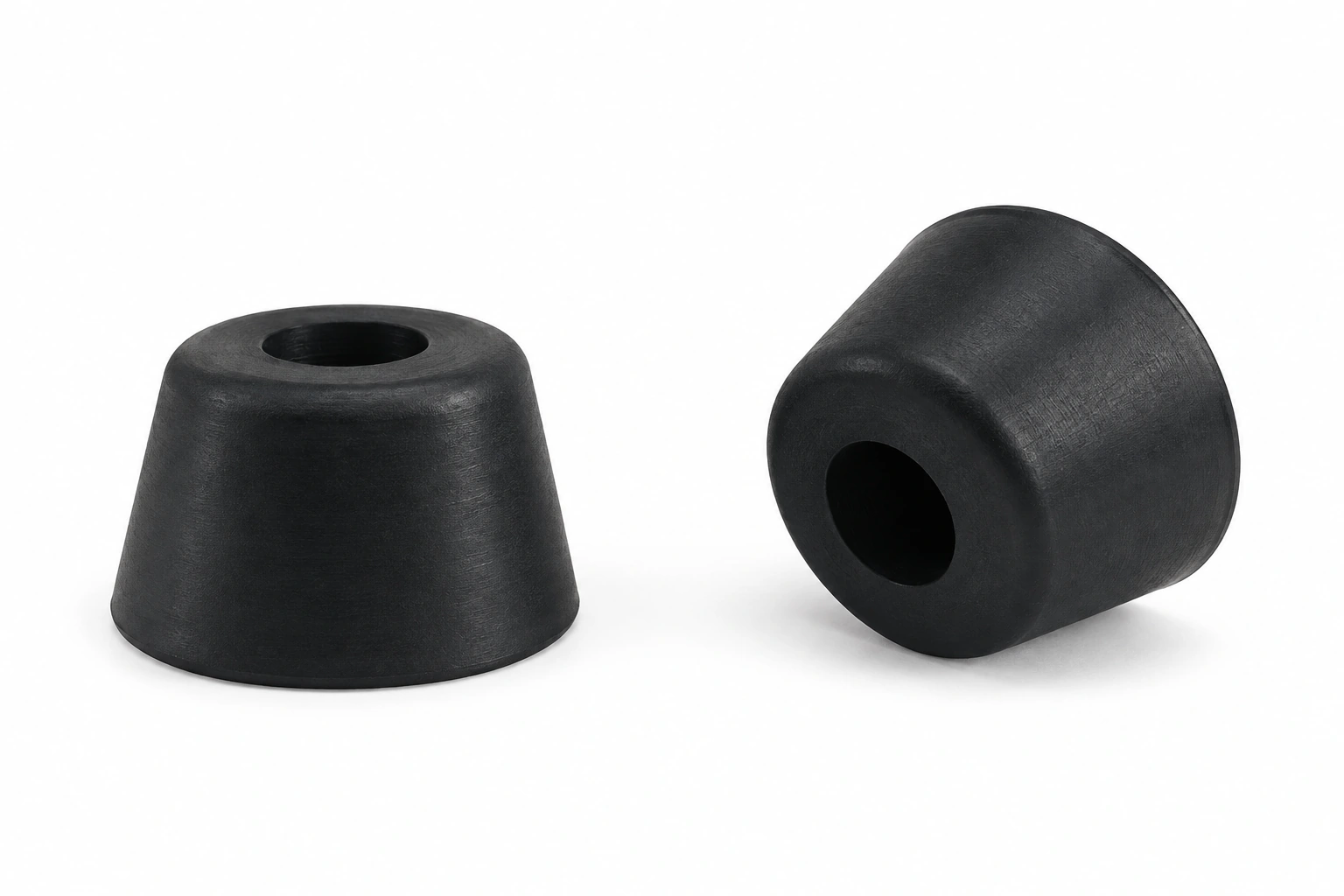
Recess Rubber Bumper
Compare OD, H, A, B and C in mm. C indicates the outer base dimension on this bumper profile, not the recess depth.
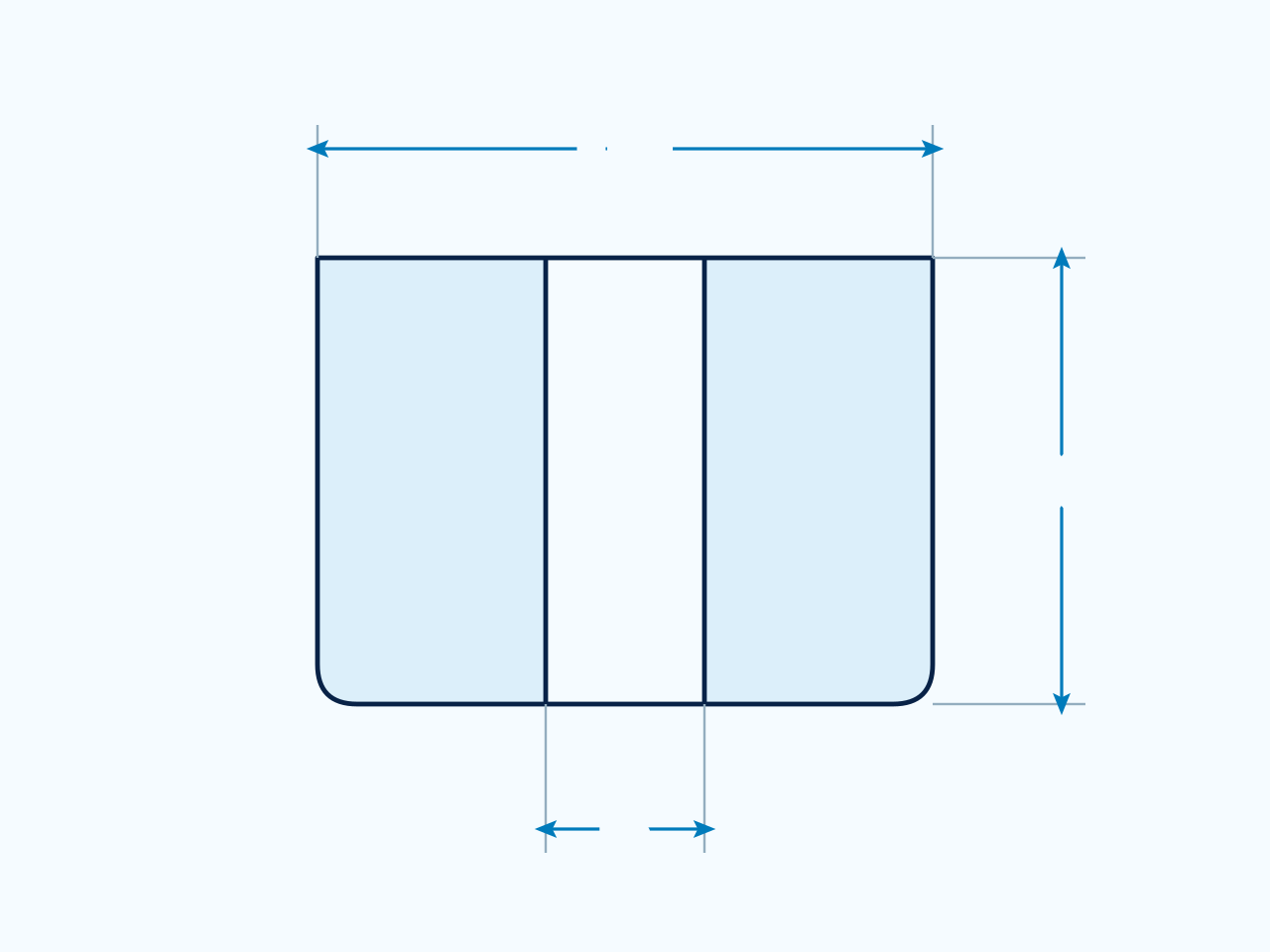
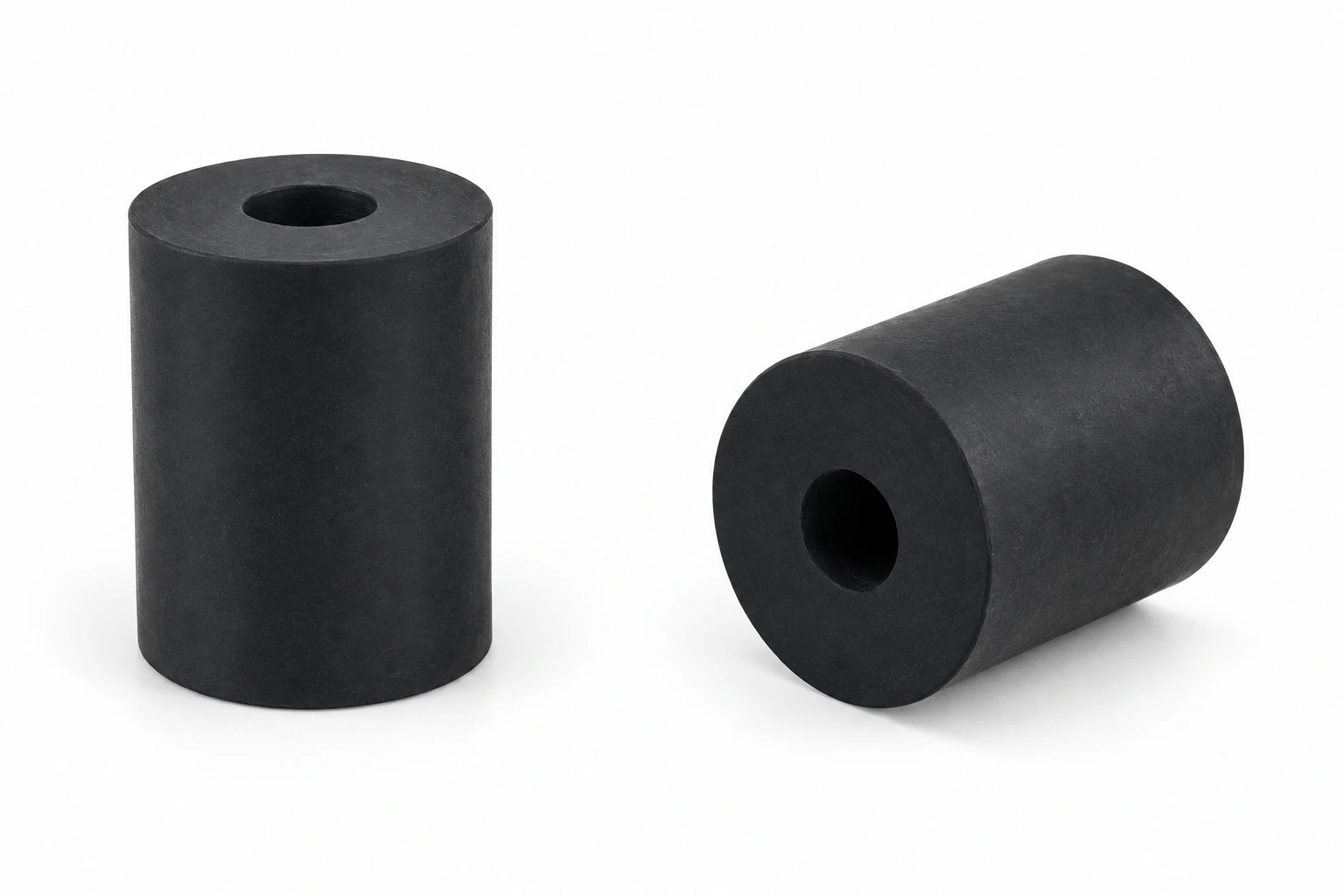
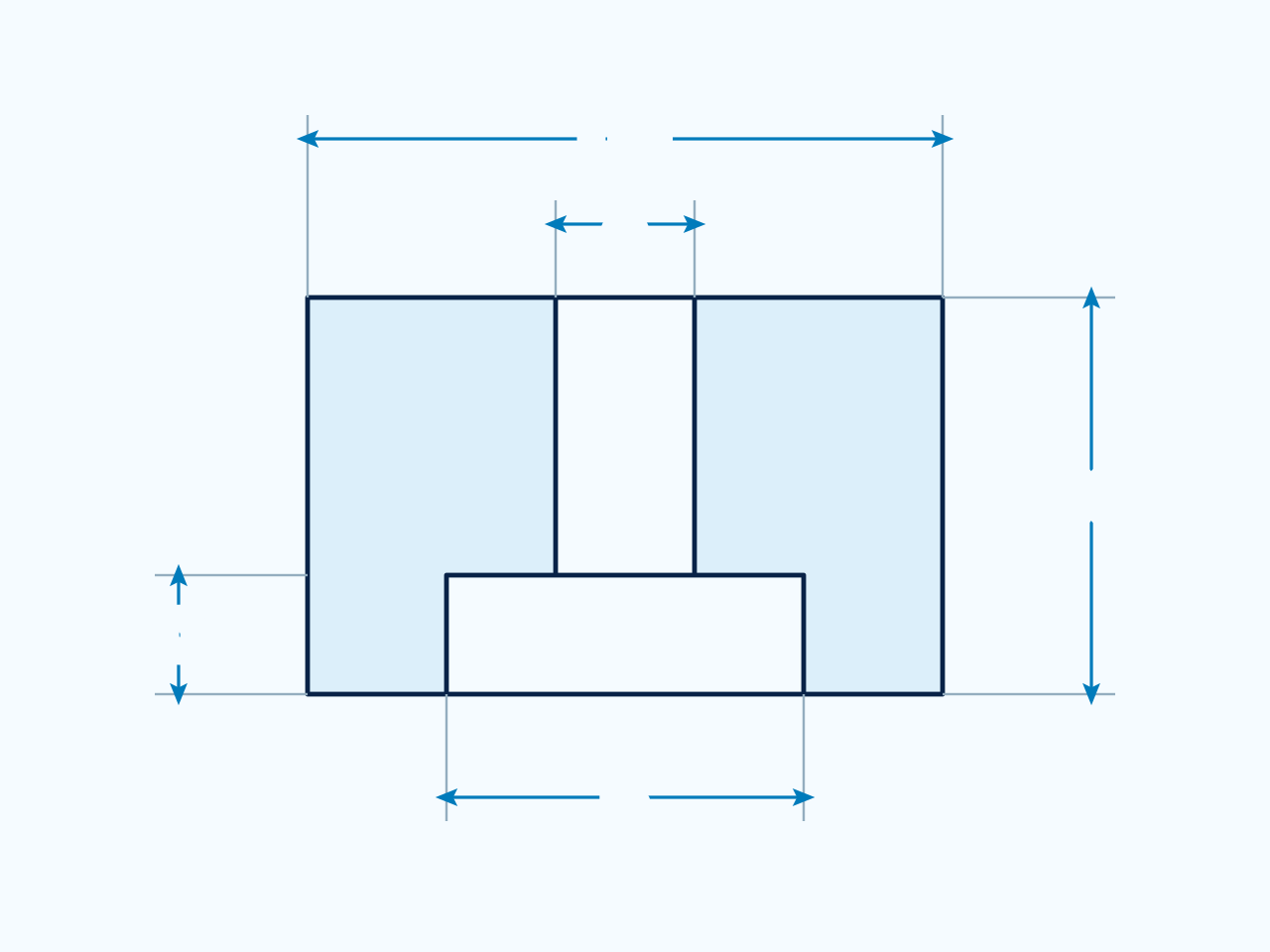
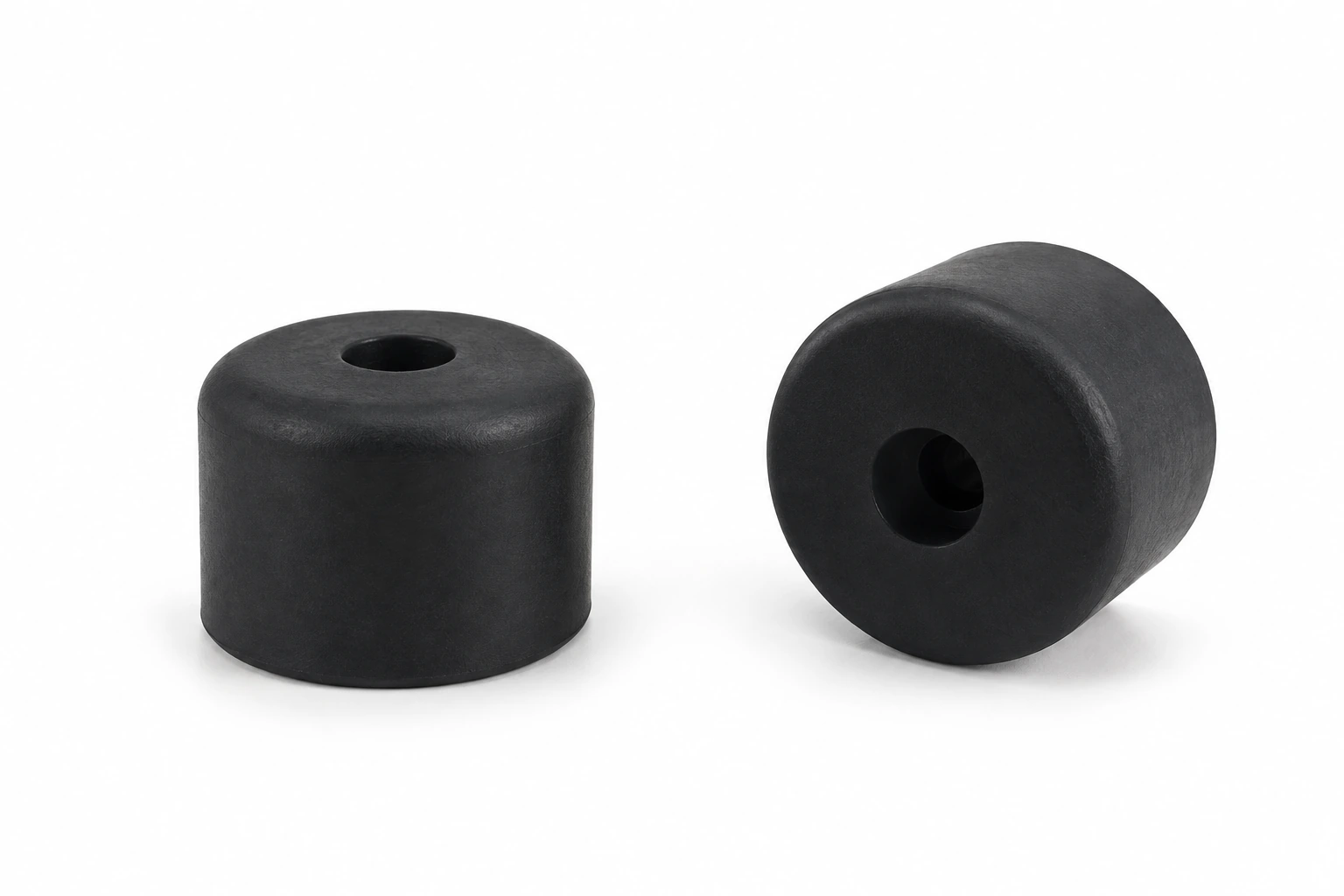
Cylindrical Rubber Feet
Compare OD, H and B in mm using the cylindrical-foot drawing. Material and colour remain listed separately.
Recess Rubber Feet
Compare OD, H, A, B and C in mm. C indicates the recess depth on this feet profile.
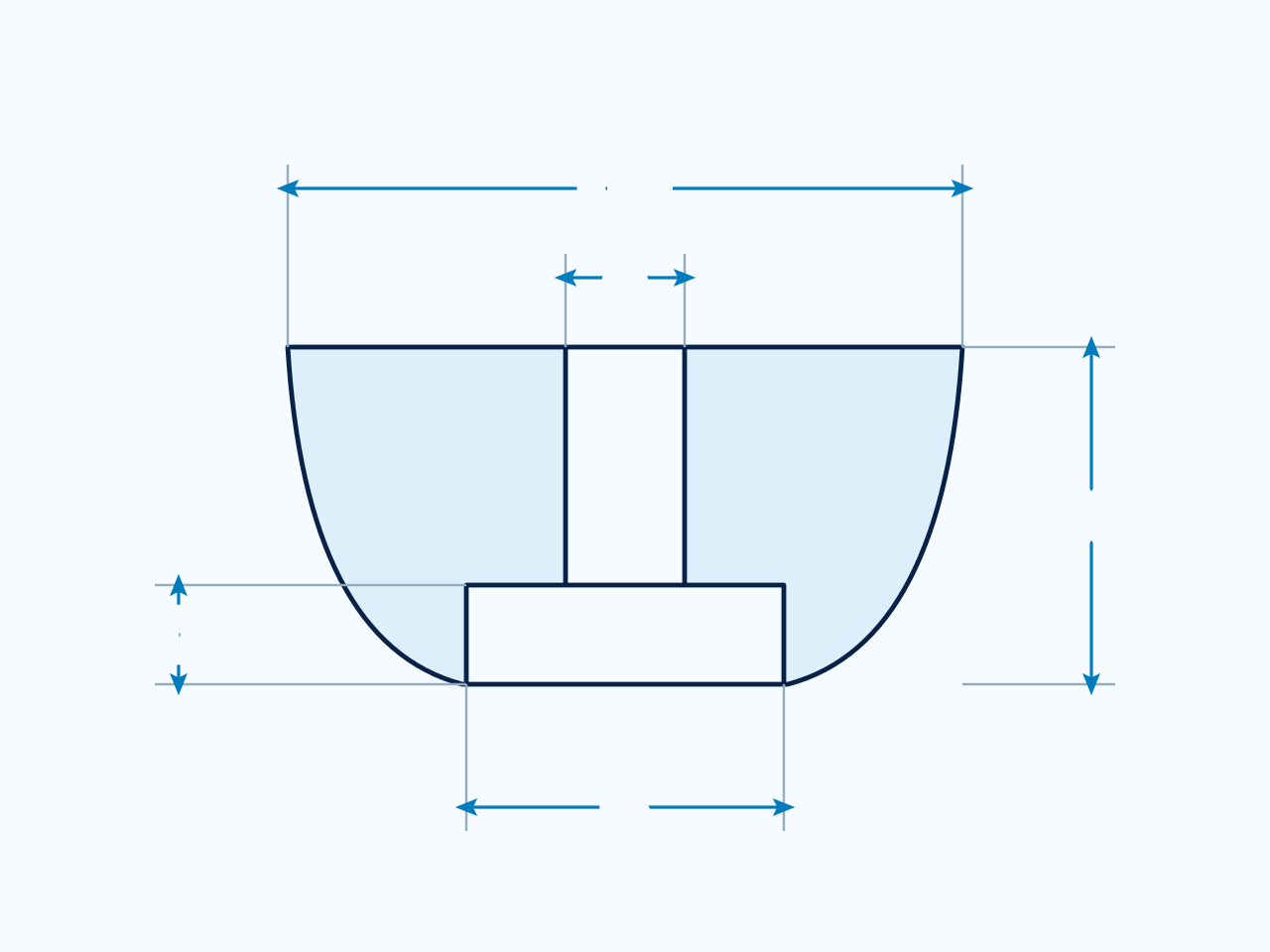
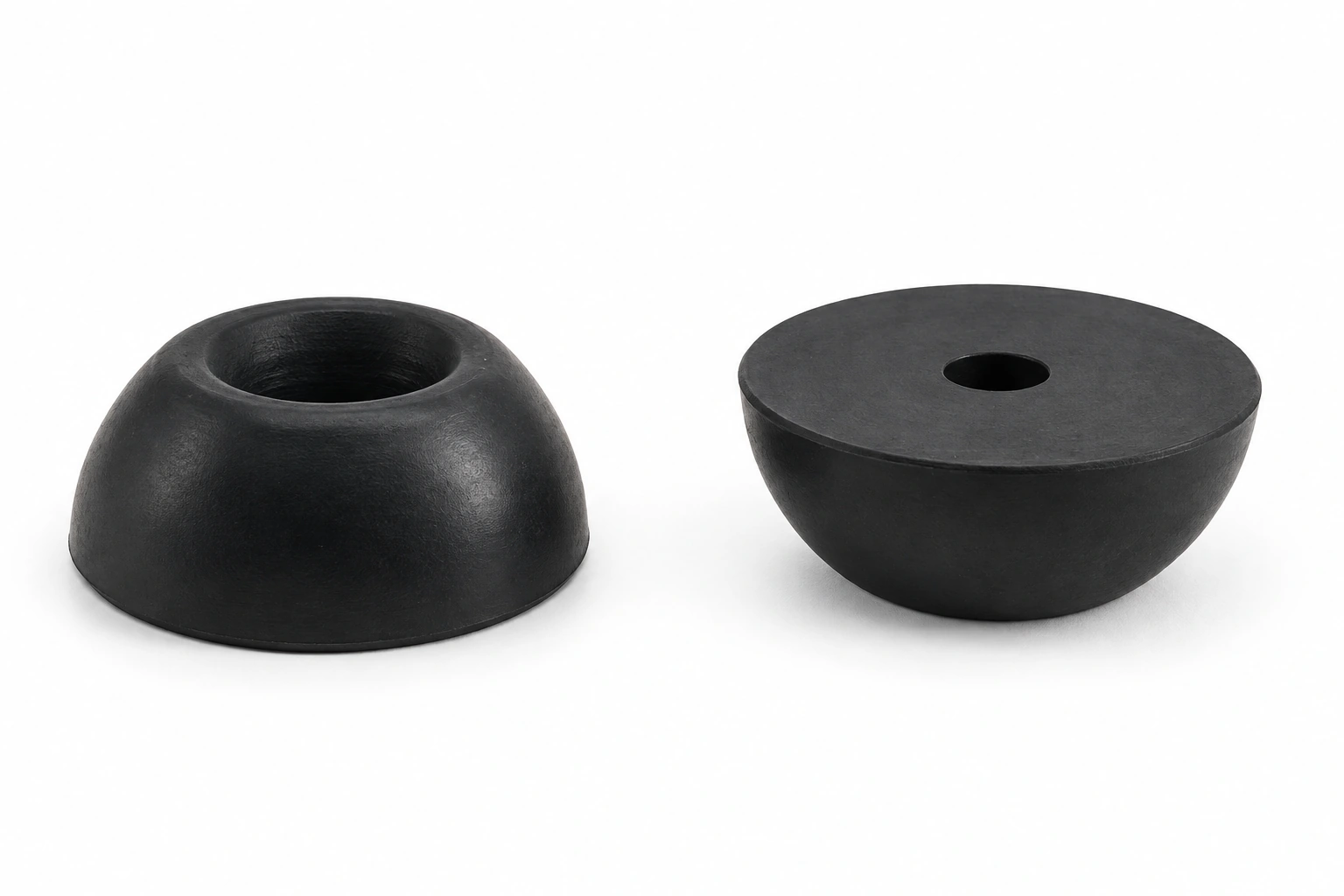
Hemispherical Rubber Bumper
Compare OD, H, A, B and C in mm using the hemispherical-bumper drawing.
Rubber Tips
Compare A, B and C in mm using the open round-tip drawing. Check the mating leg dimensions and seating depth.
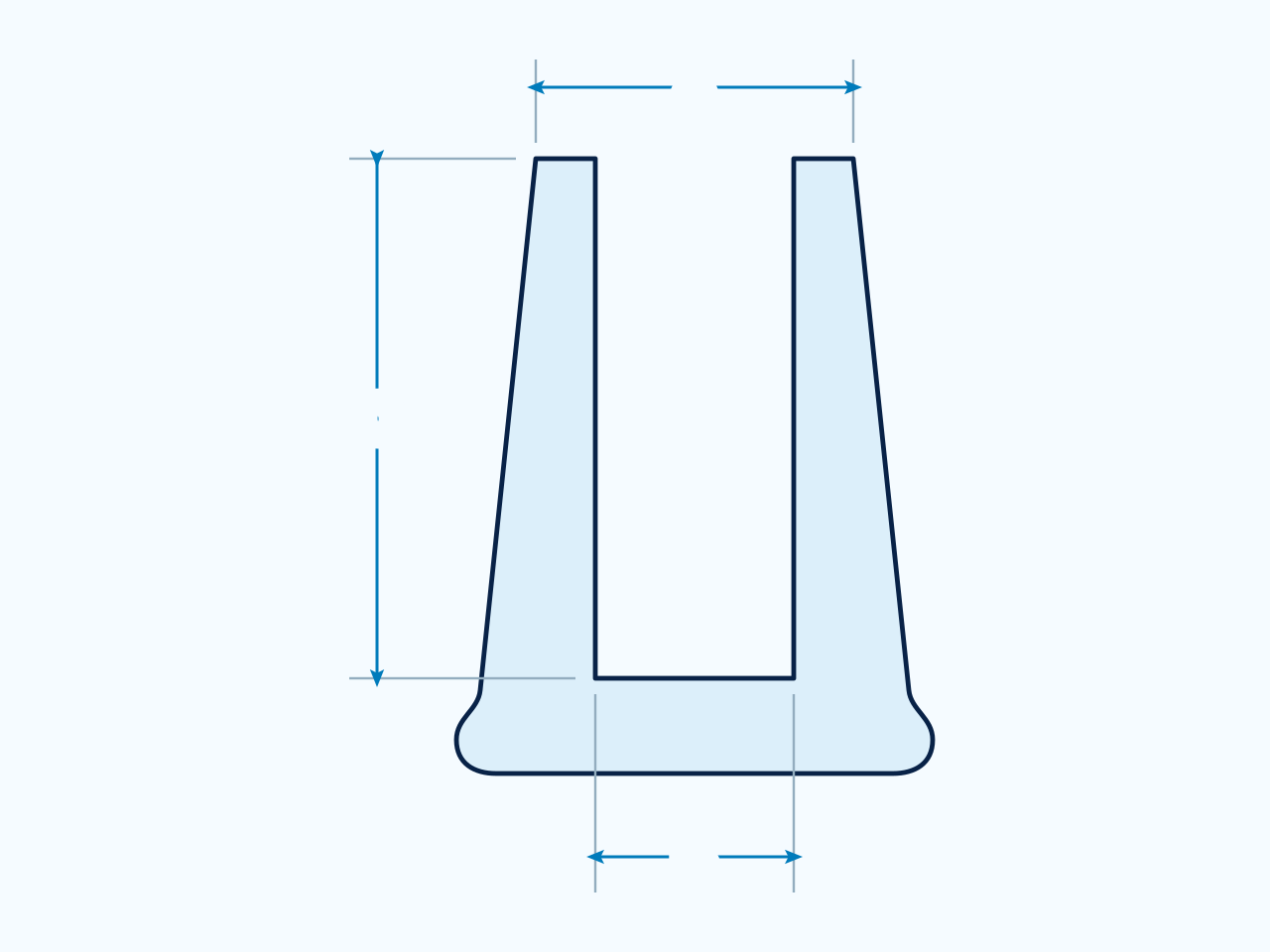
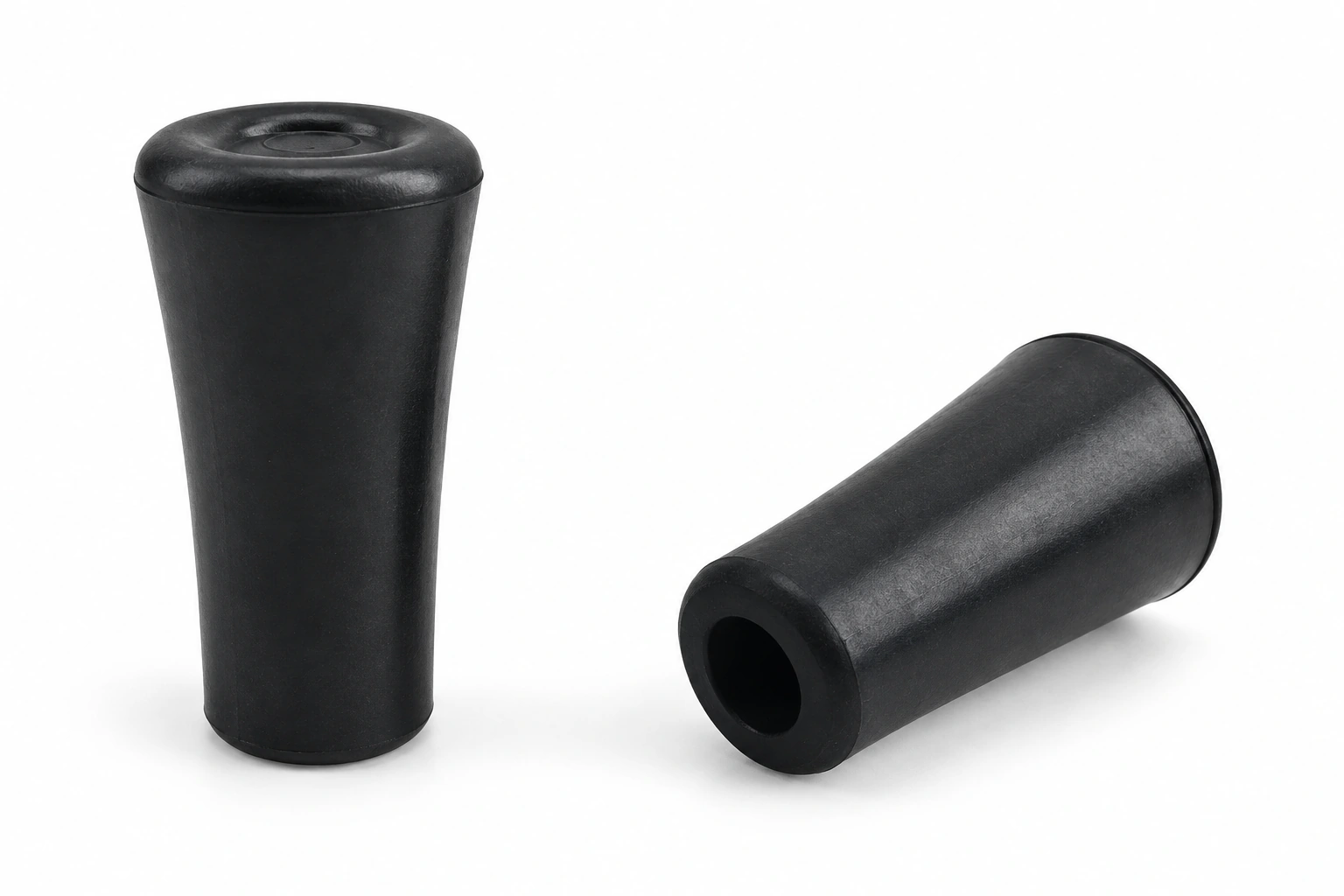
Rectangular rubber feet for chairs
Compare A, B and C in mm using the rectangular-tip drawing. Check both sides of the mating leg and the seating depth.
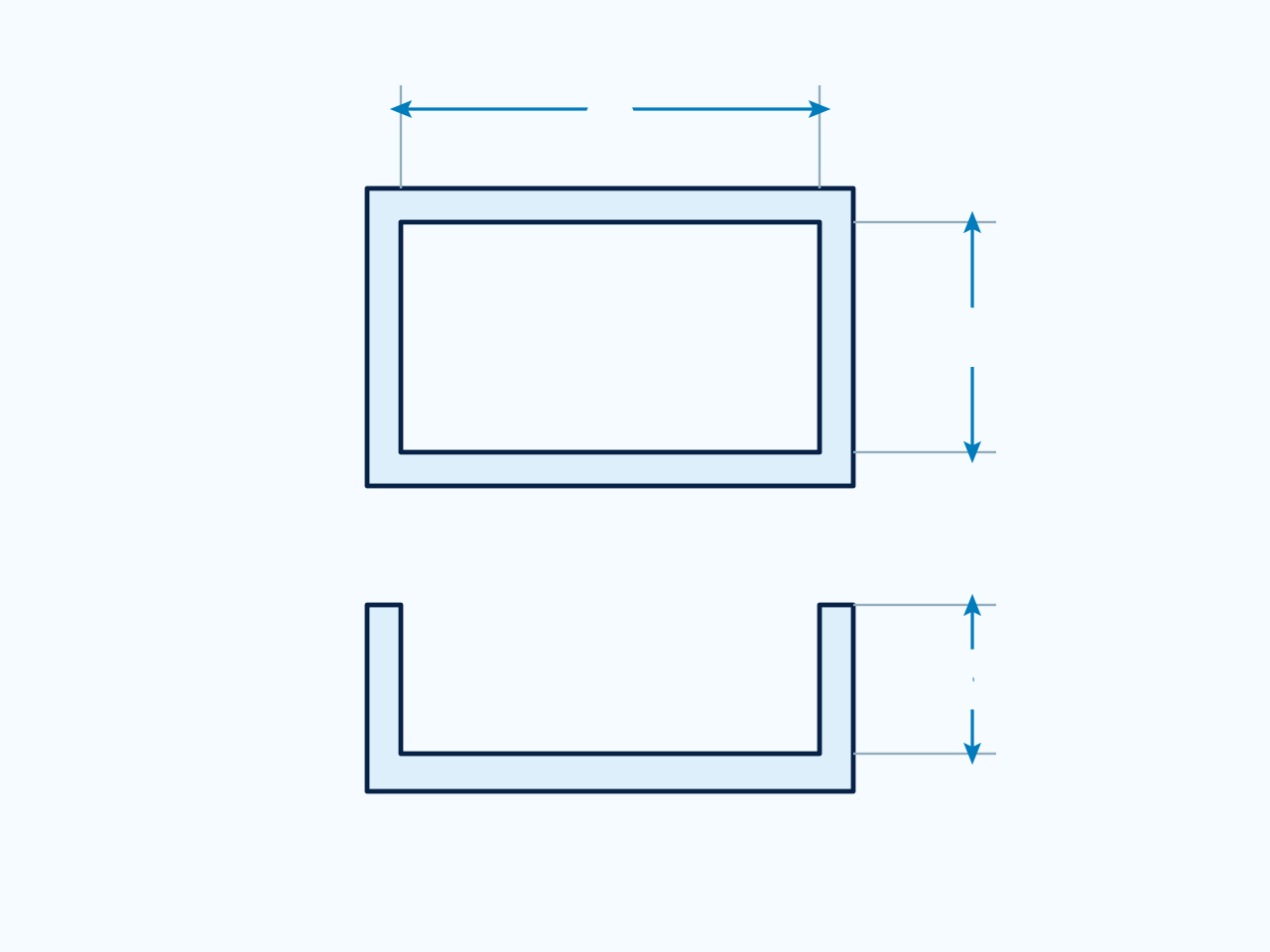
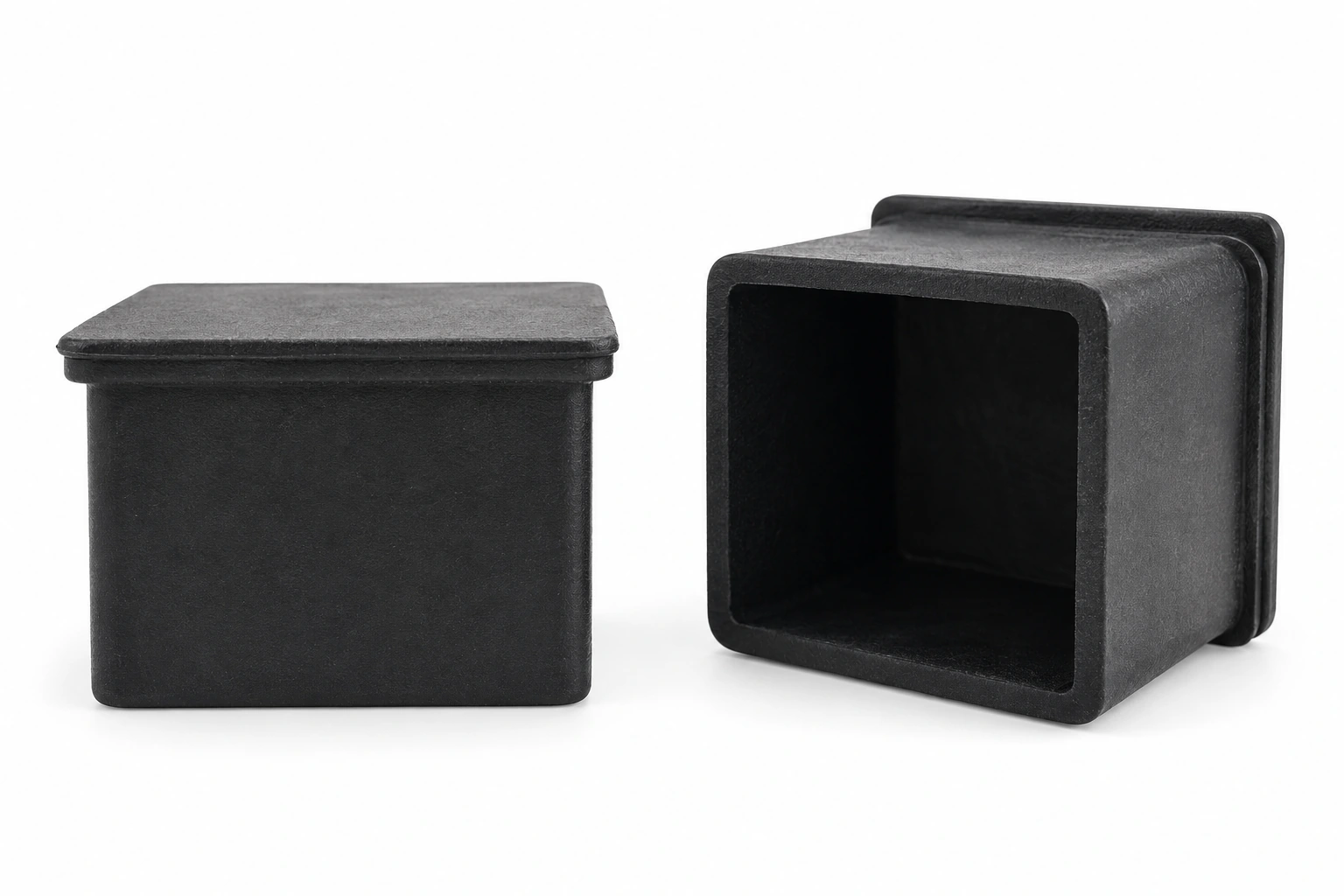
Rubber Feet For Chairs
Compare A, B, C and D in mm using the square-tip drawing. Check the mating leg profile and seating depth.
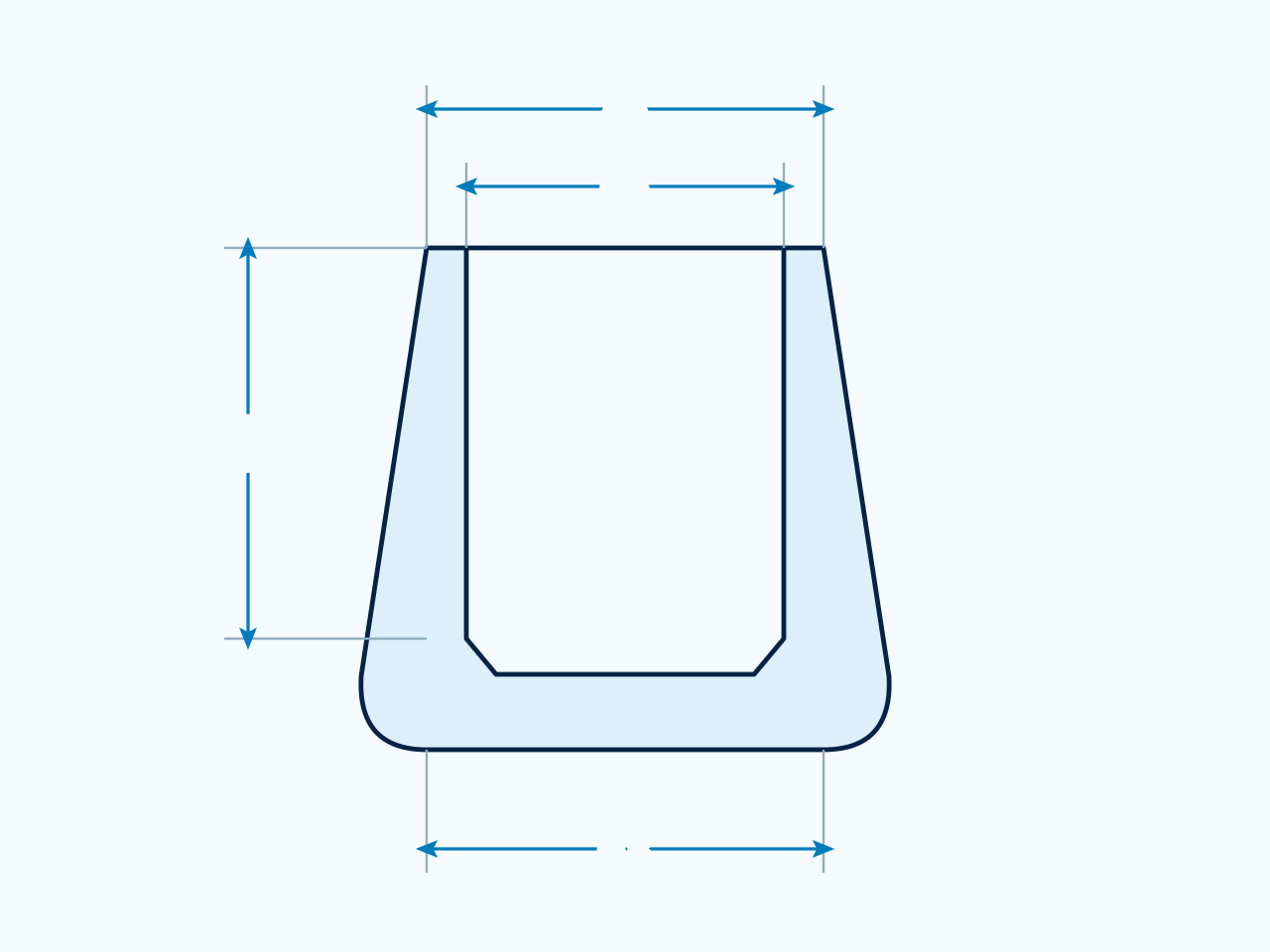
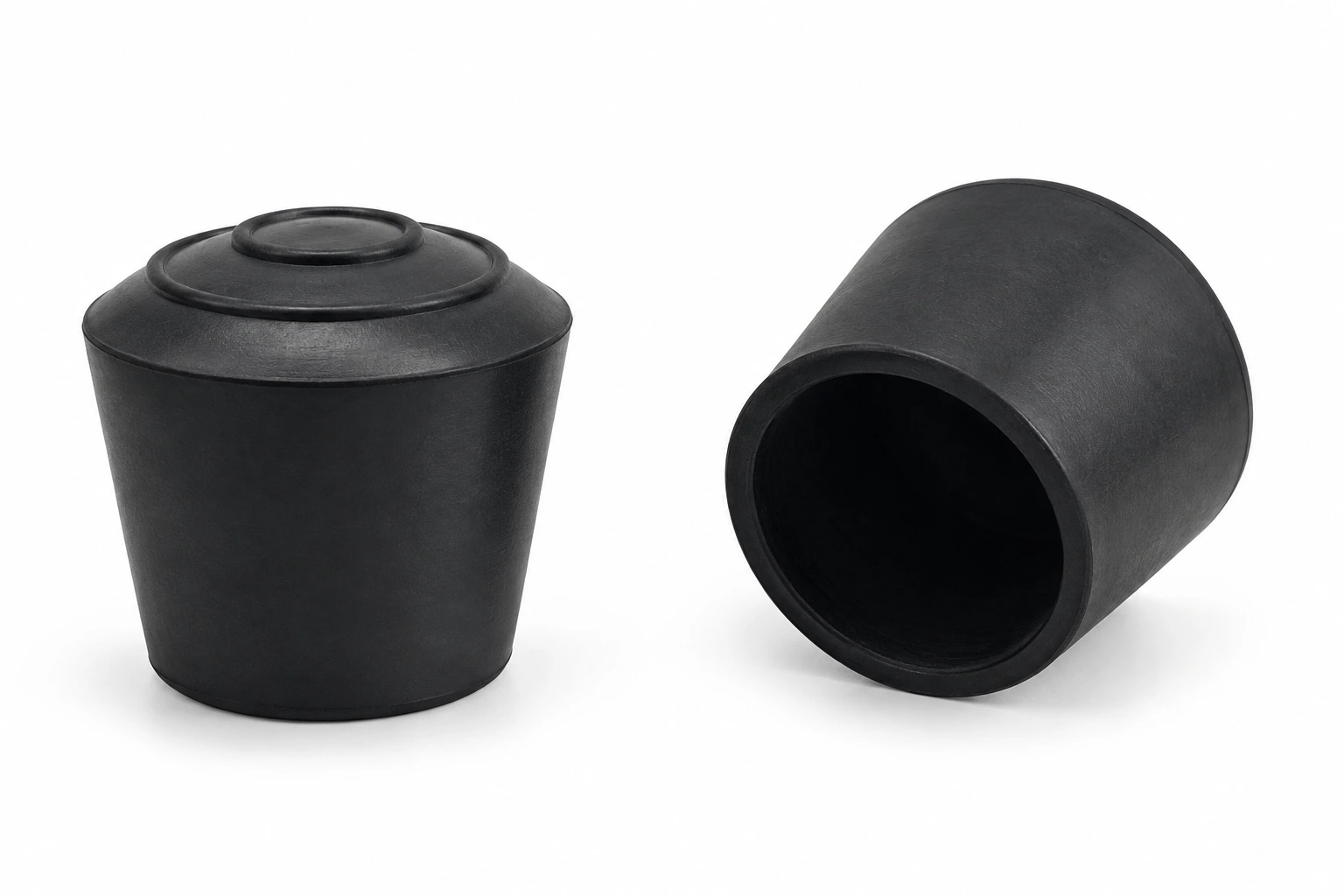
Need a different size? Share your drawing, mating dimensions and intended use to discuss a suitable part.
Discuss Your RequirementsProduct specifications
- Product form
- Resilient support foot for an equipment or furniture base
- Application focus
- Household appliances. Size the part against the selected assembly.
- Dimensions to confirm
- Footprint, installed height and attachment position. Match these to household appliances.
- Fastening
- Define thread size, pitch, engagement and clearance; identify whether the hardware is molded in or fitted separately.
- Exposure to evaluate
- Dust or debris. Validate the selected material under the combined conditions.
- Support loading
- Determine the load at each foot and check the resulting compression and stability.
Need a quote or a custom part?
Send your requirements, drawings or samples to discuss standard and custom silicone rubber parts.
Email us[email protected]