
Bolt on rubber feet
The bolt on rubber feet are one of the most popular types of rubber feet, and they are made to be extremely easy to install and use. Instead of thinking about how you can put them on your devices or furniture, and instead of wondering if the adhesive is going to hold on for years to come, you can ditch those worries away when you choose this model. As the name suggests, the bolt on rubber feet only need to be bolted on the bottom of the item and you don’t have to do anything else.
They are one of the simplest models that you can install, and at the same time, they are also some of the most durable and reliable ones. The main reason why they are utilized in a number of industries and private households is that they are going to safeguard your goods along with everything else that surrounds them. With them, you will prevent any damages on your floors, and you will also prevent slipping or the devices moving on their own. As you already know, in huge manufacturing processes, there are a lot of vibrations coming out of the machines and this could easily lead to damage to both the device and the floors, and the machines can start moving or slipping.
When you choose to utilize bolt on rubber feet, you will prevent any mishaps, and you will protect your goods. Note that the rubber is a material made to withstand extreme pressure without damage, and it can be installed in any condition no matter how hot or cold it gets. As manufacturers, we are here to provide support and help for anything that you may need. You are free to customize the bolt on rubber feet and choose the rubber, along with the dimensions and the color according to your needs.
Rubber Feet & Bumper Size Catalog
Compare mounting style, overall size and recess dimensions. Each profile uses its own drawing and column meanings.
Recess Rubber Bumper
Compare OD, H, A, B and C in mm. C indicates the outer base dimension on this bumper profile, not the recess depth.
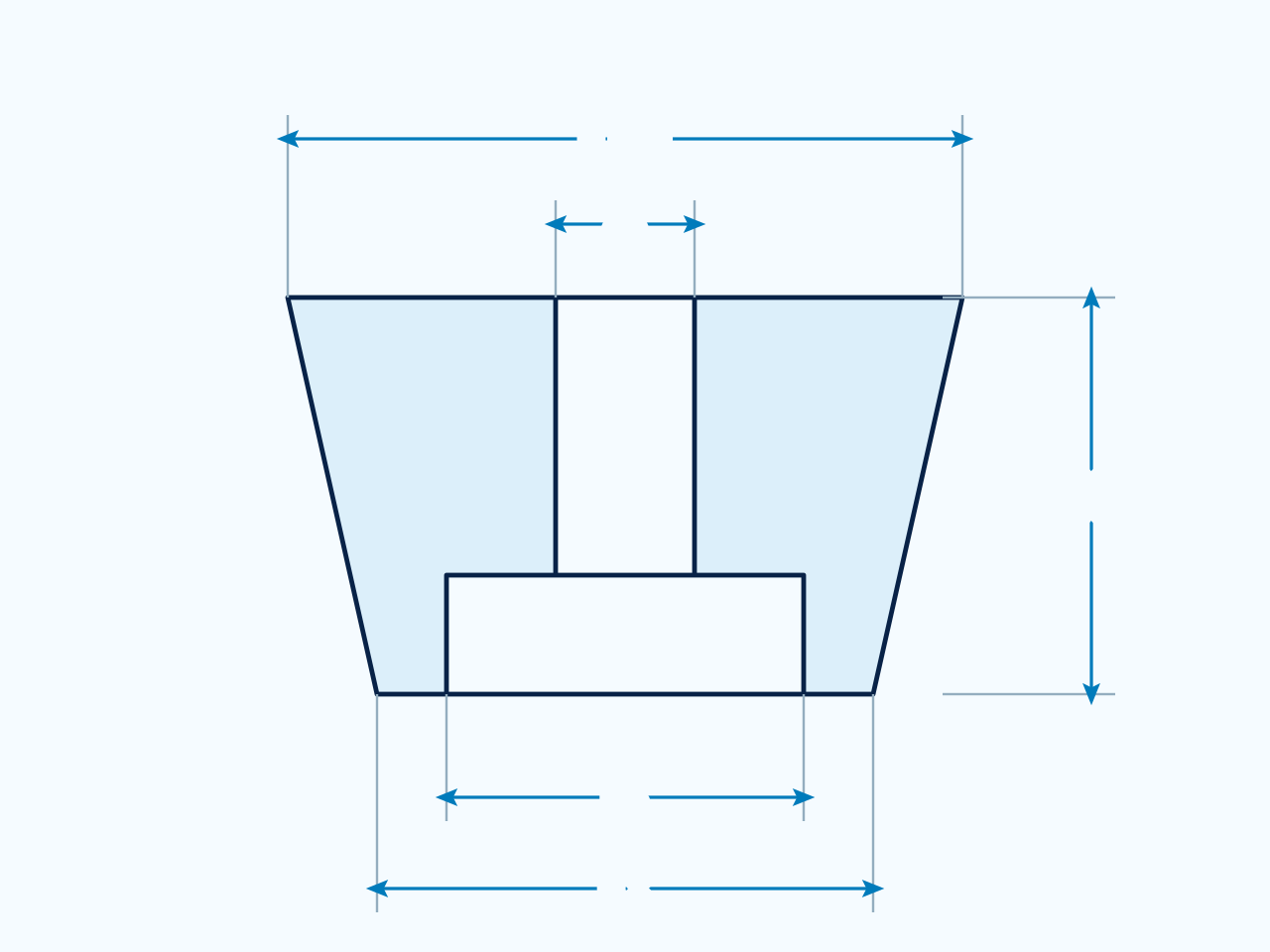
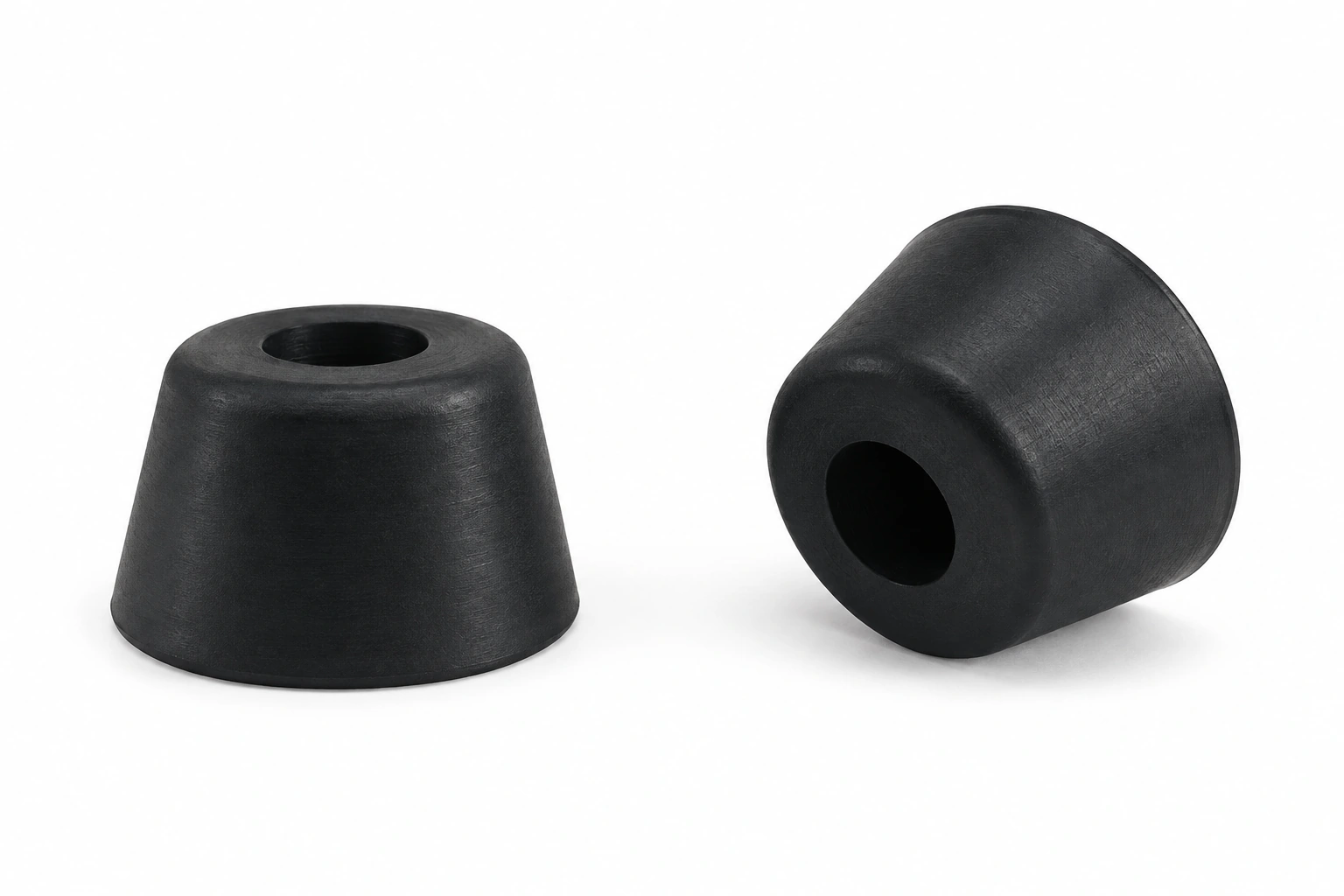
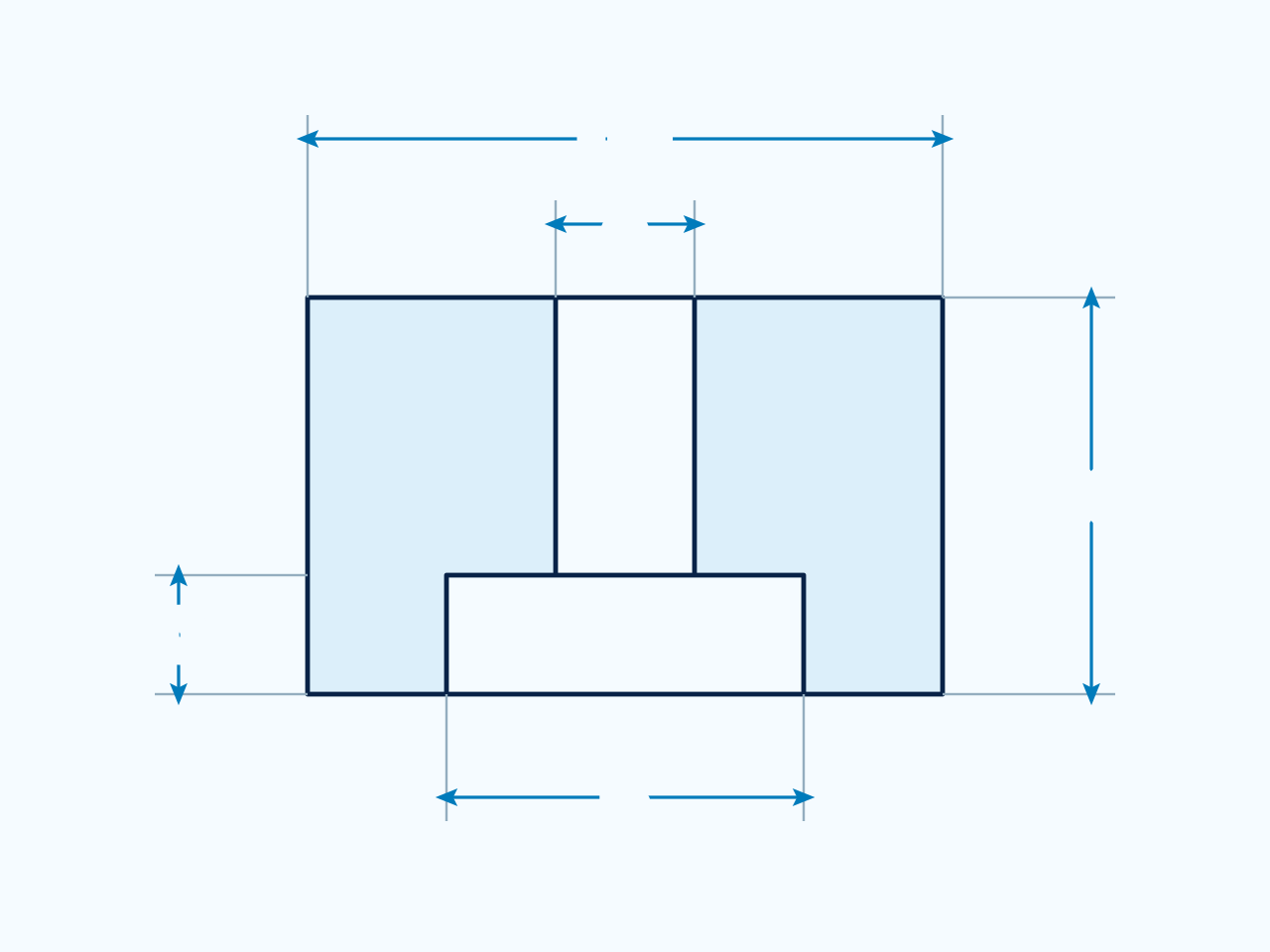
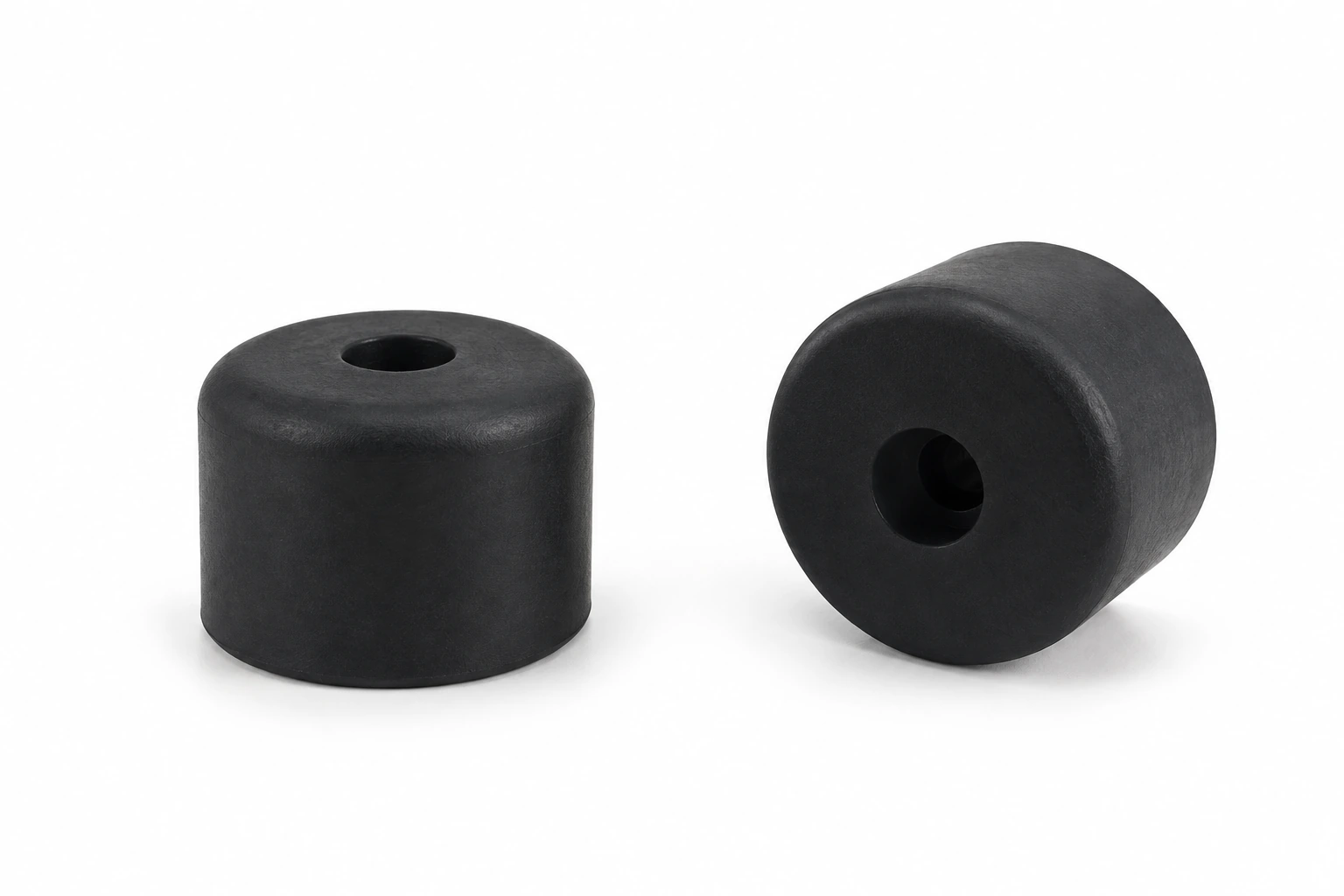
Cylindrical Rubber Feet
Compare OD, H and B in mm using the cylindrical-foot drawing. Material and colour remain listed separately.
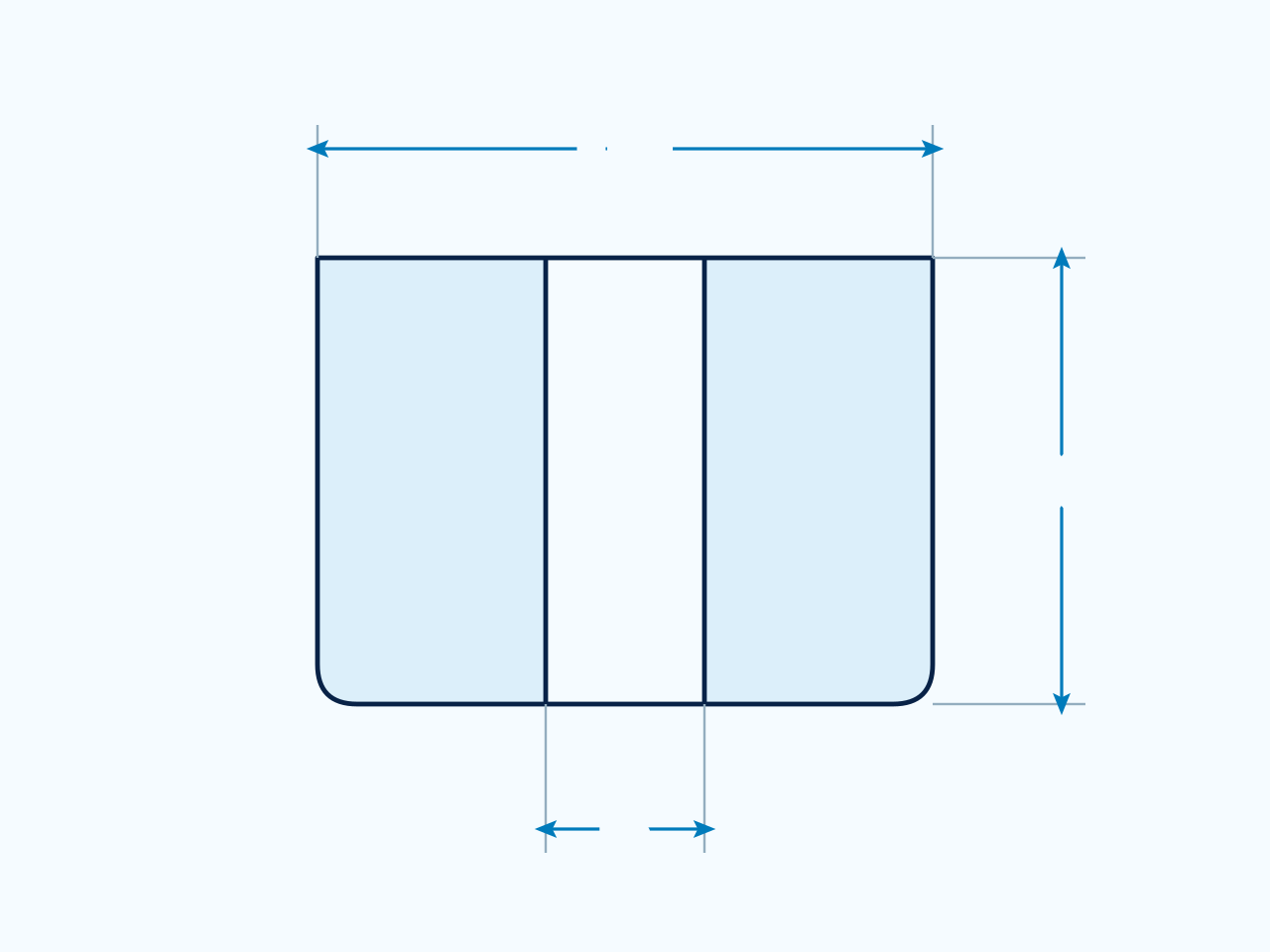
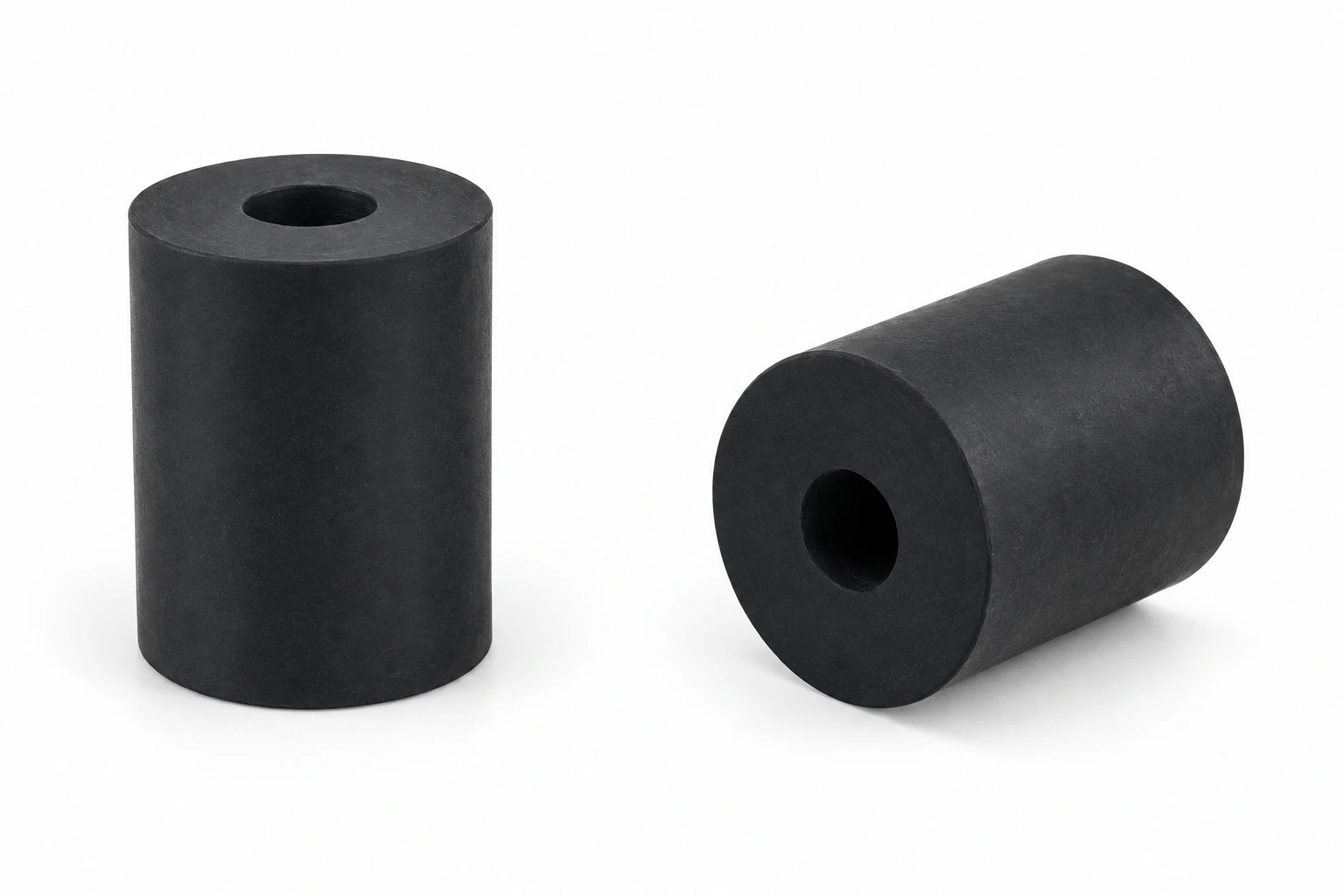
Recess Rubber Feet
Compare OD, H, A, B and C in mm. C indicates the recess depth on this feet profile.
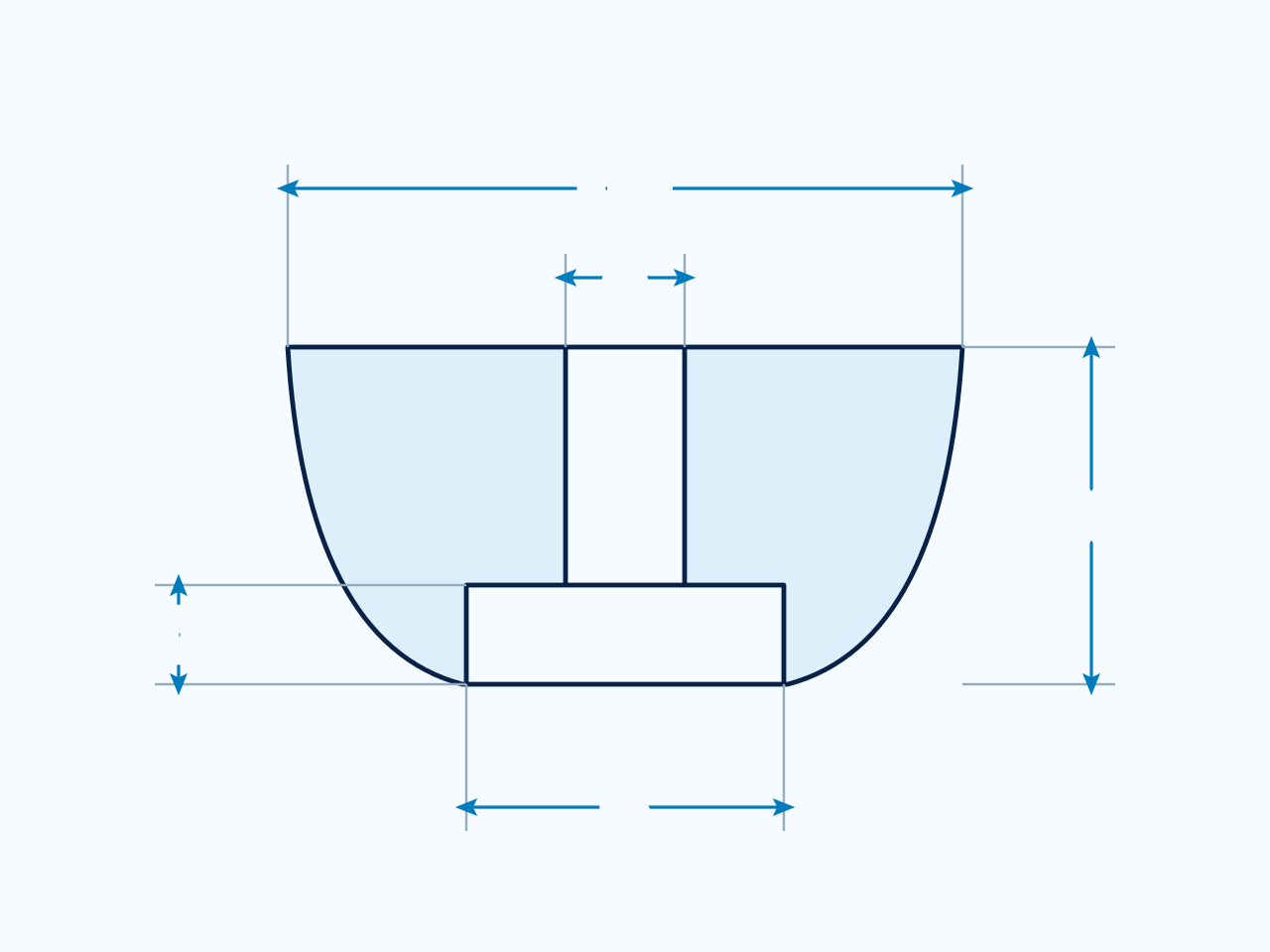
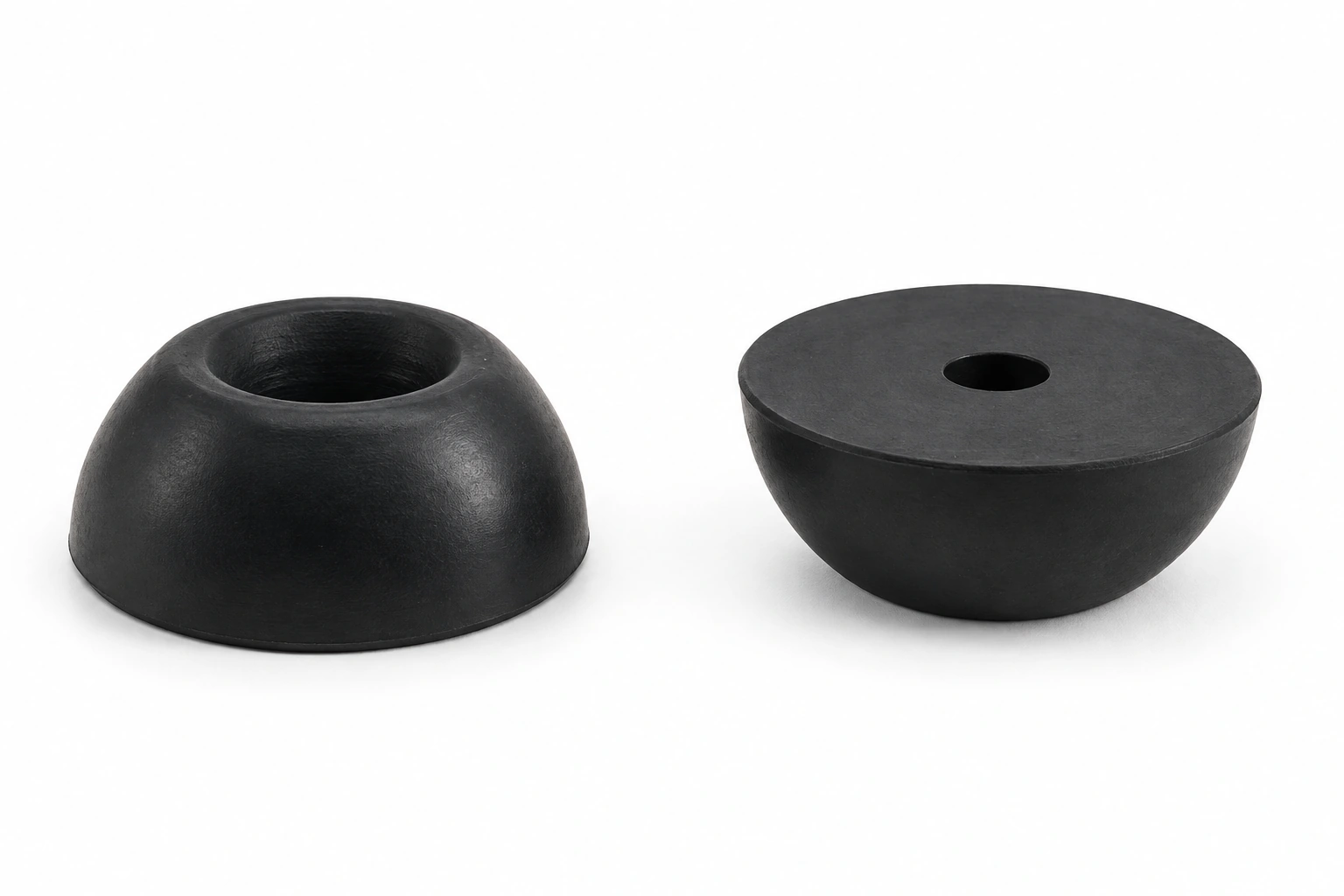
Hemispherical Rubber Bumper
Compare OD, H, A, B and C in mm using the hemispherical-bumper drawing.
Rubber Tips
Compare A, B and C in mm using the open round-tip drawing. Check the mating leg dimensions and seating depth.
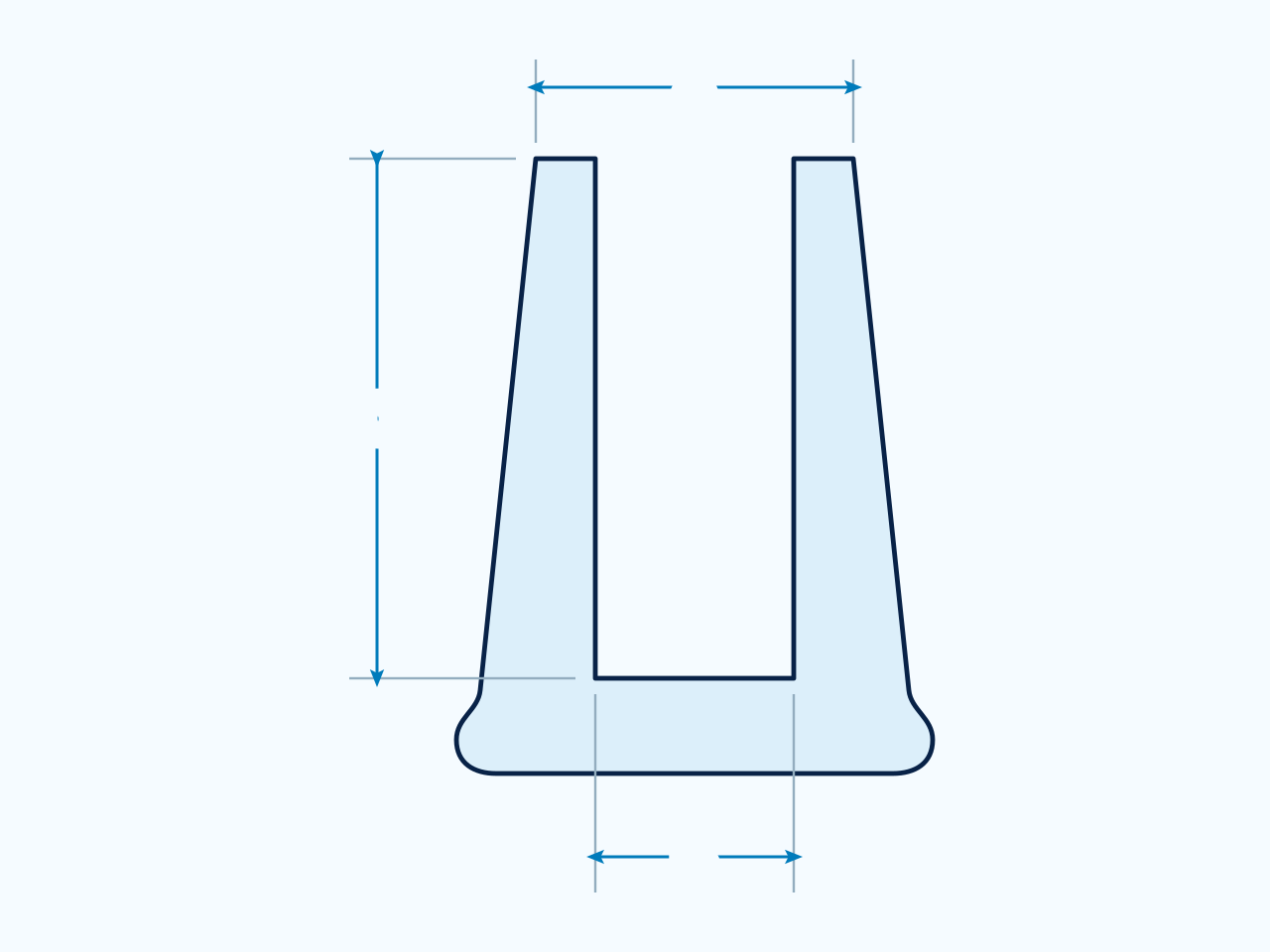
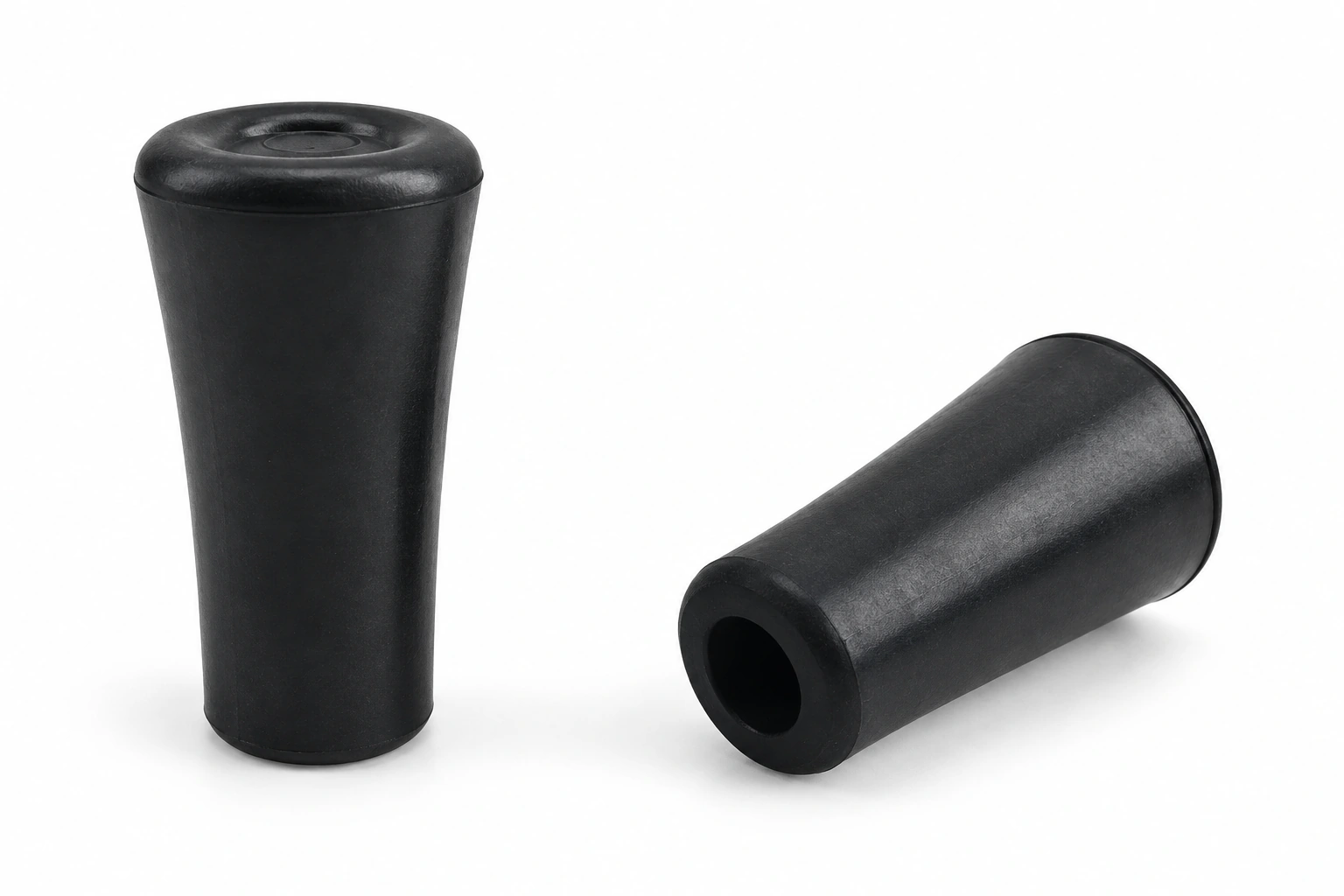
Rectangular rubber feet for chairs
Compare A, B and C in mm using the rectangular-tip drawing. Check both sides of the mating leg and the seating depth.
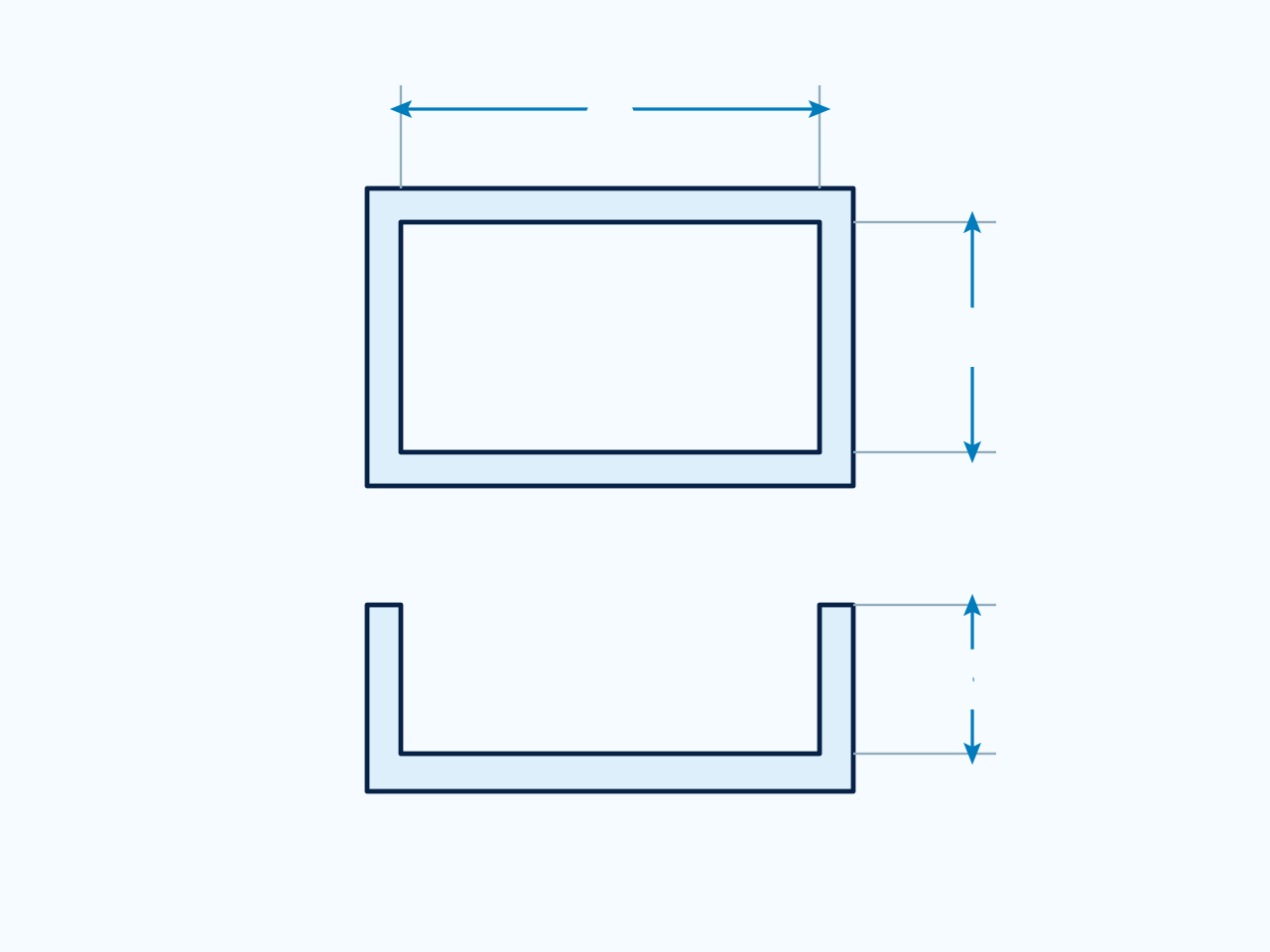
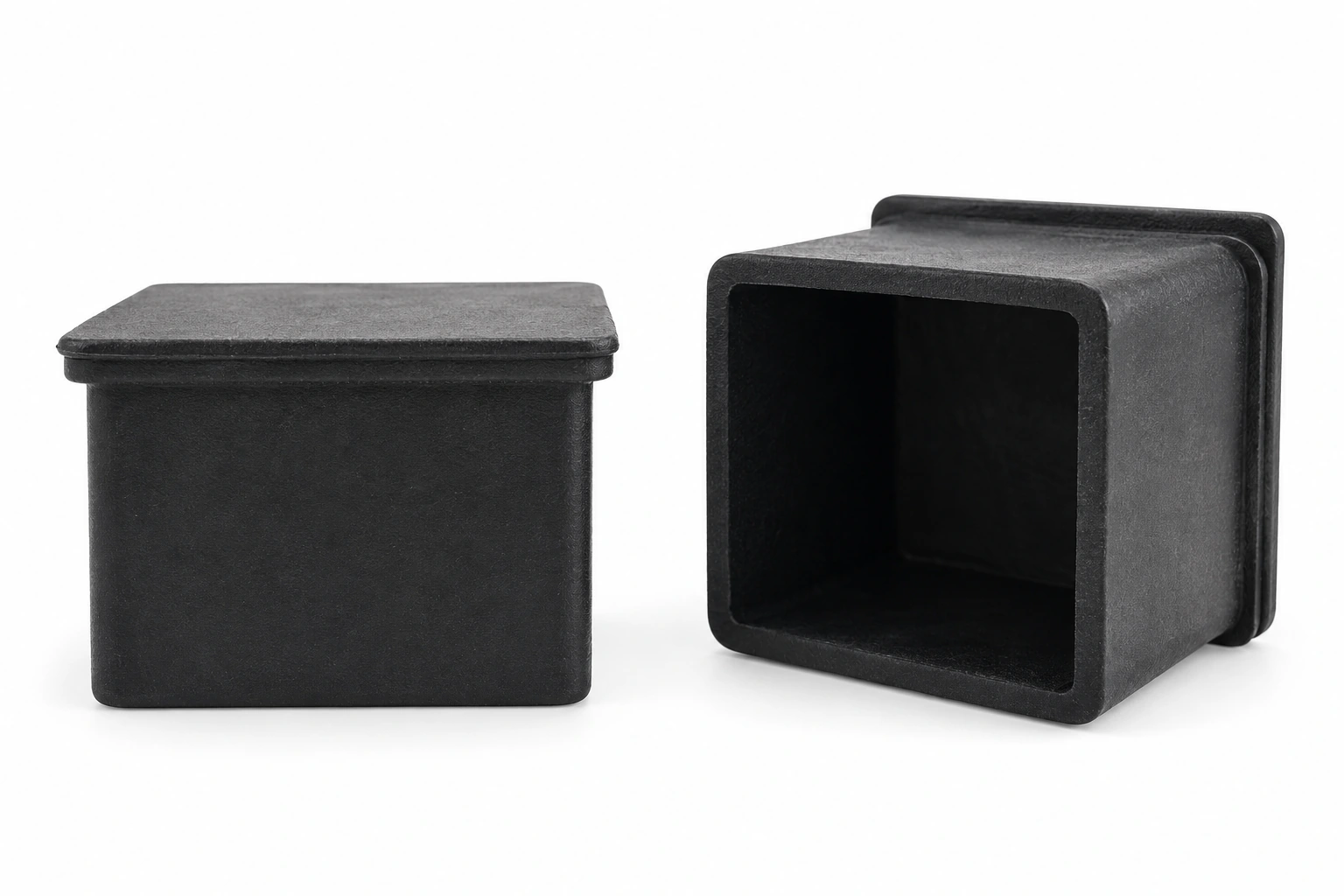
Rubber Feet For Chairs
Compare A, B, C and D in mm using the square-tip drawing. Check the mating leg profile and seating depth.
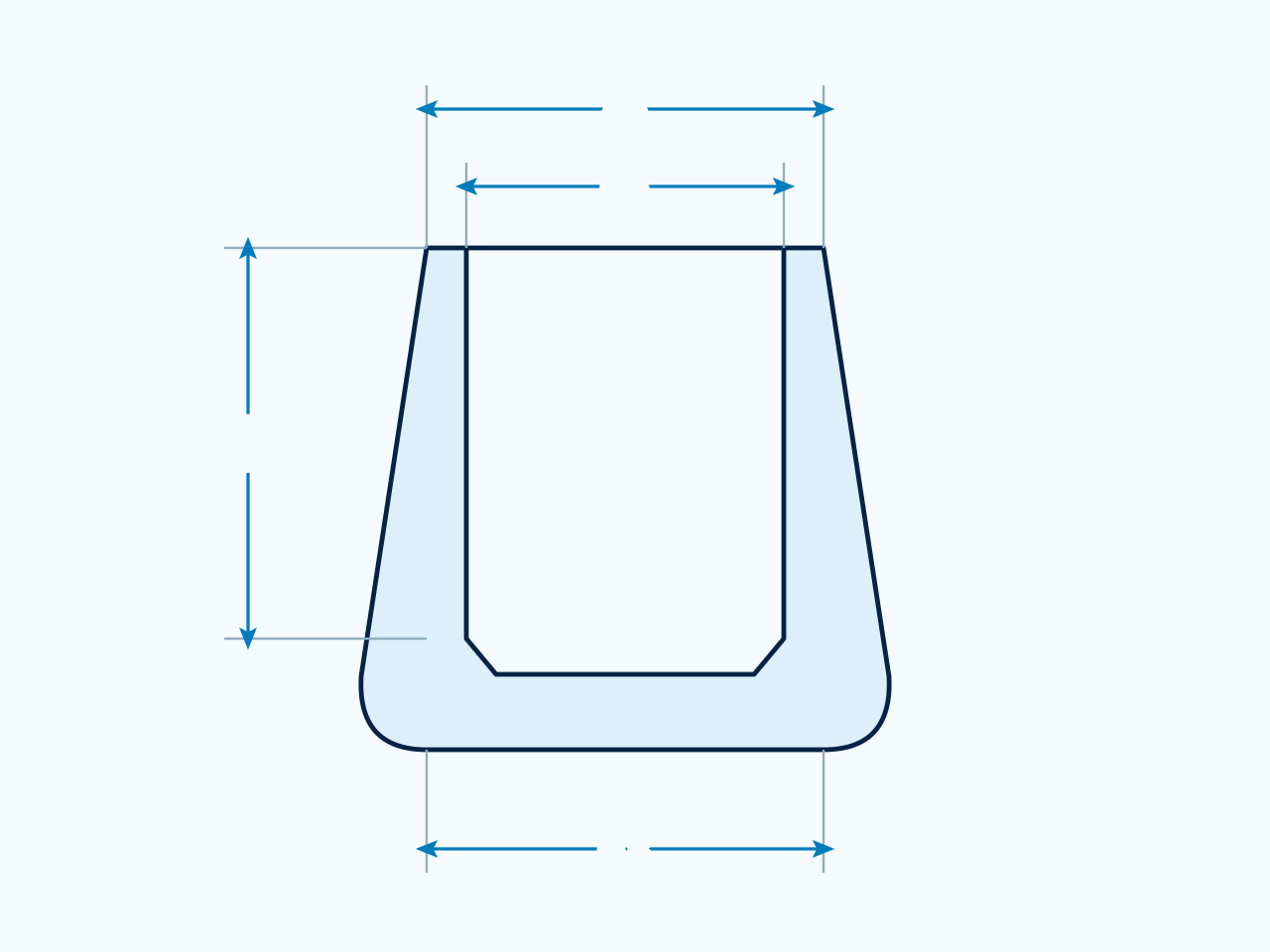
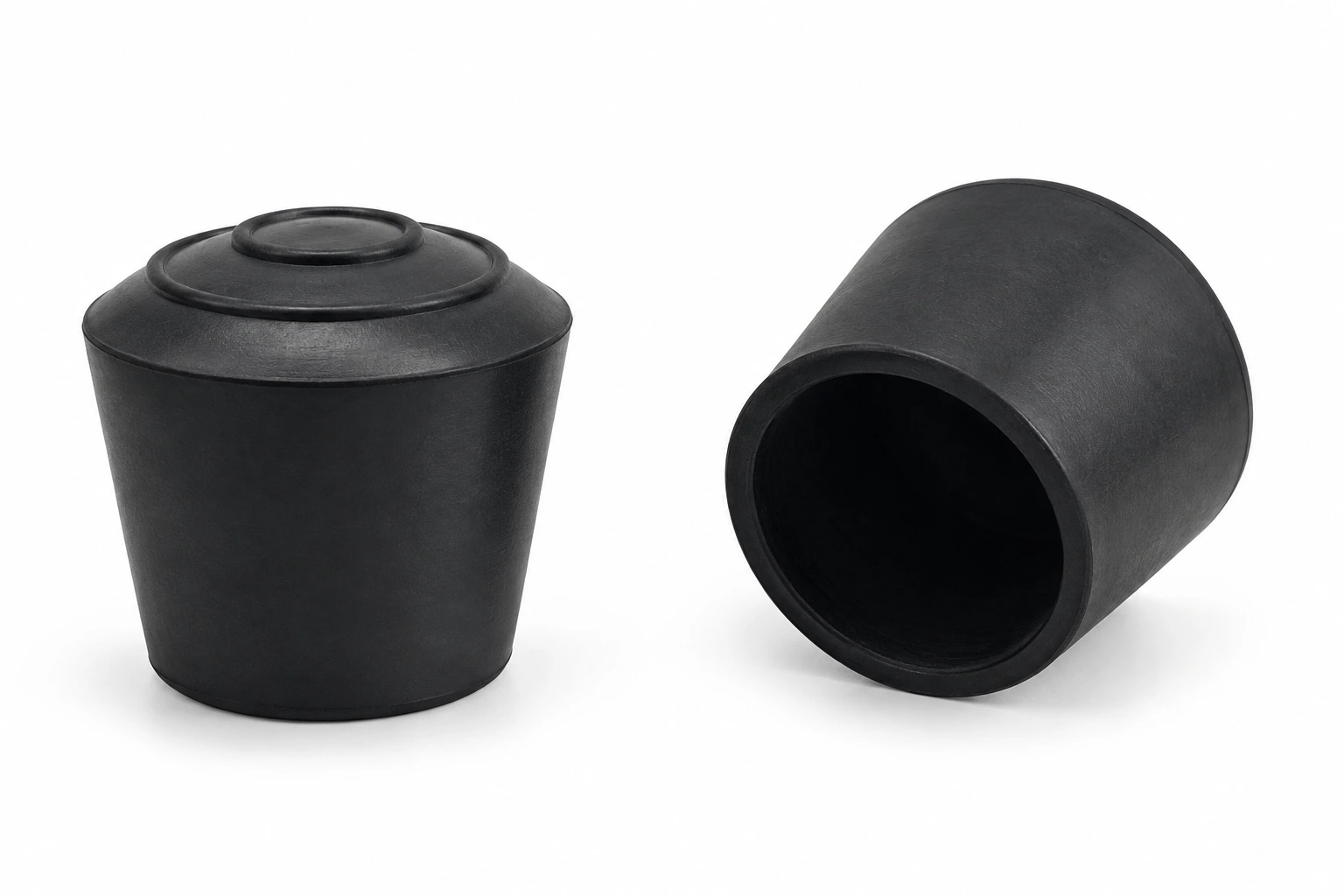
Need a different size? Share your drawing, mating dimensions and intended use to discuss a suitable part.
Discuss Your RequirementsProduct specifications
- Product form
- Resilient support foot for an equipment or furniture base
- Application focus
- Furniture bases. Size the part against the selected assembly.
- Dimensions to confirm
- Footprint, installed height and attachment position. Match these to furniture bases.
- Fastening
- Define thread size, pitch, engagement and clearance; identify whether the hardware is molded in or fitted separately.
- Installation discussed
- Adhesive bonding. Identify the chosen retention method and the surface or hardware it engages.
- Attachment options
- Adhesive attachment is discussed. Define the bonded substrate, preparation and loaded contact area before selecting a backing.
- Support loading
- Determine the load at each foot and check the resulting compression and stability.
Need a quote or a custom part?
Send your requirements, drawings or samples to discuss standard and custom silicone rubber parts.
Email us[email protected]