
Chlorine resistant rubber tubing
Our chlorine resistant rubber tubing is a vital component that has tons of uses. The nature of chlorine makes it essential to use chlorine resistant rubber tubing when handling the chemical. Given that chlorine is a dangerous chemical that we use to get rid of bacteria and similar organisms, handling the chemical through a specialized environment becomes a necessity. That’s why swimming pools use chlorine to make sure we swim in a bacteria-free pool.
Swimming pools use chlorine resistant rubber tubing as a means to transfer the chlorine into the pool itself without manipulating the necessary amount to add to the pool. So, one of the most common uses for chlorine is as a disinfectant. With our product, you can disinfect your swimming pool and make sure you swim in a bacteria-free environment. Another use for chlorine is in the making of PVC windows. But to do that, companies that make PVC require our product to safely transfer the gas. In addition to all that, the pharmaceutical industry uses chlorine for a wide range of applications. So with our product, our clients are making it easy to transfer and handle chlorine.
We manufacture our tubing using chlorine-resistant materials. All of the materials we use are highly durable and can withstand the extreme temperatures that chlorine operates under. This means our rubber tubing can withstand extreme temperatures, but also handle enormous pressure. What this leaves you with is tubing that won’t suffer any sort of damage from the gas. But to make sure you’re buying the correct product, you need to buy the right size of tubing.
We manufacture chlorine resistant rubber tubing in a wide variety of sizes. Feel free to check our size chart to know more about that. If you have any questions, feel free to contact us as we’re more than happy to answer them for you.
Rubber Hose Size Catalog
Compare tube bore, outside diameter and available wall thickness. Confirm material compatibility and operating requirements for the selected hose.
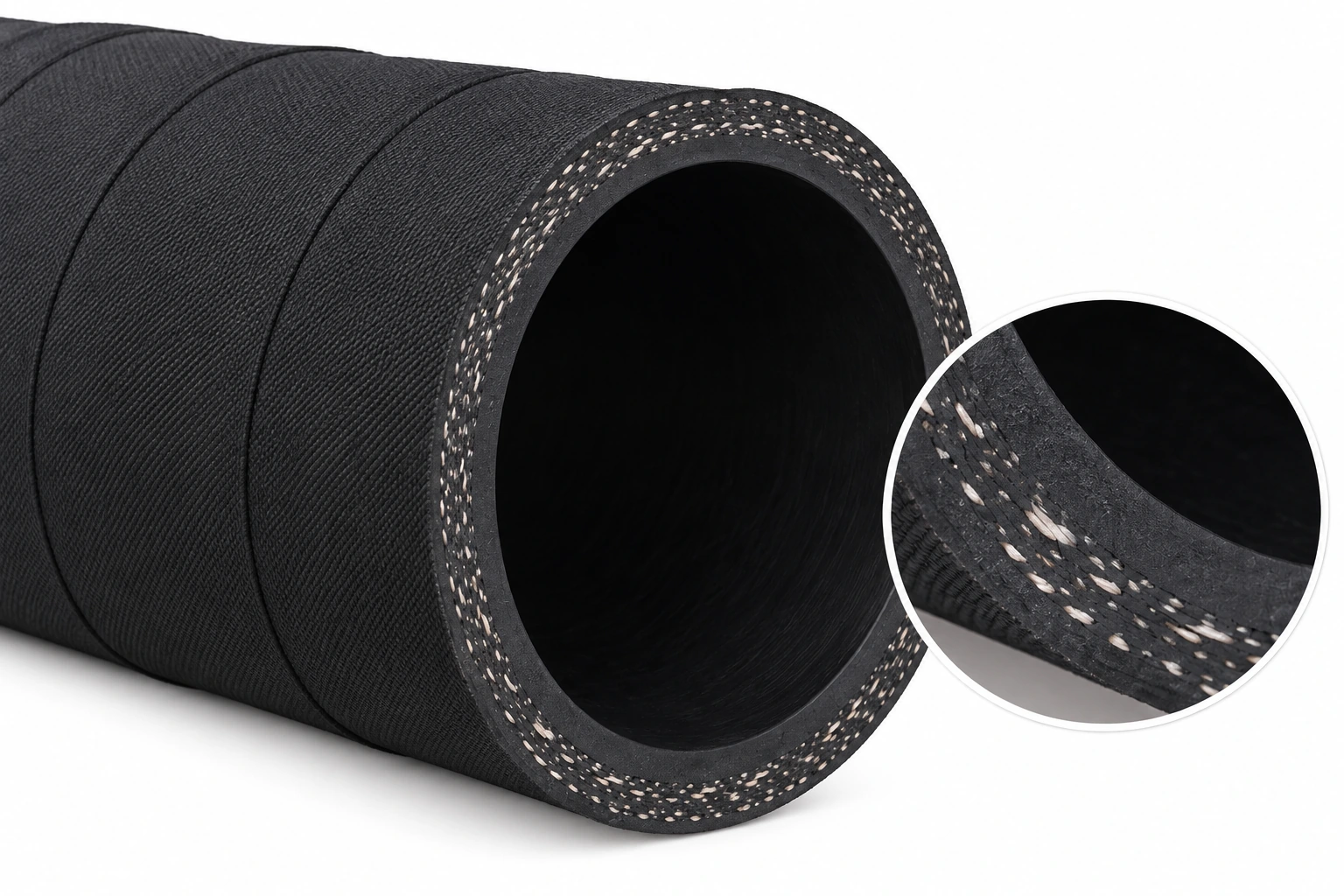
Rubber Hose
Compare Inside Diameter and Outside Diameter in mm. The cross-section drawing identifies the bore and outside diameter; confirm the selected tube material and service requirements.

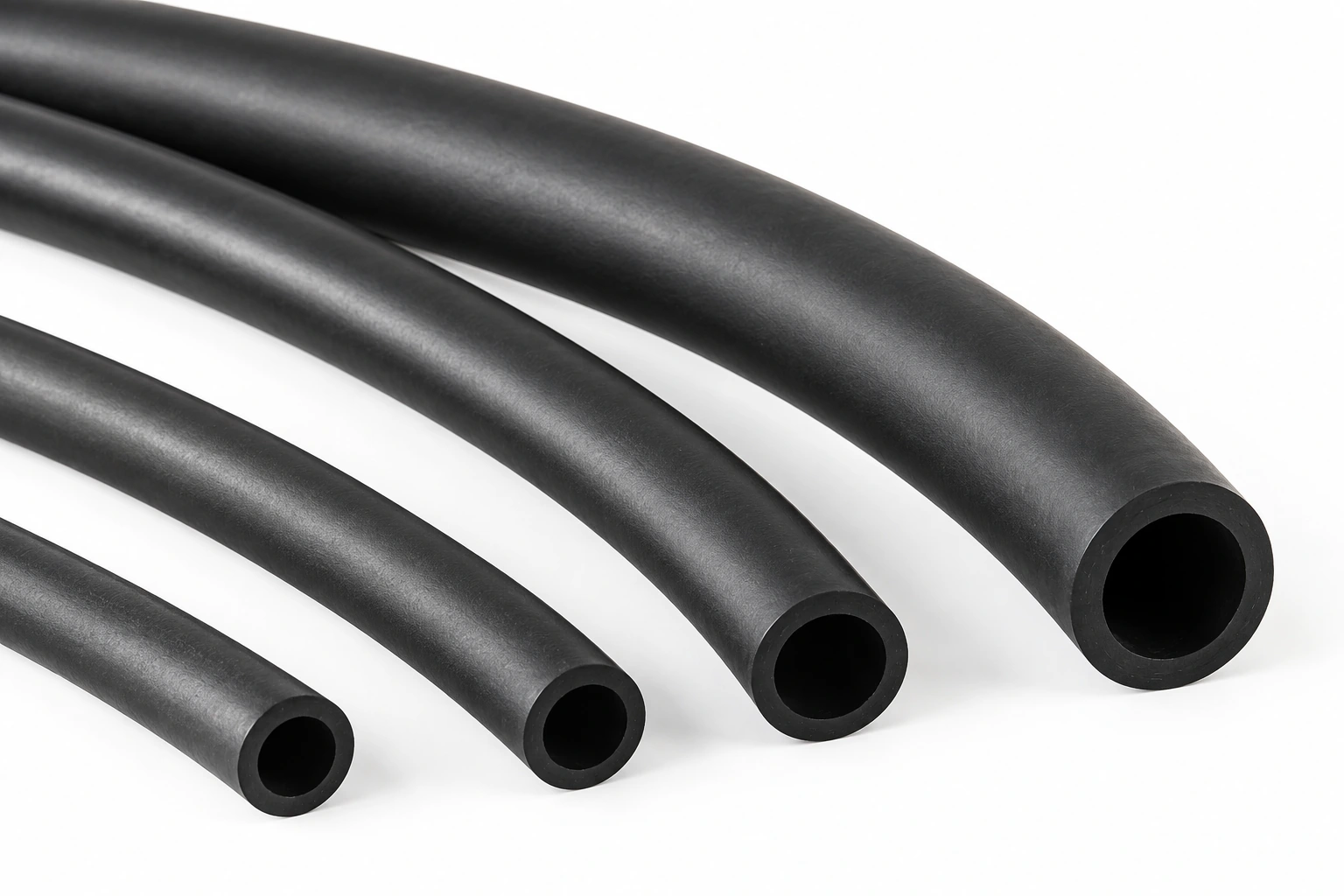
Fluororubber Hose
Compare Inside Diameter and Outside Diameter in mm. The cross-section drawing identifies the bore and outside diameter; confirm the selected tube material and service requirements.
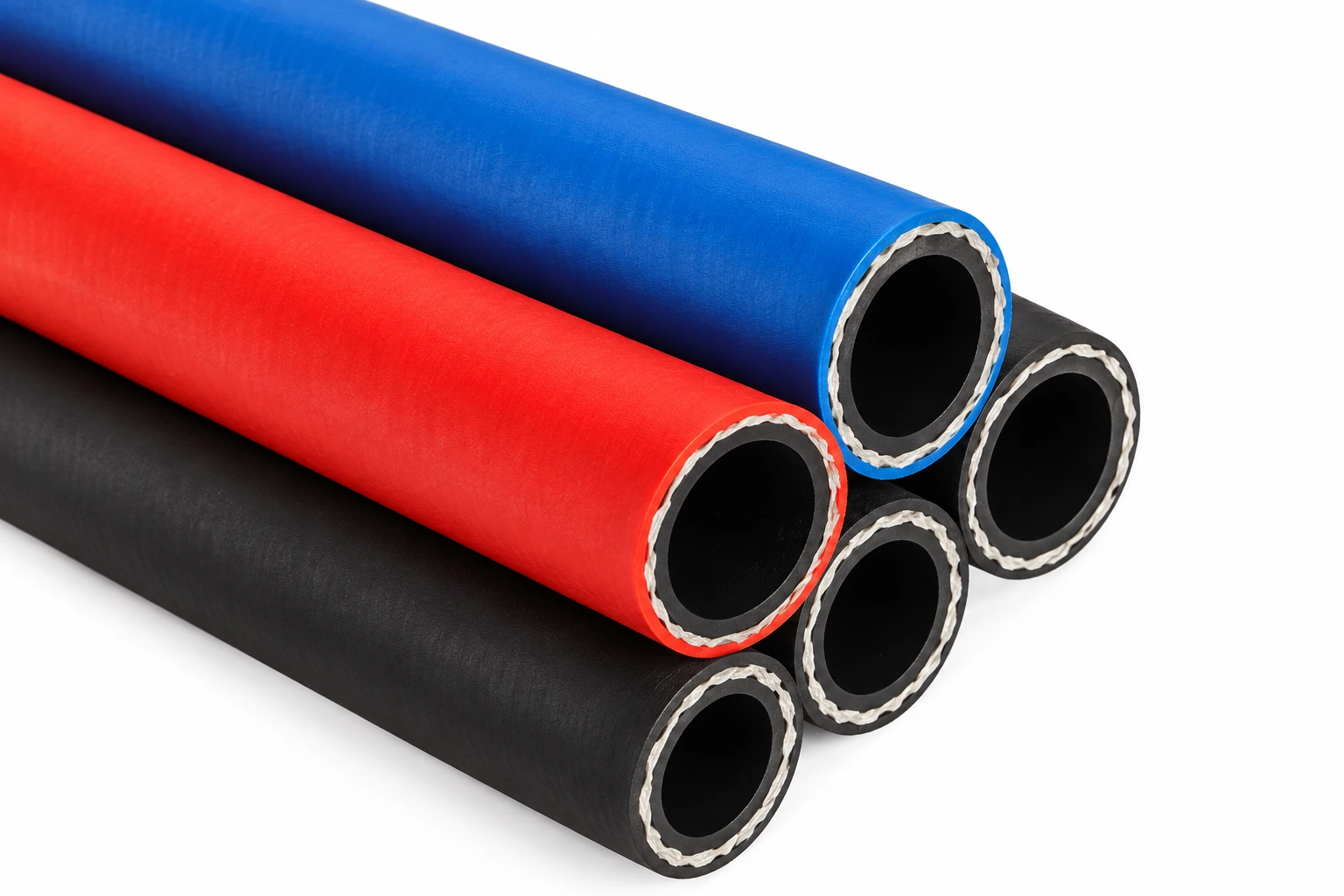
Colourful rubber high pressure hose
Compare Inside Diameter and Outside Diameter in mm, together with the listed Thickness and Colour. The cross-section drawing identifies the bore and outside diameter; confirm the selected tube material and service requirements.
Need a different size? Share your drawing, mating dimensions and intended use to discuss a suitable part.
Discuss Your RequirementsProduct specifications
- Product form
- Hollow elastomer tubing for a fitted line or sleeve
- Material options discussed
- PVC. Choose one formulation for the actual contact and loading conditions.
- Application focus
- Pharmaceutical fluid handling. Size the part against the selected assembly.
- Dimensions to confirm
- Inside diameter, outside diameter, wall thickness and cut length. Match these to pharmaceutical fluid handling.
- Chlorine exposure
- State chlorine concentration, solution temperature and exposure time; assess the selected compound at those conditions.
- Contact conditions
- Other gases: define concentration, temperature and contact time, then check compatibility with the chosen compound.
- Exposure to evaluate
- Heat and cold cycling. Validate the selected material under the combined conditions.
- Line layout
- Check bend radius, unsupported spans and clearance at both connections.
Need a quote or a custom part?
Send your requirements, drawings or samples to discuss standard and custom silicone rubber parts.
Email us[email protected]