
Clear adhesive rubber feet
Clear adhesive rubber feet are a very useful and versatile product because self-adhesive rubber feet can be glued to most surfaces. Wood is one of the most common surfaces where you will need to glue clear adhesive rubber feet because rubber feet are used for anti-slip features and as protection for the floor under the furniture. Clear adhesive rubber feet will easily stick to wood, but also to other materials.
Furniture legs are often metal or plastic, and these are also two materials to which you can glue clear adhesive rubber feet. They are also often used for glass, because clear adhesive rubber feet have the ability to reduce vibrations, and this is very important for the glass to be protected. It is also used for other plastic and metal surfaces, not only when they are on furniture, but also on speakers, headphones and other similar products from the music industry which greatly benefit from clear adhesive rubber feet.
And why are they clear? There are two reasons. In some cases it is important to see through them, so transparency is the reason why they are clear. And the second reason is that they are practically invisible and do not spoil the look of the furniture. To have these characteristics, clear adhesive rubber feet are most often made of silicone that is transparent, but they can also be made of some other types of rubber. If silicone is a food grade, then it is safe for clear adhesive rubber feet to come in contact with food, which is why the food industry often uses them. Of course, not for direct contact with food, but with different packaging, such as boxes, where food is stored and which are used for transport. When it comes to food, everything has to be food grade, not just what is in direct contact with the food.
Adhesive Rubber Feet Size Catalog
Compare adhesive foot profiles, footprint dimensions and height. Confirm the surface, adhesive and material requirements for your application.
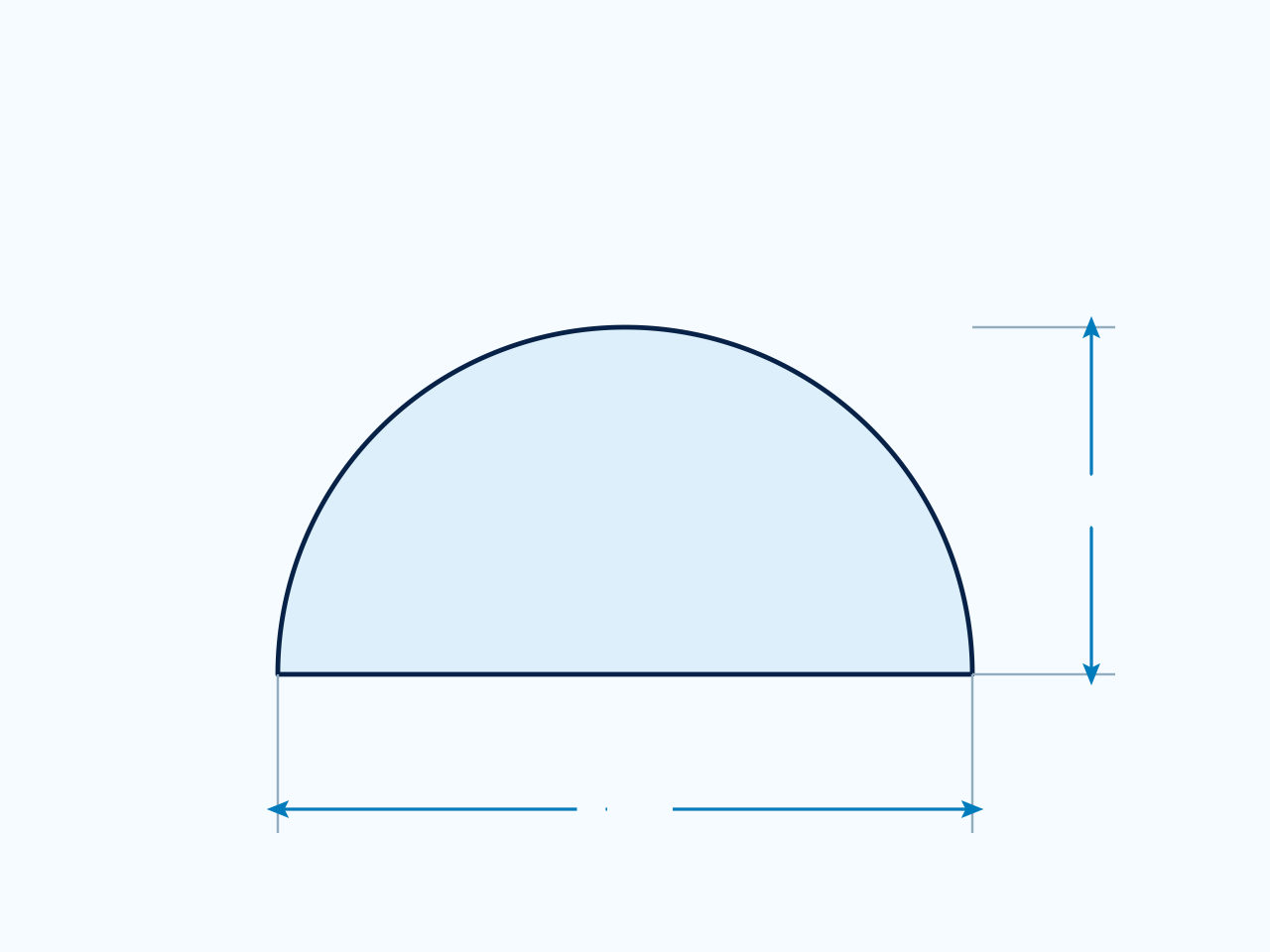
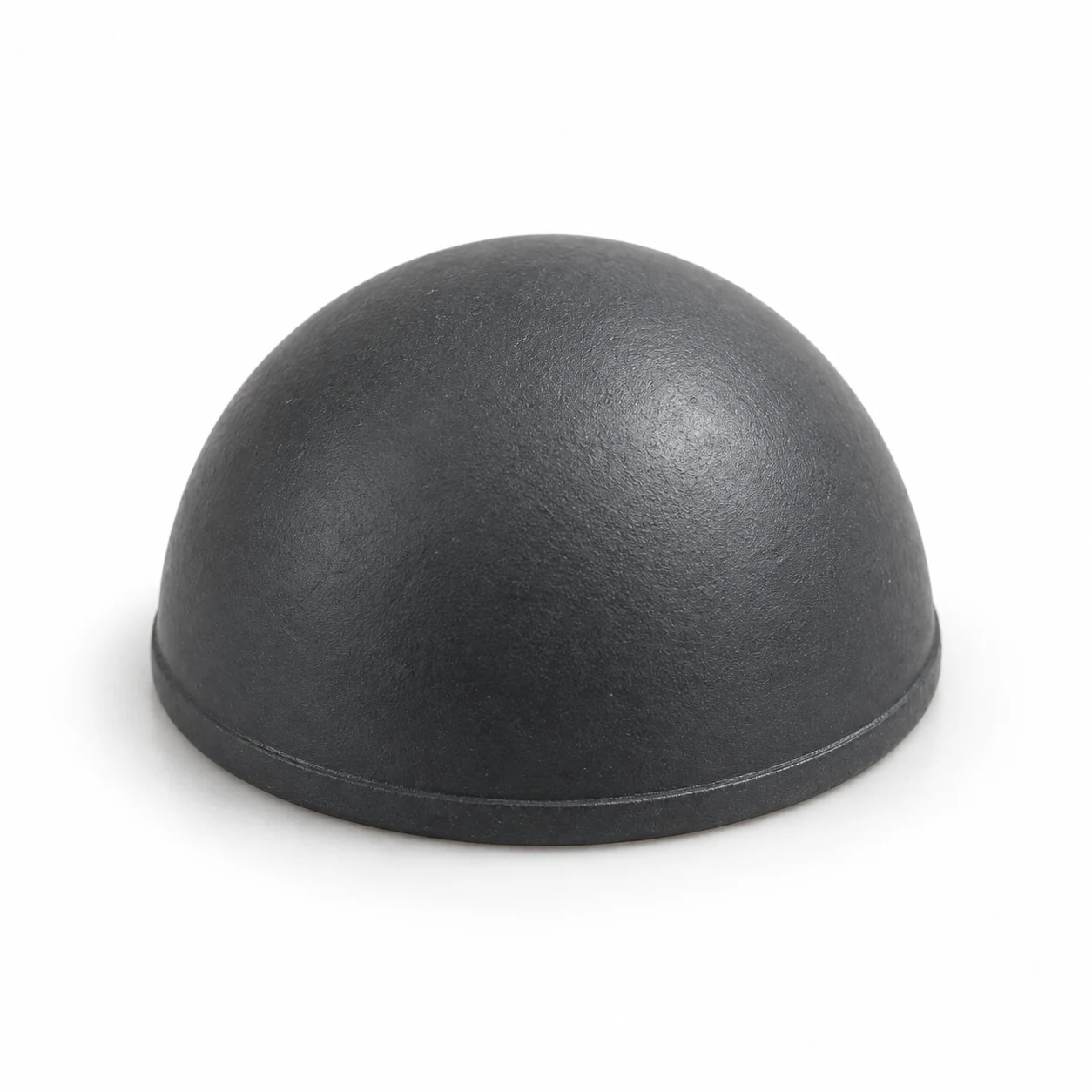
Hemispherical Self Adhesive Rubber Feet
Compare OD and H in mm using this profile drawing. Confirm the required material, colour and adhesive.
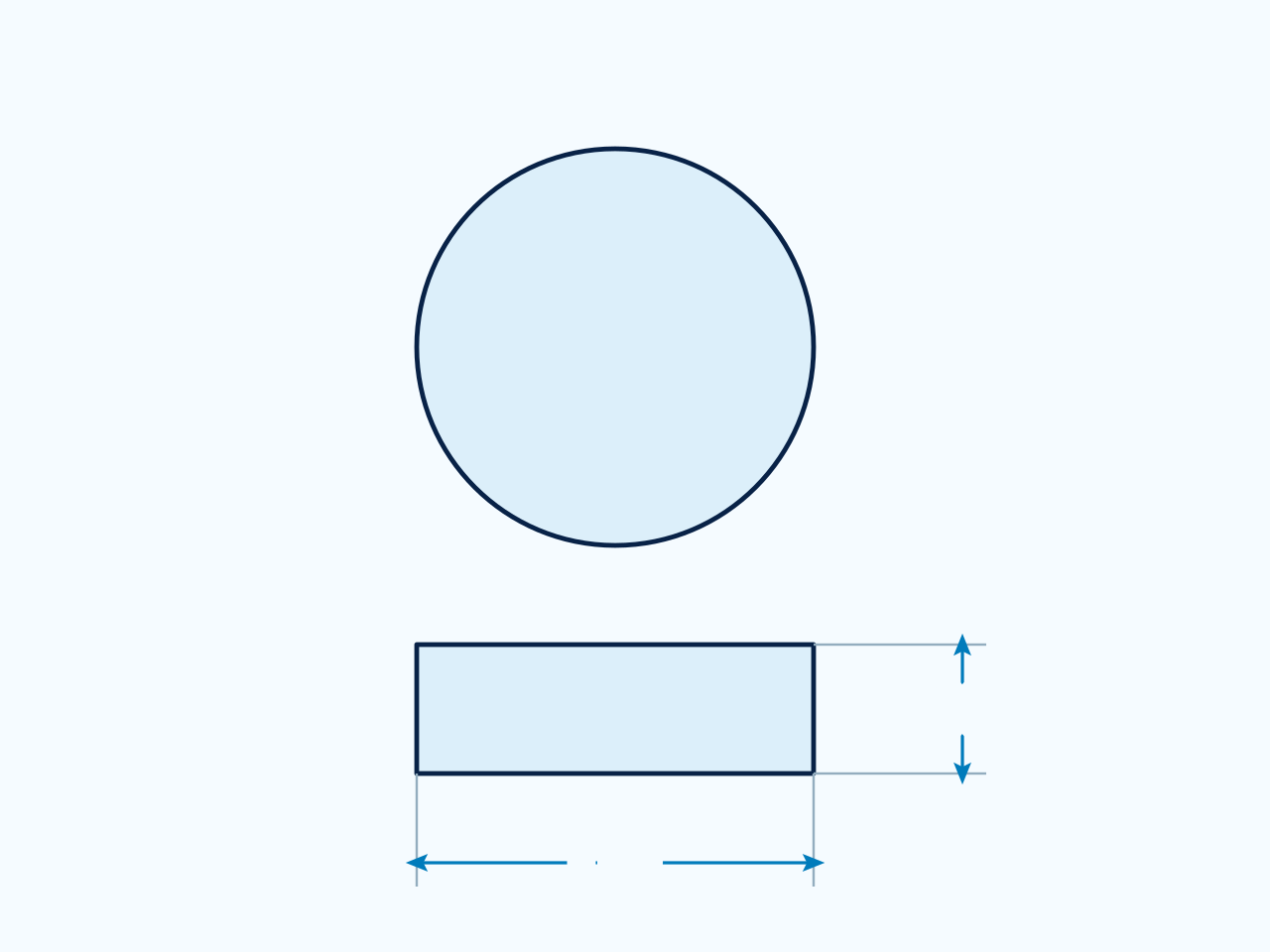
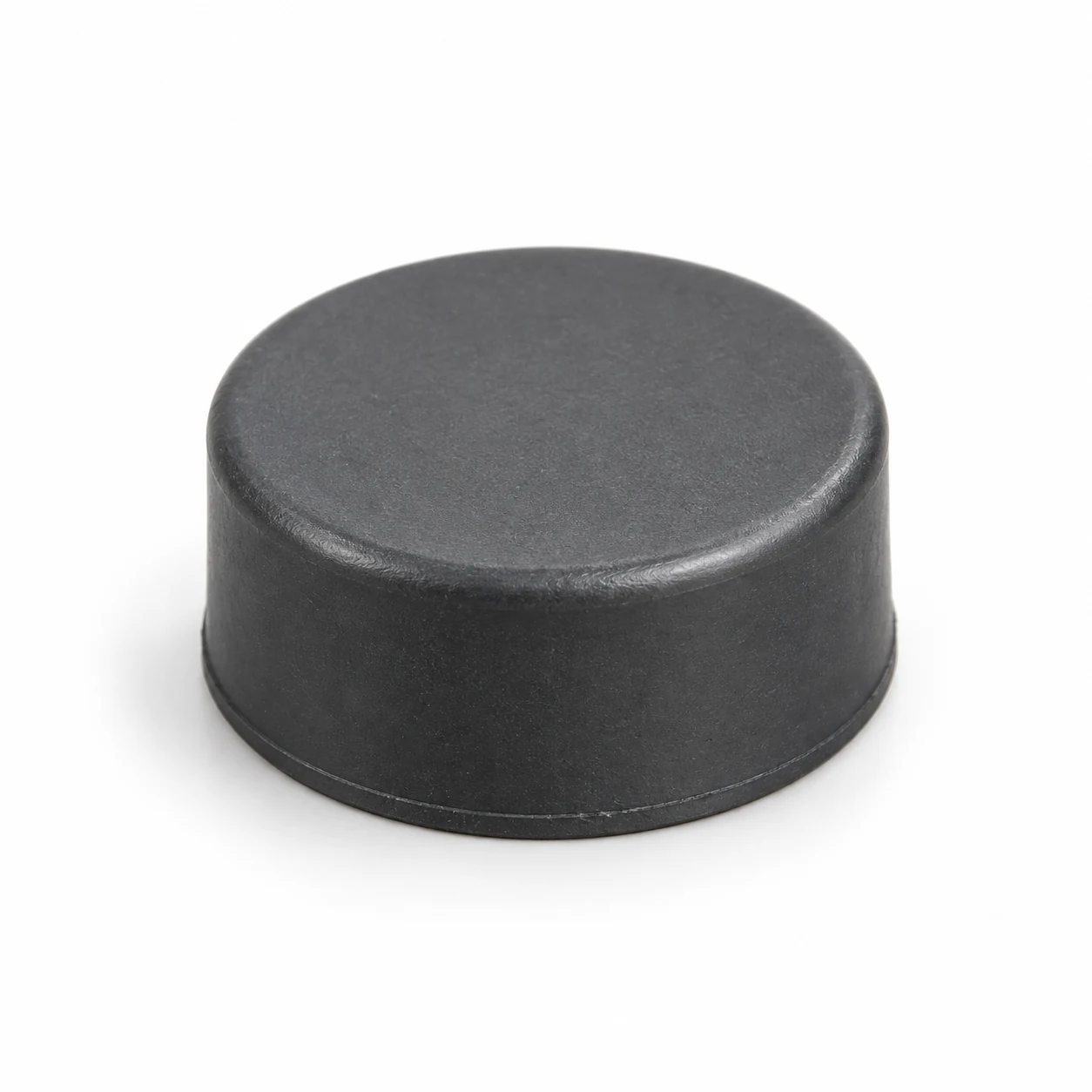
Columniform Self Adhesive Rubber Feet
Compare OD and H in mm using this profile drawing. Confirm the required material, colour and adhesive.
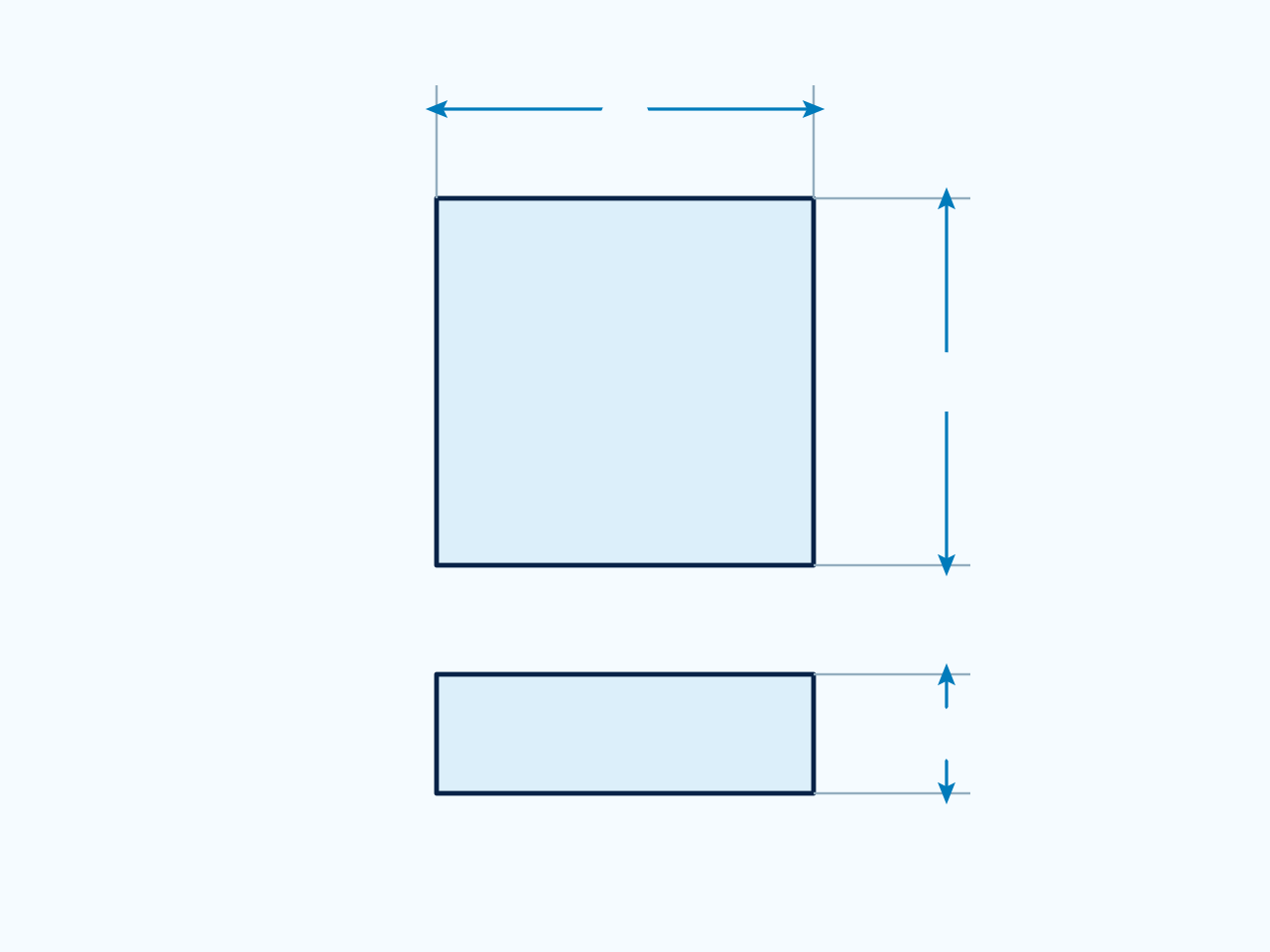
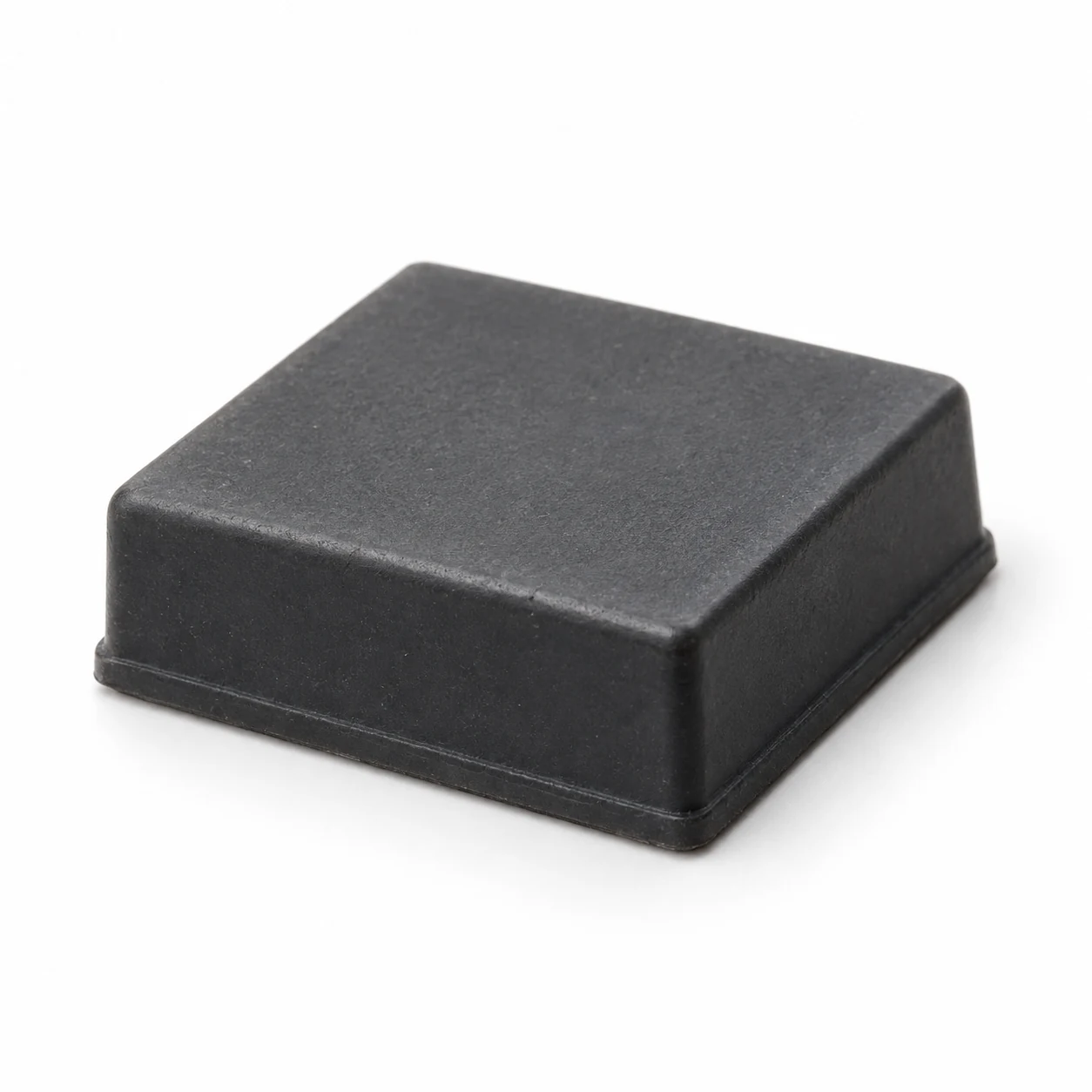
Rectangular Self Adhesive Rubber Feet
Compare A, B and H in mm using this profile drawing. Confirm the required material, colour and adhesive.
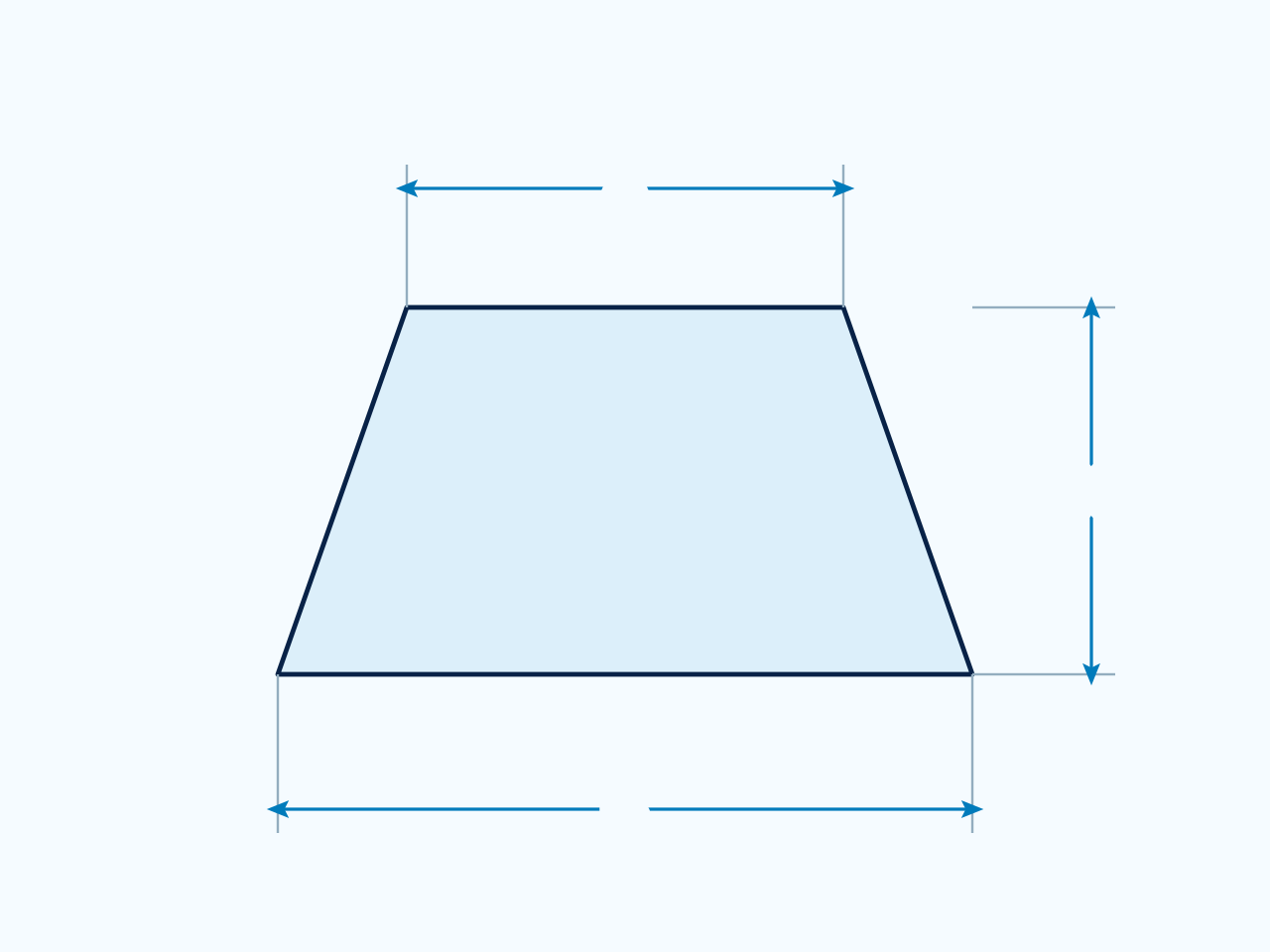
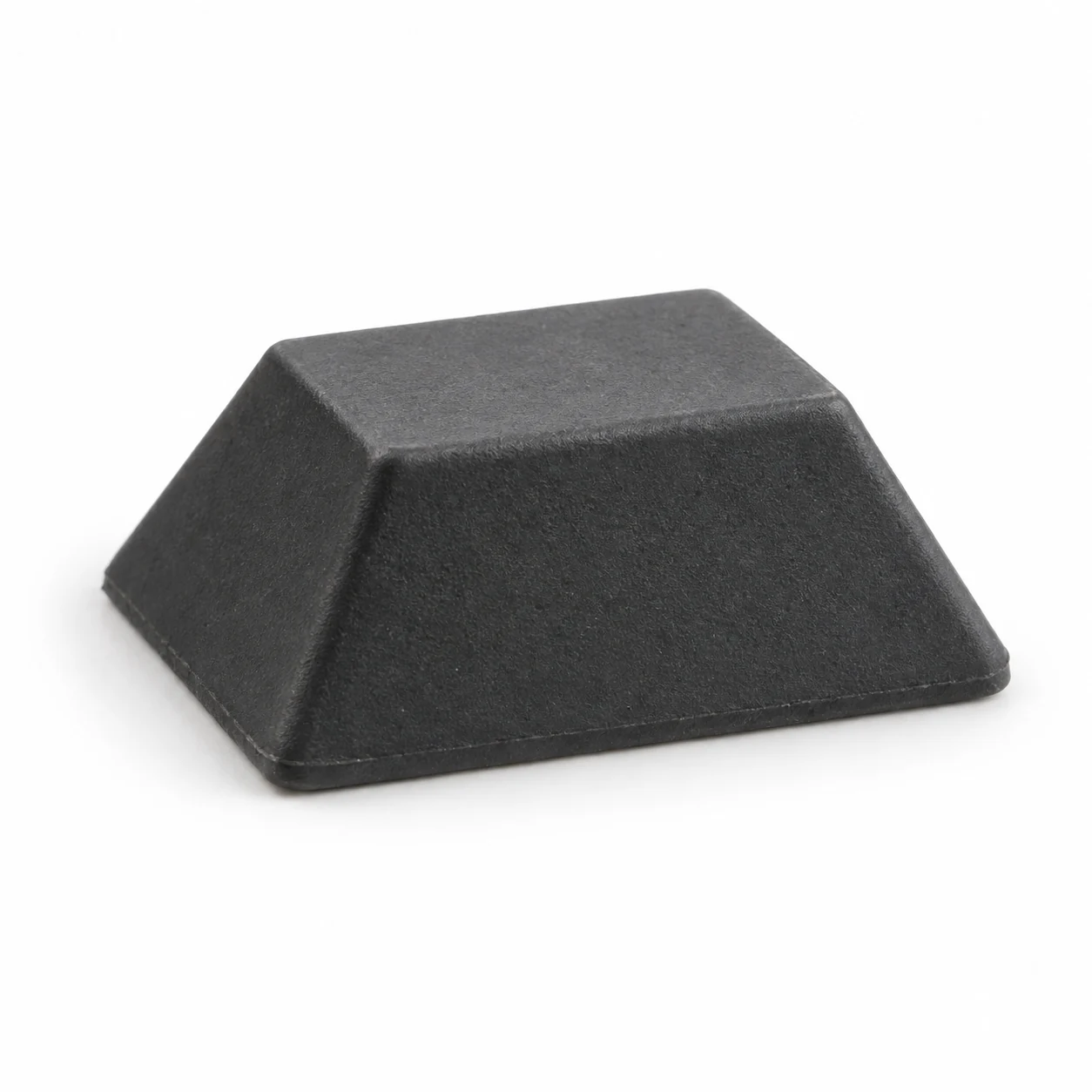
Trapezoidal Self Adhesive Rubber Feet
Compare A, B and H in mm using this profile drawing. Confirm the required material, colour and adhesive.
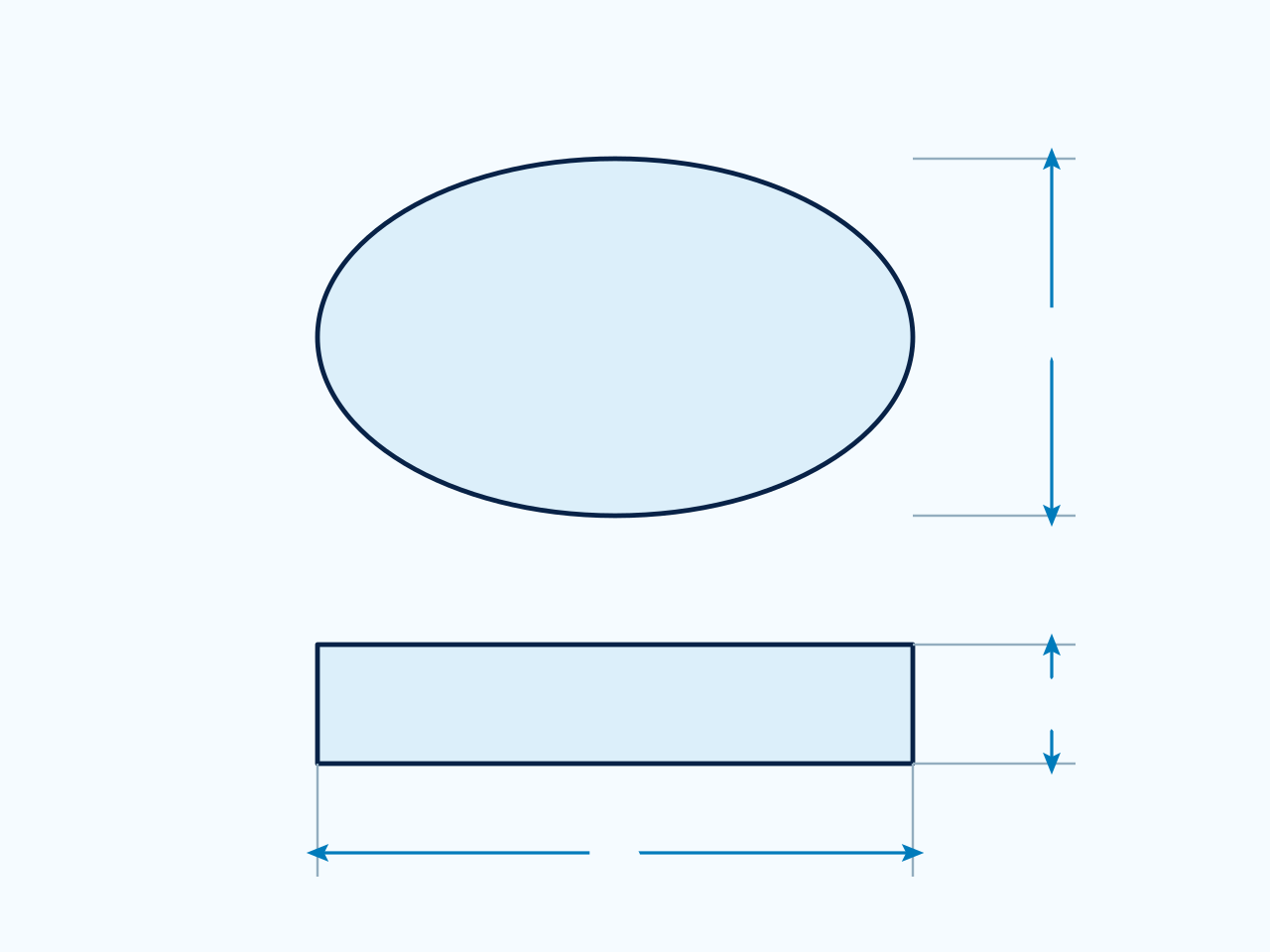
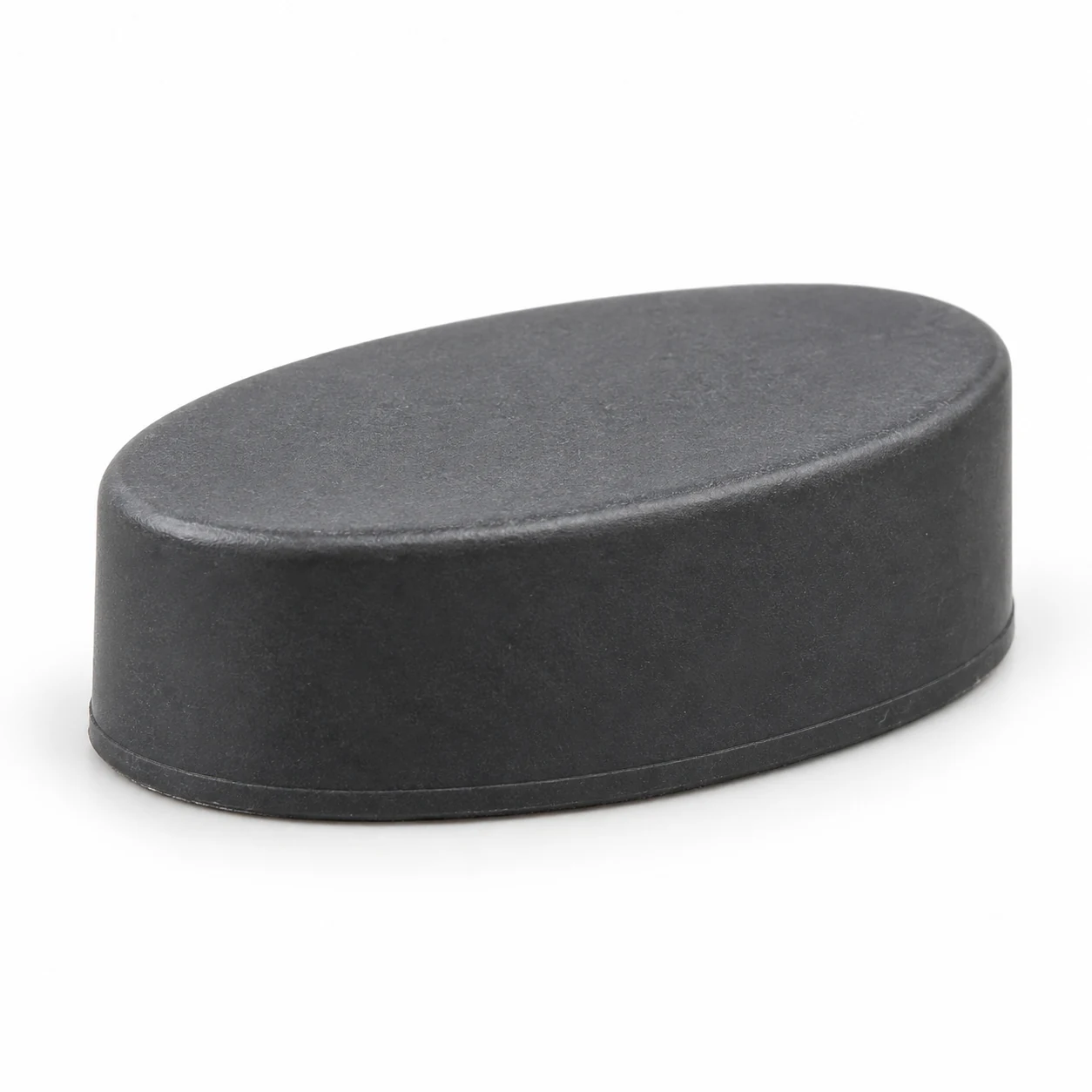
Oval Self Adhesive Rubber Feet
Compare A, B and H in mm using this profile drawing. Confirm the required material, colour and adhesive.
Need a different size? Share your drawing, mating dimensions and intended use to discuss a suitable part.
Discuss Your RequirementsProduct specifications
- Product form
- Resilient support foot for an equipment or furniture base
- Material options discussed
- Silicone. Choose one formulation for the actual contact and loading conditions.
- Application focus
- Furniture bases, glass table supports and speaker cabinets. Size the part against the selected assembly.
- Dimensions to confirm
- Footprint, installed height and attachment position. Match these to furniture bases and glass table supports.
- Visibility
- Define the required visibility through the finished wall and approve appearance using a sample of the ordered thickness.
- Bond interface
- Identify the substrate and surface finish, adhesive footprint and peel or shear loading at the bond.
- Installation discussed
- Adhesive bonding. Identify the chosen retention method and the surface or hardware it engages.
- Glass contact
- Define the contact footprint, glass thickness and load; check local pressure and marking on a sample assembly.
- Support loading
- Determine the load at each foot and check the resulting compression and stability.
Need a quote or a custom part?
Send your requirements, drawings or samples to discuss standard and custom silicone rubber parts.
Email us[email protected]