
Conical rubber bumpers
There is absolutely no doubt that conical rubber bumpers are an essential item in every household. Yes, these are also used across several industries, but the truth is that they can significantly improve your everyday life. Due to their design and the rounded point at the tip, these are most commonly used to lift the electronics from the surface and enable continual airflow. Surely you agree with us that this is essential since devices produce heat, and over time, the heat control feature they all include deteriorates. As you know, this occurrence can significantly decrease the functionality of the device, and it is one of the main reasons it eventually fails.
Similarly, they can also be used to boost your comfort. For example, you can install them under your computer’s keyboard to tilt it a bit and put it into a more convenient position. In addition, you can also place them under a whole variety of items if you need to increase the height of their placement. Since these are made of rubber, there are almost no limitations. You can use them both indoors and outdoors, near the devices that produce heat, etc. Depending on the type of rubber they consist of, you can even install them to be in direct contact with some chemicals and compounds.
Besides this, there is another important feature you will love. Conical rubber bumpers are self-adhesive. That’s right. All you have to do is peel off the paper and install them. It will take only a few seconds. The best part is that you don’t need any additional tools and products to complete this task. Upon learning this, all that is left to do is go and find the conical rubber bumpers you need. As you can assume, these come in several sizes, so make sure to think about the project you are working on to purchase the right ones.
Rubber Feet & Bumper Size Catalog
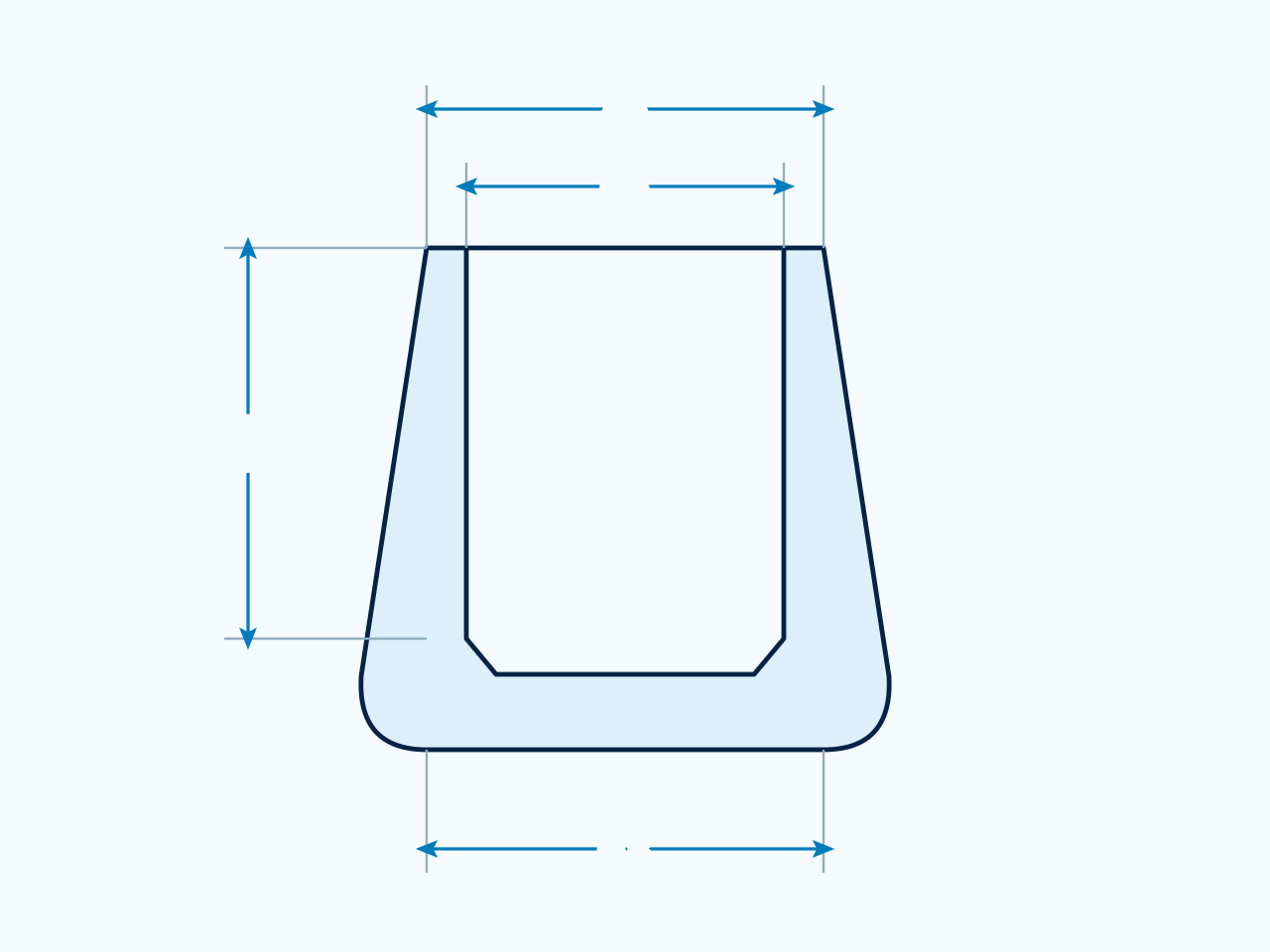
Compare mounting style, overall size and recess dimensions. Each profile uses its own drawing and column meanings.
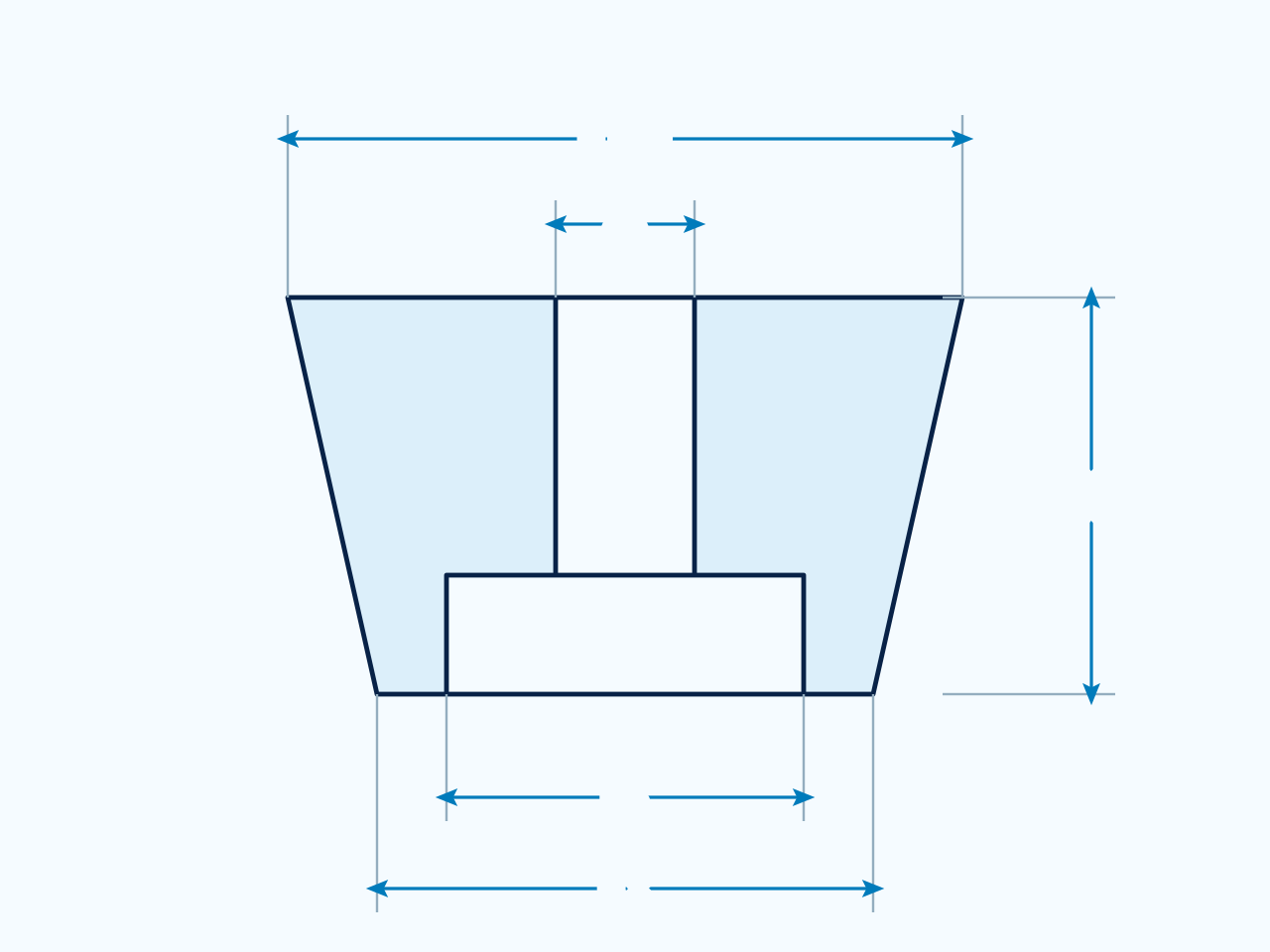
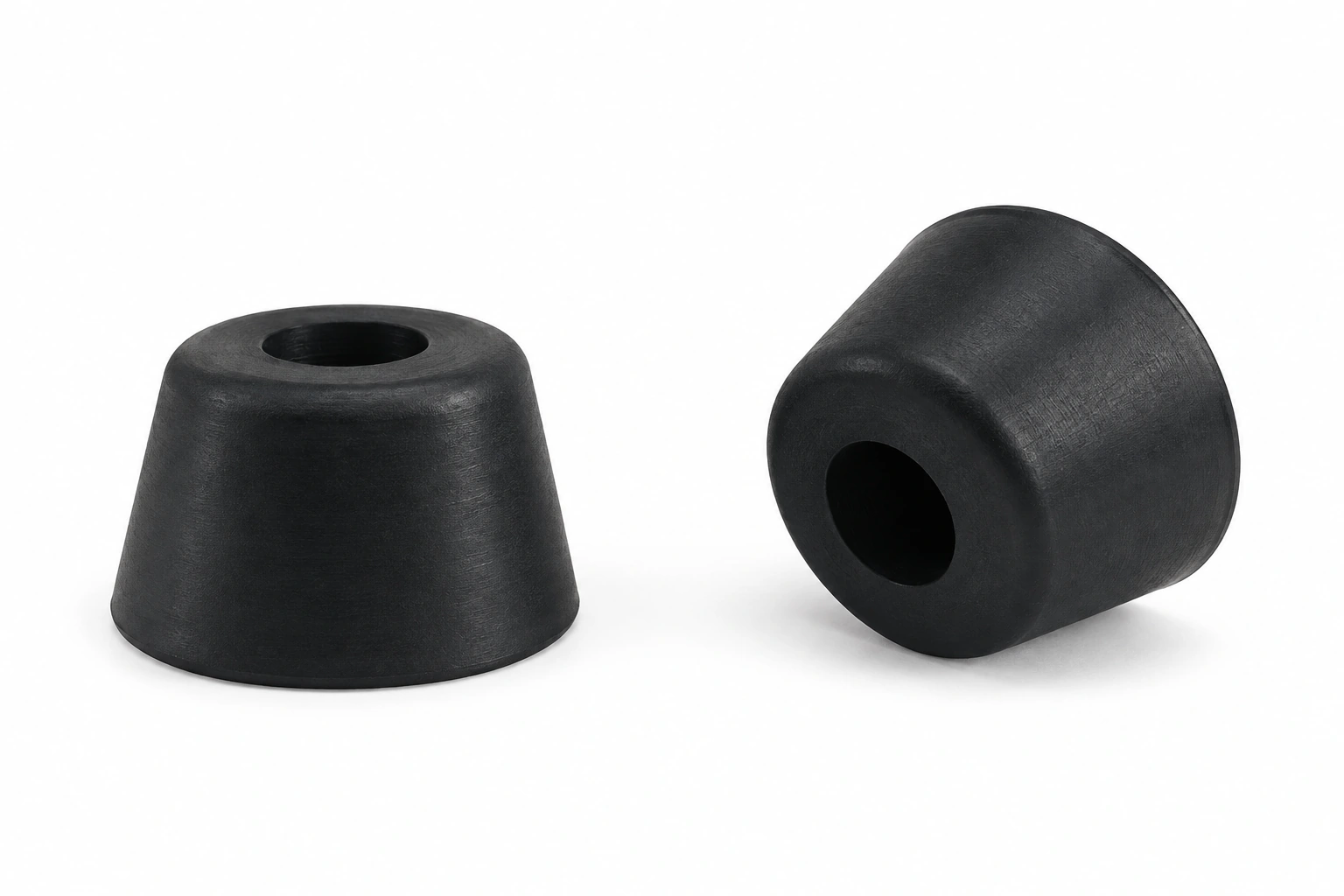
Recess Rubber Bumper
Compare OD, H, A, B and C in mm. C indicates the outer base dimension on this bumper profile, not the recess depth.
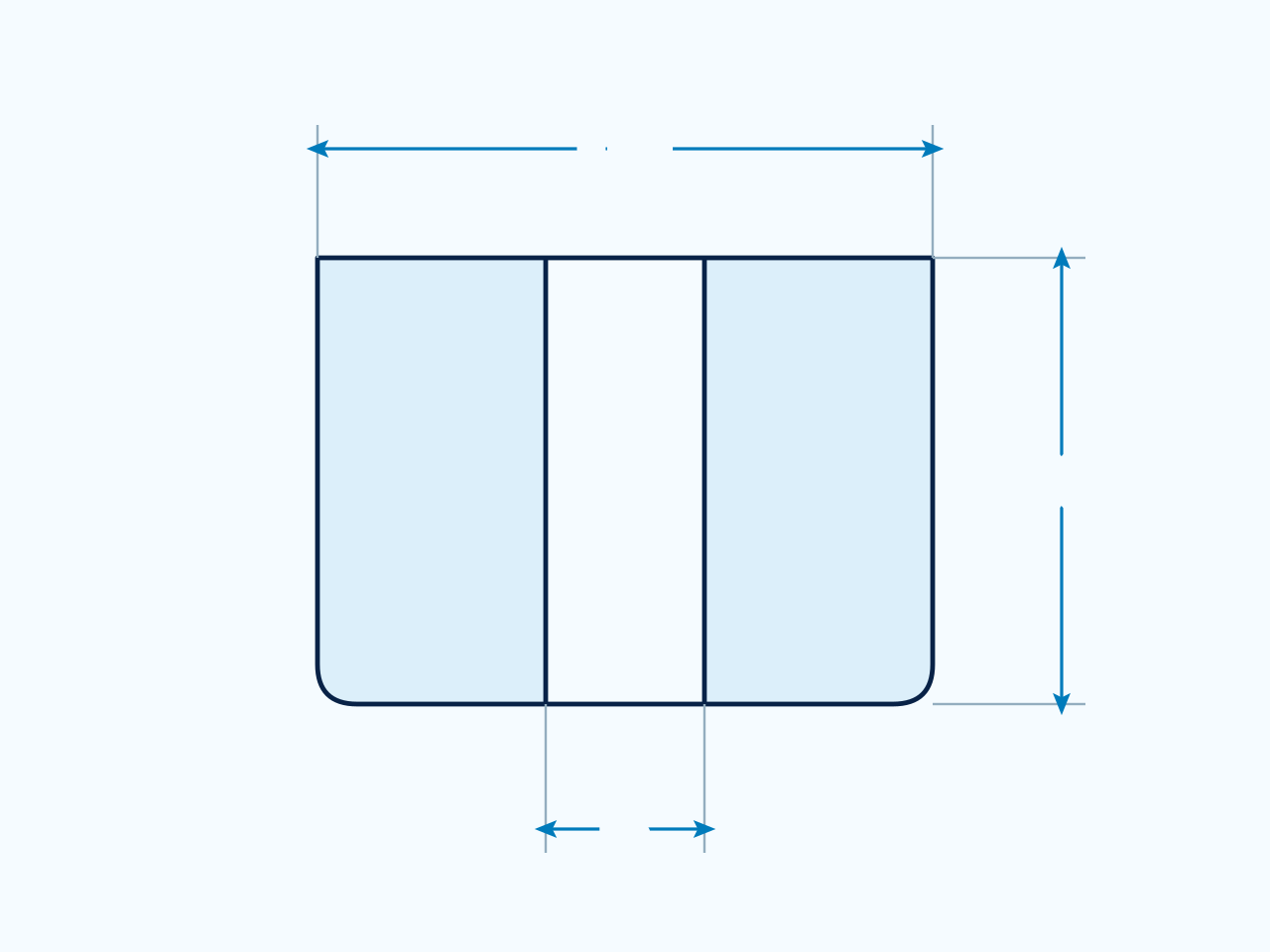
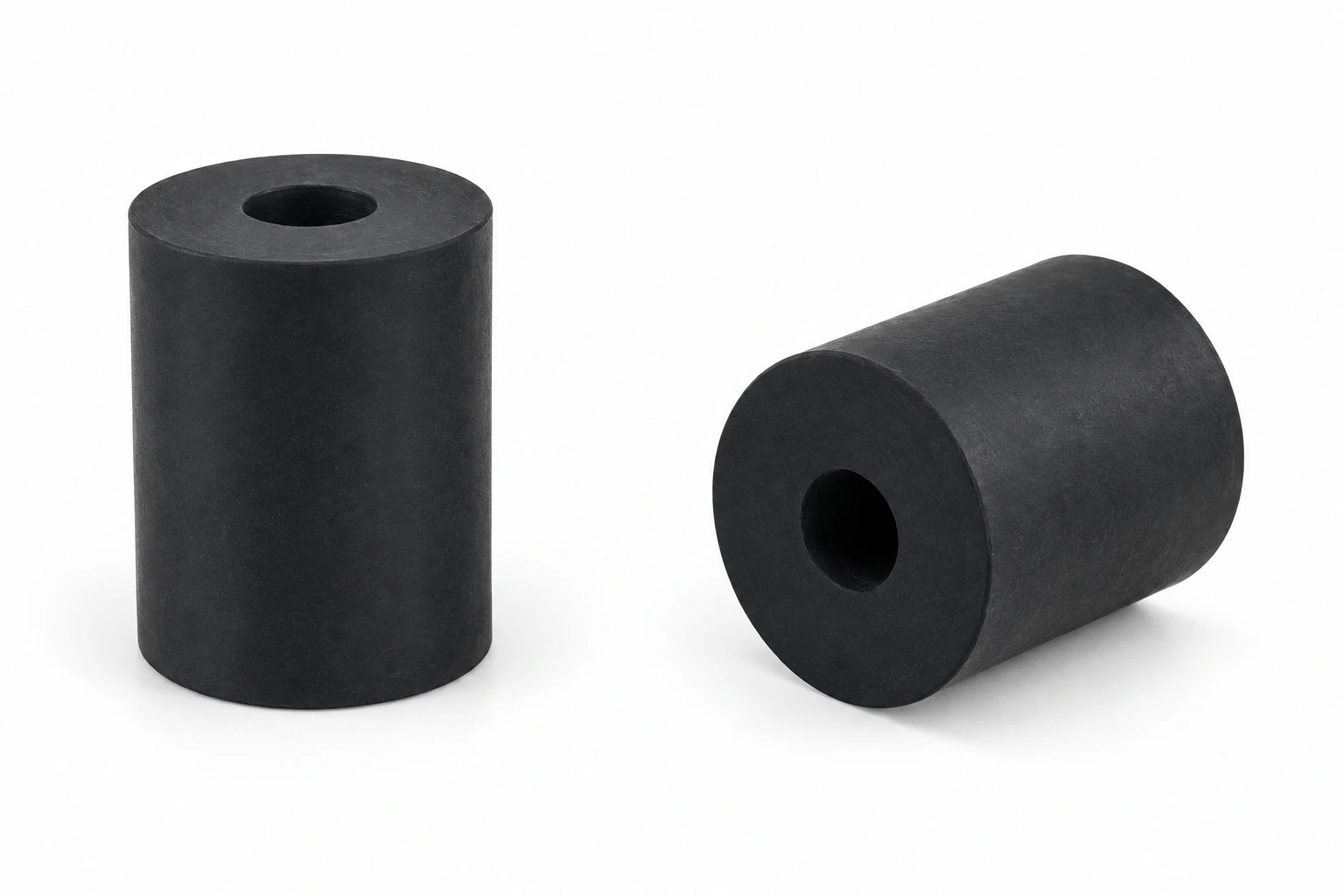
Cylindrical Rubber Feet
Compare OD, H and B in mm using the cylindrical-foot drawing. Material and colour remain listed separately.
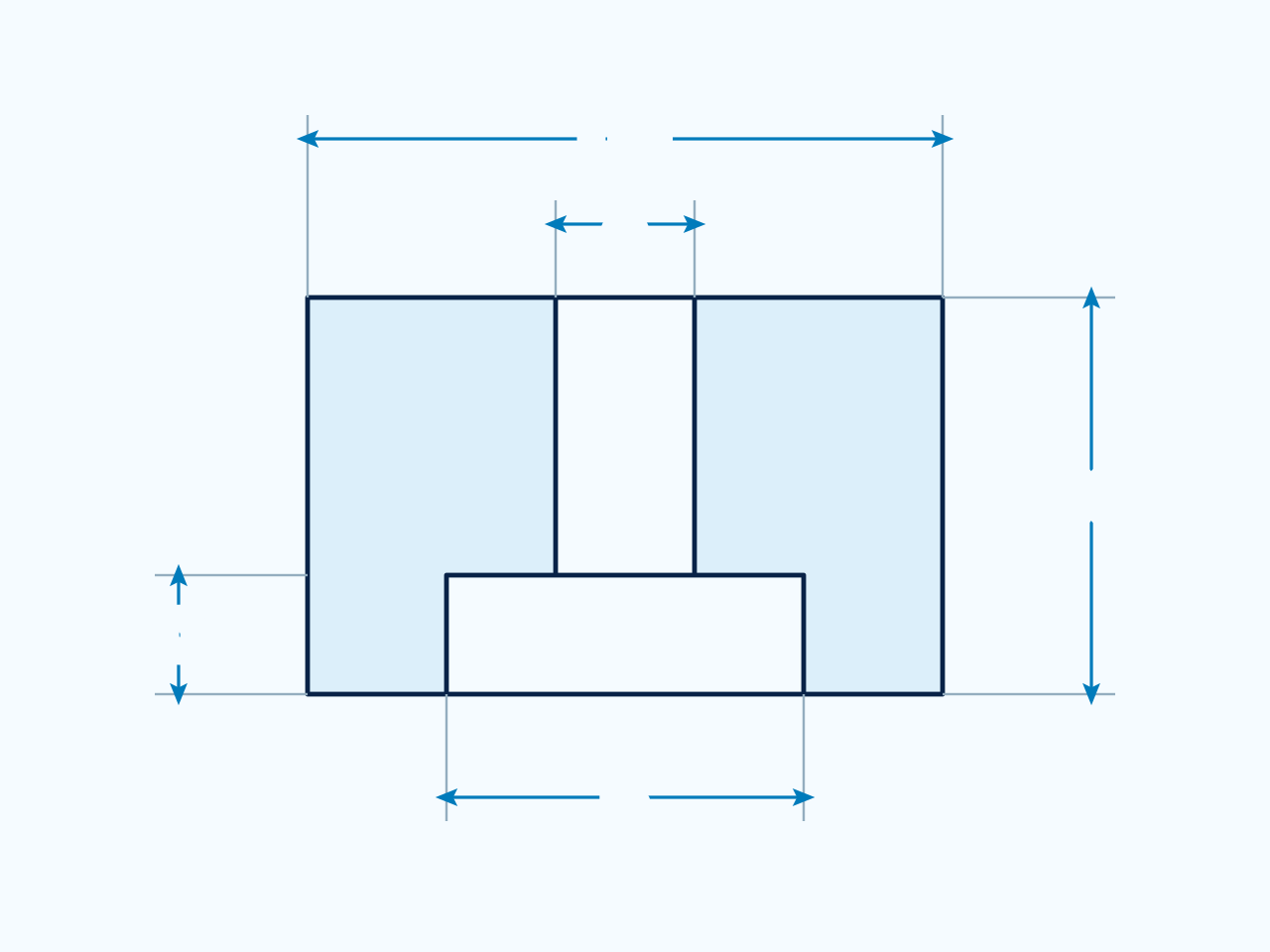
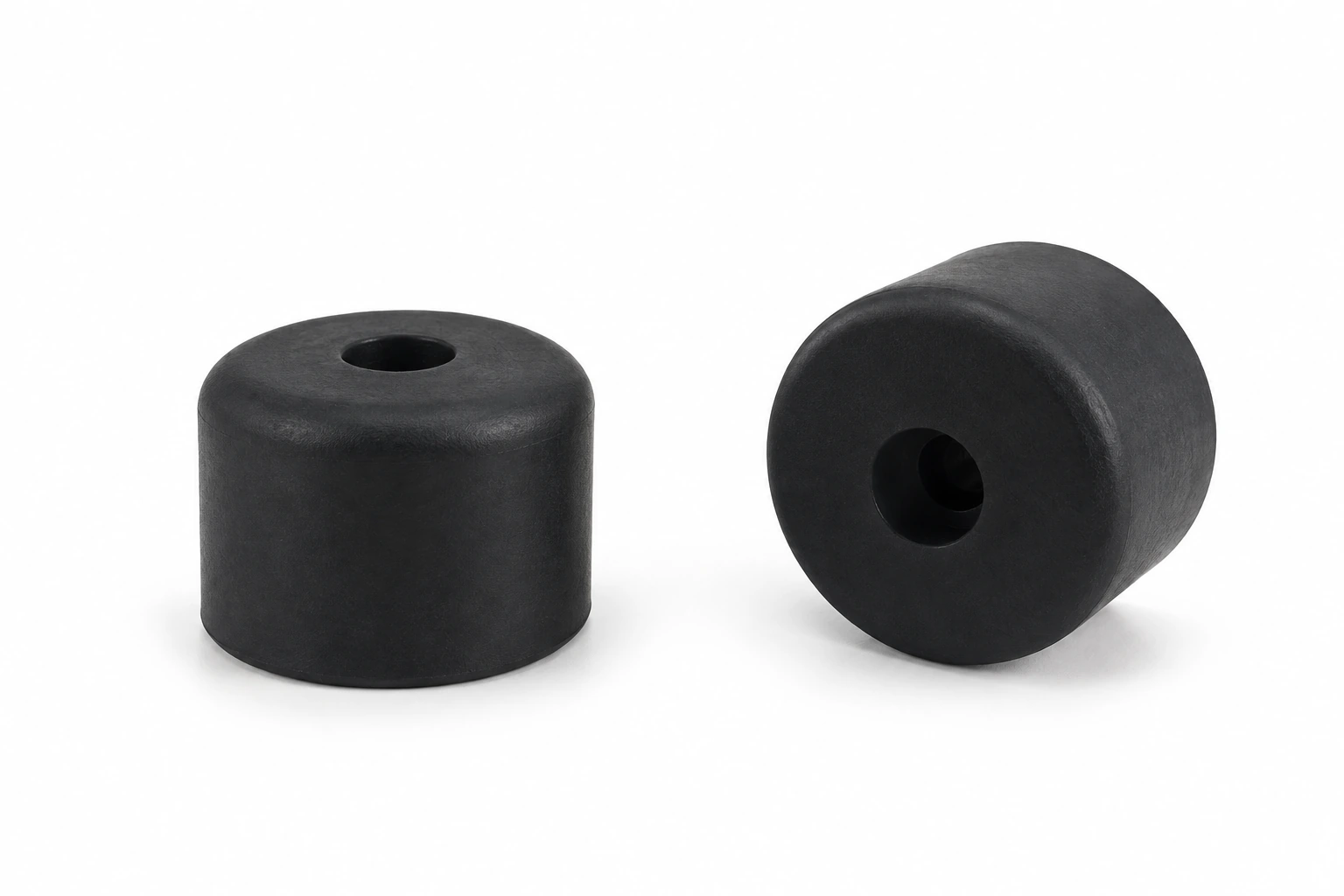
Recess Rubber Feet
Compare OD, H, A, B and C in mm. C indicates the recess depth on this feet profile.
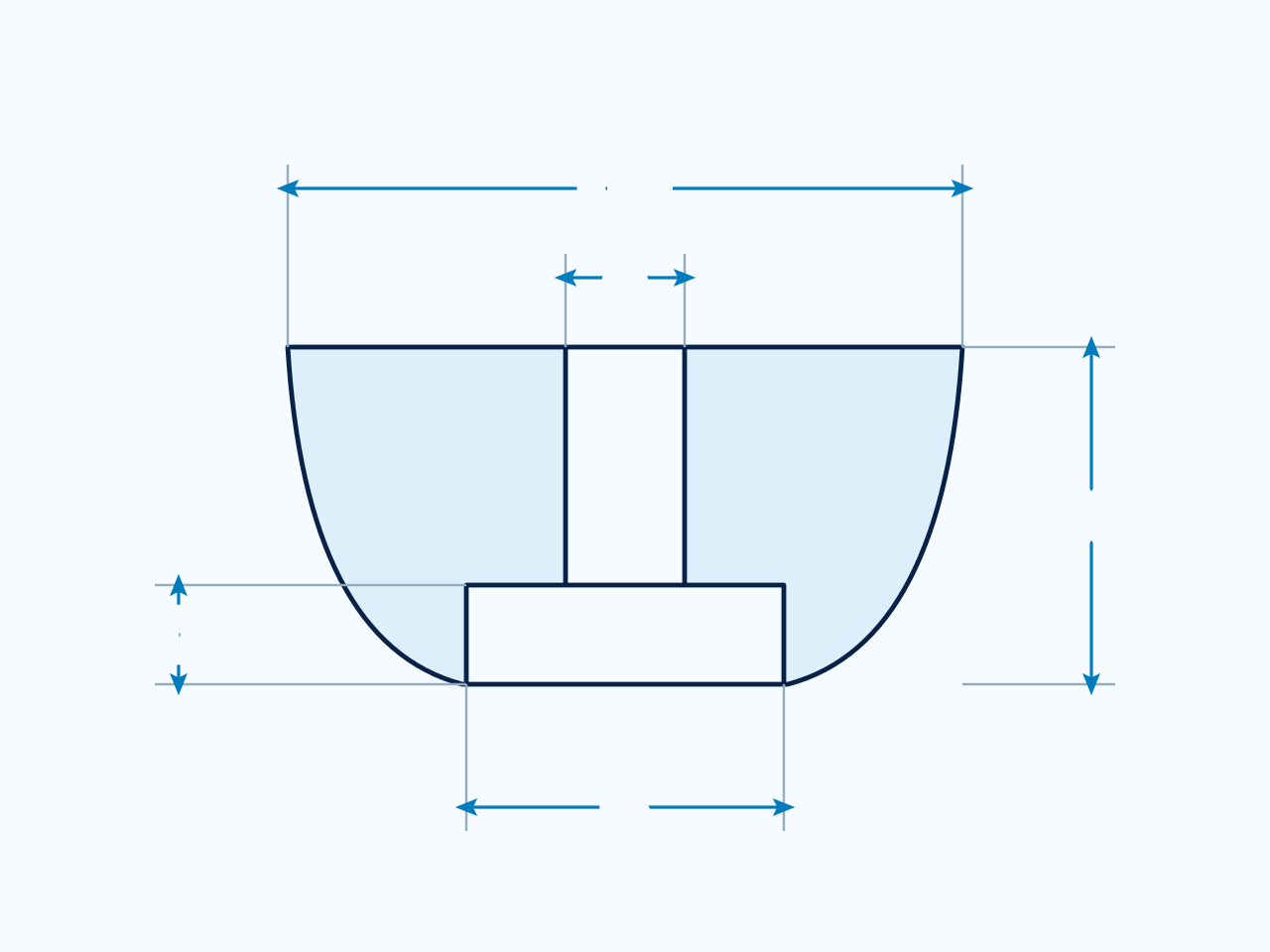
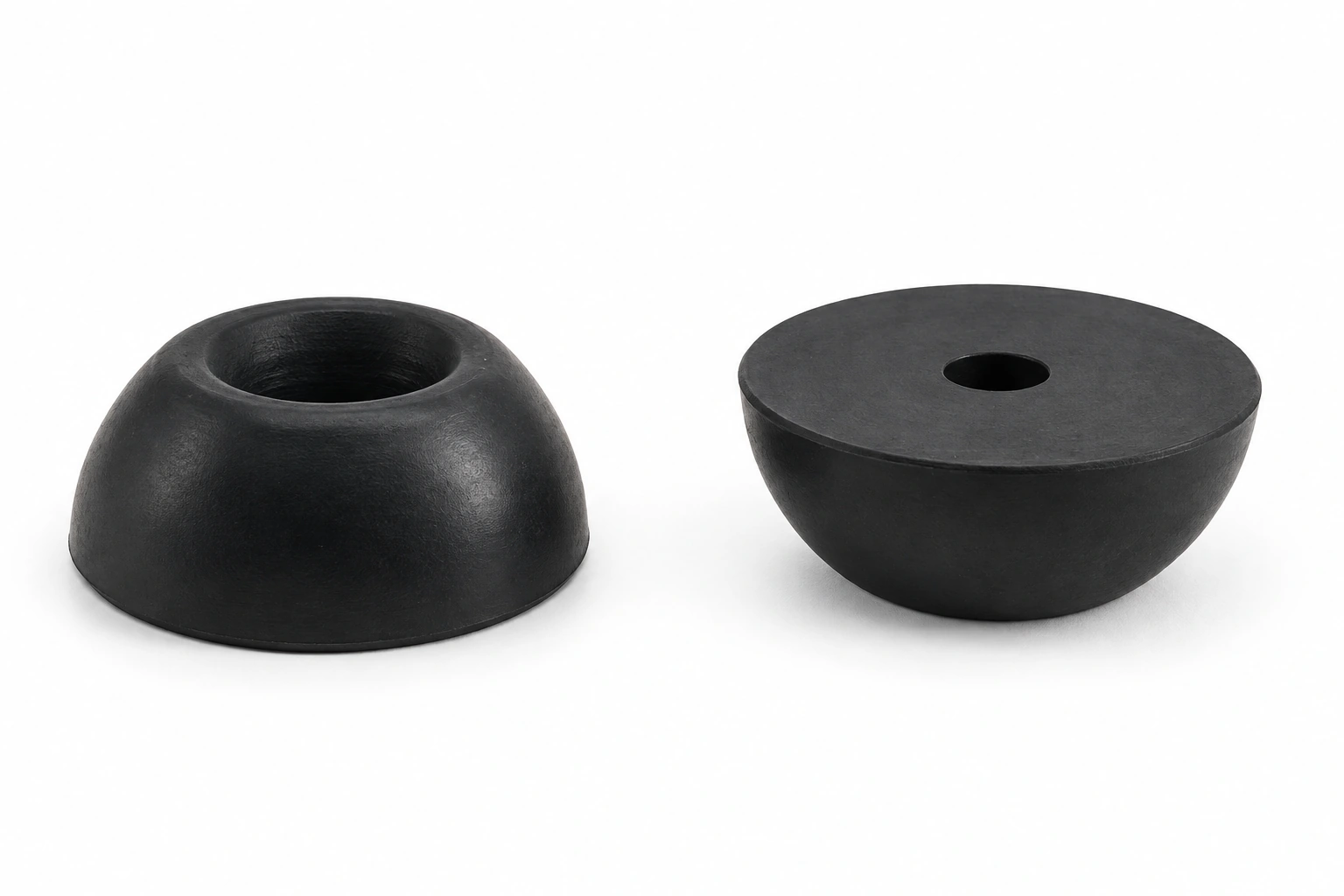
Hemispherical Rubber Bumper
Compare OD, H, A, B and C in mm using the hemispherical-bumper drawing.
Rubber Tips
Compare A, B and C in mm using the open round-tip drawing. Check the mating leg dimensions and seating depth.
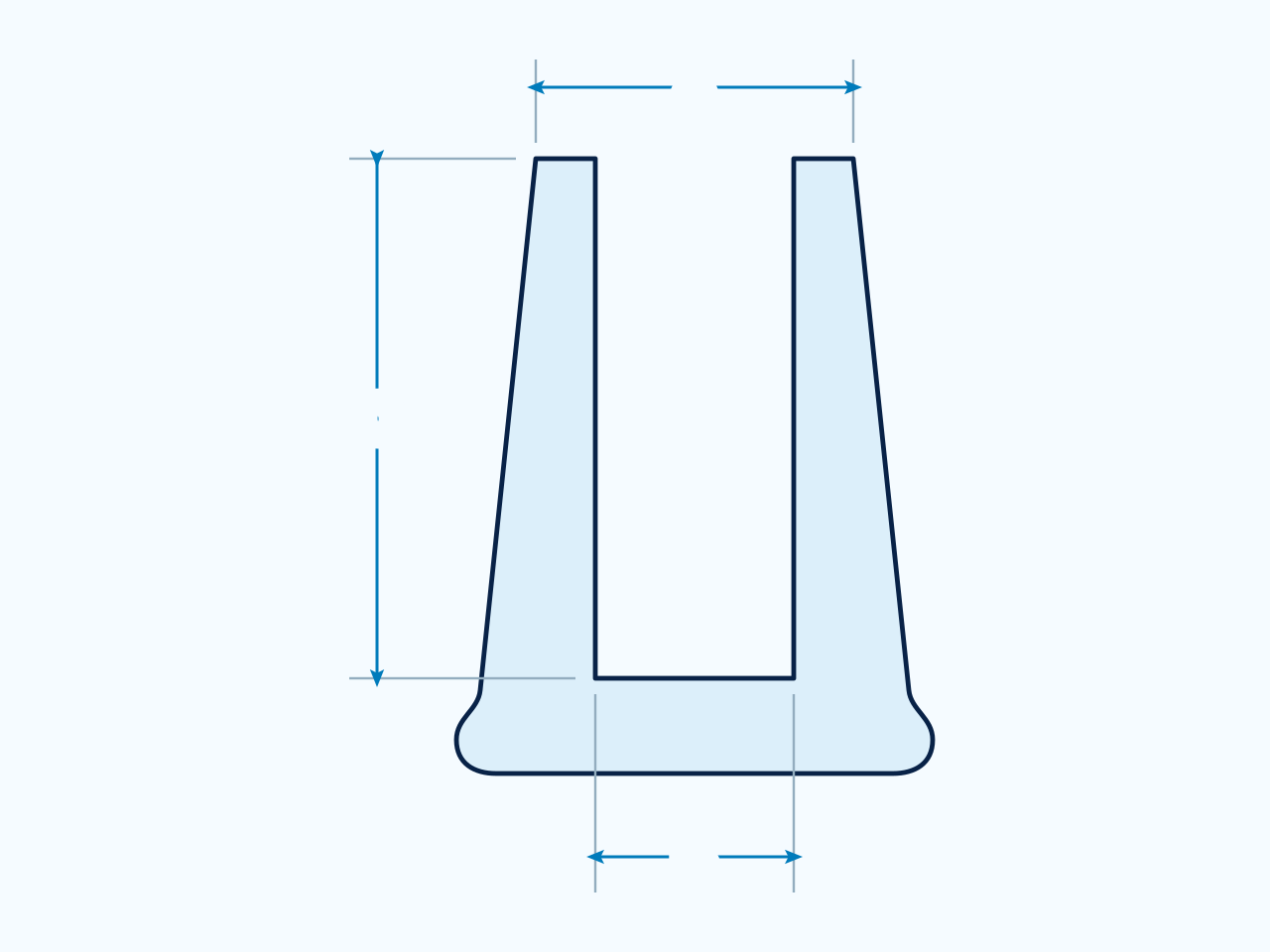
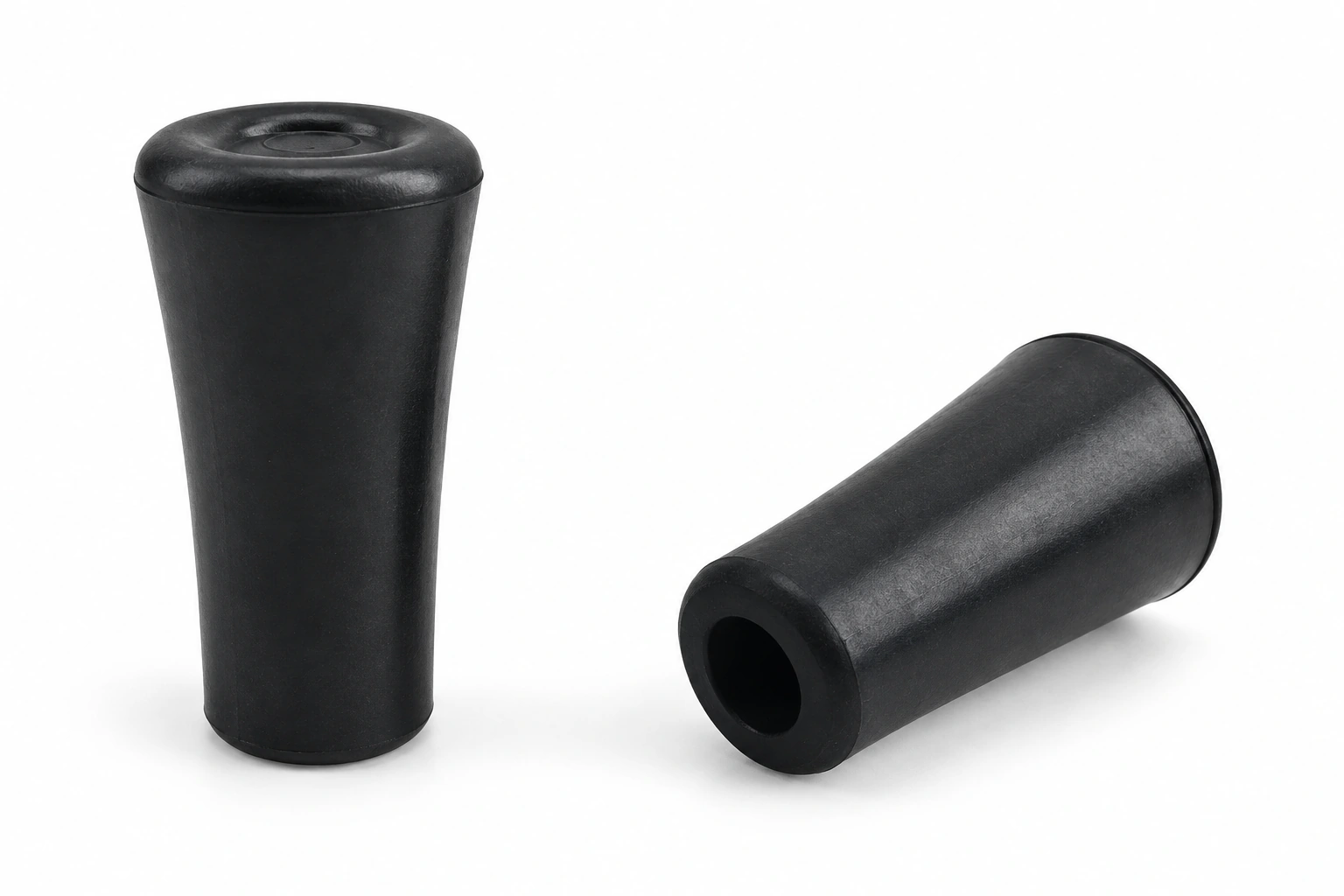
Rectangular rubber feet for chairs
Compare A, B and C in mm using the rectangular-tip drawing. Check both sides of the mating leg and the seating depth.
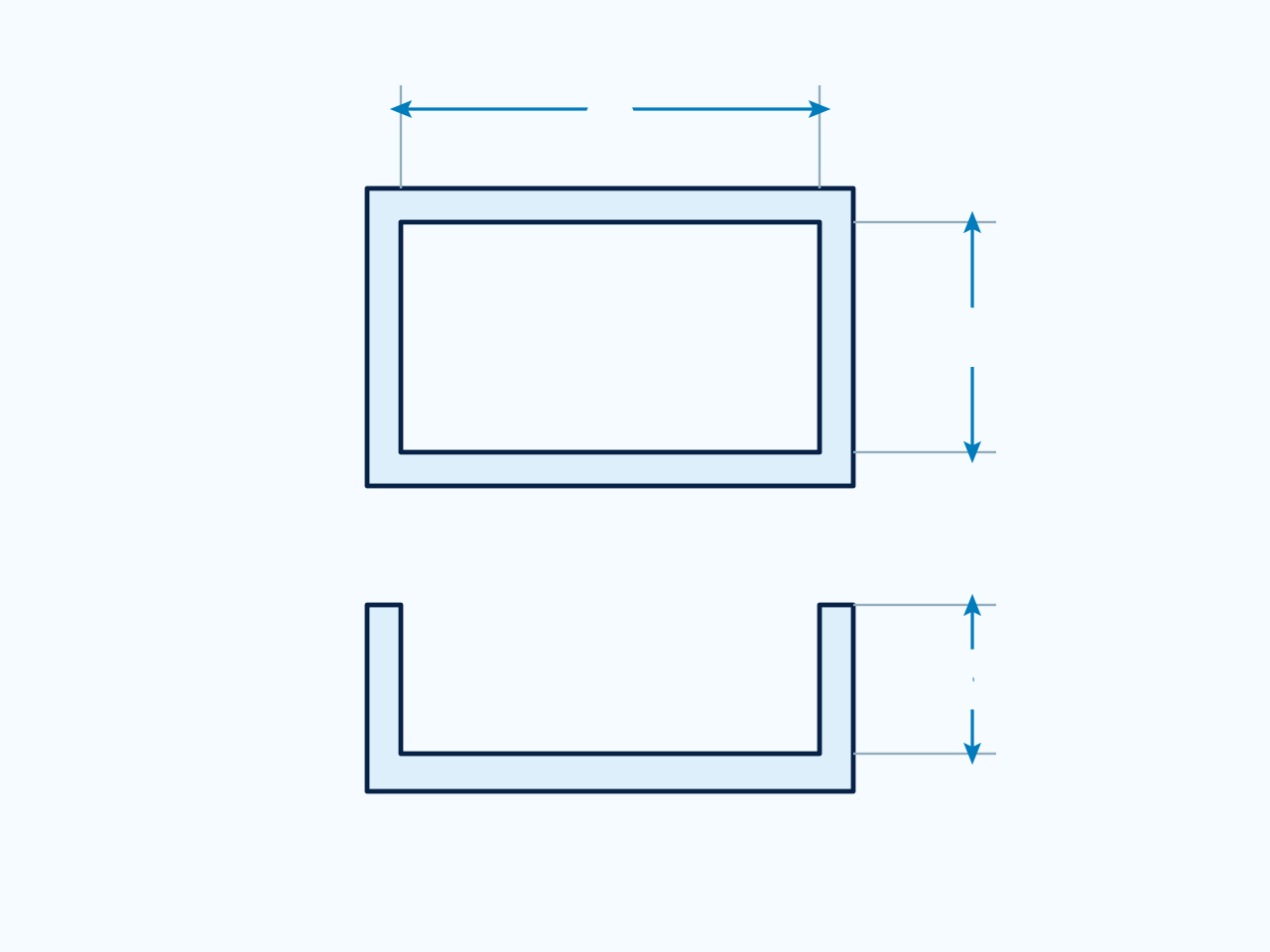
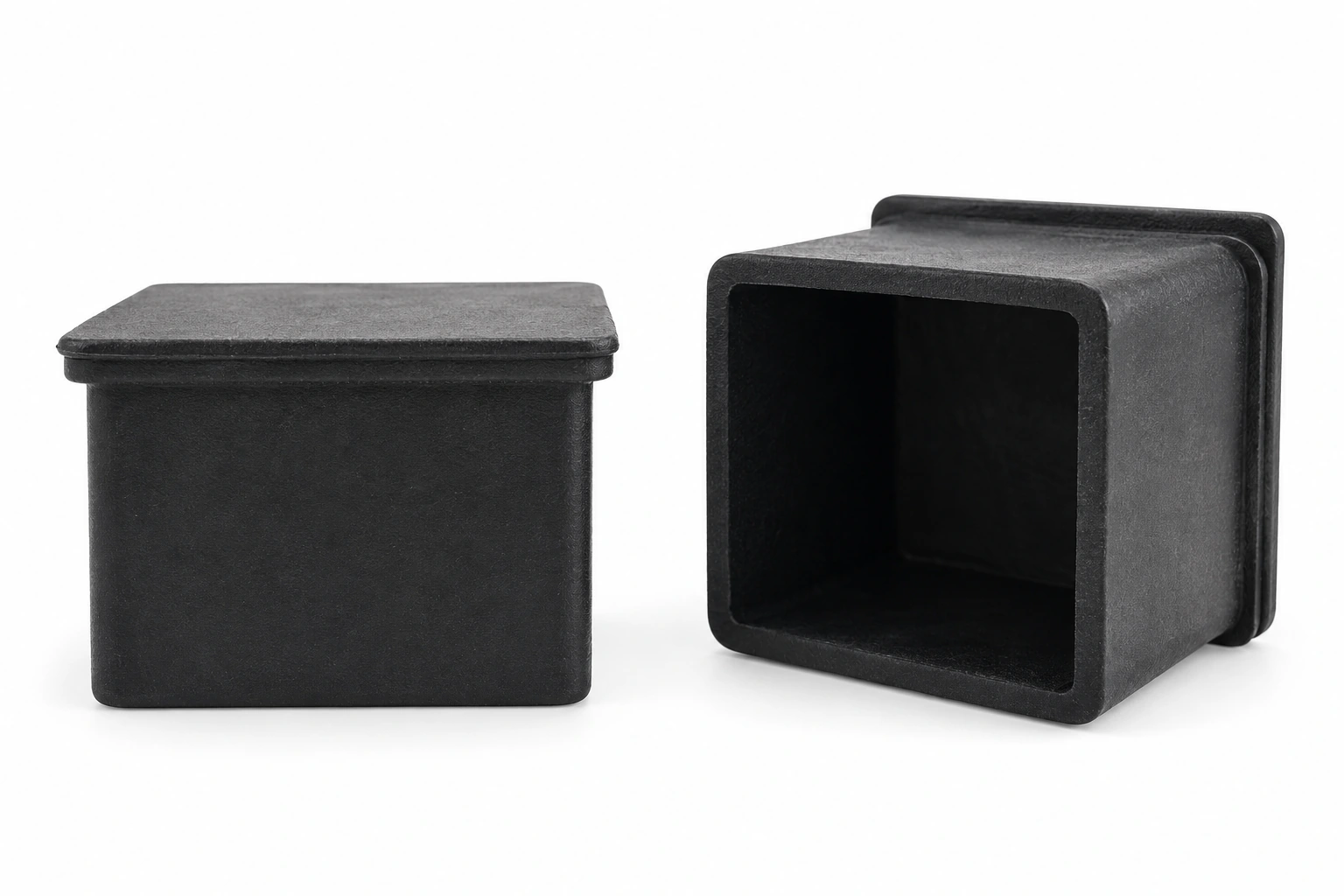
Rubber Feet For Chairs
Compare A, B, C and D in mm using the square-tip drawing. Check the mating leg profile and seating depth.
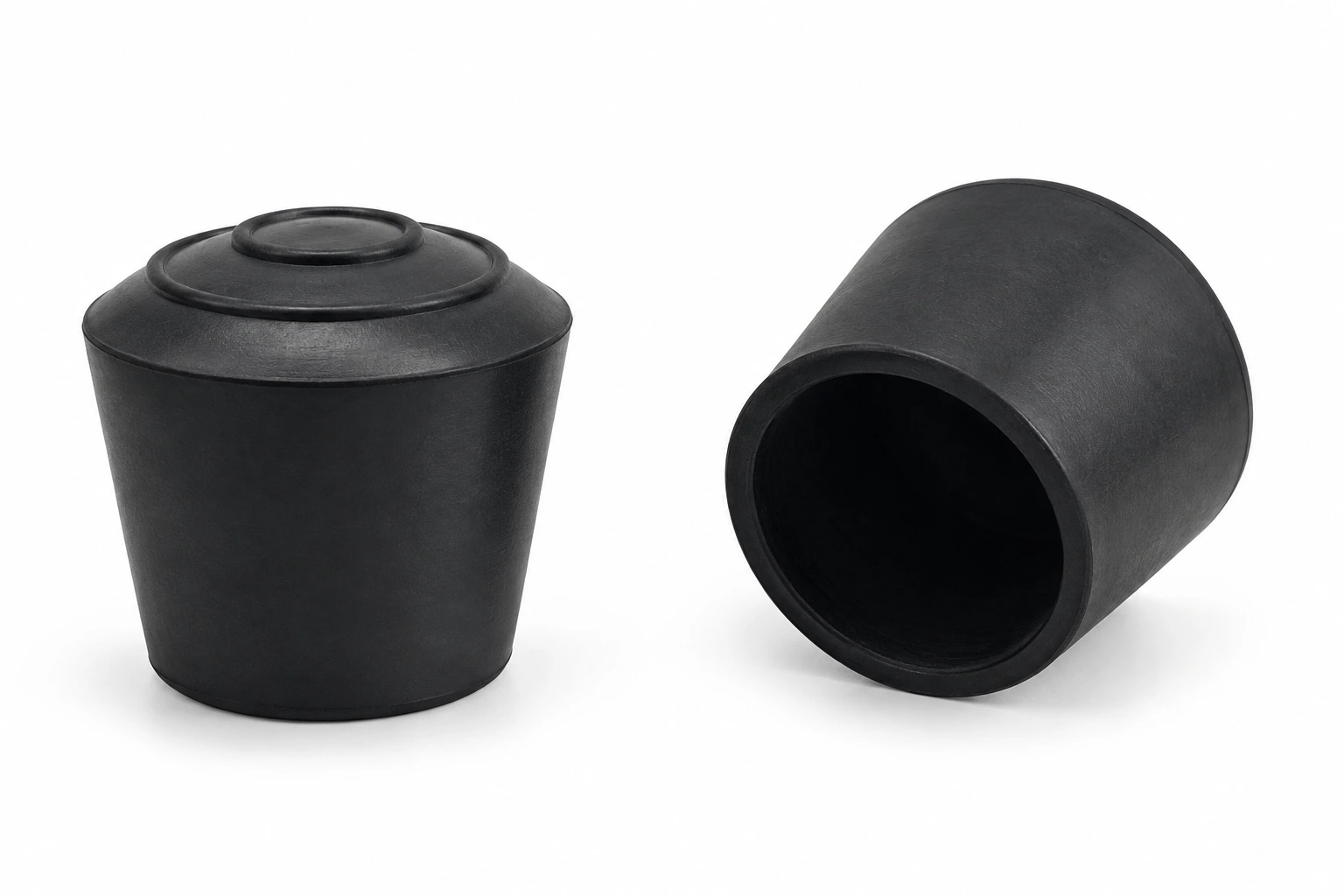
Need a different size? Share your drawing, mating dimensions and intended use to discuss a suitable part.
Discuss Your RequirementsProduct specifications
- Product form
- Tapered contact bumper
- Application focus
- Electronic equipment bases. Size the part against the selected assembly.
- Dimensions to confirm
- Contact-face area, projection and mounting geometry. Match these to electronic equipment bases.
- Profiles discussed
- Tapered sections. Select the profile that matches the mating part and dimension that section explicitly.
- Installation discussed
- Adhesive bonding. Identify the chosen retention method and the surface or hardware it engages.
- Exposure to evaluate
- Outdoor weather. Validate the selected material under the combined conditions.
- Attachment options
- Adhesive attachment is discussed. Define the bonded substrate, preparation and loaded contact area before selecting a backing.
- Working clearance
- Define the closing gap, contact direction and compression available at the stop.
Need a quote or a custom part?
Send your requirements, drawings or samples to discuss standard and custom silicone rubber parts.
Email us[email protected]