
Cylindrical Vibration Isolators
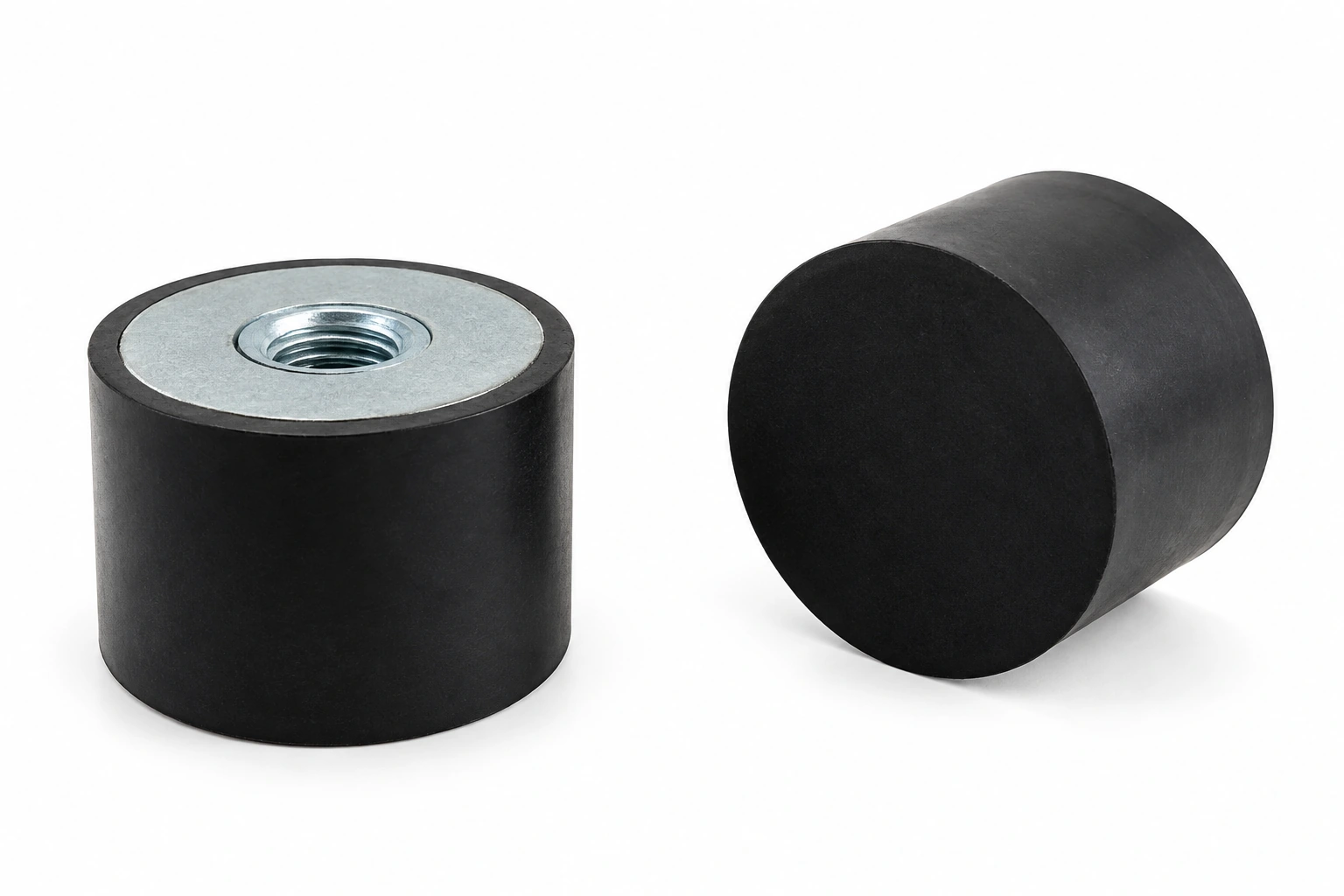
The first thing we need to know is that cylindrical vibration isolators are most commonly used in the engineering industry. They can be of different types. Today we have metal spring insulators, wire fiber insulators, rubber insulators, metal rubber insulators – as well as insulators that use hydraulic springs. Rubber cylindrical vibration isolators are the most common type – mostly used in combination with metal or steel. It is widely used in the field of vibration insulation of locomotives, ships, cars, airplanes, bridges, and musical instruments. These cylindrical vibration isolators use mainly an elastic component that dampens – and thus achieves a reduction in noise and loud and unpleasant vibrations. If the parameters of the rubber material and the damping structure are chosen reasonably – less vibration and noise insulation can be achieved.
As the most commonly used, cylindrical vibration isolators with rubber have several advantages. The model and structure itself are more elastic than metal. There is no sliding part, they are easy to maintain – and can be easily replaced if necessary. Installation is very simple. However, cylindrical vibration isolators have both advantages and disadvantages. Resistance to high, low temperatures and excessive contact with oil and oil has a worse effect on metallic materials. If used at temperatures that vary – they often wear out and vibration isolation is poorer, especially at low frequencies. But don’t let that confuse you because there are several types of cylindrical vibration isolators that have different purposes.
For example, the US industry was the first to produce and develop fiber isolators. Their noise-damping characteristics are related to deformation and they have good vibration characteristics – so they are highly rated. Such cylindrical vibration isolators absorb and dissipate vibration energy by dry friction by damping between the wires of wire ropes. Manufacturers have gradually recognized its advantages, and they have proven themselves in practical use in ships, in the aviation industry – as well as in many other industries.
Vibration Mount Size Catalog
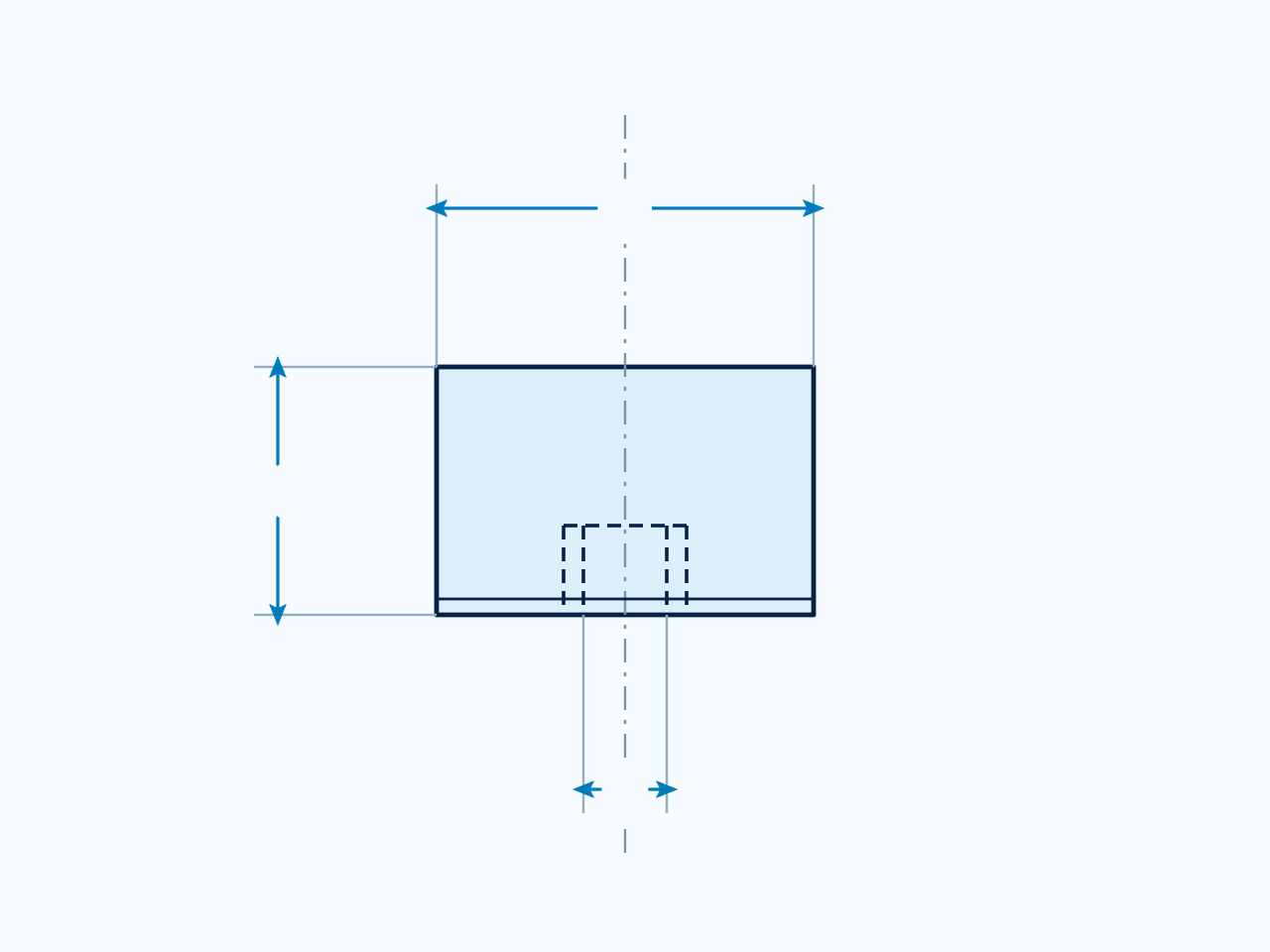
Compare five mounting arrangements using the matching drawing, thread and dimensional data. Load and compression columns retain their stated units; confirm operating conditions for your installation.
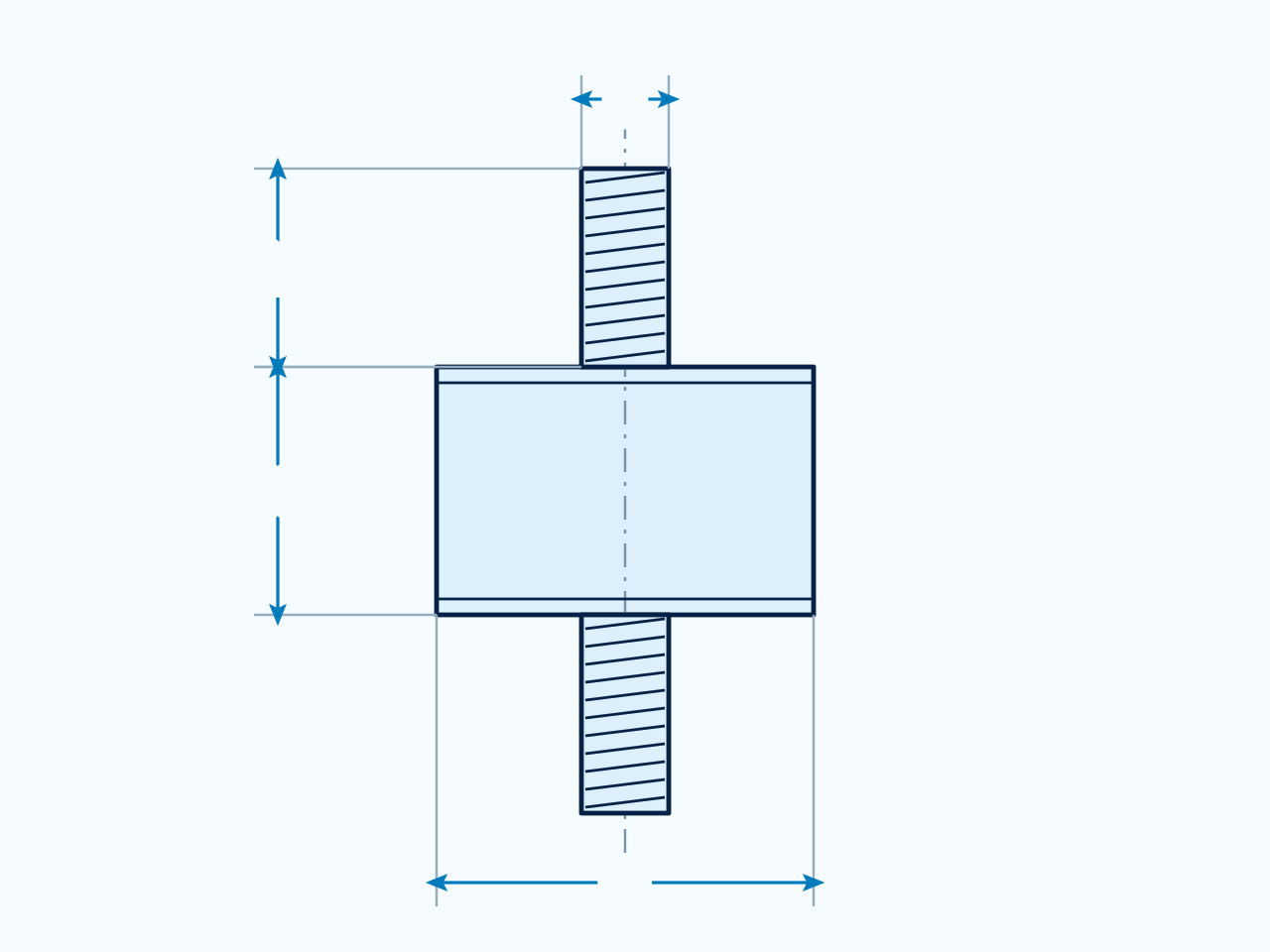
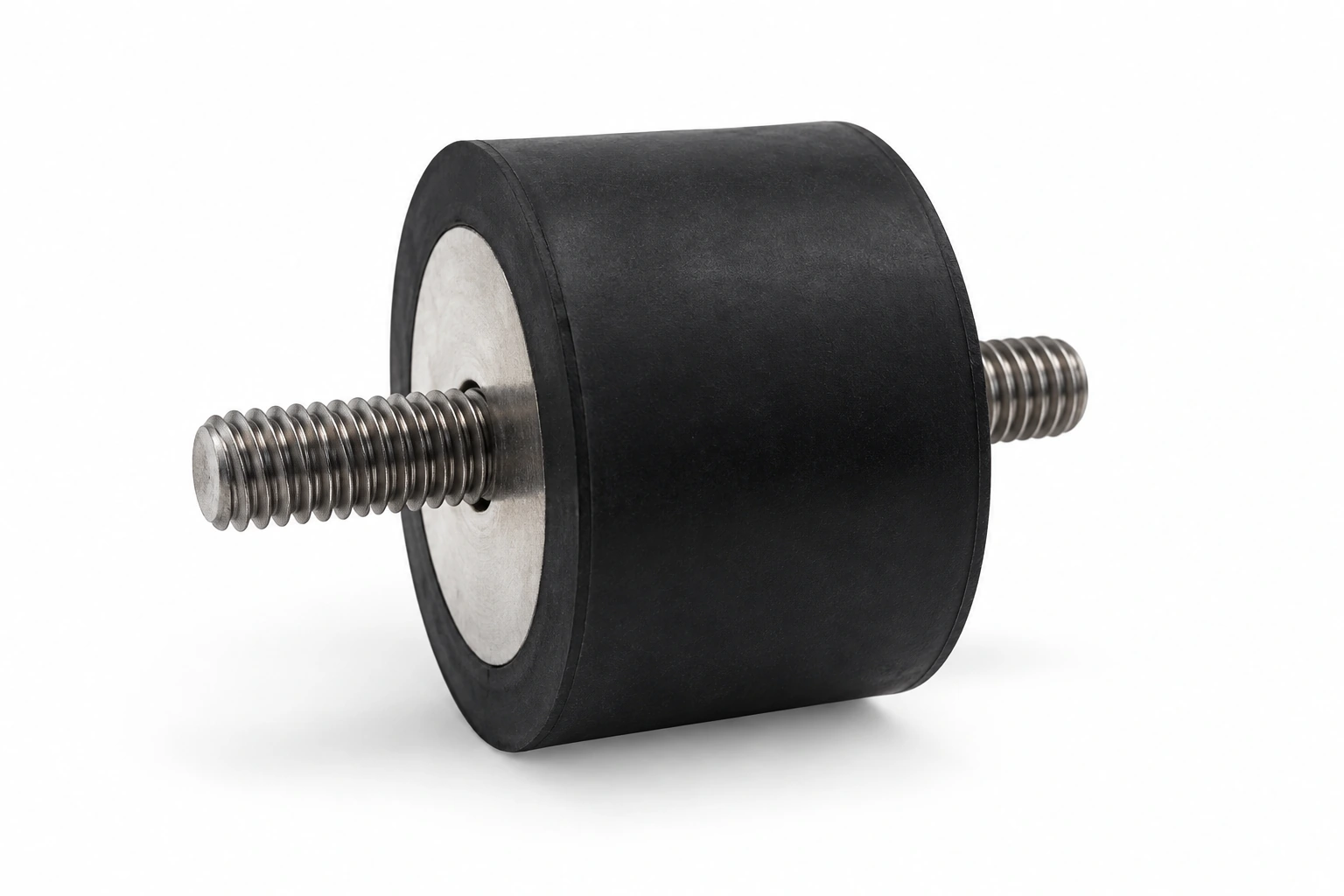
Vibration Damping Mounts A
Match D, H and thread d to the drawing, including stud length L. Dimensions are in mm; thread designations, load in kg and compression in mm follow the table headings. Confirm load direction and operating conditions for your installation.
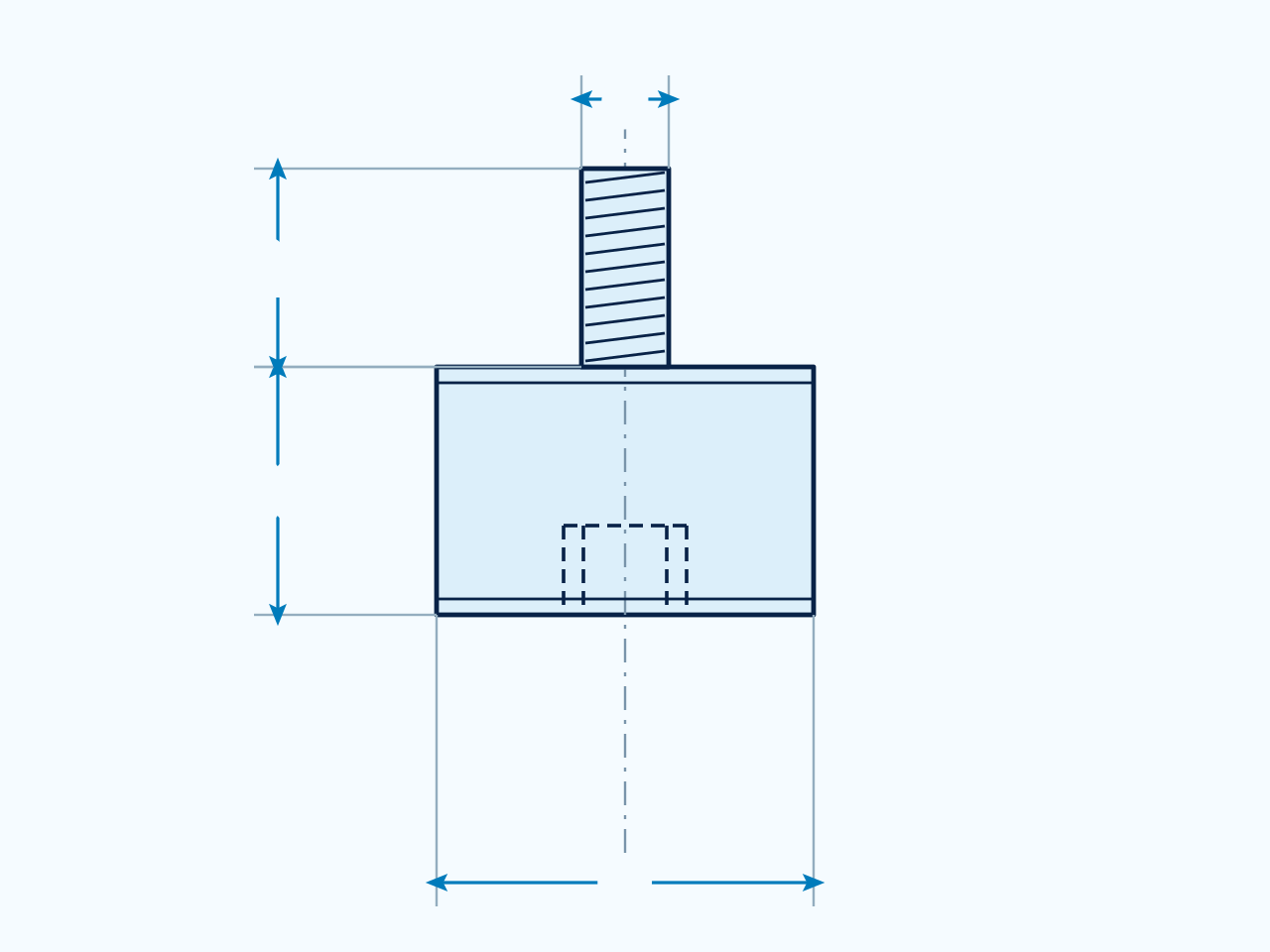
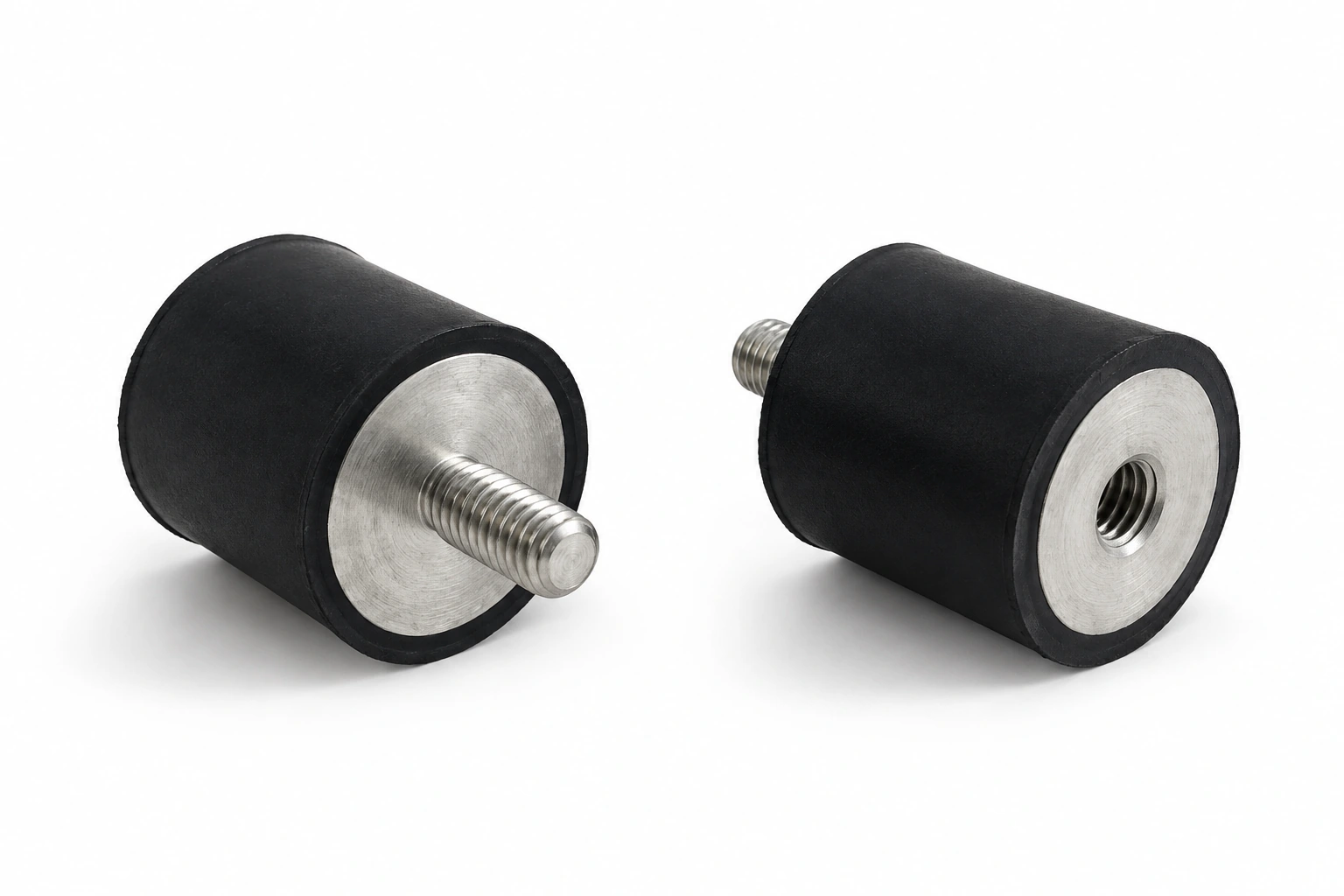
Anti-Vibration Rubber Mounts B
Match D, H and thread d to the drawing, including stud length L. Dimensions are in mm; thread designations, load in kg and compression in mm follow the table headings. Confirm load direction and operating conditions for your installation.
Vibration Isolators C
Match D, H and thread d to the drawing. Dimensions are in mm; thread designations, load in kg and compression in mm follow the table headings. Confirm load direction and operating conditions for your installation.
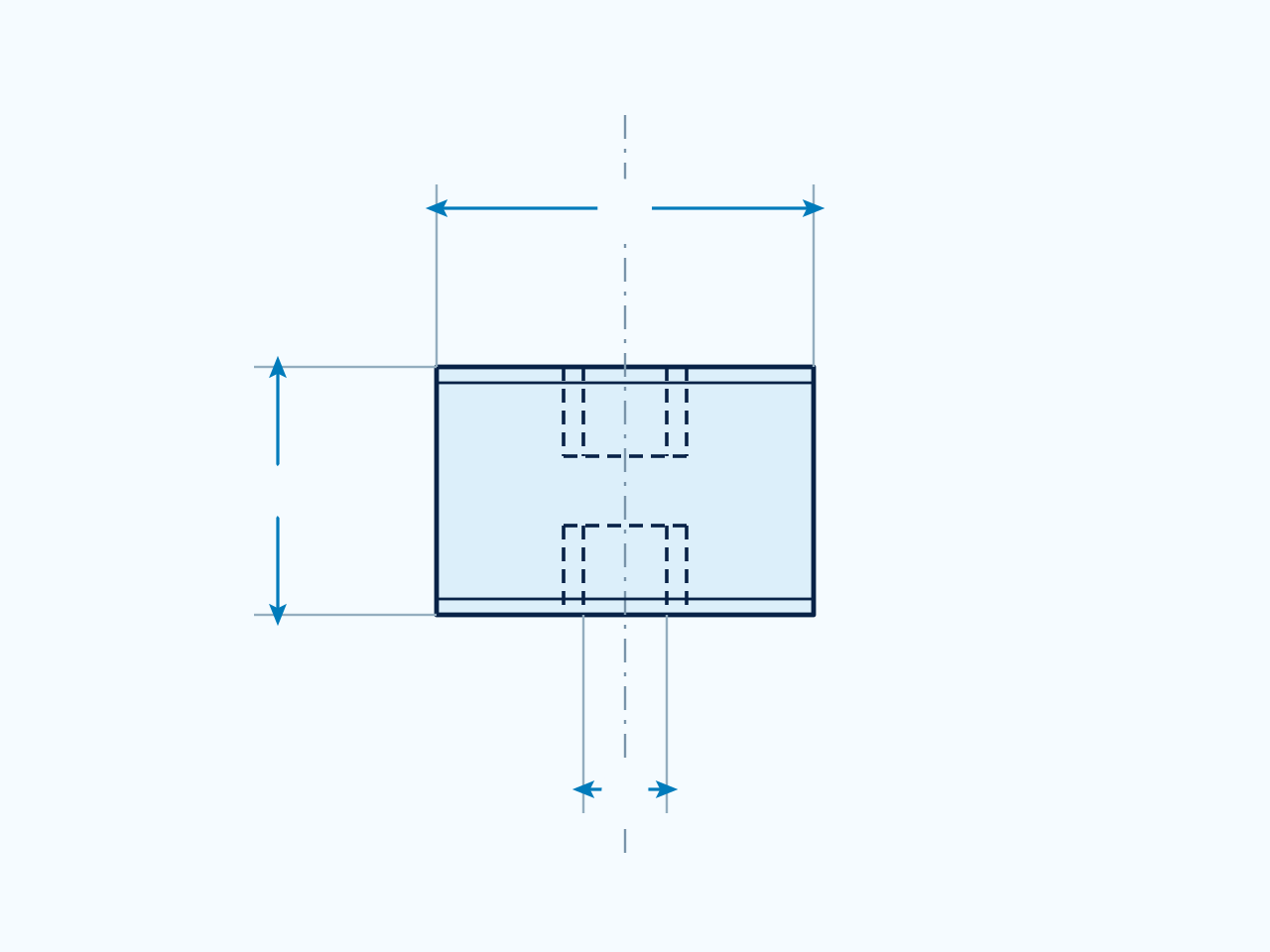
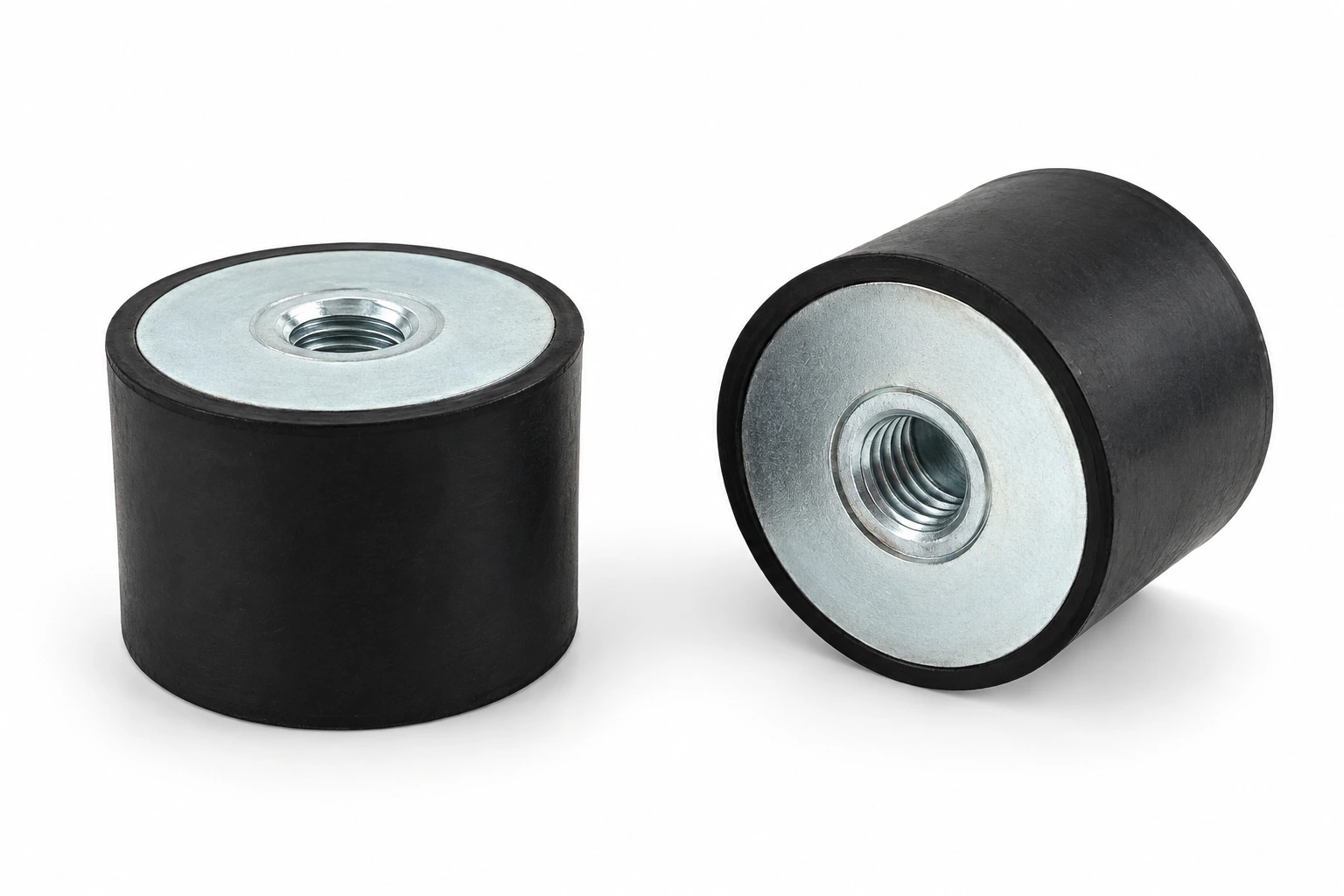
Rubber Mountings D
Match D, H and thread d to the drawing, including stud length L. Dimensions are in mm; thread designations, load in kg and compression in mm follow the table headings. Confirm load direction and operating conditions for your installation.
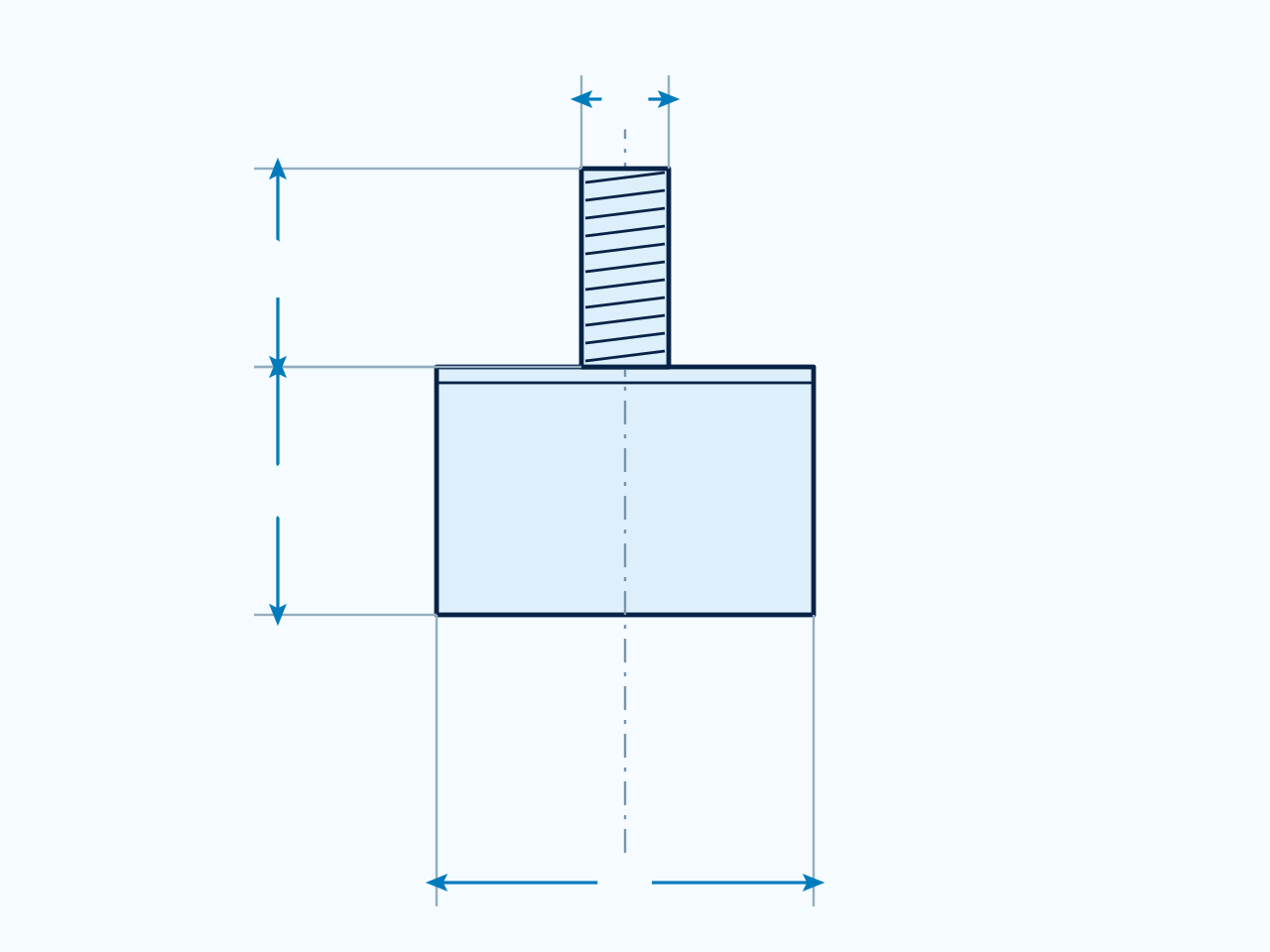
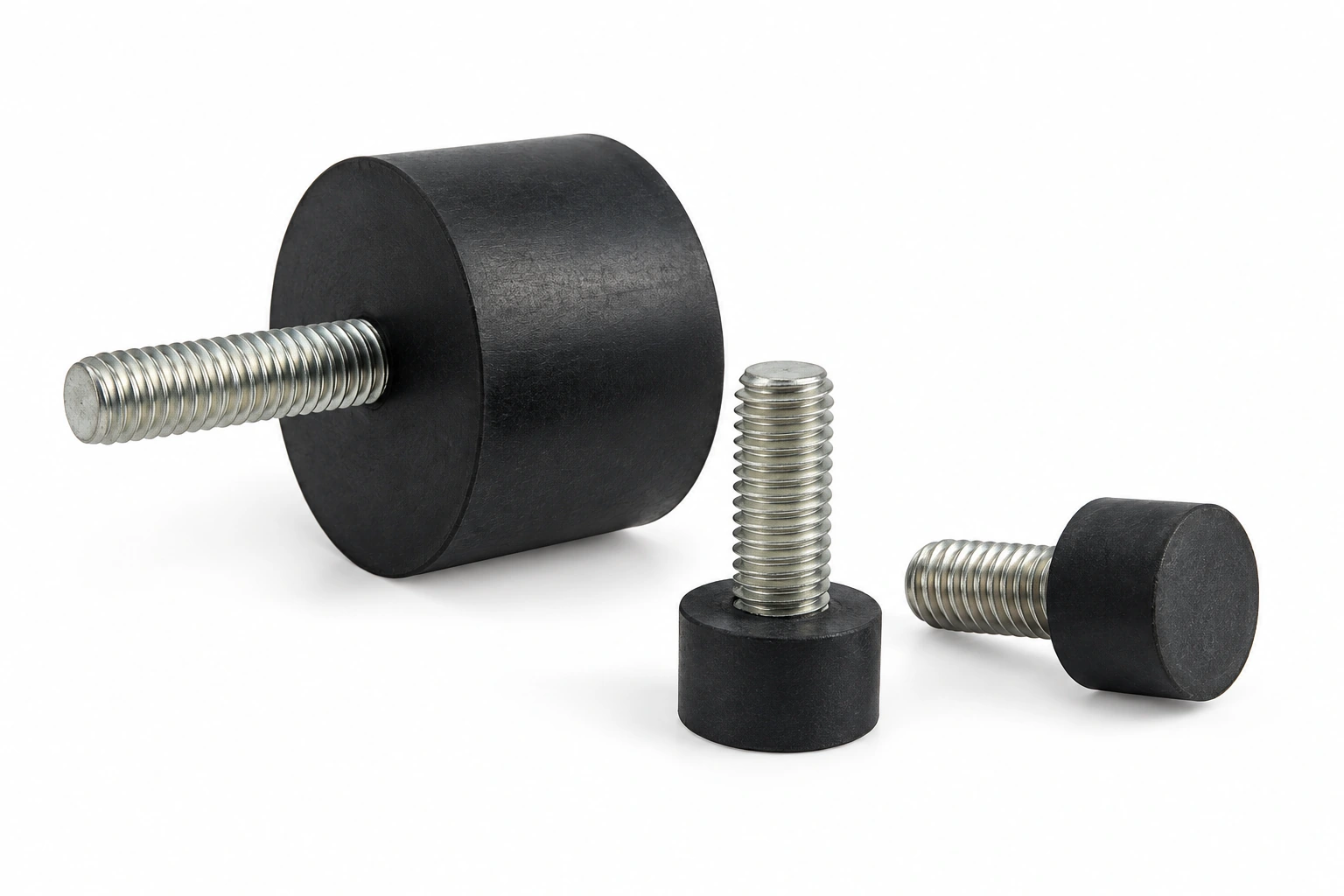
Rubber Vibration Mounts E
Match D, H and thread d to the drawing. Dimensions are in mm; thread designations, load in kg and compression in mm follow the table headings. Confirm load direction and operating conditions for your installation.
Need a different size? Share your drawing, mating dimensions and intended use to discuss a suitable part.
Discuss Your RequirementsProduct specifications
- Product form
- Cylindrical elastomer mount
- Application focus
- Marine installations and aircraft equipment. Size the part against the selected assembly.
- Dimensions to confirm
- Free and loaded heights, attachment spacing and body envelope. Match these to marine installations.
- Exposure to evaluate
- Oil splash. Validate the selected material under the combined conditions.
- Isolation objectives
- Steady vibration, structure-borne noise and sliding at the support. Define a measurable acceptance target on the supported assembly.
- Construction discussed
- Cylindrical bodies. Detail the chosen arrangement and all mating hardware on the drawing.
- Dynamic selection
- Use the load per mount, excitation frequency and allowed movement to select the mount.
Need a quote or a custom part?
Send your requirements, drawings or samples to discuss standard and custom silicone rubber parts.
Email us[email protected]