
Electrically conductive rubber tubing
Various industries use the benefits of electrically conductive rubber tubing. There are situations where systems produce an electrical current that can cause great harm and even hazardous situations. That is why the wiring has to be well protected to avoid shortages and sparks that can lead to a fire. Besides protection from current, the conductive rubber tube offers great protective features against radio frequency or electromagnetic intrusion. These characteristics are highly used in the military, vehicle manufacturing industries, and aeronautics.
Rubber is a material that can be modified easily to reach the required conditions. While there are regular improvements such as oil and acids resistance, there can be modifications that make the rubber electrically conductive. Many methods include combining the polymers with the rubber. Also, there are conductive sheets that can be applied to cover a portion of the tubing. This is essential because the tubing still keeps all of its abrasion and heat-protective characteristics. When one item can improve the safety of the machines both for the workers and future users, you should not think twice about it.
Proper sizing is the most important thing when choosing the electrically conductive rubber tubing pieces. Since they offer great sealant methods for the systems they take part in, any leaks could potentially lead to damages. That is why you should measure the connection points to know the exact dimensions of the tube’s lumen. We offer various dimensions, that go from regular sizes to an option to get special custom tubing that will be the perfect size for your project. The length is important as well, that is why you need to measure the distance between the two connectors. If you are not sure about the length, we suggest you purchase a slightly longer tube, so you can cut it precisely when it arrives.
Rubber Hose Size Catalog
Compare tube bore, outside diameter and available wall thickness. Confirm material compatibility and operating requirements for the selected hose.
Rubber Hose
Compare Inside Diameter and Outside Diameter in mm. The cross-section drawing identifies the bore and outside diameter; confirm the selected tube material and service requirements.

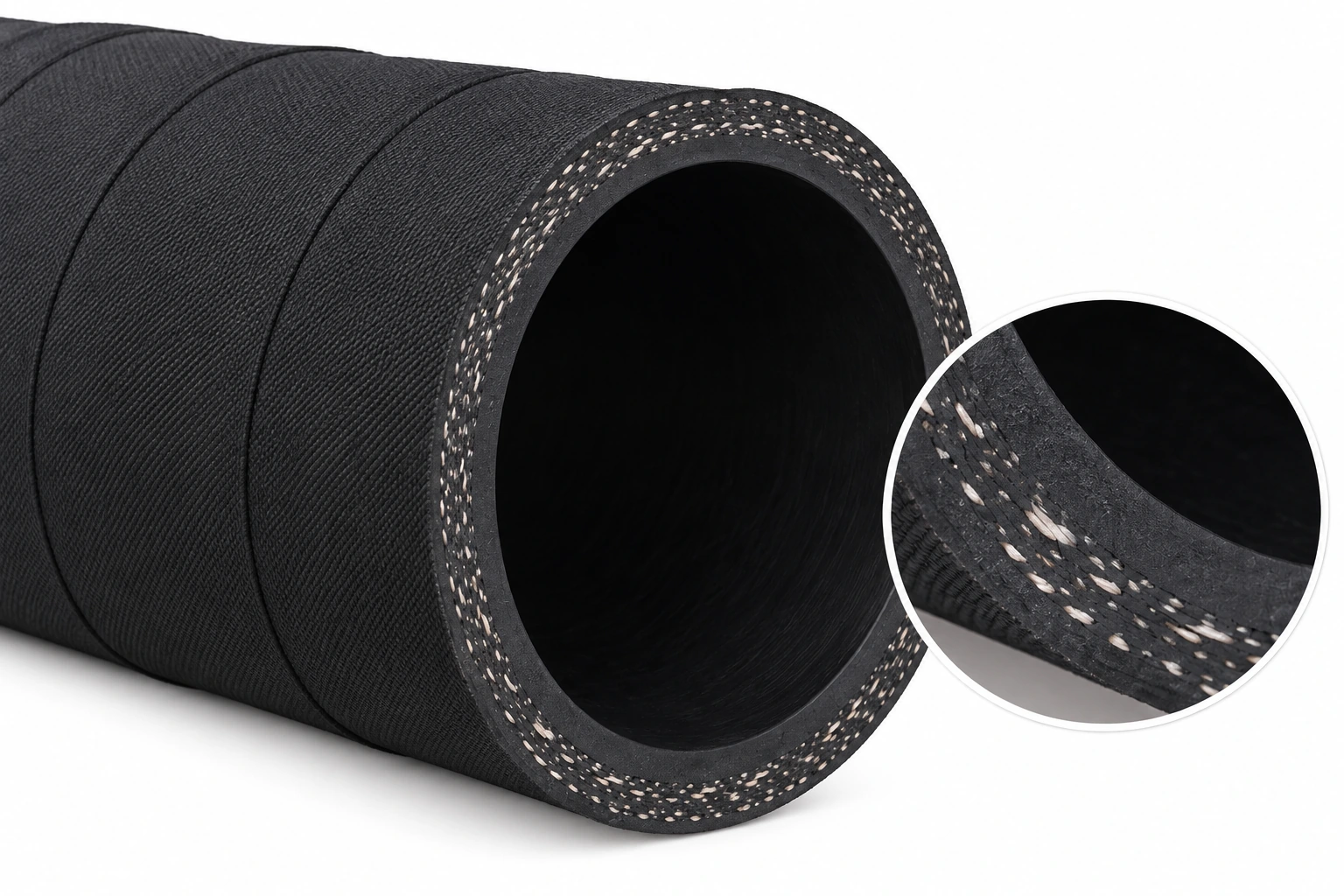
Fluororubber Hose
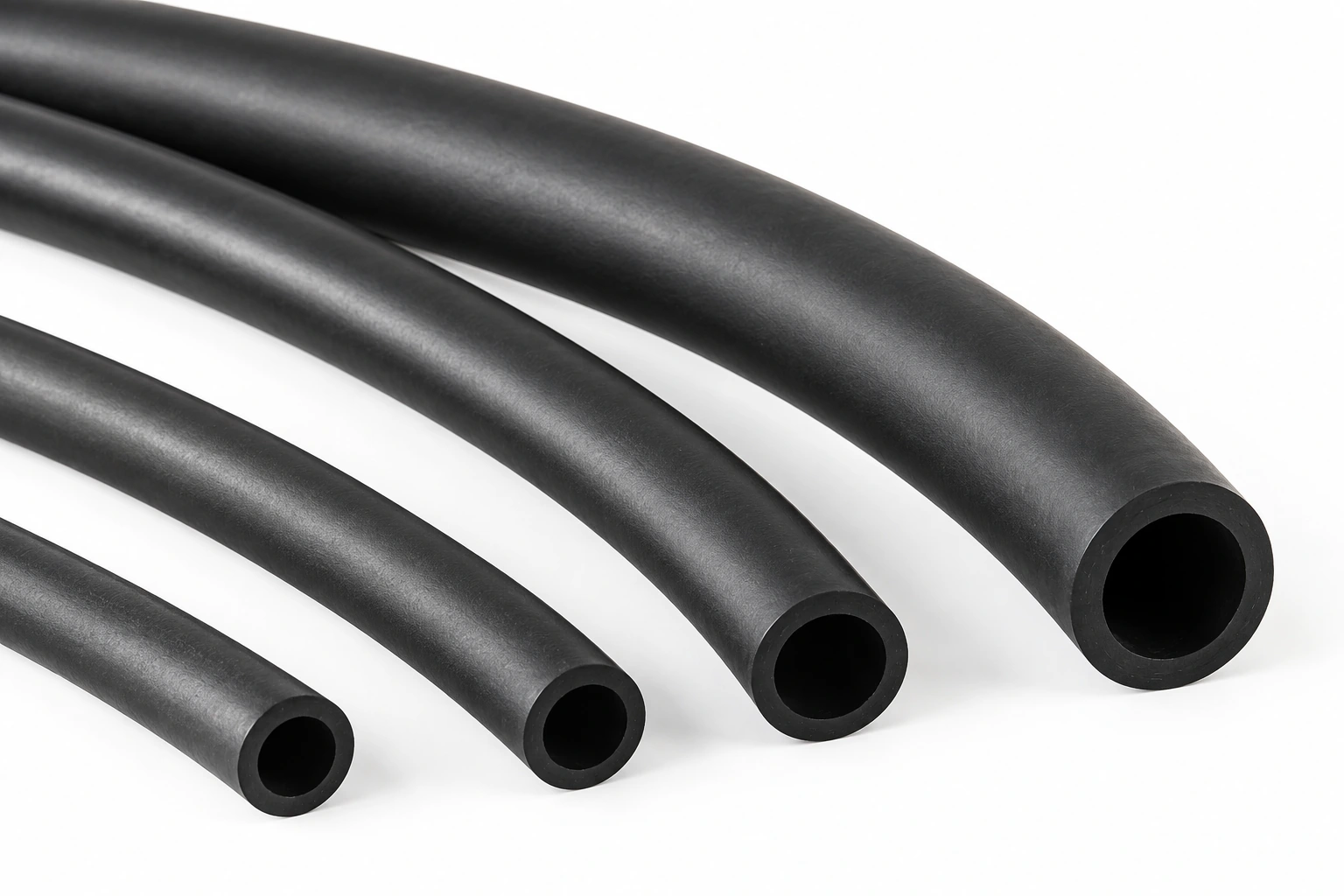
Compare Inside Diameter and Outside Diameter in mm. The cross-section drawing identifies the bore and outside diameter; confirm the selected tube material and service requirements.
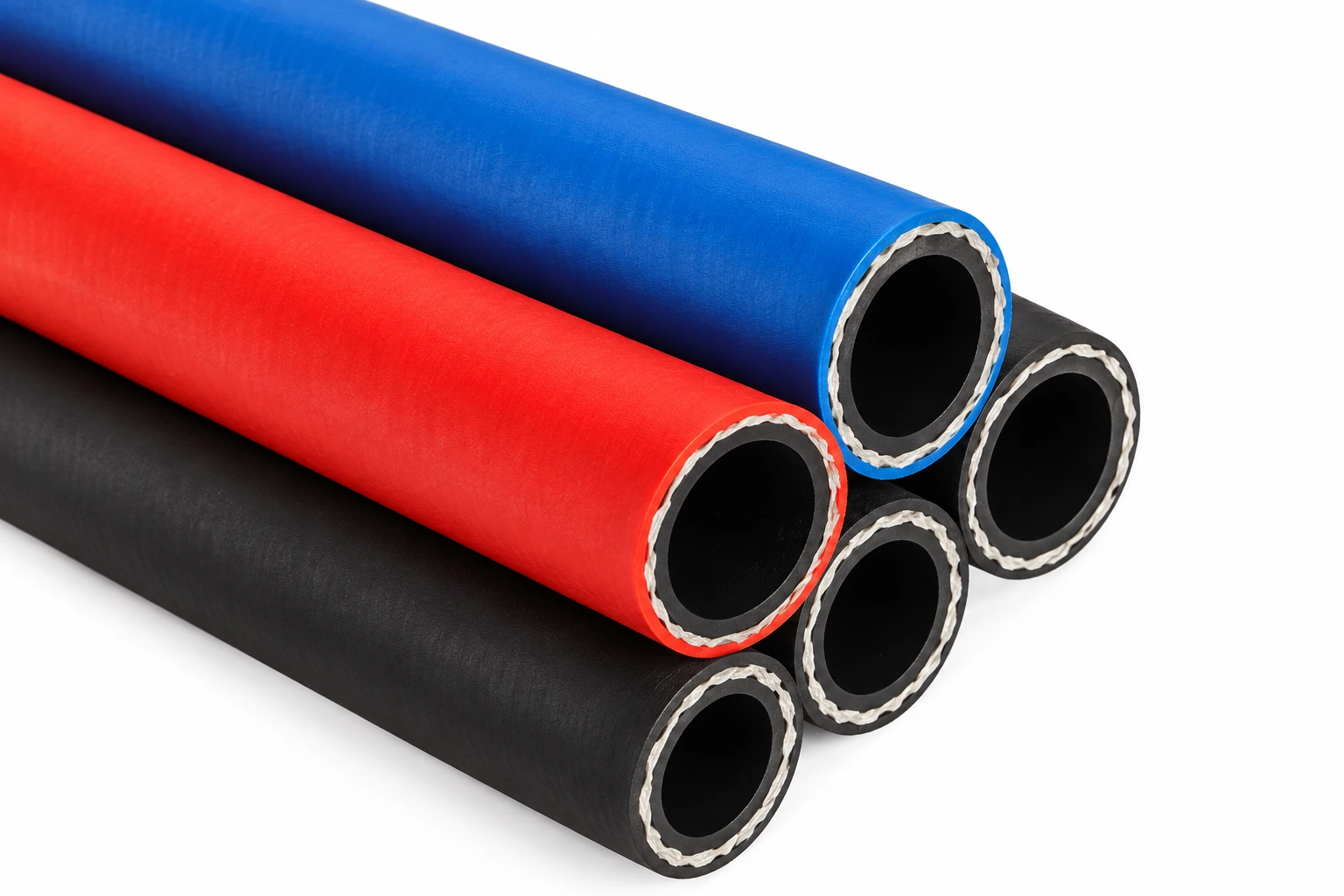
Colourful rubber high pressure hose
Compare Inside Diameter and Outside Diameter in mm, together with the listed Thickness and Colour. The cross-section drawing identifies the bore and outside diameter; confirm the selected tube material and service requirements.
Need a different size? Share your drawing, mating dimensions and intended use to discuss a suitable part.
Discuss Your RequirementsProduct specifications
- Product form
- Hollow elastomer tubing for a fitted line or sleeve
- Application focus
- Vehicle hose runs and industrial fluid lines. Size the part against the selected assembly.
- Dimensions to confirm
- Inside diameter, outside diameter, wall thickness and cut length. Match these to vehicle hose runs and industrial fluid lines.
- Electrical function
- Set the required resistance range, electrode arrangement and test method for the finished geometry.
- Contact conditions
- Lubricating oil and acids: define concentration, temperature and contact time, then check compatibility with the chosen compound.
- Exposure to evaluate
- Rubbing or abrasion and oil splash. Validate the selected material under the combined conditions.
- Line layout
- Check bend radius, unsupported spans and clearance at both connections.
Need a quote or a custom part?
Send your requirements, drawings or samples to discuss standard and custom silicone rubber parts.
Email us[email protected]