
Electrically conductive silicone tubing
There are so many different uses of silicone tubing items, starting from domestic uses, to food preparation. In addition, many industries are using silicone tubing. You can see them used as a sleeve for wire routing purposes, or as a liquid or gas transportation system. Besides the regular silicone tubing functions, there is a special electrically conductive silicone tubing. That is a special quality that makes the tubing be a conductor. They are used to prevent hazardous situations where electricity is being let out and causes sparks. In addition, they can obstruct electromagnetic waves which are mostly used for military purposes.
While the silicone is usually being an isolator, this item is specially made with infused carbon particles that give the electrical conduction feature. This makes these items most suitable for protective purposes in automobile and military industries. In addition, the silicone still has temperature resistance features, so you can see why these tubes are being mostly used in vehicles and other machinery. This improves the safety both for the people using these machines and for their longevity as well.
One thing that you need to do before you proceed to purchase these tubes takes the right measurements. For that purpose, you need to get the right diameter of the connections so the tube’s end can fit snugly. Next, you should find those dimensions on the list that you can find on our site. If you are not able to find it, you can contact us so we can make custom electrically conductive silicone tubing for your project. In case you are not sure about how long you need the tubing to be, you should get one that is longer than you have anticipated, so you can cut it precisely the length you need. If you need additional information about these items so you can see if they are the right choice for your project, you can contact us for further explanation.
Silicone Tubing Size Catalog
Compare inside diameter, outside diameter and listed wall thickness across silicone tube ranges. Confirm the material grade and application requirements for the selected part.
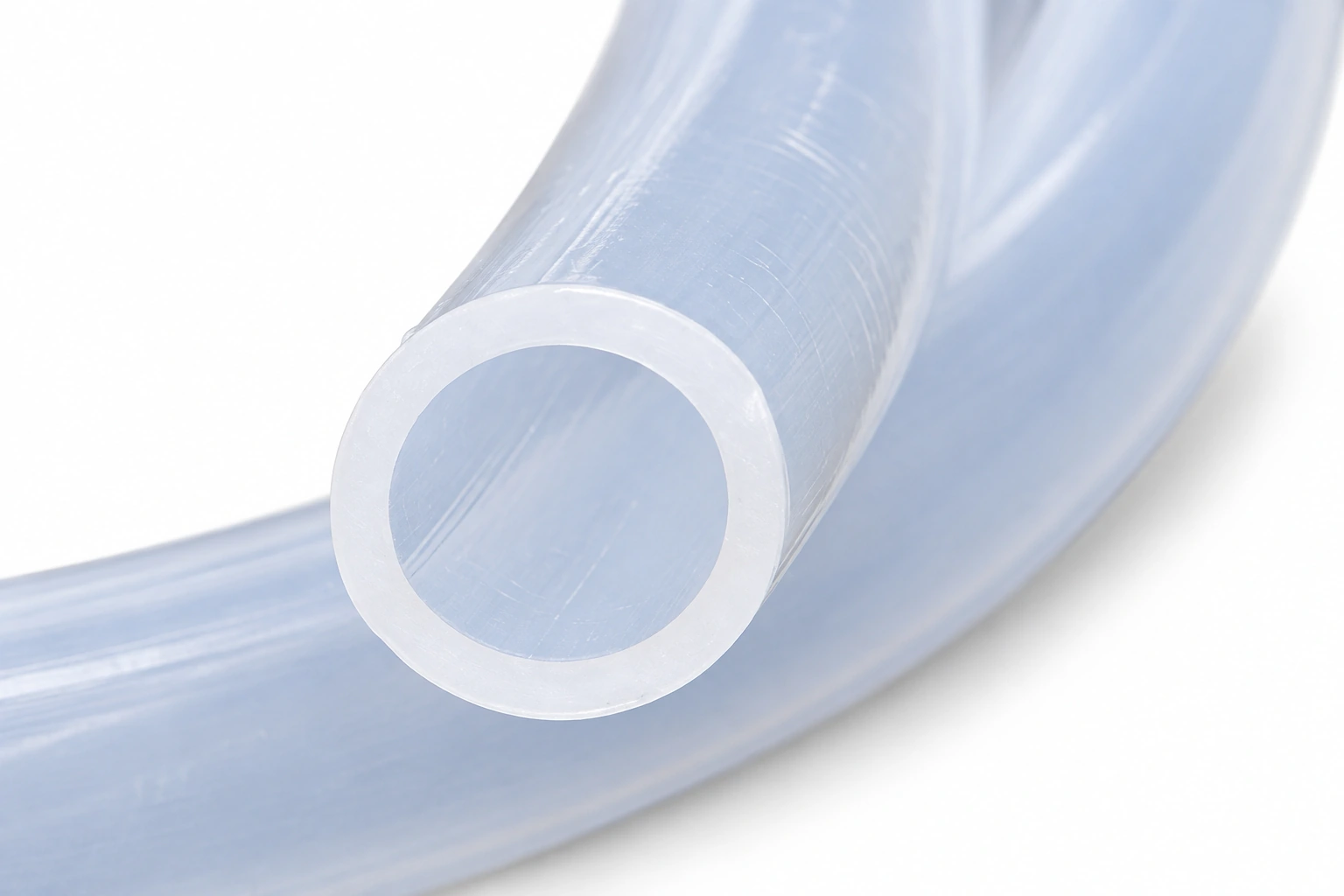
Food grade silicone tube
Compare Inside Diameter and Outside Diameter in mm, together with the listed Thickness and Colour. The cross-section drawing identifies the bore and outside diameter; confirm the selected tube material and service requirements.

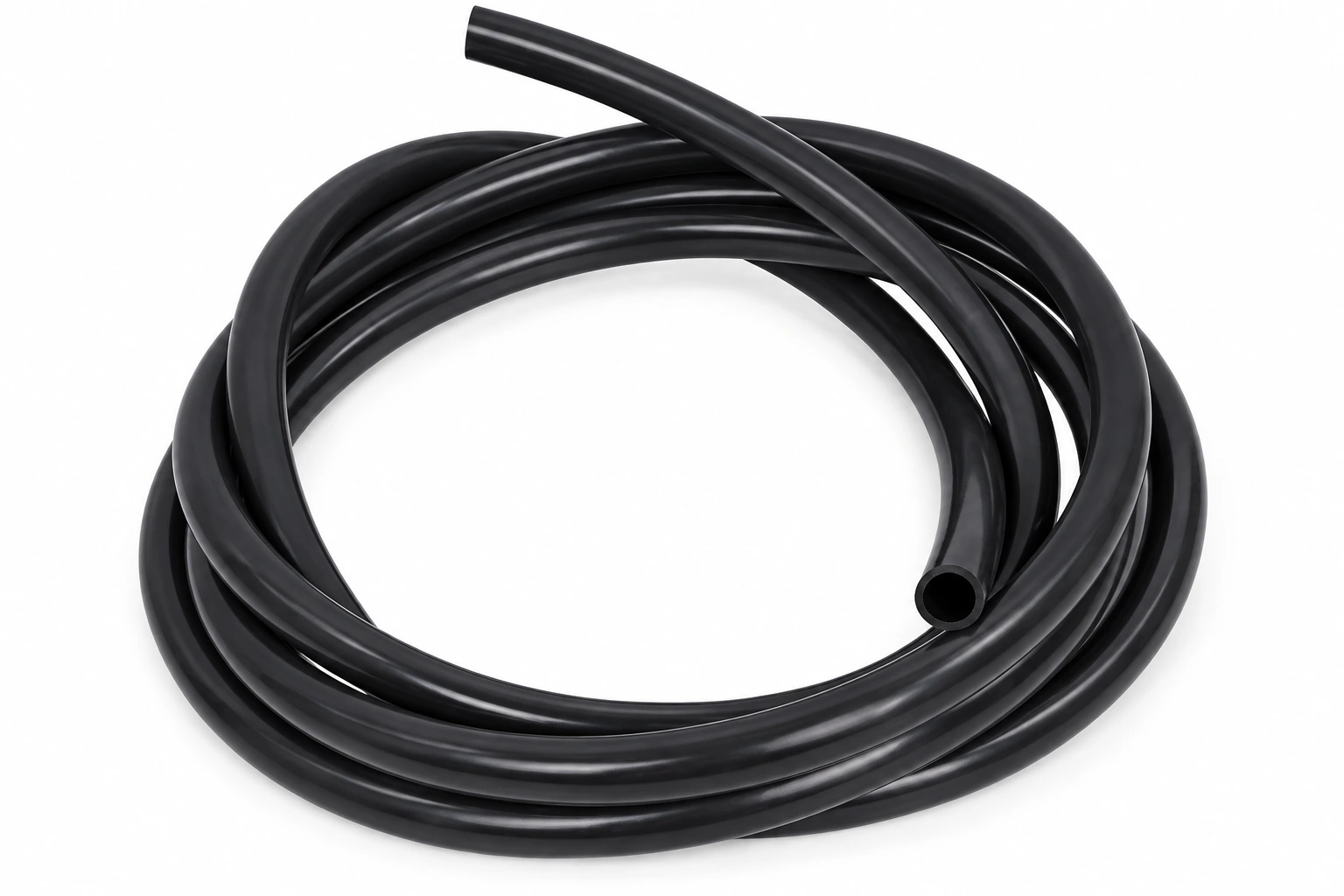
Black silicone tubing
Compare Inside Diameter and Outside Diameter in mm, together with the listed Thickness and Colour. The cross-section drawing identifies the bore and outside diameter; confirm the selected tube material and service requirements.
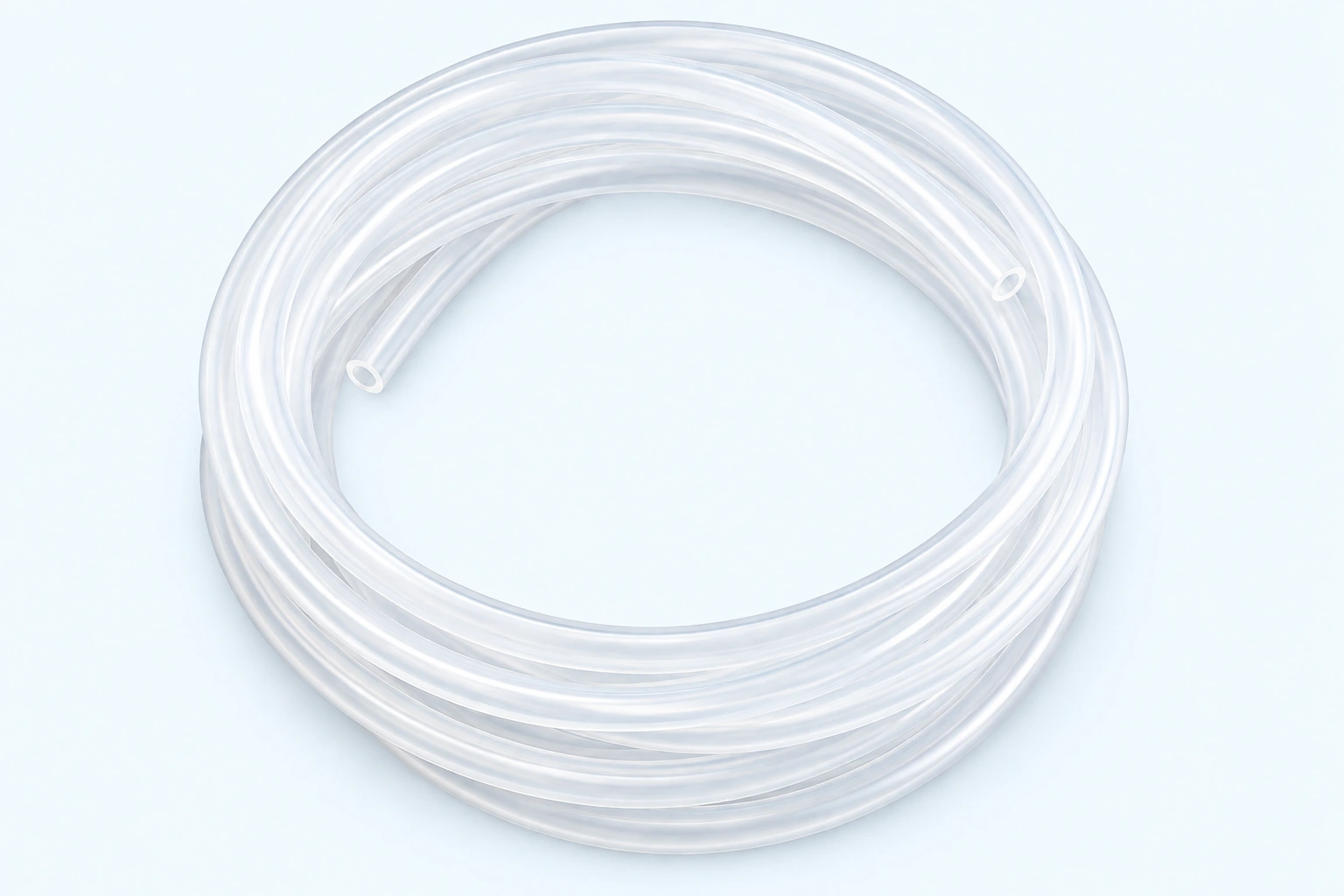
Industrial silicone tube
Compare Inside Diameter and Outside Diameter in mm, together with the listed Thickness and Colour. The cross-section drawing identifies the bore and outside diameter; confirm the selected tube material and service requirements.
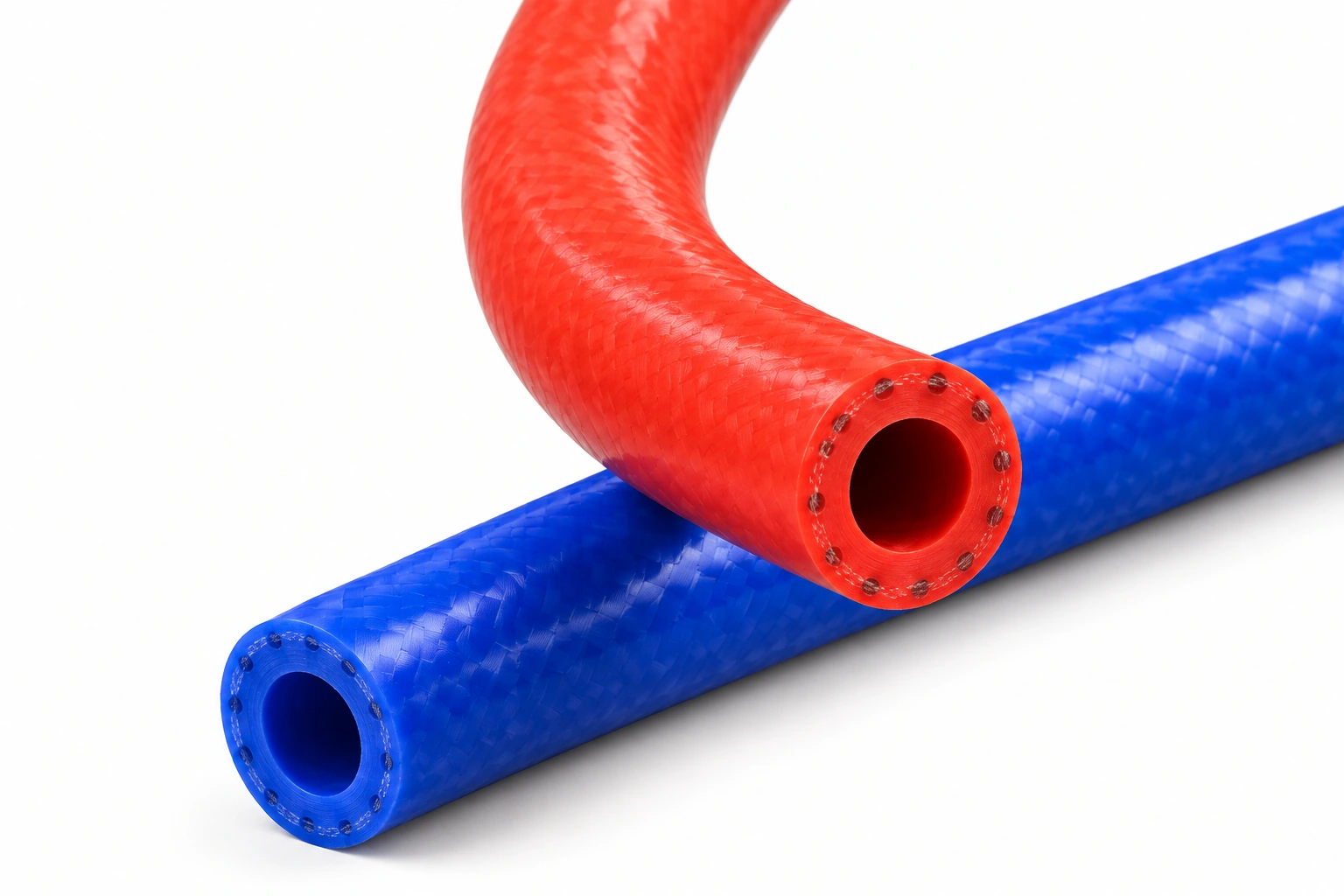
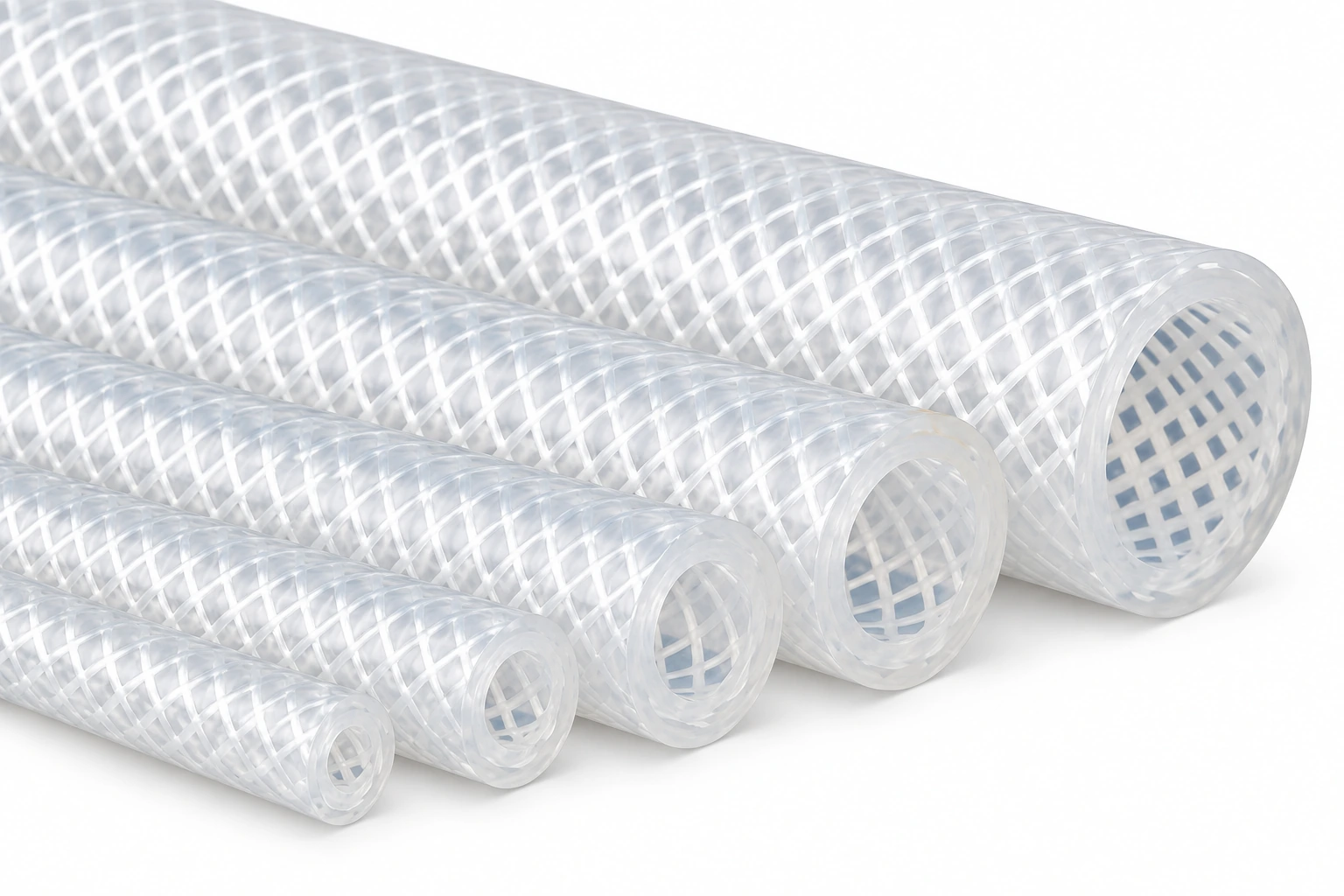
Colourful silicone braided tube
Compare Inside Diameter and Outside Diameter in mm, together with the listed Thickness and Colour. The cross-section drawing identifies the bore and outside diameter; confirm the selected tube material and service requirements.
Food grade silicone braided tube
Compare Inside Diameter and Outside Diameter in mm, together with the listed Thickness and Colour. The cross-section drawing identifies the bore and outside diameter; confirm the selected tube material and service requirements.
Need a different size? Share your drawing, mating dimensions and intended use to discuss a suitable part.
Discuss Your RequirementsProduct specifications
- Product form
- Hollow elastomer tubing for a fitted line or sleeve
- Material
- Silicone. Specify the compound grade for the selected service.
- Application focus
- Food-processing equipment, cable sleeving and vehicle hose runs. Size the part against the selected assembly.
- Dimensions to confirm
- Inside diameter, outside diameter, wall thickness and cut length. Match these to food-processing equipment and cable sleeving.
- Electrical function
- Set the required resistance range, electrode arrangement and test method for the finished geometry.
- Contact conditions
- Food ingredients and other gases: define concentration, temperature and contact time, then check compatibility with the chosen compound.
- Line layout
- Check bend radius, unsupported spans and clearance at both connections.
Need a quote or a custom part?
Send your requirements, drawings or samples to discuss standard and custom silicone rubber parts.
Email us[email protected]