
Engine isolator
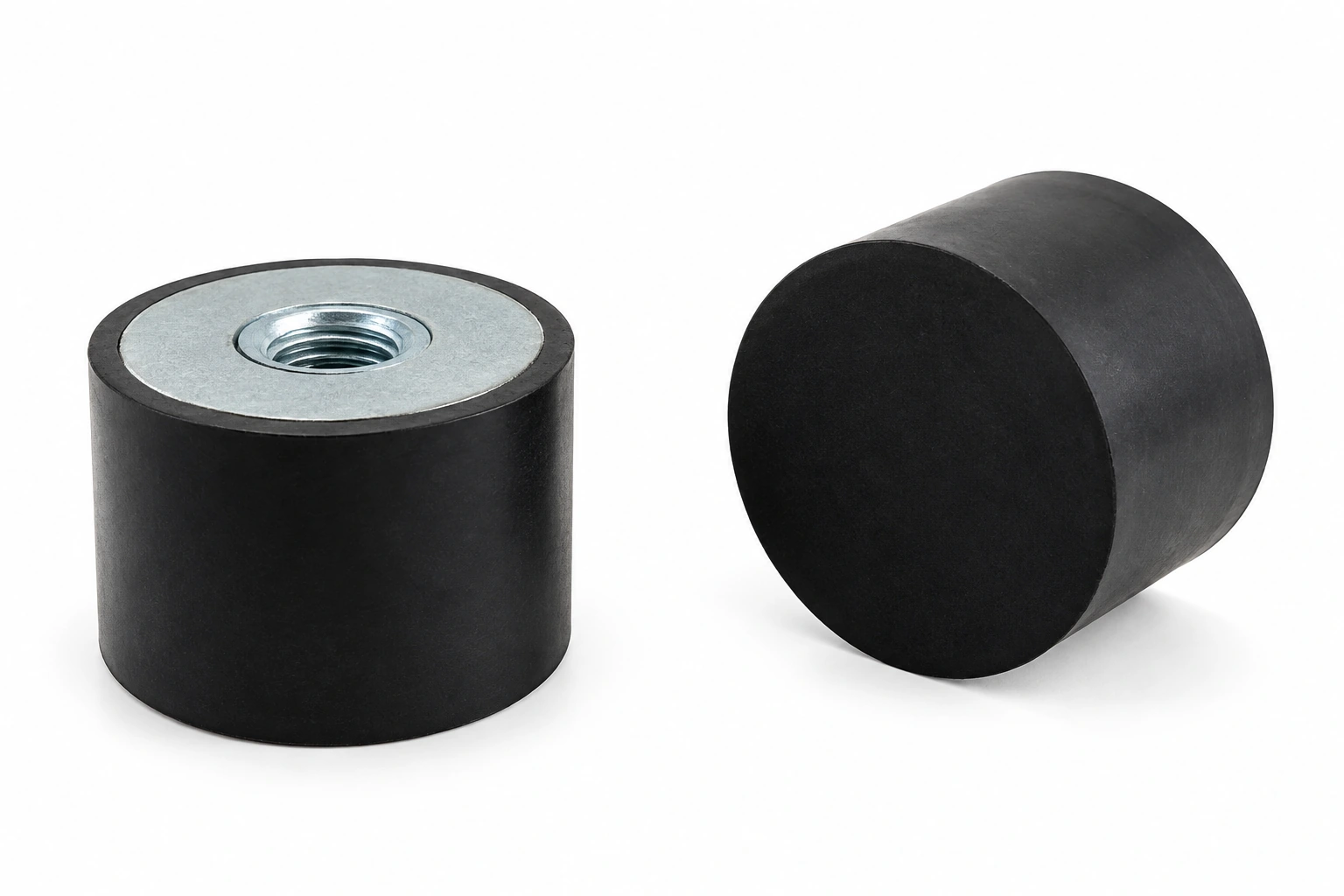
The engine isolator is an accessory that is most commonly used in the automotive industry, even though it can be installed in other devices as well. When you implement it in the motor, as the name suggests, it will isolate the vibrations and it will dampen them. By doing this, the unit will protect your motors and their vital parts.
When choosing the engine isolator there are a lot of things that you need to pay attention to. First, you need to start with the size, as it will make the biggest difference. If you choose an engine isolator that is too small or too big for the project or the device, it will not fit properly, and you may not be able to mount it correctly. You also need to be aware of the weight of the units, as it is closely connected to the size and the shape. Note if the unit is too heavy for the machine, it could cause friction that you are trying to avoid. The center of gravity needs to be properly measured so that the unit can dampen the vibrations instead of increasing them.
We can help you figure out the right properties of the engine isolator so that you don’t have any issues mounting it, or using it for its main purpose. Remember that you should have an idea of the type of dynamic disturbances that you are trying to isolate, and depending on what you want to gain, you will need to choose the proper model of the engine isolator. The shape of the unit will play a huge role in this, and you should only use an accessory that is with the specific shape and design.
These accessories are most commonly made of rubber, and they can withstand extreme conditions and pressure. By choosing the right model, you will ensure the safety and longevity of the motor.
Vibration Mount Size Catalog
Compare five mounting arrangements using the matching drawing, thread and dimensional data. Load and compression columns retain their stated units; confirm operating conditions for your installation.
Vibration Damping Mounts A
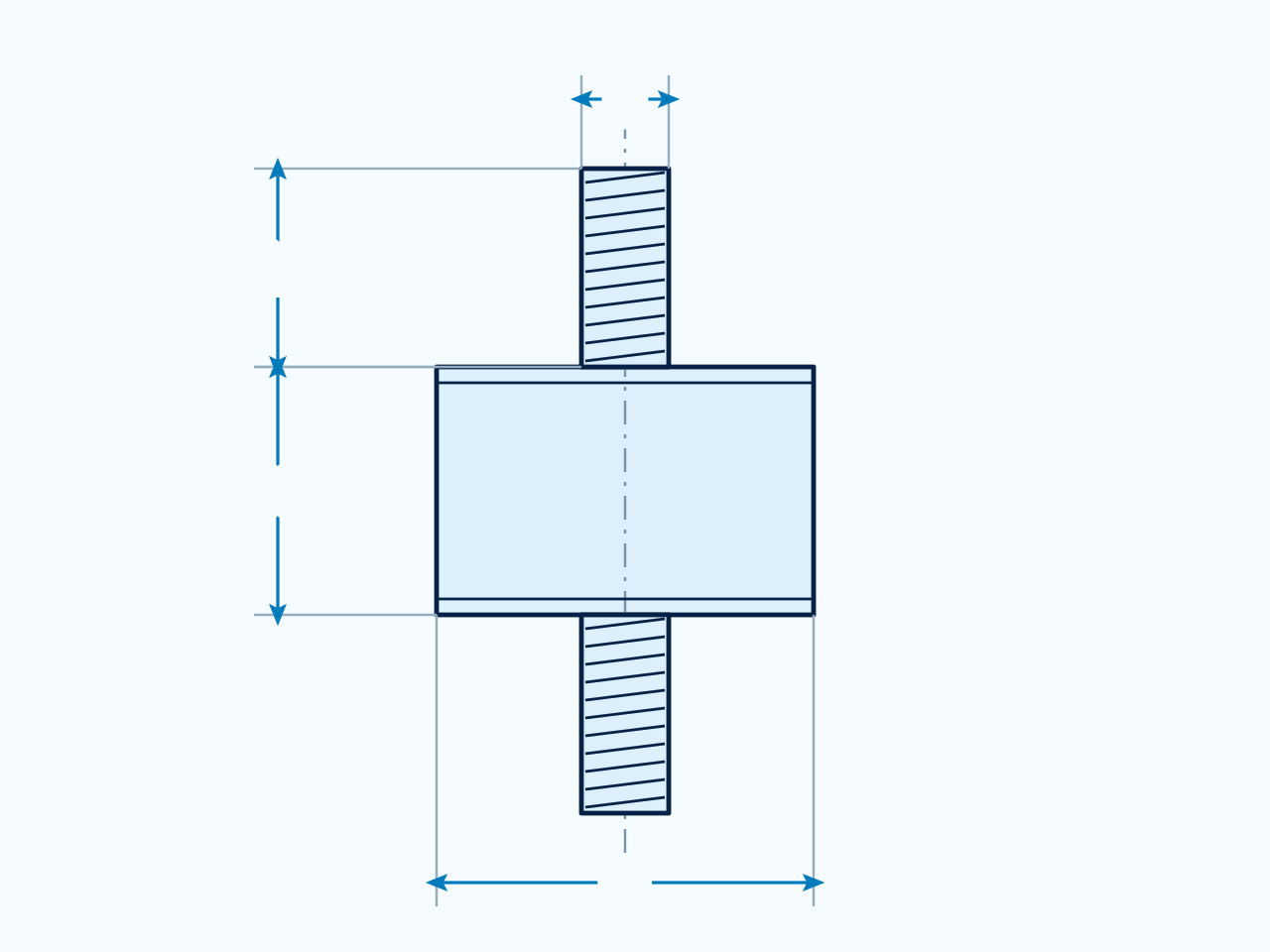
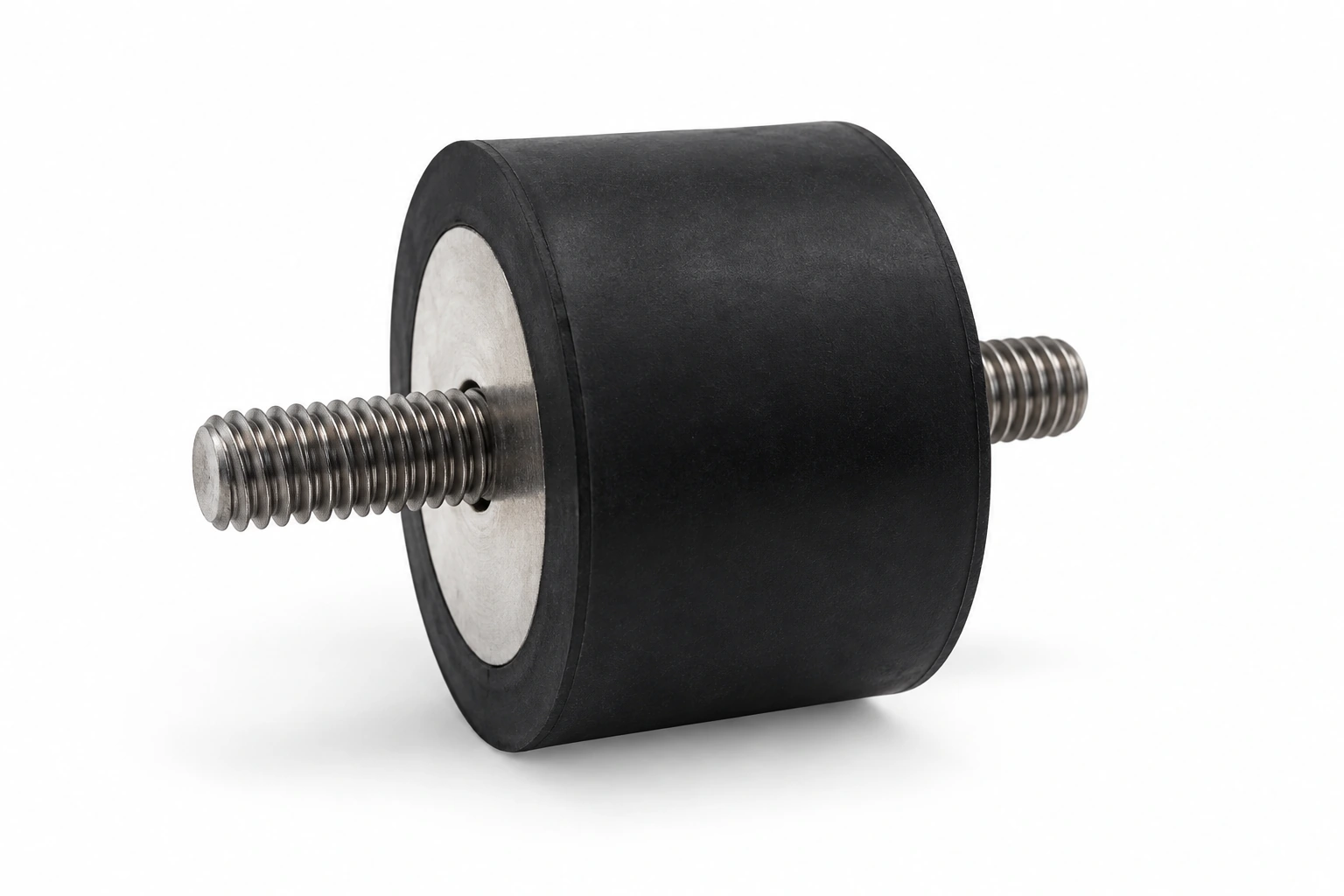
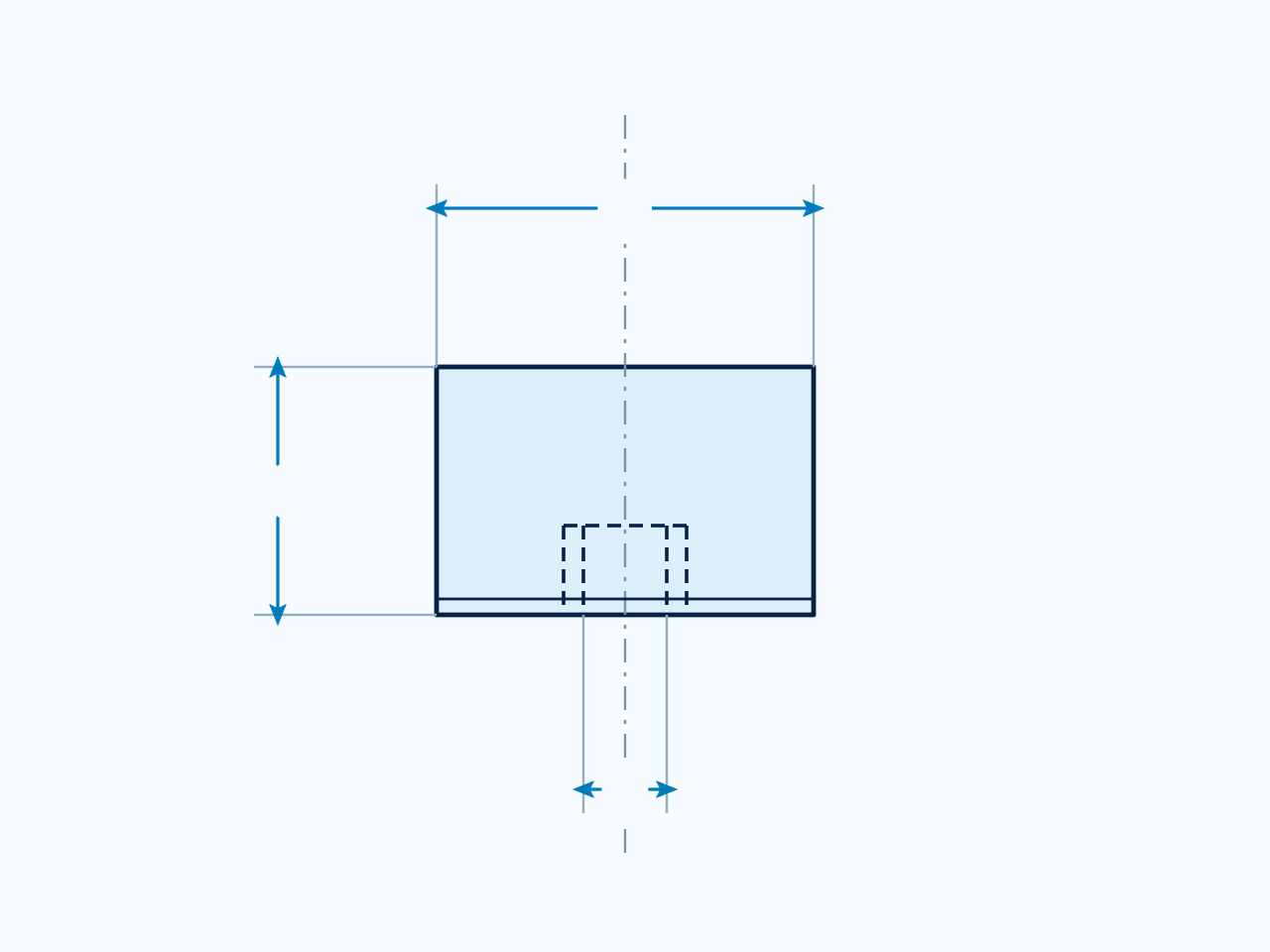
Match D, H and thread d to the drawing, including stud length L. Dimensions are in mm; thread designations, load in kg and compression in mm follow the table headings. Confirm load direction and operating conditions for your installation.
Anti-Vibration Rubber Mounts B
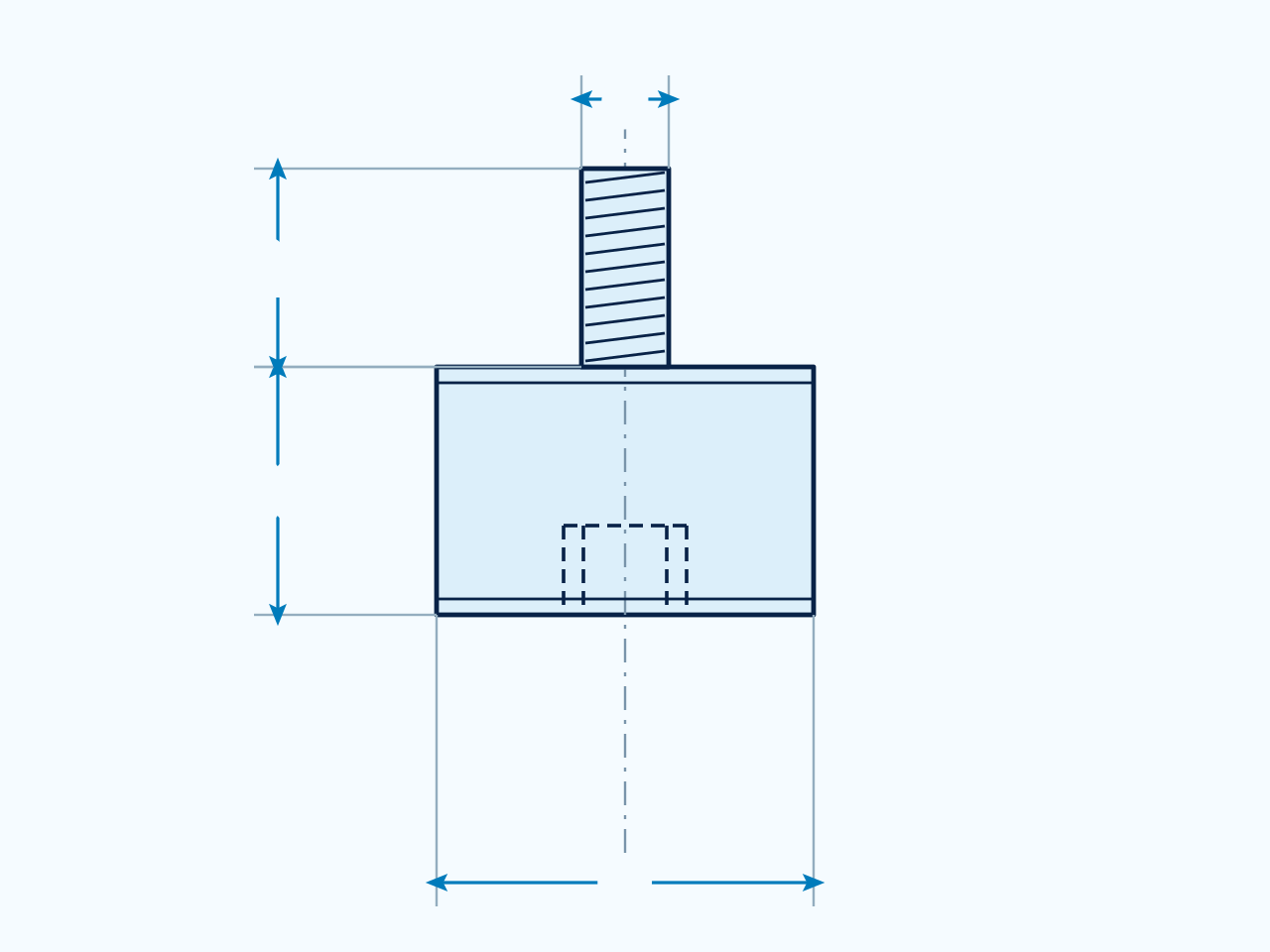
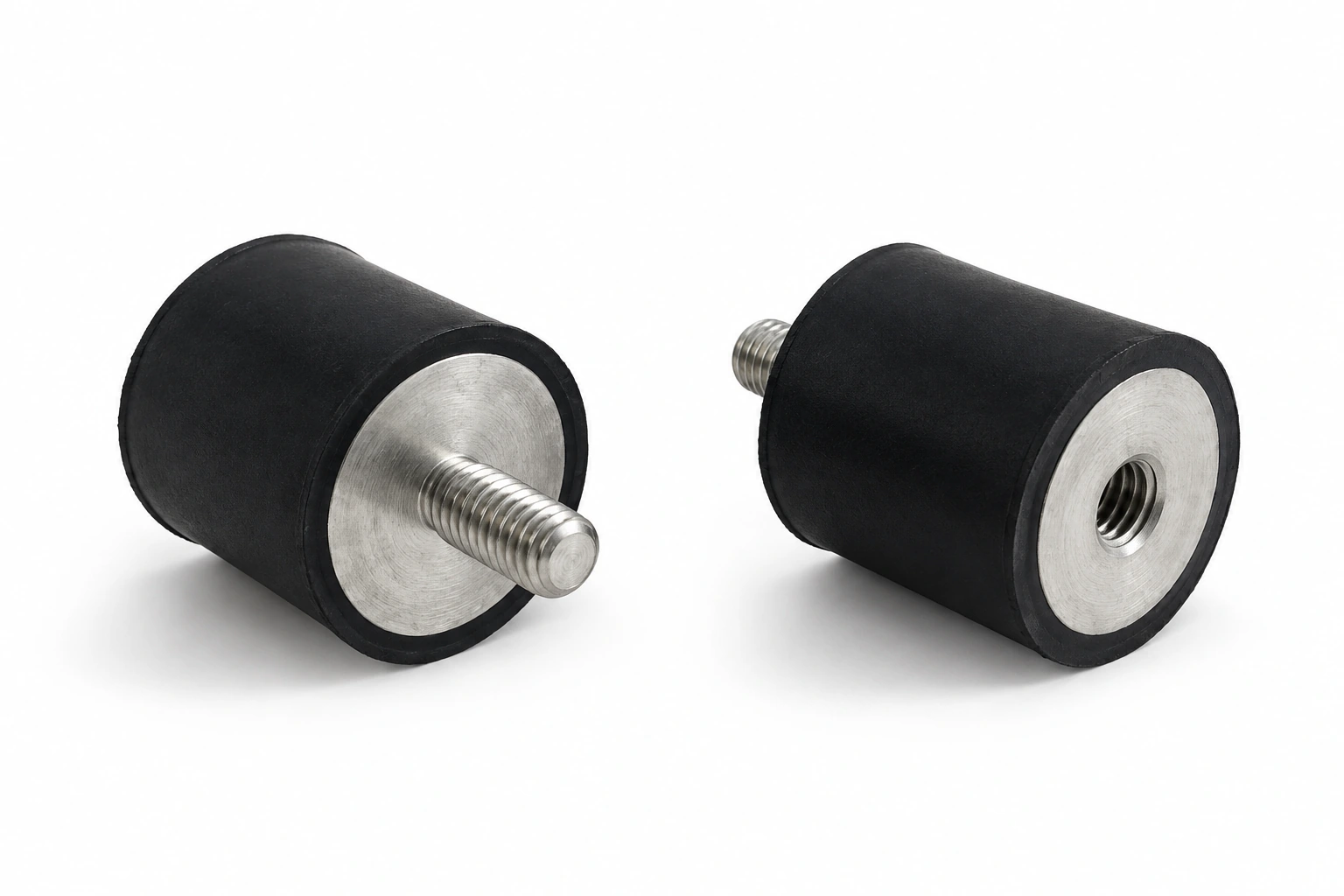
Match D, H and thread d to the drawing, including stud length L. Dimensions are in mm; thread designations, load in kg and compression in mm follow the table headings. Confirm load direction and operating conditions for your installation.
Vibration Isolators C
Match D, H and thread d to the drawing. Dimensions are in mm; thread designations, load in kg and compression in mm follow the table headings. Confirm load direction and operating conditions for your installation.
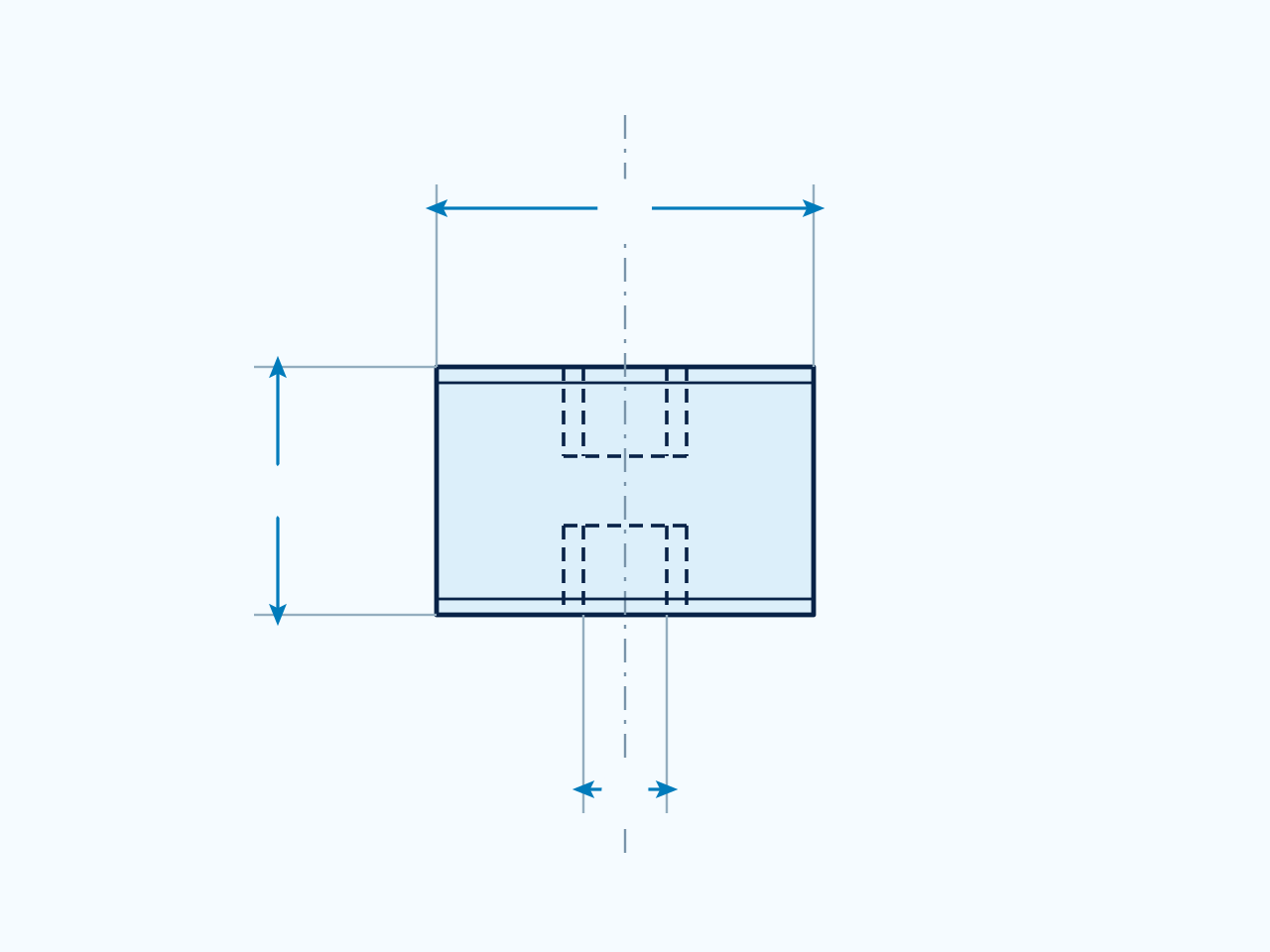
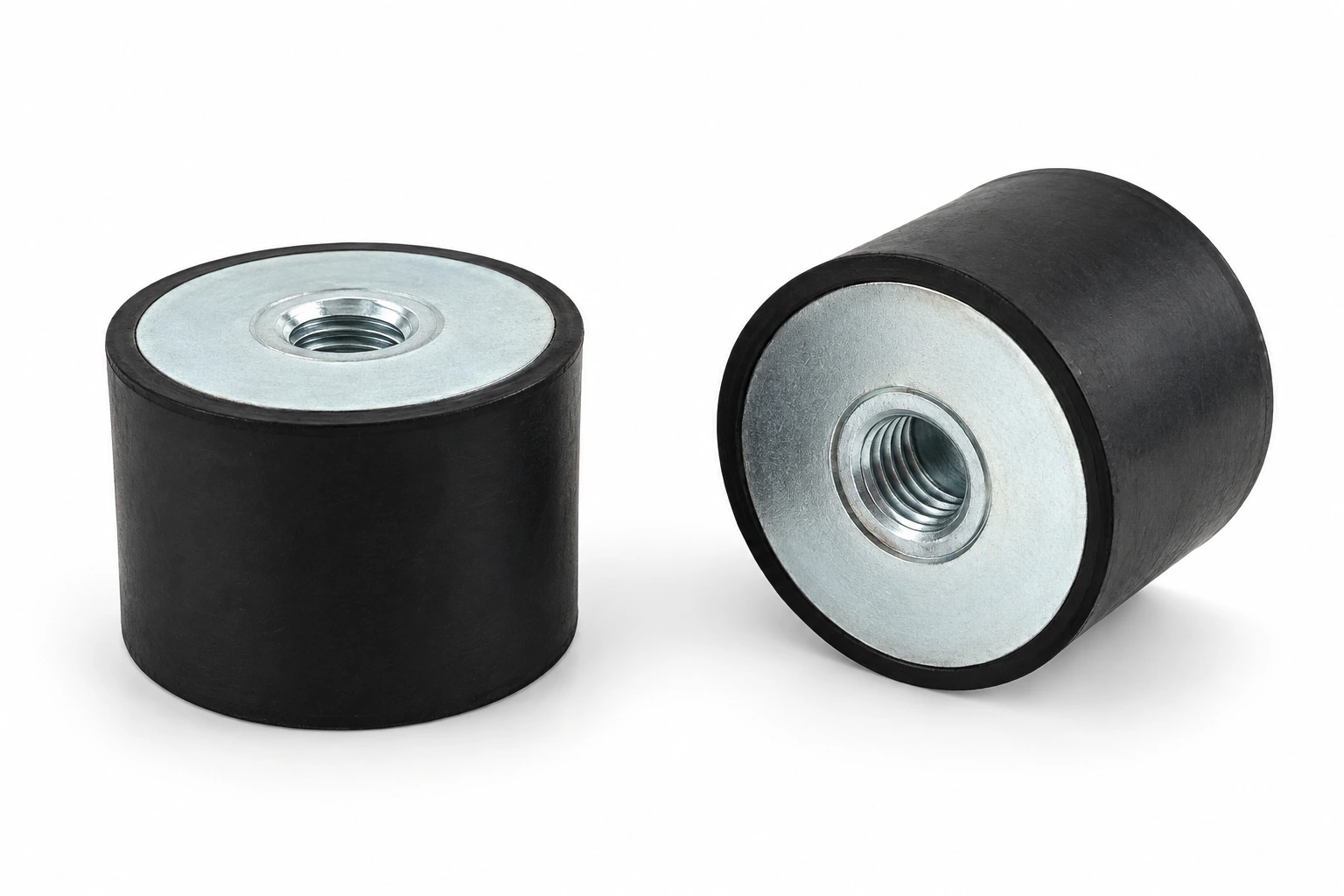
Rubber Mountings D
Match D, H and thread d to the drawing, including stud length L. Dimensions are in mm; thread designations, load in kg and compression in mm follow the table headings. Confirm load direction and operating conditions for your installation.
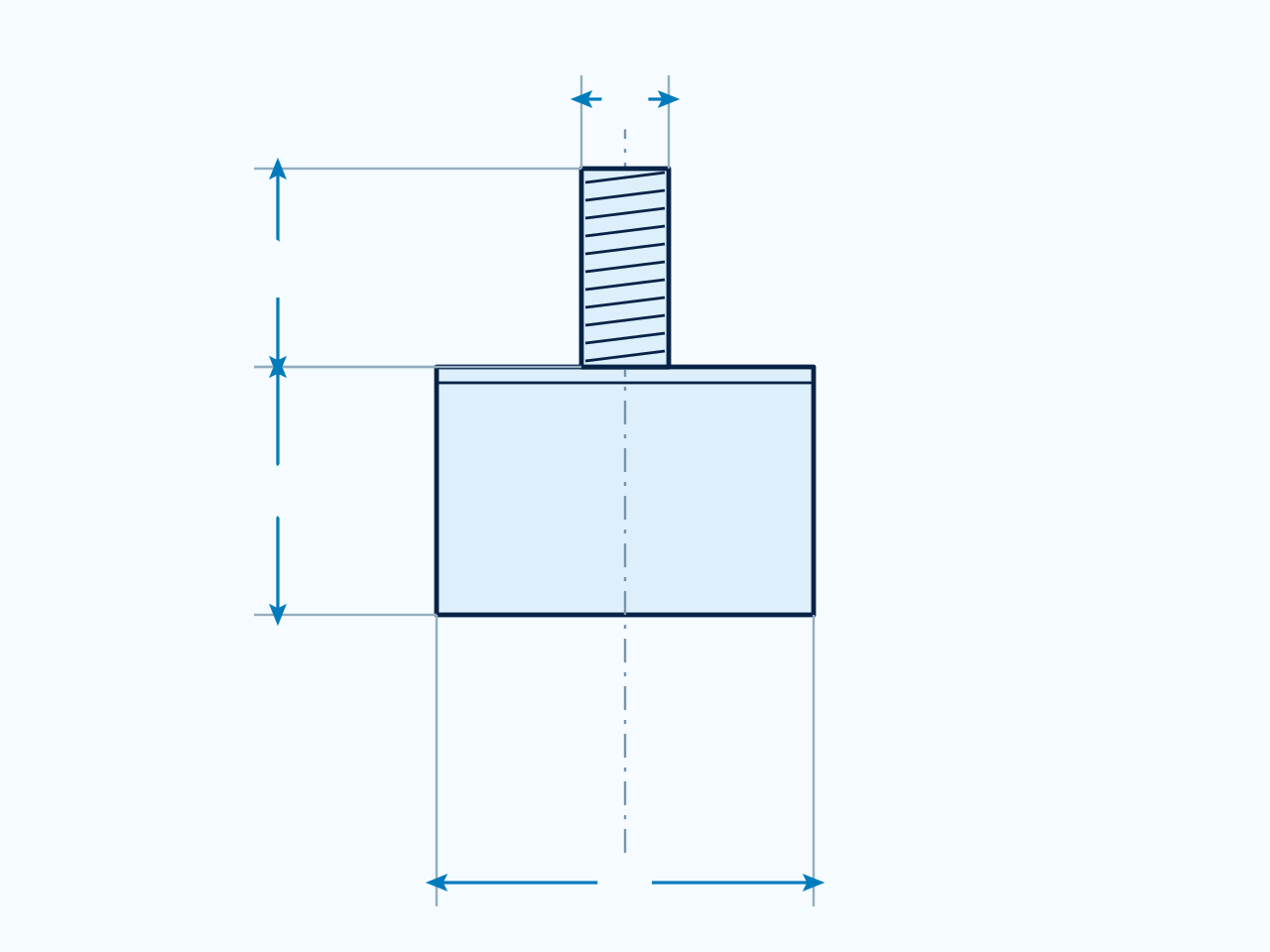
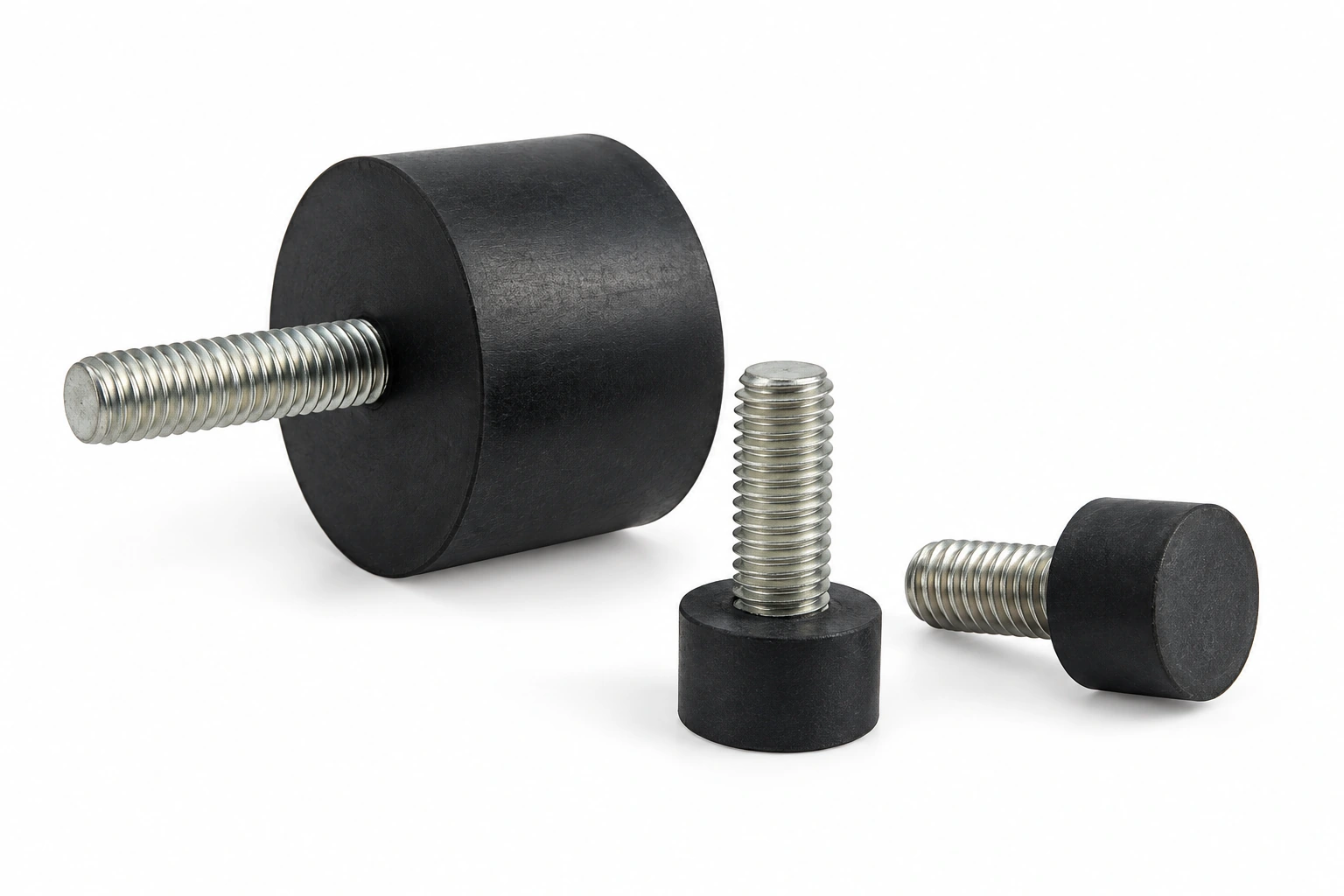
Rubber Vibration Mounts E
Match D, H and thread d to the drawing. Dimensions are in mm; thread designations, load in kg and compression in mm follow the table headings. Confirm load direction and operating conditions for your installation.
Need a different size? Share your drawing, mating dimensions and intended use to discuss a suitable part.
Discuss Your RequirementsProduct specifications
- Product form
- Elastomer mount between a vibrating assembly and its support
- Application focus
- Engines and electric motors. Size the part against the selected assembly.
- Dimensions to confirm
- Free and loaded heights, attachment spacing and body envelope. Match these to engines and electric motors.
- Isolation objectives
- Steady vibration. Define a measurable acceptance target on the supported assembly.
- Dynamic selection
- Use the load per mount, excitation frequency and allowed movement to select the mount.
Need a quote or a custom part?
Send your requirements, drawings or samples to discuss standard and custom silicone rubber parts.
Email us[email protected]