
Erlenmeyer Silicone Stopper
Erlenmeyer silicone stopper is used to close and seal an Erlenmeyer. An Erlenmeyer flask, also known as titration or conical flask, is a type of flask most commonly used in laboratories, chemical industry facilities, or medical research facilities. The name’s quite a mouthful, but it is named after a Greman scientist who created it, so there’s not much you can do about it. The Erlenmeyer flask is flat at the bottom, and it has a conical body and a cylindrical neck. This shape and design allow scientists and lab technicians to safely mix, stir, heat up, cool down, filter, incubate, and do all other kinds of things to liquids and chemicals inside of the flask. Due to the flask’s unique shape and our Erlenmeyer silicone stopper that perfectly adheres to glass, the liquids will remain inside of the flask at all times – regardless of what you do with it.
The reason why we use silicone to manufacture an Erlenmeyer silicone stopper is that silicone is inarguably the best material for the job. As we have already said, Erlenmeyer is used in laboratories to store liquids. Those liquids are usually chemicals of some kind, which makes silicone’s low chemical reactivity perfect for the job. It pretty much does not matter what kind of reaction happens inside of the flask – the silicone won’t react with it, meaning it won’t contaminate the liquid or tamper with results.
Silicone is also very thermally stable, meaning it will easily handle both low and high temperatures – although not equally. Erlenmeyer silicone stopper will be able to handle temperatures as high as 270-300 degrees Celsius, but it will “only” be able to handle temperatures as low as negative 70 degrees Celsius. Silicone is also not thermally conductive, which means you will be able to safely remove the stopper after you heat up the contents inside of the flask.
Stopper & Plug Size Catalog
Compare four stopper profiles and check the selected part dimensions against your opening and available depth. Each profile has its own drawing and dimension meanings.
Custom colors are available to your Pantone color code. Include the code in your inquiry.
RST T-Shaped Plugs
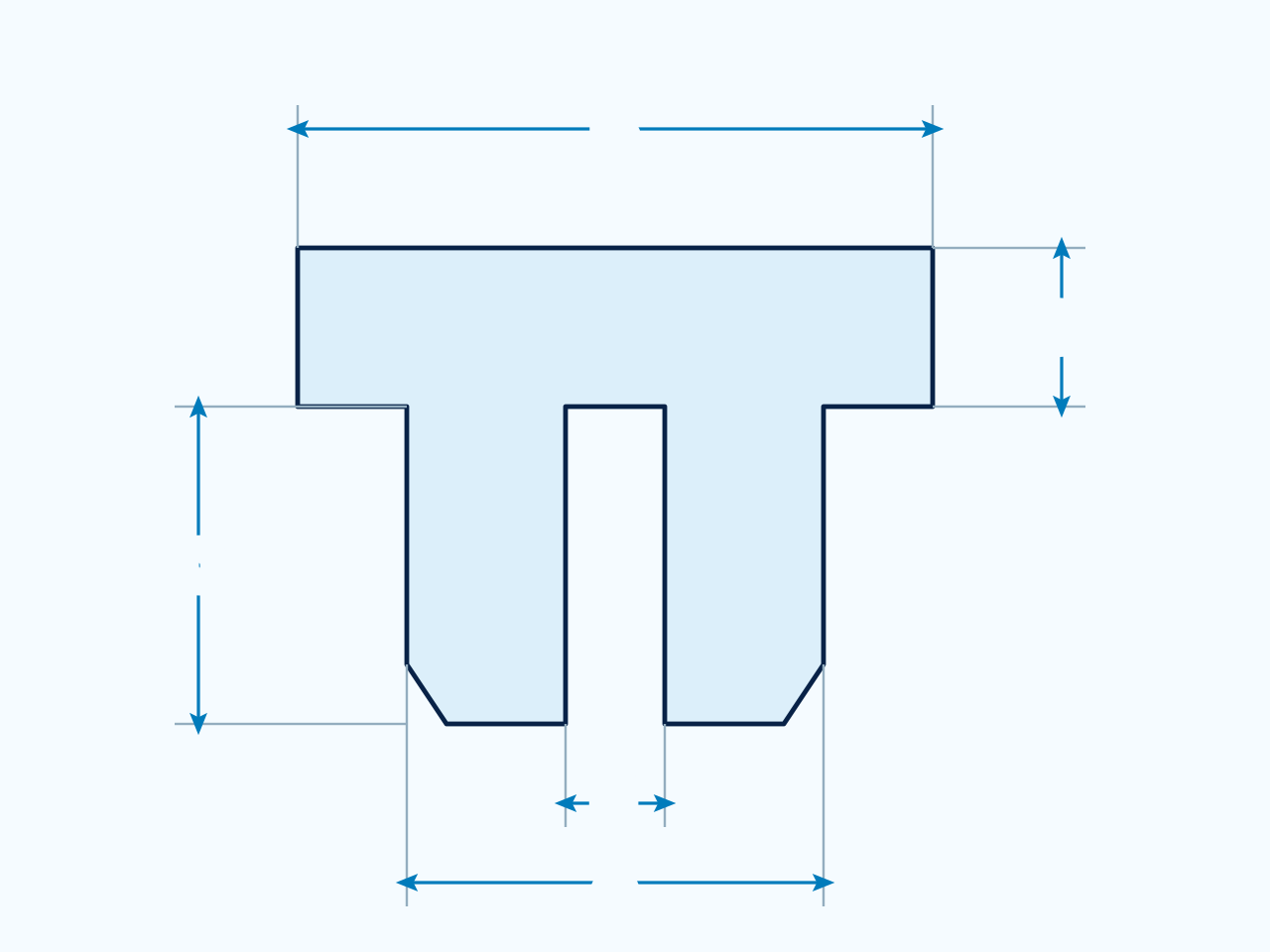
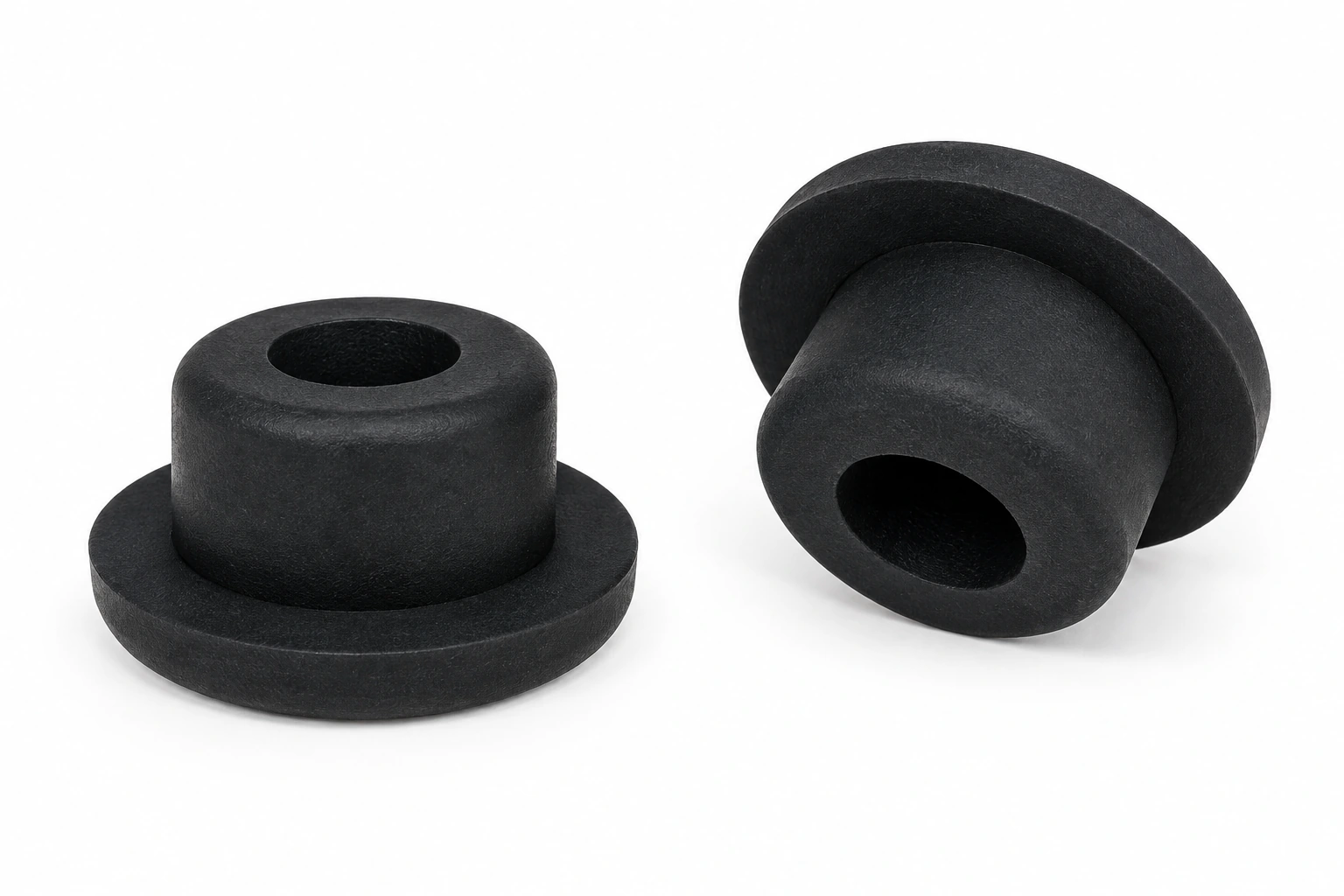
Match stem diameter A, flange diameter B, stem length C and flange thickness D. E refers to the underside recess; use the selected row and approved drawing to confirm the actual profile.
RSA Tapered Corks
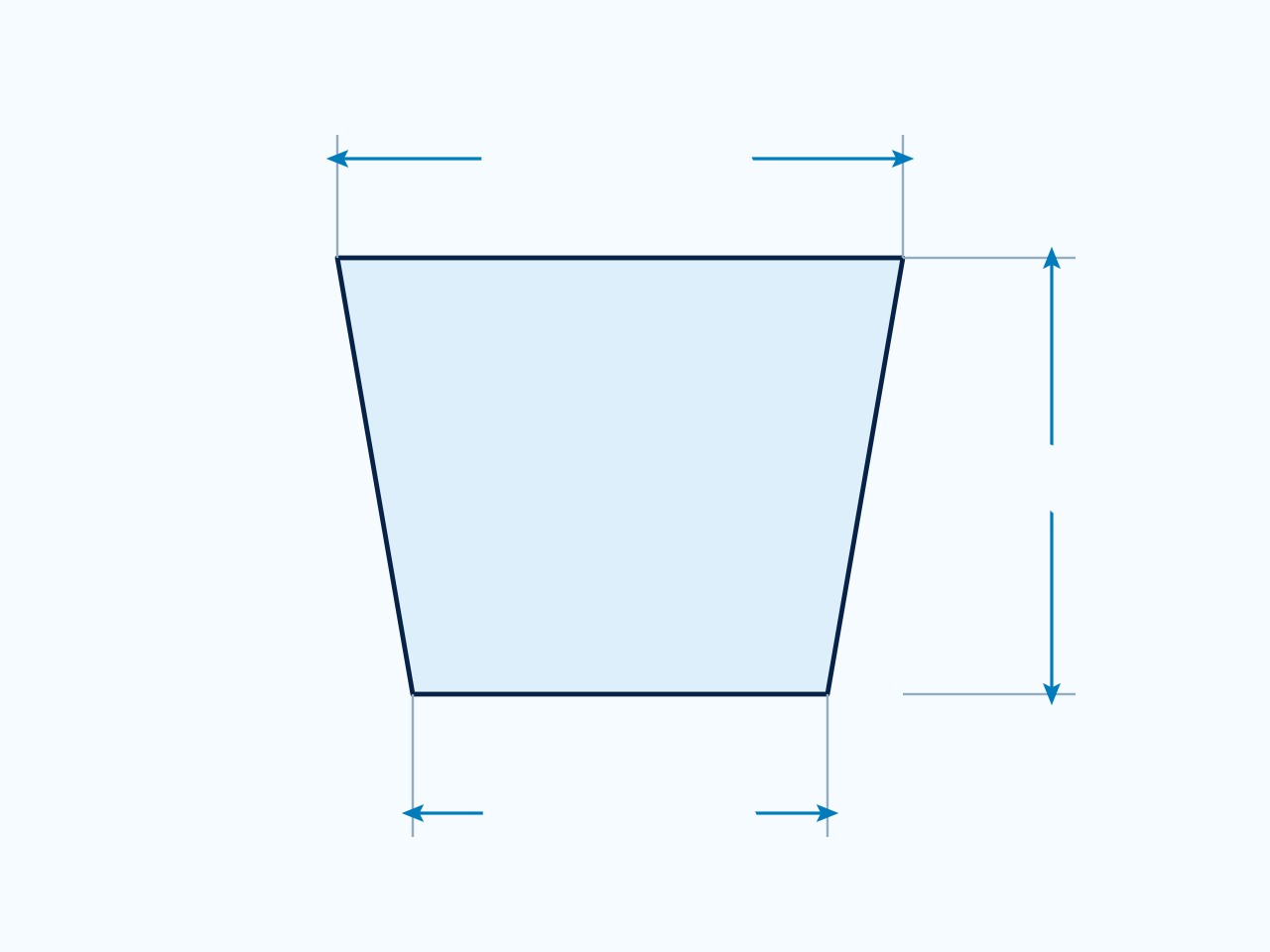
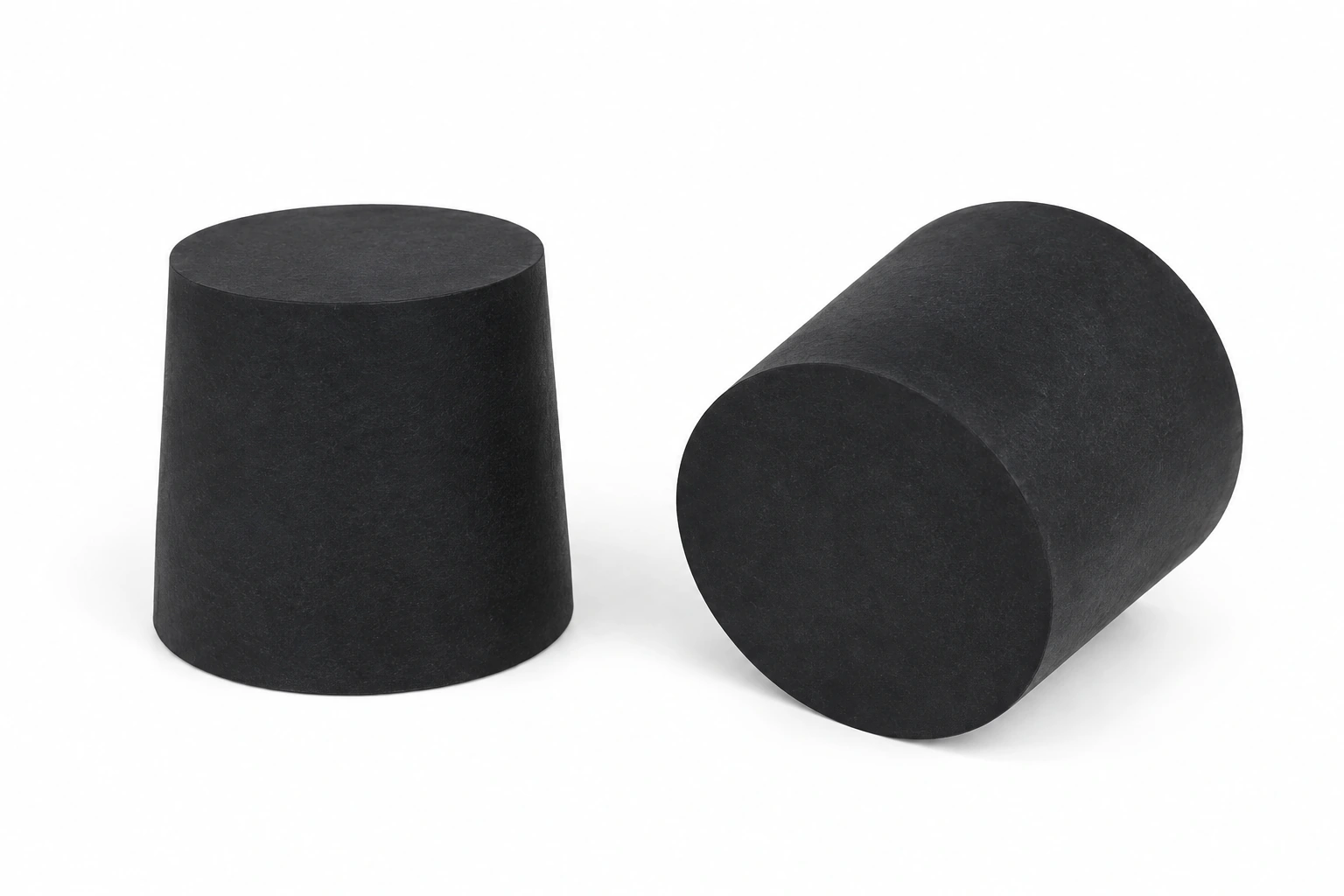
Compare large-end diameter A, small-end diameter B and Height, in mm. The mating bore and required seating depth determine where the taper contacts the opening.
RSB Undercut Plugs
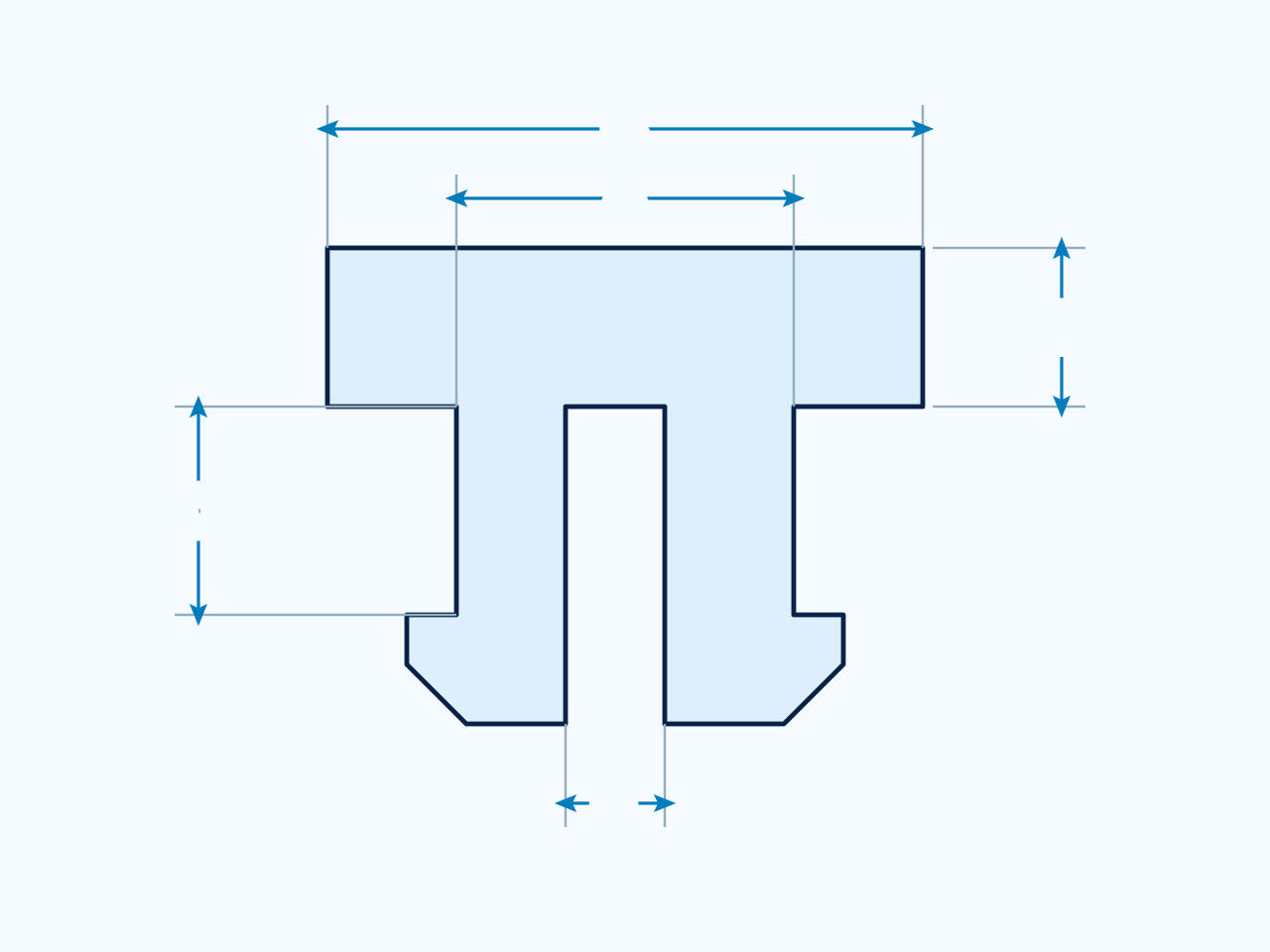
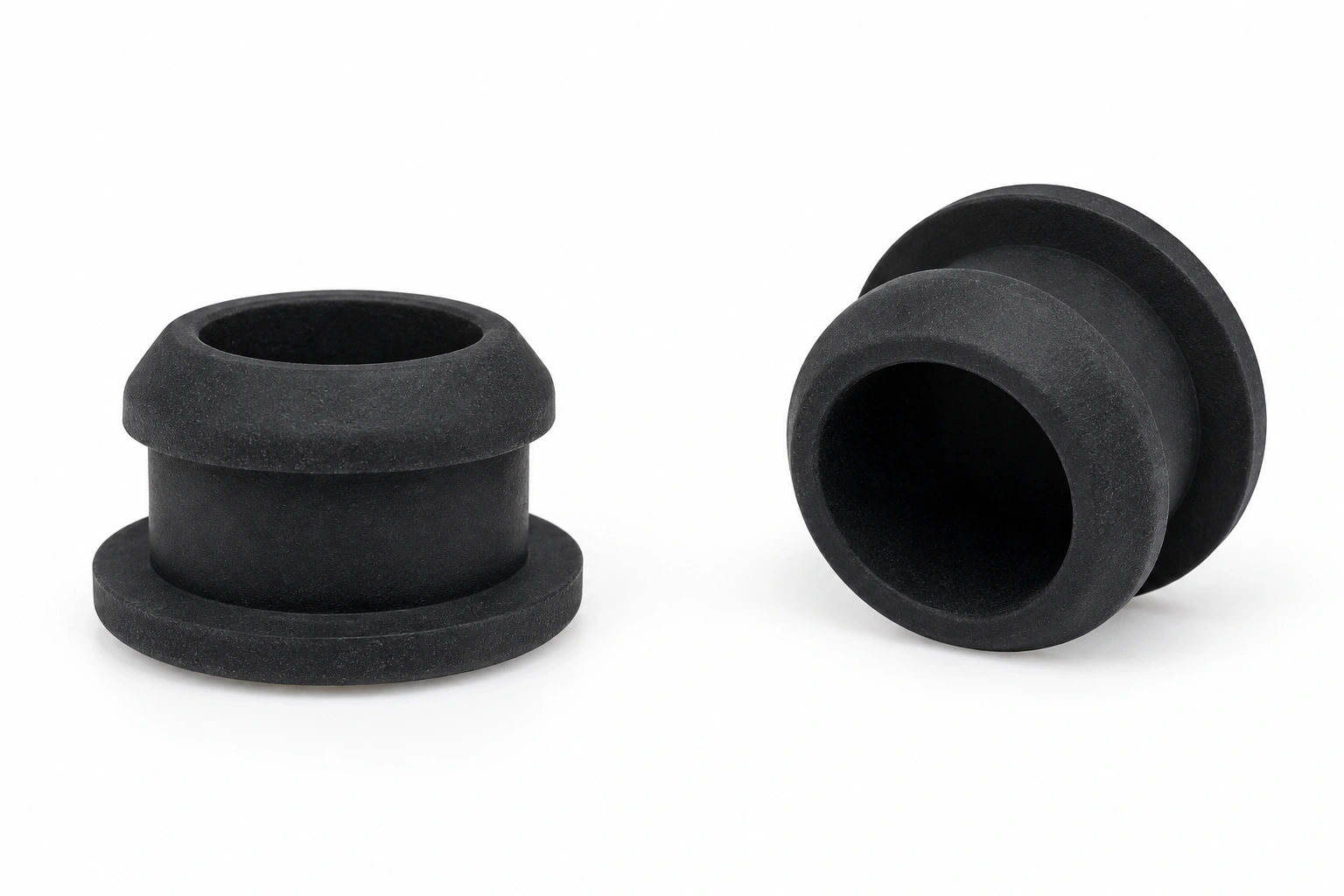
Compare neck diameter A, flange diameter B, flange-to-lip distance C and flange thickness D. Check panel thickness and rear clearance. E refers to the underside recess.
RSD T-Shaped Stoppers
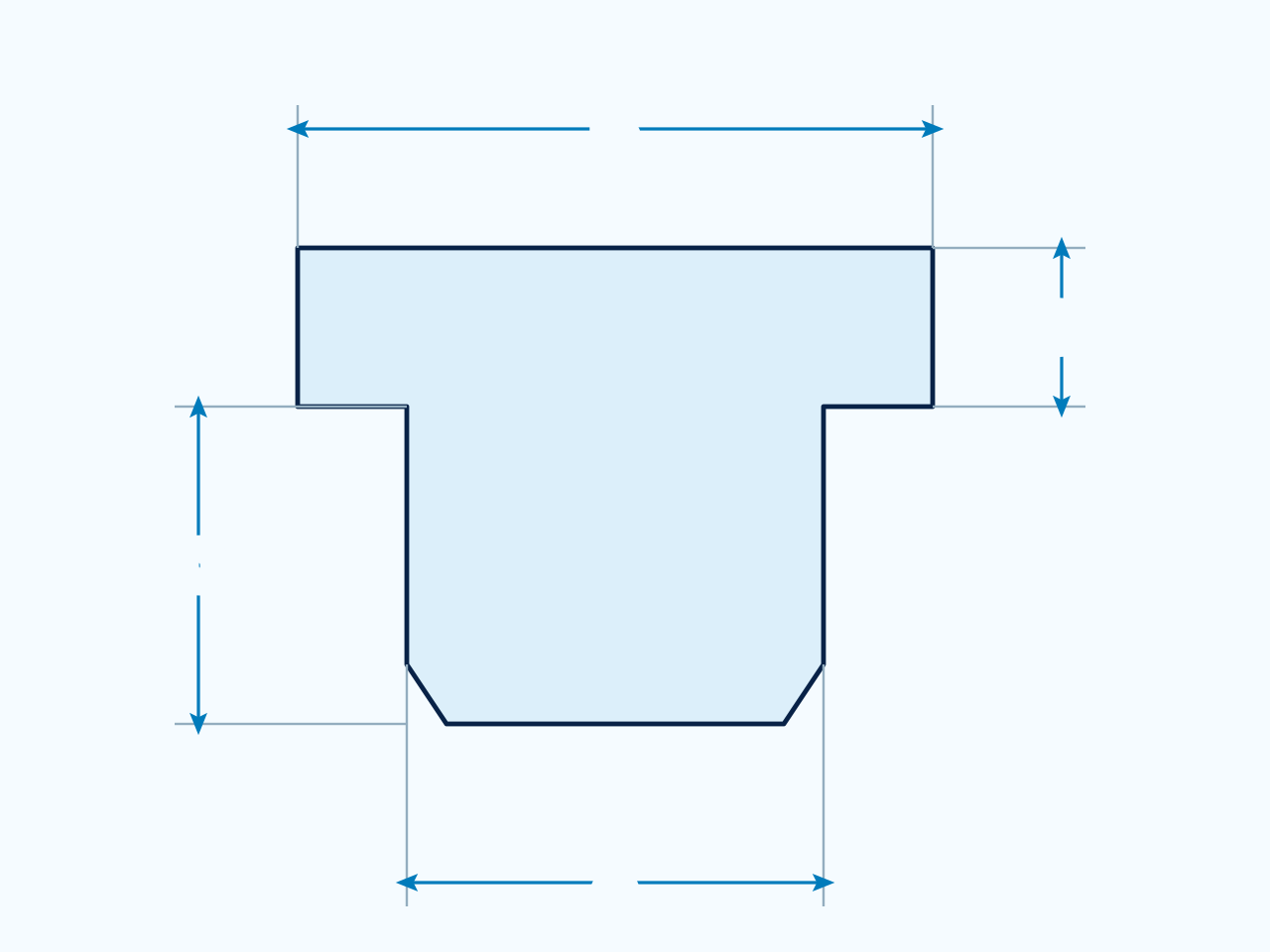
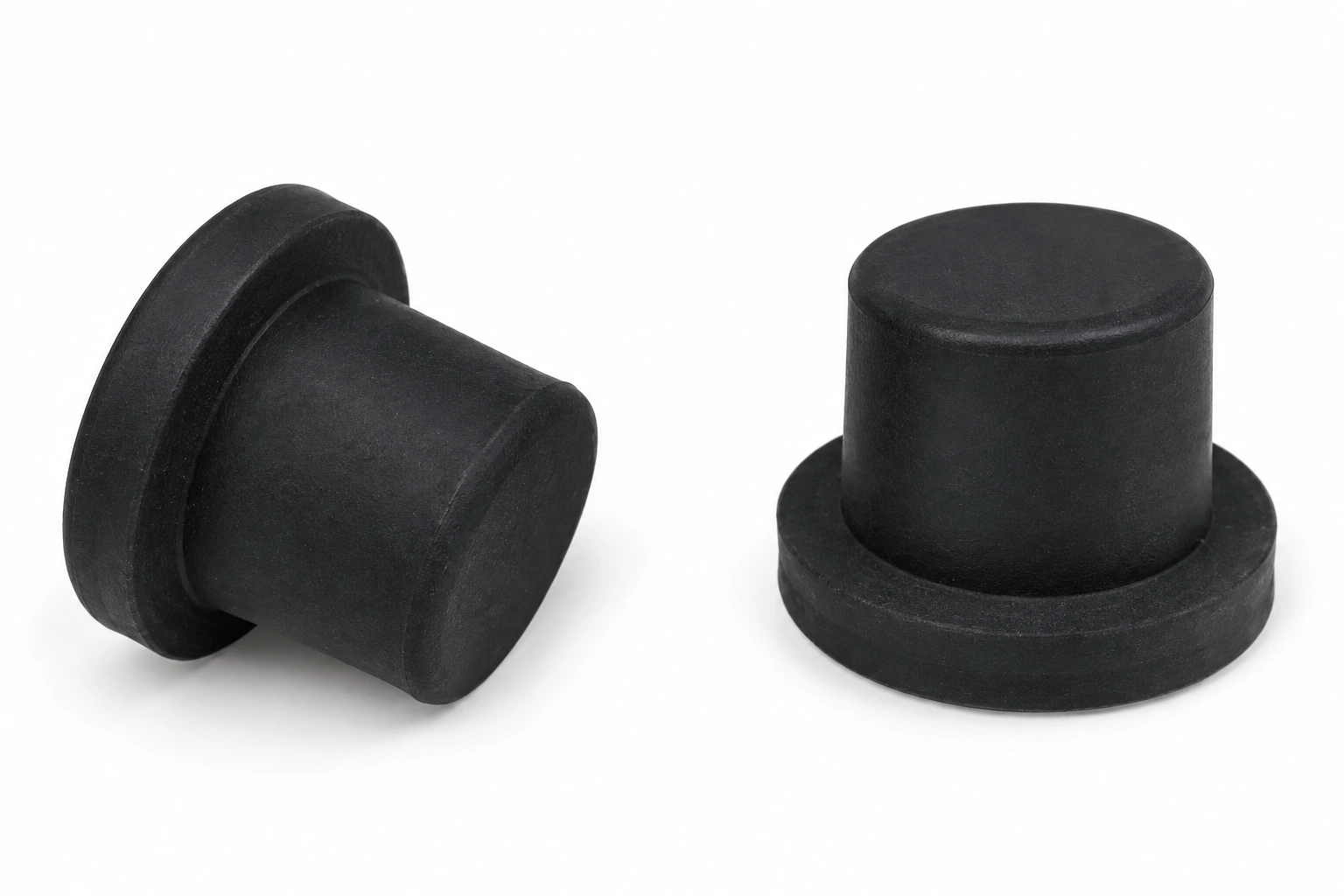
Compare stem diameter A, flange diameter B, stem length C and head thickness D, in mm. Check the seating surface and available depth as well as the hole diameter.
Need a different fit? Share the opening dimensions, mating profile and intended use for a custom size.
Discuss Your RequirementsProduct specifications
- Product form
- Removable closure fitted inside an opening
- Material
- Silicone. Specify the compound grade for the selected service.
- Application focus
- Erlenmeyer flasks, laboratory flasks and laboratory vessels. Size the part against the selected assembly.
- Dimensions to confirm
- Opening diameter, closure profile, insertion depth and exposed grip. Match these to Erlenmeyer flasks and laboratory flasks.
- Profiles discussed
- Tapered sections and cylindrical sections. Select the profile that matches the mating part and dimension that section explicitly.
- Seating check
- Check the sealing contact around the opening and the force needed for insertion and removal.
Need a quote or a custom part?
Send your requirements, drawings or samples to discuss standard and custom silicone rubber parts.
Email us[email protected]