
Female threaded rubber bumpers
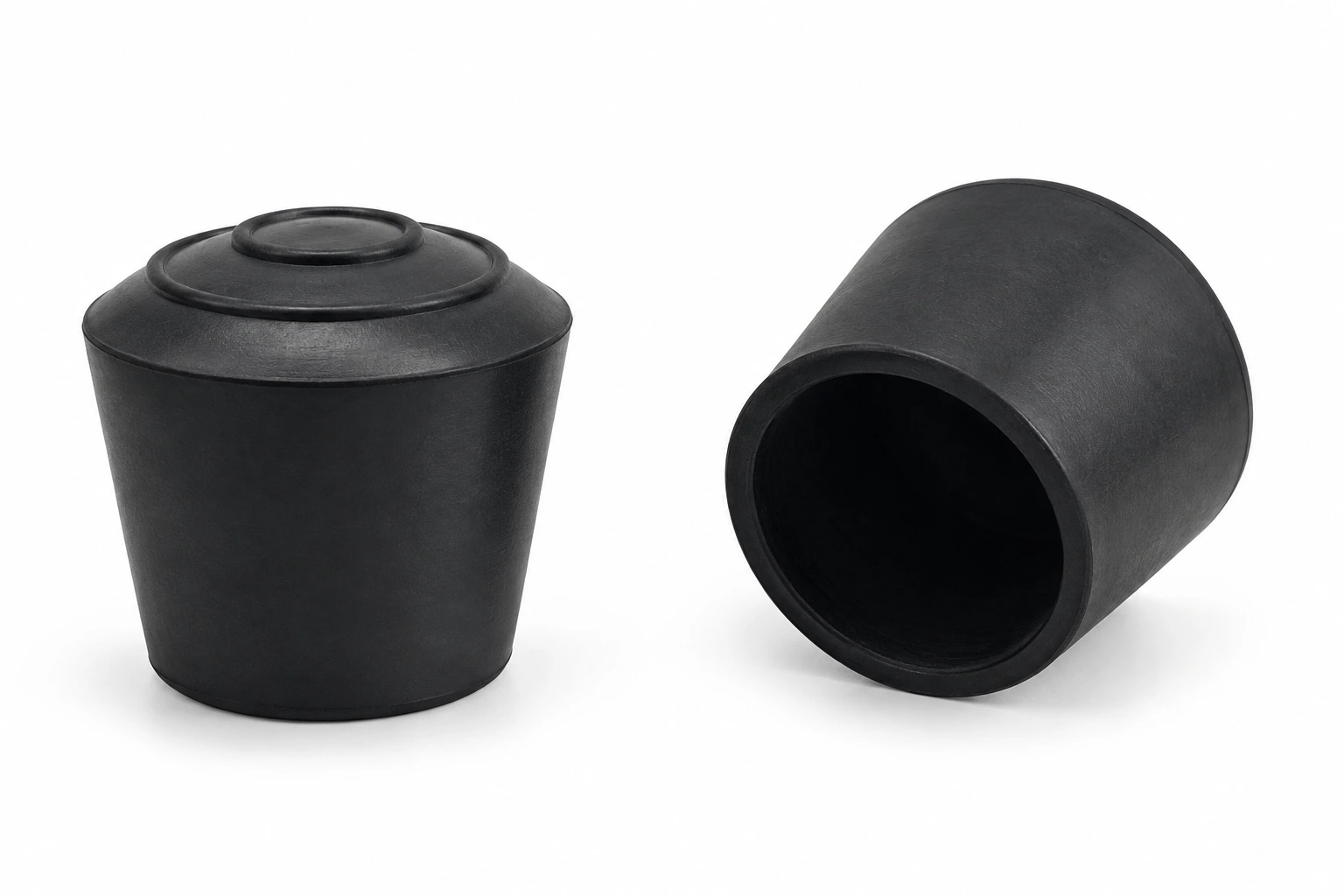
What are the features of the female threaded rubber bumpers? This is probably one of the questions you have, besides their application, so we are going to provide you with an answer. The very first property of these, and some people might say the most important one is their durability. Since they are made of rubber, they can withstand all sorts of factors. We are talking about natural wear and tear, abrasions, as well as high and low temperatures, and even chemicals. Obviously, these features mainly depend on the type of rubber you choose, so make sure to consider the application before putting in your order.
For example, if you need to install the female threaded rubber bumpers somewhere where they will be in direct contact with oils or extremely high temperatures, natural rubber is not the right choice. In this case, you should go with Buna-N. Why? Well, this type has a high resistance to gasoline, oil, and petroleum. In addition, it can withstand temperatures up to 300癋. Similarly, if you need something that possesses a flame-resistant feature, our advice is to go with Neoprene rubber bumpers. However, Neoprene isn’t very flexible, so you should order bumpers made of natural rubber in this case. The main advantage of these is that they are very flexible. Due to this, you can install them pretty much anywhere.
Nevertheless, this doesn’t mean they don’t come in several sizes. If you want to learn more about your options, you should check our website and explore our offer. Finally, the one thing all of these have in common is low maintenance. They will last you for a long time, and all you have to do is check them occasionally to make sure there are no scratches or abrasions. If you notice these, you should order a new set to replace them, but considering that they are very easy to install, this also won’t be a problem.
Rubber Feet & Bumper Size Catalog
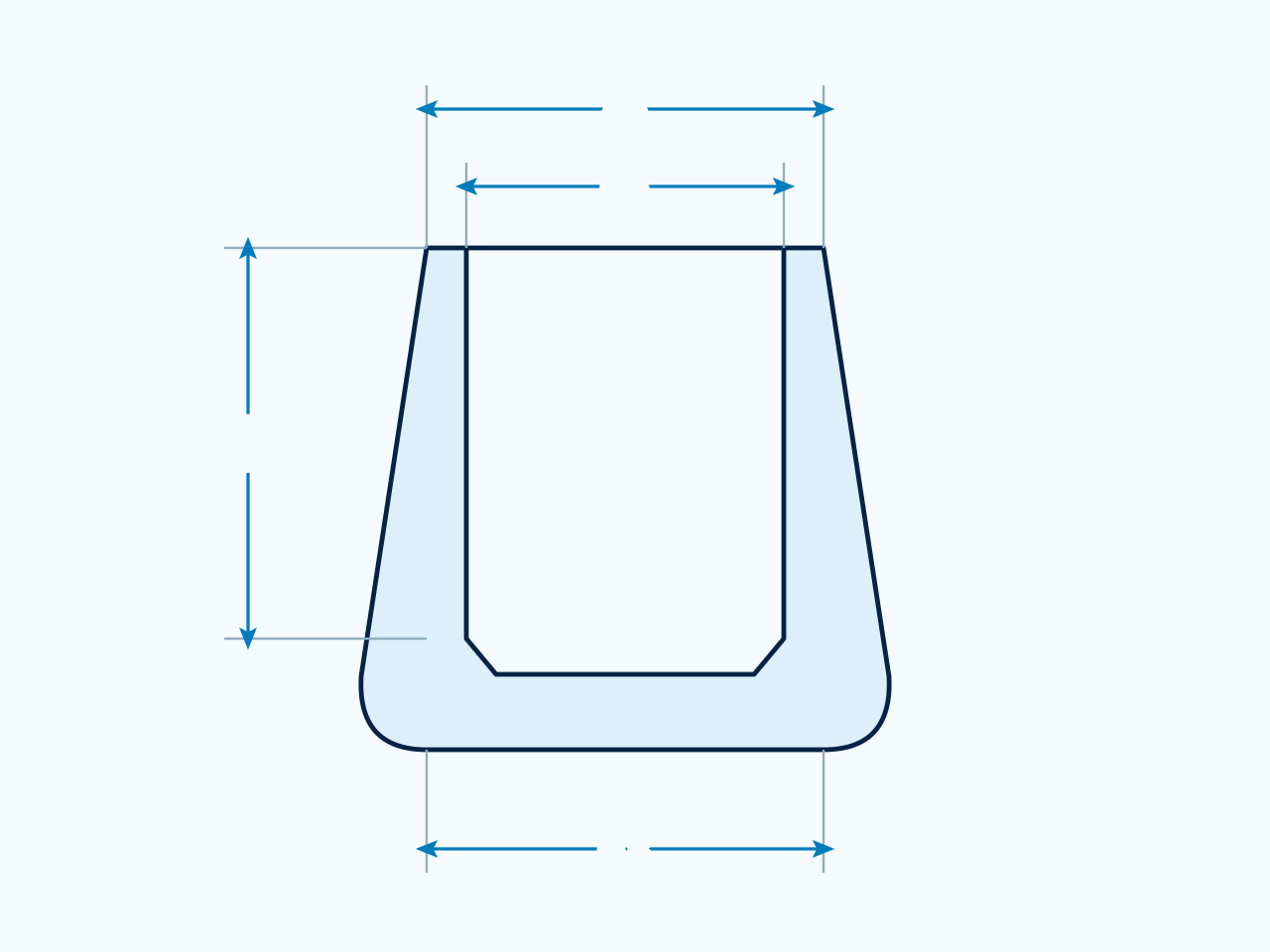
Compare mounting style, overall size and recess dimensions. Each profile uses its own drawing and column meanings.
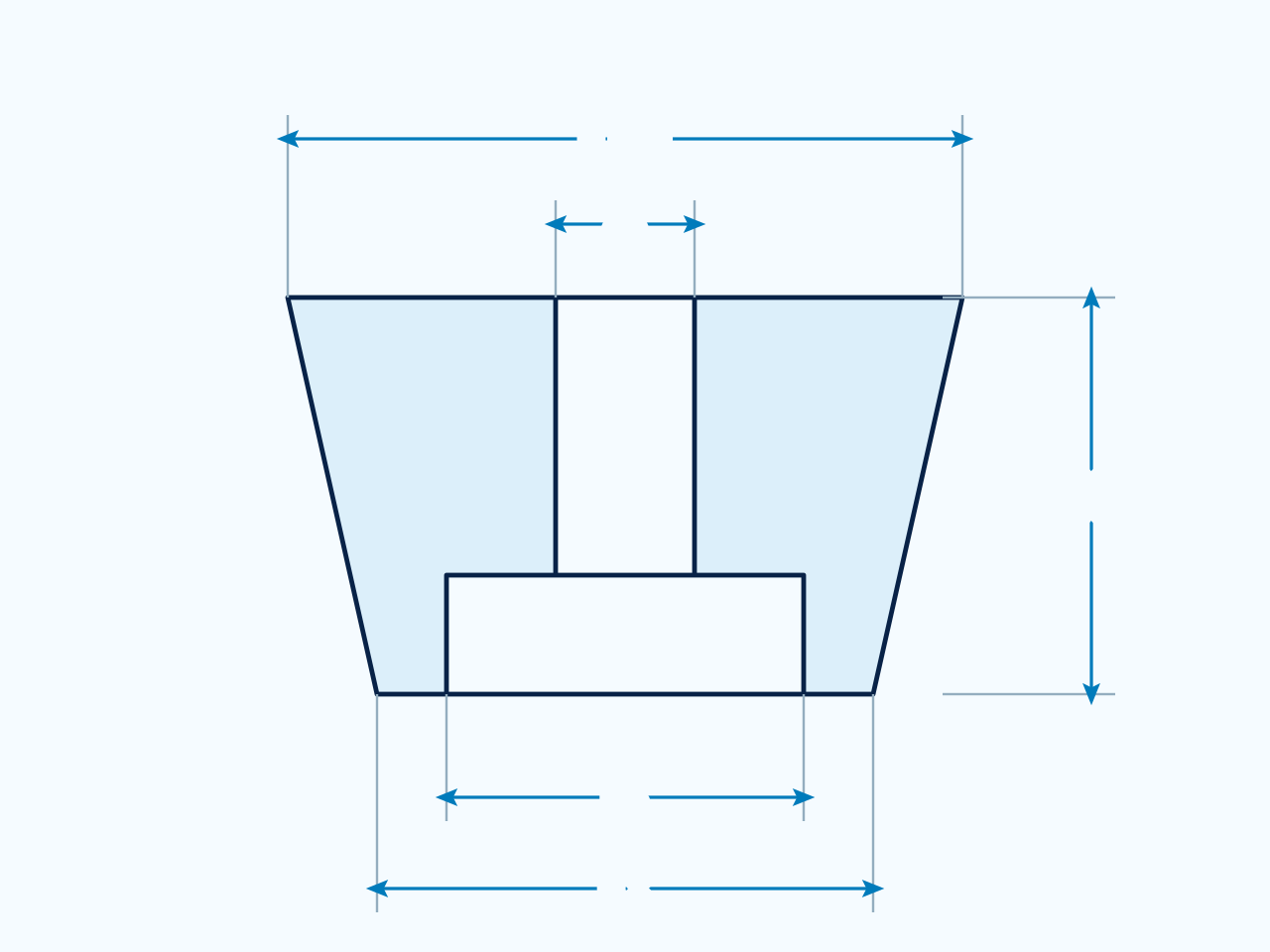
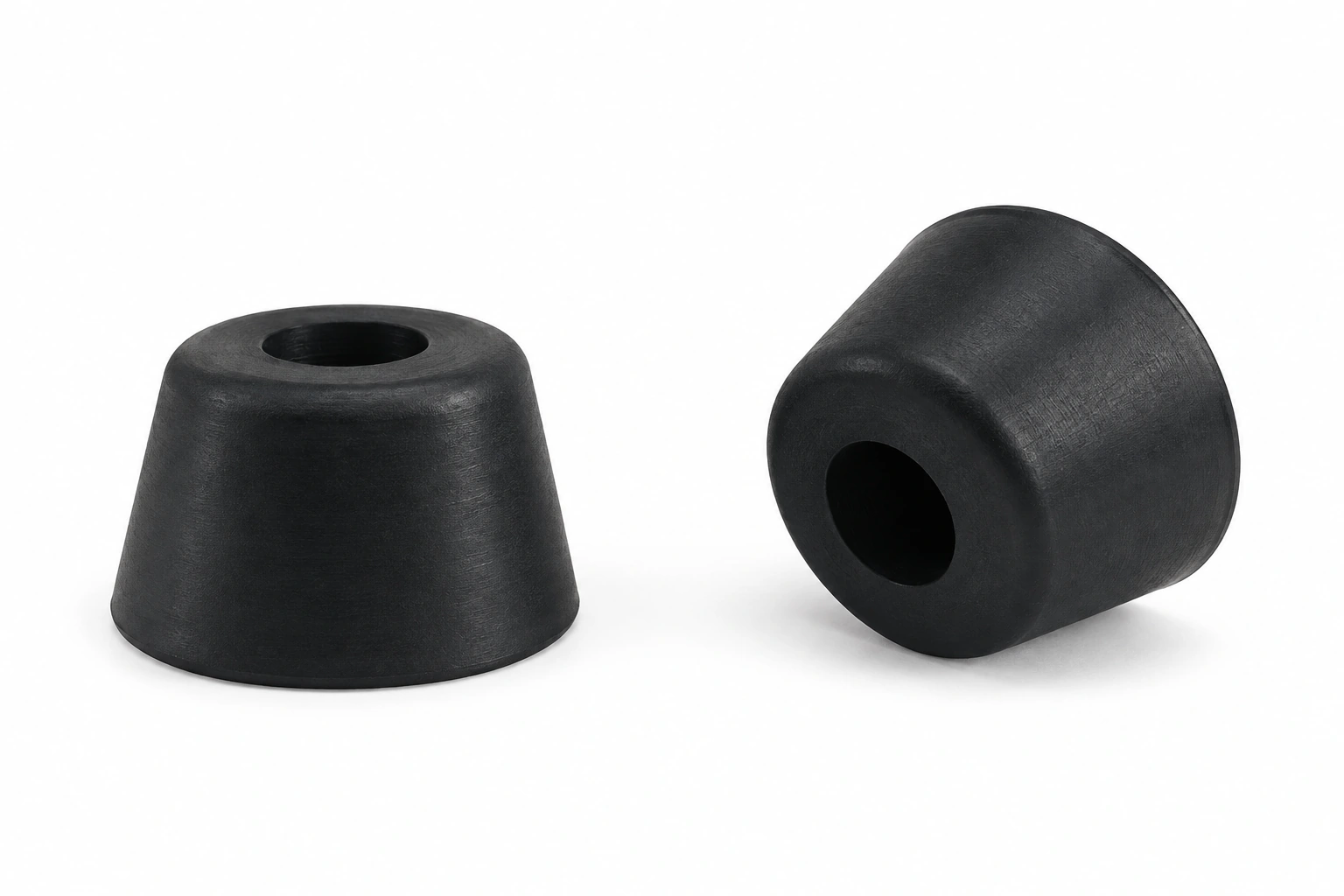
Recess Rubber Bumper
Compare OD, H, A, B and C in mm. C indicates the outer base dimension on this bumper profile, not the recess depth.
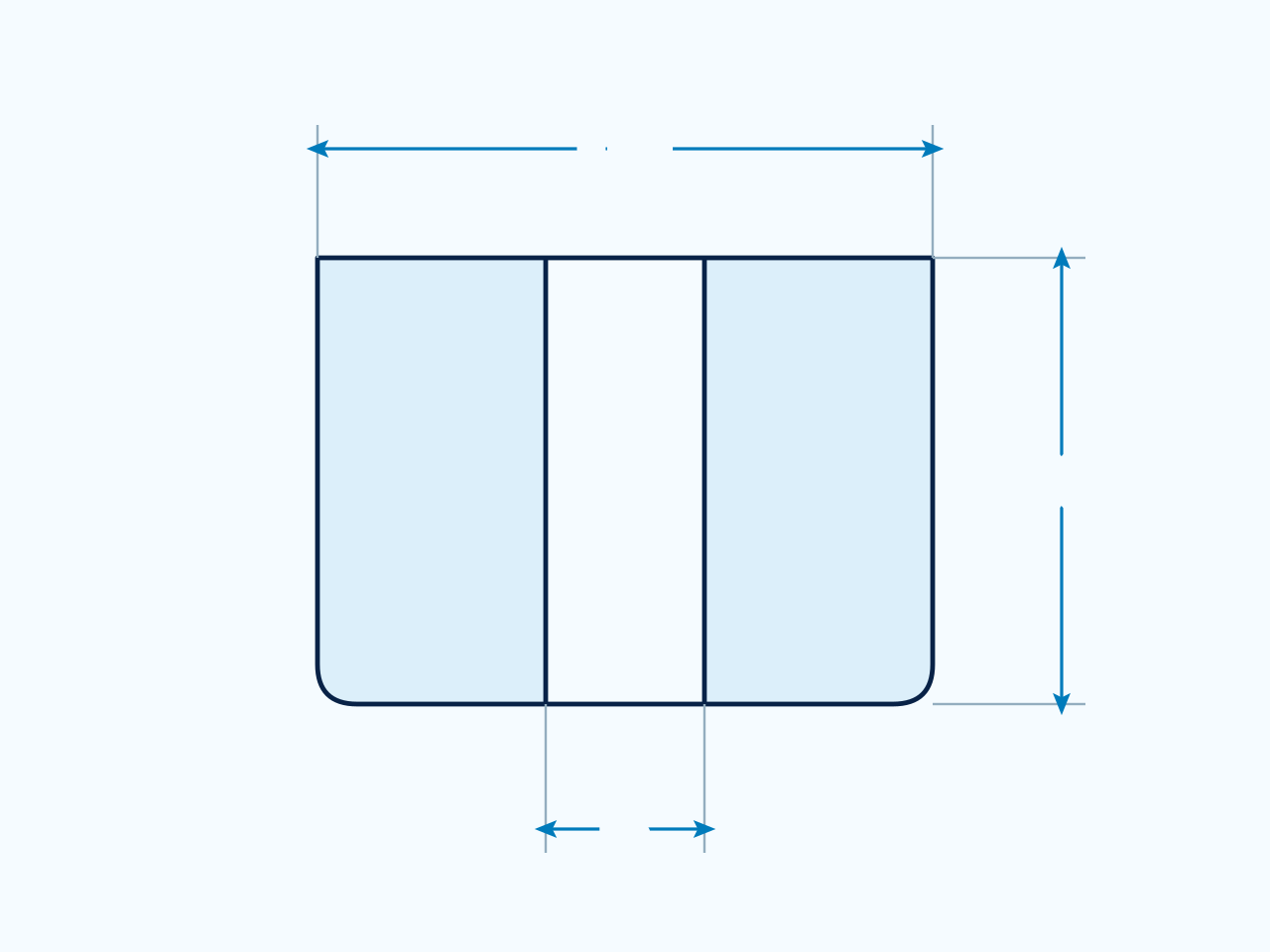
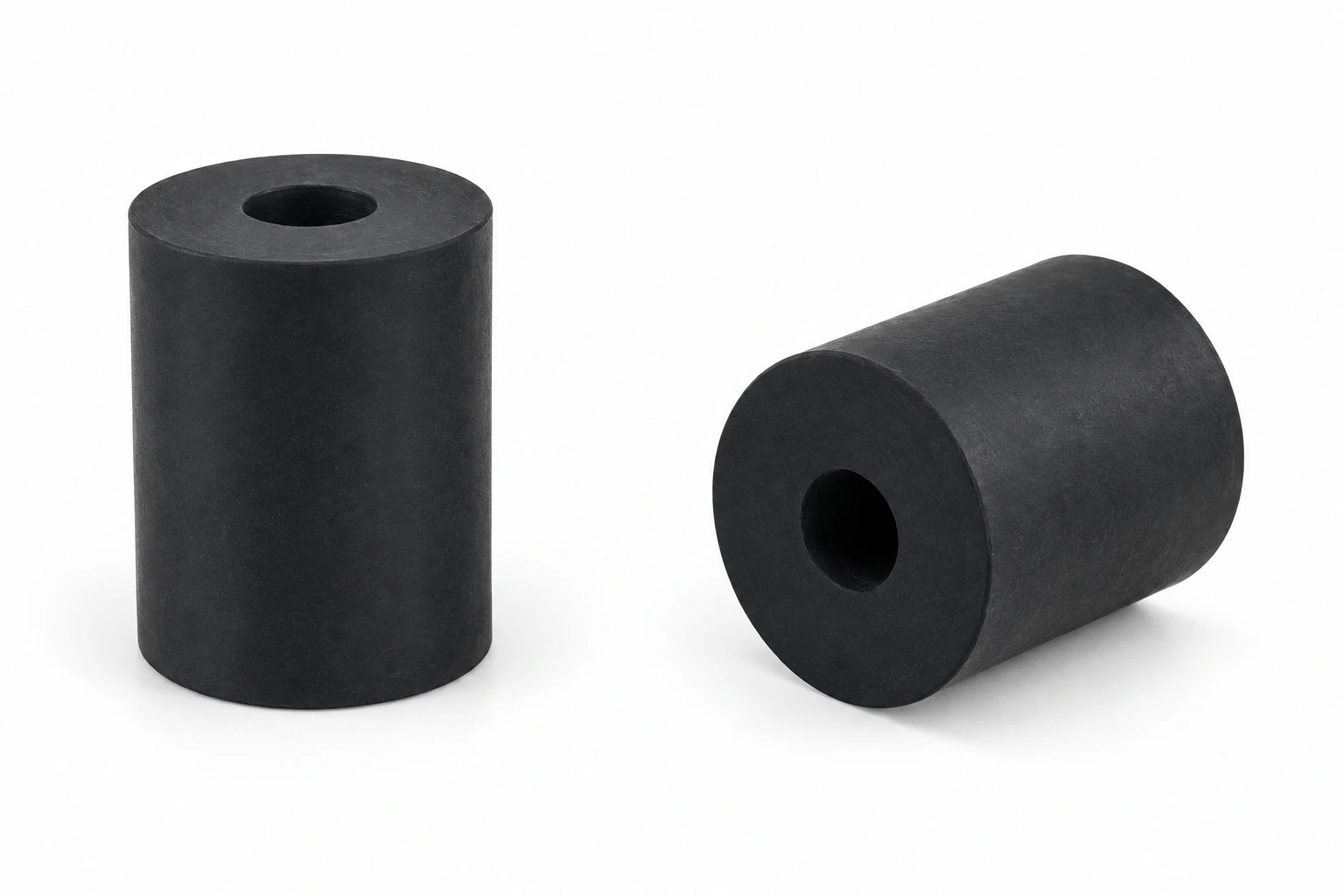
Cylindrical Rubber Feet
Compare OD, H and B in mm using the cylindrical-foot drawing. Material and colour remain listed separately.
Recess Rubber Feet
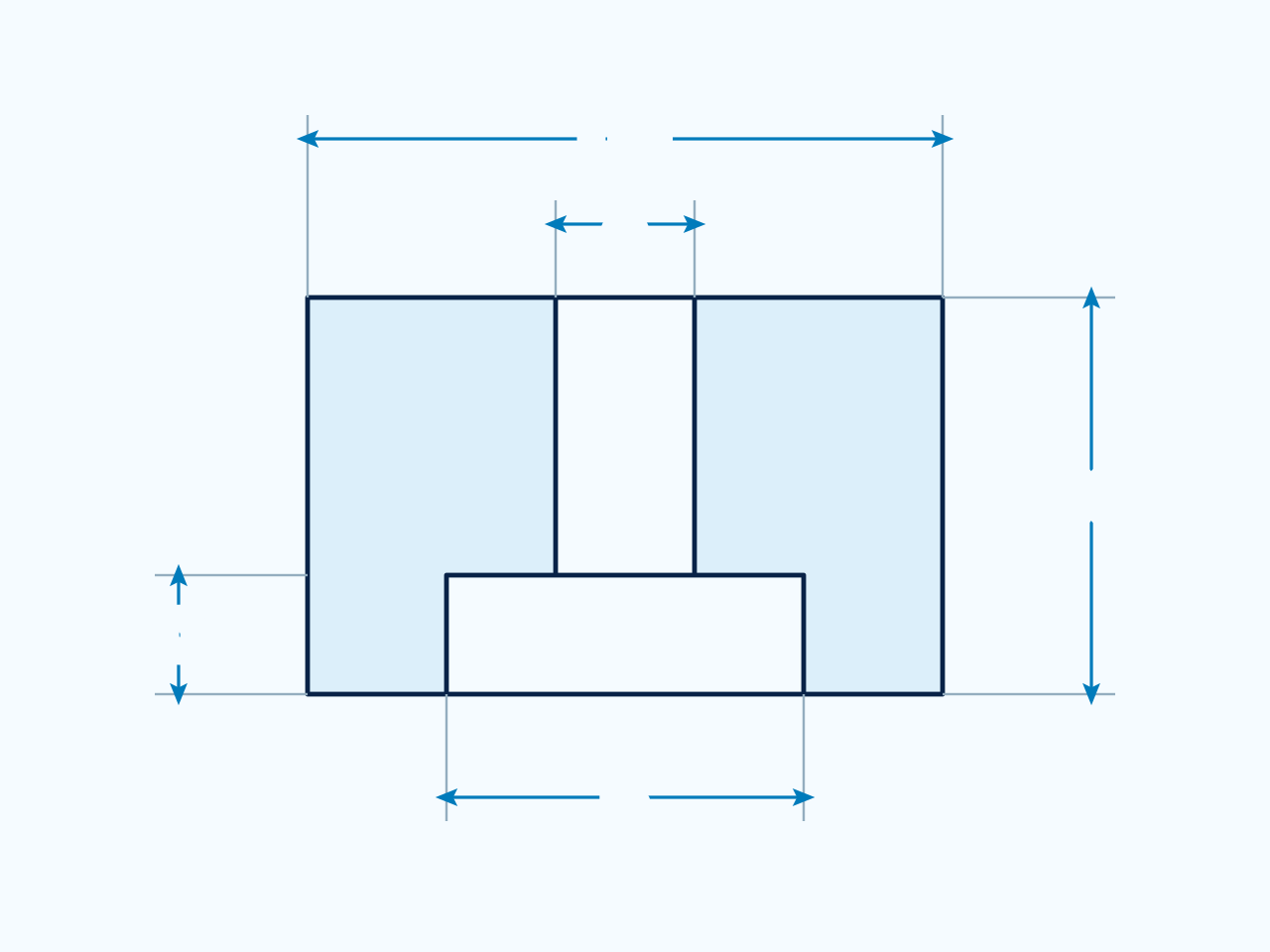
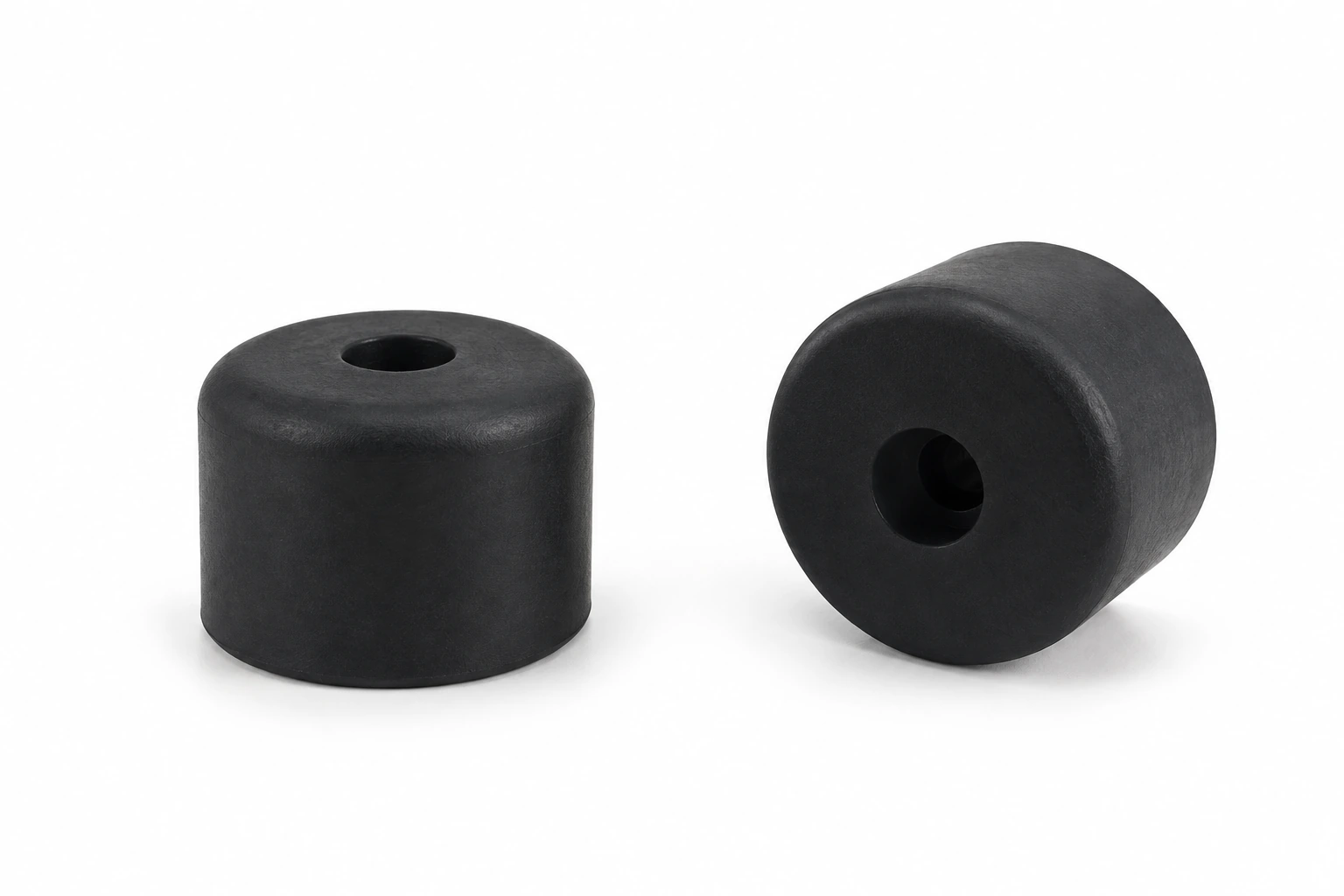
Compare OD, H, A, B and C in mm. C indicates the recess depth on this feet profile.
Hemispherical Rubber Bumper
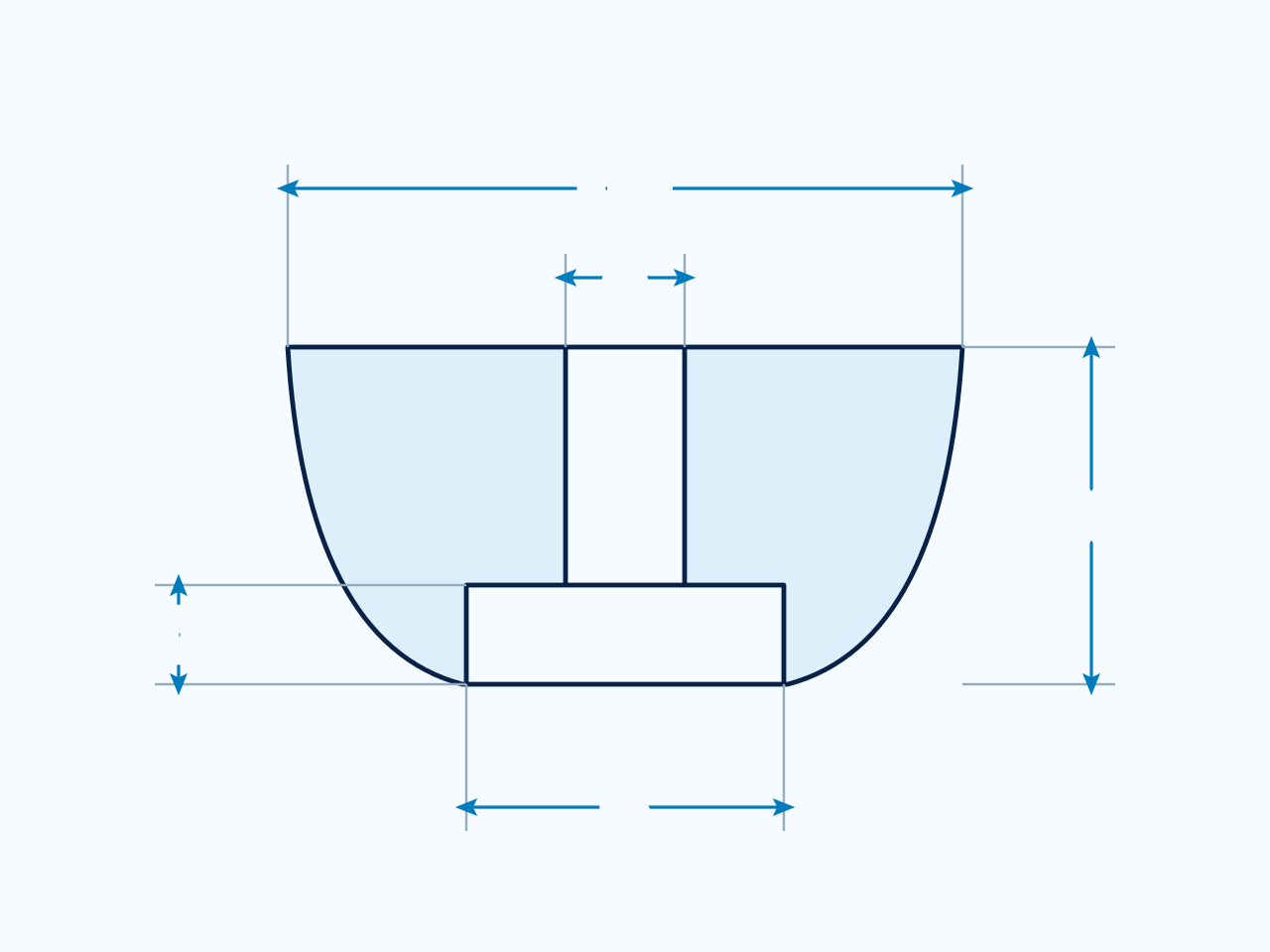
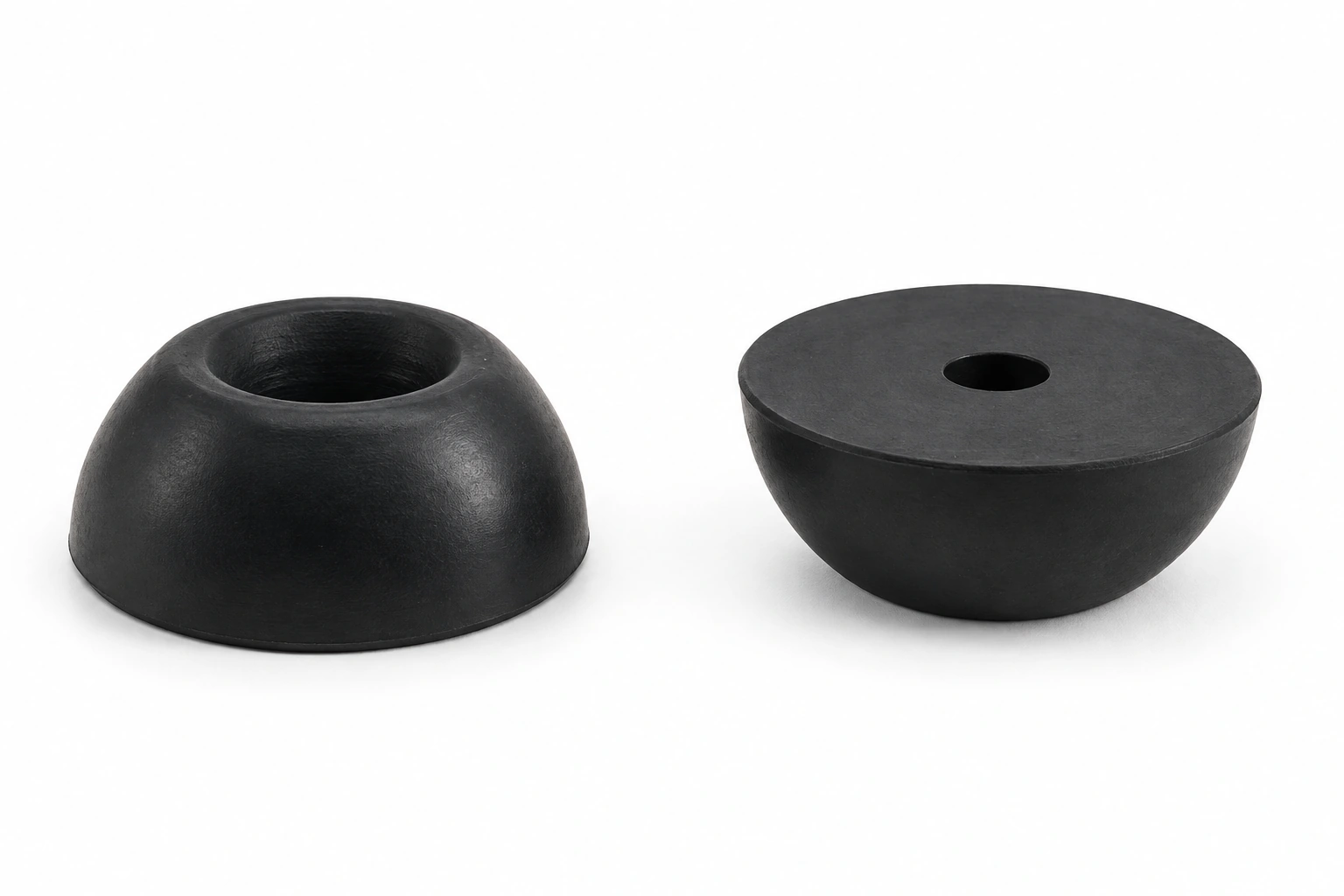
Compare OD, H, A, B and C in mm using the hemispherical-bumper drawing.
Rubber Tips
Compare A, B and C in mm using the open round-tip drawing. Check the mating leg dimensions and seating depth.
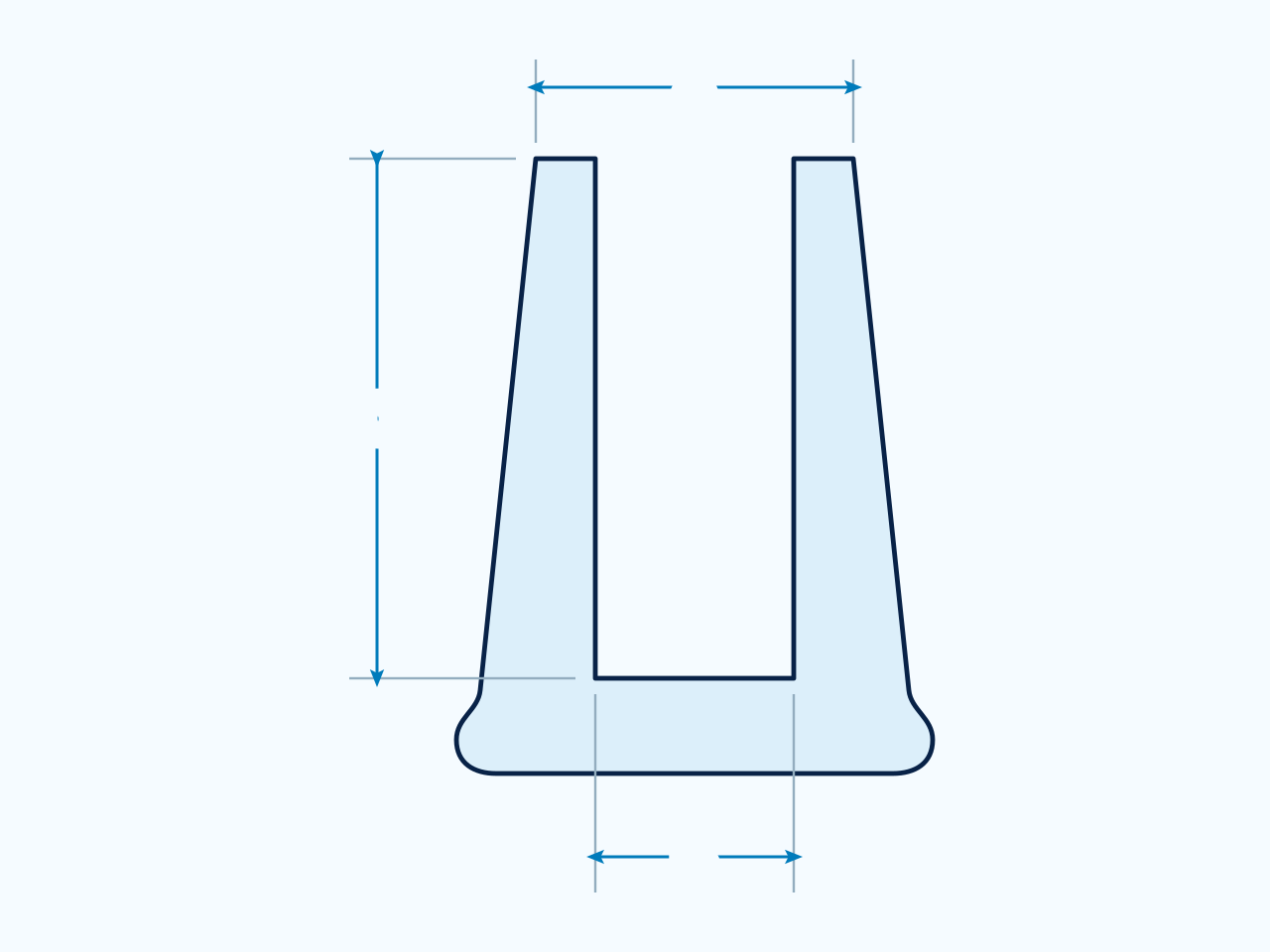
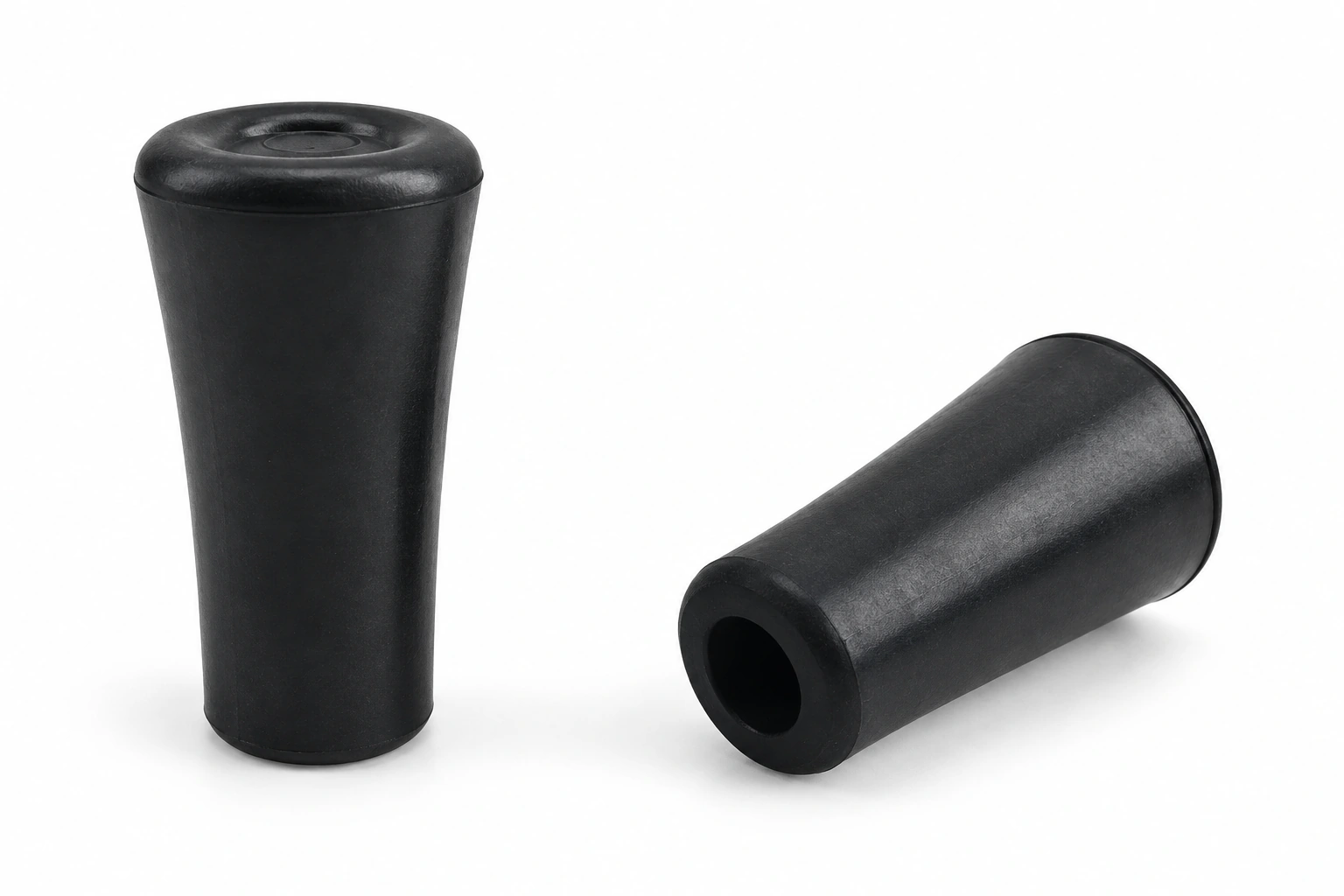
Rectangular rubber feet for chairs
Compare A, B and C in mm using the rectangular-tip drawing. Check both sides of the mating leg and the seating depth.
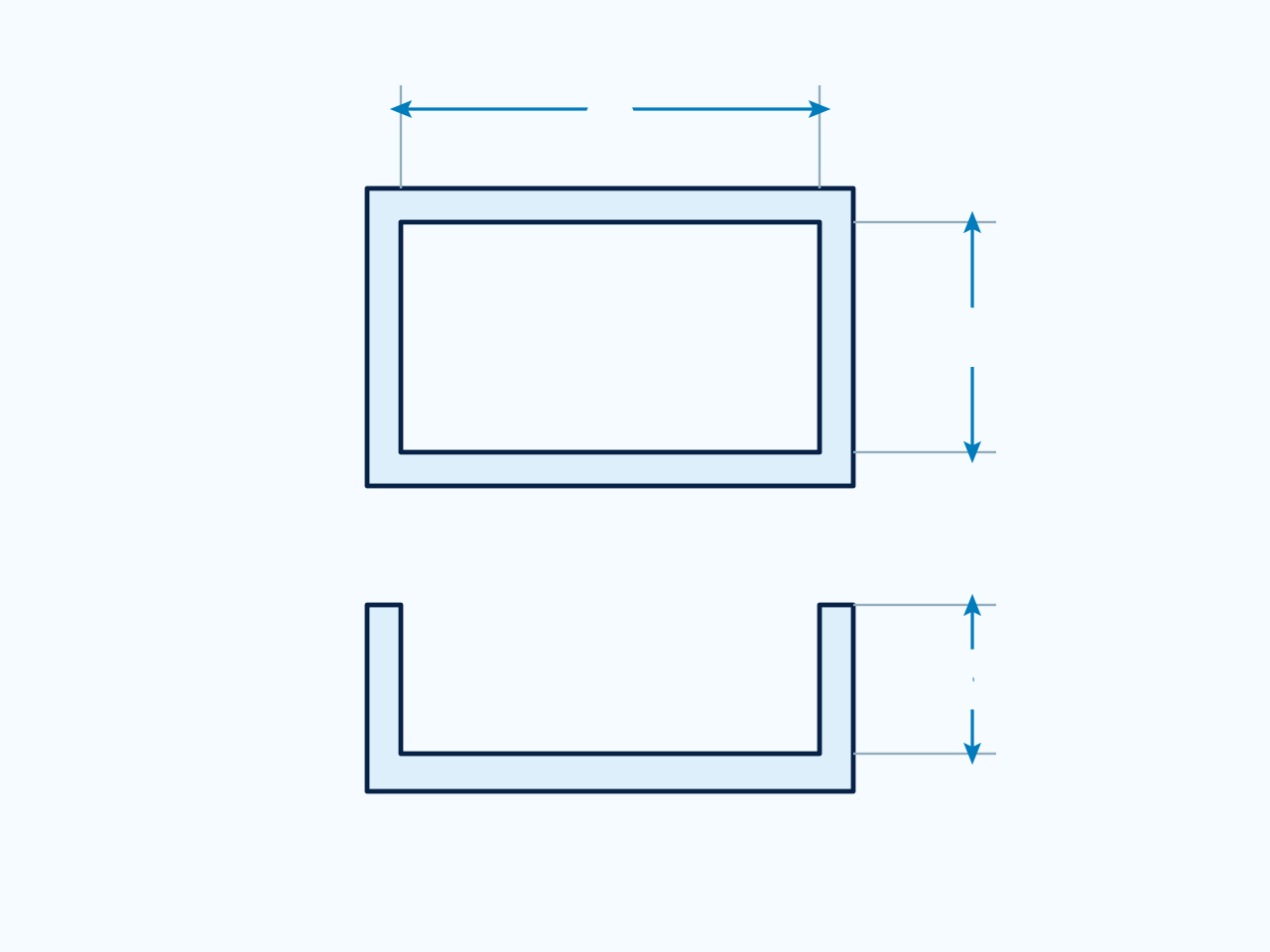
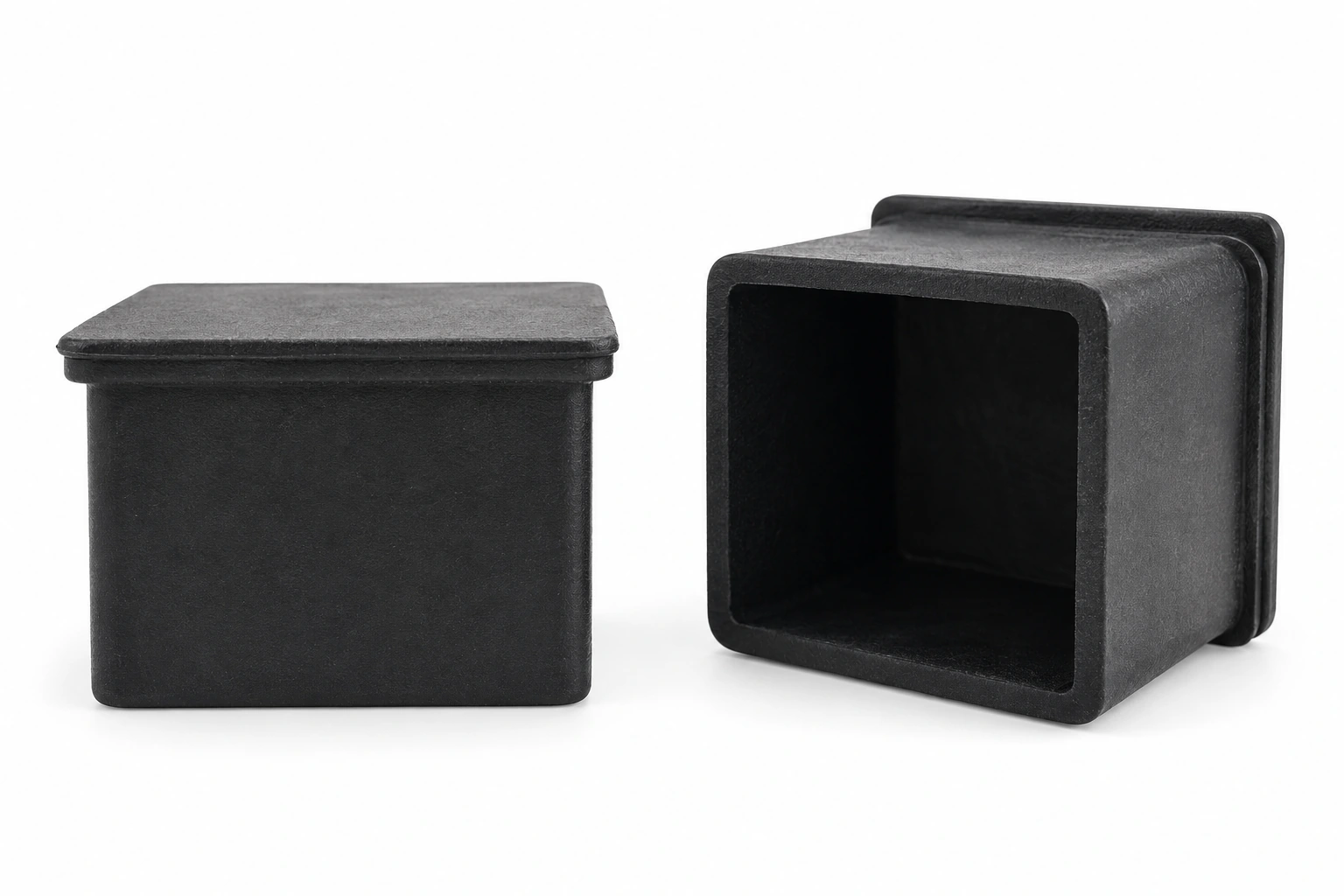
Rubber Feet For Chairs
Compare A, B, C and D in mm using the square-tip drawing. Check the mating leg profile and seating depth.
Need a different size? Share your drawing, mating dimensions and intended use to discuss a suitable part.
Discuss Your RequirementsProduct specifications
- Product form
- Resilient contact stop
- Material options discussed
- NBR, chloroprene rubber (CR) and natural rubber / latex. Choose one formulation for the actual contact and loading conditions.
- Dimensions to confirm
- Contact-face area, projection and mounting geometry.
- Female connection
- Specify the internal thread, usable engagement depth and clearance to the opposing contact face.
- Fastening
- Define thread size, pitch, engagement and clearance; identify whether the hardware is molded in or fitted separately.
- Exposure to evaluate
- Heat and cold cycling and oil splash. Validate the selected material under the combined conditions.
- Working clearance
- Define the closing gap, contact direction and compression available at the stop.
Need a quote or a custom part?
Send your requirements, drawings or samples to discuss standard and custom silicone rubber parts.
Email us[email protected]