
Flexible rubber tubing
Flexible rubber tubing has a primary role to transport liquids and gases and is therefore equally used in industries and in households. Also, it is very often used for electrical protection, because through flexible rubber tubing electrical installations can be carried out, and flexible rubber tubing will protect both electrical installations from moisture and other damage, and protects people who handle electrical installations from electric shock. Every household also has rubber tubing, rubber hose or rubber piping depending on who calls it, but it is the same product. It is very useful when you need to transfer water or any liquid from one container to another. In laboratories and various industries, it is often used for gases, and can be used for chemicals and various other things if it is made of suitable materials.
Flexible rubber tubing is made of natural or synthetic rubber, and both natural and various types of synthetic rubber have great characteristics, both for flexibility and chemical stability, the ability to be exposed to high temperatures and tear strength. These characteristics of course vary from material to material, so silicone can withstand incomparably higher temperatures than natural rubber, for example, while natural rubber is better for heavy duty tasks. Each material is suitable for a purpose, and it is up to you to decide what you will use it for the most and in what environment so that you can choose the right material.
We can help you with that, and we can also help you choose the right size. Diameter and wall thickness are very important. Inside diameter affects the flow through rubber tubing, and wall thickness is important due to abrasion. Our company also specializes in the production of flexible rubber tubing of different colors, which is very useful to know by color which tubing you need at the moment, without measuring the diameter.
Rubber Hose Size Catalog
Compare tube bore, outside diameter and available wall thickness. Confirm material compatibility and operating requirements for the selected hose.
Rubber Hose
Compare Inside Diameter and Outside Diameter in mm. The cross-section drawing identifies the bore and outside diameter; confirm the selected tube material and service requirements.

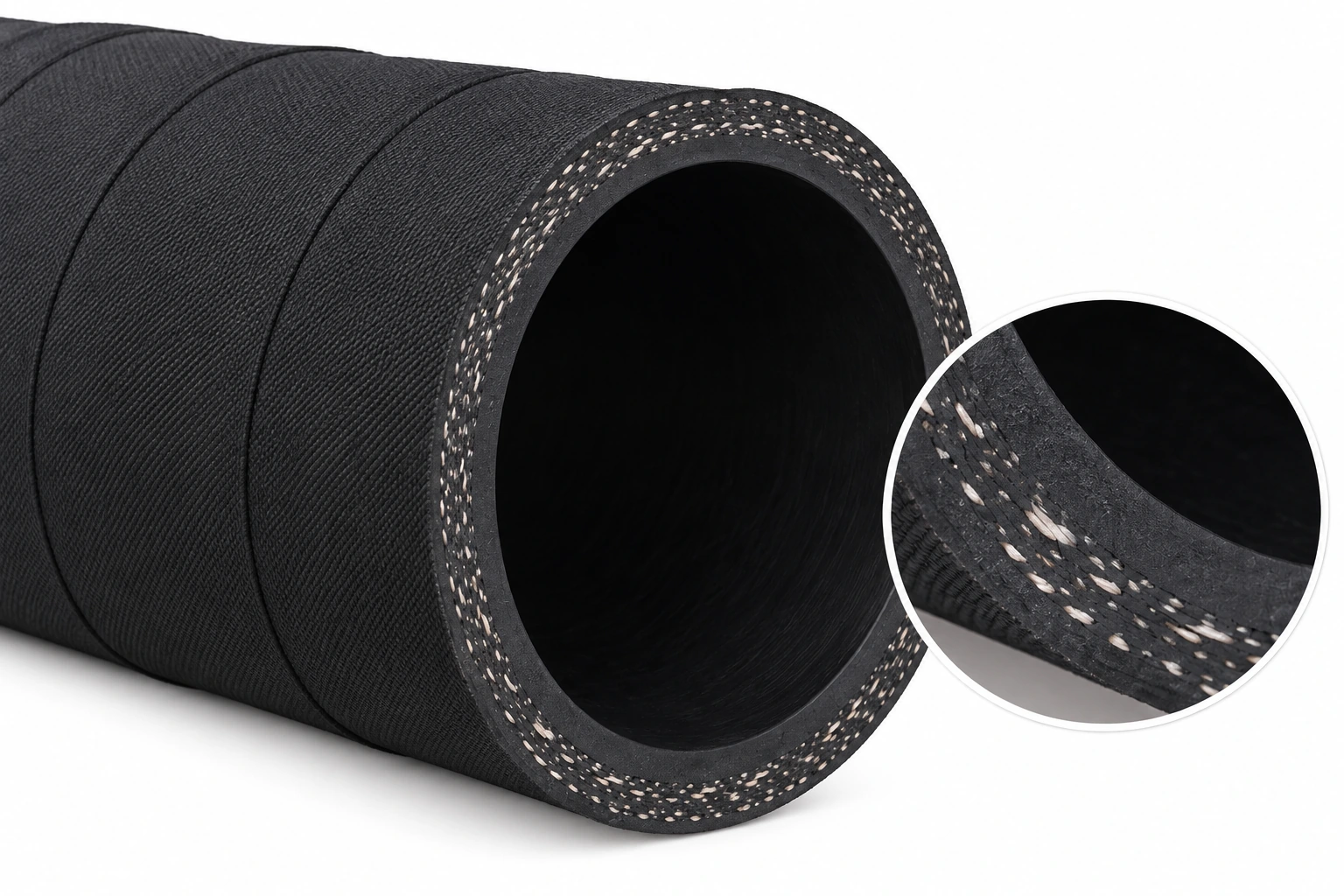
Fluororubber Hose
Compare Inside Diameter and Outside Diameter in mm. The cross-section drawing identifies the bore and outside diameter; confirm the selected tube material and service requirements.
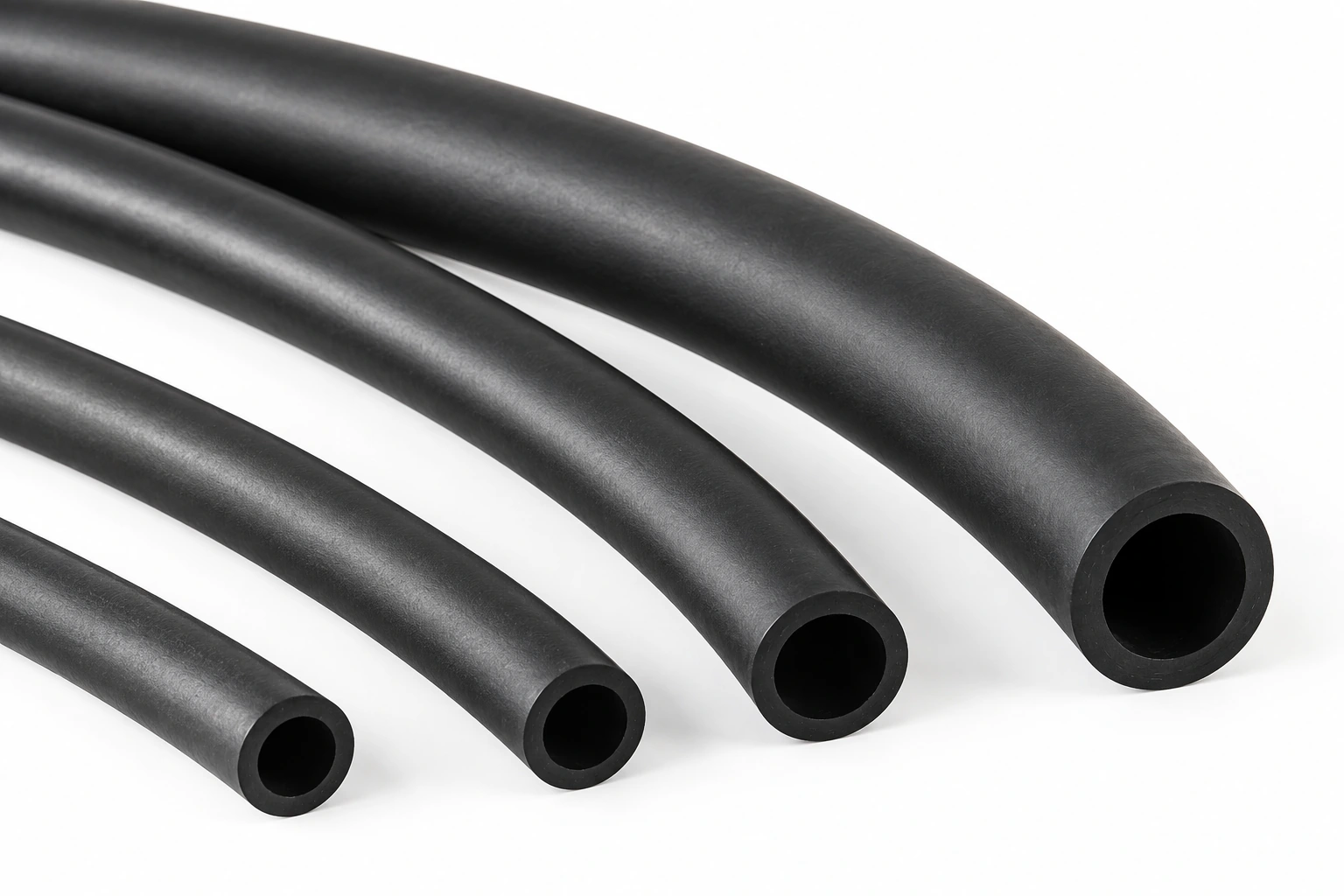
Colourful rubber high pressure hose
Compare Inside Diameter and Outside Diameter in mm, together with the listed Thickness and Colour. The cross-section drawing identifies the bore and outside diameter; confirm the selected tube material and service requirements.
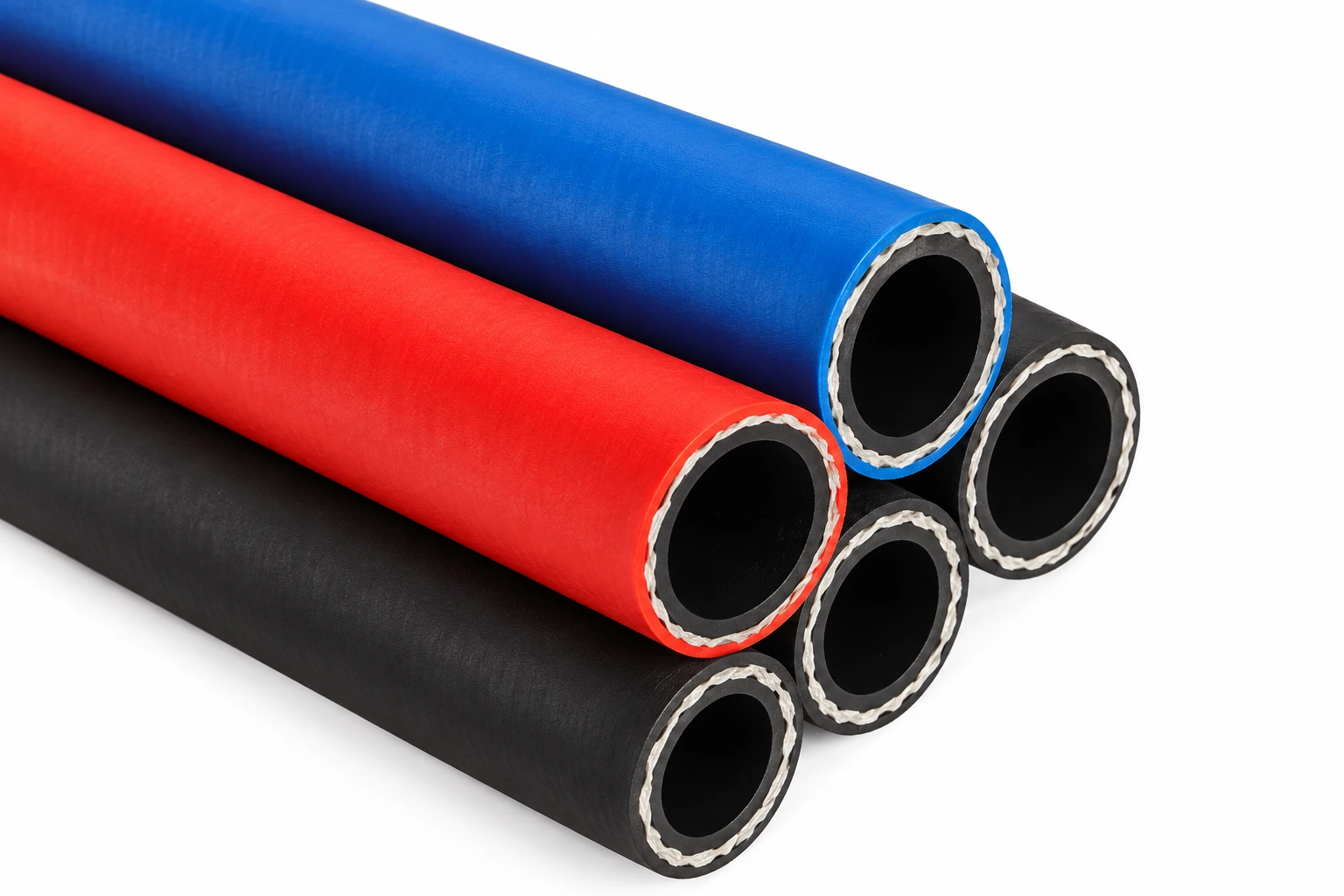
Need a different size? Share your drawing, mating dimensions and intended use to discuss a suitable part.
Discuss Your RequirementsProduct specifications
- Product form
- Hollow elastomer tubing for a fitted line or sleeve
- Material options discussed
- Silicone and natural rubber / latex. Choose one formulation for the actual contact and loading conditions.
- Application focus
- Laboratory connections. Size the part against the selected assembly.
- Dimensions to confirm
- Inside diameter, outside diameter, wall thickness and cut length. Match these to laboratory connections.
- Contact conditions
- Other gases and water: define concentration, temperature and contact time, then check compatibility with the chosen compound.
- Exposure to evaluate
- Moisture and rubbing or abrasion. Validate the selected material under the combined conditions.
- Line layout
- Check bend radius, unsupported spans and clearance at both connections.
Need a quote or a custom part?
Send your requirements, drawings or samples to discuss standard and custom silicone rubber parts.
Email us[email protected]