
Food grade heat resistant silicone tubing
The food grade heat resistant silicone tubing is one of the most durable and long-lasting components that you can find on the market. These hoses have extreme temperature ranges, and they are tasteless and odorless. In addition to this, they are FDA approved, and they can easily be sanitized and cleaned if you need to reuse them.
Most types of silicone hoses have a really wide temperature range, but these units are specially manufactured to be exposed to extreme heat or extreme cold without getting damaged. They can be put in conditions that range between -75 degrees Celsius, or almost -105 degrees Fahrenheit, up to environments where the temperature can get up to 230 degrees Celsius, or almost 450 degrees Fahrenheit. This makes them perfect for usage in large equipment and machines, and they will still not get damaged or interrupt the production process. They are flexible and bendable, and they can be subjected to a lot of pressure without that affecting them in any way. As you can see in our store, we offer a variety of different models of the food grade heat resistant silicone tubing, and we can additionally customize them if you need that.
They can be found in a lot of colors, and this will help you preserve the aesthetic appeal of your device, and you can choose which color would be the perfect fit for your needs. Note that in most cases, transparent tubes are used, but customers also opt for red, white, and black, along with the rest of the colors. You need to pay attention to the dimensions and the size of the food grade heat resistant silicone tubing, and if you need any advice on how to install or remove them, you can reach out to us and we will be more than happy to provide assistance. Make sure you properly measure your devices so you don’t make a mistake when choosing the right size of the components.
Silicone Tubing Size Catalog
Compare inside diameter, outside diameter and listed wall thickness across silicone tube ranges. Confirm the material grade and application requirements for the selected part.
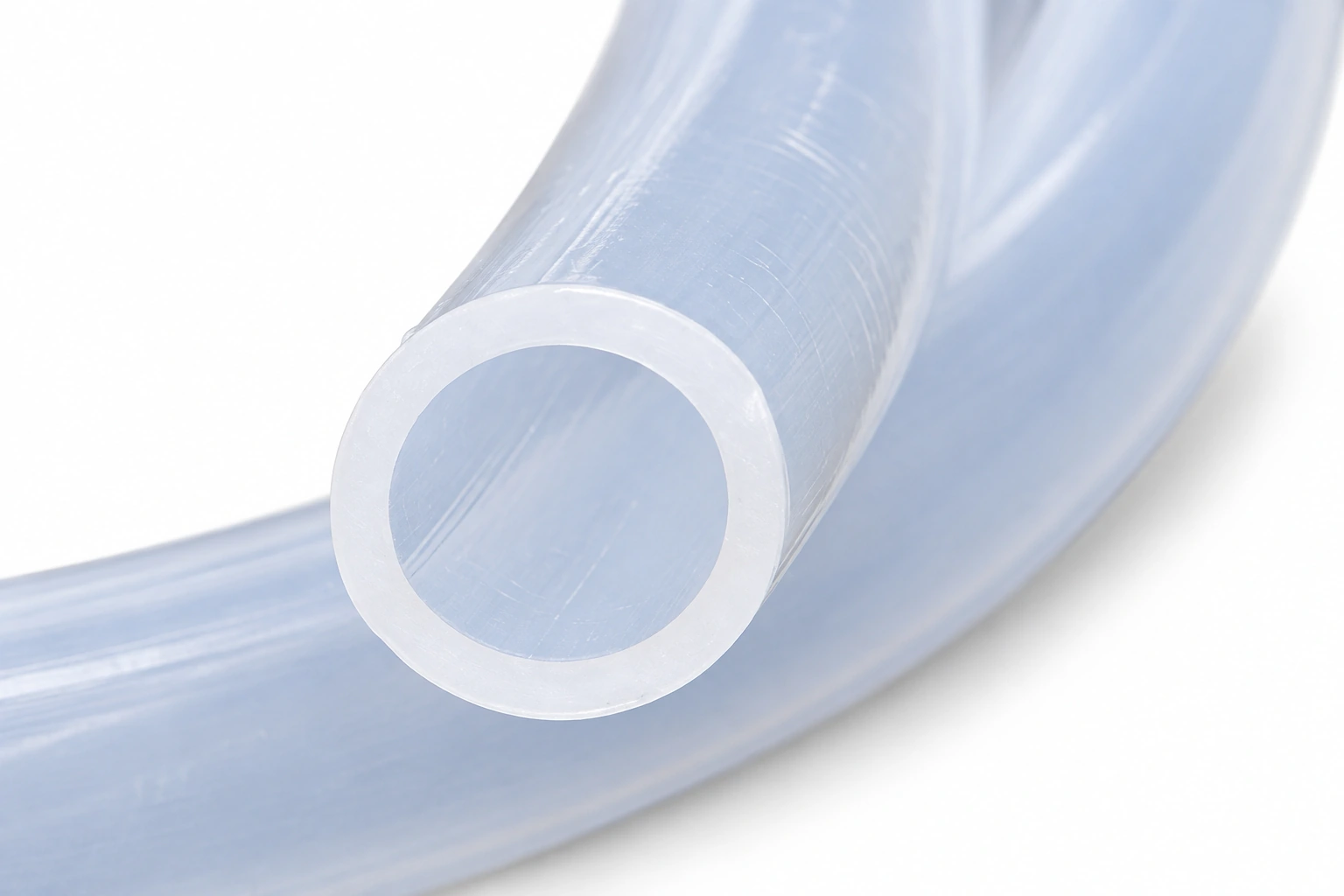
Food grade silicone tube
Compare Inside Diameter and Outside Diameter in mm, together with the listed Thickness and Colour. The cross-section drawing identifies the bore and outside diameter; confirm the selected tube material and service requirements.

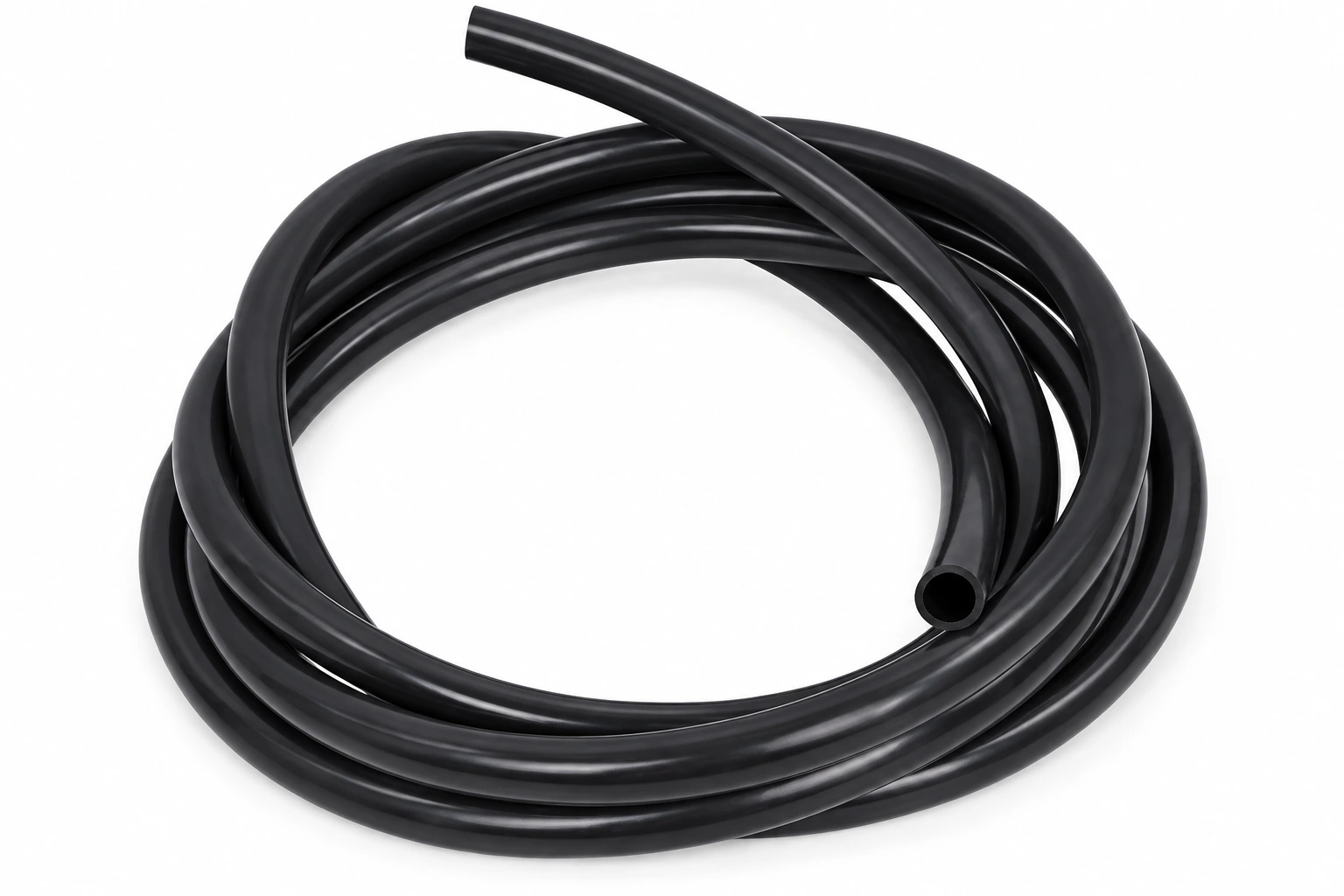
Black silicone tubing
Compare Inside Diameter and Outside Diameter in mm, together with the listed Thickness and Colour. The cross-section drawing identifies the bore and outside diameter; confirm the selected tube material and service requirements.
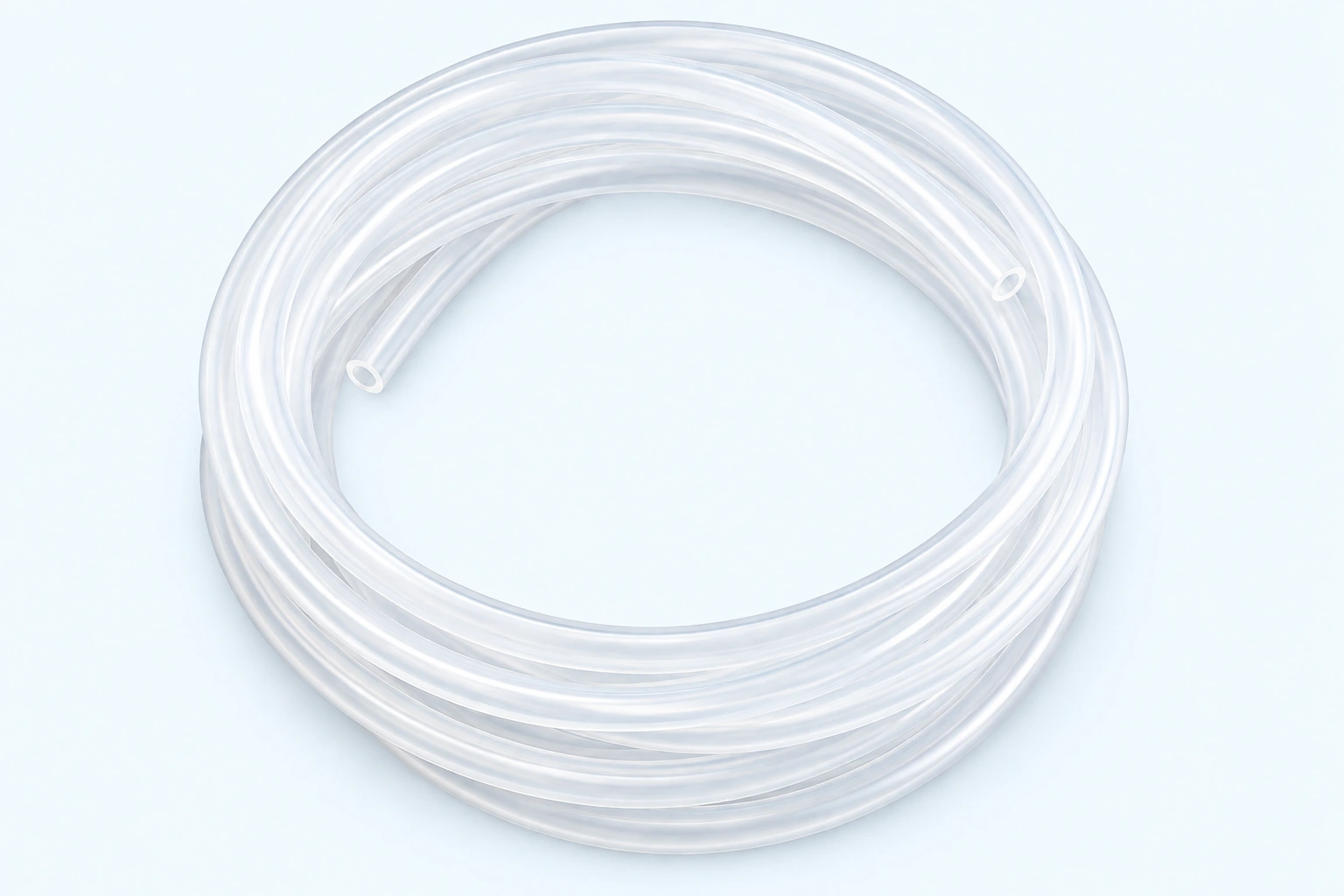
Industrial silicone tube
Compare Inside Diameter and Outside Diameter in mm, together with the listed Thickness and Colour. The cross-section drawing identifies the bore and outside diameter; confirm the selected tube material and service requirements.
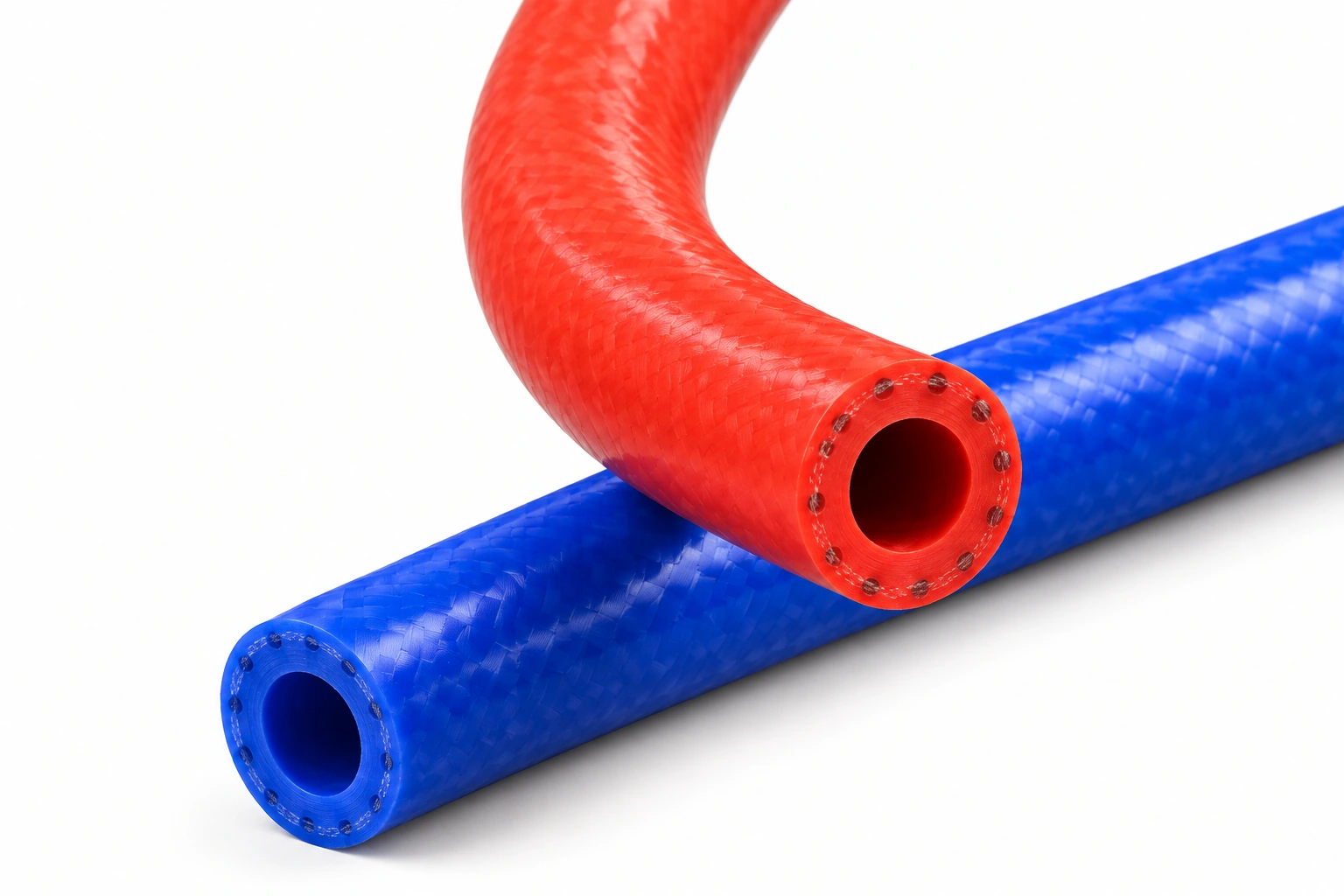
Colourful silicone braided tube
Compare Inside Diameter and Outside Diameter in mm, together with the listed Thickness and Colour. The cross-section drawing identifies the bore and outside diameter; confirm the selected tube material and service requirements.
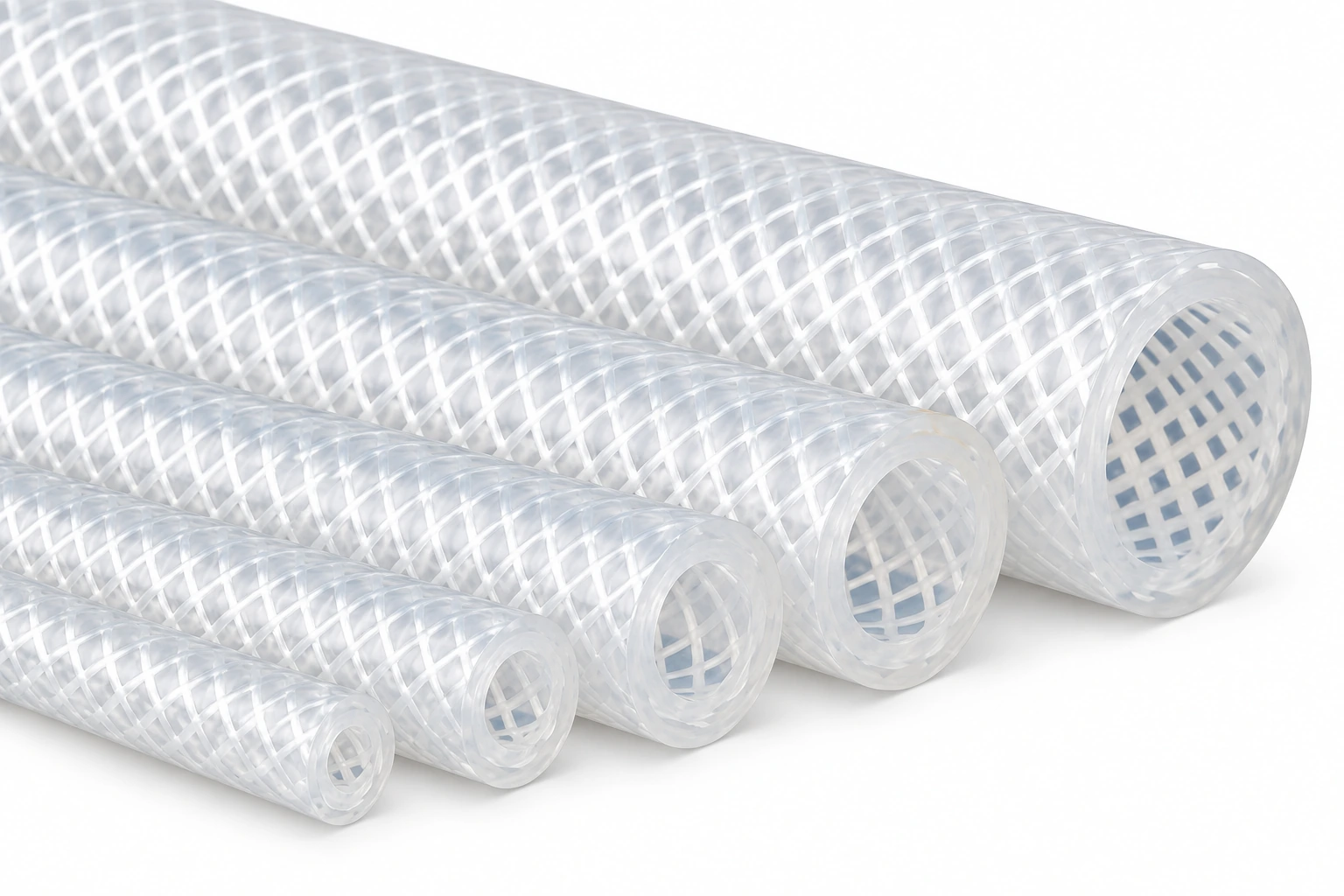
Food grade silicone braided tube
Compare Inside Diameter and Outside Diameter in mm, together with the listed Thickness and Colour. The cross-section drawing identifies the bore and outside diameter; confirm the selected tube material and service requirements.
Need a different size? Share your drawing, mating dimensions and intended use to discuss a suitable part.
Discuss Your RequirementsProduct specifications
- Product form
- Hollow elastomer tubing for a fitted line or sleeve
- Material
- Silicone. Specify the compound grade for the selected service.
- Application focus
- Food-processing equipment. Size the part against the selected assembly.
- Dimensions to confirm
- Inside diameter, outside diameter, wall thickness and cut length. Match these to food-processing equipment.
- Food-contact qualification
- Identify the food, contact time and cleaning cycle; obtain documentation for the selected finished compound and intended use.
- Thermal duty
- Define continuous exposure, short peaks and cycle time; establish the usable limit for the selected compound and assembly.
- Contact conditions
- Food ingredients: define concentration, temperature and contact time, then check compatibility with the chosen compound.
- Exposure to evaluate
- Heat and cold cycling. Validate the selected material under the combined conditions.
- Line layout
- Check bend radius, unsupported spans and clearance at both connections.
Need a quote or a custom part?
Send your requirements, drawings or samples to discuss standard and custom silicone rubber parts.
Email us[email protected]