
Food-grade high temperature silicone tubing
As you can probably imagine, rubber tubing is highly valuable and very commonly used in pretty much every single industry on this planet. You can find rubber tubing in automobiles and all other kinds of vehicles, you can find rubber tubing in medical and chemical research facilities and laboratories, and you can find rubber tubing in food processing plants and facilities, too. Rubber tubing that is usually used in food processing is food-grade high temperature silicone tubing. While that name might be a mouthful, it is a perfect depiction of what these silicone tubes are capable of. So, let’s learn more about it.
First of all, food-grade high temperature silicone tubing is the number one choice in the food processing industry for one obvious reason – its price. Food-grade high temperature silicone tubing is a lot more affordable than, say, plastic tubing. However, price is not the only factor that makes silicone tubing the number one choice in this industry. As you can tell by the name, the food-grade high temperature silicone tubing is perfect for high temperature environments. And, as we all know, high temperatures are pretty much guaranteed in food processing plants. But, so are the low ones. Sometimes, food has to be frozen, and would you look at that – silicone tubing can withstand low temperatures, as well.
Another neat thing about food-grade high temperature silicone tubing is its remarkable chemical stability and non-reactivity. As you can imagine, any tubing used for moving food around should be sterile and shouldn’t compromise the food in any way, which is exactly why silicone tubing is a perfect choice. It is sterile, it isn’t toxic or harmful, and it won’t affect processed food in any single way. Finally, silicone tubing is very flexible and durable, which is also important, as we wouldn’t want it to break and have the food soiled with silicone particles and small chunks.
Silicone Tubing Size Catalog
Compare inside diameter, outside diameter and listed wall thickness across silicone tube ranges. Confirm the material grade and application requirements for the selected part.
Food grade silicone tube
Compare Inside Diameter and Outside Diameter in mm, together with the listed Thickness and Colour. The cross-section drawing identifies the bore and outside diameter; confirm the selected tube material and service requirements.

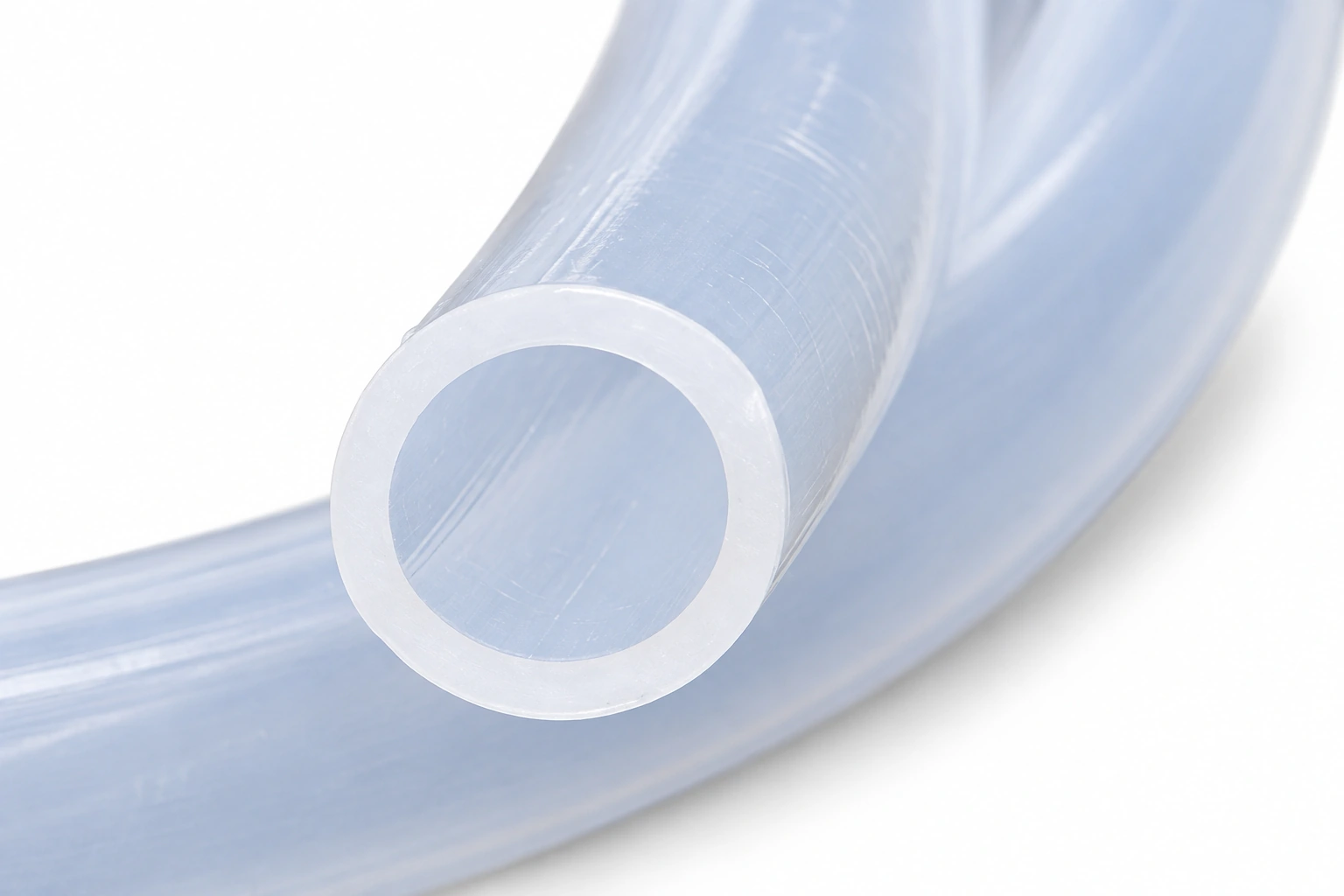
Black silicone tubing
Compare Inside Diameter and Outside Diameter in mm, together with the listed Thickness and Colour. The cross-section drawing identifies the bore and outside diameter; confirm the selected tube material and service requirements.
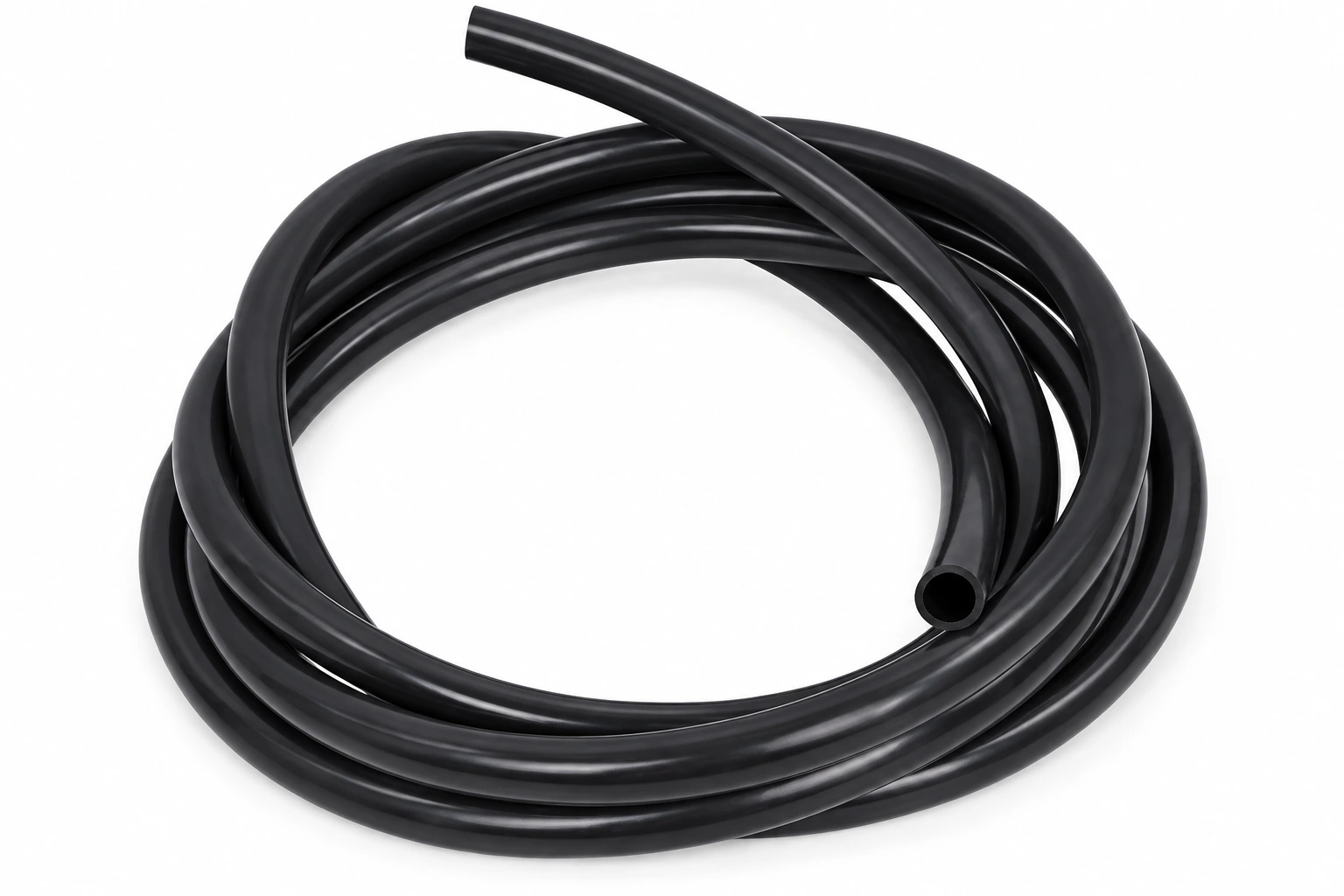
Industrial silicone tube
Compare Inside Diameter and Outside Diameter in mm, together with the listed Thickness and Colour. The cross-section drawing identifies the bore and outside diameter; confirm the selected tube material and service requirements.
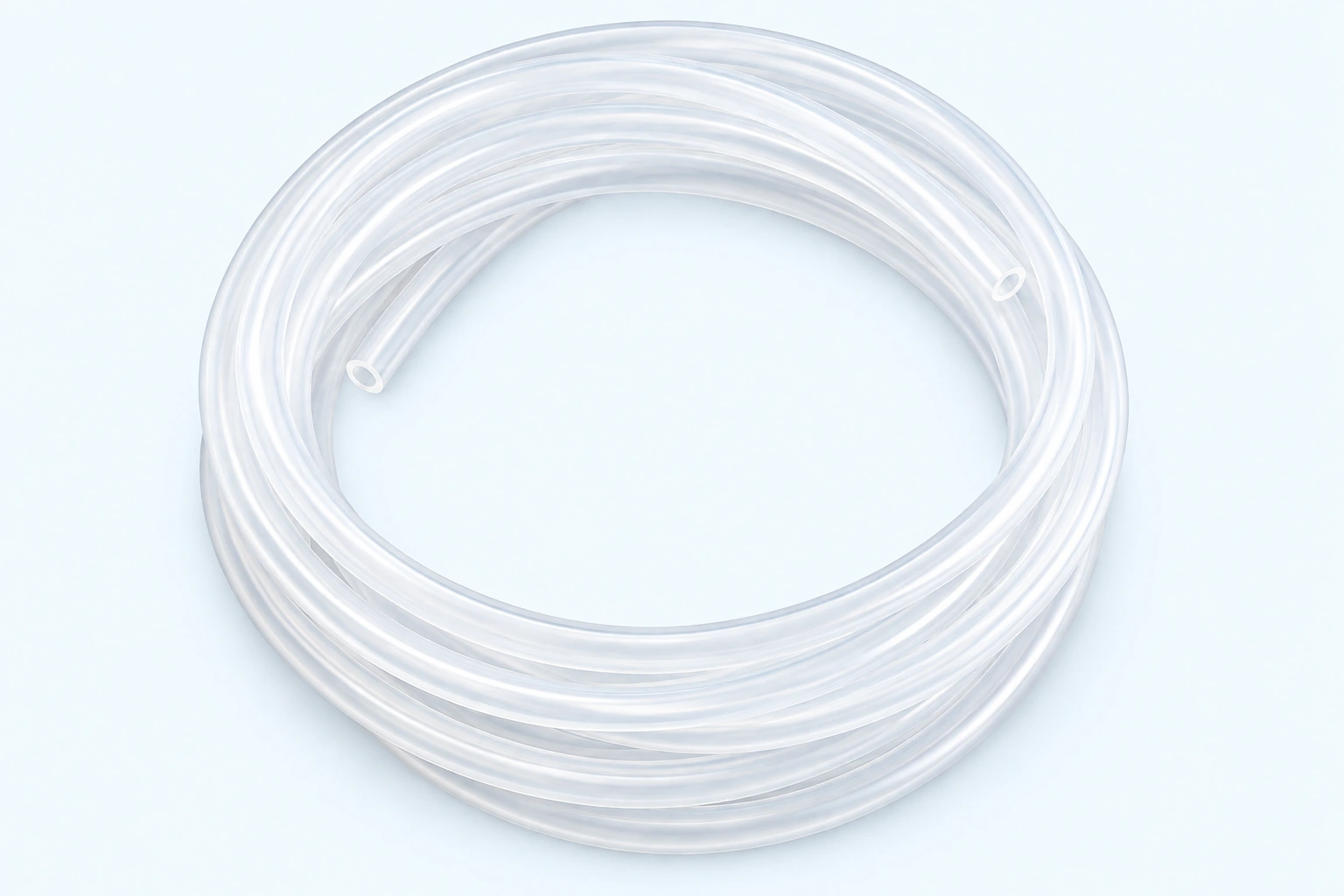
Colourful silicone braided tube
Compare Inside Diameter and Outside Diameter in mm, together with the listed Thickness and Colour. The cross-section drawing identifies the bore and outside diameter; confirm the selected tube material and service requirements.
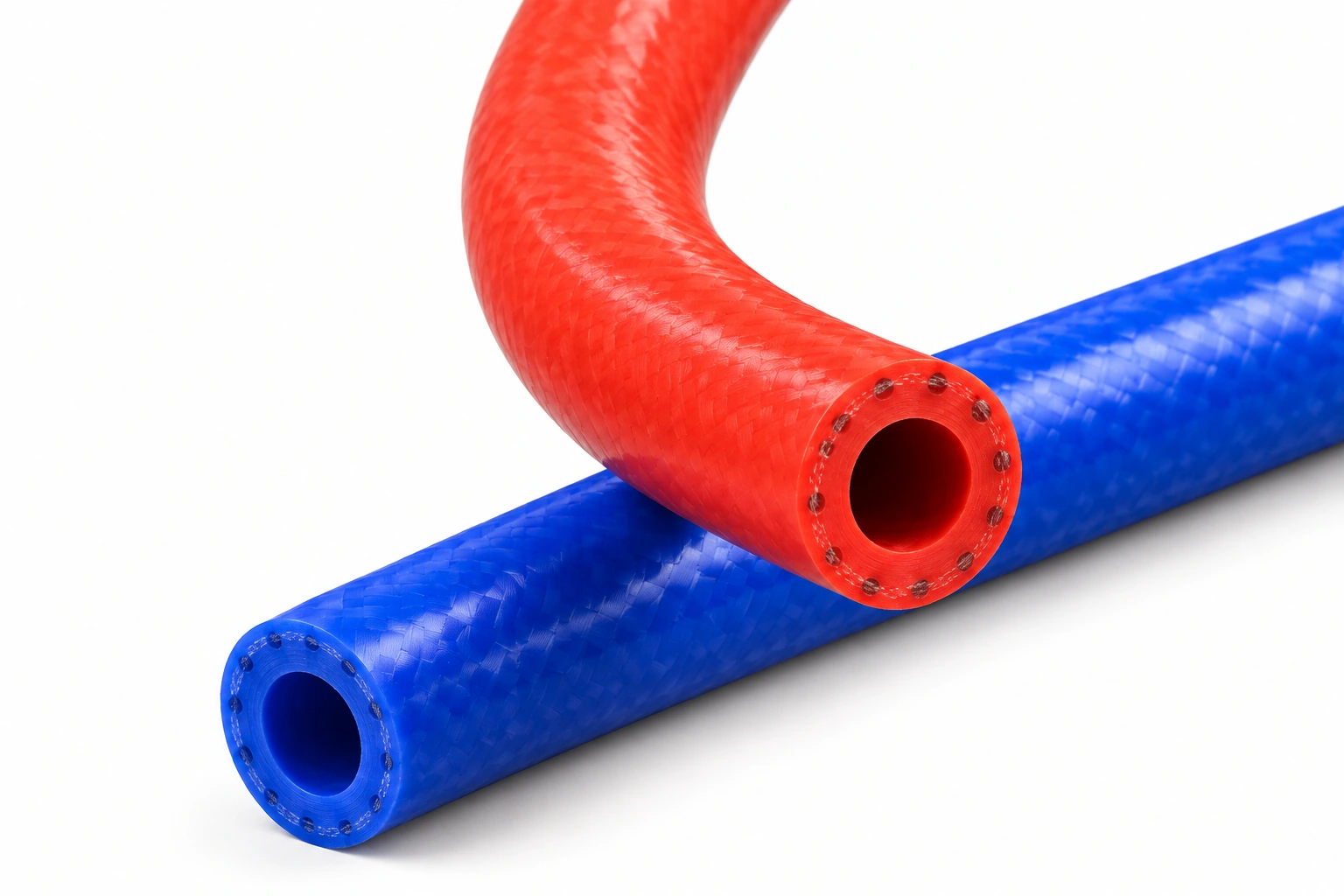
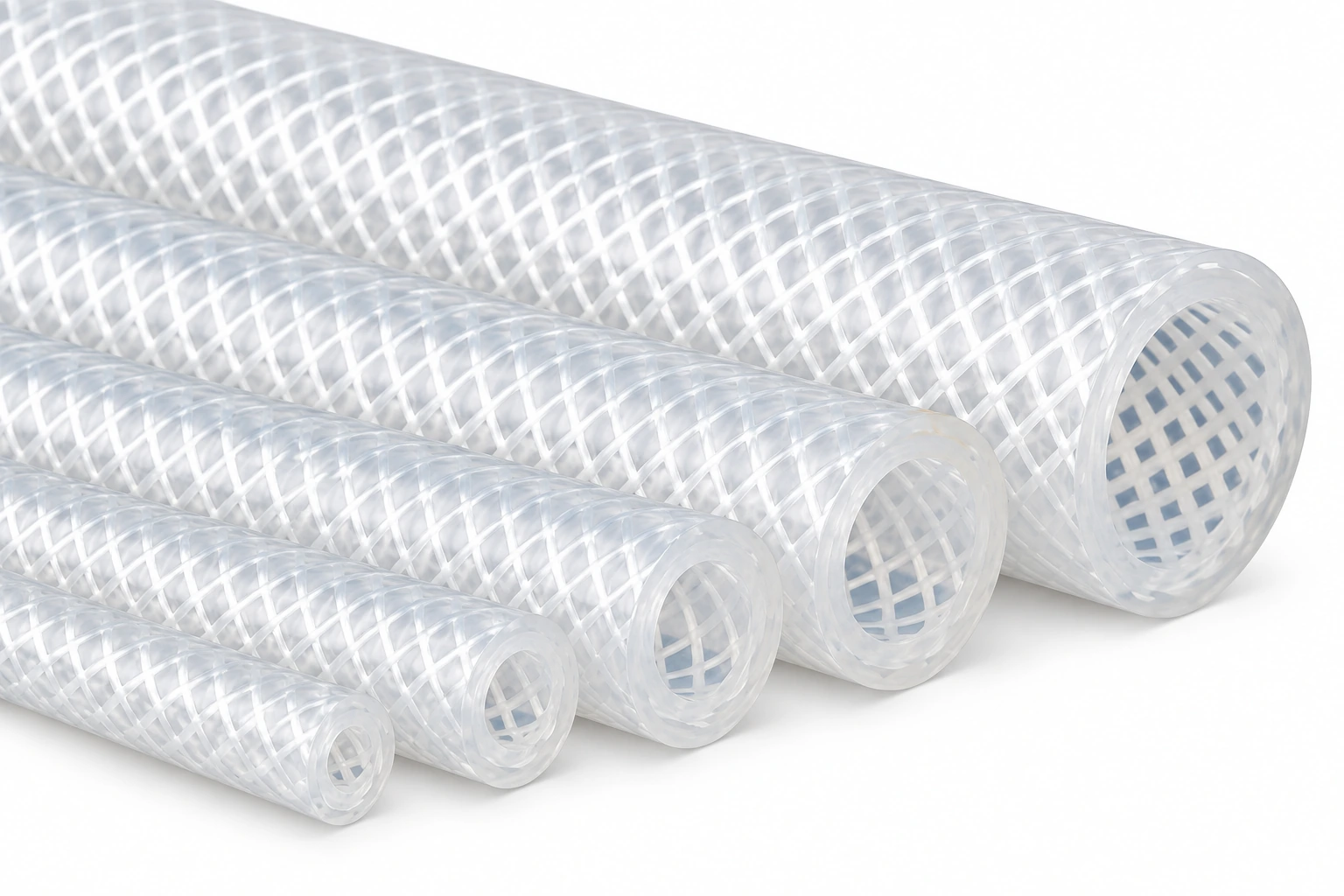
Food grade silicone braided tube
Compare Inside Diameter and Outside Diameter in mm, together with the listed Thickness and Colour. The cross-section drawing identifies the bore and outside diameter; confirm the selected tube material and service requirements.
Need a different size? Share your drawing, mating dimensions and intended use to discuss a suitable part.
Discuss Your RequirementsProduct specifications
- Product form
- Hollow elastomer tubing for a fitted line or sleeve
- Material
- Silicone. Specify the compound grade for the selected service.
- Application focus
- Food-processing equipment, vehicle hose runs, medical-device assemblies and laboratory connections. Size the part against the selected assembly.
- Dimensions to confirm
- Inside diameter, outside diameter, wall thickness and cut length. Match these to food-processing equipment and vehicle hose runs.
- Food-contact qualification
- Identify the food, contact time and cleaning cycle; obtain documentation for the selected finished compound and intended use.
- Thermal duty
- Define continuous exposure, short peaks and cycle time; establish the usable limit for the selected compound and assembly.
- Contact conditions
- Food ingredients: define concentration, temperature and contact time, then check compatibility with the chosen compound.
- Line layout
- Check bend radius, unsupported spans and clearance at both connections.
Need a quote or a custom part?
Send your requirements, drawings or samples to discuss standard and custom silicone rubber parts.
Email us[email protected]