
Food grade silicone tubing
We believe that even if you have never been involved with the food industry or any similar industry, you have had the opportunity to use food grade silicone tubing for home use. You may have used food grade silicone tubing for draining, to achieve vacuum on air pumps, aspirators and similar devices. Or you may have used it to move liquids or gases from one container to another. Rubber tubing is also used by numerous industries for similar purposes. The food and beverage industry uses food grade silicone tubing to safely handle liquids. There are frequent applications in the chemical industry, aerospace, and many other industries where silicone tubing is required.
Silicone is a polymer made up of siloxane that tolerates contact with water, petroleum fluids, alcohol and steam equally well. Due to this characteristic, silicone is one of the most used materials from the group of rubber materials. Also, of all rubber materials, silicone is recommended for food contact. And that is why this type of silicone tubing is called food grade. Silicone is one of the best in the category of heat aging resistance, because if you expose silicone tubing to high or low temperatures or frequent temperature changes, it will not affect service life.
Resistance to oil, grease and similar things is not as good as fluorosilicone, but it is good enough. When ordering food grade silicone tubing, sizing is also important, not just the material. Food grade silicone tubing must have a diameter appropriate to the purpose for which you will use it. If the diameter is too small, the flow will not be enough, and if it is too big, you may pour more than you want. So carefully check all the premade sizes we offer, and if none of them suits you, contact us and you will receive an offer with the appropriate sizes.
Silicone Tubing Size Catalog
Compare inside diameter, outside diameter and listed wall thickness across silicone tube ranges. Confirm the material grade and application requirements for the selected part.
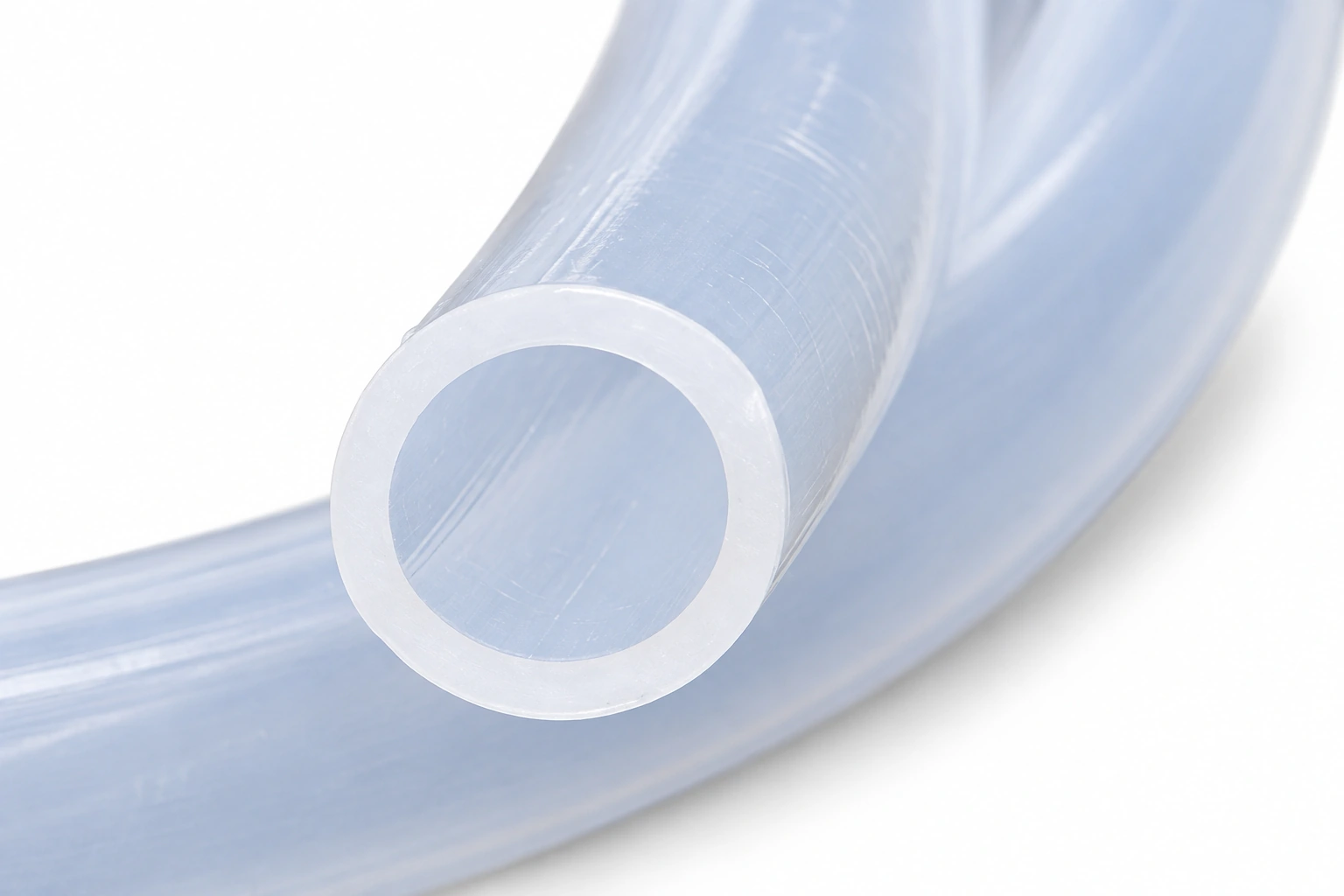
Food grade silicone tube
Compare Inside Diameter and Outside Diameter in mm, together with the listed Thickness and Colour. The cross-section drawing identifies the bore and outside diameter; confirm the selected tube material and service requirements.

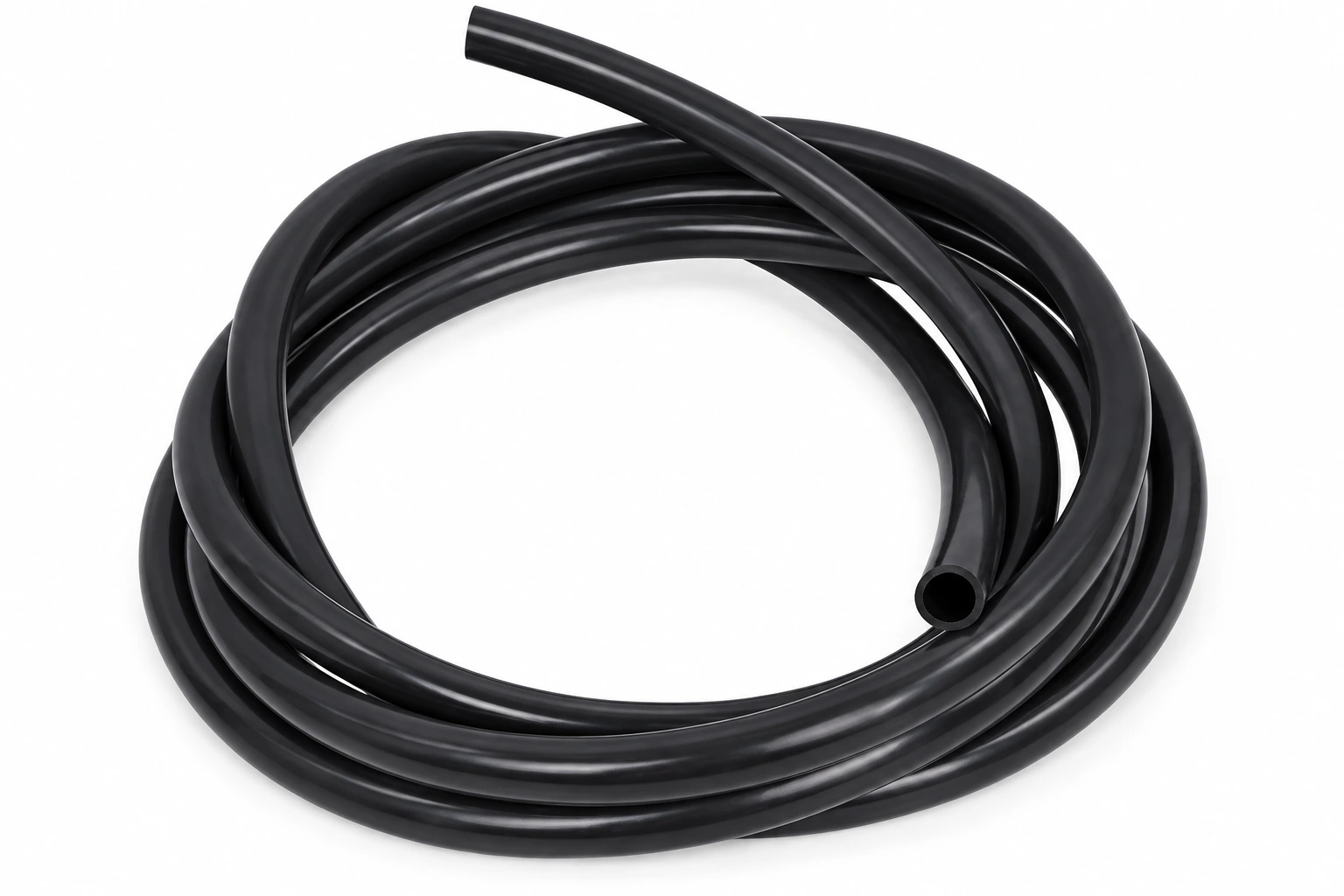
Black silicone tubing
Compare Inside Diameter and Outside Diameter in mm, together with the listed Thickness and Colour. The cross-section drawing identifies the bore and outside diameter; confirm the selected tube material and service requirements.
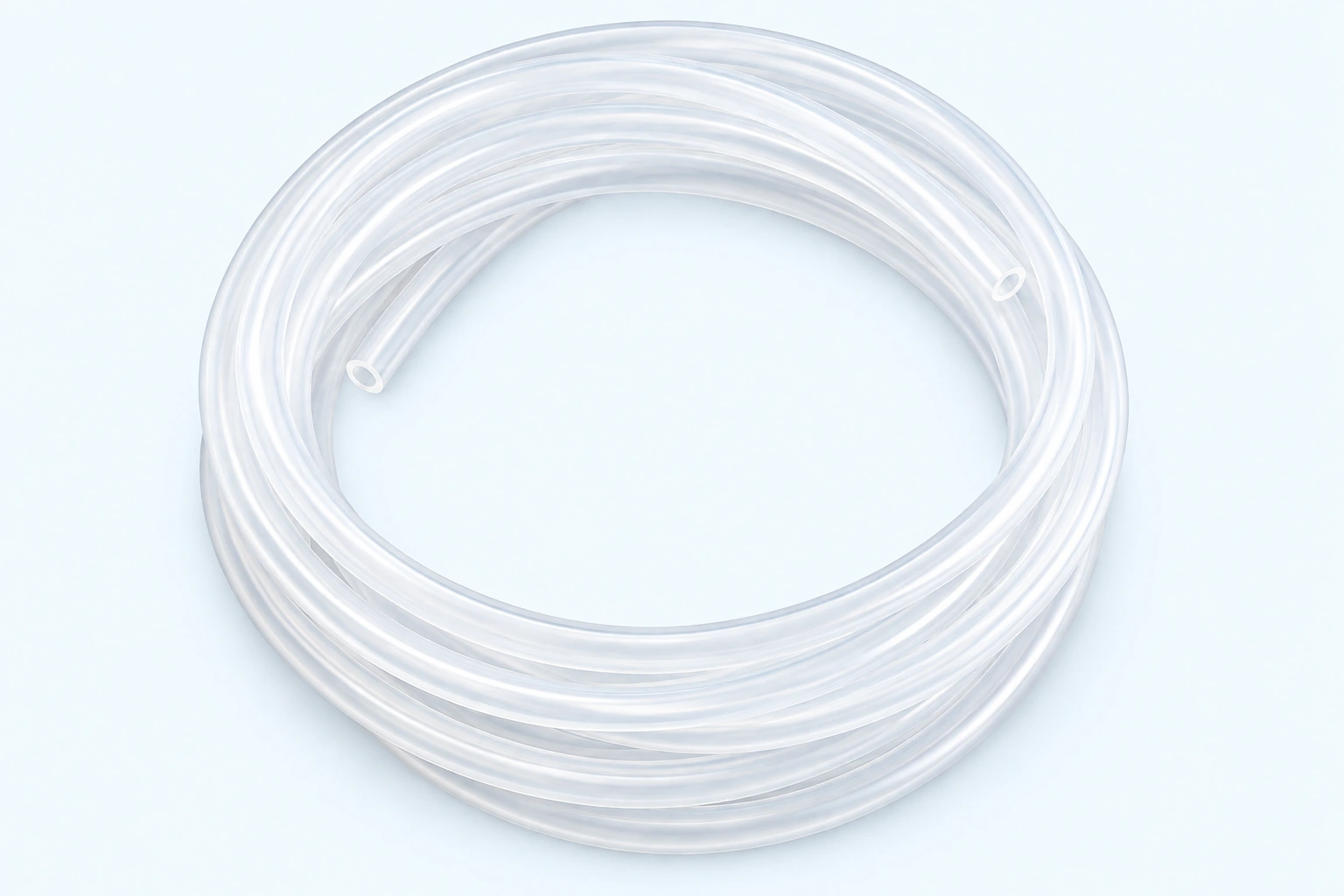
Industrial silicone tube
Compare Inside Diameter and Outside Diameter in mm, together with the listed Thickness and Colour. The cross-section drawing identifies the bore and outside diameter; confirm the selected tube material and service requirements.
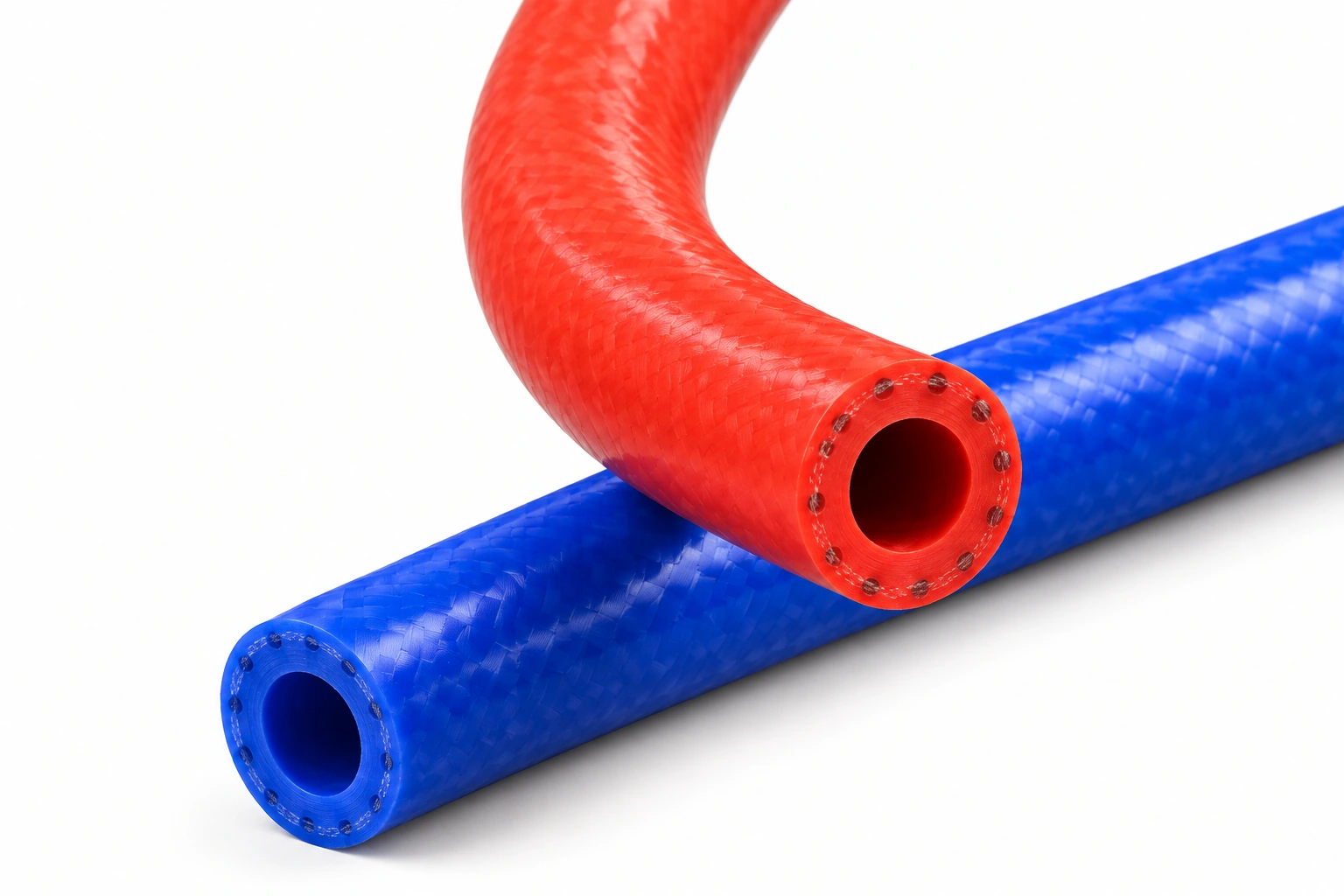
Colourful silicone braided tube
Compare Inside Diameter and Outside Diameter in mm, together with the listed Thickness and Colour. The cross-section drawing identifies the bore and outside diameter; confirm the selected tube material and service requirements.
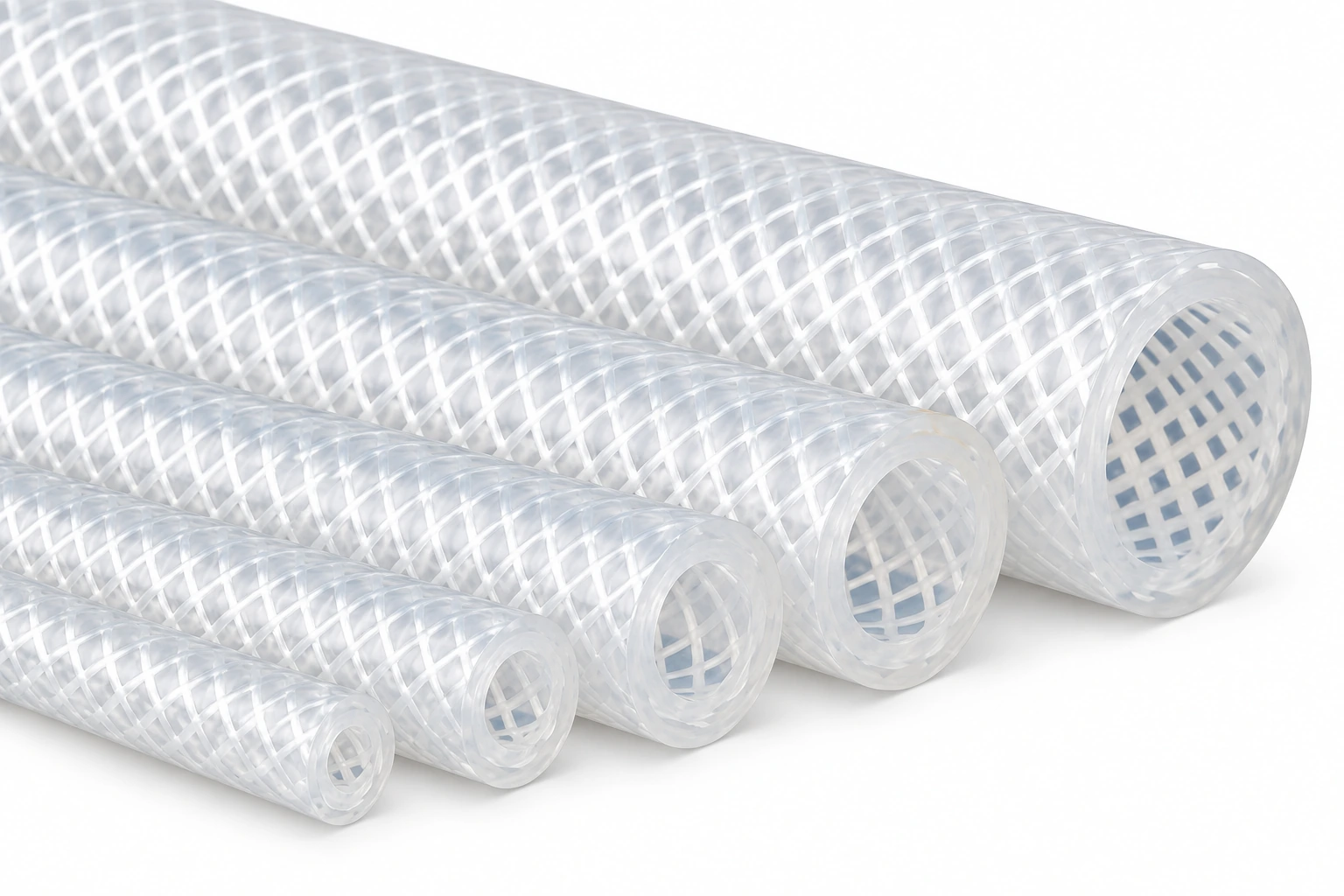
Food grade silicone braided tube
Compare Inside Diameter and Outside Diameter in mm, together with the listed Thickness and Colour. The cross-section drawing identifies the bore and outside diameter; confirm the selected tube material and service requirements.
Need a different size? Share your drawing, mating dimensions and intended use to discuss a suitable part.
Discuss Your RequirementsProduct specifications
- Product form
- Hollow elastomer tubing for a fitted line or sleeve
- Material
- Silicone. Specify the compound grade for the selected service.
- Application focus
- Food-processing equipment, drainage connections and aircraft equipment. Size the part against the selected assembly.
- Dimensions to confirm
- Inside diameter, outside diameter, wall thickness and cut length. Match these to food-processing equipment and drainage connections.
- Food-contact qualification
- Identify the food, contact time and cleaning cycle; obtain documentation for the selected finished compound and intended use.
- Contact conditions
- Food ingredients, air, other gases, water and steam: define concentration, temperature and contact time, then check compatibility with the chosen compound.
- Exposure to evaluate
- Heat and cold cycling and oil splash. Validate the selected material under the combined conditions.
- Line layout
- Check bend radius, unsupported spans and clearance at both connections.
Need a quote or a custom part?
Send your requirements, drawings or samples to discuss standard and custom silicone rubber parts.
Email us[email protected]