
Foodgrade high temp silicone tubing
When you think of foodgrade silicone tubing, there are a few things that come to mind, and one of the first things is most definitely the tubing’s ability to withstand high temperatures during the food processing process. With that in mind, we have decided that if we want to manufacture the best foodgrade high temp tubing, we have to manufacture it from the most heat resilient rubber – silicone. So, foodgrade high temp silicone tubing has been born.
We have been manufacturing and selling foodgrade high temp silicone tubing for quite some time now. During that time, we have worked with a great number of clients in various industries which have the need for this kind of silicone tubing, and we’re pleased to say, most of them are recurring customers. But, we’re not here to talk about that – we’re here to talk about what makes foodgrade high temp silicone tubing special.
For starters, this tubing is made from silicone, as we have already said. That means that it is suitable for use in the food industry, regardless of what kind of food processing is being done. As we have already said and as you can tell from the name, this kind of silicone tubing is resilient to high temperatures. Silicone tubing can easily withstand temperatures as high as 270 degrees Celsius, as well as temperatures as low as negative 70 degrees Celsius. That means that the food running through tubing can be processed in both very cold and very hot environments. Another great thing about silicone tubing is its low chemical reactivity. In fact, silicone is so inert that it won’t react with pretty much anything, which means it won’t affect the food that is transported through it in any single way. Additionally, silicone is sterile and non-toxic, also making it perfect for this kind of use-case scenario.
Silicone Tubing Size Catalog
Compare inside diameter, outside diameter and listed wall thickness across silicone tube ranges. Confirm the material grade and application requirements for the selected part.
Food grade silicone tube
Compare Inside Diameter and Outside Diameter in mm, together with the listed Thickness and Colour. The cross-section drawing identifies the bore and outside diameter; confirm the selected tube material and service requirements.

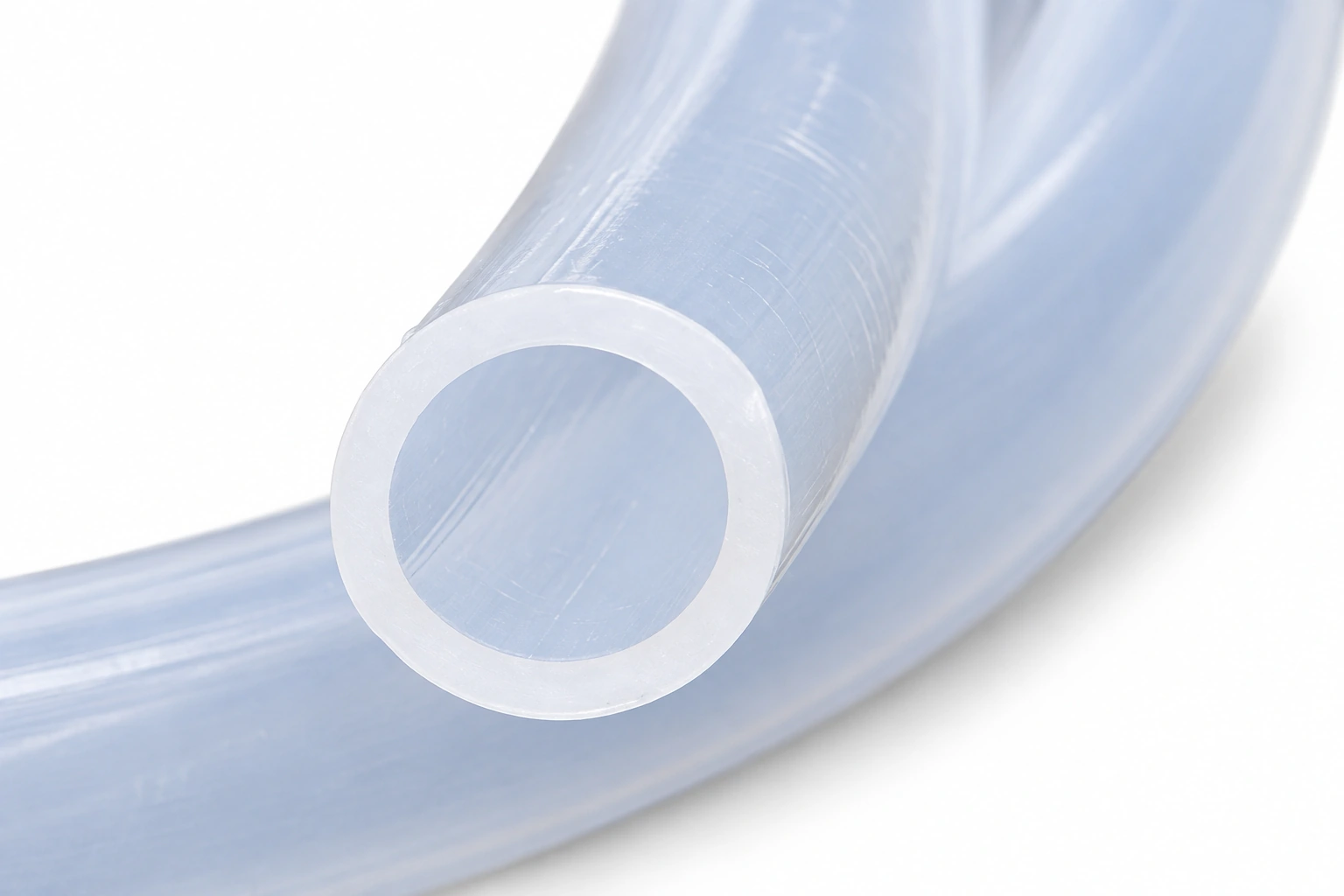
Black silicone tubing
Compare Inside Diameter and Outside Diameter in mm, together with the listed Thickness and Colour. The cross-section drawing identifies the bore and outside diameter; confirm the selected tube material and service requirements.
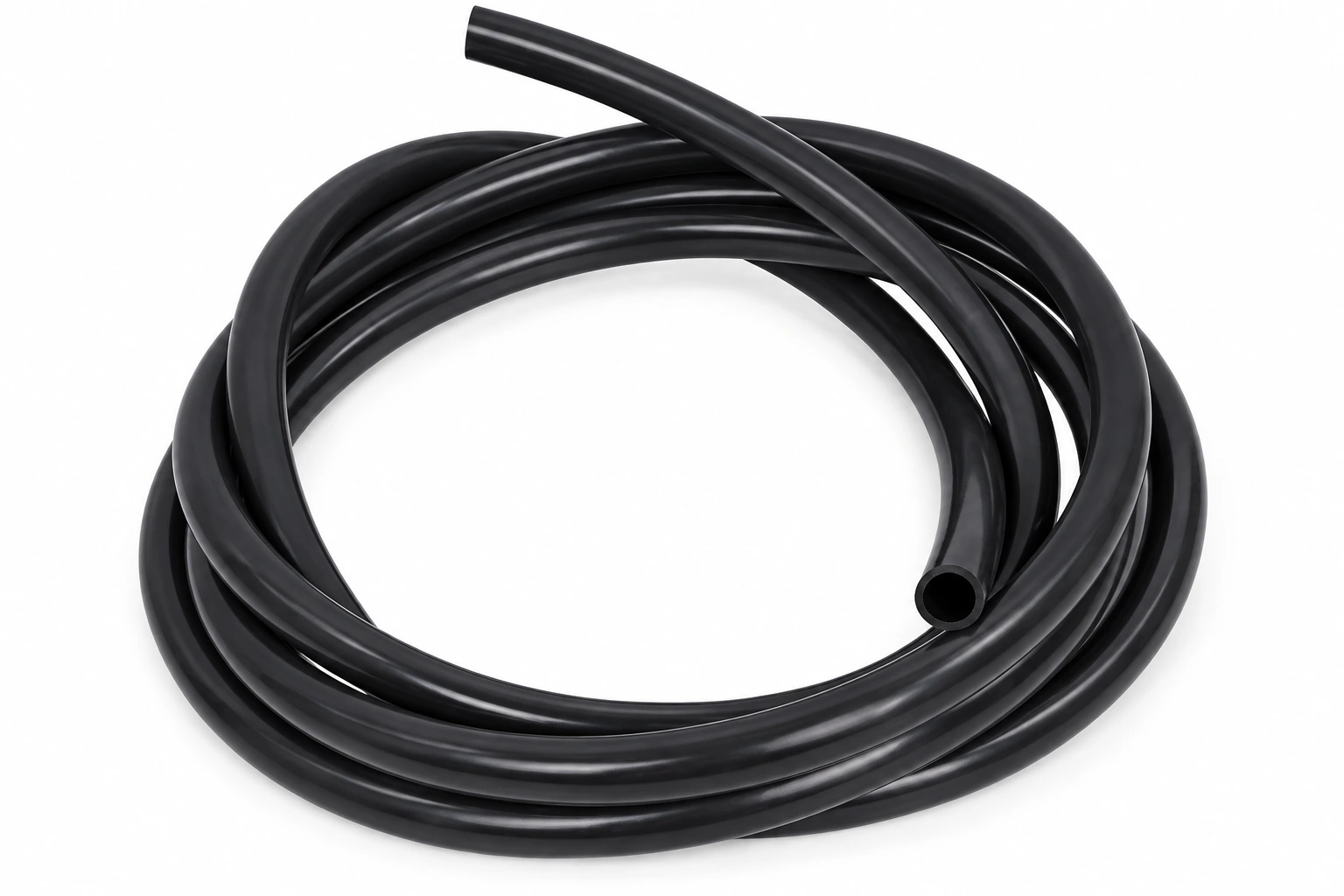
Industrial silicone tube
Compare Inside Diameter and Outside Diameter in mm, together with the listed Thickness and Colour. The cross-section drawing identifies the bore and outside diameter; confirm the selected tube material and service requirements.
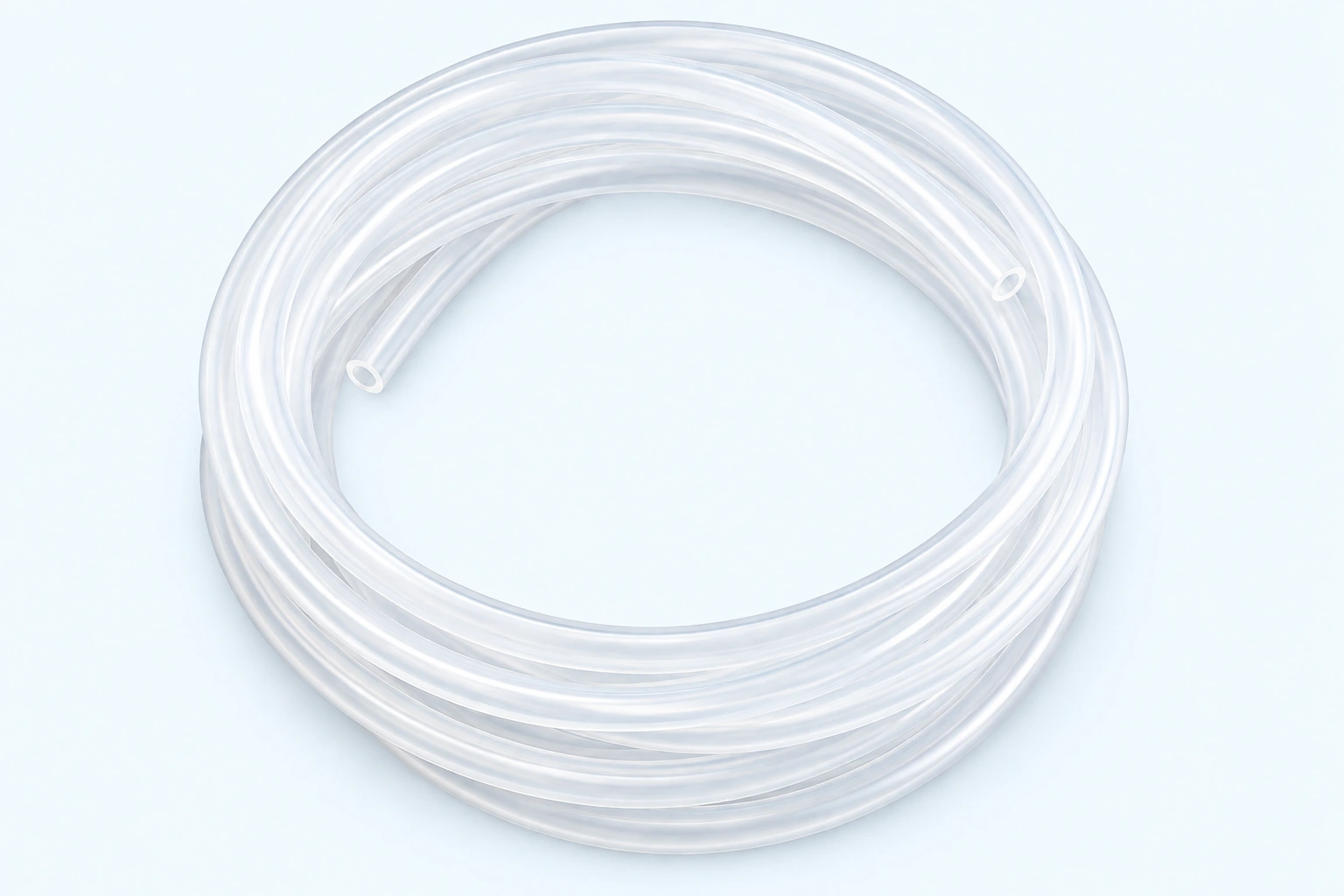
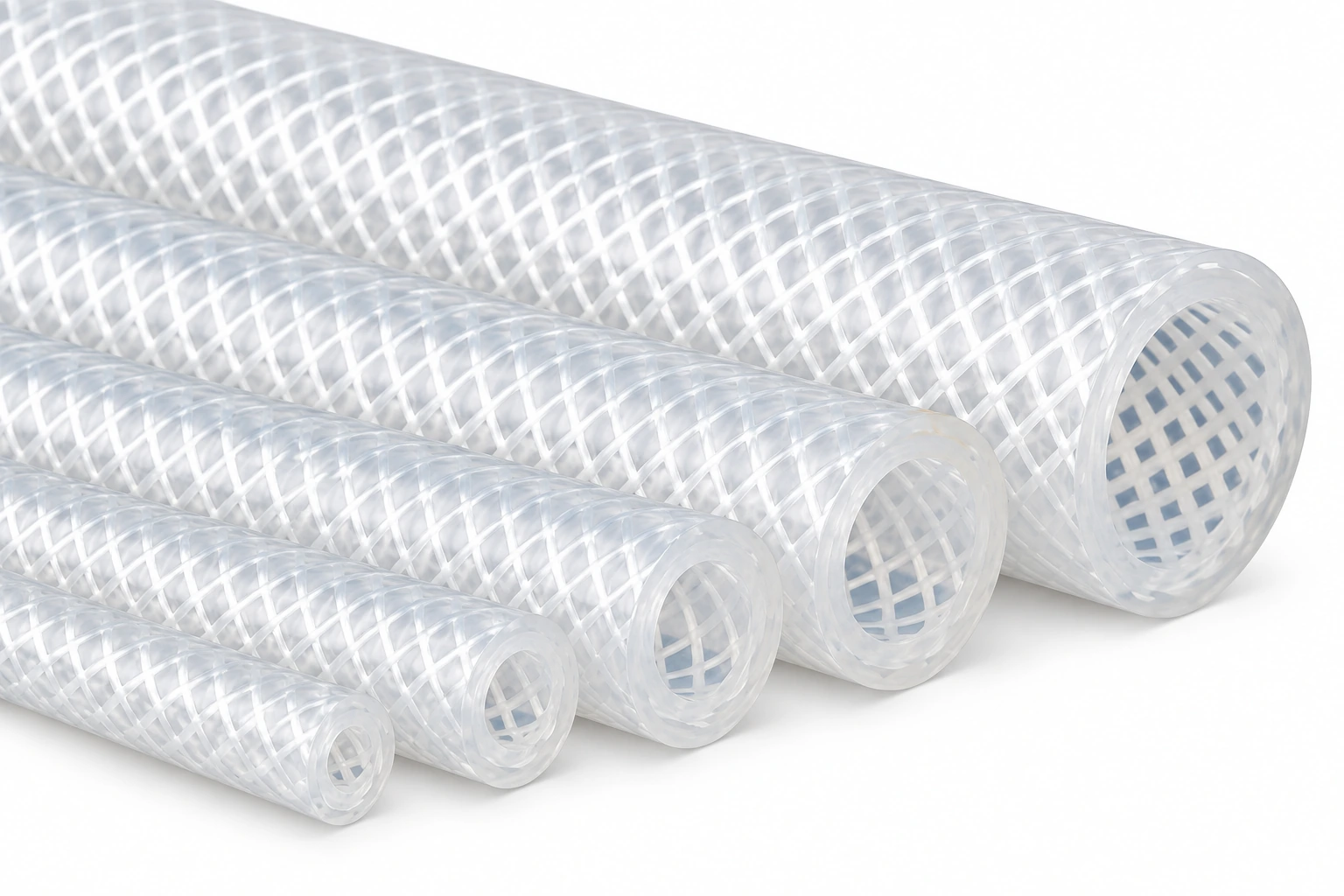
Colourful silicone braided tube
Compare Inside Diameter and Outside Diameter in mm, together with the listed Thickness and Colour. The cross-section drawing identifies the bore and outside diameter; confirm the selected tube material and service requirements.
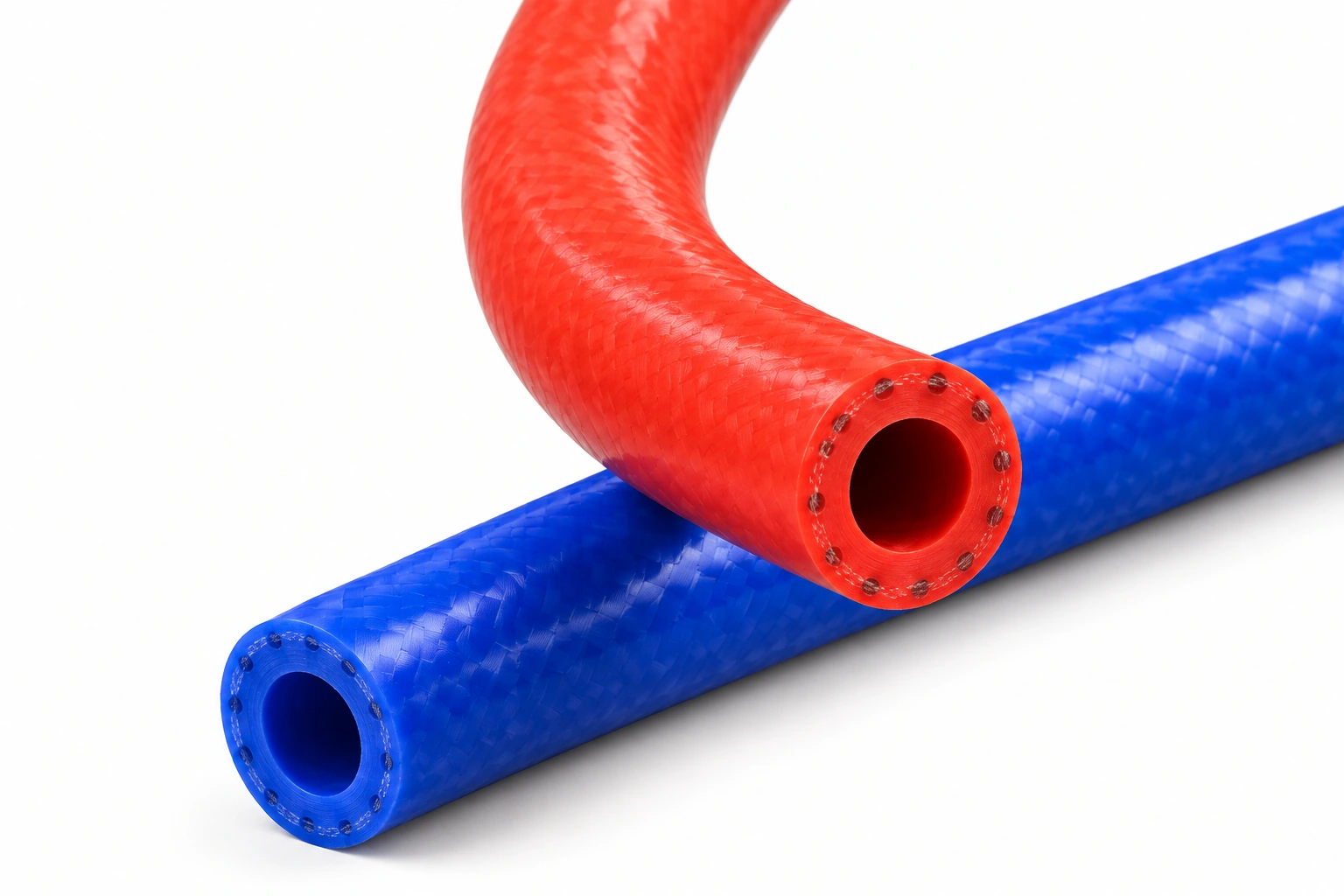
Food grade silicone braided tube
Compare Inside Diameter and Outside Diameter in mm, together with the listed Thickness and Colour. The cross-section drawing identifies the bore and outside diameter; confirm the selected tube material and service requirements.
Need a different size? Share your drawing, mating dimensions and intended use to discuss a suitable part.
Discuss Your RequirementsProduct specifications
- Product form
- Hollow elastomer tubing for a fitted line or sleeve
- Material
- Silicone. Specify the compound grade for the selected service.
- Application focus
- Food-processing equipment and industrial fluid lines. Size the part against the selected assembly.
- Dimensions to confirm
- Inside diameter, outside diameter, wall thickness and cut length. Match these to food-processing equipment and industrial fluid lines.
- Food-contact qualification
- Identify the food, contact time and cleaning cycle; obtain documentation for the selected finished compound and intended use.
- Thermal duty
- Define continuous exposure, short peaks and cycle time; establish the usable limit for the selected compound and assembly.
- Contact conditions
- Food ingredients: define concentration, temperature and contact time, then check compatibility with the chosen compound.
- Line layout
- Check bend radius, unsupported spans and clearance at both connections.
Need a quote or a custom part?
Send your requirements, drawings or samples to discuss standard and custom silicone rubber parts.
Email us[email protected]