
Generator rubber mounts
Generator brackets can be made of rubber only or can be a combination of rubber and steel. Their basic function is generator stability. When we say stability, we primarily mean that the generator must stand firmly on the ground on which it is attached to these legs. In order to work smoothly and for a longer period of time, the generator must be separated from the hard surface. This is exactly what these generator rubber mounts are for. As the generator generates a large or small number of vibrations, its wear and breakdown can very often occur. The generator hits the ground and thus loses power.
These rubber feet ensure that the generator will be separated from the ground, completely safe but again, it is left with enough space to work smoothly. In addition, they reduce the transmission of vibrations, ie they act as a damper.
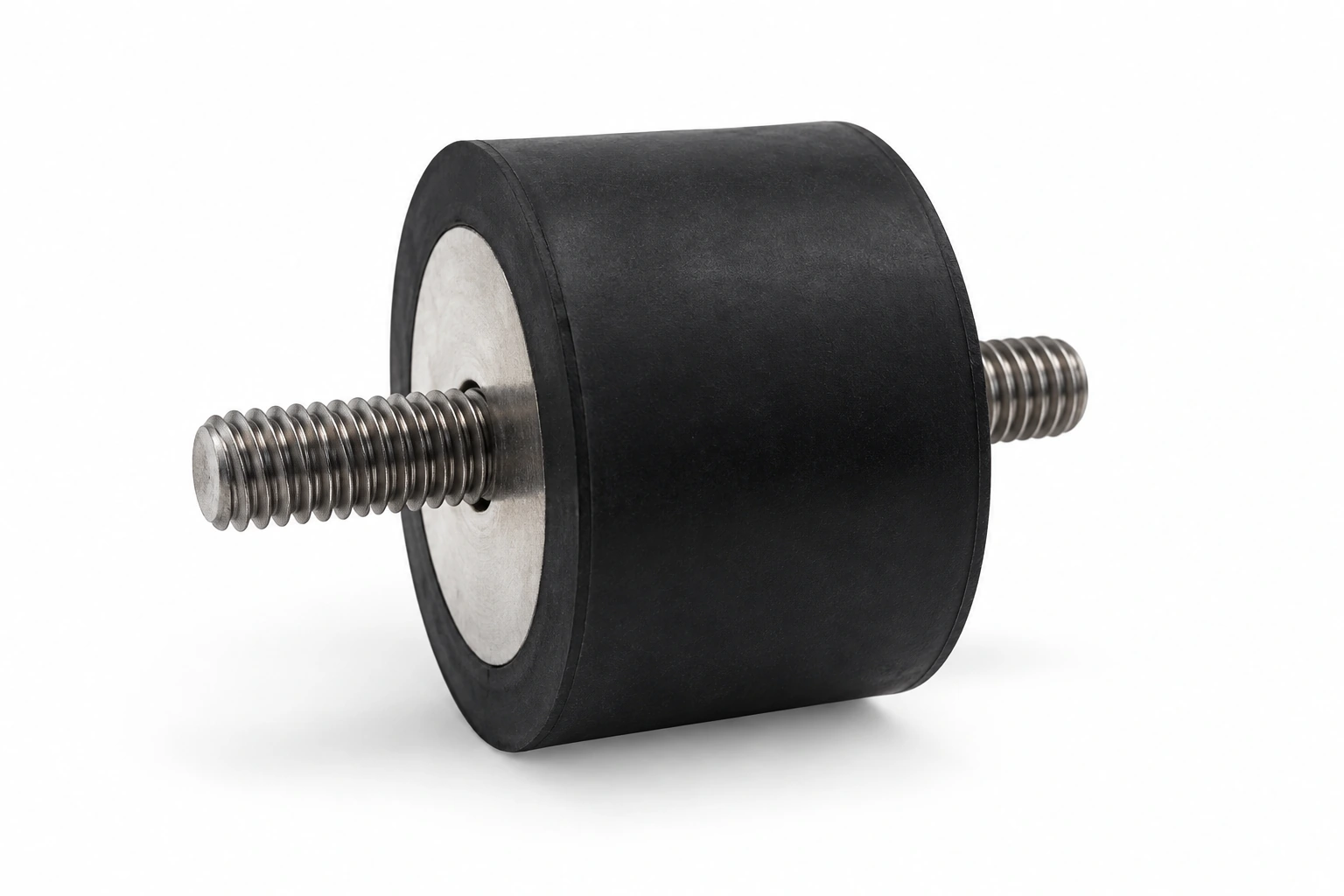
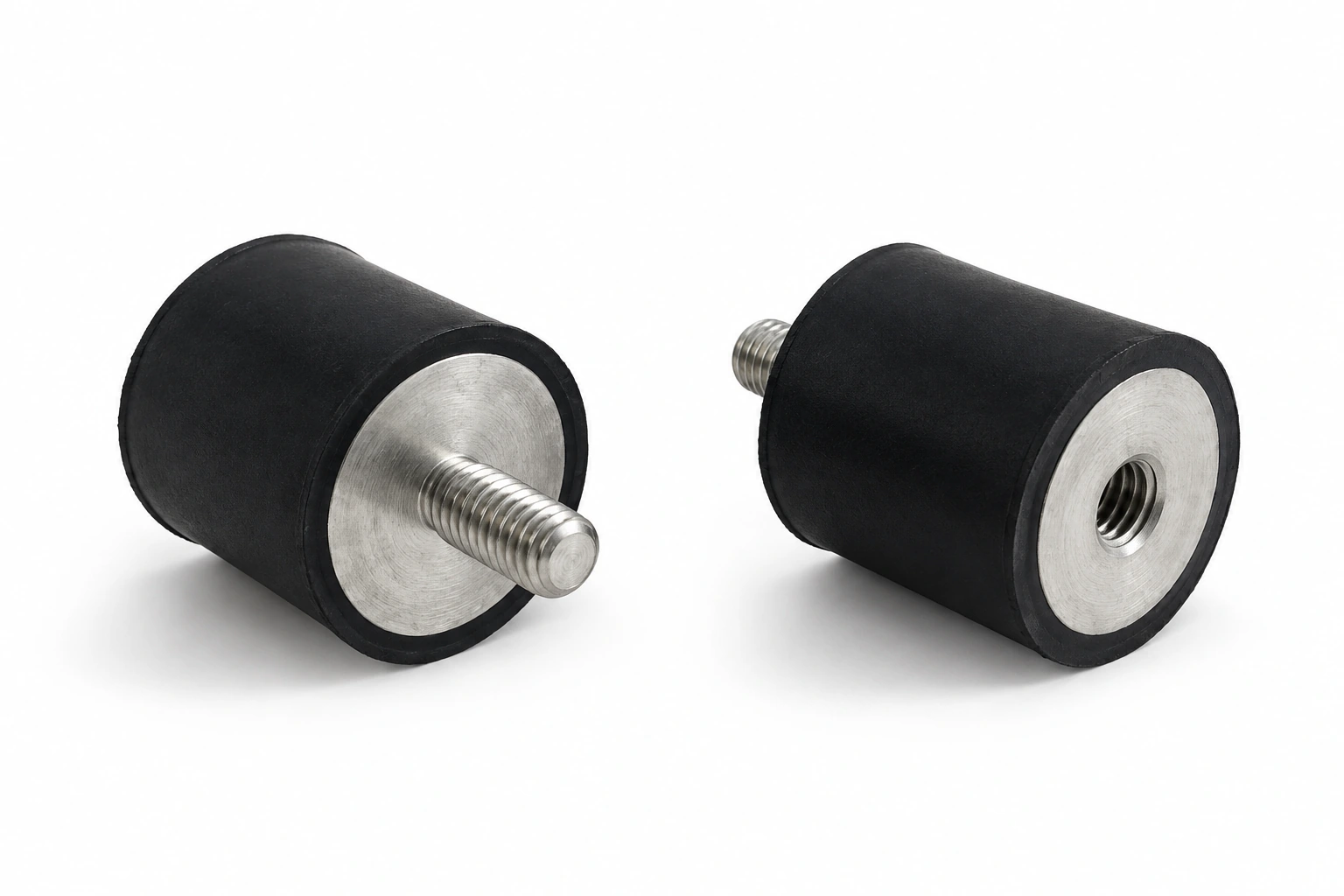
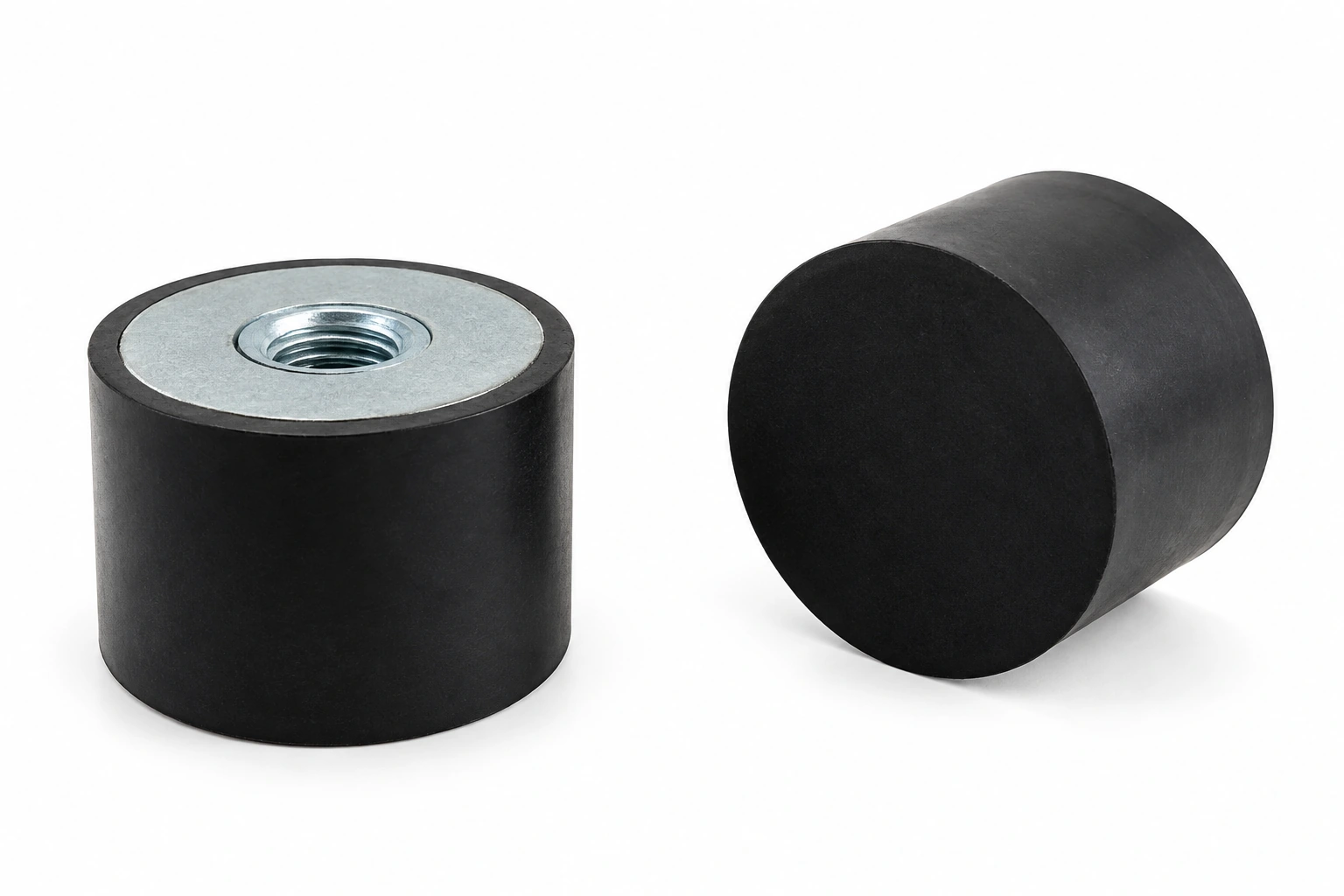
These rubber generator mounts have a completely simple look. Proper geometric design provides it with great stability, and the rubber from which it is made ensures quality stability. This high-quality rubber and steel fastener usually has two ends that differ. These are the so-called male and female parts of this carrier. The male part is a steel or rubber bulge. This cylindrical bulge has two purposes. The first is to blend well with the generator body to do its function perfectly. Another purpose of this male finish is by attaching to already permanent holders in order to lengthen or lift the generator. This male part is attached to the so-called female part of the carrier, which represents the cavity. These two parts fit together perfectly and form a compact whole.
These generator rubber mounts are made in molds and are very durable. They can withstand very high temperatures and are very long-lasting. In addition to generators, they can also be used for air compressors, motors, water pumps, welding machines, and similar equipment.
Vibration Mount Size Catalog
Compare five mounting arrangements using the matching drawing, thread and dimensional data. Load and compression columns retain their stated units; confirm operating conditions for your installation.
Vibration Damping Mounts A
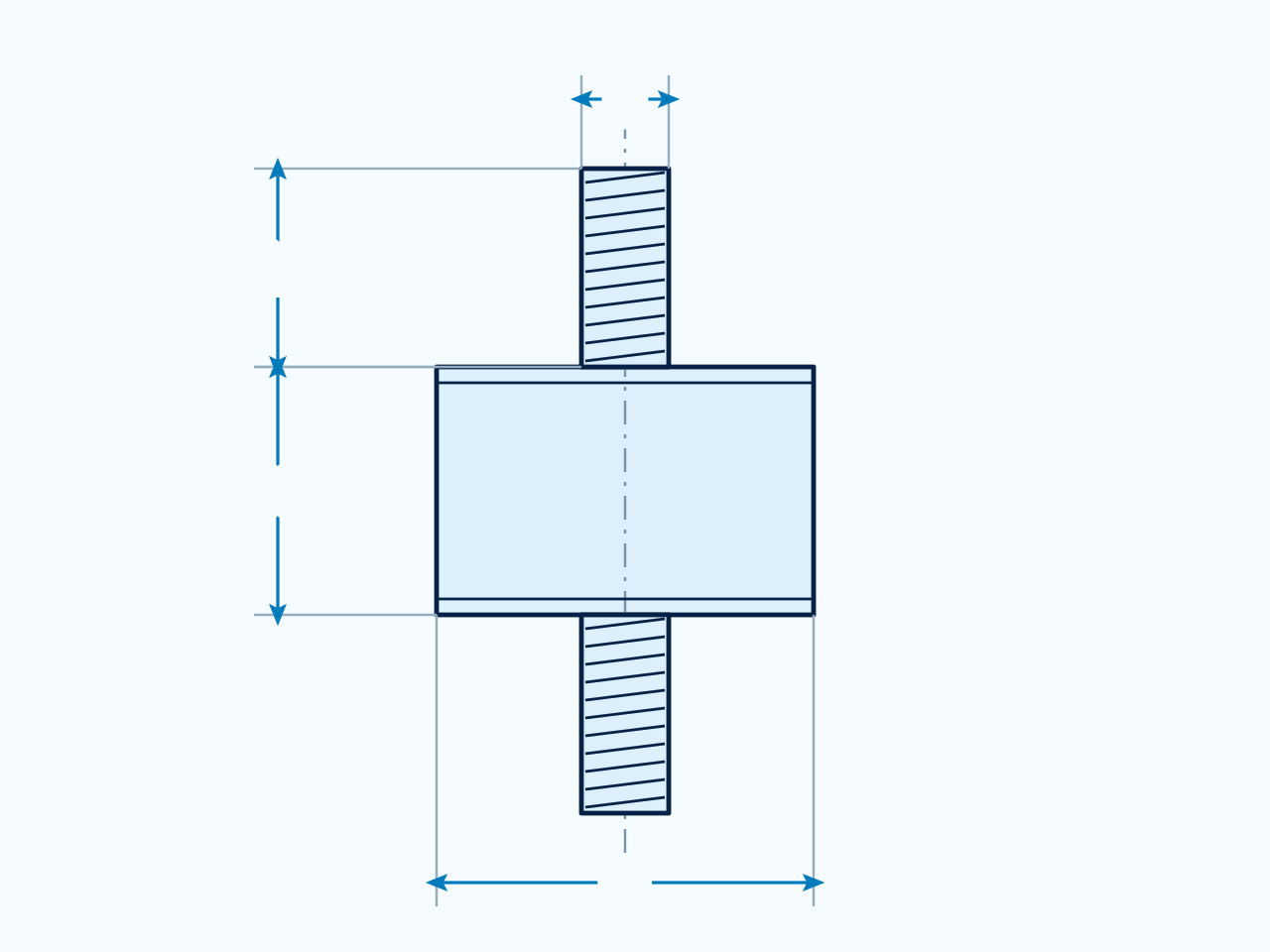
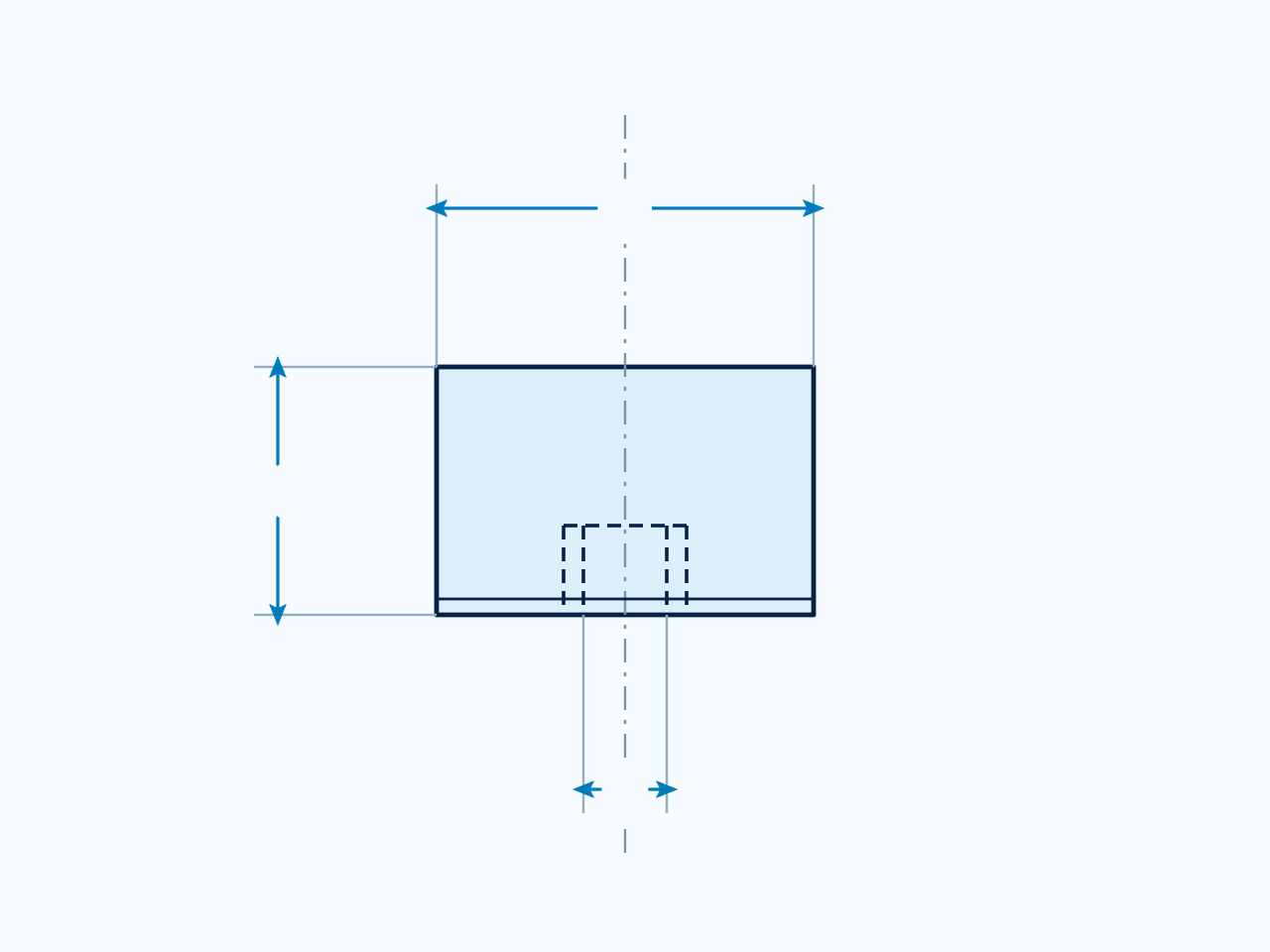
Match D, H and thread d to the drawing, including stud length L. Dimensions are in mm; thread designations, load in kg and compression in mm follow the table headings. Confirm load direction and operating conditions for your installation.
Anti-Vibration Rubber Mounts B
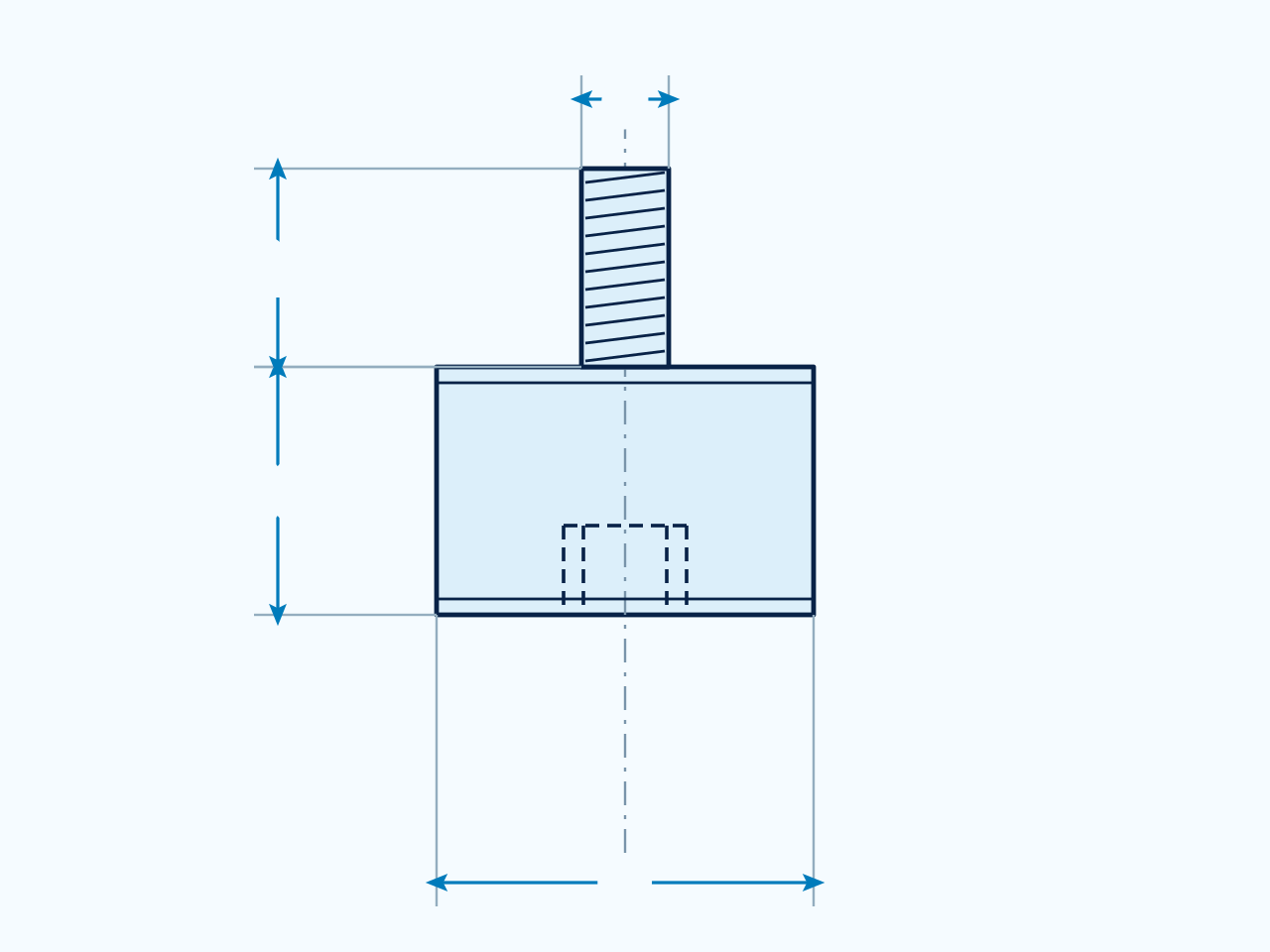
Match D, H and thread d to the drawing, including stud length L. Dimensions are in mm; thread designations, load in kg and compression in mm follow the table headings. Confirm load direction and operating conditions for your installation.
Vibration Isolators C
Match D, H and thread d to the drawing. Dimensions are in mm; thread designations, load in kg and compression in mm follow the table headings. Confirm load direction and operating conditions for your installation.
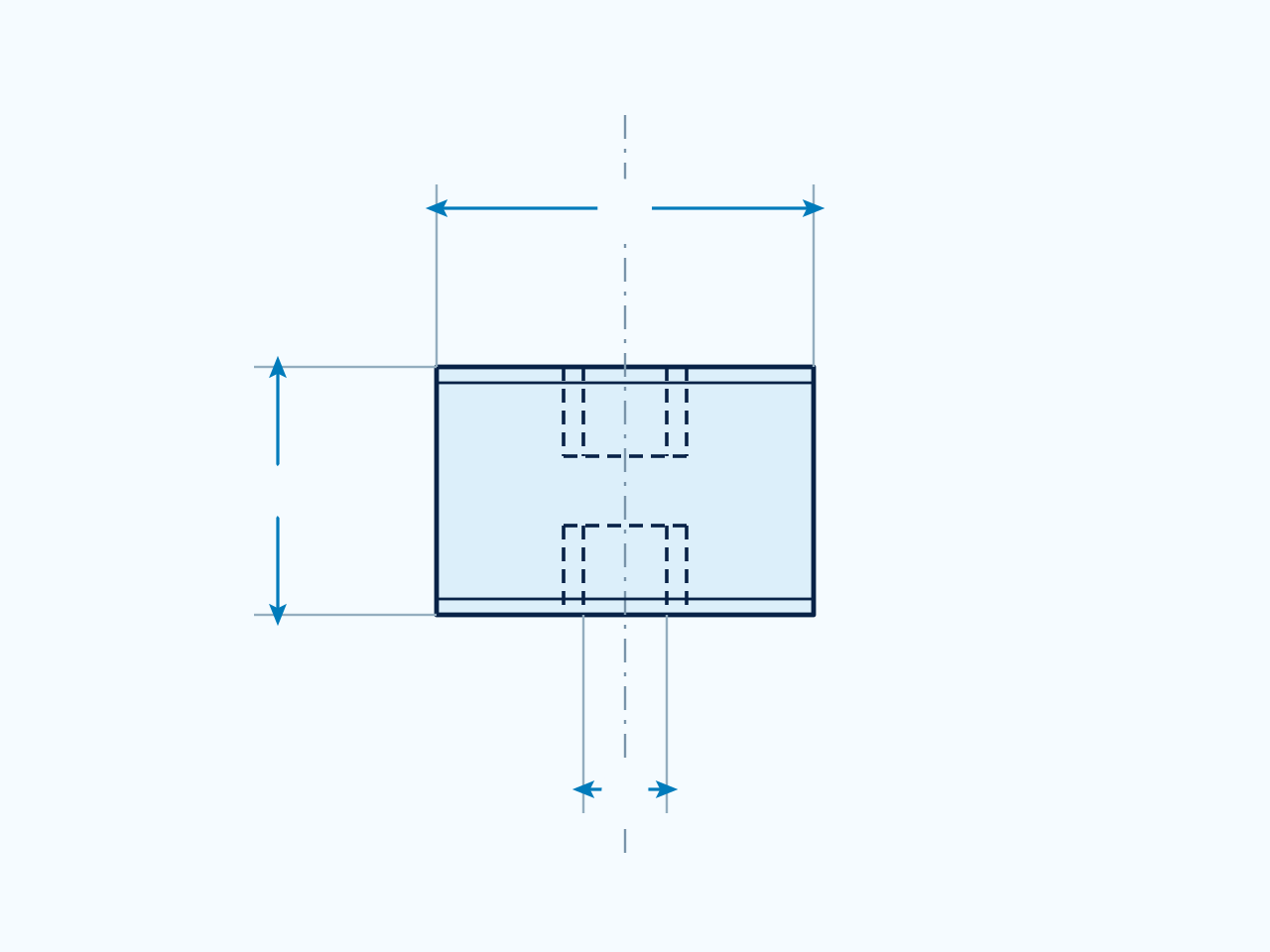
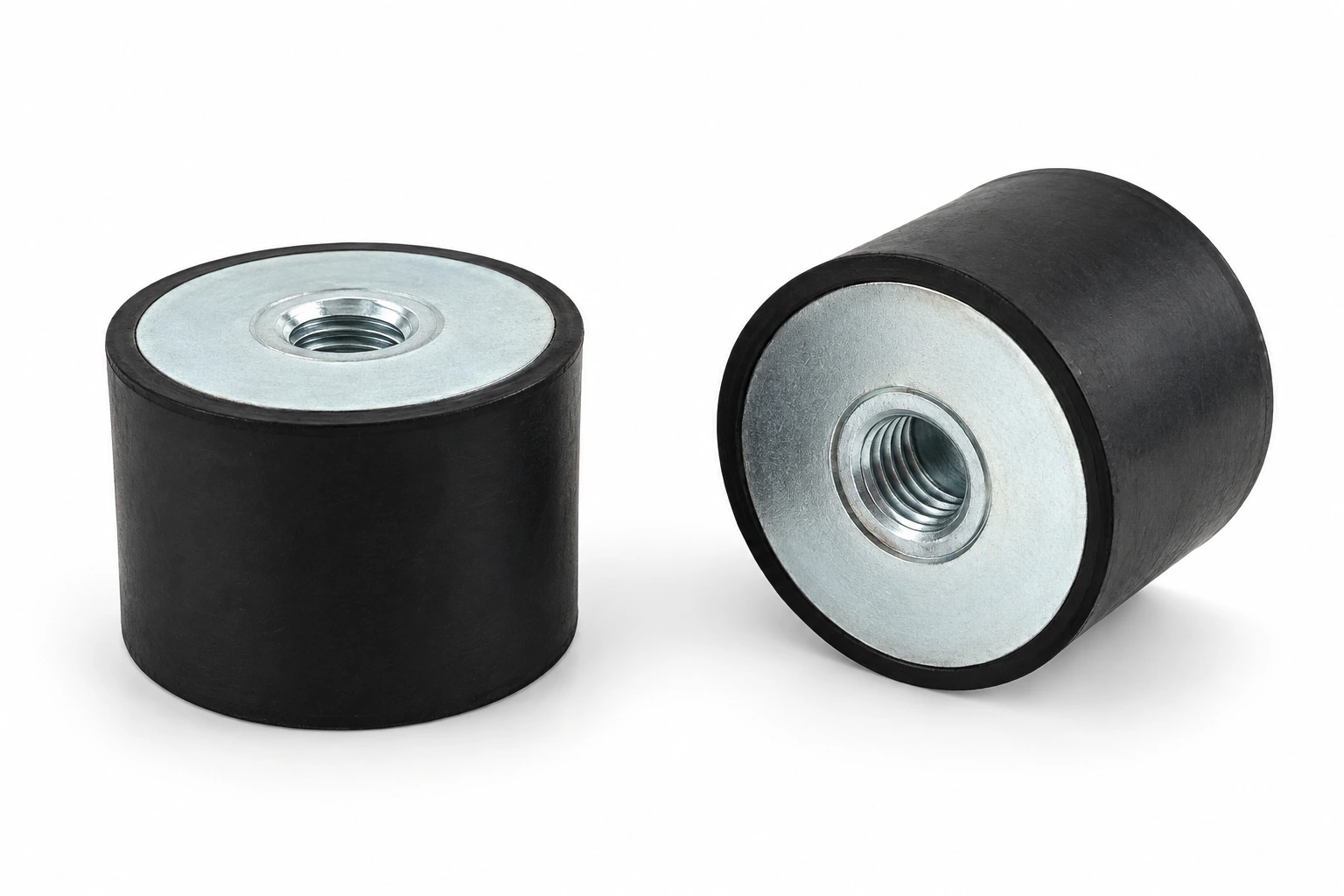
Rubber Mountings D
Match D, H and thread d to the drawing, including stud length L. Dimensions are in mm; thread designations, load in kg and compression in mm follow the table headings. Confirm load direction and operating conditions for your installation.
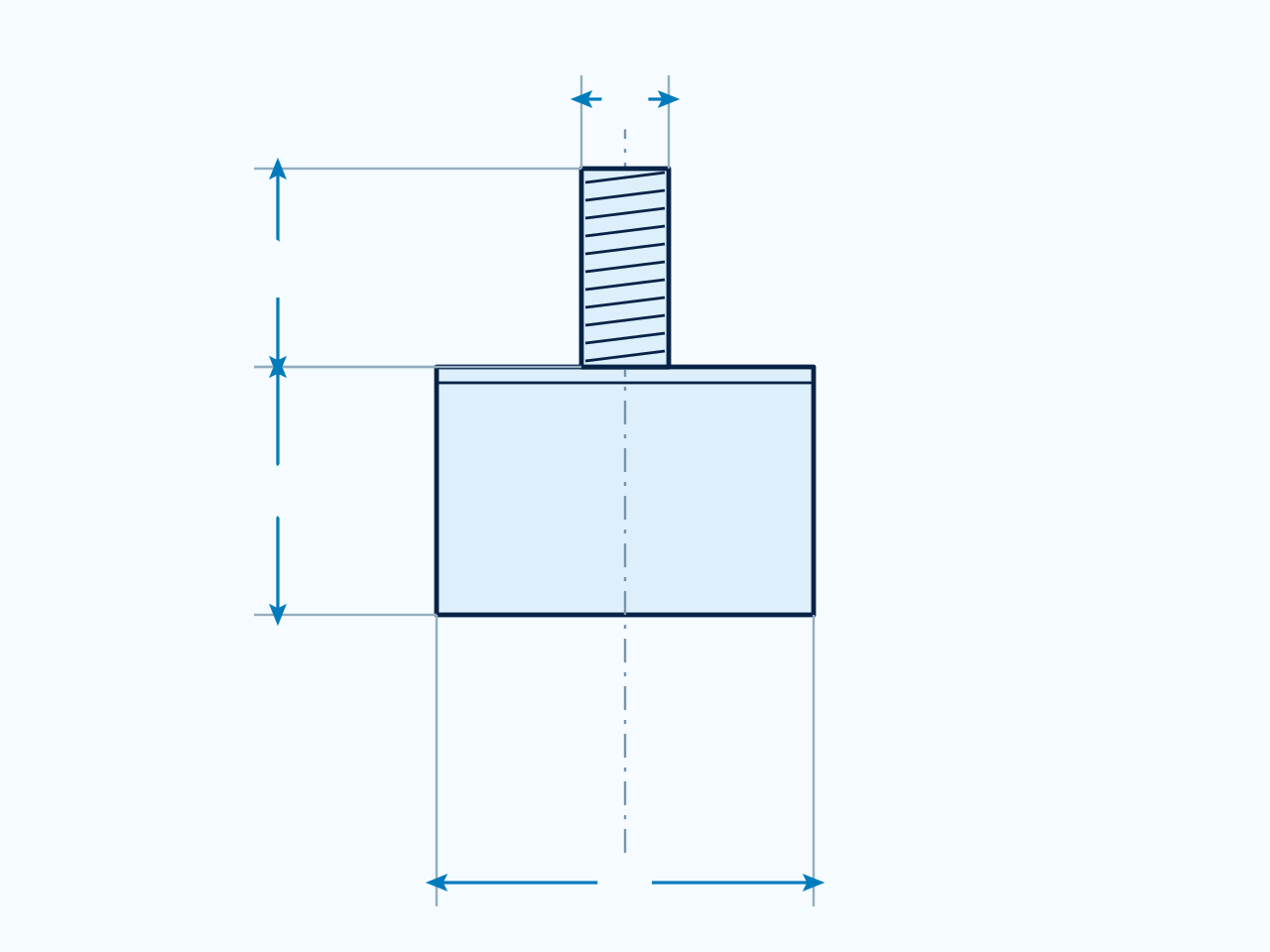
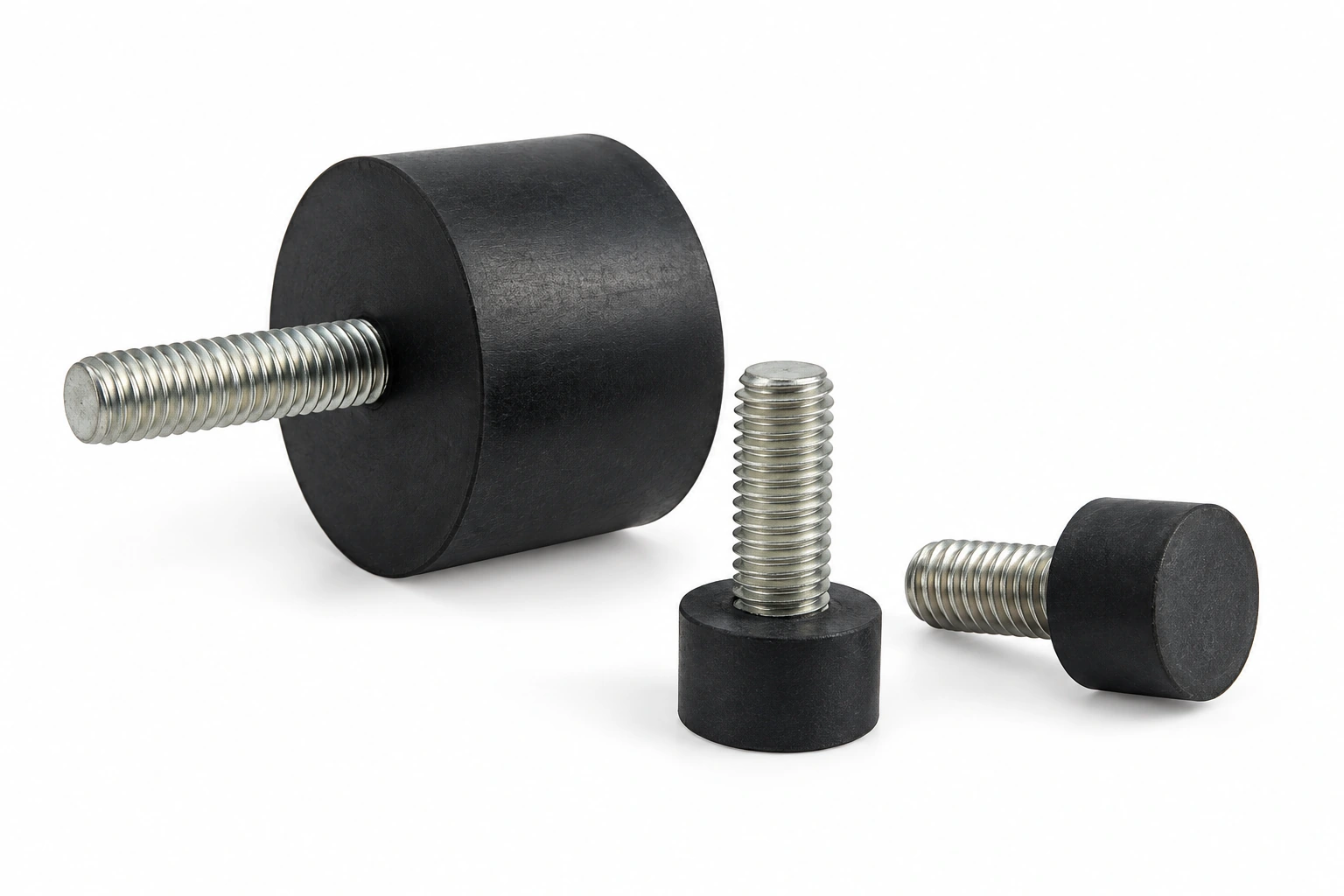
Rubber Vibration Mounts E
Match D, H and thread d to the drawing. Dimensions are in mm; thread designations, load in kg and compression in mm follow the table headings. Confirm load direction and operating conditions for your installation.
Need a different size? Share your drawing, mating dimensions and intended use to discuss a suitable part.
Discuss Your RequirementsProduct specifications
- Product form
- Elastomer mount between a vibrating assembly and its support
- Application focus
- Generators, compressors, electric motors and pumps. Size the part against the selected assembly.
- Dimensions to confirm
- Free and loaded heights, attachment spacing and body envelope. Match these to generators.
- Isolation objectives
- Steady vibration. Define a measurable acceptance target on the supported assembly.
- Construction discussed
- Cylindrical bodies. Detail the chosen arrangement and all mating hardware on the drawing.
- Dynamic selection
- Use the load per mount, excitation frequency and allowed movement to select the mount.
Need a quote or a custom part?
Send your requirements, drawings or samples to discuss standard and custom silicone rubber parts.
Email us[email protected]