
glass bottle rubber stopper
Glass bottles are very often used in the household, but also in some smaller production plants. If you are a fan of homemade wines, beers, juices, or soda water, you will find ways to appreciate glass bottles and corks for them. We all know how much better and healthier it is to store groceries in glass bottles compared to plastic ones. However, without a good plug, a glass bottle does not offer many possibilities. That is why the quality of the stopper is just as important as the quality of the bottle. It is the one that keeps the product from carbonation and fermentation. Plastic and rubber stoppers will very easily and for a long time keep freshness and all the ingredients of your food. Rubber stoppers on glass bottles enable long-term storage of the product, so you can be sure that your homemade kefir, kombucha, or some special oil, are completely safe.
Plastic plugs are very easy to put on and take off and you can use them over and over again. Wash the glass bottle cap when you have used up your favorite freshly squeezed juice and use it again. It will protect the product from oxidation, decay and evaporation of nutrients.
These plugs are made of high-quality rubber that can be healthy and safe in contact with food. They are made in different shapes: with eyelets for easier opening of the glass bottle, completely flat, slightly rounded, with or without thread. Also, to suit each neck of the glass bottle, they are produced in different volumes and lengths of the neck that enters the bottle. What is important is that they are resistant to chemicals, different types of oils. Withstand temperatures from -40 to 120 degrees c. To repeat once again, a glass bottle rubber stopper is not only a long-term investment but also has a positive effect on health.
Stopper & Plug Size Catalog
Compare four stopper profiles and check the selected part dimensions against your opening and available depth. Each profile has its own drawing and dimension meanings.
Custom colors are available to your Pantone color code. Include the code in your inquiry.
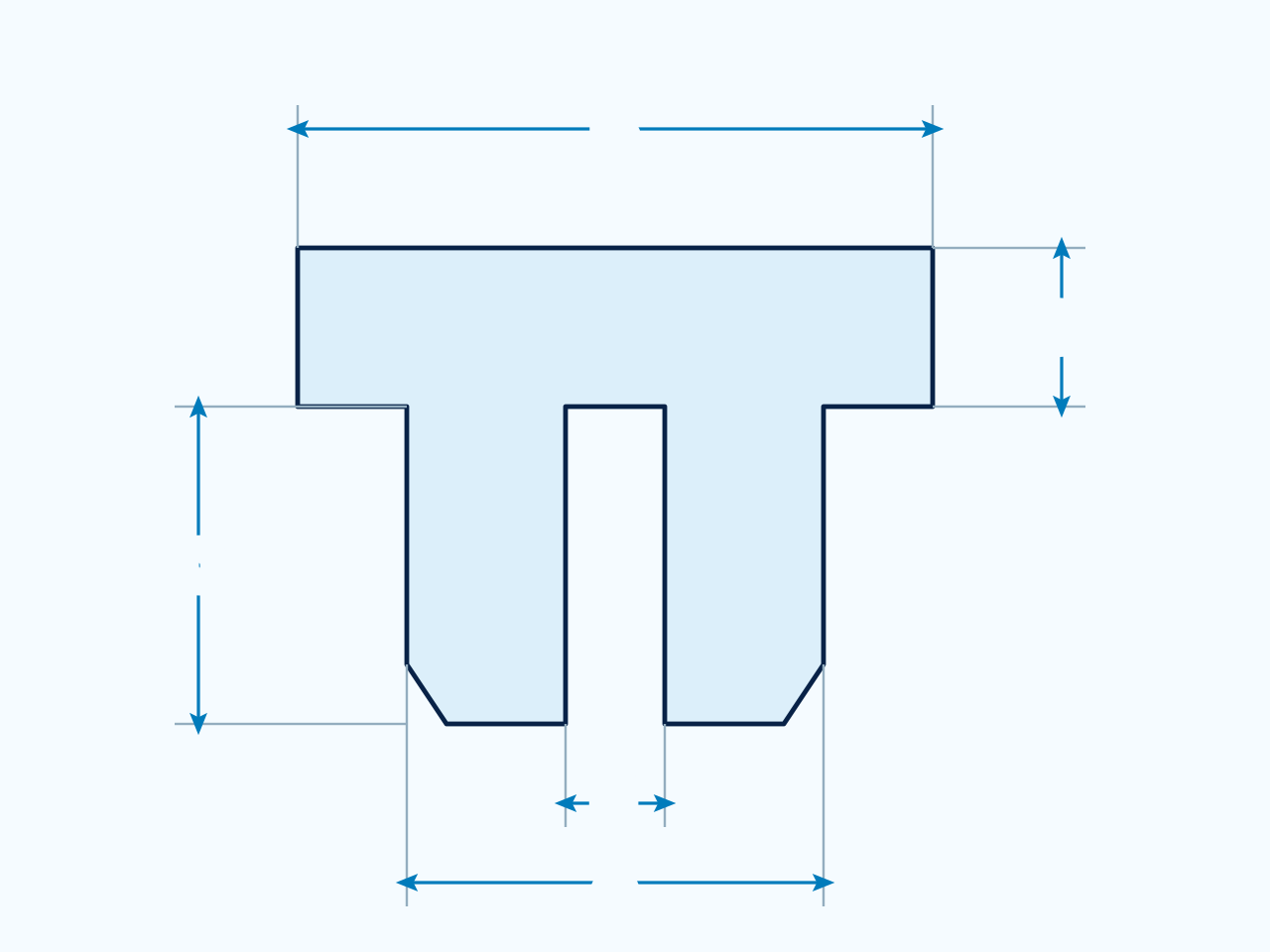
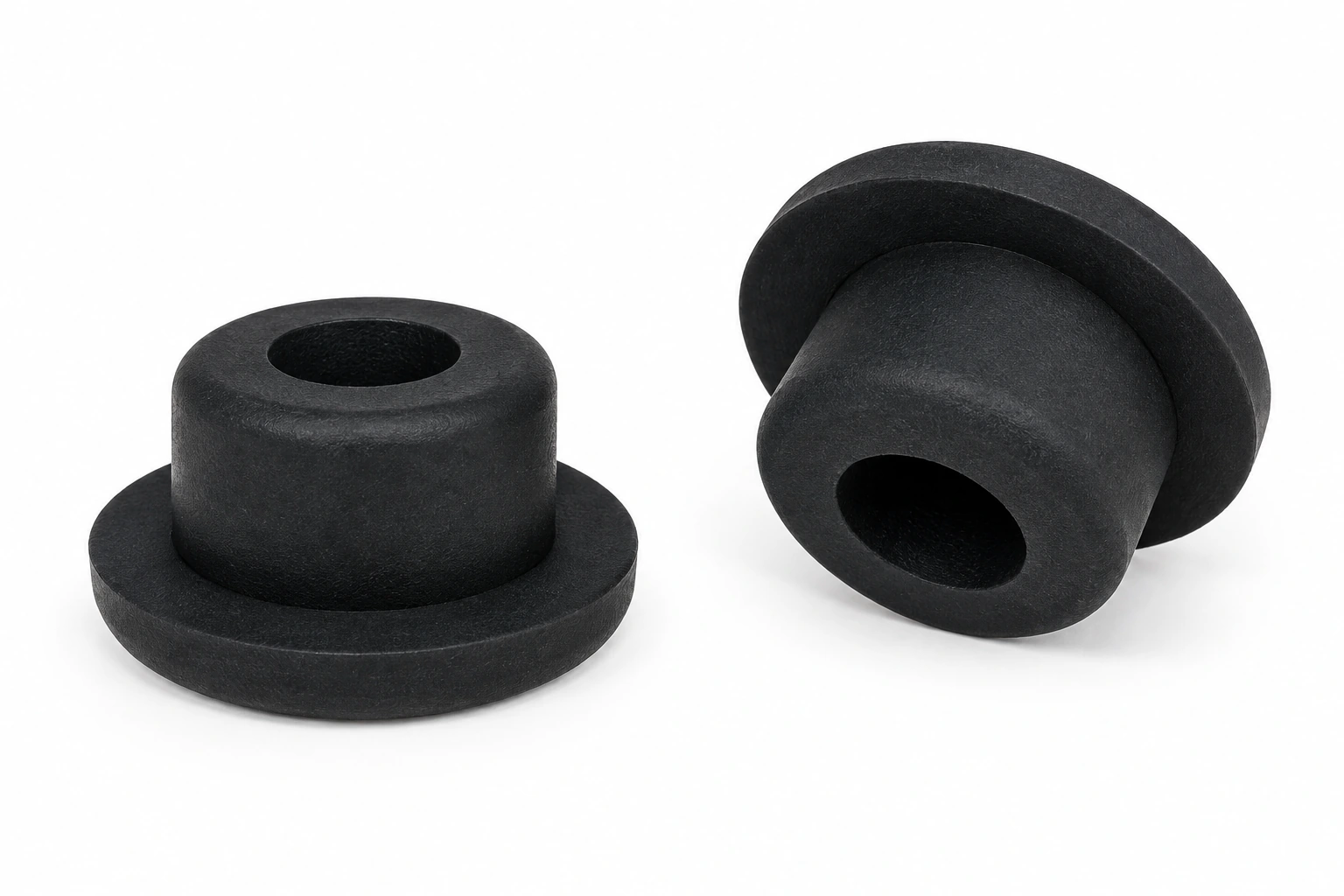
RST T-Shaped Plugs
Match stem diameter A, flange diameter B, stem length C and flange thickness D. E refers to the underside recess; use the selected row and approved drawing to confirm the actual profile.
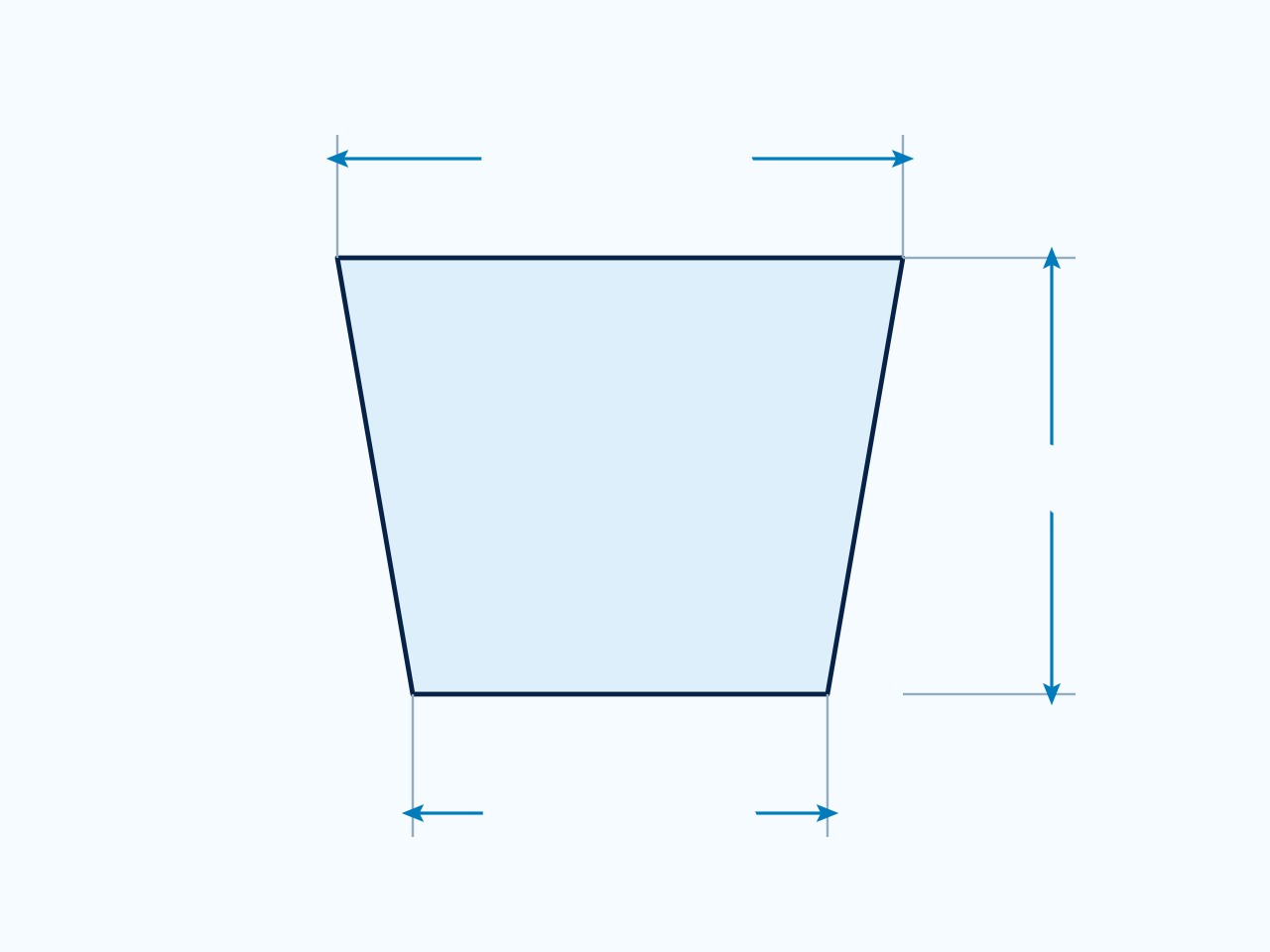
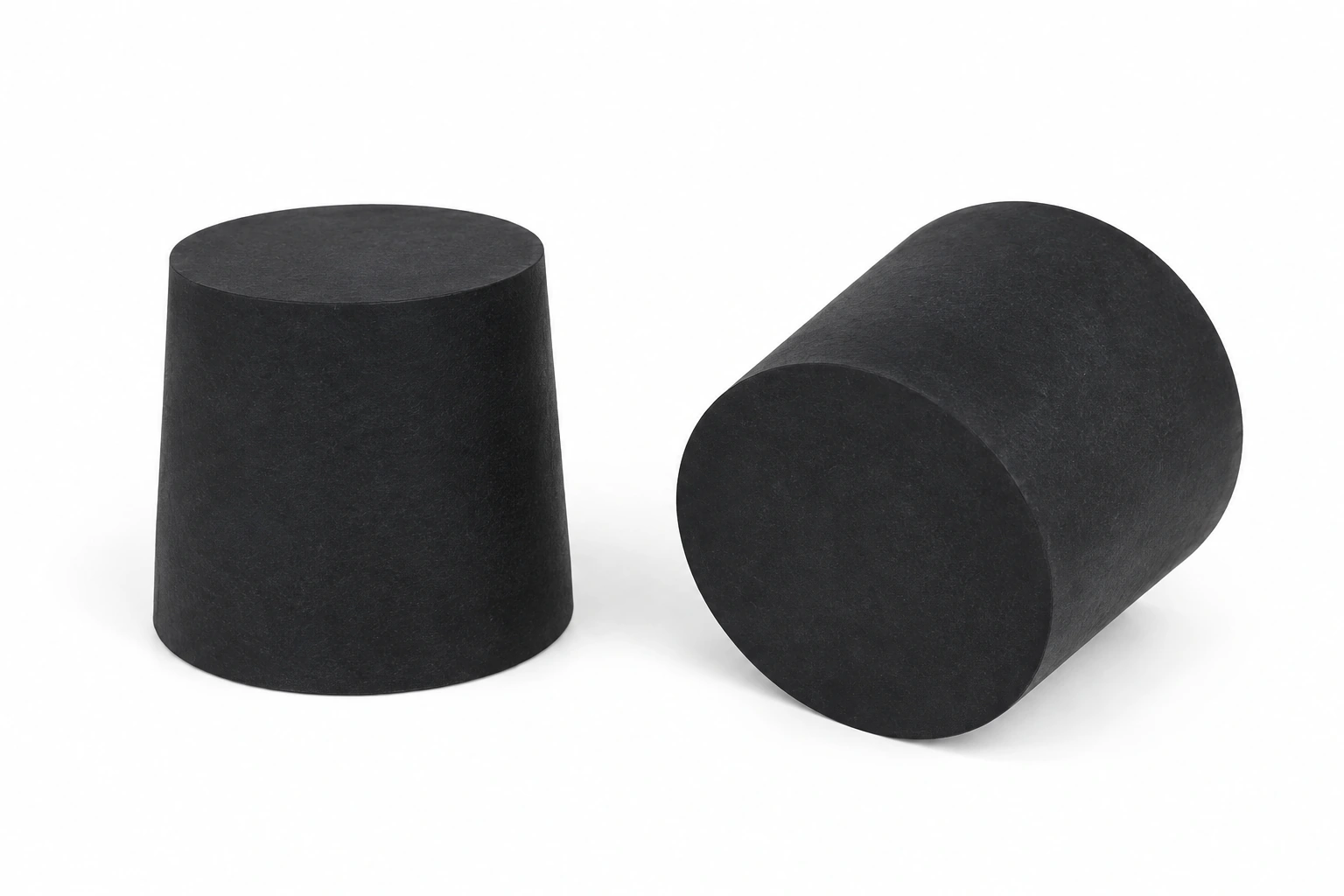
RSA Tapered Corks
Compare large-end diameter A, small-end diameter B and Height, in mm. The mating bore and required seating depth determine where the taper contacts the opening.
RSB Undercut Plugs
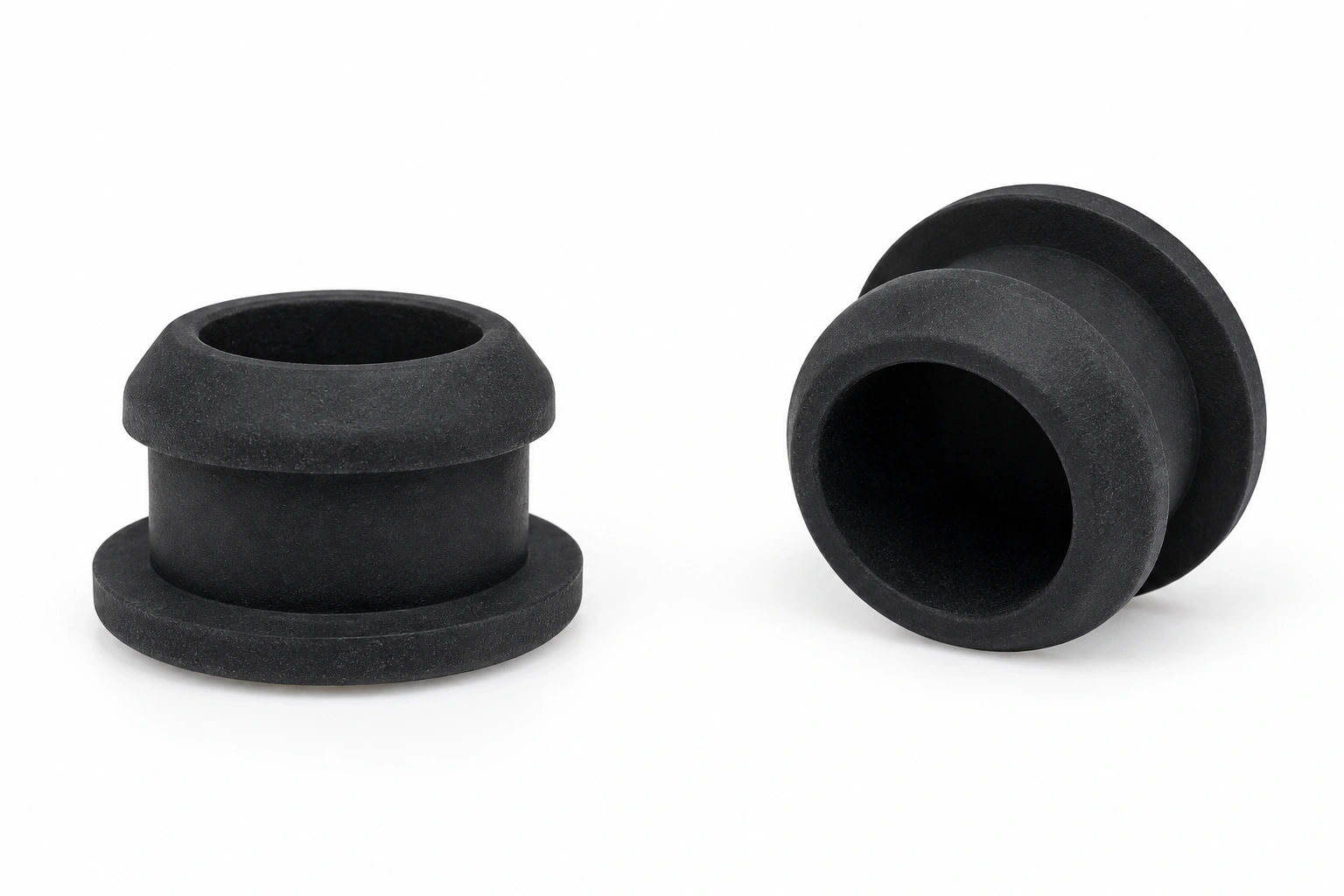
Compare neck diameter A, flange diameter B, flange-to-lip distance C and flange thickness D. Check panel thickness and rear clearance. E refers to the underside recess.

RSD T-Shaped Stoppers
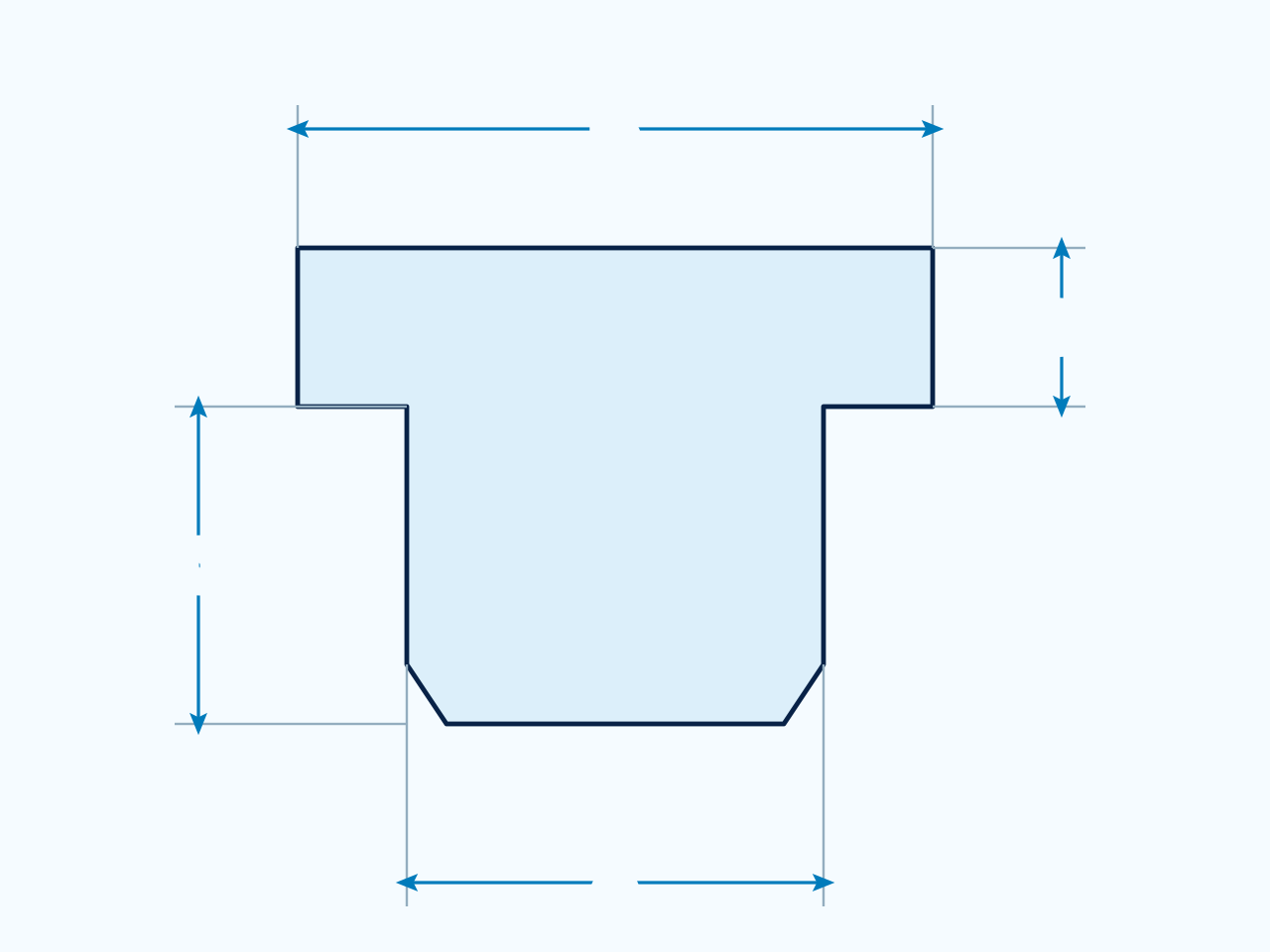
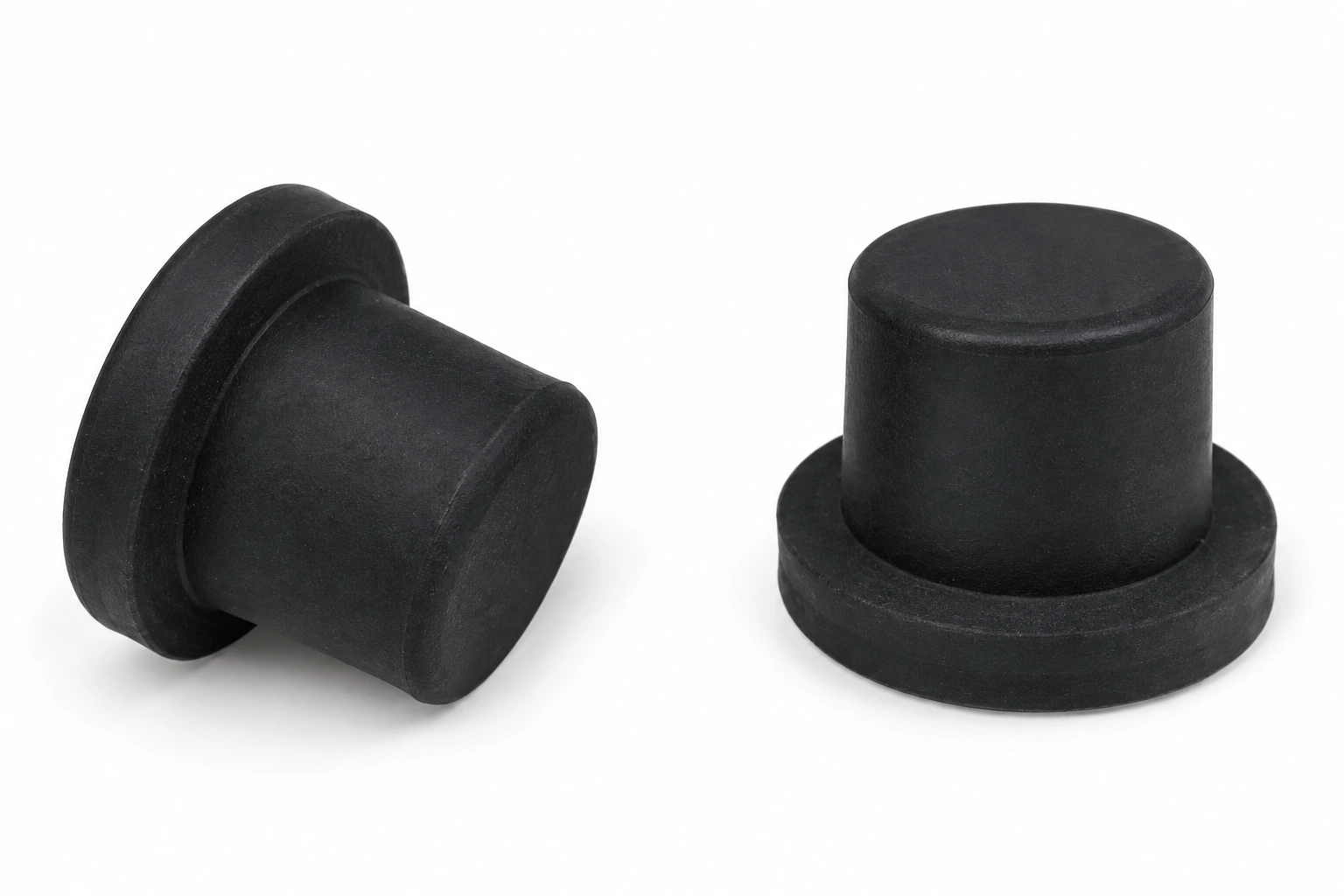
Compare stem diameter A, flange diameter B, stem length C and head thickness D, in mm. Check the seating surface and available depth as well as the hole diameter.
Need a different fit? Share the opening dimensions, mating profile and intended use for a custom size.
Discuss Your RequirementsProduct specifications
- Product form
- Removable vessel-neck closure
- Application focus
- Bottle necks. Size the part against the selected assembly.
- Dimensions to confirm
- Opening diameter, closure profile, insertion depth and exposed grip. Match these to bottle necks.
- Contact conditions
- Juices, water, food ingredients and lubricating oil: define concentration, temperature and contact time, then check compatibility with the chosen compound.
- Exposure to evaluate
- Oil splash. Validate the selected material under the combined conditions.
- Seating check
- Check the sealing contact around the opening and the force needed for insertion and removal.
Need a quote or a custom part?
Send your requirements, drawings or samples to discuss standard and custom silicone rubber parts.
Email us[email protected]