
Non slip rubber feet
Slippage is something that usually happens to objects that we use because of a lack of traction. This can lead to unpleasant experiences, or slipping of the items and breaking on the floor. To avoid that, there are non slip rubber feet used on almost every product that has a significant value. For example, you have surely noticed the feet under the laptop or tv stand. They make the horizontal movement over the surface difficult while preventing slippage. In addition, their use is most common in speakers. Although they are made to be easily transported, it is still important to stay intact when placed somewhere. This improves their durability and also serves a vibration prevention function that improves the sound. Besides electronics, the non slip rubber feet are used in furniture to prevent movements whenever someone sits and to prevent abrasion on the floors. With so many possible applications, it is easy to see why the rubber feet are an important object that you should not sleep on.
As their name says, they are made from rubber that gives these fantastic characteristics. The material is both sturdy and soft at the same time, which is highly essential for these purposes. The sturdiness helps the rubber feet to withstand the weight, and the softness helps in adhesion to the surface below. Depending on how you want the aesthetics, you should measure the place where the feet will be applied to hide them well. There are two basic ways to mount the rubber feet. The first way is sticking them on the lower portion with adhesive strips. The second way is by using a bolt in the middle to assure yourself about the snug fit. Both ways are effective enough, however, the bolted option is better for machinery applications. If you have more questions about the uses and different types of these non slip rubber feet before ordering, you should contact our firm.
Rubber Feet & Bumper Size Catalog
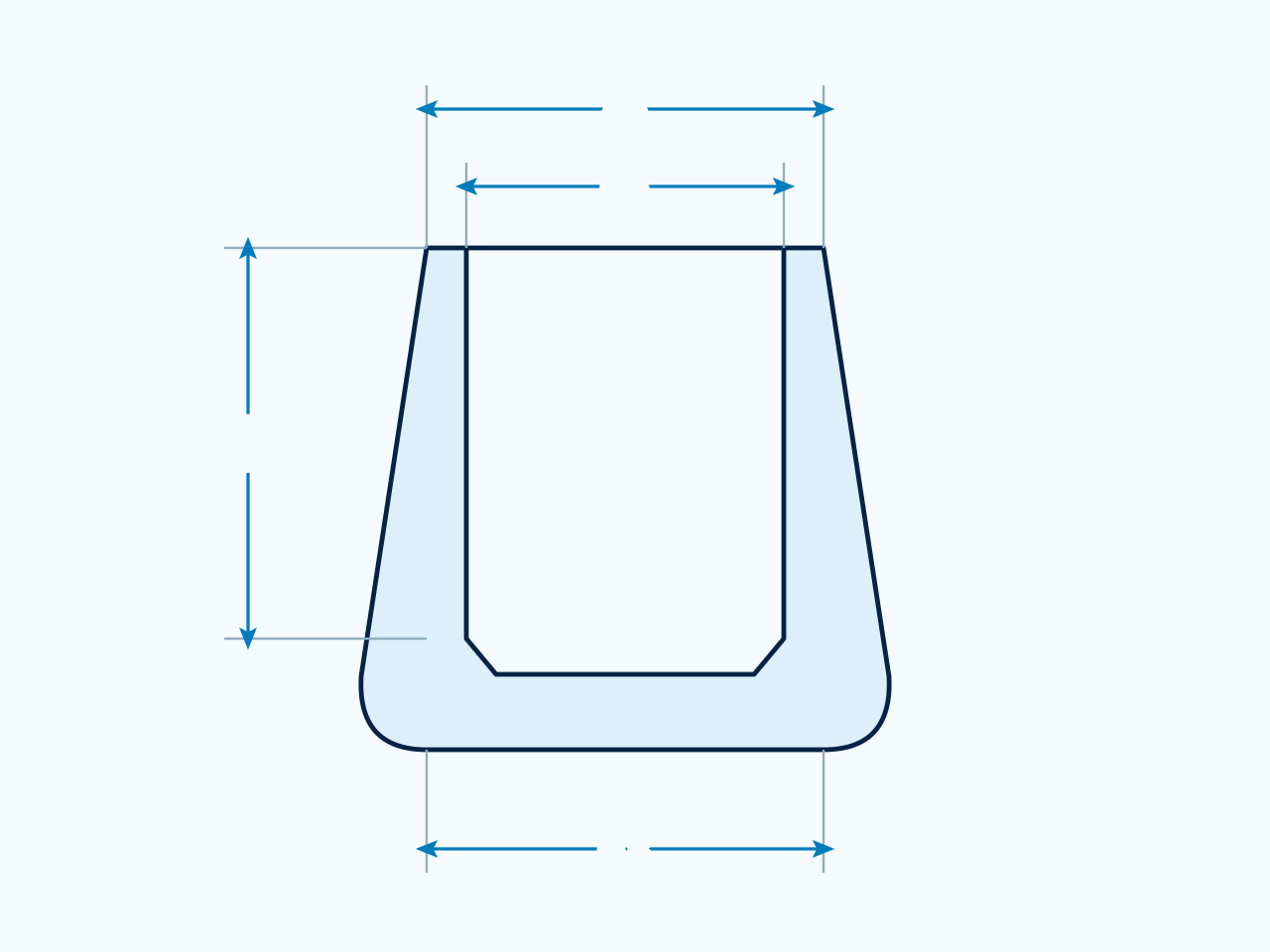
Compare mounting style, overall size and recess dimensions. Each profile uses its own drawing and column meanings.
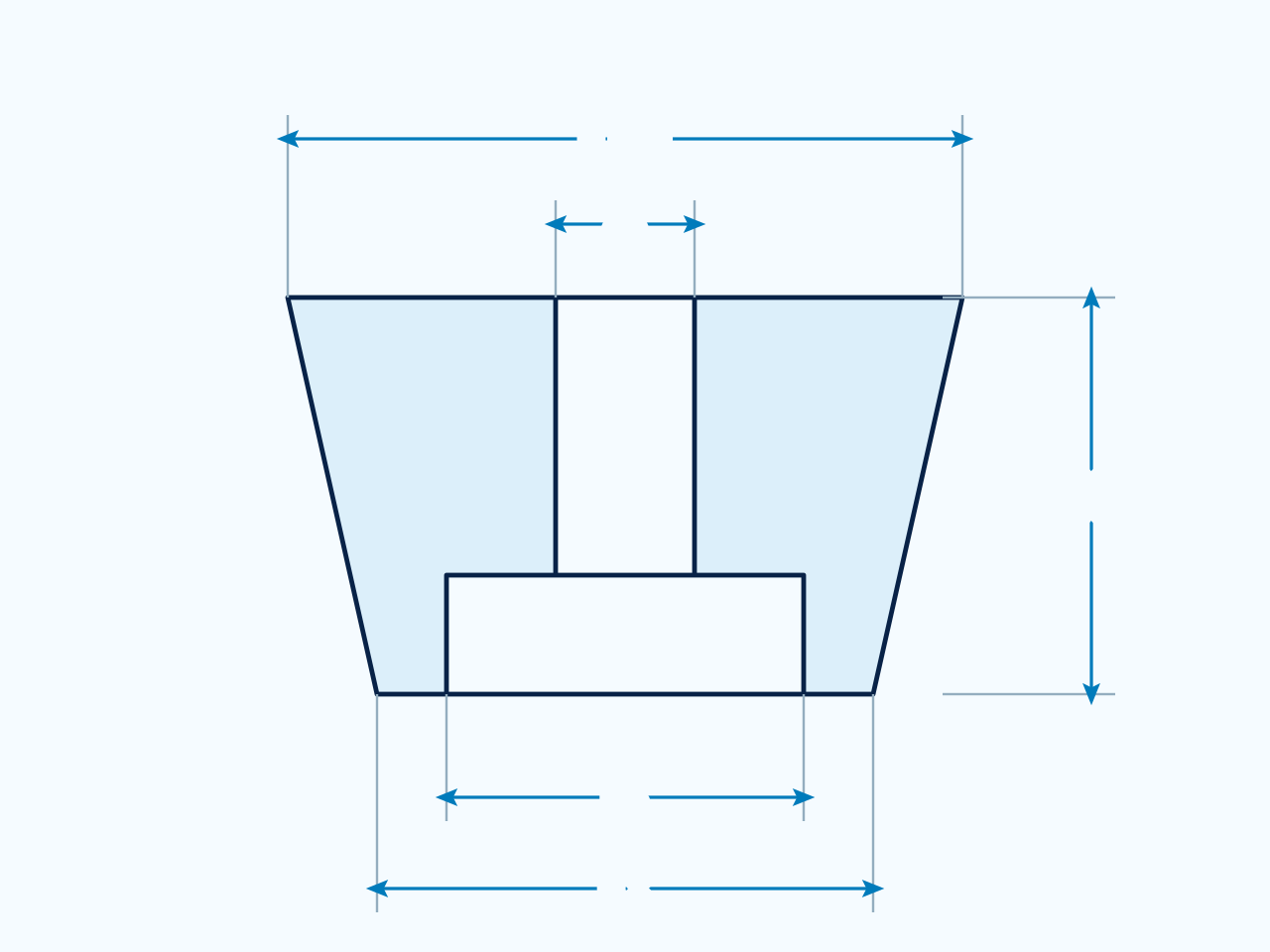
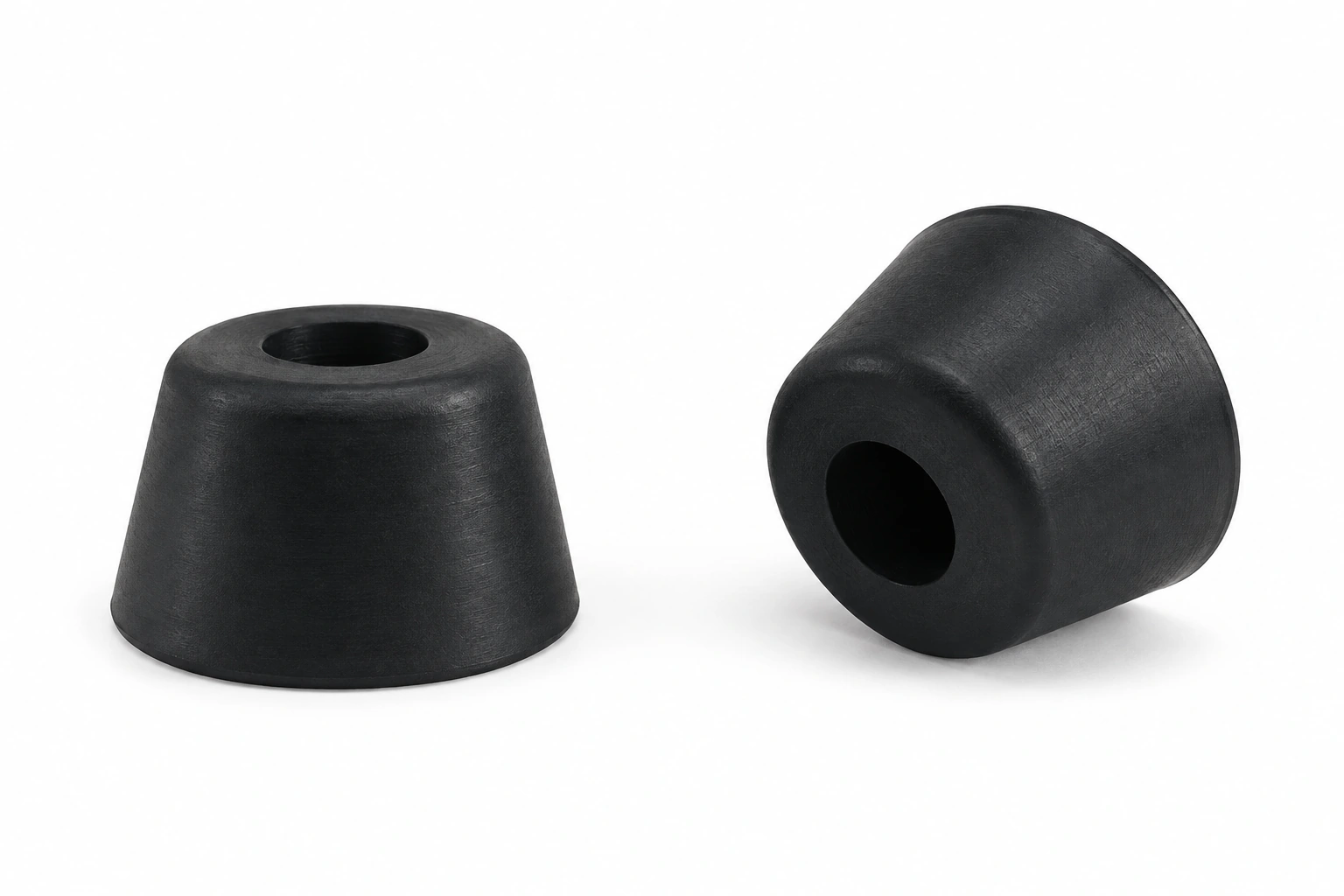
Recess Rubber Bumper
Compare OD, H, A, B and C in mm. C indicates the outer base dimension on this bumper profile, not the recess depth.
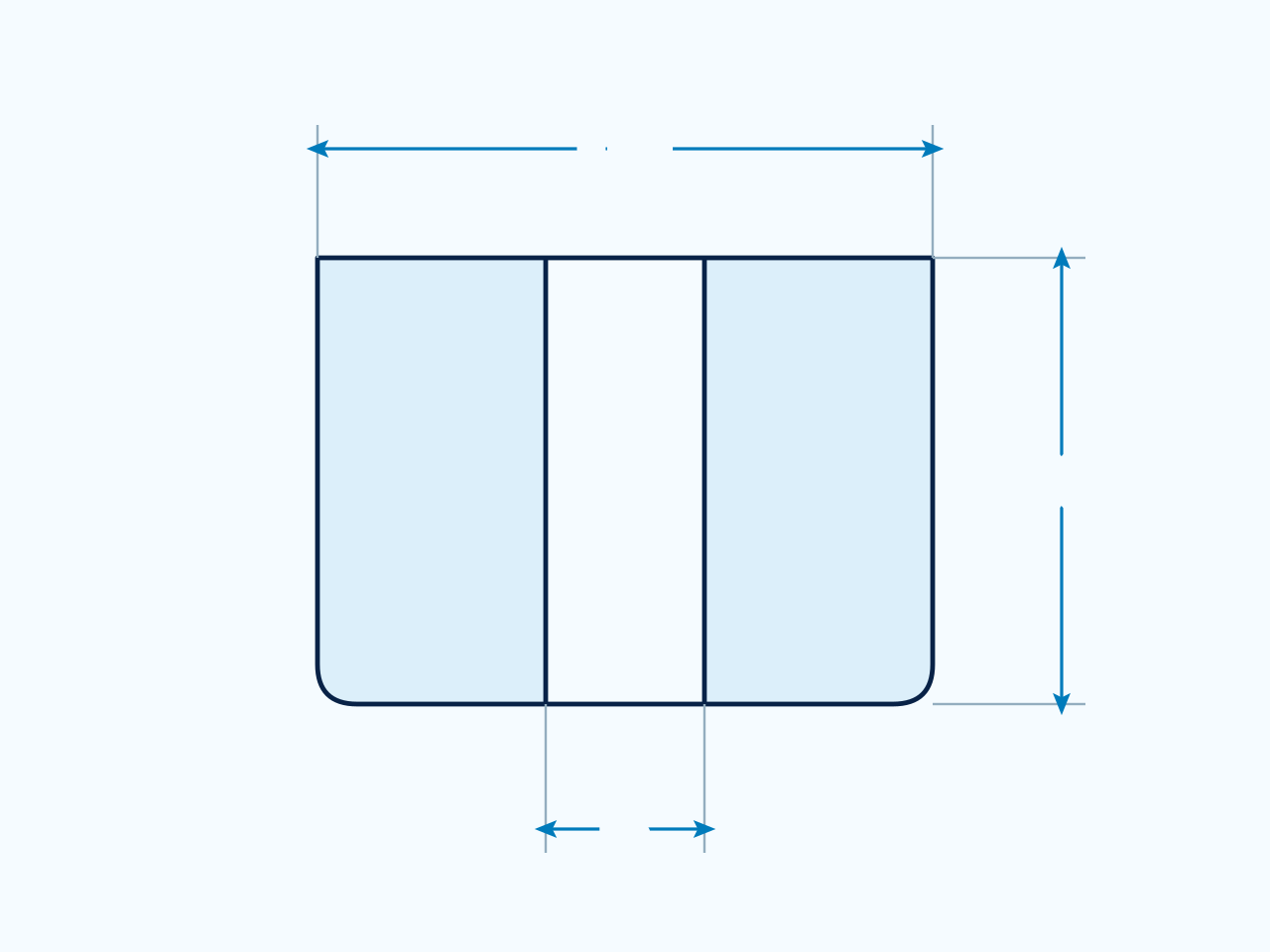
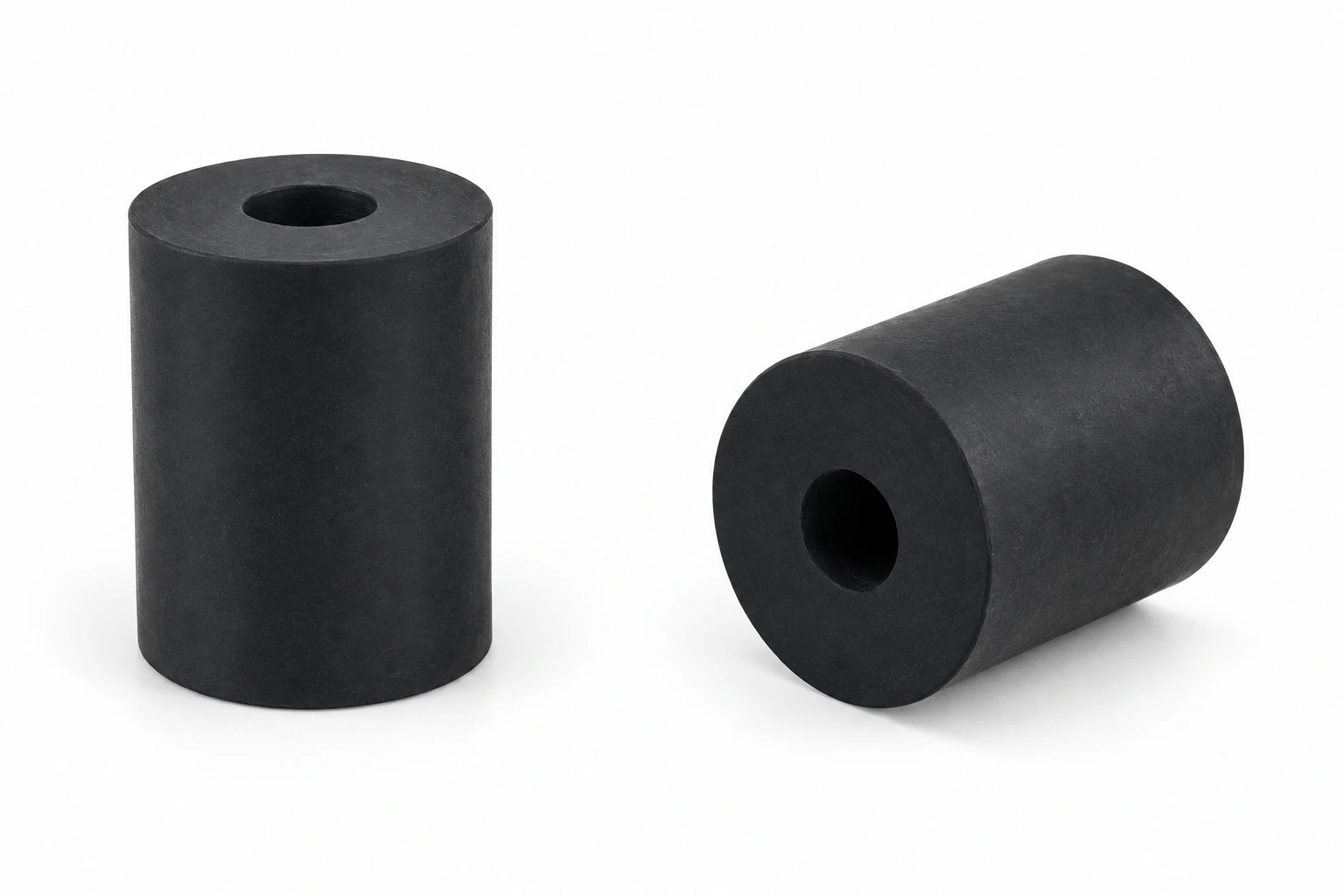
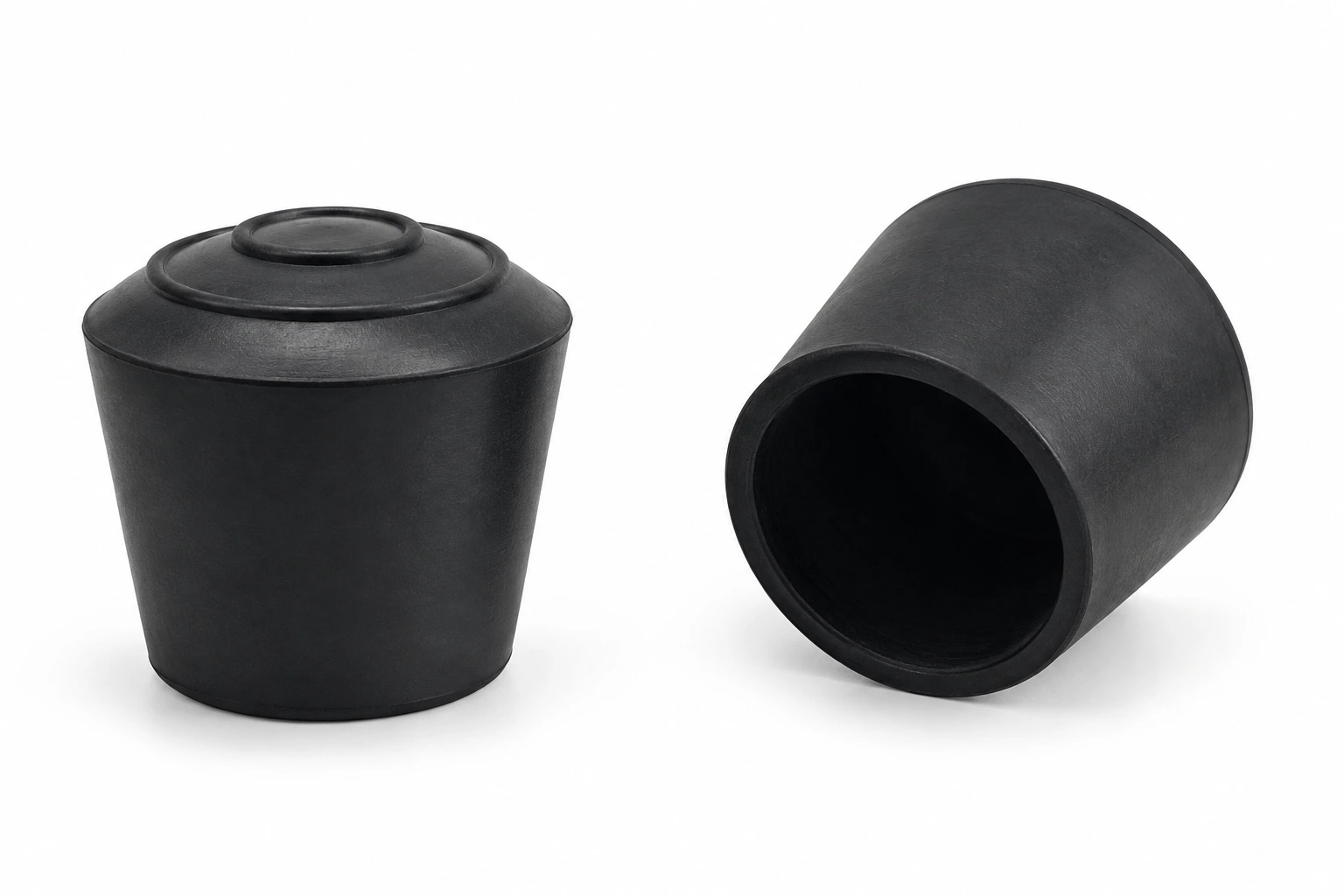
Cylindrical Rubber Feet
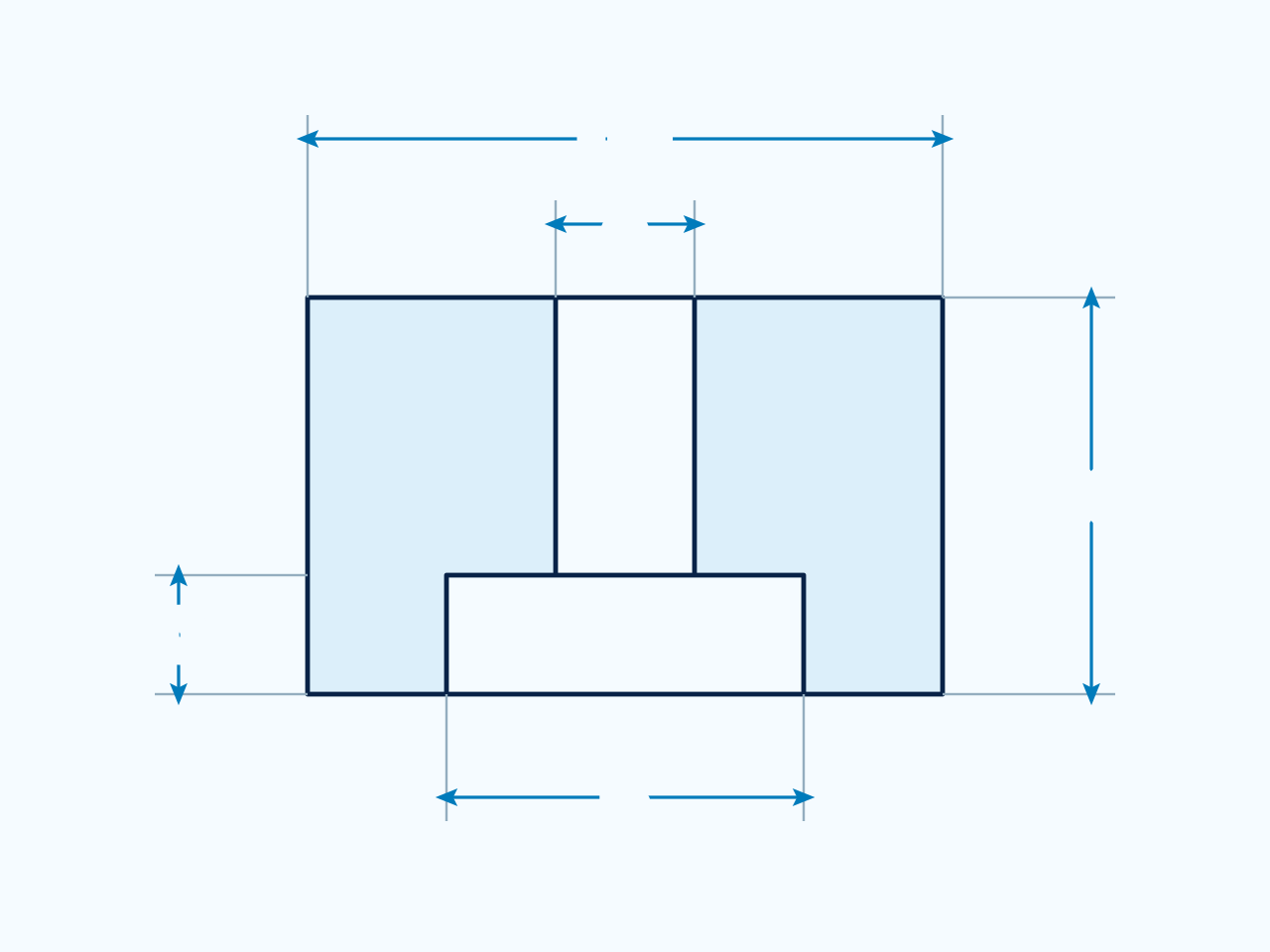
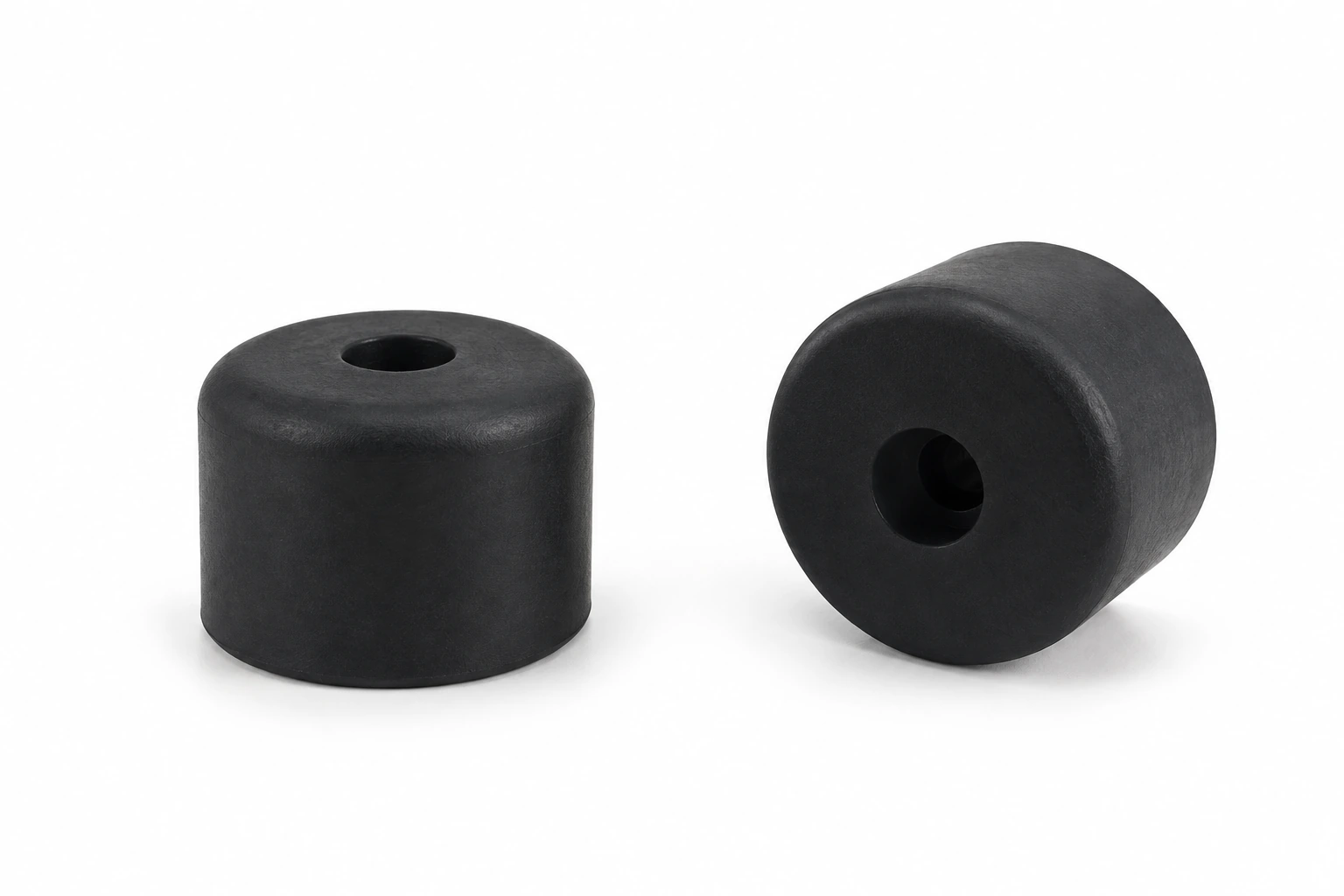
Compare OD, H and B in mm using the cylindrical-foot drawing. Material and colour remain listed separately.
Recess Rubber Feet
Compare OD, H, A, B and C in mm. C indicates the recess depth on this feet profile.
Hemispherical Rubber Bumper
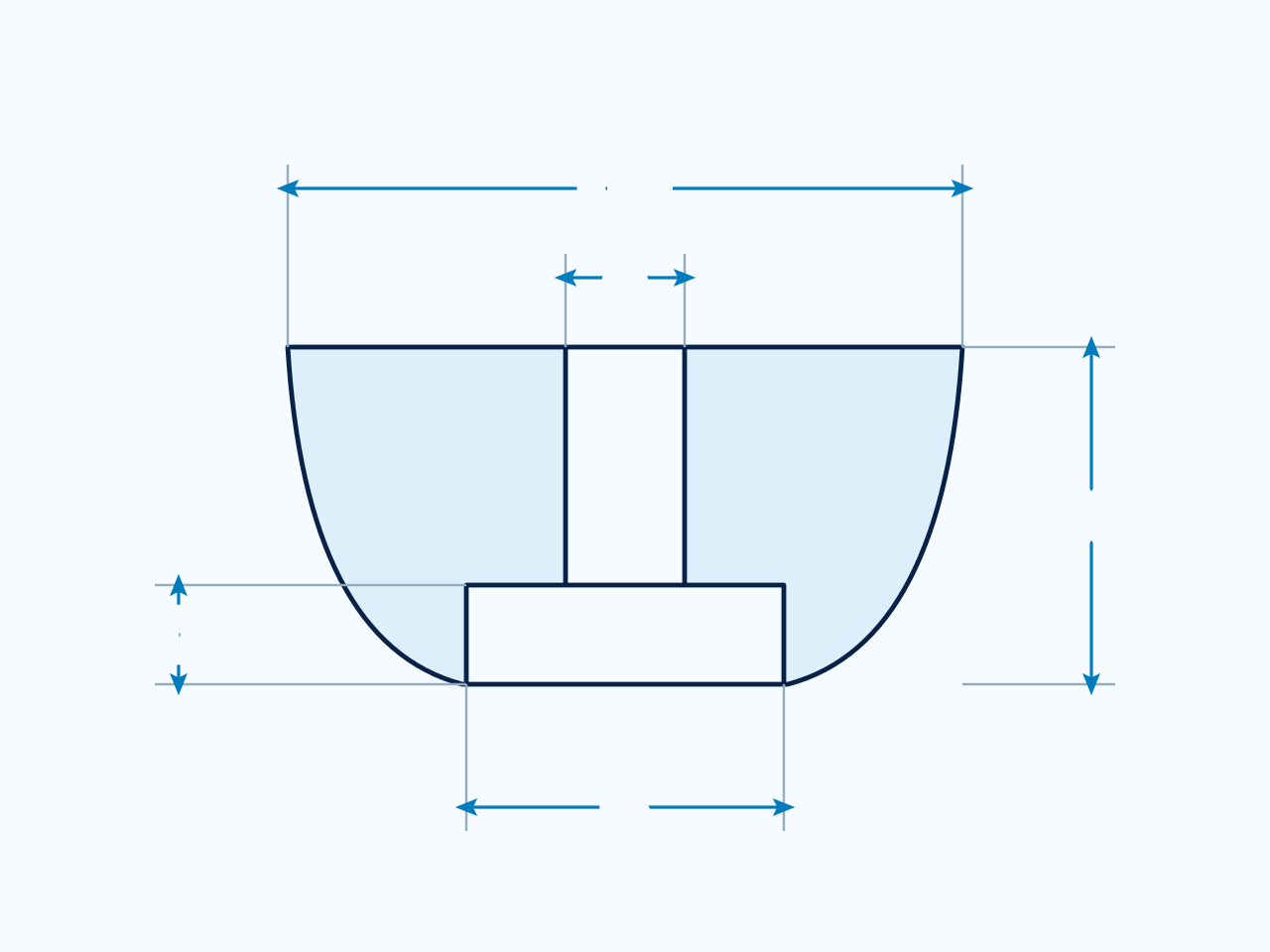
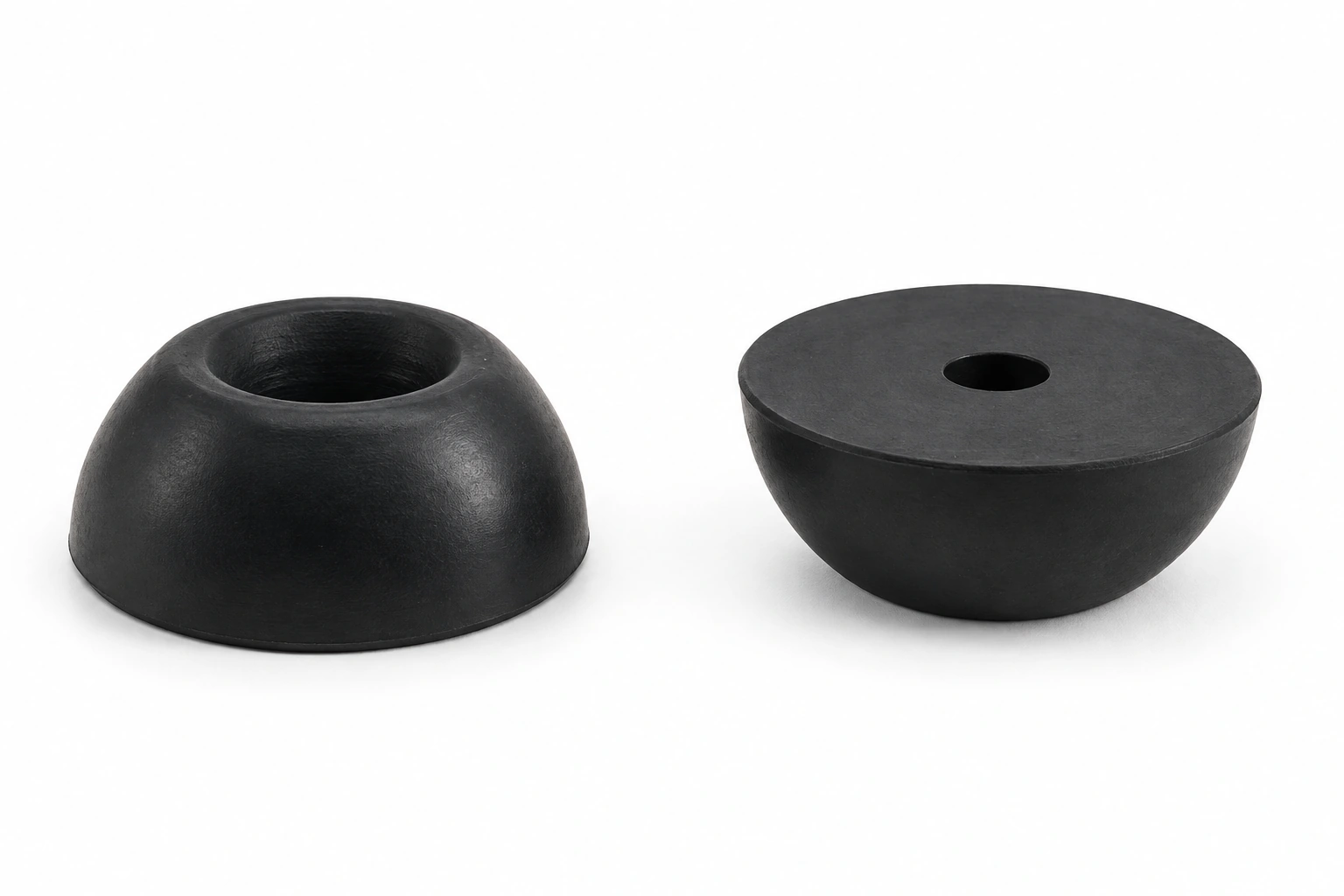
Compare OD, H, A, B and C in mm using the hemispherical-bumper drawing.
Rubber Tips
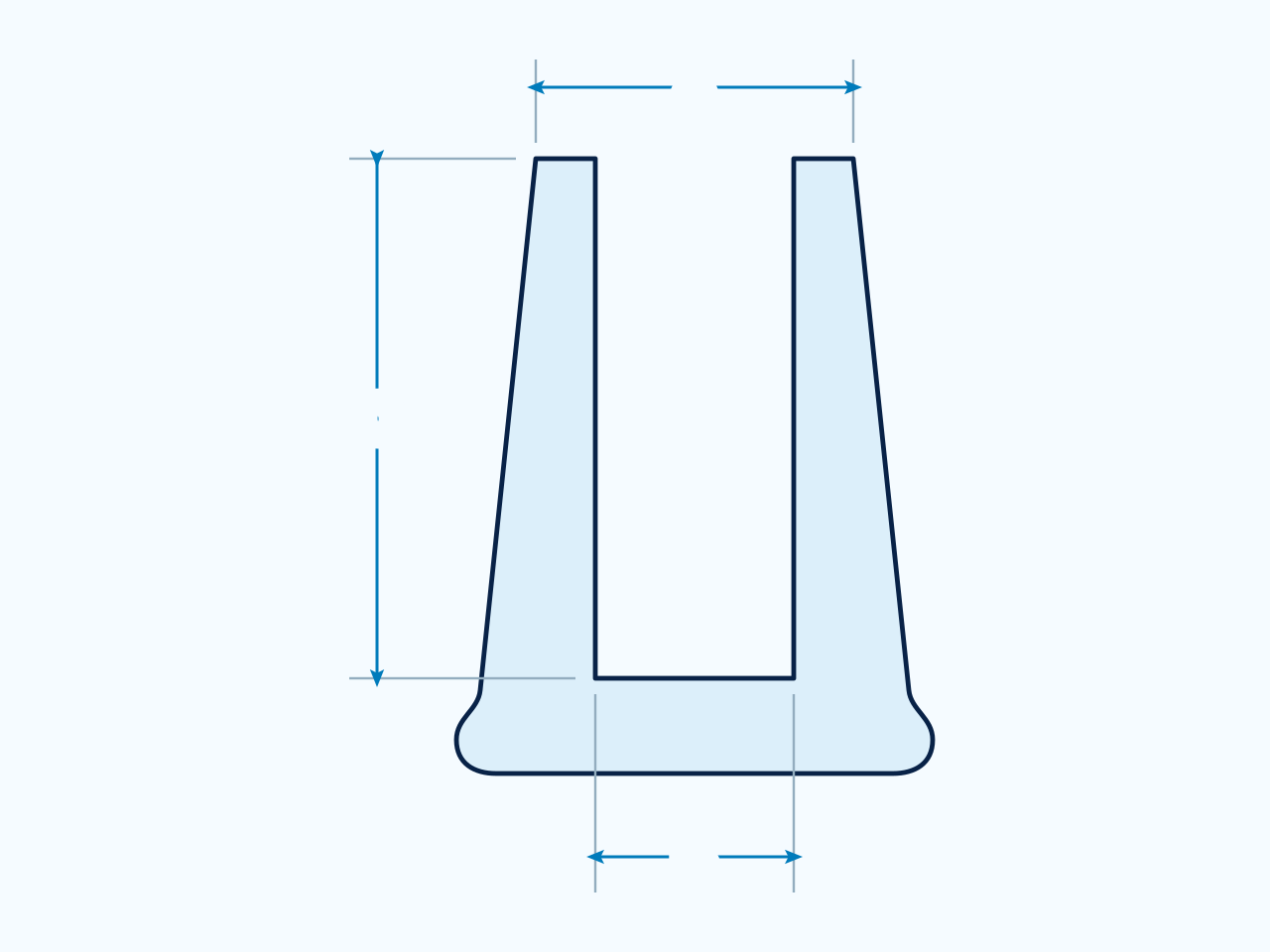
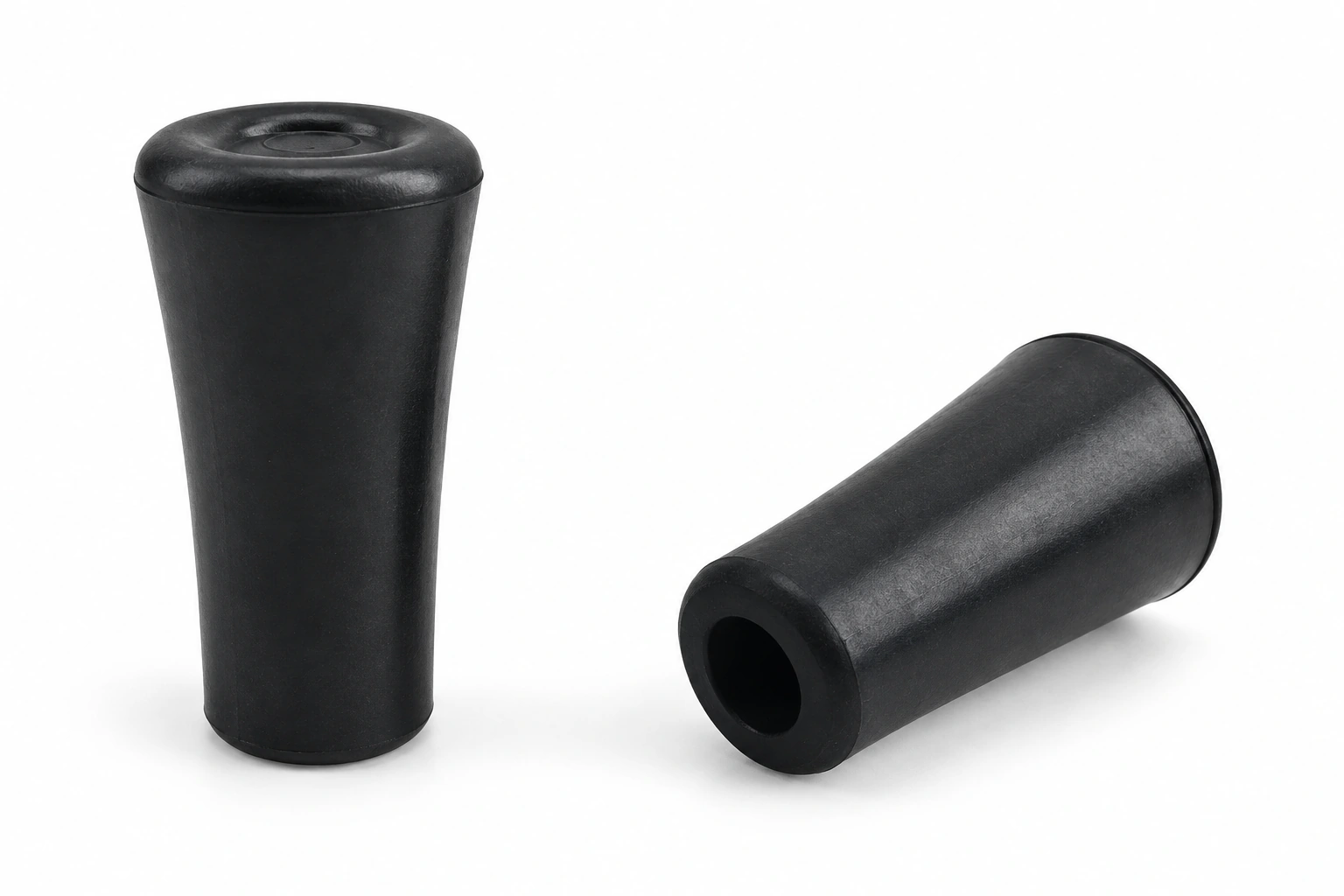
Compare A, B and C in mm using the open round-tip drawing. Check the mating leg dimensions and seating depth.
Rectangular rubber feet for chairs
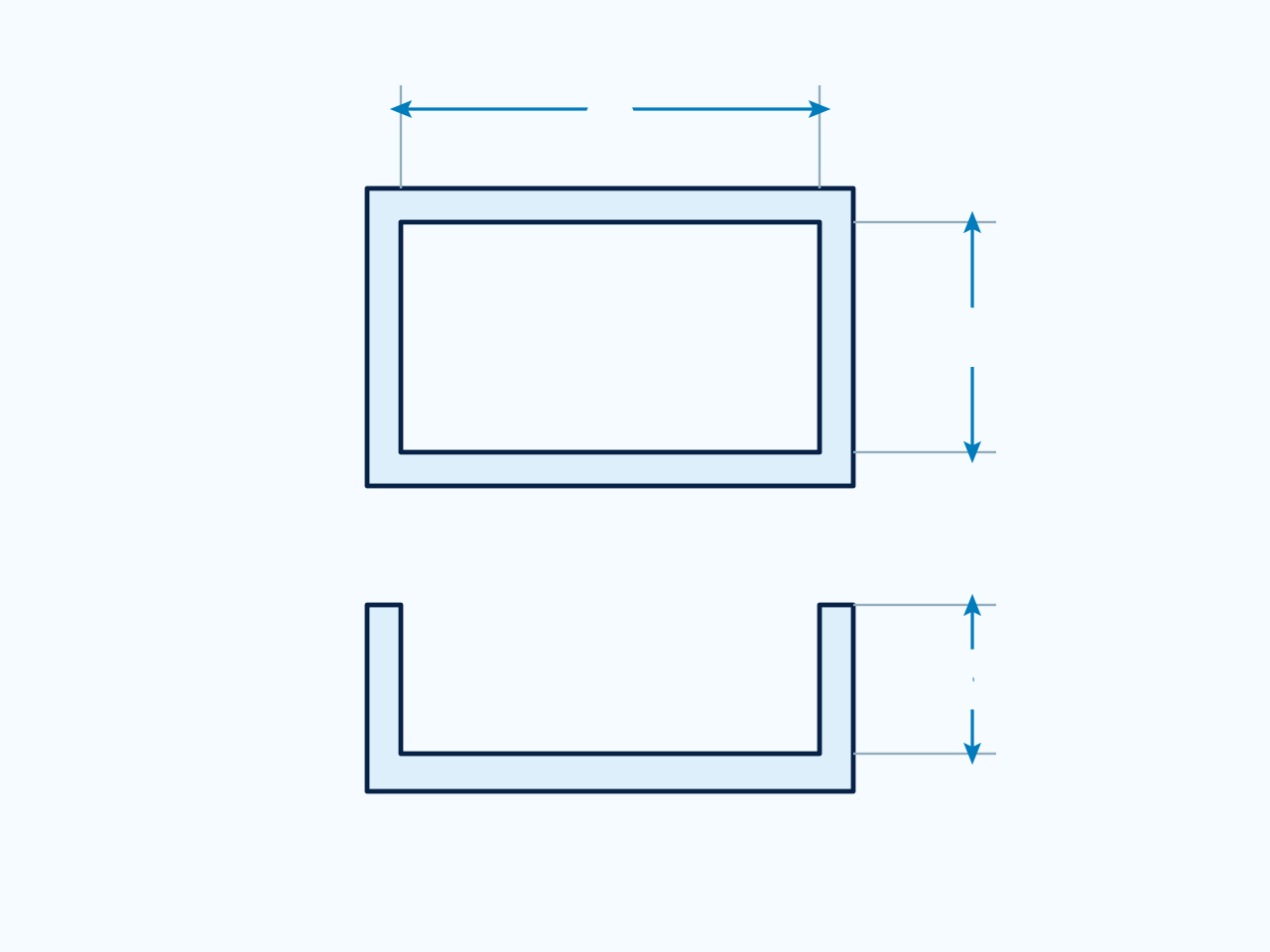
Compare A, B and C in mm using the rectangular-tip drawing. Check both sides of the mating leg and the seating depth.
Rubber Feet For Chairs
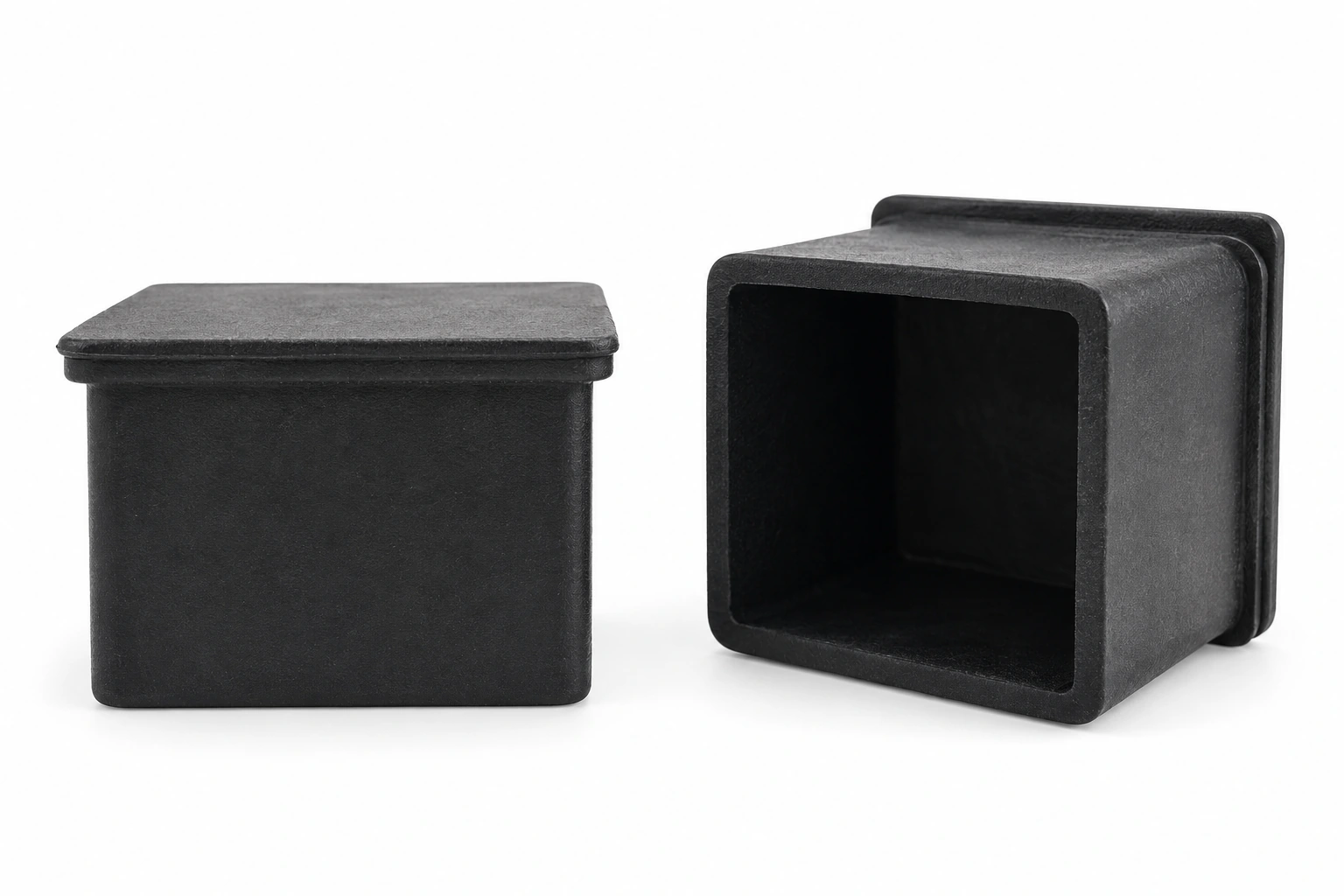
Compare A, B, C and D in mm using the square-tip drawing. Check the mating leg profile and seating depth.
Need a different size? Share your drawing, mating dimensions and intended use to discuss a suitable part.
Discuss Your RequirementsProduct specifications
- Product form
- Resilient support foot for an equipment or furniture base
- Application focus
- Electronic equipment bases, speaker cabinets and furniture bases. Size the part against the selected assembly.
- Dimensions to confirm
- Footprint, installed height and attachment position. Match these to electronic equipment bases and speaker cabinets.
- Grip target
- Define the contact surface, load and dry or wet condition for a slip test on the installed part.
- Installation discussed
- Adhesive bonding. Identify the chosen retention method and the surface or hardware it engages.
- Exposure to evaluate
- Rubbing or abrasion. Validate the selected material under the combined conditions.
- Attachment options
- Adhesive attachment is discussed. Define the bonded substrate, preparation and loaded contact area before selecting a backing.
- Support loading
- Determine the load at each foot and check the resulting compression and stability.
Need a quote or a custom part?
Send your requirements, drawings or samples to discuss standard and custom silicone rubber parts.
Email us[email protected]