
Push fit rubber feet
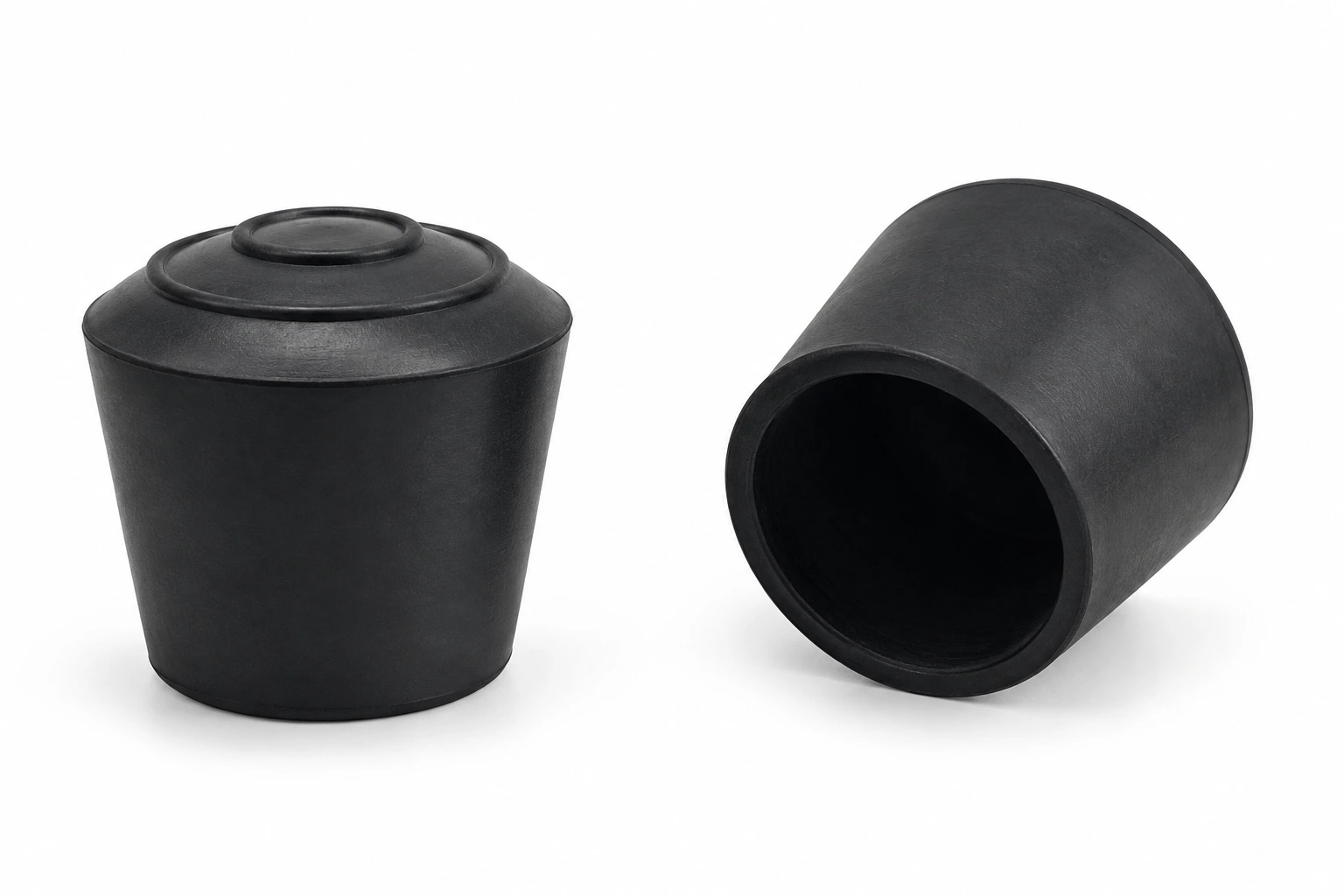
There are many different types of protective components for your devices and equipment, and the push fit rubber feet are one of the most commonly used ones. As the name suggests these units don’t need any type of adhesive to be installed on the bottom of your machines or furniture, and they don’t pose any threat of the adhesive damaging even the most sensitive surfaces.
They can be installed just by pushing them in which makes them practical for every application. Their design will let you just position them in place and will protect the surfaces from being in contact with one another. The reason why the rubber is used to create these components is that it is extremely durable, reliable, and will not get damaged even if it comes in contact with water or dirt. It also has insulating properties which make it perfect for large factories and manufacturing places. The push fit rubber feet will prevent any unwanted noise or vibration, and they are going to help you keep both the floors and your equipment in perfect condition. Note that they don’t have to be installed only on the bottom of your devices, but they can also be placed on any side you want so that you can prevent contact with the walls or other furniture or devices that are located next to the main unit.
As manufacturers, we can aid in the selection of the right type of push fit rubber feet, and we can help you choose the right model, size, and color depending on the application. These units can be purchased in separate pieces, in case you want to just test to see which one is the right fit, or you can buy them in bulk. Know that no matter what you choose to go with, you are not going to have any issues installing or removing them.
Rubber Feet & Bumper Size Catalog
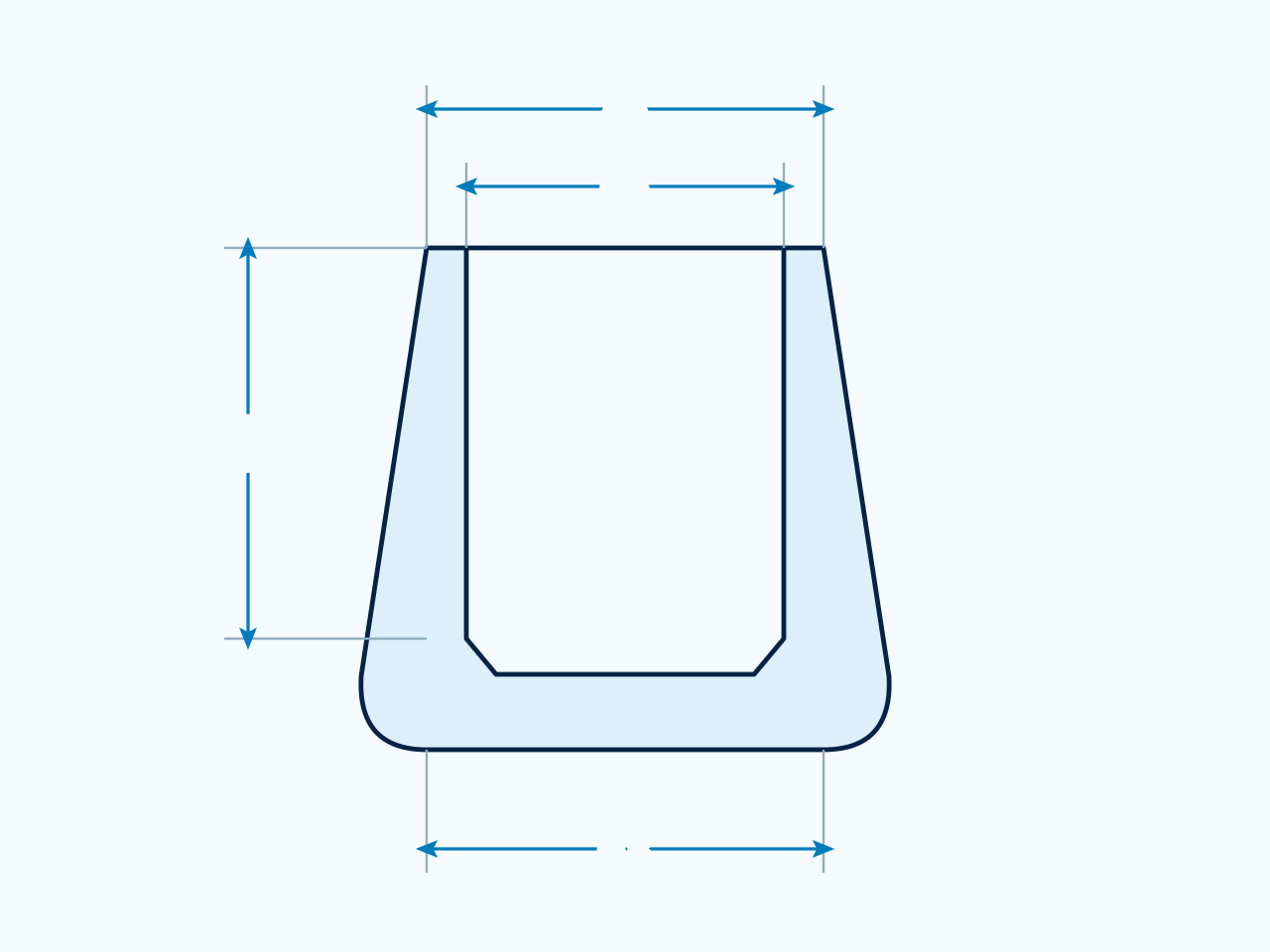
Compare mounting style, overall size and recess dimensions. Each profile uses its own drawing and column meanings.
Recess Rubber Bumper
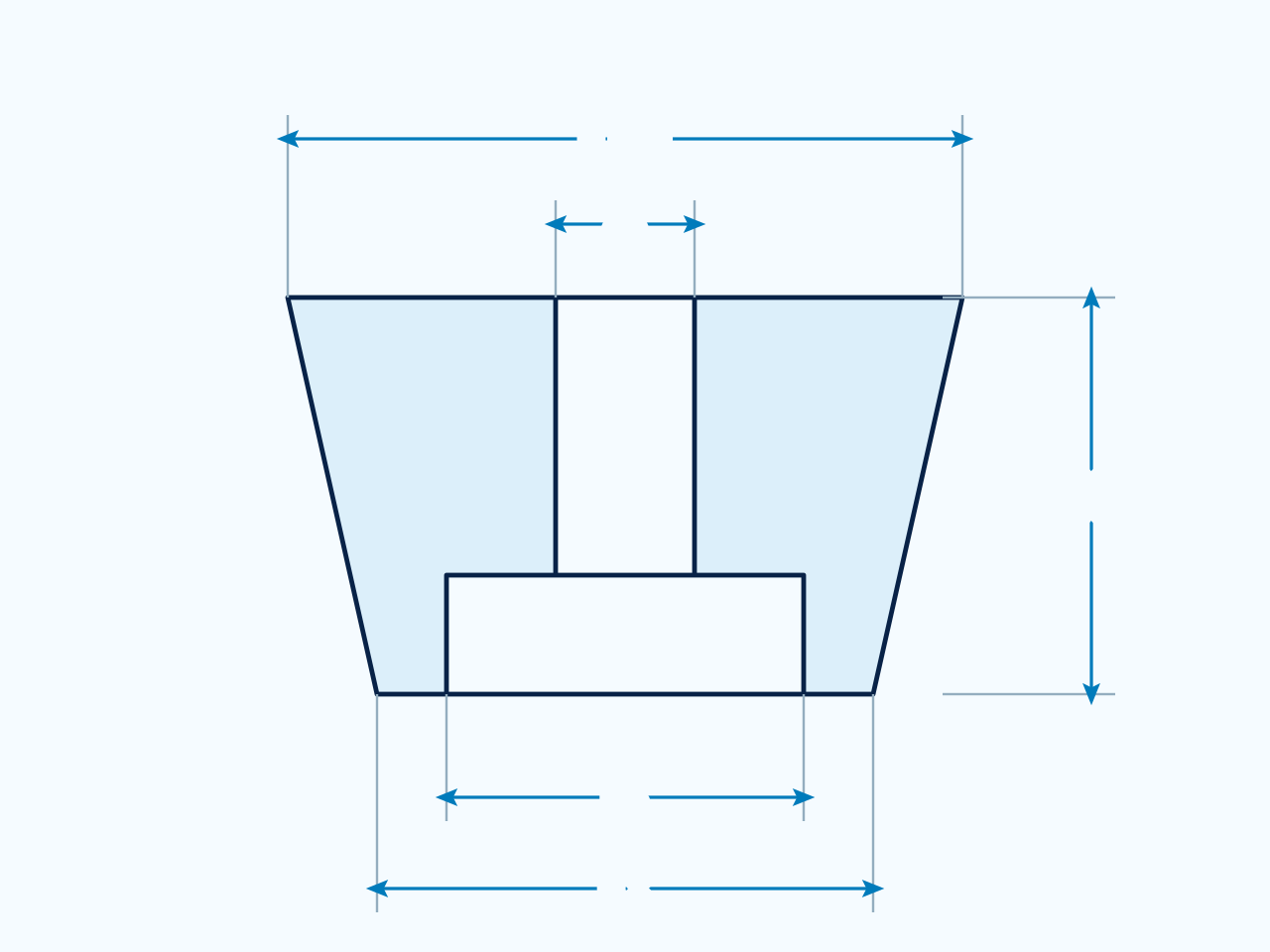
Compare OD, H, A, B and C in mm. C indicates the outer base dimension on this bumper profile, not the recess depth.
Cylindrical Rubber Feet
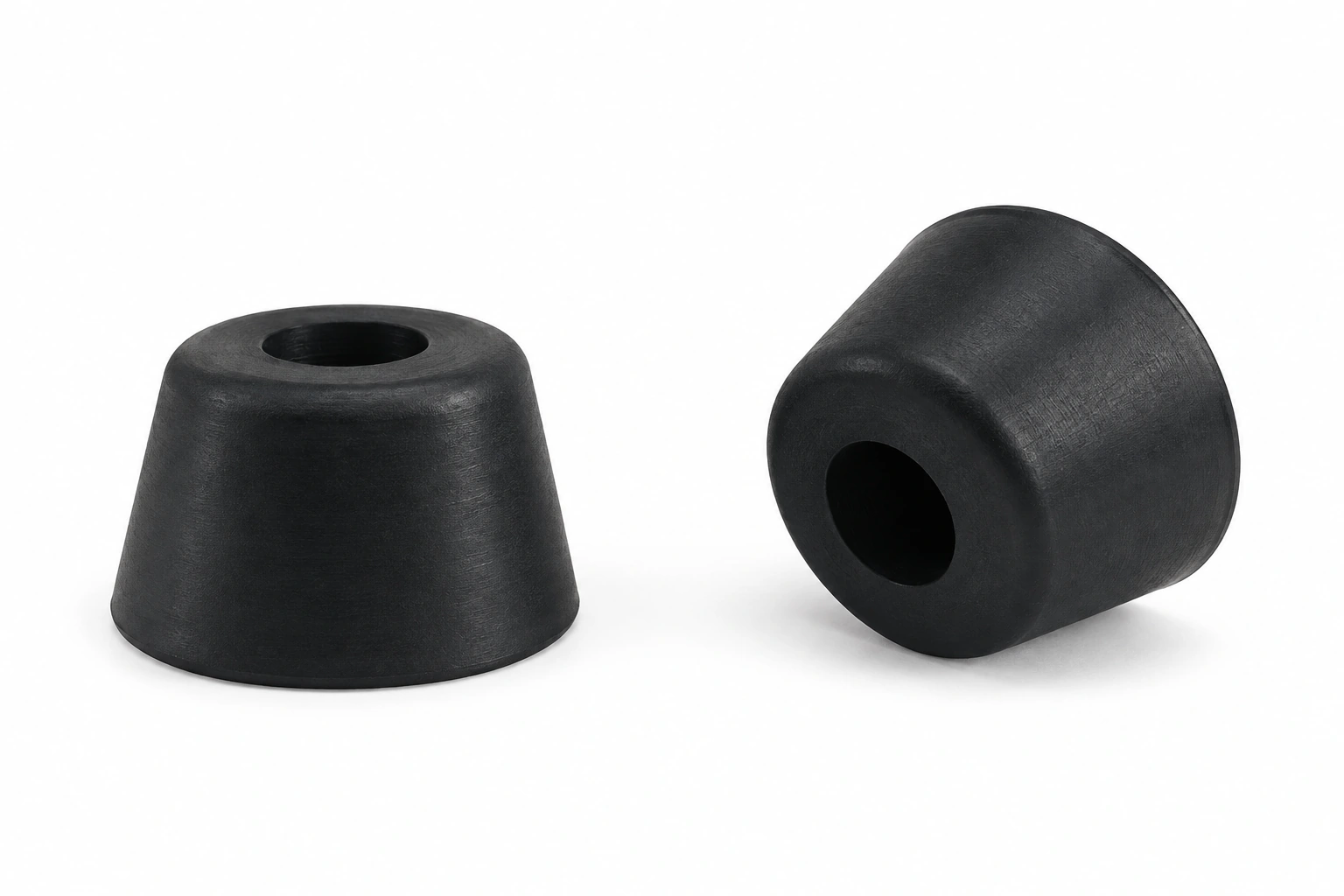
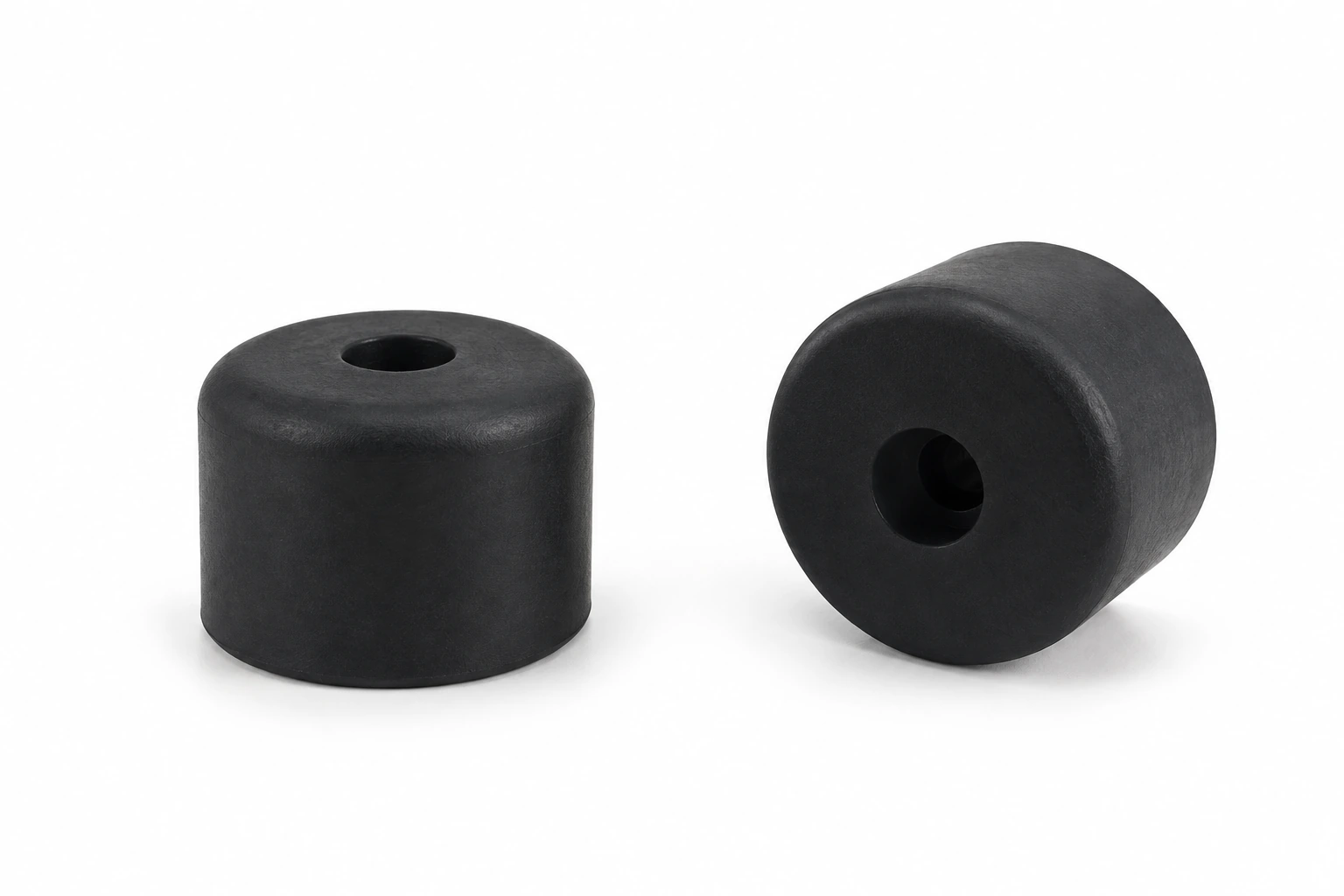
Compare OD, H and B in mm using the cylindrical-foot drawing. Material and colour remain listed separately.
Recess Rubber Feet
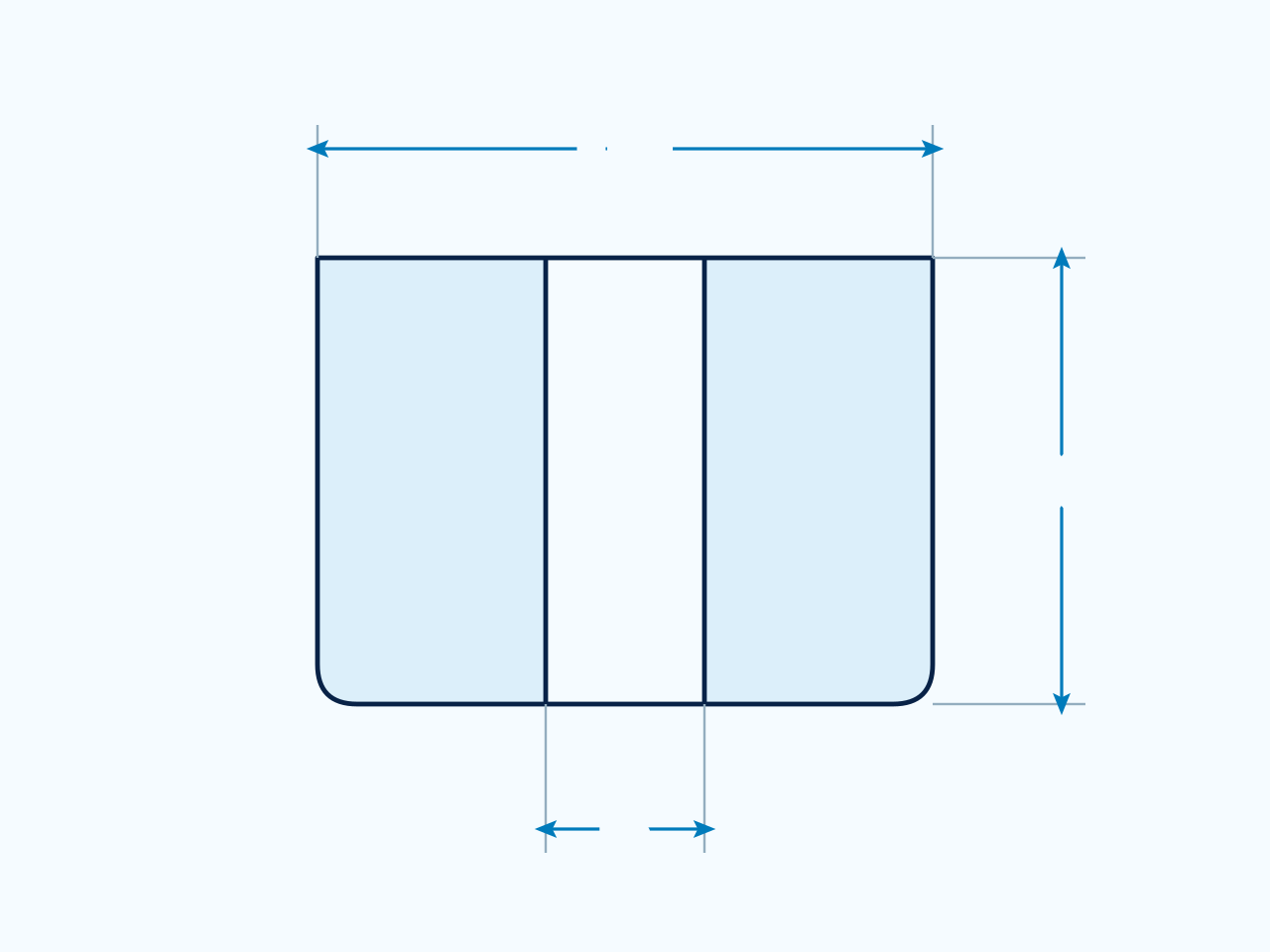
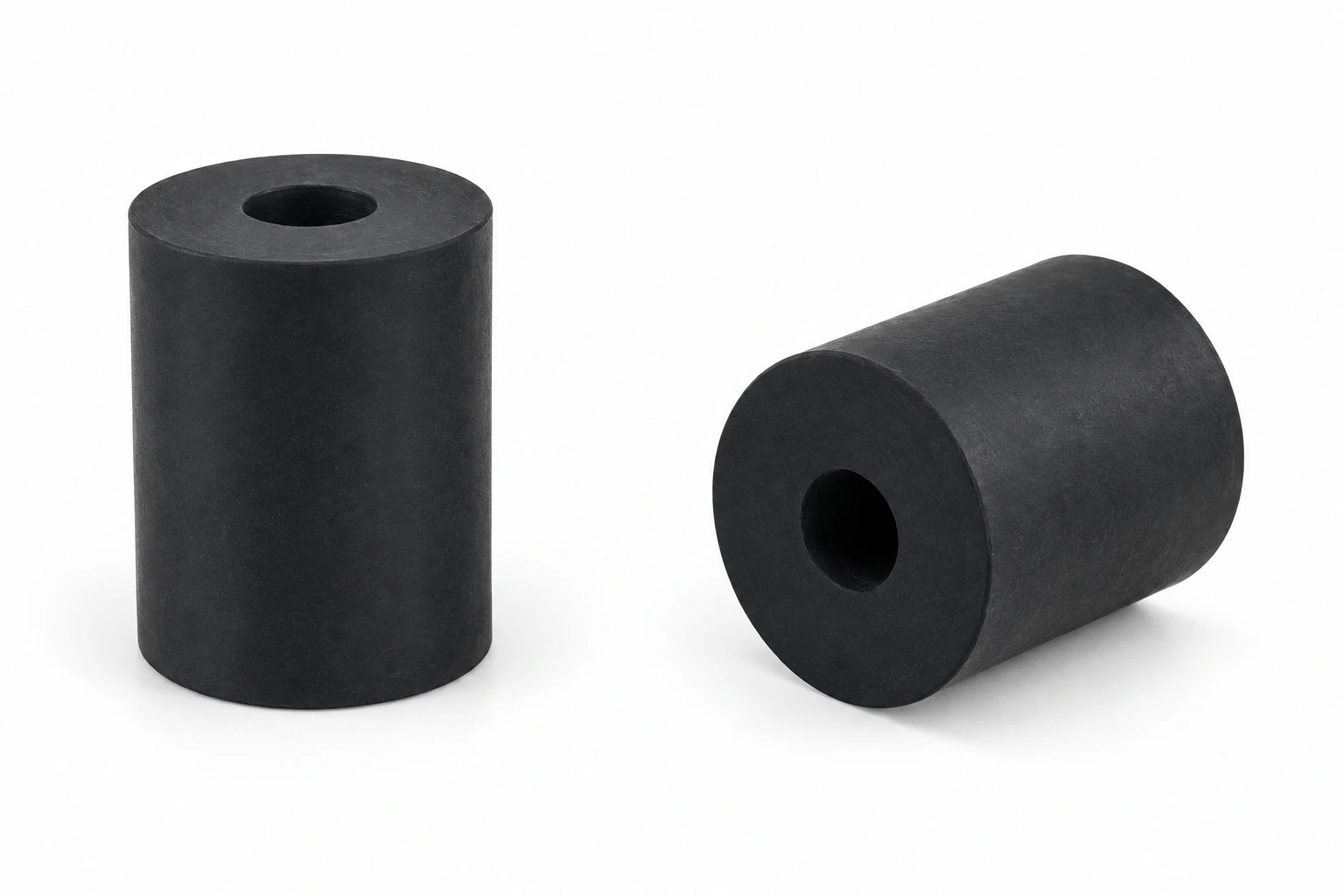
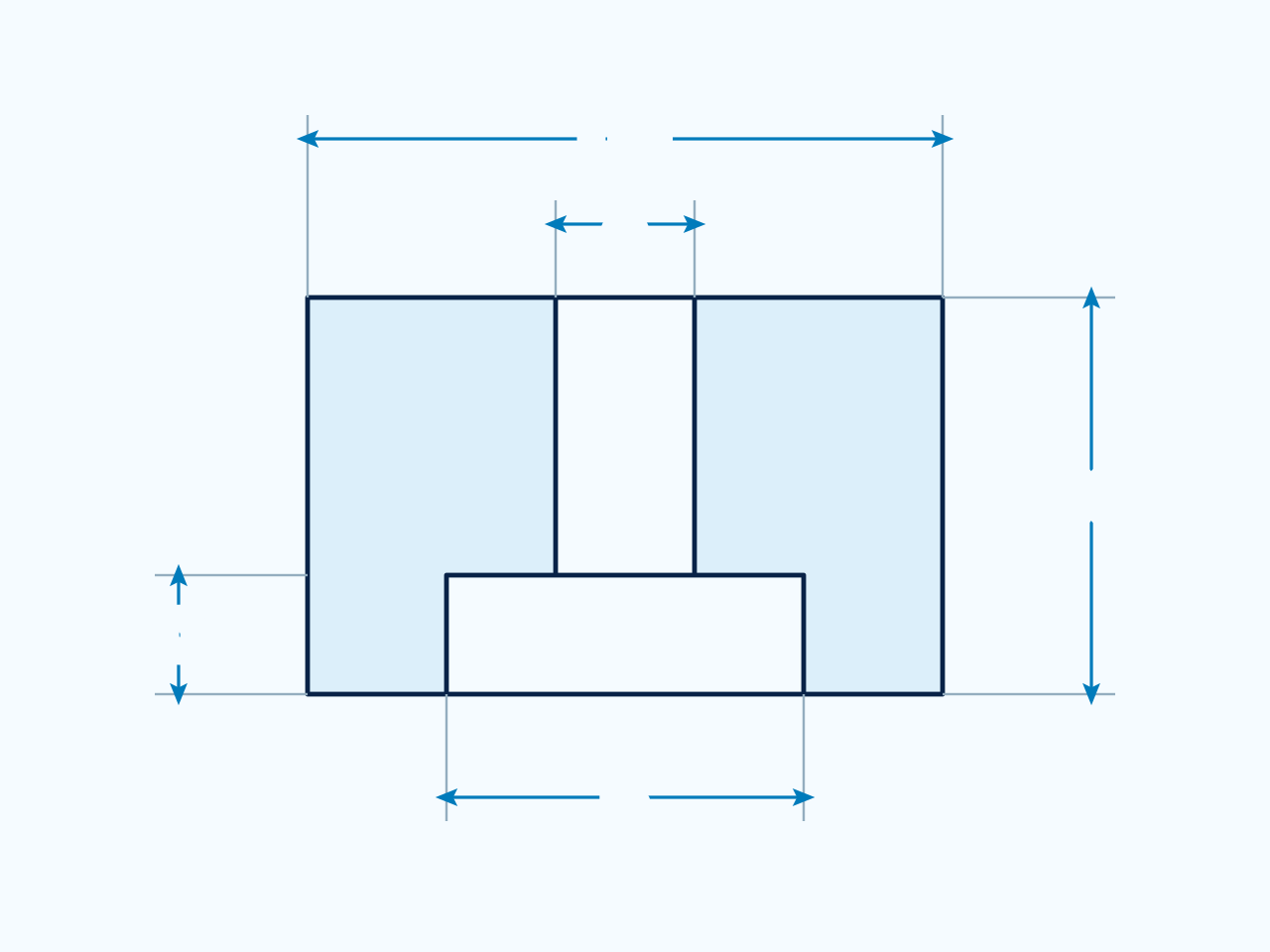
Compare OD, H, A, B and C in mm. C indicates the recess depth on this feet profile.
Hemispherical Rubber Bumper
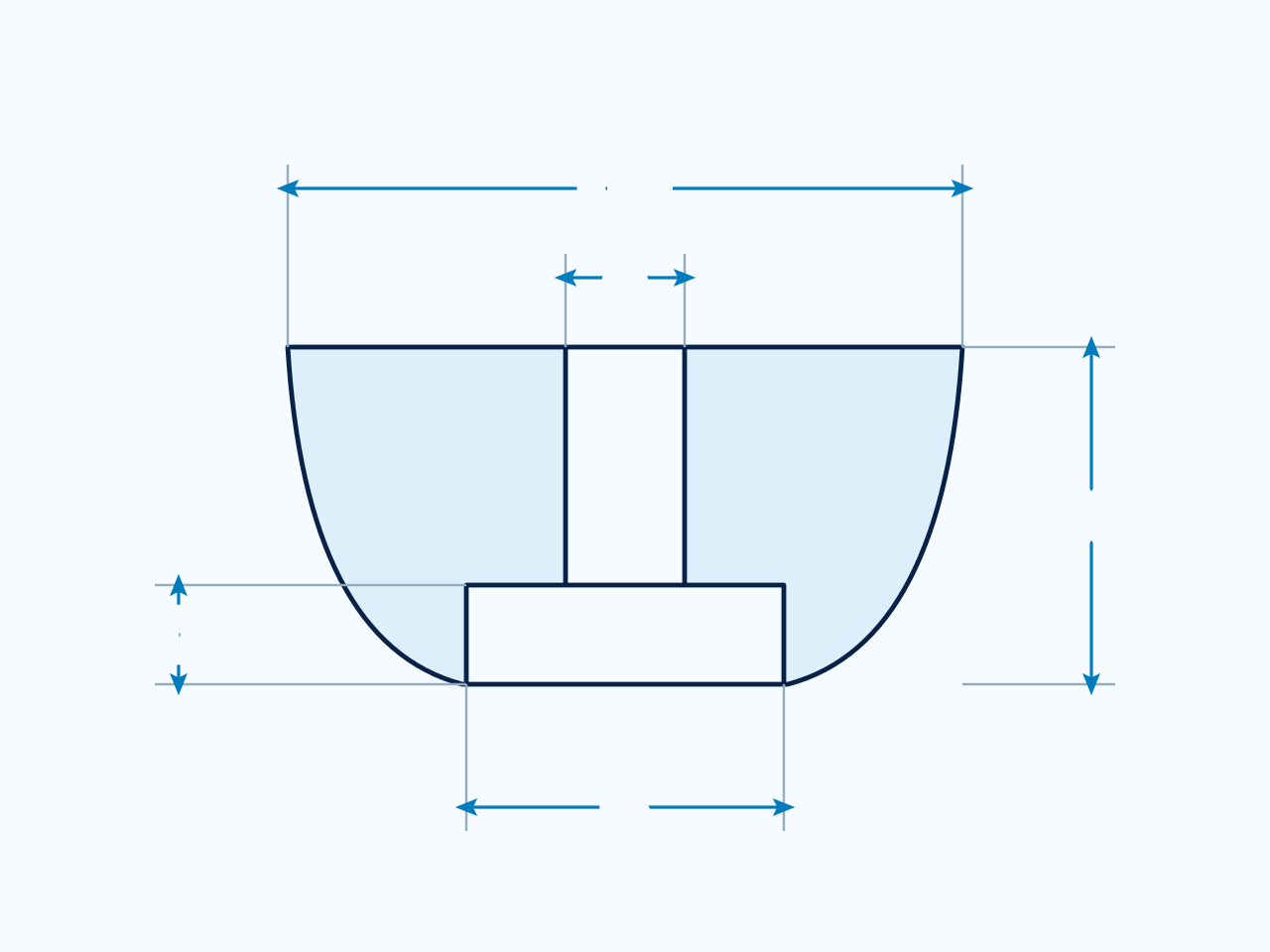
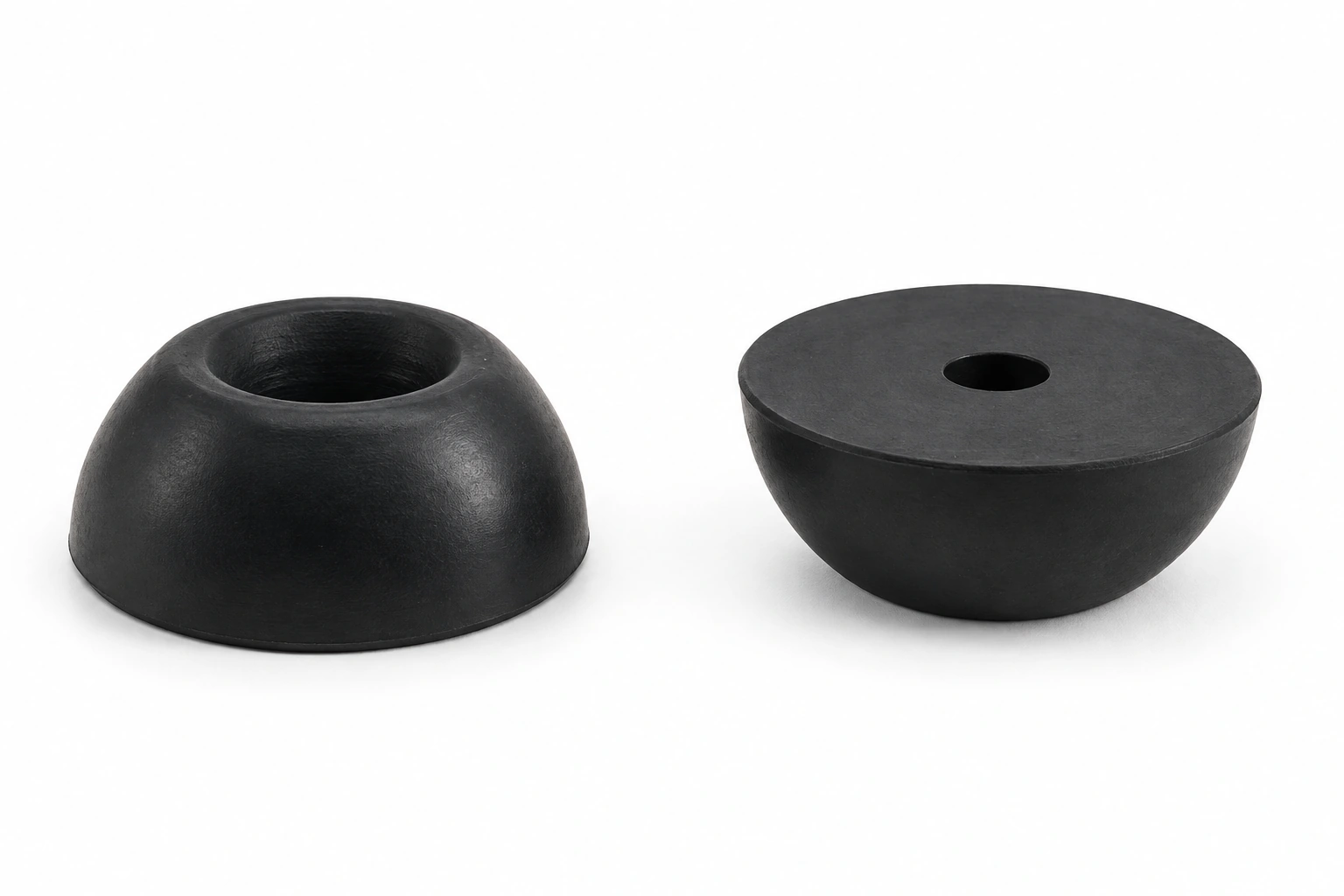
Compare OD, H, A, B and C in mm using the hemispherical-bumper drawing.
Rubber Tips
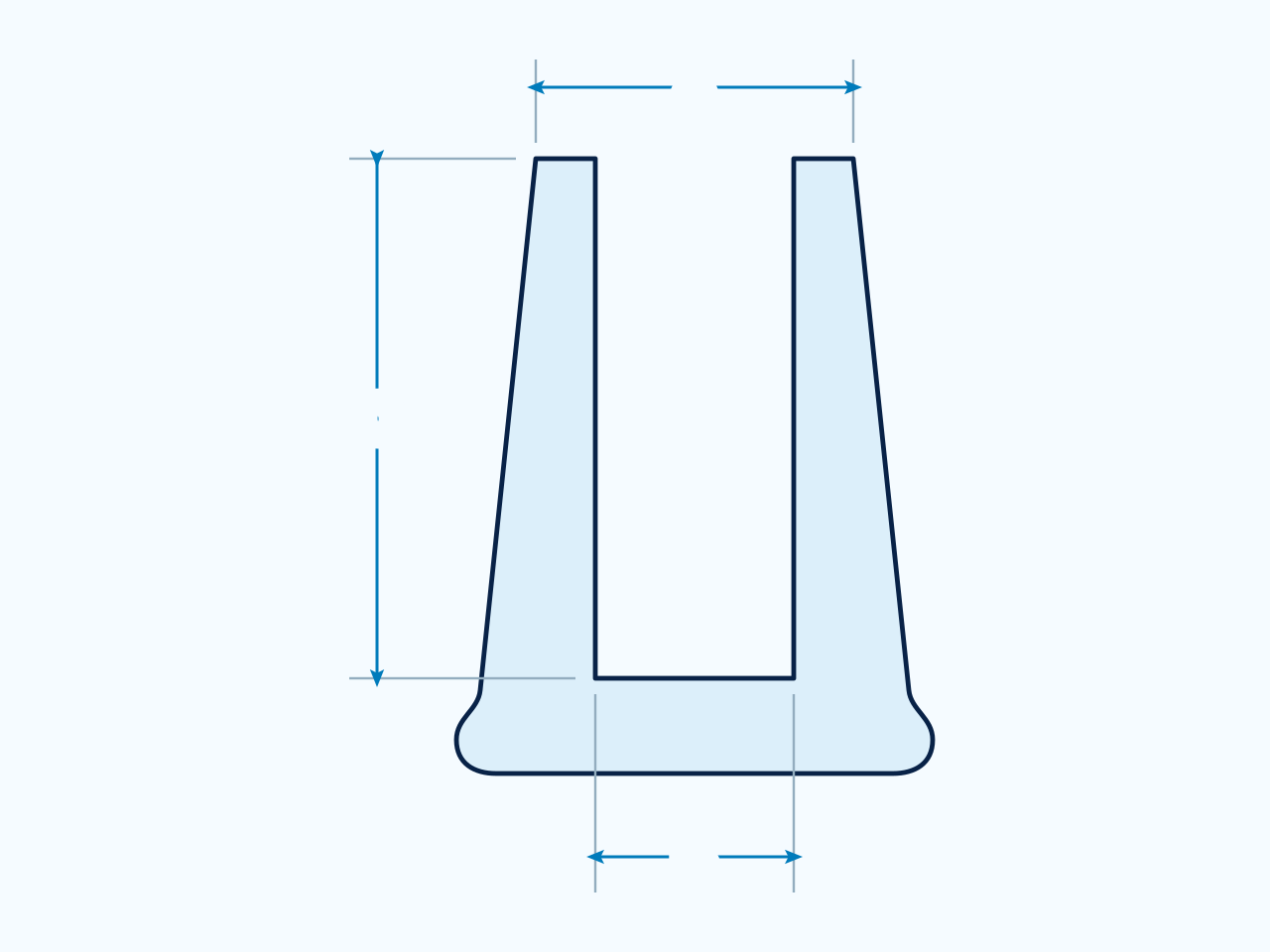
Compare A, B and C in mm using the open round-tip drawing. Check the mating leg dimensions and seating depth.
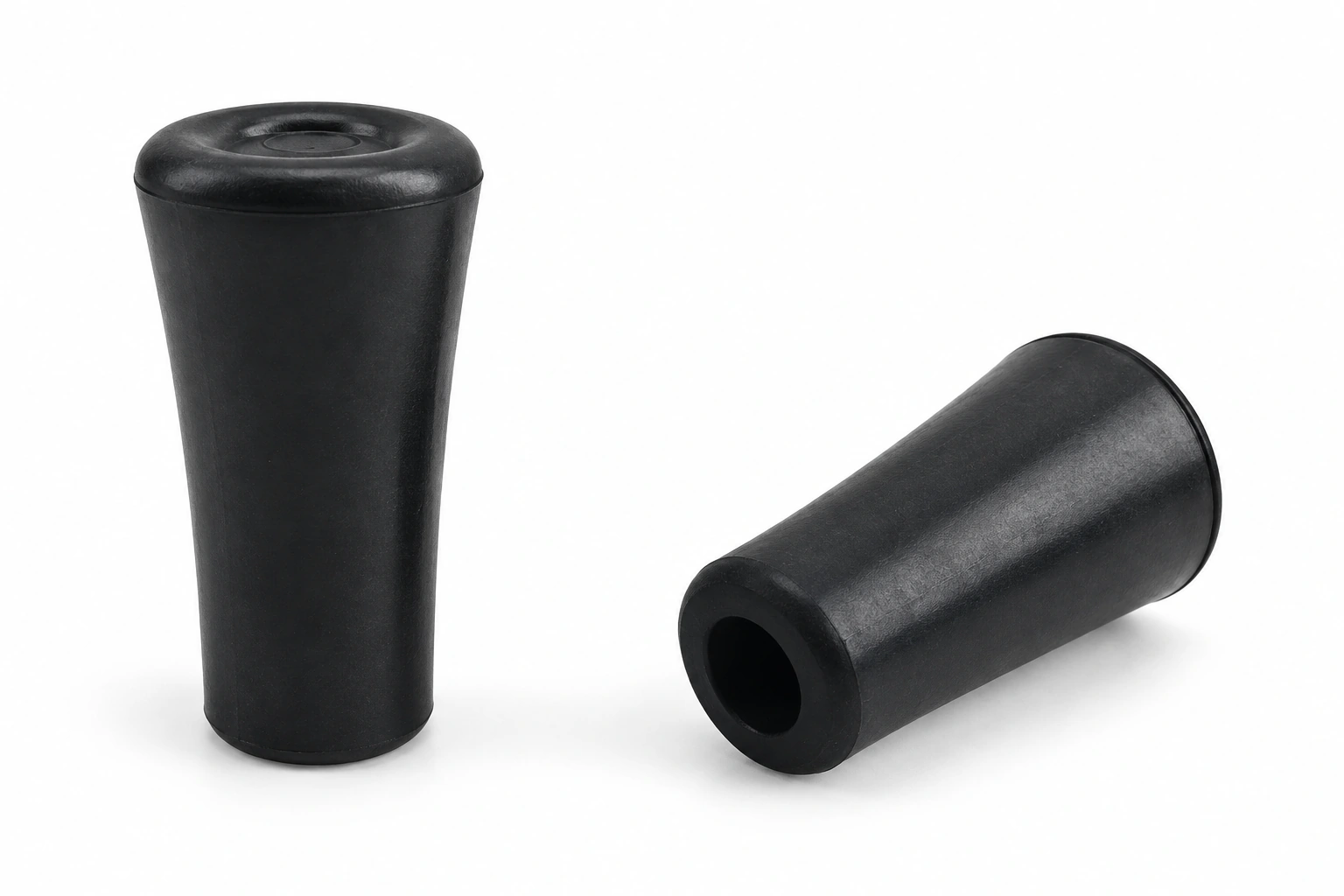
Rectangular rubber feet for chairs
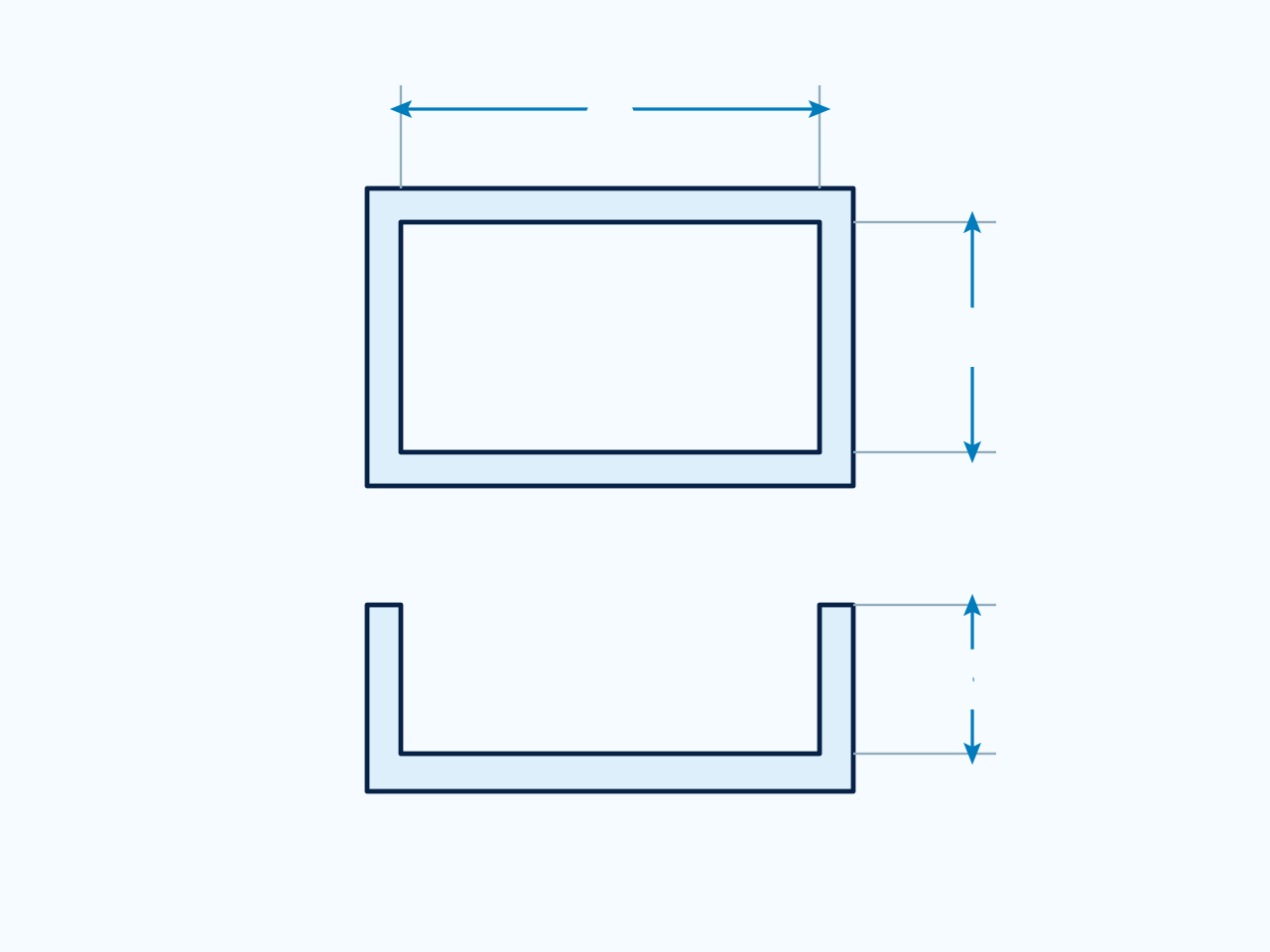
Compare A, B and C in mm using the rectangular-tip drawing. Check both sides of the mating leg and the seating depth.
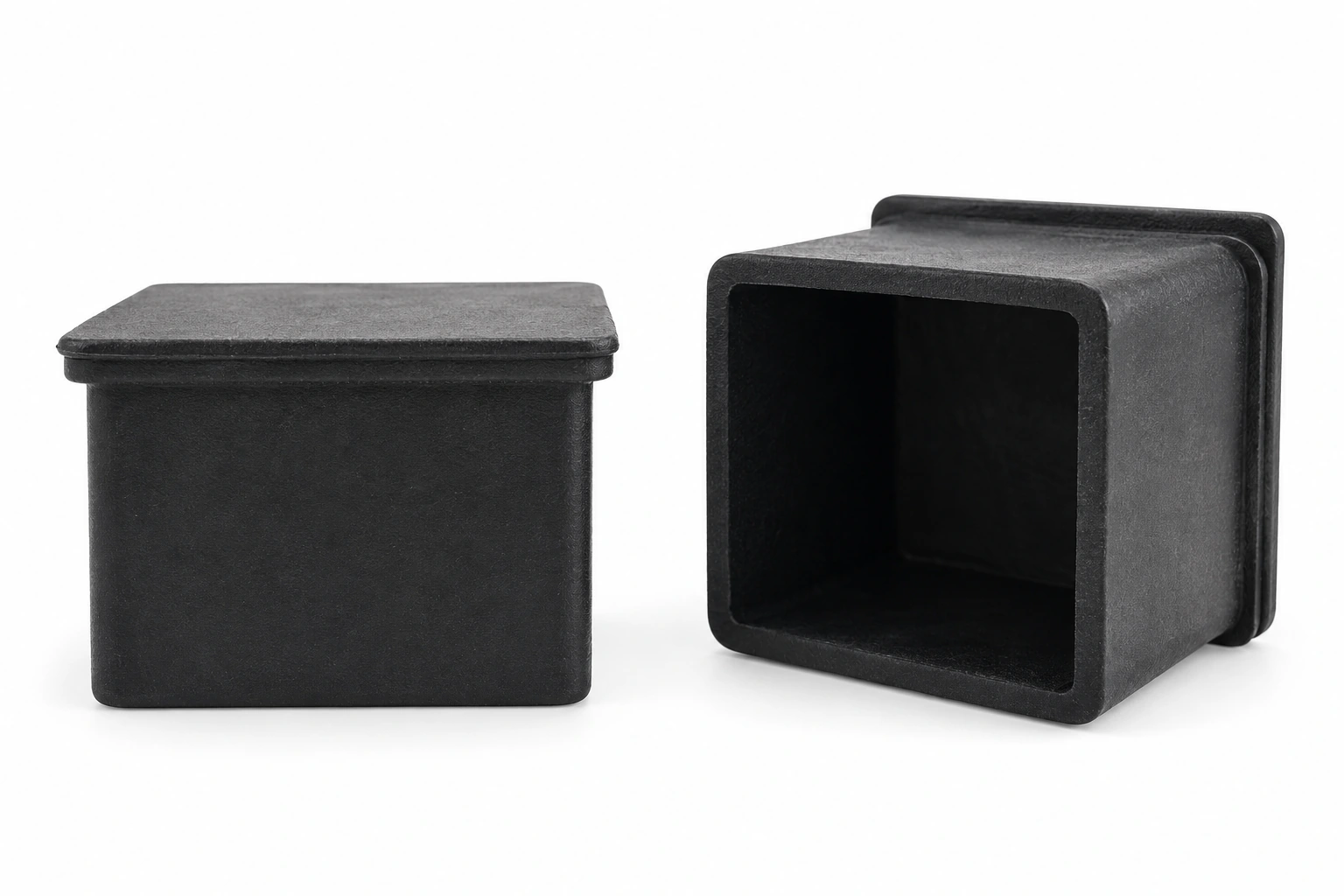
Rubber Feet For Chairs
Compare A, B, C and D in mm using the square-tip drawing. Check the mating leg profile and seating depth.
Need a different size? Share your drawing, mating dimensions and intended use to discuss a suitable part.
Discuss Your RequirementsProduct specifications
- Product form
- Resilient support foot for an equipment or furniture base
- Application focus
- Furniture bases. Size the part against the selected assembly.
- Dimensions to confirm
- Footprint, installed height and attachment position. Match these to furniture bases.
- Push-in retention
- Dimension the stem, retaining shoulder and mounting hole; check installation force in the actual panel thickness.
- Installation discussed
- Adhesive bonding. Identify the chosen retention method and the surface or hardware it engages.
- Exposure to evaluate
- Dust or debris. Validate the selected material under the combined conditions.
- Attachment options
- Adhesive attachment is discussed. Define the bonded substrate, preparation and loaded contact area before selecting a backing.
- Support loading
- Determine the load at each foot and check the resulting compression and stability.
Need a quote or a custom part?
Send your requirements, drawings or samples to discuss standard and custom silicone rubber parts.
Email us[email protected]