
Reinforced silicone rubber tubing food grade
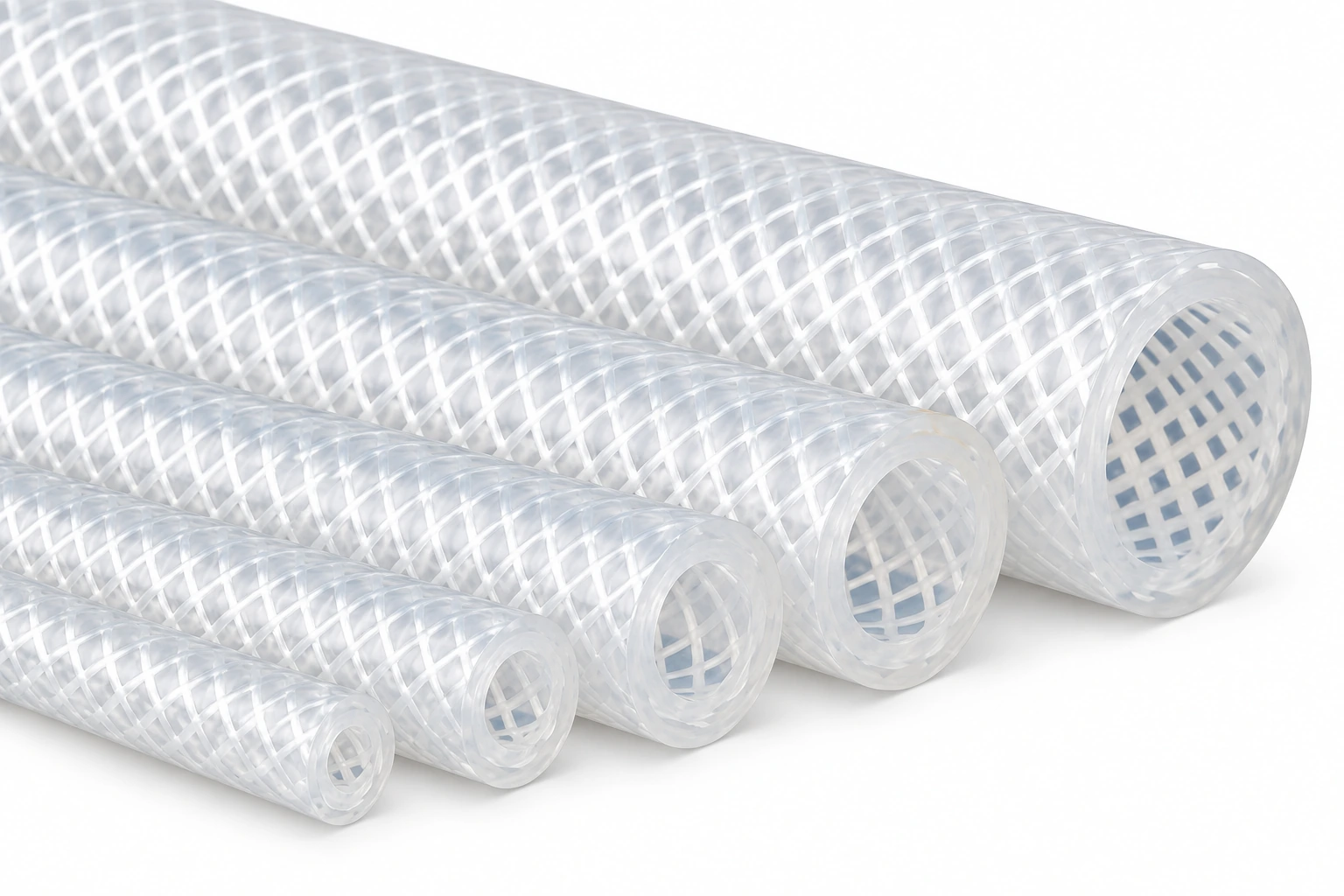
Reinforced silicone rubber tubing food grade is a type of hose that can be used in a variety of fields including the food and beverage industry. As the name suggests, this unit is not like the regular types of hoses and it is specially manufactured to be able to endure much bigger pressure without breaking and damaging. We all know that we cannot pay close attention to how we handle the equipment at all times, which means that the units we use will sometimes be thrown on the floor, they will be subjected to dirt and dust, and they may even be pulled too hard. When we use other types of material, we need to pay really close attention to them, and most of the other materials will either break, tear, rust, or they will lose their shape. When it comes to the reinforced silicone rubber tubing food grade, none of these things will happen, and no matter how you handle your equipment, it will stay in the same shape, and it can easily be bent without tearing.
As manufacturers, we provide the best quality of reinforced silicone rubber tubing food grade that can be used for any application of your choosing, and with it, you can transport fluids, solids, as well as gasses. You can also use it to provide protection to your equipment, and the only thing you need to do is safely fasten it to your equipment. Make sure that the diameter of the hose will fit the opening of your container so that there is no loose space in between. If this happens, the contents of the container will get compromised, and air along with dust or moisture may penetrate. The reinforced silicone rubber tubing food grade is reusable, which means you can clean and wash it safely. Make sure it is fully dry before you use it again, and know that you can safely use or store it in extreme temperatures without it getting damaged.
Silicone Tubing Size Catalog
Compare inside diameter, outside diameter and listed wall thickness across silicone tube ranges. Confirm the material grade and application requirements for the selected part.
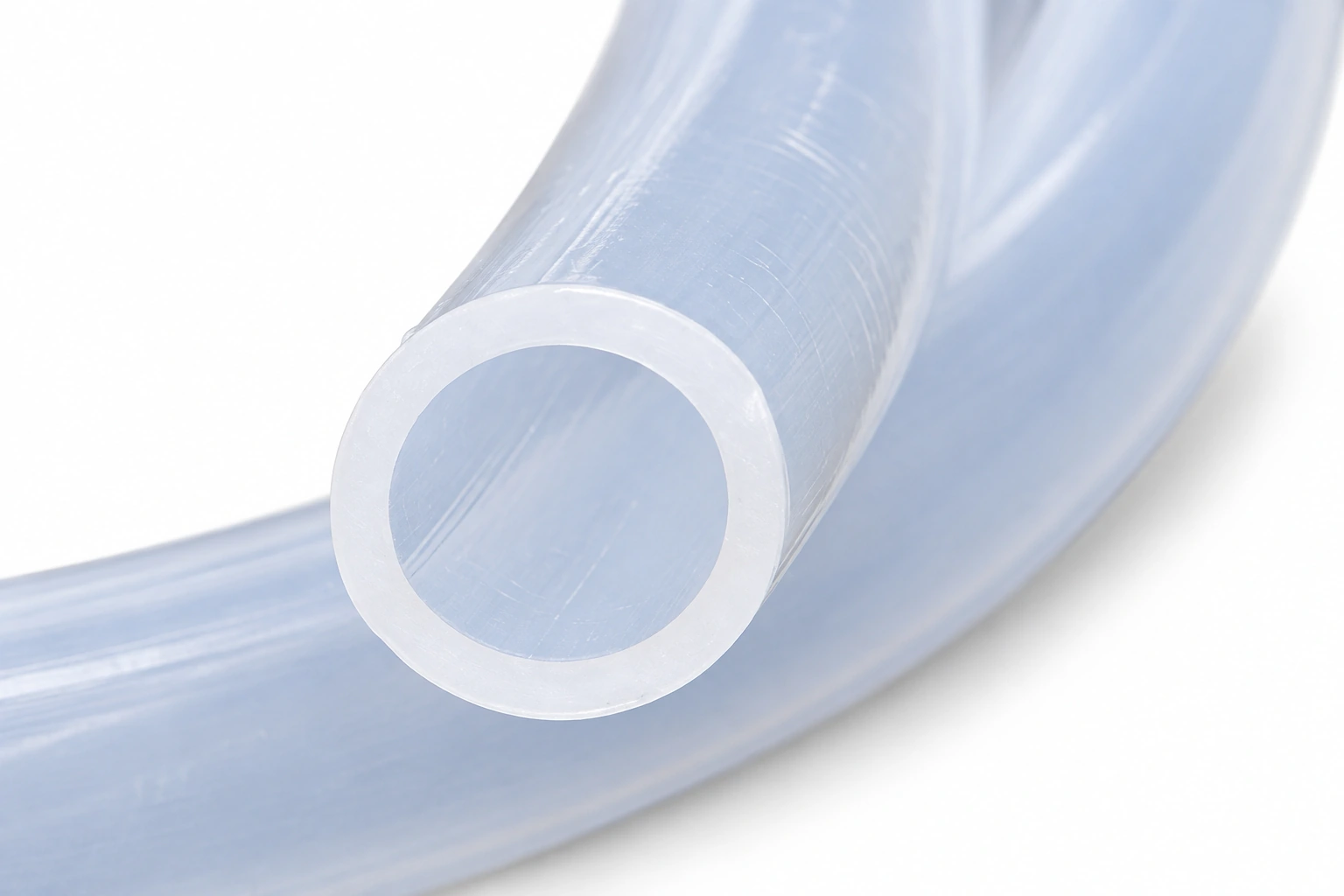
Food grade silicone tube
Compare Inside Diameter and Outside Diameter in mm, together with the listed Thickness and Colour. The cross-section drawing identifies the bore and outside diameter; confirm the selected tube material and service requirements.

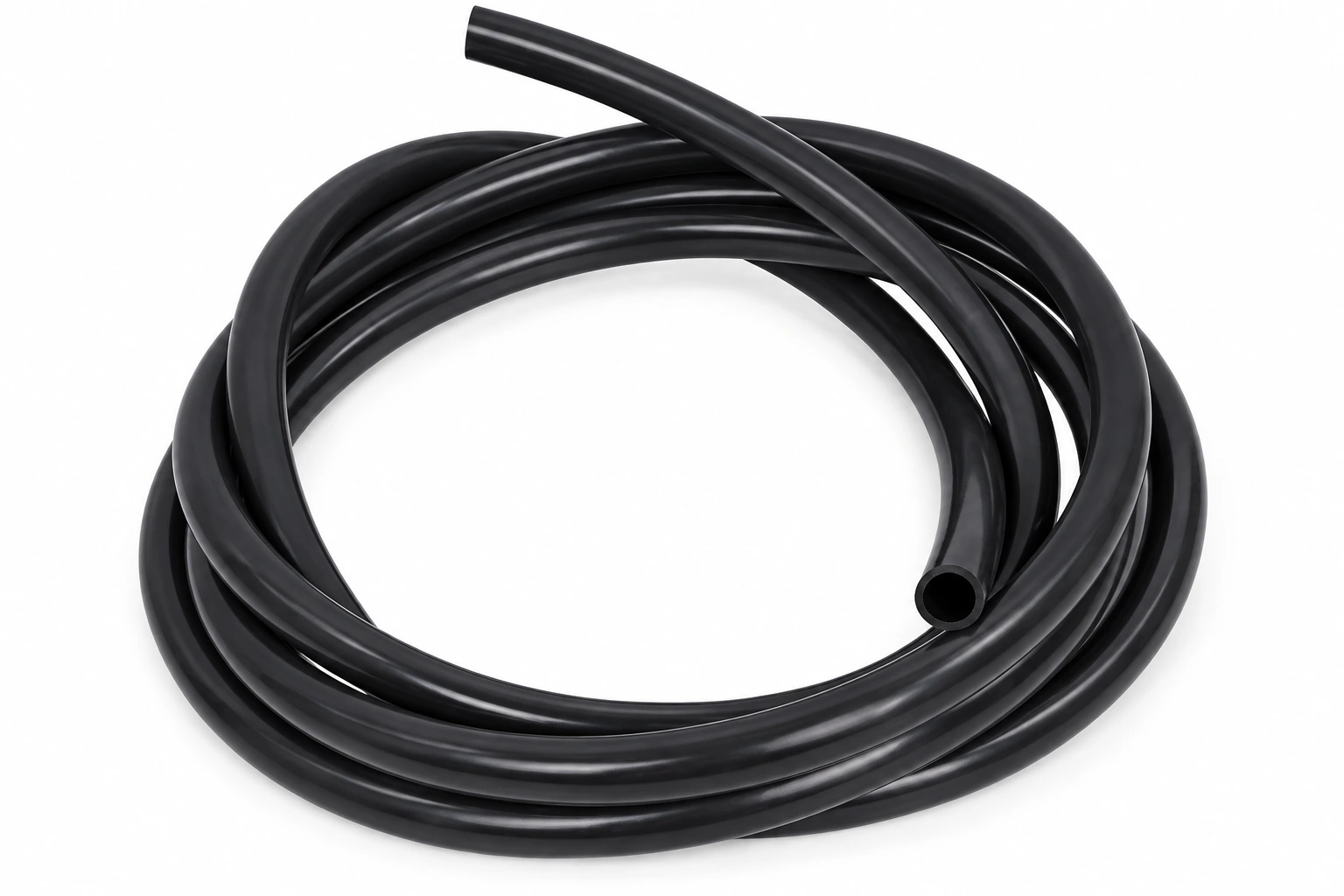
Black silicone tubing
Compare Inside Diameter and Outside Diameter in mm, together with the listed Thickness and Colour. The cross-section drawing identifies the bore and outside diameter; confirm the selected tube material and service requirements.
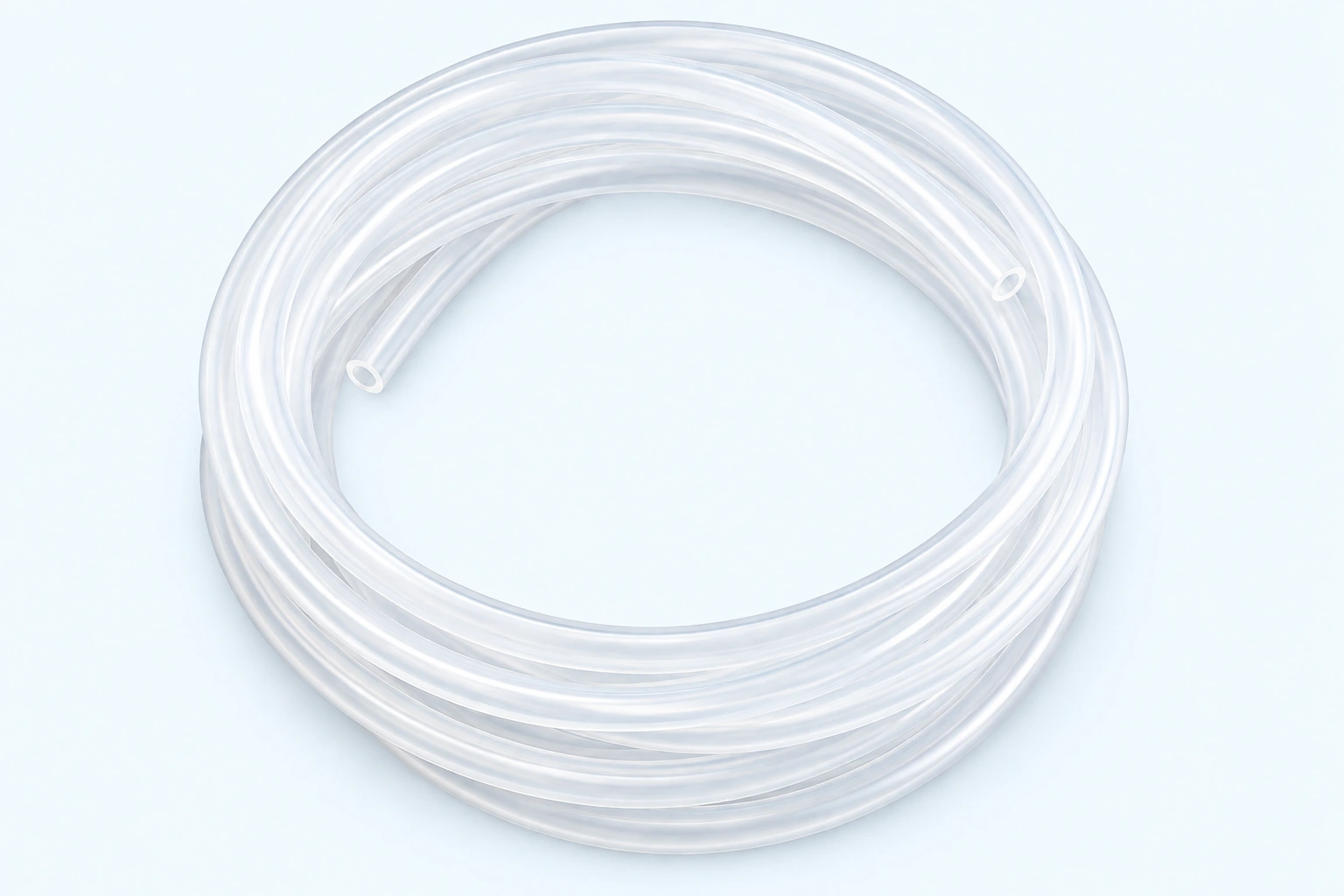
Industrial silicone tube
Compare Inside Diameter and Outside Diameter in mm, together with the listed Thickness and Colour. The cross-section drawing identifies the bore and outside diameter; confirm the selected tube material and service requirements.
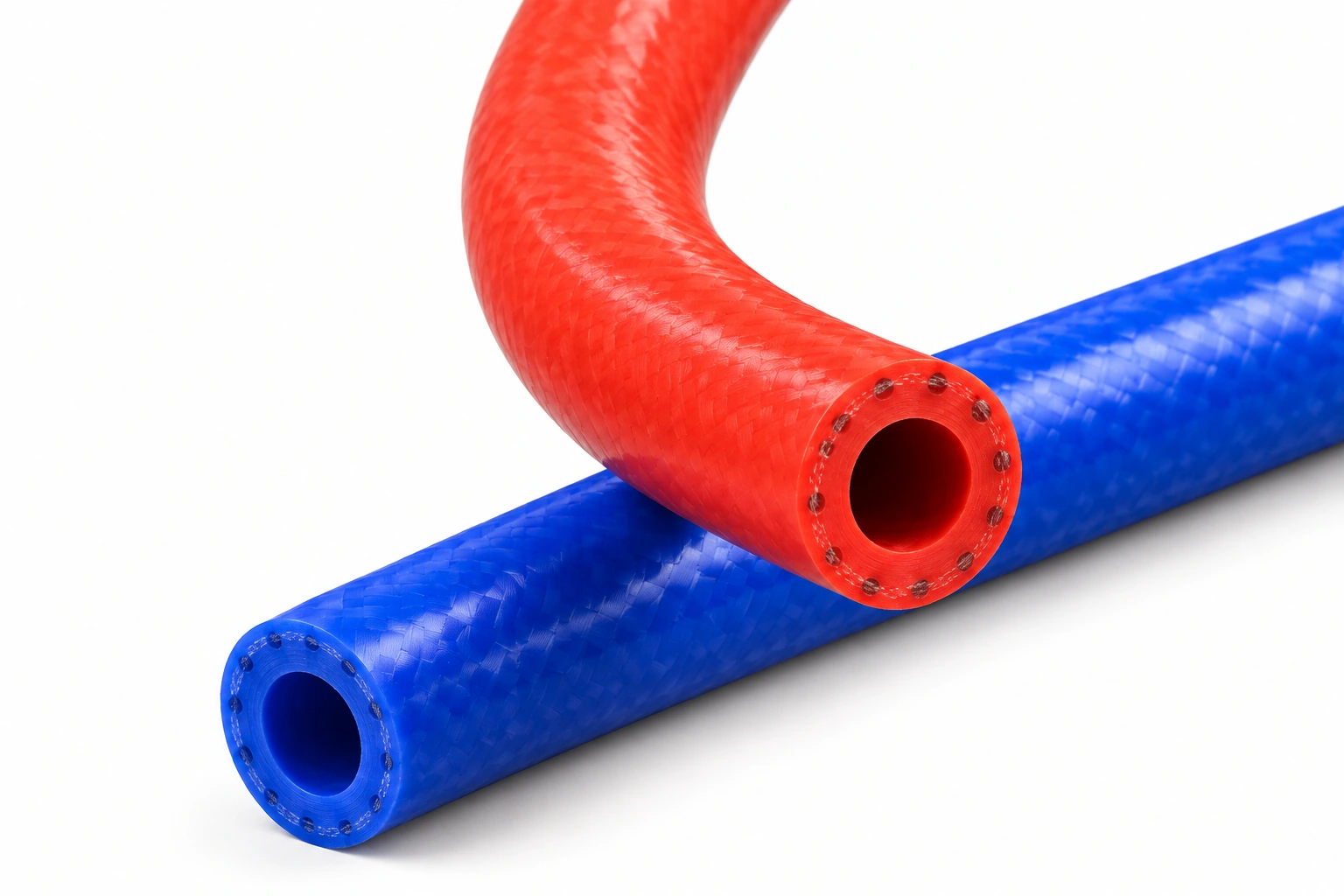
Colourful silicone braided tube
Compare Inside Diameter and Outside Diameter in mm, together with the listed Thickness and Colour. The cross-section drawing identifies the bore and outside diameter; confirm the selected tube material and service requirements.
Food grade silicone braided tube
Compare Inside Diameter and Outside Diameter in mm, together with the listed Thickness and Colour. The cross-section drawing identifies the bore and outside diameter; confirm the selected tube material and service requirements.
Need a different size? Share your drawing, mating dimensions and intended use to discuss a suitable part.
Discuss Your RequirementsProduct specifications
- Product form
- Reinforced tubing with the layer construction to be specified
- Material
- Silicone. Specify the compound grade for the selected service.
- Application focus
- Food-processing equipment. Size the part against the selected assembly.
- Dimensions to confirm
- Inside diameter, outside diameter, wall thickness and cut length. Match these to food-processing equipment.
- Reinforcement
- Specify the reinforcement construction and layer thickness; assess the complete hose and end fittings together.
- Food-contact qualification
- Identify the food, contact time and cleaning cycle; obtain documentation for the selected finished compound and intended use.
- Contact conditions
- Food ingredients and air: define concentration, temperature and contact time, then check compatibility with the chosen compound.
- Exposure to evaluate
- Heat and cold cycling, moisture and dust or debris. Validate the selected material under the combined conditions.
- Line layout
- Check bend radius, unsupported spans and clearance at both connections.
Need a quote or a custom part?
Send your requirements, drawings or samples to discuss standard and custom silicone rubber parts.
Email us[email protected]