
Reinforced silicone tubing
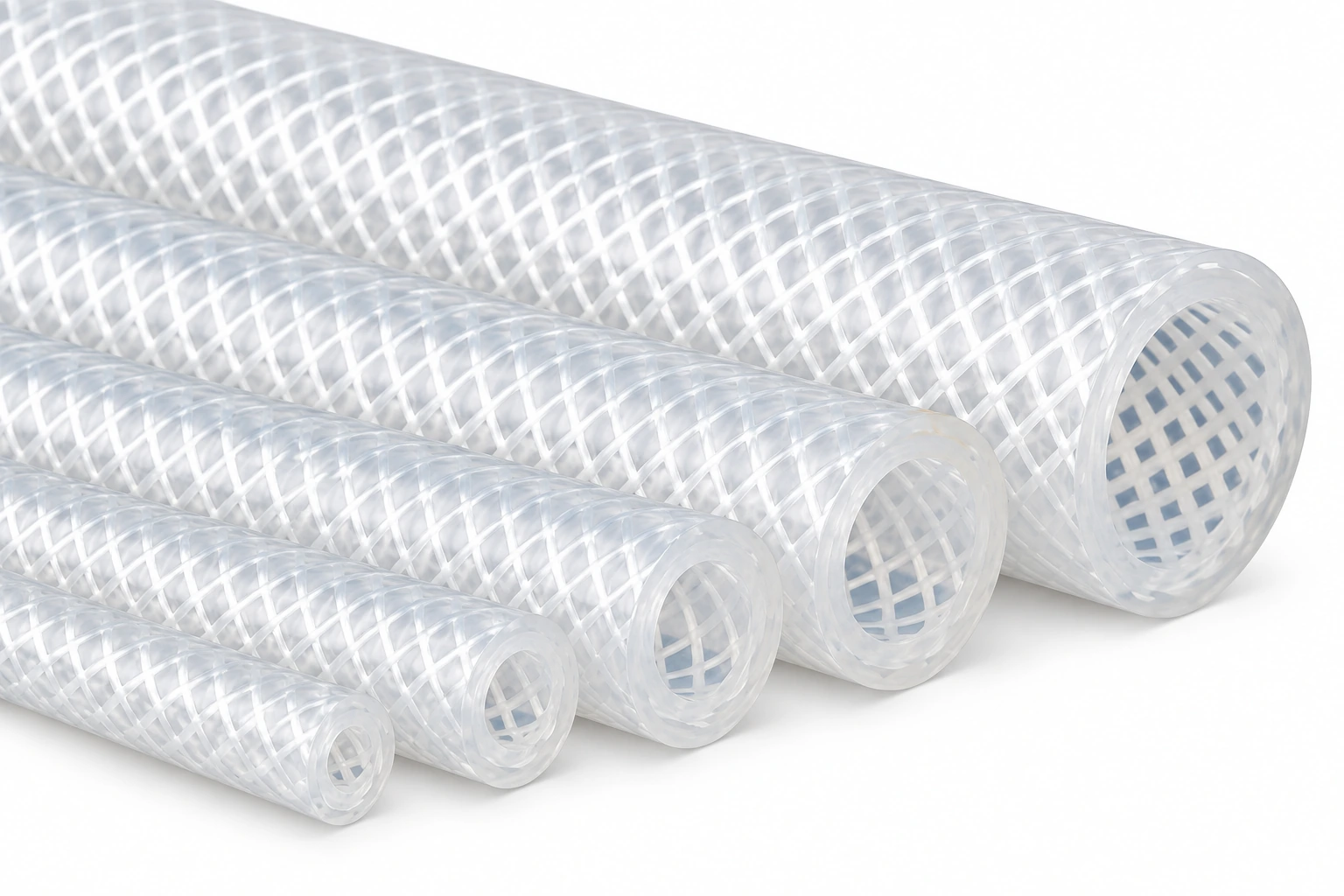
Silicone tubing can be considered a saviour when regular tubing fails to fulfil the requirements. This tubing is ideally suited for the transfer and accommodation of clean products like foods and cosmetics. Reinforced silicone tubing has a smooth inner line of silicone. It does not contain any odour or taste and has no influence on the product it carries. It is suitable for many challenging processes and is resistant to pressure and vacuum due to the reinforcements.
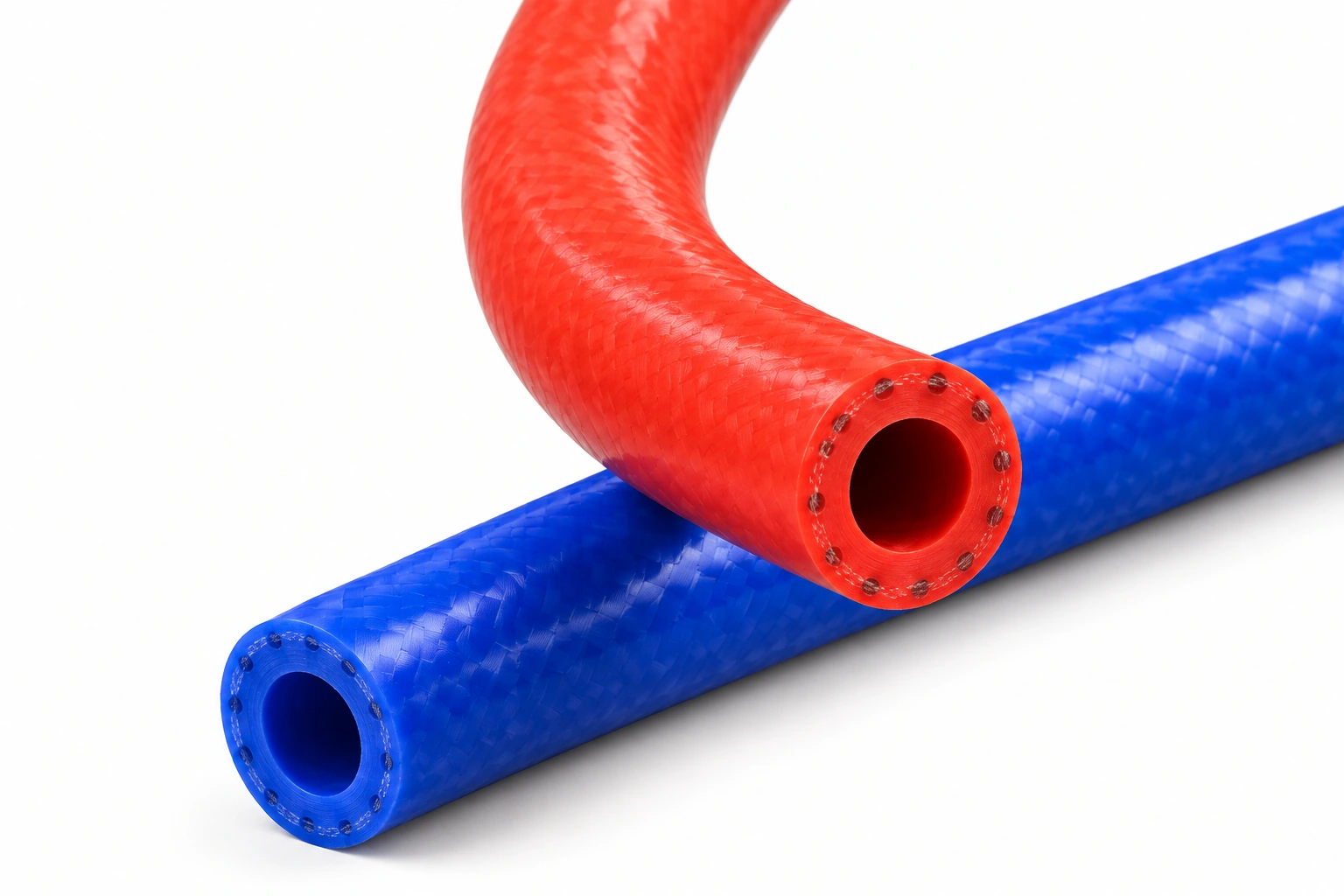
The utilisation of reinforced silicone tubing is enhancing every day due to the variety and coatings it can comprehend. It can be sterilised with all the regular methods and has resistance to heat while being flexible. Silicone, being a soft material, is prone to Kinking especially if the tube has smaller dimensions. This issue is resolved by embedding monofilament in a spiral or braided design inside the wall of the tube. This provides radial strength and resistance to kinking and compression. To enhance wear resistance reinforced silicone tubing is used. For this polyester or polythene is placed inside the silicone wall to add strength and resistance against wear and tear.
The features of reinforced silicone tubing are various. These tubes are stable for steam sterilisation, have excellent flexibility, are able to endure pressure and vacuum at a higher rate and are adequate for hot air sterilisation too. This increases their use in various industries tenfold. It is accessible in multiple external colours which allows it to recognise different applications of the same pipe in the factory. This tubing works best with sticky fluids, sterilising able processes, inaccessible places and many more. If the silicone tube is to be unattached at one end then the sealing needs to be done through a secondary process. The reason is silicone doesn’t easily bond to other materials and silicone walls are not bonded to the reinforcements chemically. Variations and enhancement in reinforced silicone tubing are coming at a faster rate. These tubes are able to meet requirements of any calibre and are proven to be extremely useful.
Silicone Tubing Size Catalog
Compare inside diameter, outside diameter and listed wall thickness across silicone tube ranges. Confirm the material grade and application requirements for the selected part.
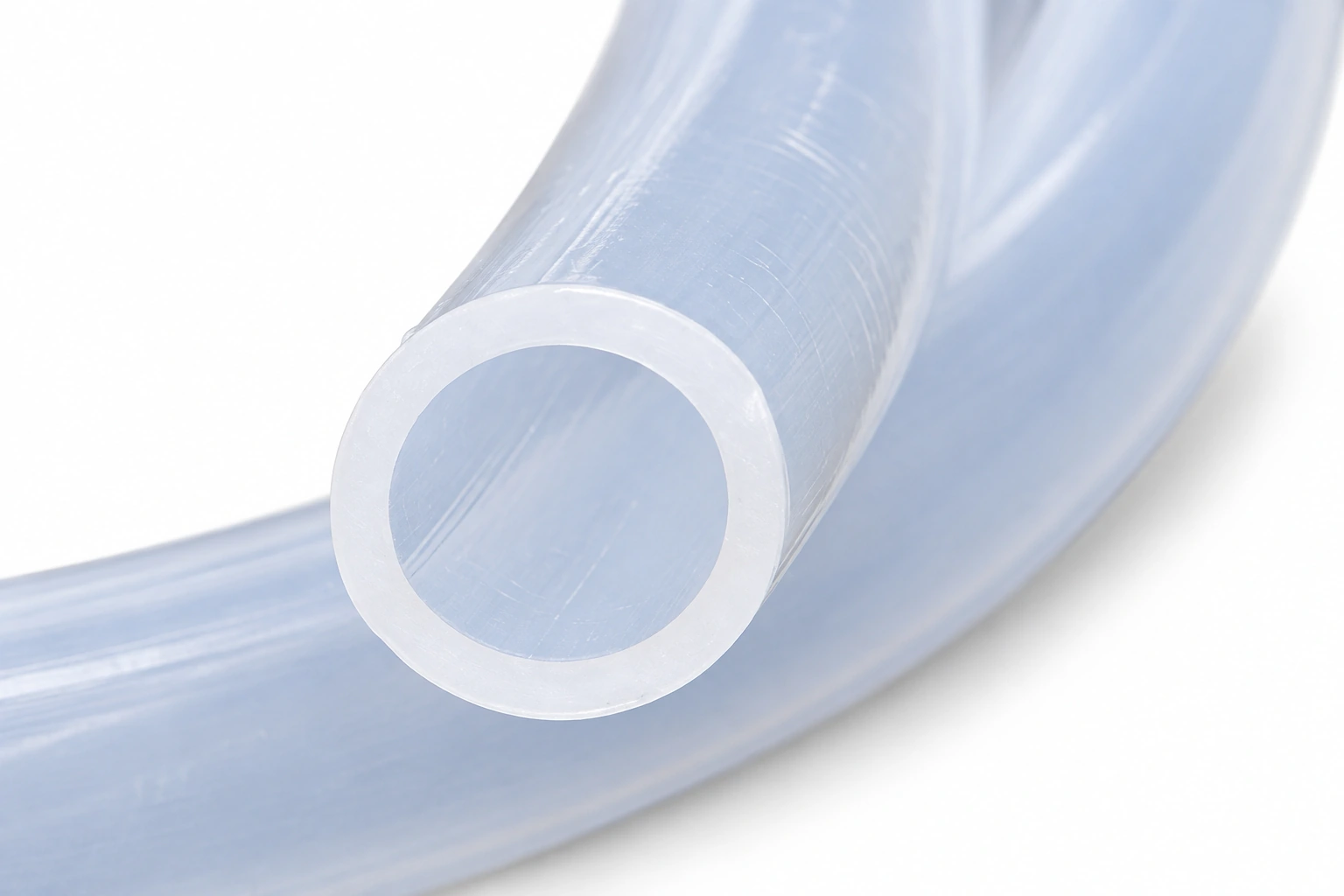
Food grade silicone tube
Compare Inside Diameter and Outside Diameter in mm, together with the listed Thickness and Colour. The cross-section drawing identifies the bore and outside diameter; confirm the selected tube material and service requirements.

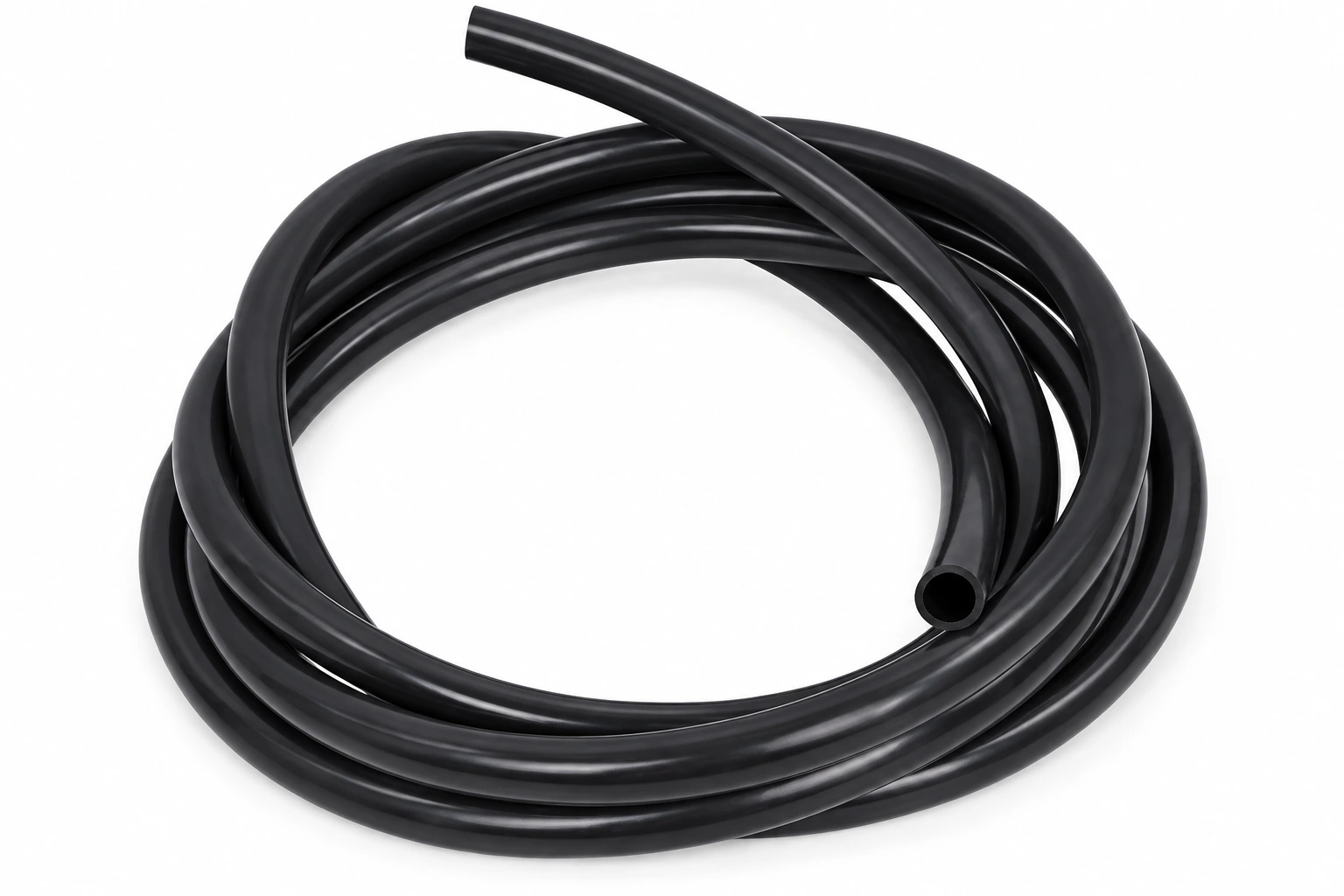
Black silicone tubing
Compare Inside Diameter and Outside Diameter in mm, together with the listed Thickness and Colour. The cross-section drawing identifies the bore and outside diameter; confirm the selected tube material and service requirements.
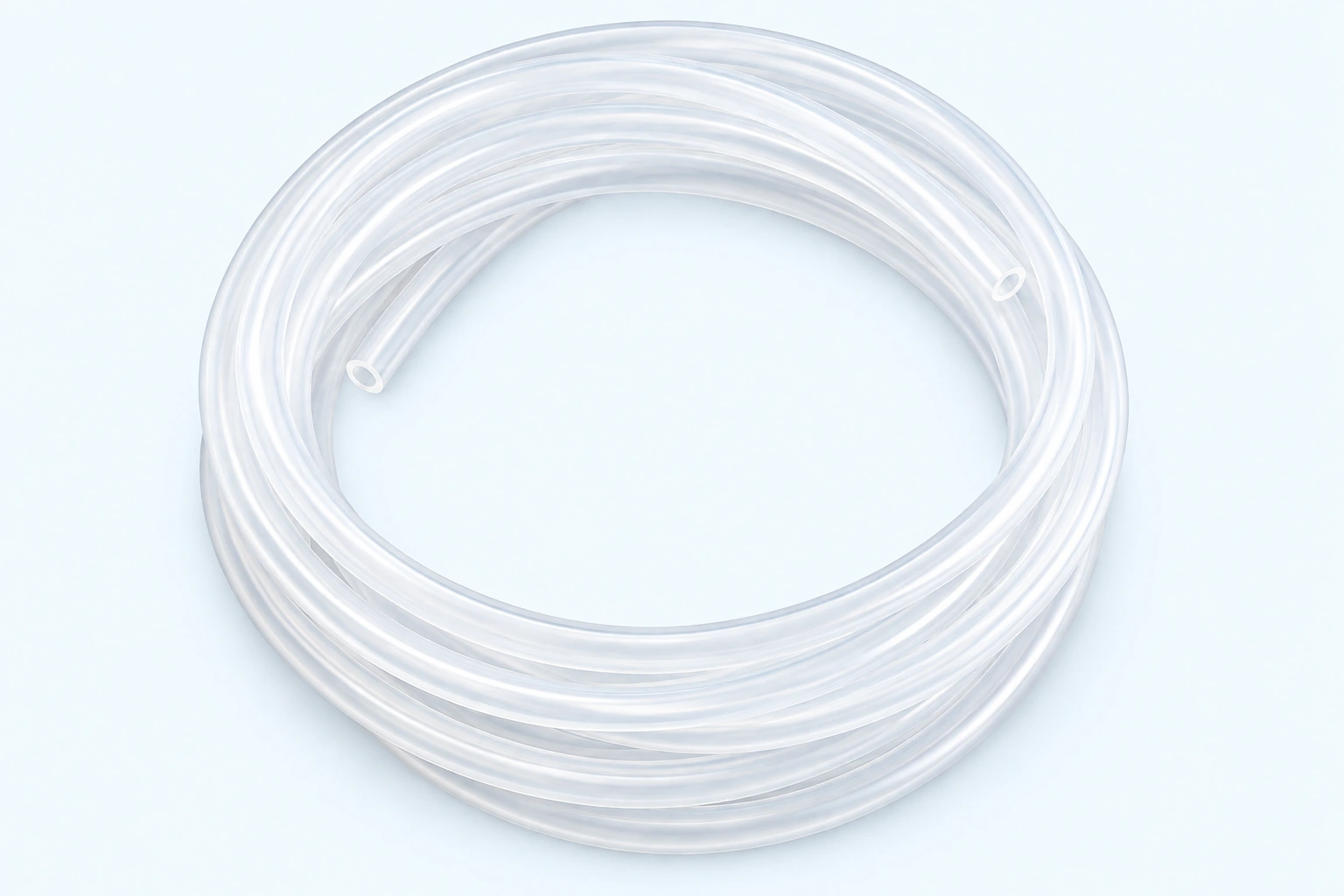
Industrial silicone tube
Compare Inside Diameter and Outside Diameter in mm, together with the listed Thickness and Colour. The cross-section drawing identifies the bore and outside diameter; confirm the selected tube material and service requirements.
Colourful silicone braided tube
Compare Inside Diameter and Outside Diameter in mm, together with the listed Thickness and Colour. The cross-section drawing identifies the bore and outside diameter; confirm the selected tube material and service requirements.
Food grade silicone braided tube
Compare Inside Diameter and Outside Diameter in mm, together with the listed Thickness and Colour. The cross-section drawing identifies the bore and outside diameter; confirm the selected tube material and service requirements.
Need a different size? Share your drawing, mating dimensions and intended use to discuss a suitable part.
Discuss Your RequirementsProduct specifications
- Product form
- Reinforced tubing with the layer construction to be specified
- Material
- Silicone. Specify the compound grade for the selected service.
- Application focus
- Food-processing equipment. Size the part against the selected assembly.
- Dimensions to confirm
- Inside diameter, outside diameter, wall thickness and cut length. Match these to food-processing equipment.
- Reinforcement
- Specify the reinforcement construction and layer thickness; assess the complete hose and end fittings together.
- Contact conditions
- Steam and air: define concentration, temperature and contact time, then check compatibility with the chosen compound.
- Line layout
- Check bend radius, unsupported spans and clearance at both connections.
Need a quote or a custom part?
Send your requirements, drawings or samples to discuss standard and custom silicone rubber parts.
Email us[email protected]