
Reinforced silicone tubing high temp
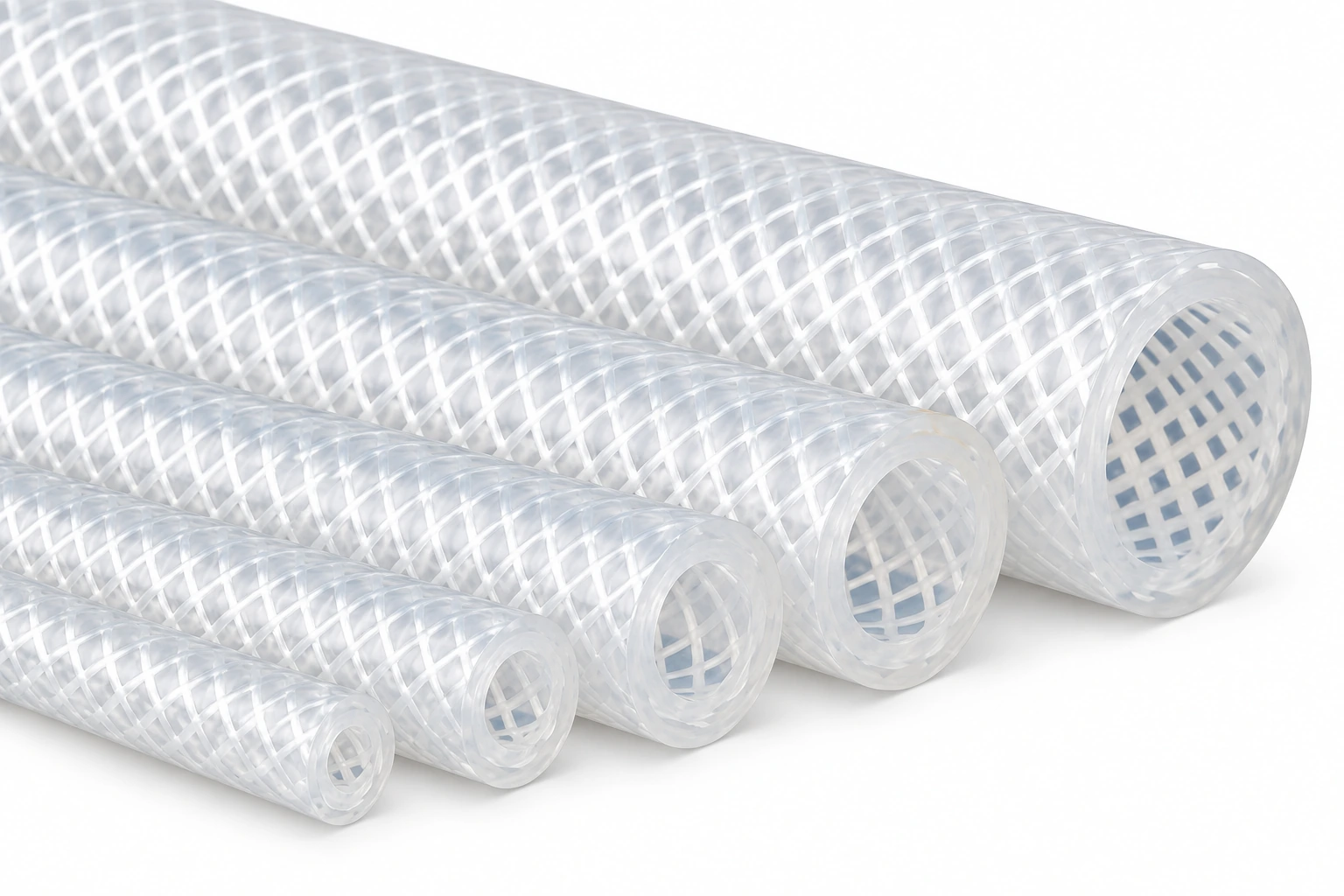
Reinforced silicone tubing high temp is tubing adapted to function in harsh environments. Silicone is a material, a semi-organic elastomer, that stands out for its resistance to extremely high temperatures. When we talk about temperatures to which you can expose reinforced silicone tubing high temp, these are temperatures of over 250 degrees Celsius, it is important to note that we are talking about dry heat. There are cases when the silicone was exposed to higher temperatures than that and without any or at least significant damage. When we talk about the lower temperature limit, silicone is also great because it can withstand deep freezing, which is a common process in the food industry. Since there is a food grade type of silicone that does not contain any toxic chemicals or other substances and therefore may come into contact with food, then reinforced silicone tubing high temp is a great addition to every food and beverage manufacturer.
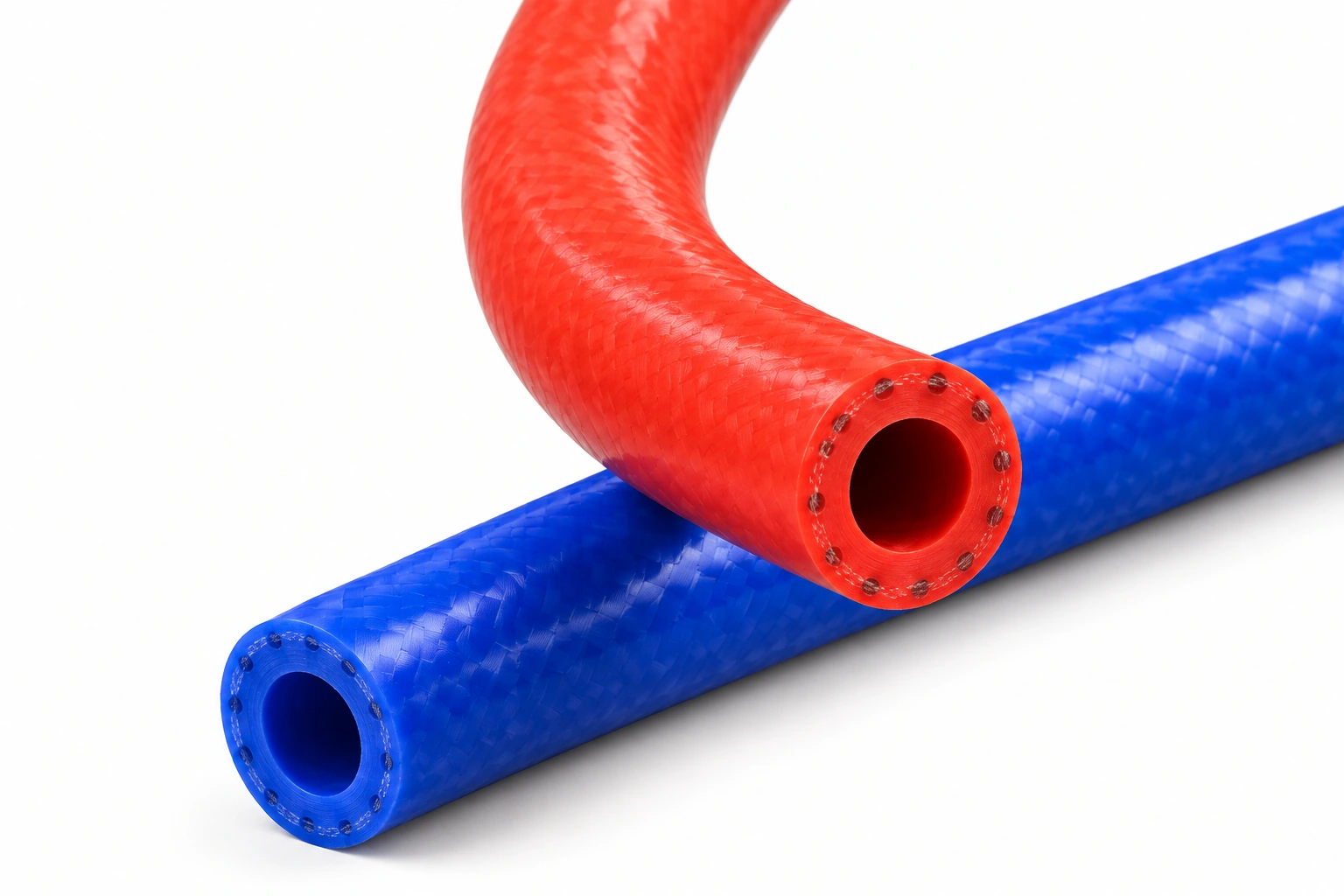
When we talk about reinforcing silicone tubing, it is very important because of service life, but also that tubing could fulfill day to day requirements in an unsuitable environment. We will also explain how reinforced tubing is obtained. Special fibers are added to strengthen the walls. Depending on the exact shape and size, it also depends on how the fibers will be arranged. In this way, one of the main problems of silicone is overcome, and that is insufficient tear resistance for certain purposes.
When it comes to size, make sure you choose the right diameter. The length and thickness of the wall are also very important, because too short a tubing will not be enough for you, and also a tubing with a thin wall is not suitable for contact with chemicals. However, diameter is most important because diameter affects the flow of fluids that pass through the tubing.
Silicone Tubing Size Catalog
Compare inside diameter, outside diameter and listed wall thickness across silicone tube ranges. Confirm the material grade and application requirements for the selected part.
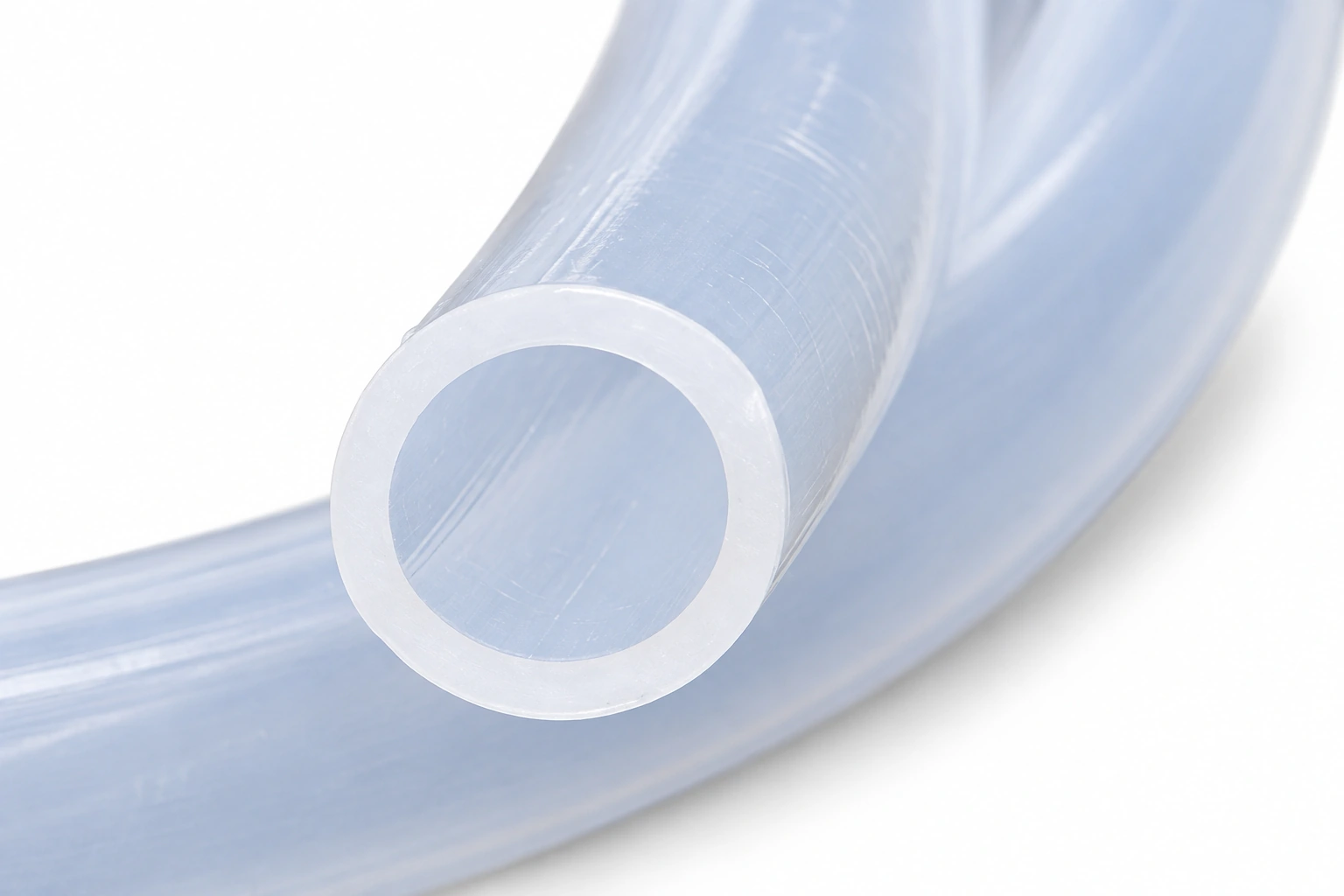
Food grade silicone tube
Compare Inside Diameter and Outside Diameter in mm, together with the listed Thickness and Colour. The cross-section drawing identifies the bore and outside diameter; confirm the selected tube material and service requirements.

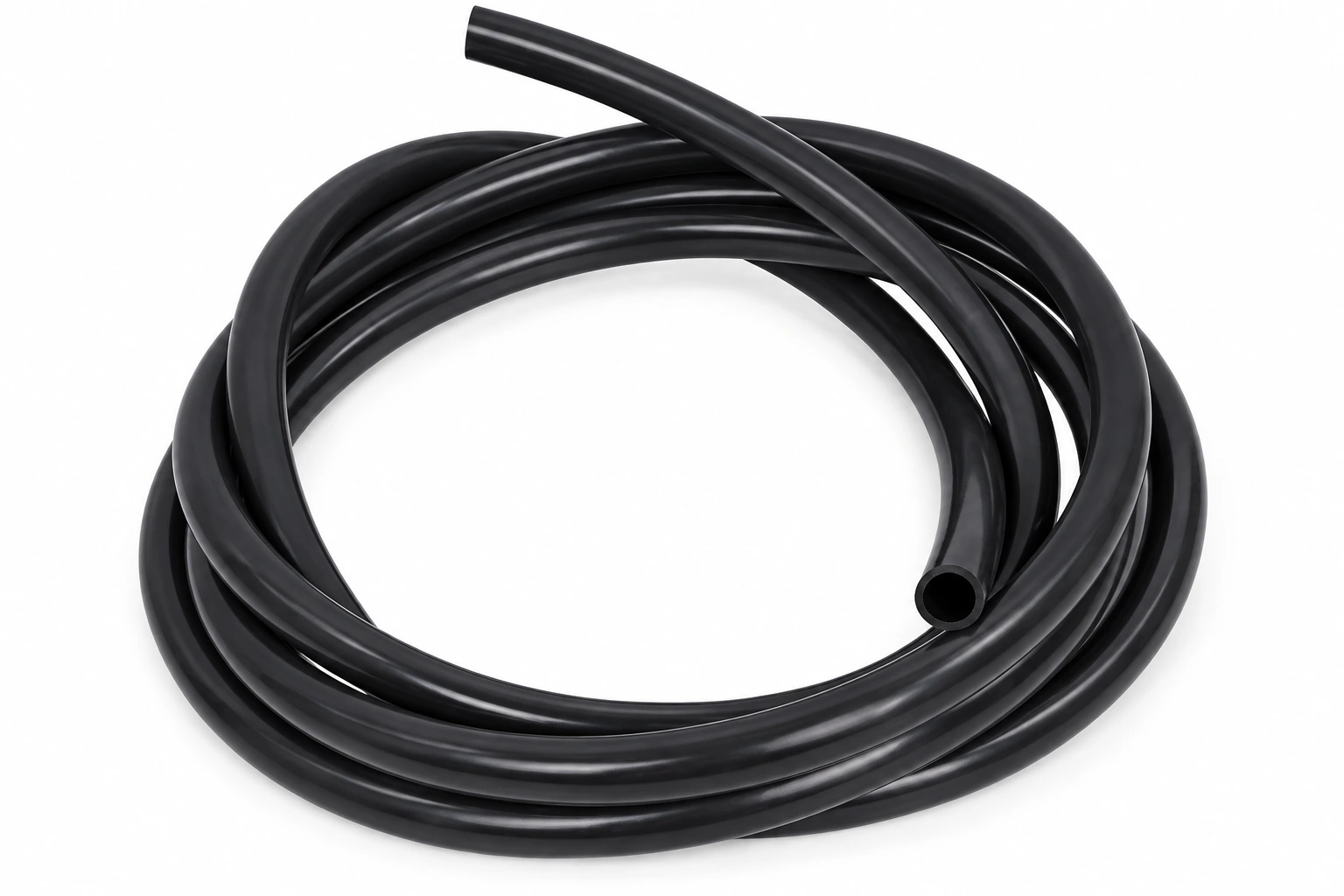
Black silicone tubing
Compare Inside Diameter and Outside Diameter in mm, together with the listed Thickness and Colour. The cross-section drawing identifies the bore and outside diameter; confirm the selected tube material and service requirements.
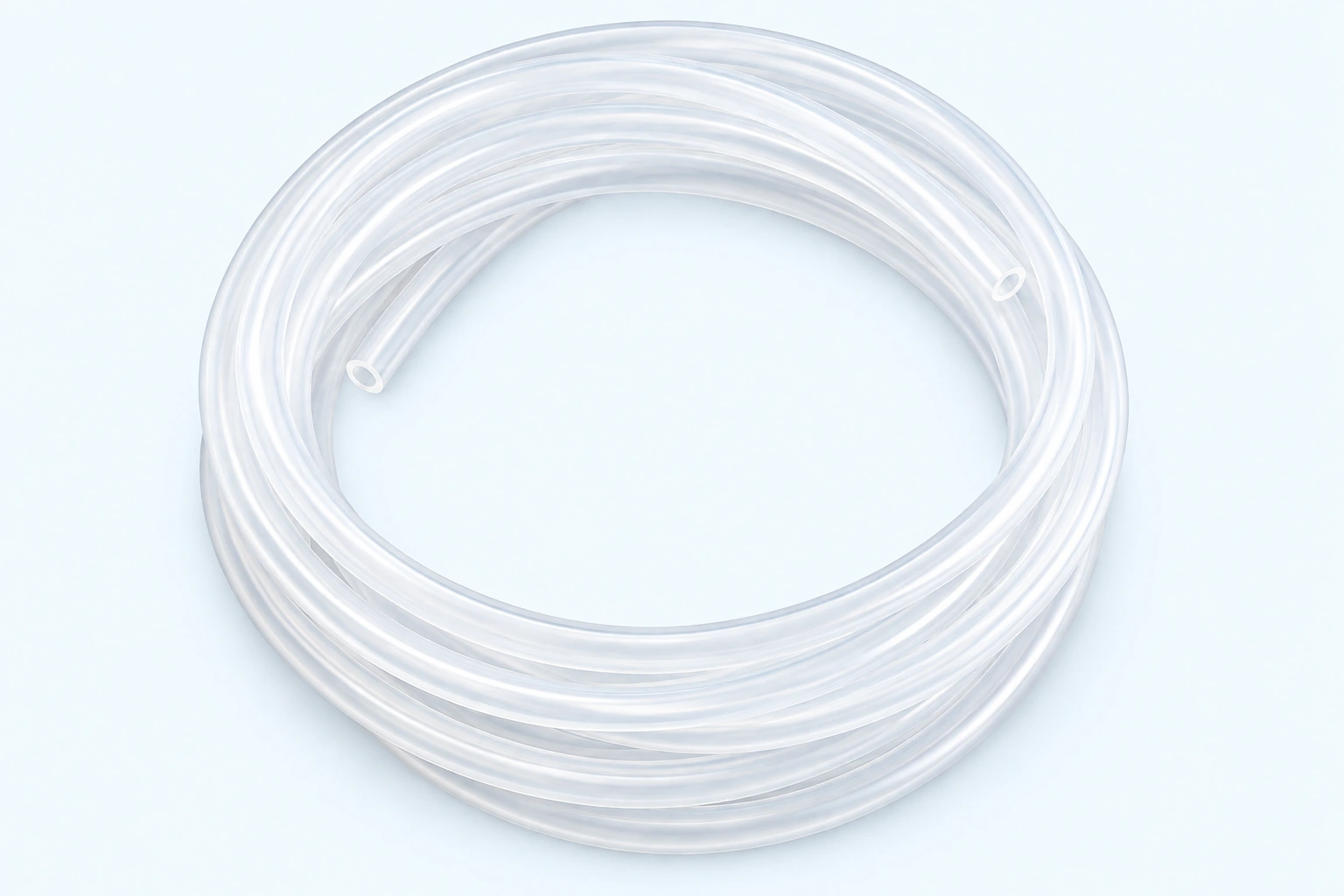
Industrial silicone tube
Compare Inside Diameter and Outside Diameter in mm, together with the listed Thickness and Colour. The cross-section drawing identifies the bore and outside diameter; confirm the selected tube material and service requirements.
Colourful silicone braided tube
Compare Inside Diameter and Outside Diameter in mm, together with the listed Thickness and Colour. The cross-section drawing identifies the bore and outside diameter; confirm the selected tube material and service requirements.
Food grade silicone braided tube
Compare Inside Diameter and Outside Diameter in mm, together with the listed Thickness and Colour. The cross-section drawing identifies the bore and outside diameter; confirm the selected tube material and service requirements.
Need a different size? Share your drawing, mating dimensions and intended use to discuss a suitable part.
Discuss Your RequirementsProduct specifications
- Product form
- Reinforced tubing with the layer construction to be specified
- Material
- Silicone. Specify the compound grade for the selected service.
- Application focus
- Food-processing equipment. Size the part against the selected assembly.
- Dimensions to confirm
- Inside diameter, outside diameter, wall thickness and cut length. Match these to food-processing equipment.
- Reinforcement
- Specify the reinforcement construction and layer thickness; assess the complete hose and end fittings together.
- Thermal duty
- Define continuous exposure, short peaks and cycle time; establish the usable limit for the selected compound and assembly.
- Contact conditions
- Food ingredients: define concentration, temperature and contact time, then check compatibility with the chosen compound.
- Line layout
- Check bend radius, unsupported spans and clearance at both connections.
Need a quote or a custom part?
Send your requirements, drawings or samples to discuss standard and custom silicone rubber parts.
Email us[email protected]