
rubber conduit plug
Our rubber conduit plug is a very useful component intended for electrical usage. The purpose of a rubber conduit plug is to hold multiple electric cables at once. Thus, this component is intended for household usage and manufacturing firms. Since we make the component from rubber, it promotes workplace safety by protecting you from electricity. Rubber is excellent for protecting yourself against exposed cables and similar types of hazards. But unlike other components, our plugs are made using the finest quality rubber. We use a mixture of different materials to achieve the best possible result.
While a rubber conduit plug is best used to collectively keep multiple cables, it also serves another purpose. Since the plug can hold the heads of multiple cables, it is also used for preventing unwanted materials from getting inside the wiring. Things like dust, debris, and even moisture can all interfere with the cables and spark unwanted damages. A plug can shield the cables and make sure these materials are kept away at a safe distance. Another advantage to our rubber conduit plug is the increased versatility. You can use the plug for home-related purposes or your home offices. Even underground electrical systems can be fully protected using our plugs.
Given the nature of this component and the many benefits customers are getting, it’s important to pick the right one for the job. Luckily for you, our plug selection is just as versatile as the component itself. If you need any help picking the right product, we are here to offer a helping hand. You can find plenty of resources on our website and similar components that all get the job done. If you ever need assistance picking the right rubber plug, please don’t hesitate to contact us. We are more than willing to help you buy the right product for your needs.
Stopper & Plug Size Catalog
Compare four stopper profiles and check the selected part dimensions against your opening and available depth. Each profile has its own drawing and dimension meanings.
Custom colors are available to your Pantone color code. Include the code in your inquiry.
RST T-Shaped Plugs
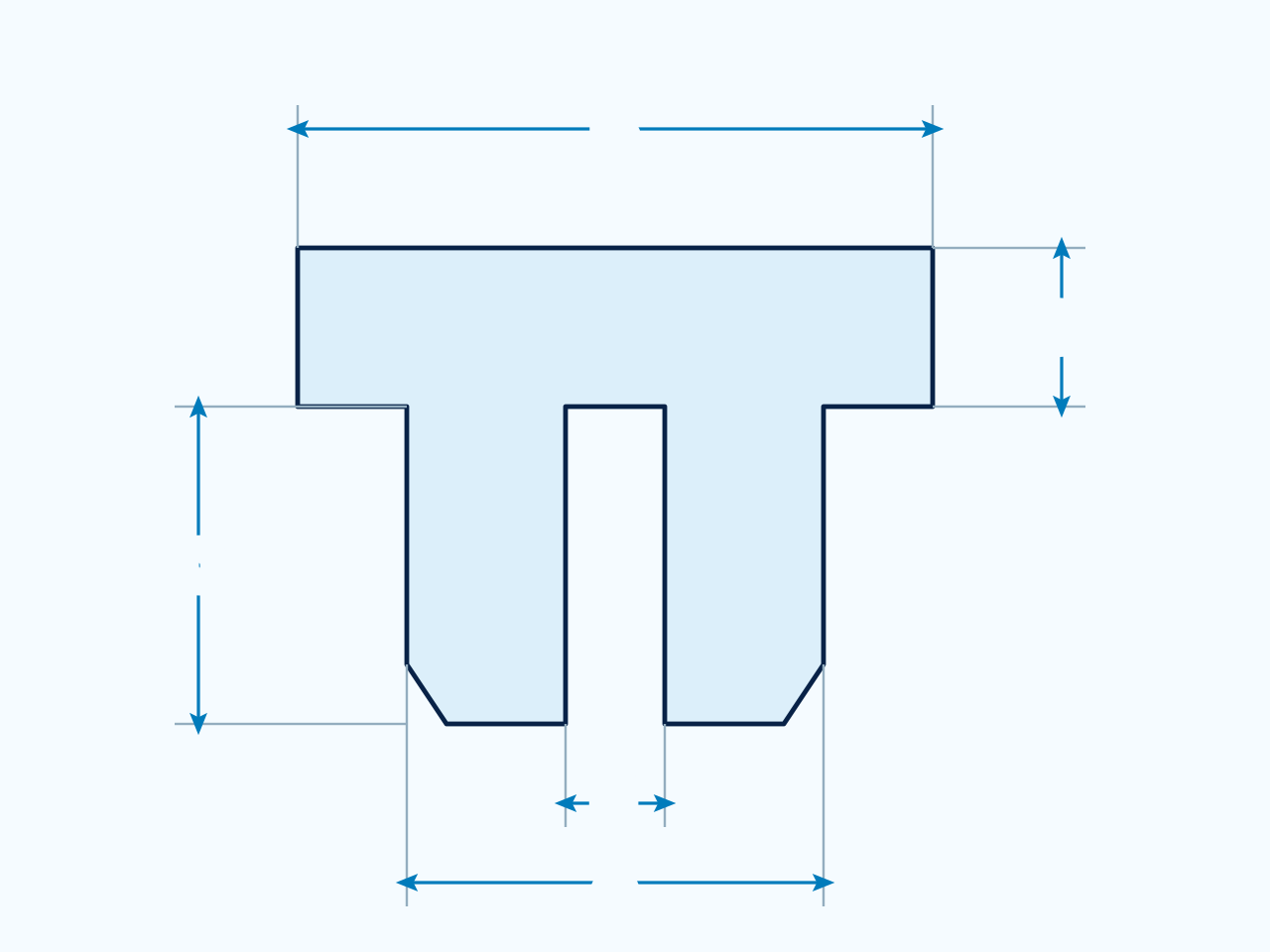
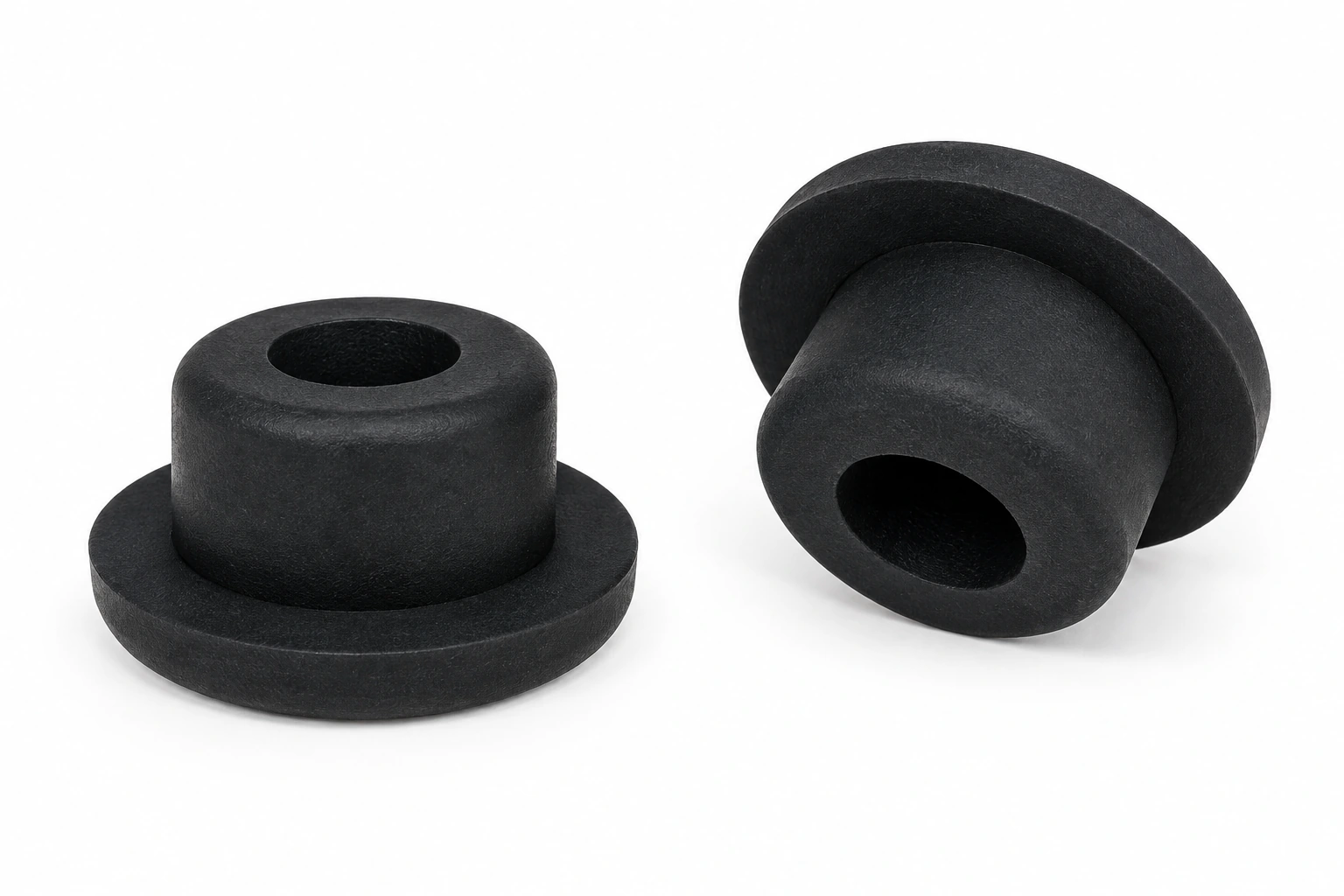
Match stem diameter A, flange diameter B, stem length C and flange thickness D. E refers to the underside recess; use the selected row and approved drawing to confirm the actual profile.
RSA Tapered Corks
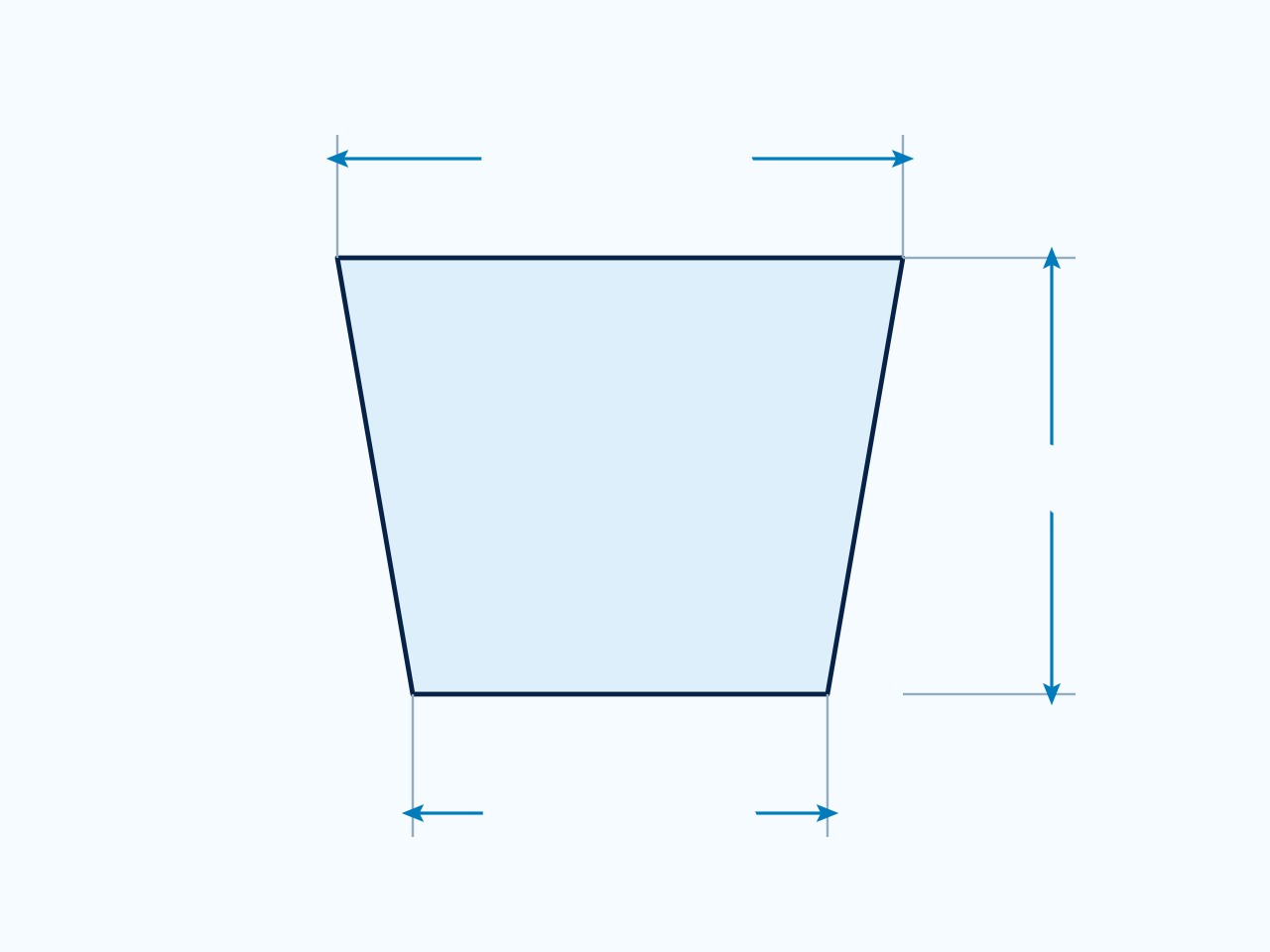
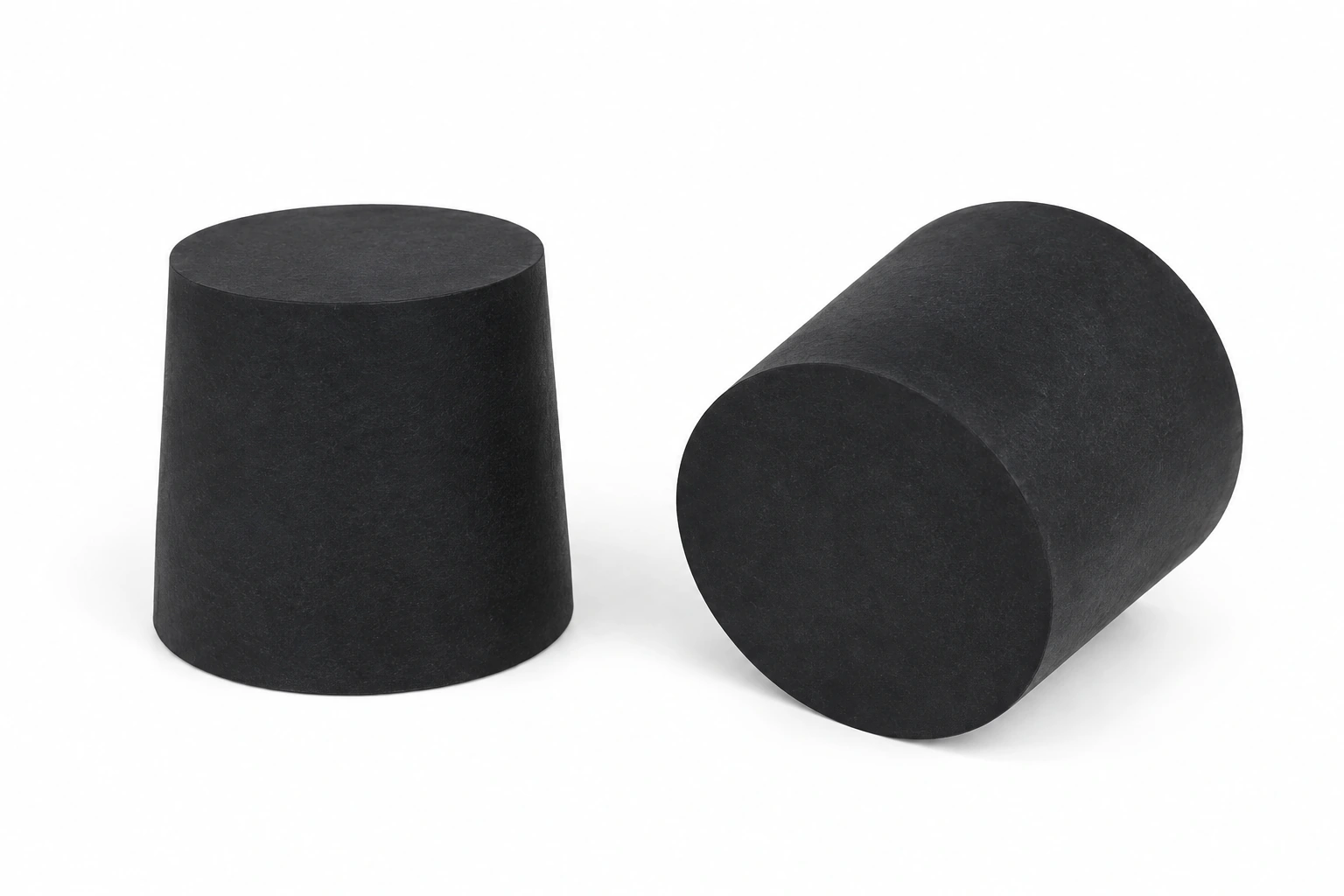
Compare large-end diameter A, small-end diameter B and Height, in mm. The mating bore and required seating depth determine where the taper contacts the opening.
RSB Undercut Plugs
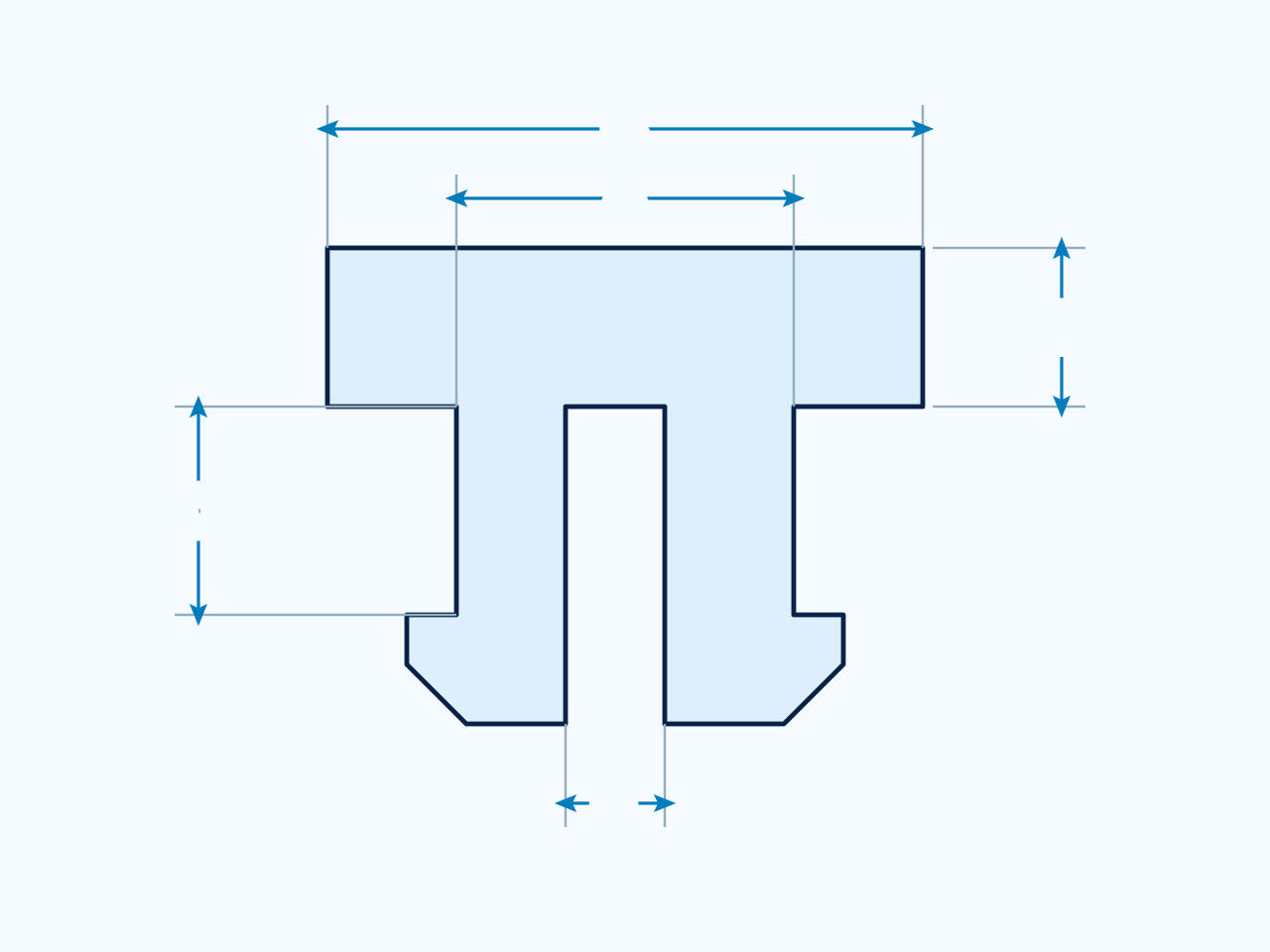
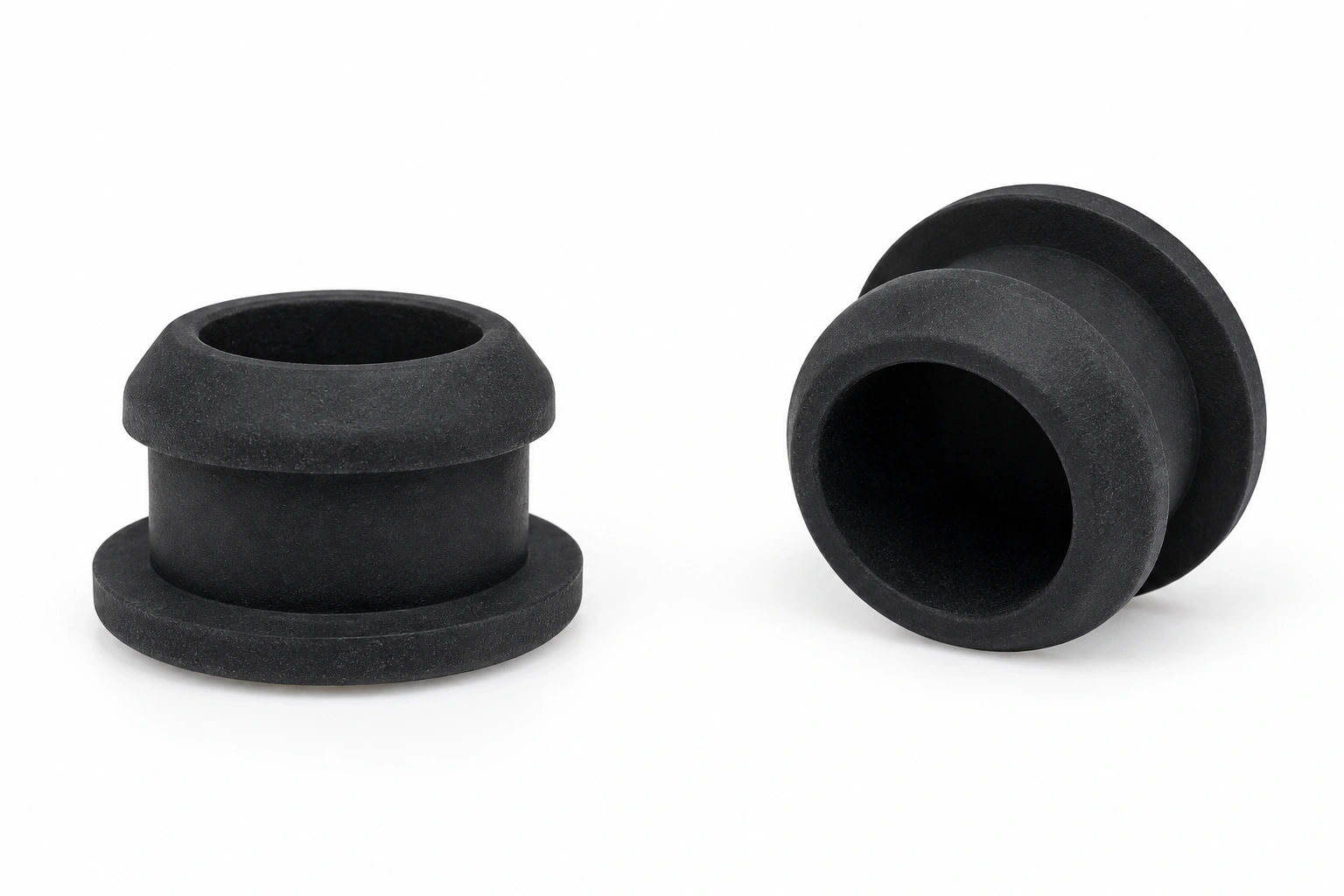
Compare neck diameter A, flange diameter B, flange-to-lip distance C and flange thickness D. Check panel thickness and rear clearance. E refers to the underside recess.
RSD T-Shaped Stoppers
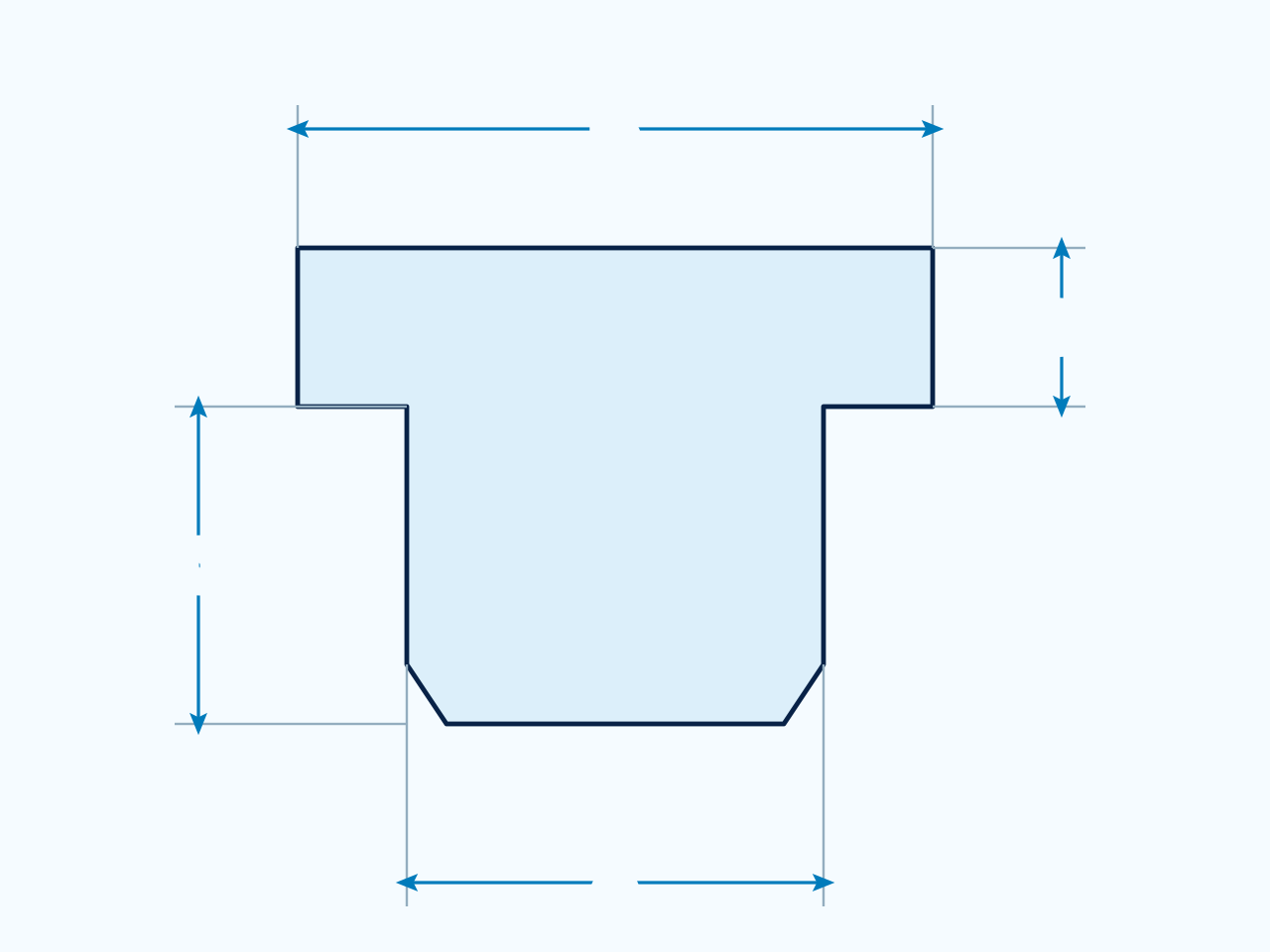
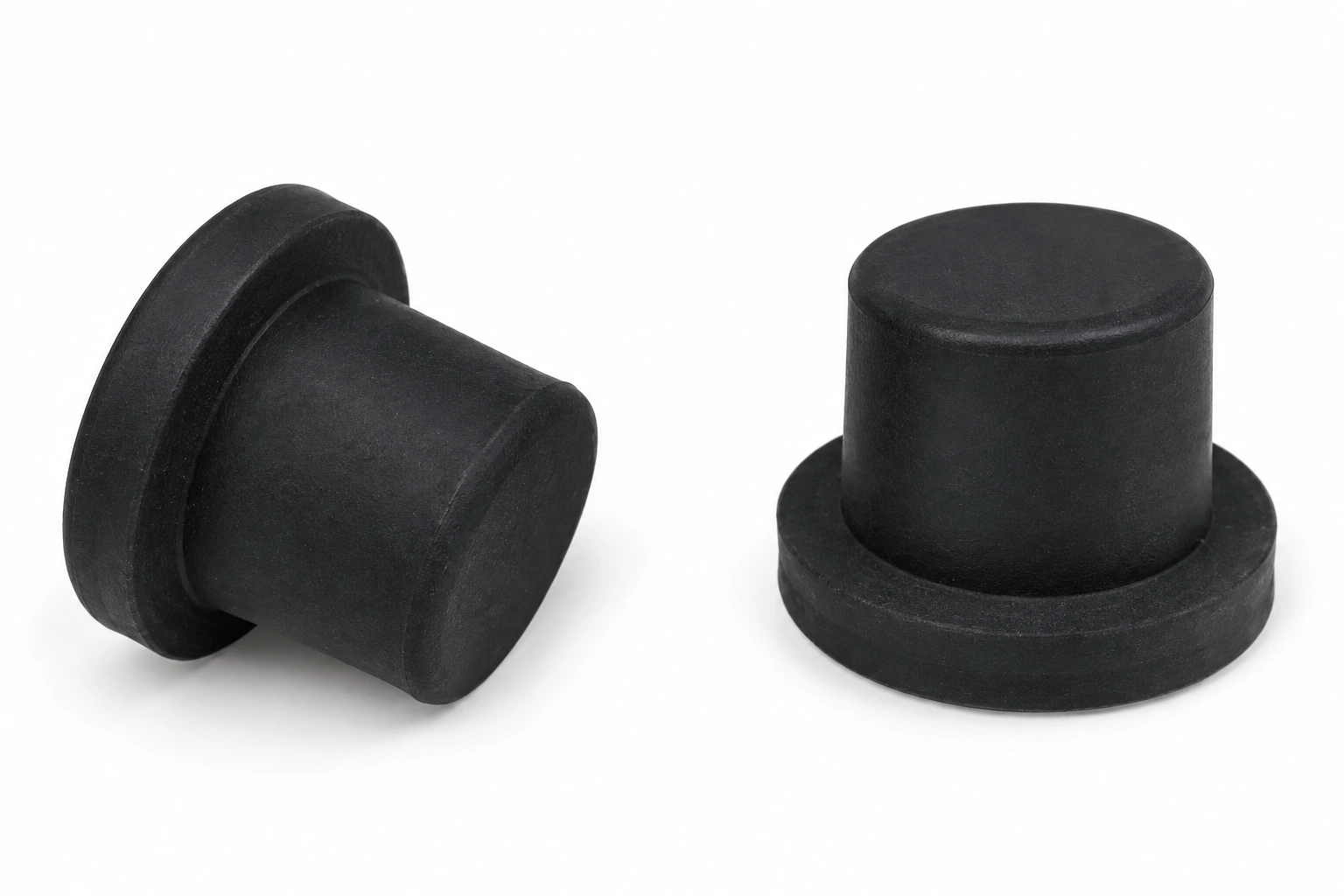
Compare stem diameter A, flange diameter B, stem length C and head thickness D, in mm. Check the seating surface and available depth as well as the hole diameter.
Need a different fit? Share the opening dimensions, mating profile and intended use for a custom size.
Discuss Your RequirementsProduct specifications
- Product form
- Cable-entry closure fitted into an electrical conduit opening.
- Conduit fit
- Measure the conduit bore, insertion depth and retaining profile.
- Cable passages
- Define the number and outside diameter of cables, passage locations and any unused openings.
- Entry protection
- State the required barrier against dust and moisture and test the complete cable-and-closure assembly.
- Electrical requirements
- Define any insulation requirement separately; rubber construction alone does not establish a protective electrical rating.
Need a quote or a custom part?
Send your requirements, drawings or samples to discuss standard and custom silicone rubber parts.
Email us[email protected]