
Rubber cone plugs
Rubber cone plugs are cone-shaped objects that are meant to be inserted in a hole and give protection on the surface from the sharp edges but also have other benefits of using it. In the electrical industry, rubber cone plugs are used to route cables through them while offering great grounding possibility. Imagine having a metal desk and having to route wires through it. There are great chances that you might suffer from an electric shock. Yes, the wires are primarily coated, but with long use and rubbing against the sharp edges of the metal they can strip out and cause damage, sometimes even fatal ones.
Rubber cone plugs are made from different types of rubbers like neoprene, silicone, NBR, and many more, not just a regular one, providing a variety of benefits depending on what type of synthetic rubber cone plug you plan on getting. Some offer great heat resistance, some of them are more rigid, and some more elastic. The colors can be chosen although they are not that important when they serve this kind of purpose.
Choosing the correct size of these rubber cone plugs can be tricky but not impossible. Since cones are a complex shape, you will need to know the diameter of the hole and the thickness of the cables you are trying to route through this plug. When you learned the dimensions that you need, you can find the correct ones on the website that you are trying to buy them from. Since they are plugs, they offer good dust resistance because they seal the hole and nothing can go inside. They are really easy to install since all you have to do is push them inside the hole. The cap that they have on top of the cone will smooth out the surface of your desk if it happened to have some imperfections.
Stopper & Plug Size Catalog
Compare four stopper profiles and check the selected part dimensions against your opening and available depth. Each profile has its own drawing and dimension meanings.
Custom colors are available to your Pantone color code. Include the code in your inquiry.
RST T-Shaped Plugs
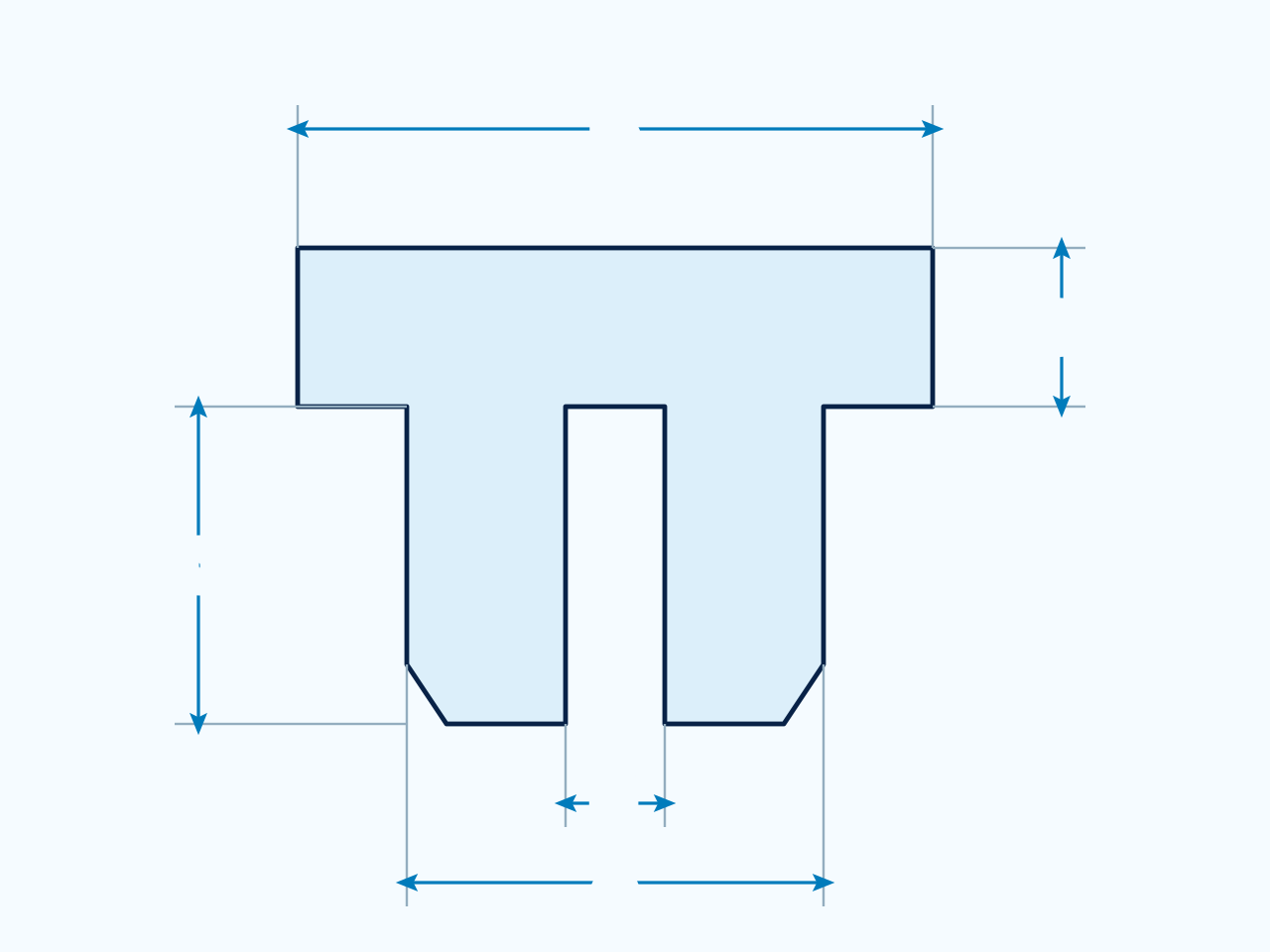
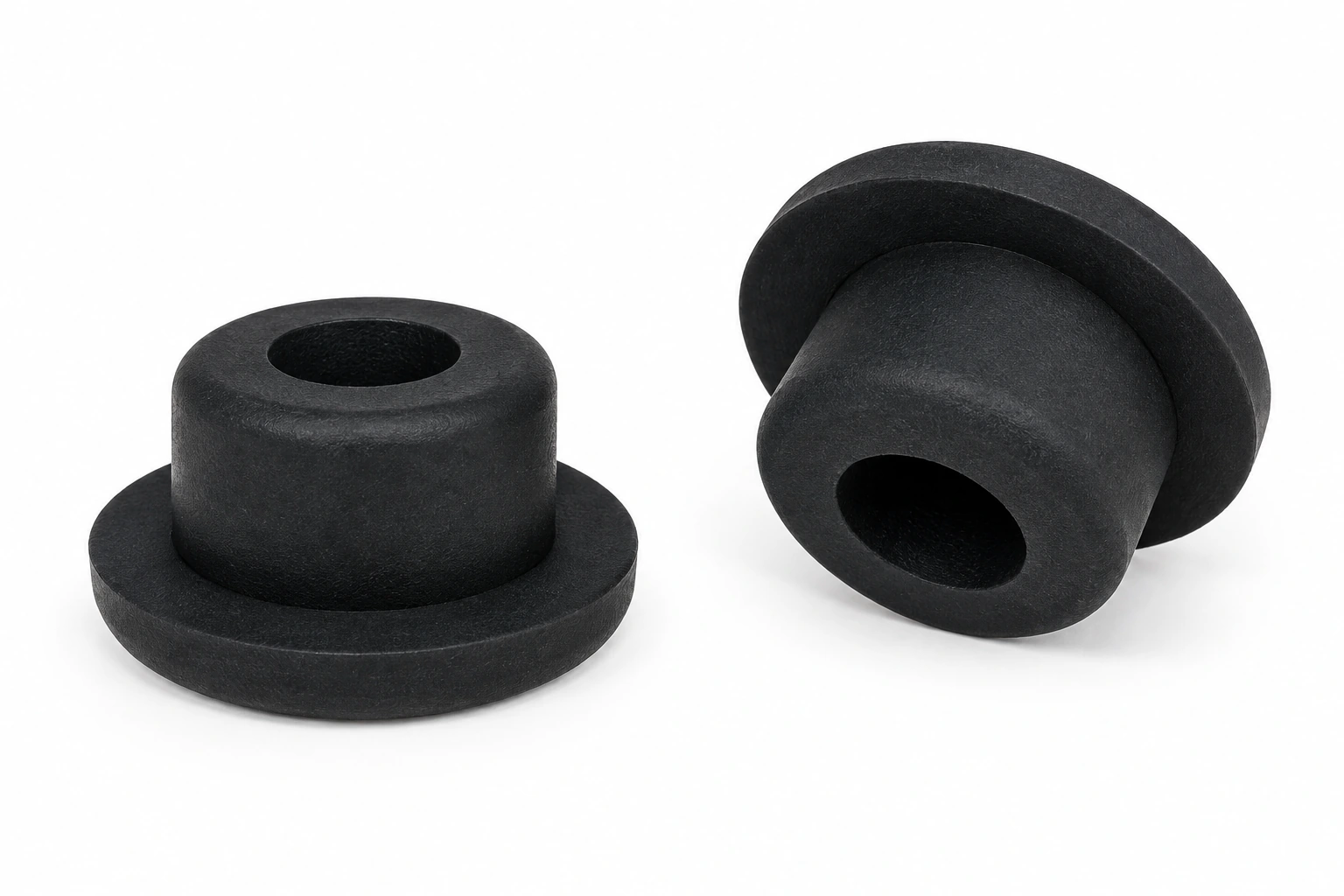
Match stem diameter A, flange diameter B, stem length C and flange thickness D. E refers to the underside recess; use the selected row and approved drawing to confirm the actual profile.
RSA Tapered Corks
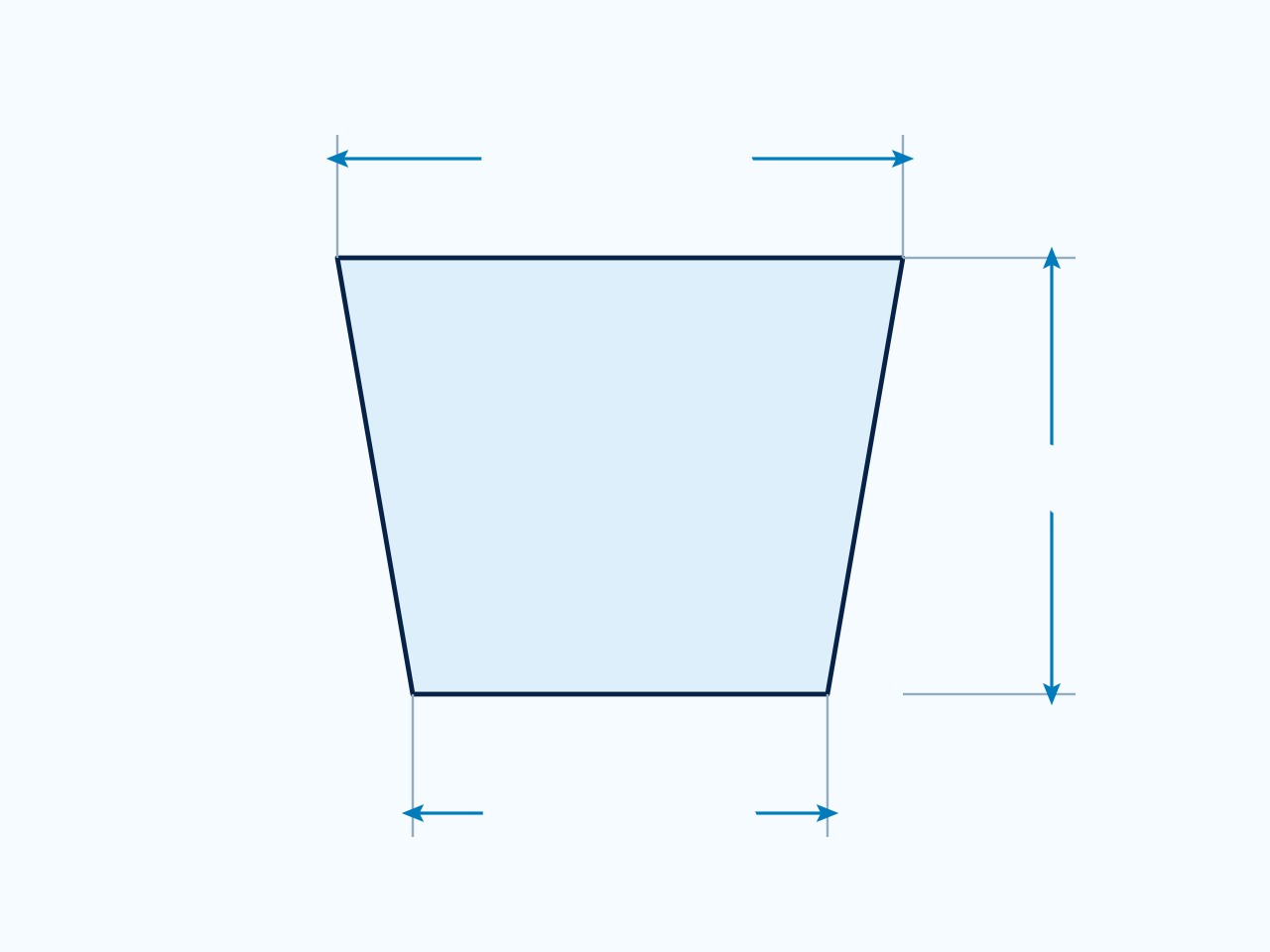
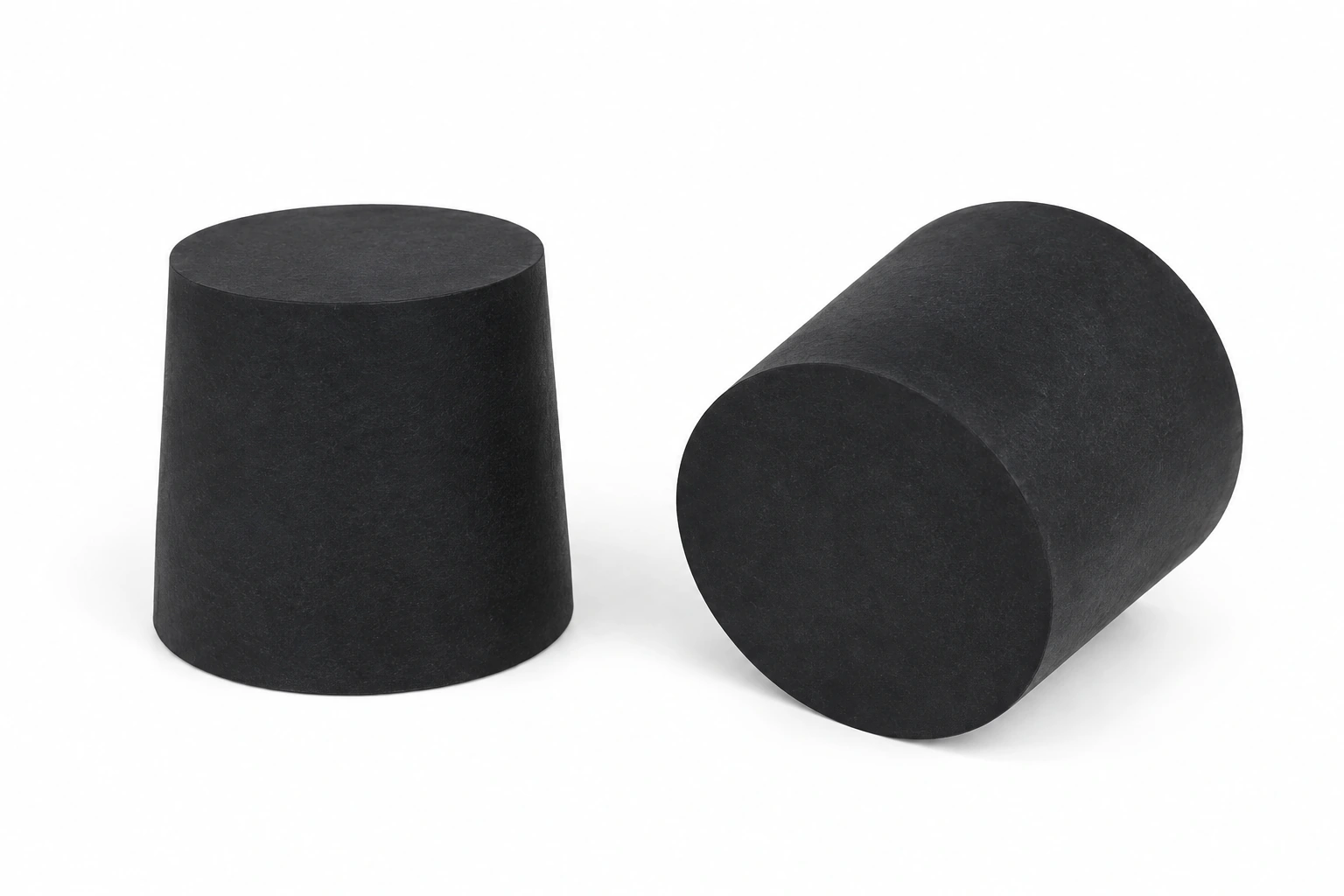
Compare large-end diameter A, small-end diameter B and Height, in mm. The mating bore and required seating depth determine where the taper contacts the opening.
RSB Undercut Plugs
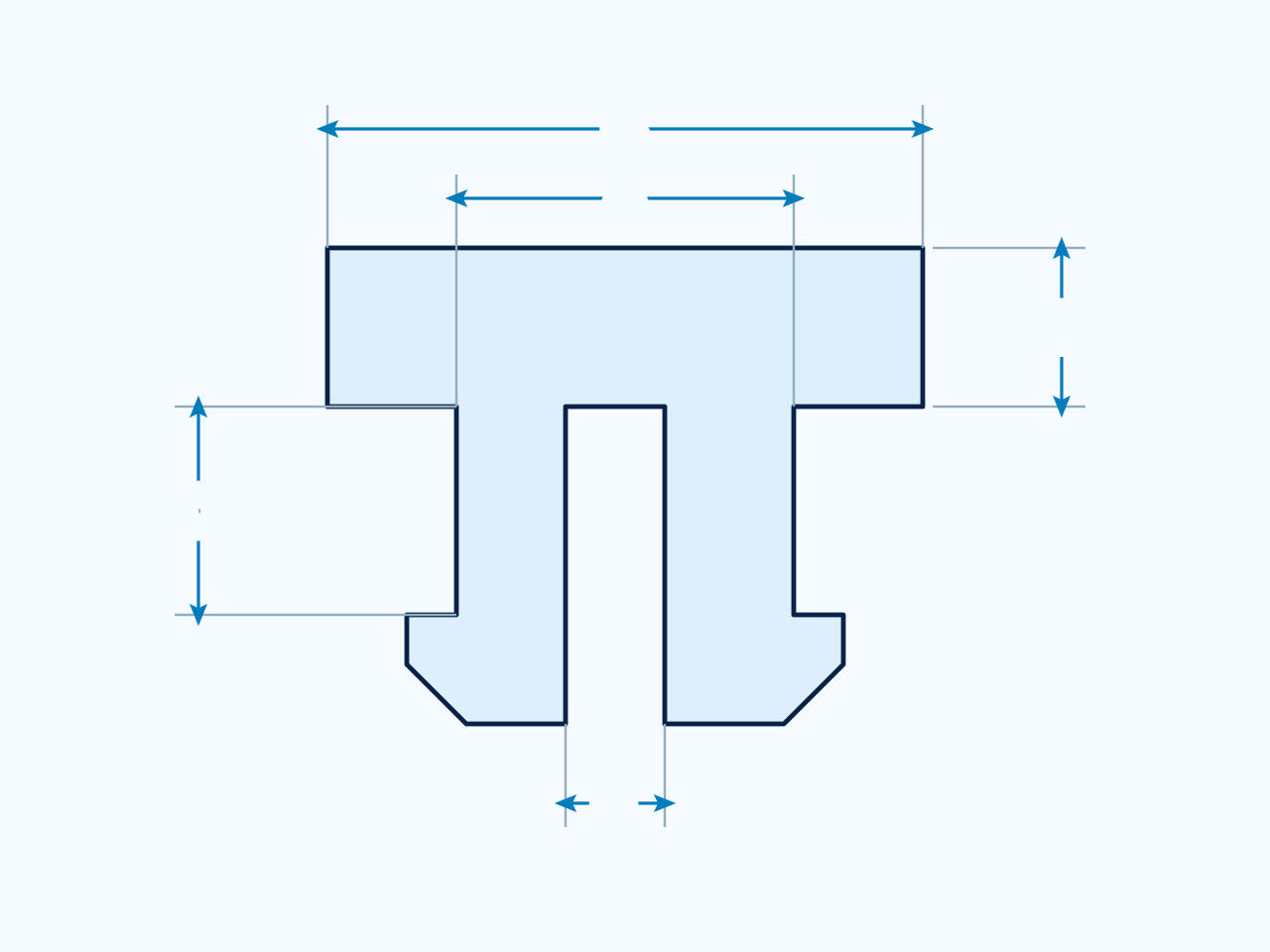
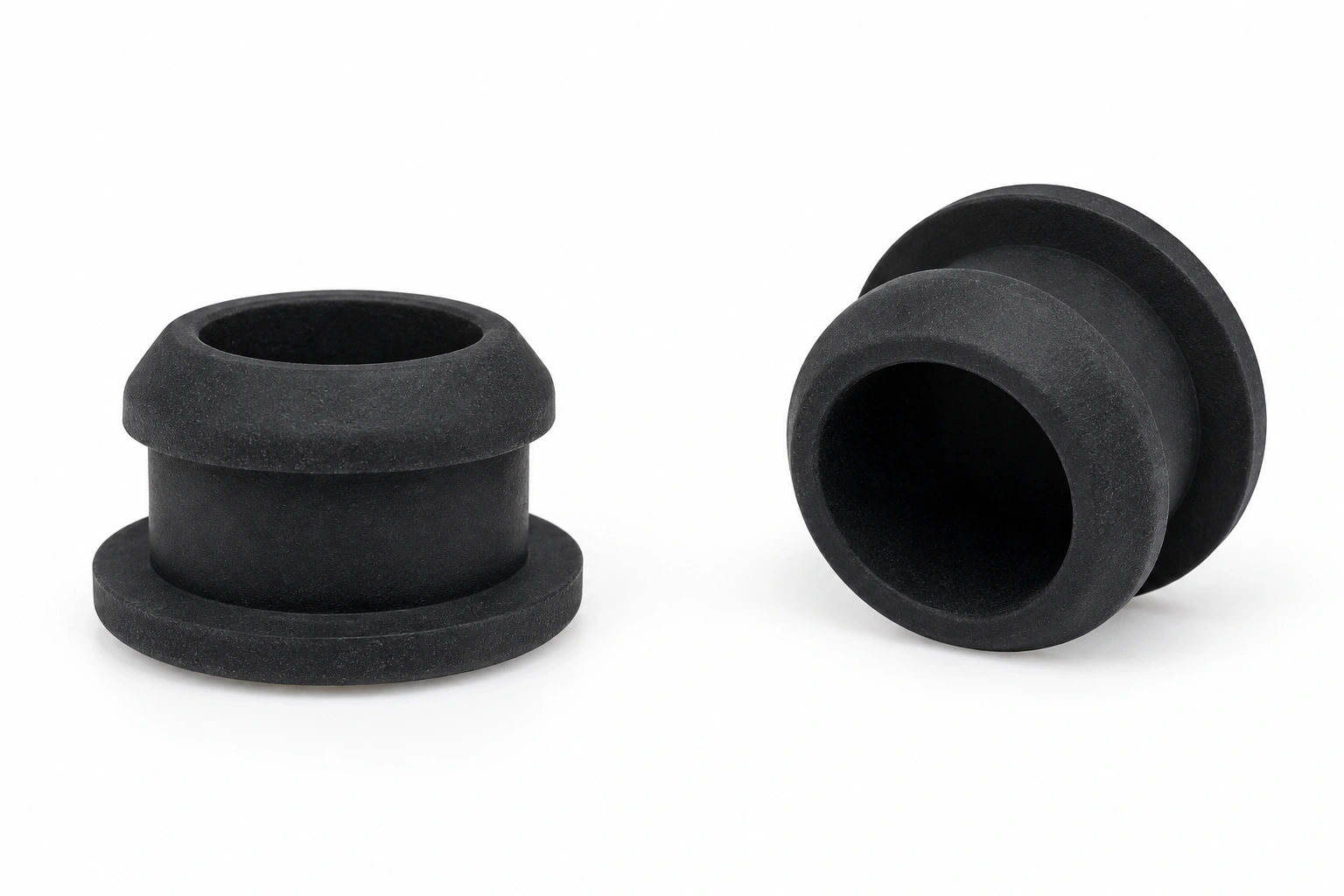
Compare neck diameter A, flange diameter B, flange-to-lip distance C and flange thickness D. Check panel thickness and rear clearance. E refers to the underside recess.
RSD T-Shaped Stoppers
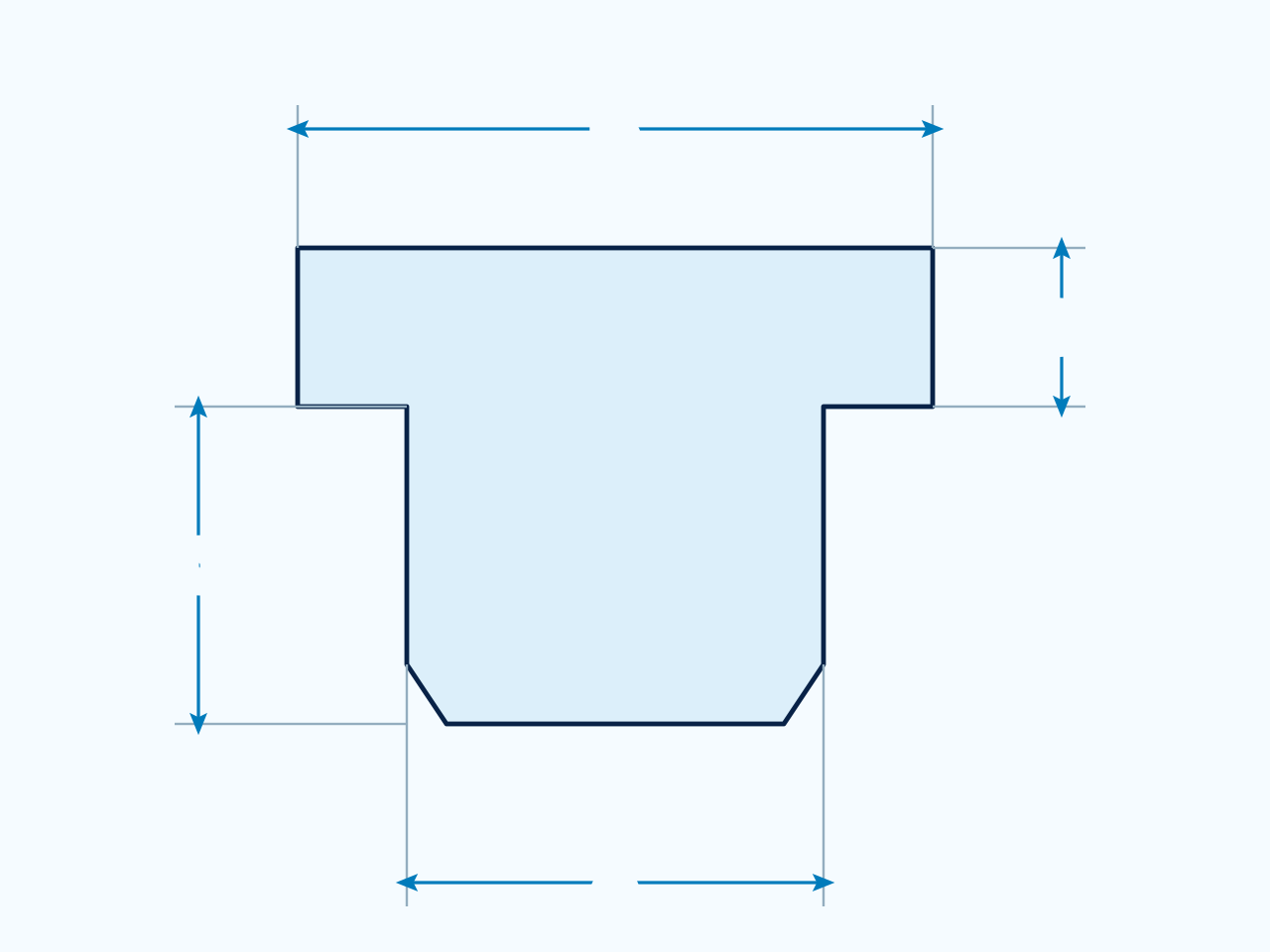
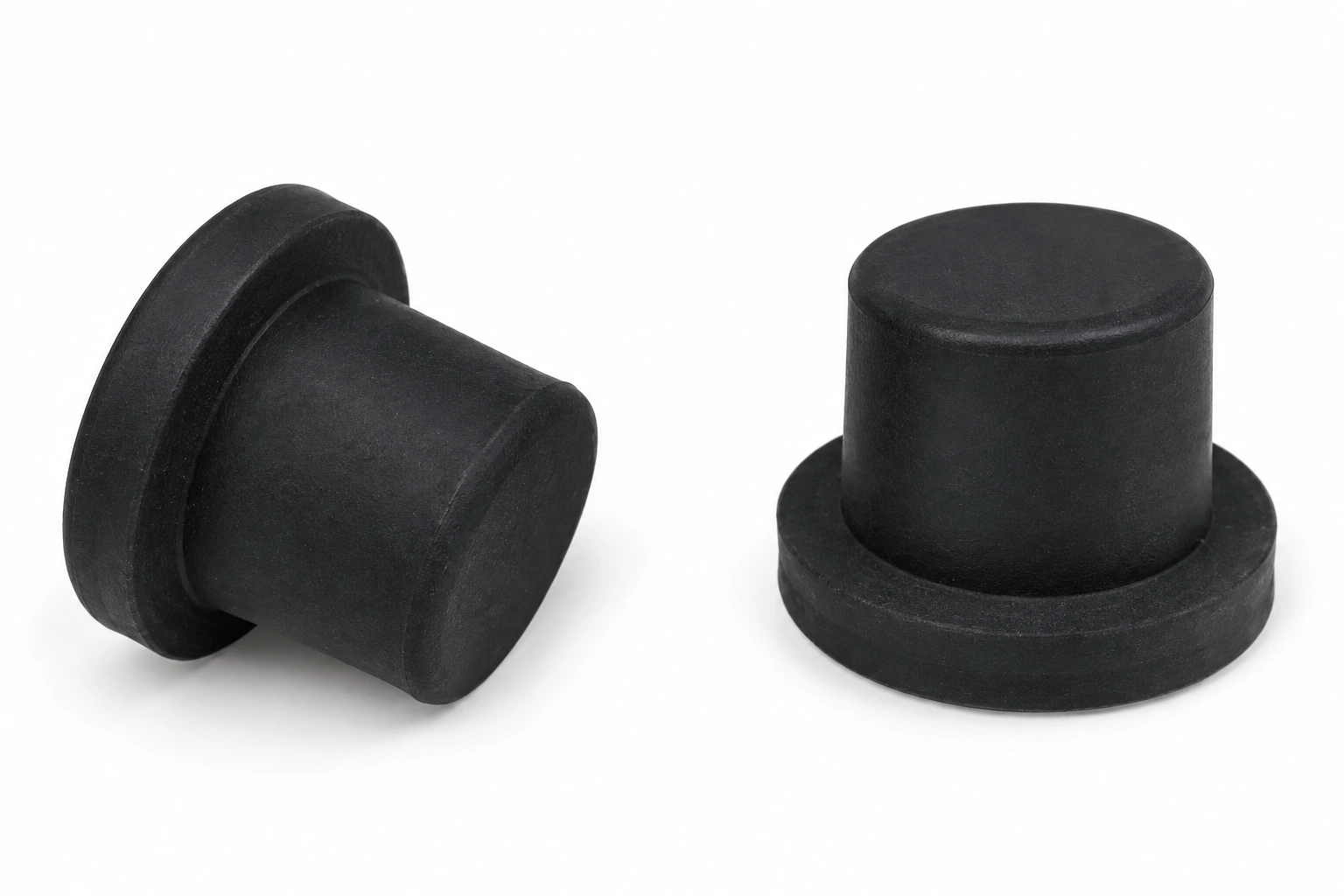
Compare stem diameter A, flange diameter B, stem length C and head thickness D, in mm. Check the seating surface and available depth as well as the hole diameter.
Need a different fit? Share the opening dimensions, mating profile and intended use for a custom size.
Discuss Your RequirementsProduct specifications
- Product form
- Tapered closure for an internal opening
- Material options discussed
- Silicone, NBR and chloroprene rubber (CR). Choose one formulation for the actual contact and loading conditions.
- Dimensions to confirm
- Opening diameter, closure profile, insertion depth and exposed grip.
- Exposure to evaluate
- Dust or debris and rubbing or abrasion. Validate the selected material under the combined conditions.
- Seating check
- Check the sealing contact around the opening and the force needed for insertion and removal.
Need a quote or a custom part?
Send your requirements, drawings or samples to discuss standard and custom silicone rubber parts.
Email us[email protected]