
rubber corks
The selection of rubber corks featured on our website come in a wide range of sizes, and they are most commonly used for sealing various openings of tubes, hoses, flasks, pipes, and so on. There are corks made out of different materials as well, however, the ones manufactured from rubber are preferred across various industries, manufacturing plants, and assembly plants because they are resistant to an array of things, including chemicals, acids, liquids, oils, dust, grime, humidity, as well as the ozone, UV rays, sunshine, and aging. Because of these resistance properties, some of the most common industries that choose to use our rubber corks include the furniture, automotive, and construction industries.
The main purpose of our rubber corks is to prevent liquids and gas from entering and/or escaping a particular component or container, and they are also suitable for preventing contamination of various substances by protecting the content with our rubber corks. Another thing that is worth mentioning is that our rubber components can resist movements, shaking, and vibrations, which basically means that they can make sure that there is less wear and tear to specific components, but more importantly, our customers can ensure that the substances inside of the tube, flask, or pipe do not spill.
Now, if you browse through our online store, you will notice that the standard cork shape is cylindrical, however, they do come in other shapes, meaning that you will be capable of something that suits your needs. When it comes to the size, our size chart below can help you decide what rubber corks you will require and since we offer them in a wide array of colors, you will be able to make the surface it is applied to visually pleasing. Also, if you have any inquiries about the products we sell, you can contact our customer support team that will help you.
Stopper & Plug Size Catalog
Compare four stopper profiles and check the selected part dimensions against your opening and available depth. Each profile has its own drawing and dimension meanings.
Custom colors are available to your Pantone color code. Include the code in your inquiry.
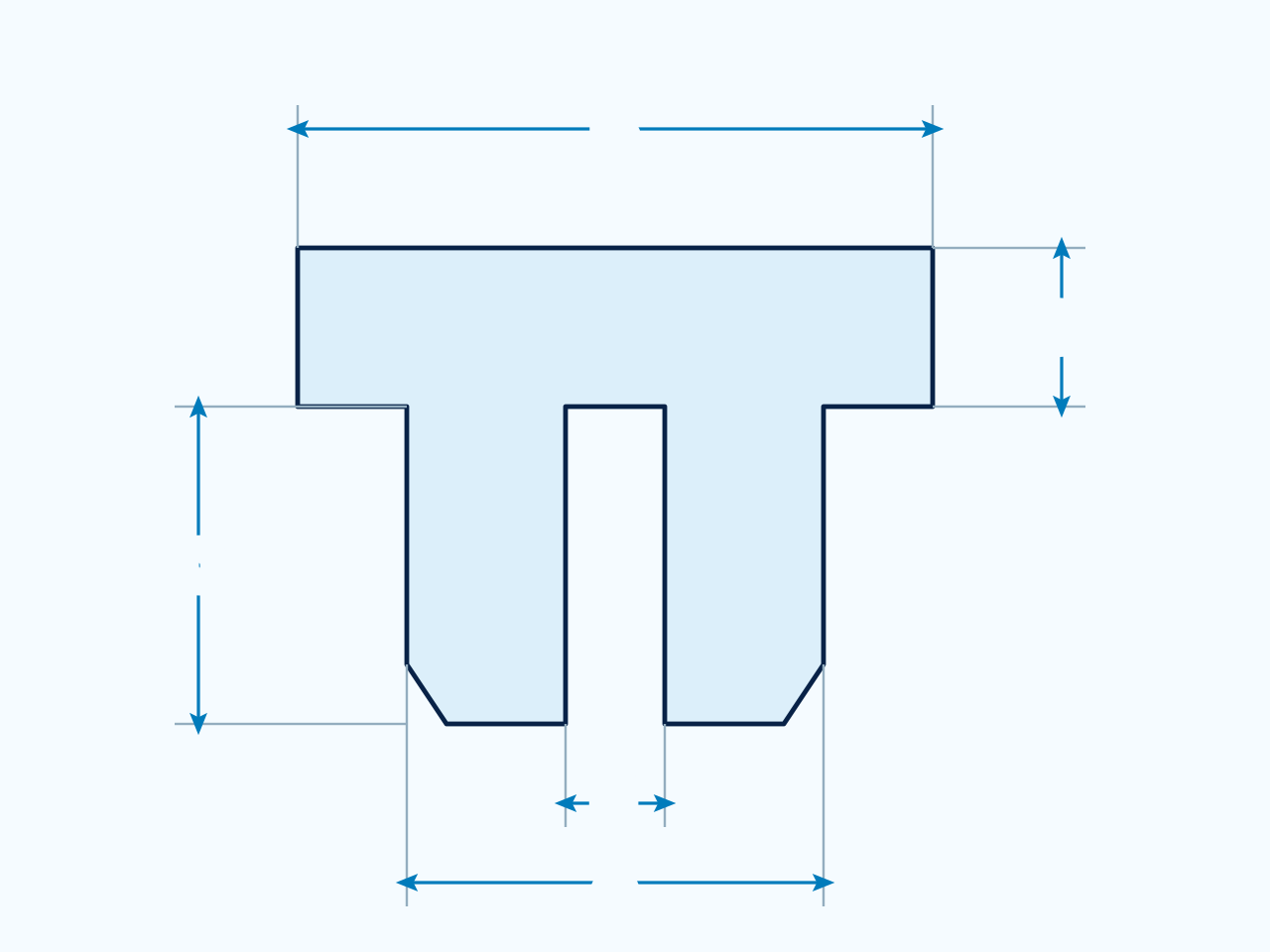
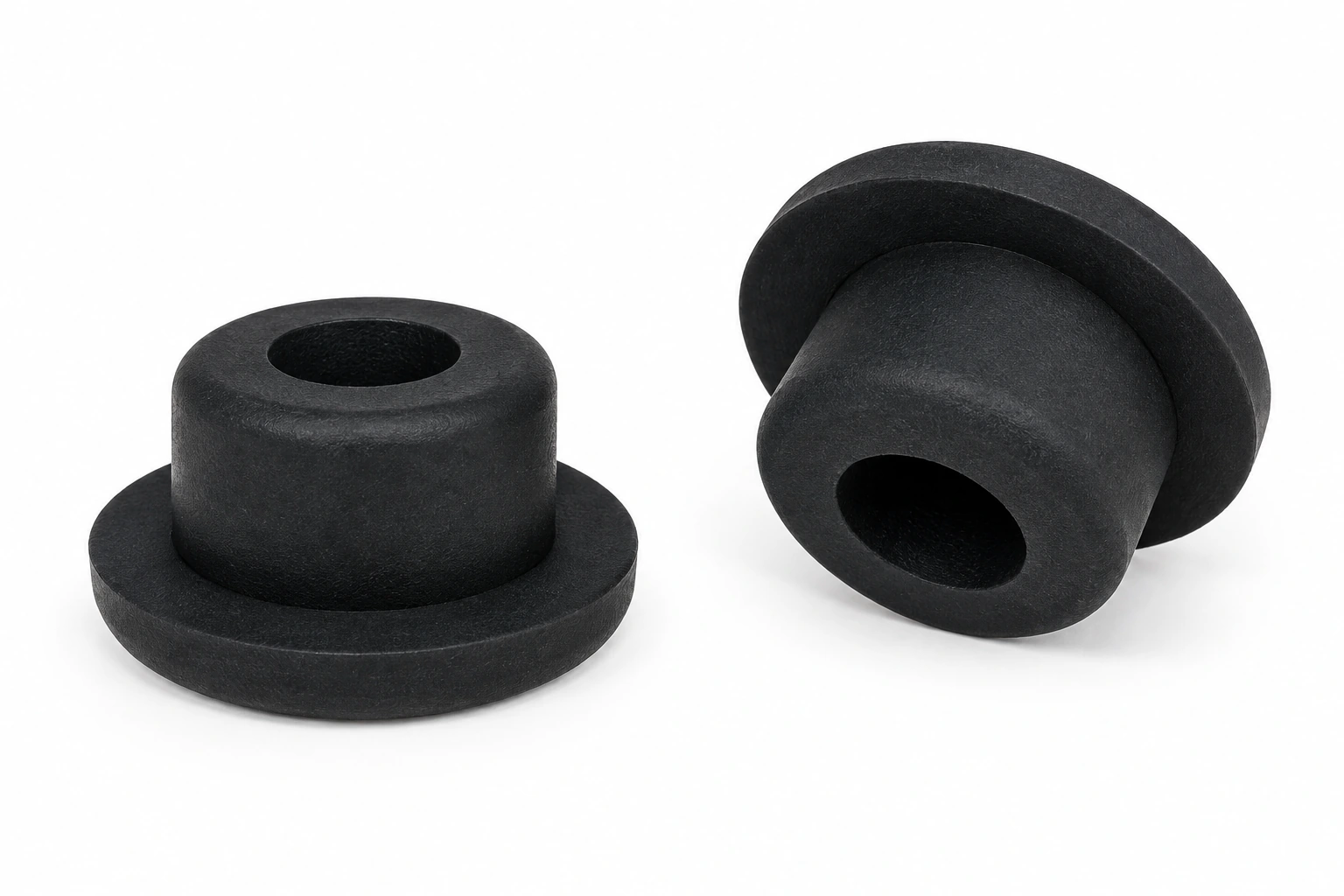
RST T-Shaped Plugs
Match stem diameter A, flange diameter B, stem length C and flange thickness D. E refers to the underside recess; use the selected row and approved drawing to confirm the actual profile.
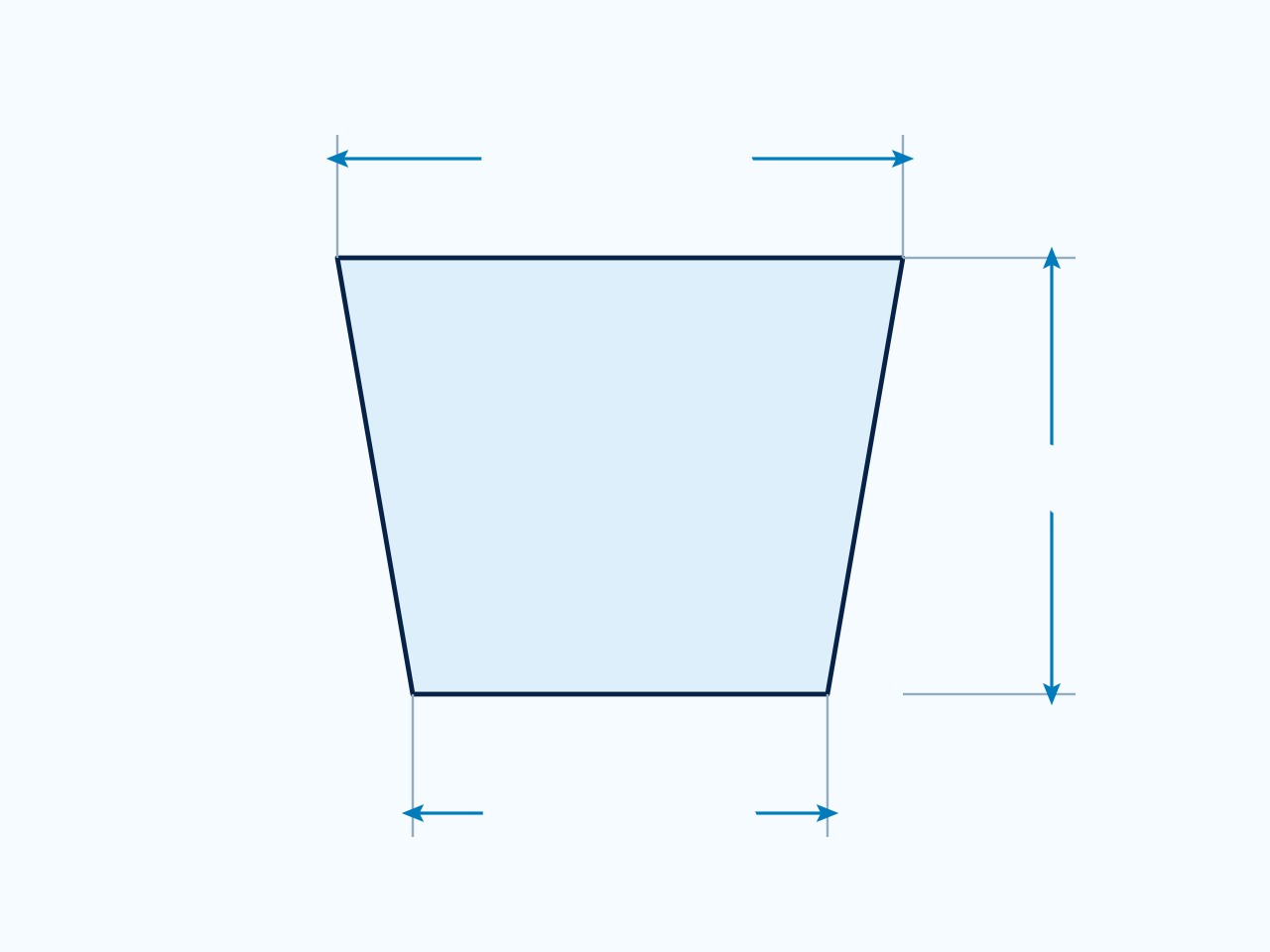
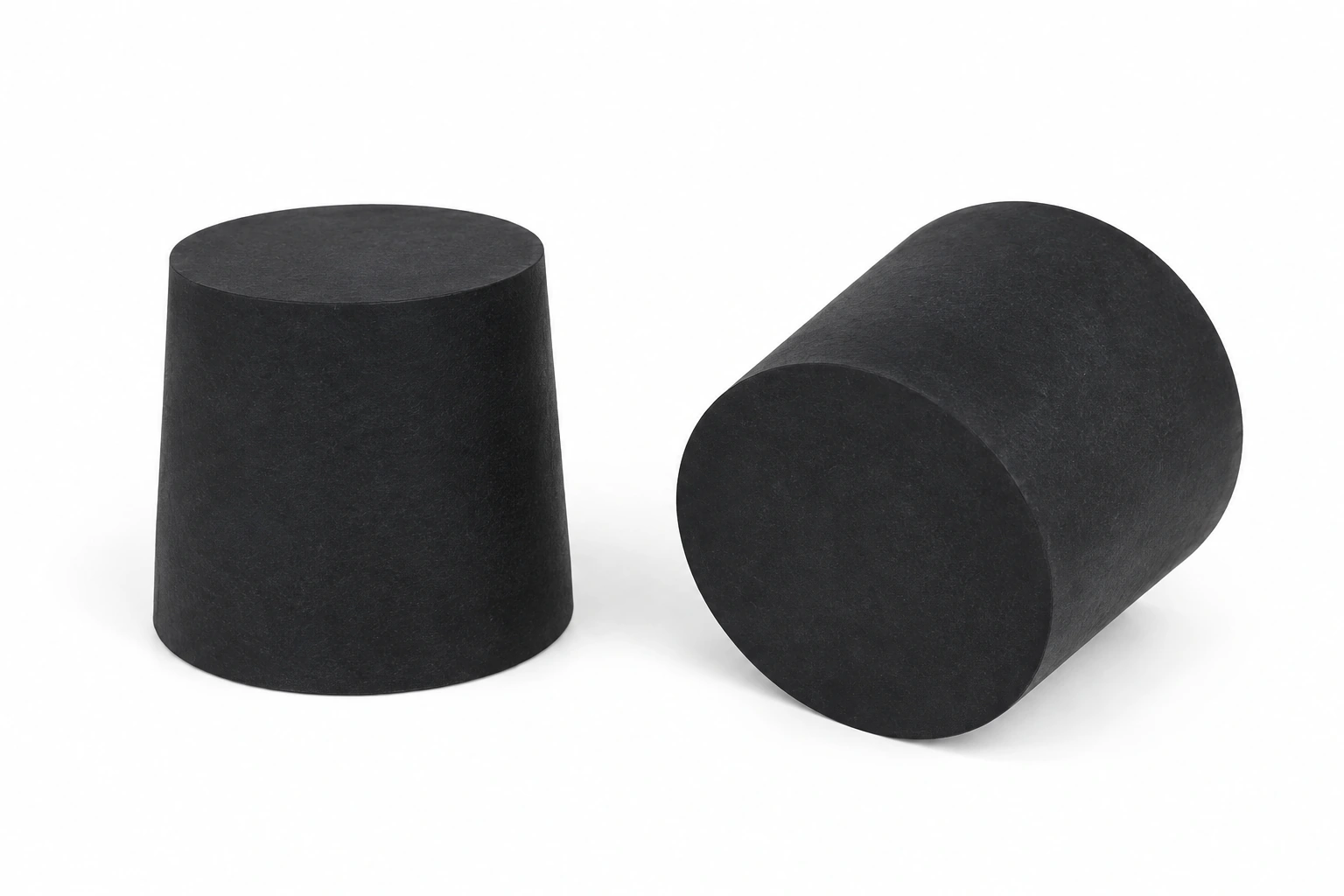
RSA Tapered Corks
Compare large-end diameter A, small-end diameter B and Height, in mm. The mating bore and required seating depth determine where the taper contacts the opening.
RSB Undercut Plugs
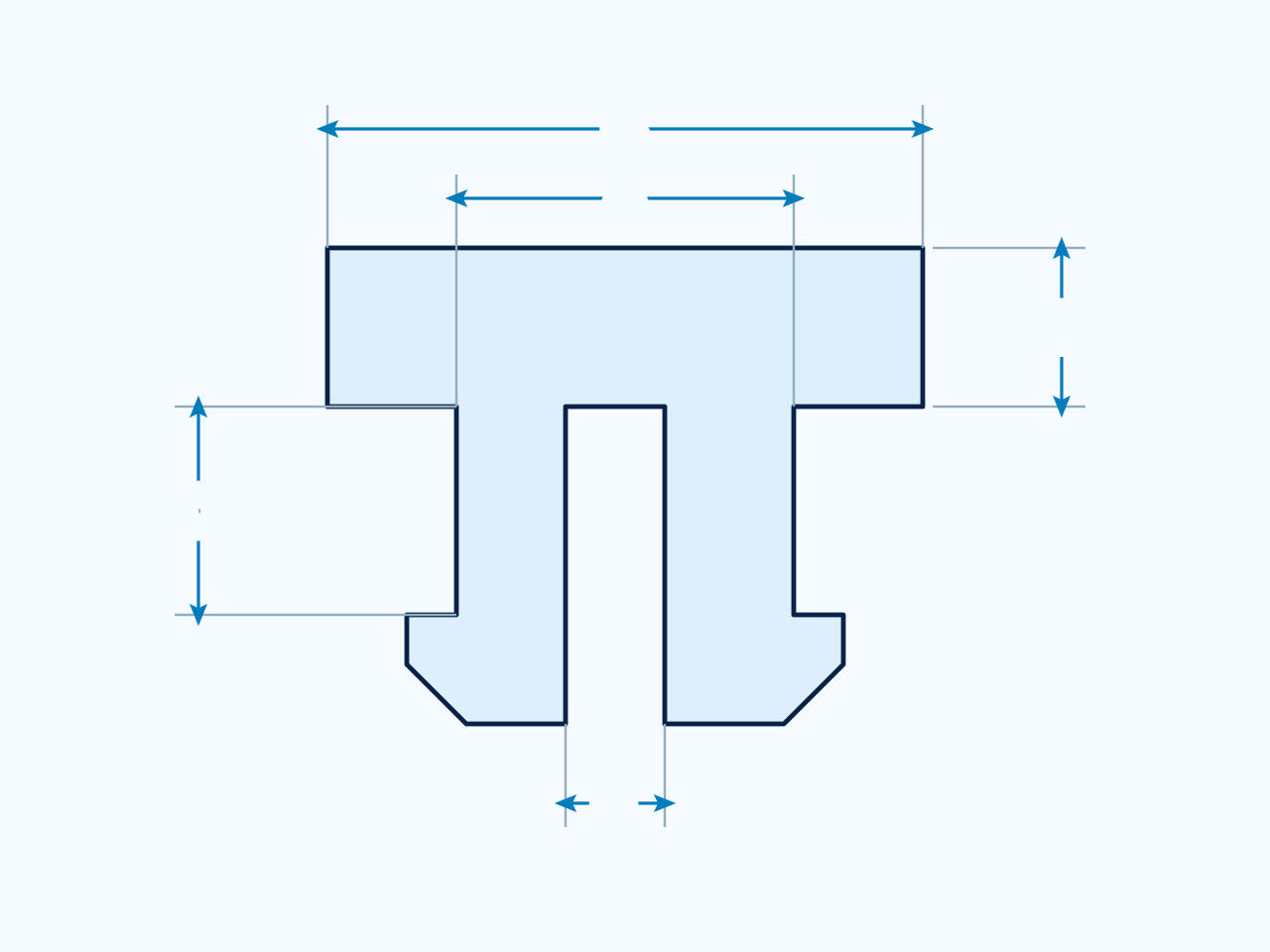
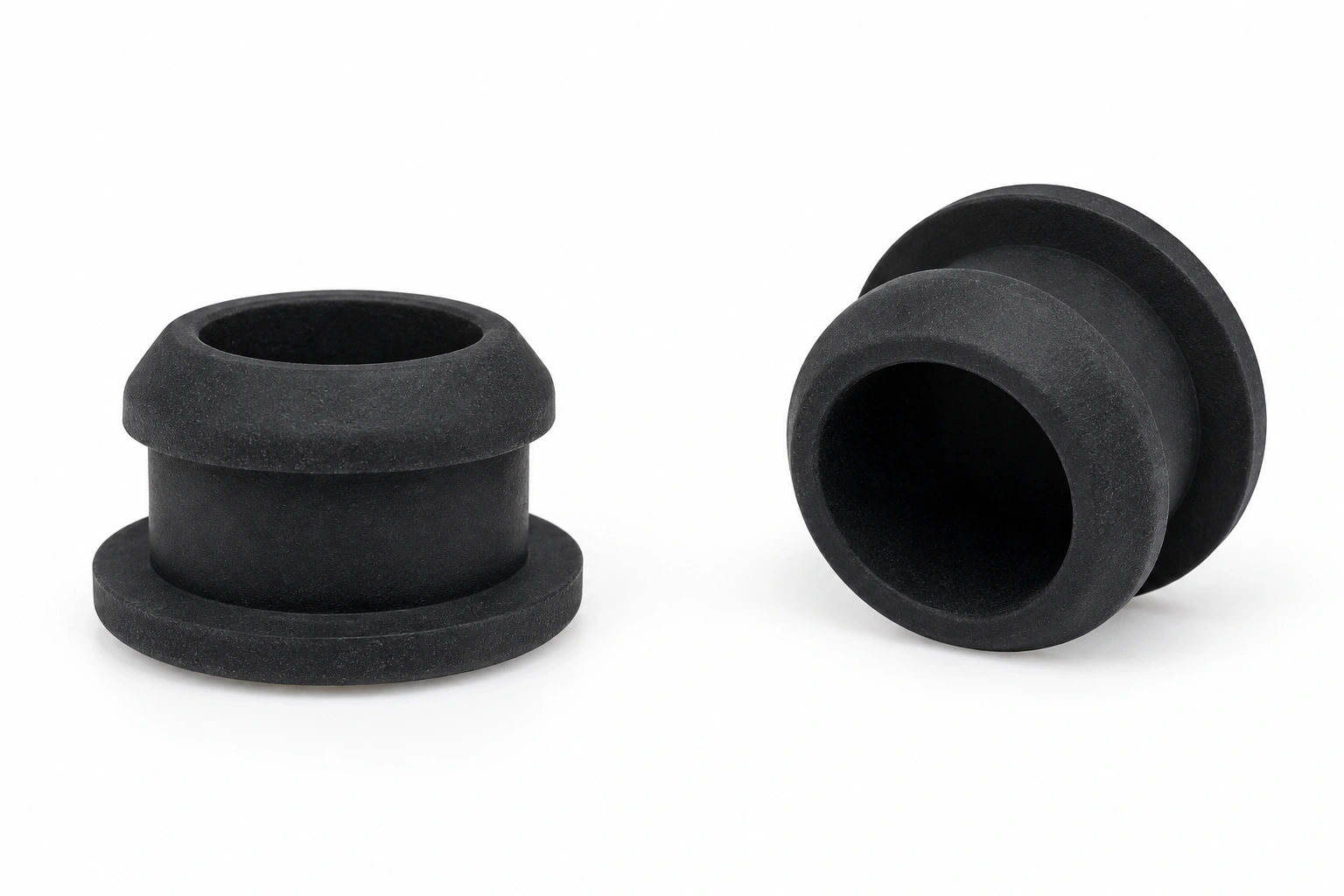
Compare neck diameter A, flange diameter B, flange-to-lip distance C and flange thickness D. Check panel thickness and rear clearance. E refers to the underside recess.
RSD T-Shaped Stoppers
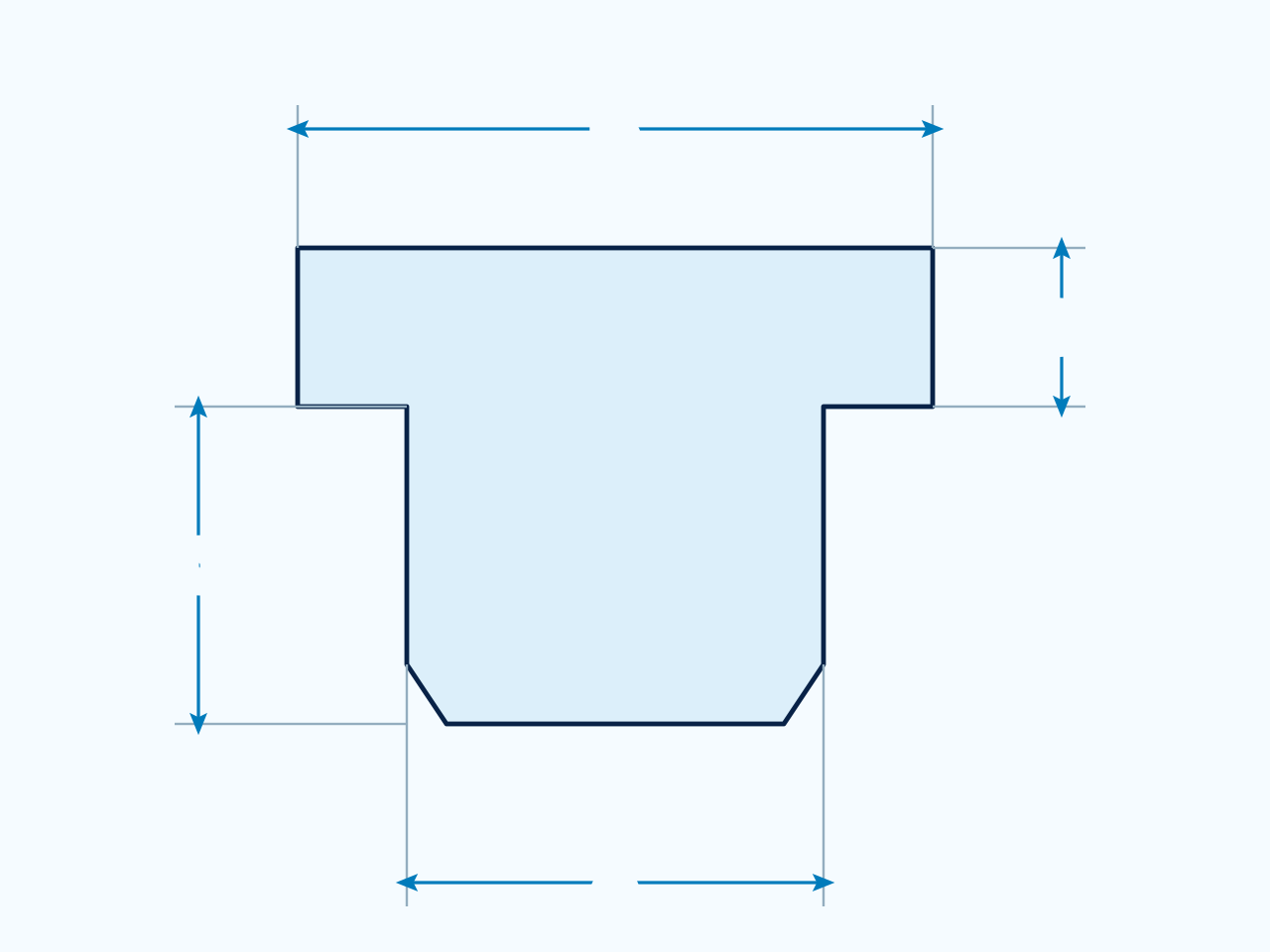
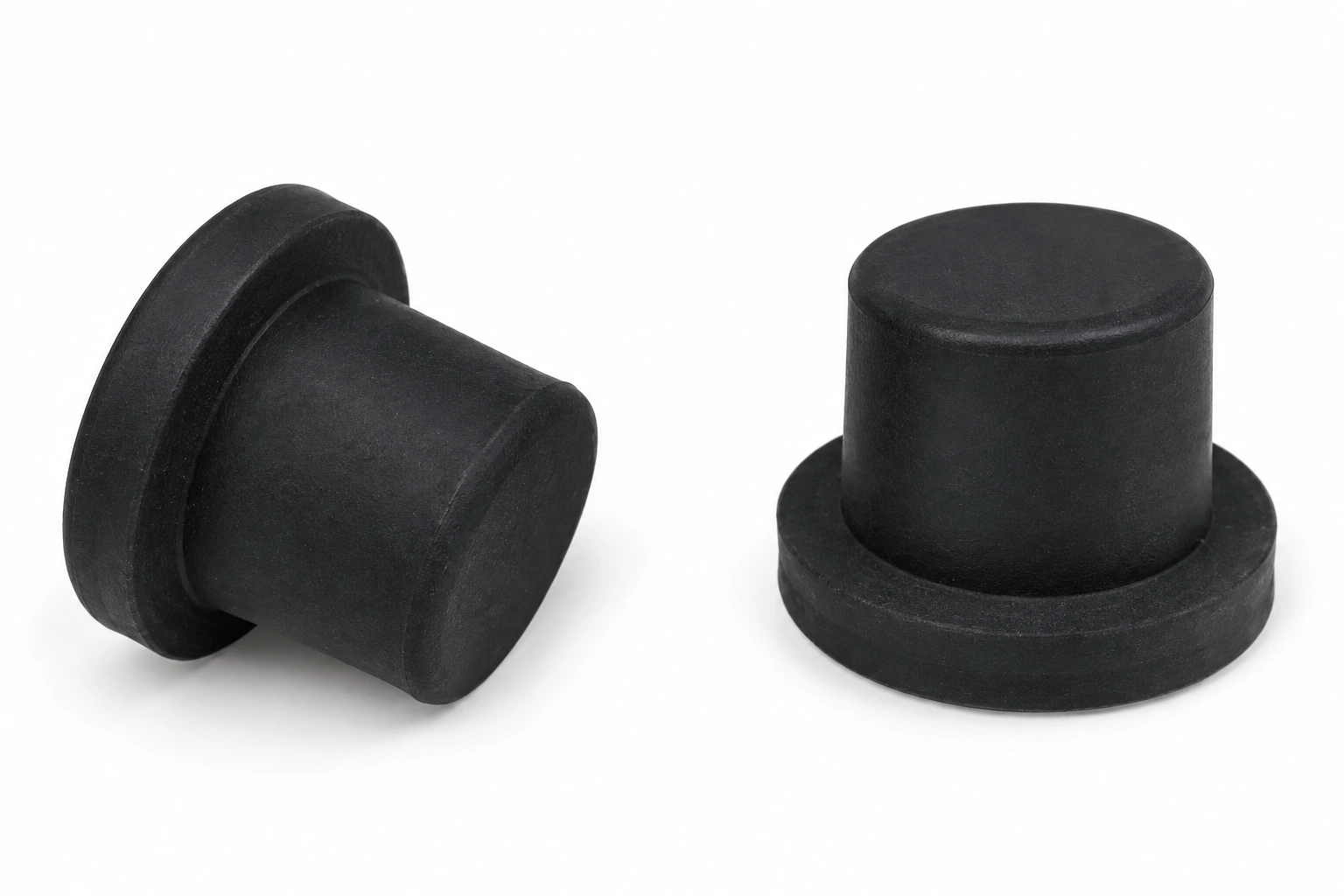
Compare stem diameter A, flange diameter B, stem length C and head thickness D, in mm. Check the seating surface and available depth as well as the hole diameter.
Need a different fit? Share the opening dimensions, mating profile and intended use for a custom size.
Discuss Your RequirementsProduct specifications
- Product form
- Removable closure fitted inside an opening
- Application focus
- Laboratory flasks. Size the part against the selected assembly.
- Dimensions to confirm
- Opening diameter, closure profile, insertion depth and exposed grip. Match these to laboratory flasks.
- Profiles discussed
- Cylindrical sections. Select the profile that matches the mating part and dimension that section explicitly.
- Contact conditions
- Acids, lubricating oil and other gases: define concentration, temperature and contact time, then check compatibility with the chosen compound.
- Exposure to evaluate
- Sunlight or UV, ozone, moisture, dust or debris and oil splash. Validate the selected material under the combined conditions.
- Seating check
- Check the sealing contact around the opening and the force needed for insertion and removal.
Need a quote or a custom part?
Send your requirements, drawings or samples to discuss standard and custom silicone rubber parts.
Email us[email protected]