
Rubber end caps
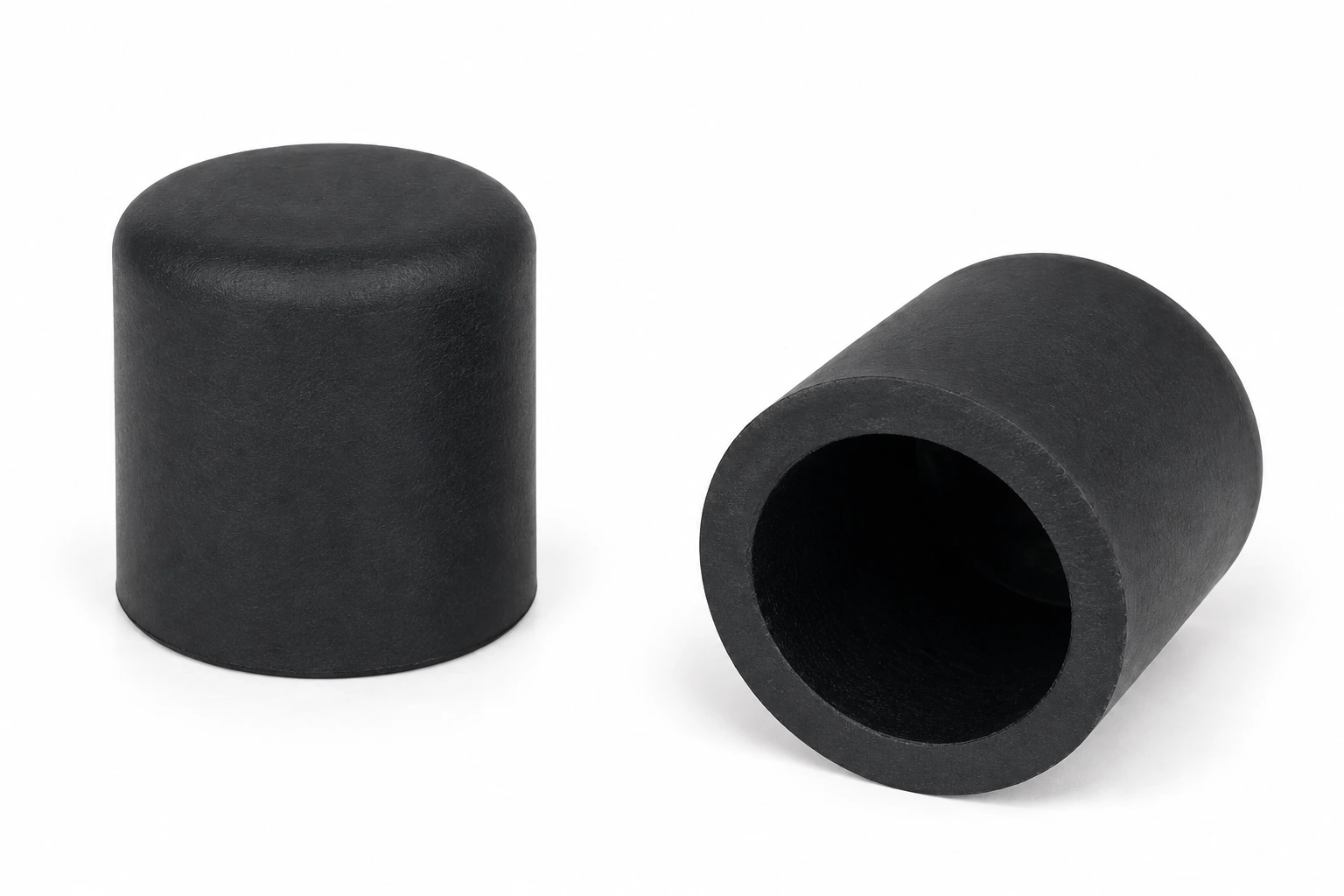
The rubber end caps can be utilized in many different industries and their primary purpose is to protect the devices and the electronics from damage. They can provide safety to pipes, electronics, wires, bolts, screws, nuts, and pretty much every smaller part that can be implemented in a device or in a vehicle. These accessories have been used for a long time, and here we are going to give you some tips on how to choose the best ones, and how to implement them.
These accessories can come in different sizes and shapes, and the most commonly used ones are the long neck rubber end caps. They are said to be the number one option when you want to mask parts that should be exposed to high temperatures and different working environments, and their applications vary depending on the industry you are part of. They are implemented to increase the resistance of the parts you are manufacturing and depending on the type you choose; they can be subjected to extremely high or low temperatures without damage.
Know that the rubber end caps are resistant to harsh chemicals, and these accessories are proven to be useful for different types of applications that can provide a really tight seal, or that need to rely on a durable closure. When you install them on a device, they will secure the parts, and they will prevent any dust, dirt, and moisture from getting inside, and they will also protect it from heat, cold, or chemicals. In addition to this, their properties allow them to be soft and flexible, so they can be used as insulators or even noise inhibitors.
When choosing the best rubber end caps for your project, you should look for sizes that tightly wrap around the part you want to be protected, but without applying too much pressure on it. They are easy to install and remove, and they come in different shapes and sizes to satisfy your needs.
Rubber Cap Size Catalog
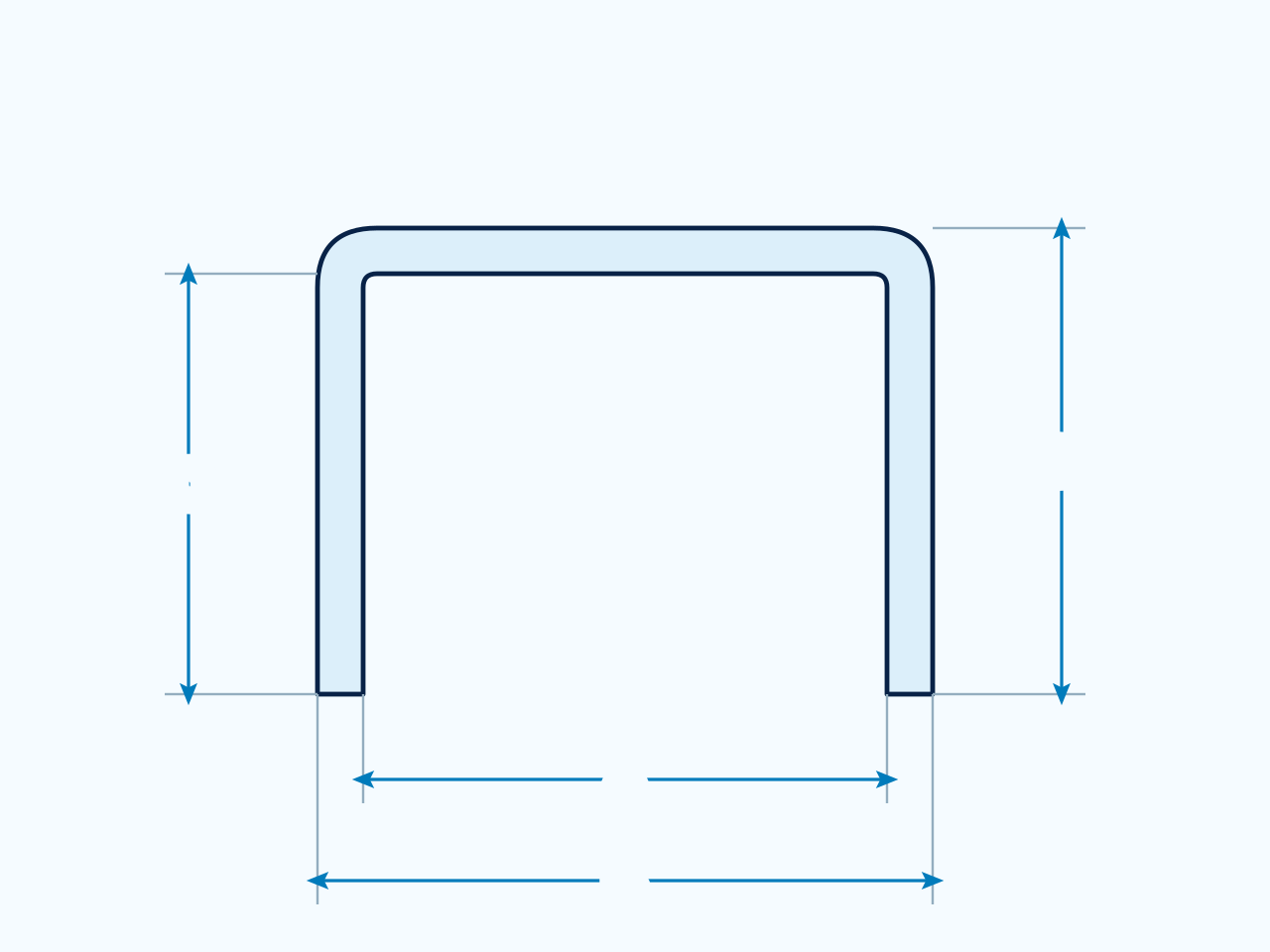
Compare the internal and external dimensions of rubber caps against the part being covered.
Custom colors are available to your Pantone color code. Include the code in your inquiry.
Rubber Caps-RSE
Compare A (inner diameter), B (outer diameter), C (inner depth) and D (total height), in mm.
Need a different size? Share your drawing, mating dimensions and intended use to discuss a suitable part.
Discuss Your RequirementsProduct specifications
- Product form
- Protective cover fitted over a component end
- Application focus
- Pipe or conduit ends and wire or terminal ends. Size the part against the selected assembly.
- Dimensions to confirm
- Mating outside dimensions, cover depth, cavity and wall thickness. Match these to pipe or conduit ends and wire or terminal ends.
- Installation discussed
- Screw attachment. Identify the chosen retention method and the surface or hardware it engages.
- Exposure to evaluate
- Moisture and dust or debris. Validate the selected material under the combined conditions.
- Cover retention
- Check the installed overlap and pull-off force on the actual end profile.
Need a quote or a custom part?
Send your requirements, drawings or samples to discuss standard and custom silicone rubber parts.
Email us[email protected]