
Rubber end caps for pipe
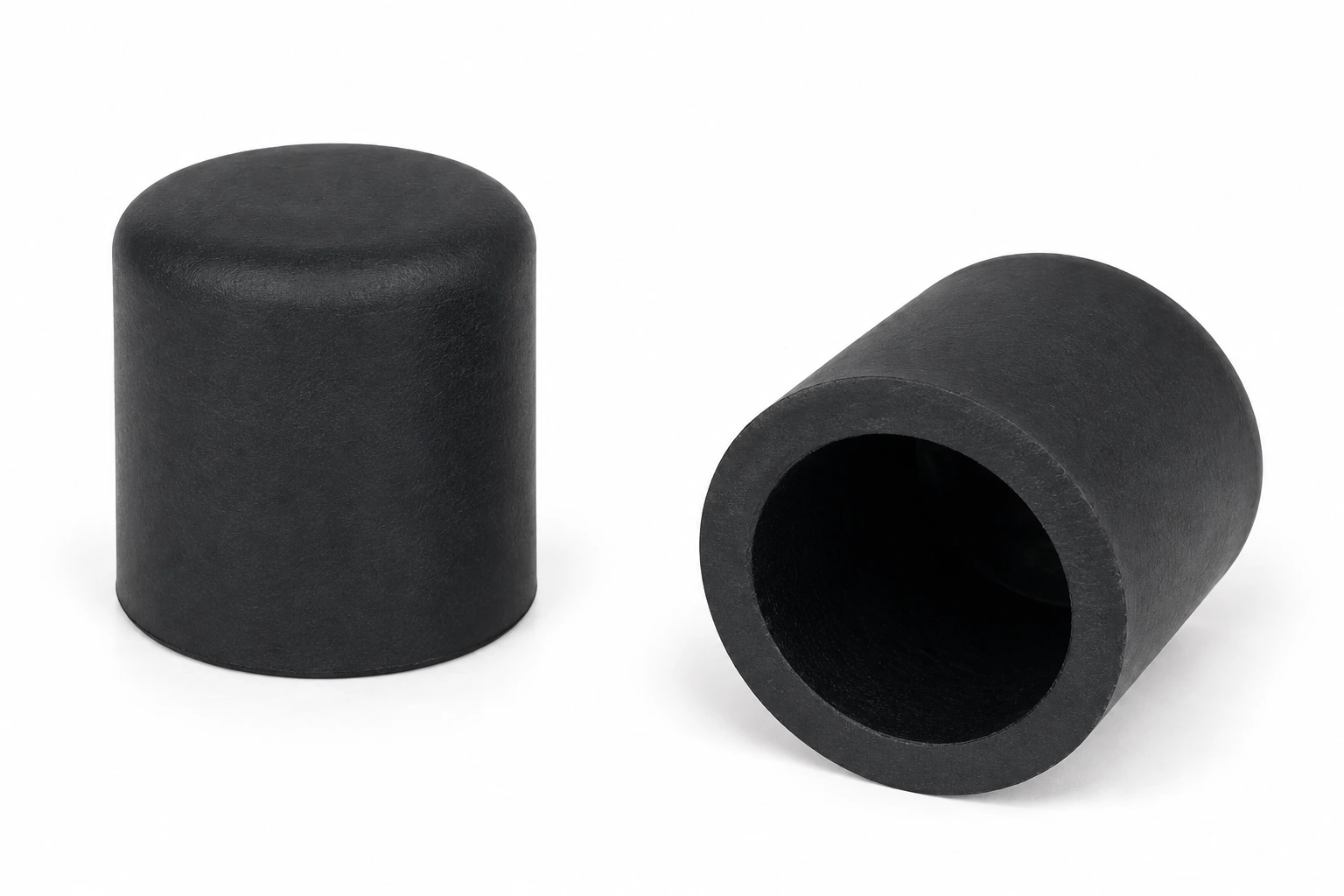
Rubber end caps for pipes are used to close the ends of pre-insulated pipes in the ground. It consists of a pipe joint with a blind cover and a heat-shrinkable sleeve. We must not ignore the fact that installing rubber end caps is the last, but also the most important part of the job. In this way the faucet is properly maintained and stored. This refers to protection against failures due to contact with moisture. However, this tiny product has proven to be a great choice in some more situations. For example, rubber end caps have served many as a damping element when making furniture and installing decorative and functional parts in the interior.
However, these rubber objects are placed at the end of the construction. You can see them used in the construction of a fence or mesh. This helps to insulate the pipe cavity. This is exactly the way to protect the pipe from the penetration of dirt and precipitation. Otherwise, the ingredients that remain in the cavity accumulate very quickly. After constant stagnation of moisture, the metal construction soon becomes unusable, and only after a short time. So, we can say that rubber end caps for pipes guarantee the strength of a certain construction, because it maintains it in a solid and durable condition. When it comes to protection from atmospheric influences, rubber is one of the most economical solutions while at the same time protecting it from garbage, dust and other factors.
Rubber end caps for pipes are versatile items that work well in low and high operating temperature environments. In addition to preventing bad influences such as wind and rain and causing rust, rubber end caps for pipe offers moderate and quality resistance to various chemicals. This makes them a great choice for a variety of applications.
Rubber Cap Size Catalog
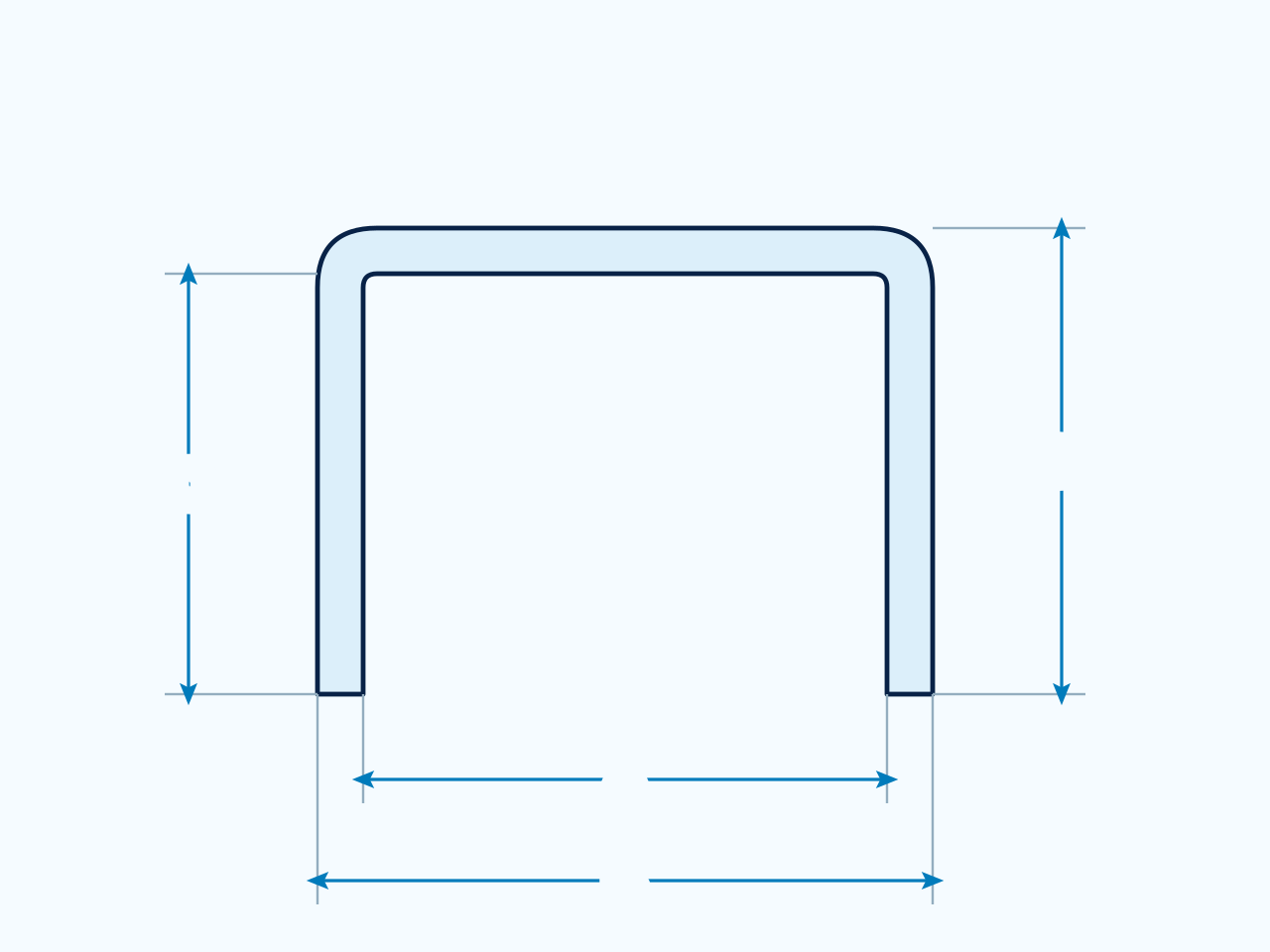
Compare the internal and external dimensions of rubber caps against the part being covered.
Custom colors are available to your Pantone color code. Include the code in your inquiry.
Rubber Caps-RSE
Compare A (inner diameter), B (outer diameter), C (inner depth) and D (total height), in mm.
Need a different size? Share your drawing, mating dimensions and intended use to discuss a suitable part.
Discuss Your RequirementsProduct specifications
- Product form
- Protective cover fitted over a component end
- Application focus
- Pipe or conduit ends. Size the part against the selected assembly.
- Dimensions to confirm
- Mating outside dimensions, cover depth, cavity and wall thickness. Match these to pipe or conduit ends.
- Exposure to evaluate
- Moisture and dust or debris. Validate the selected material under the combined conditions.
- Cover retention
- Check the installed overlap and pull-off force on the actual end profile.
Need a quote or a custom part?
Send your requirements, drawings or samples to discuss standard and custom silicone rubber parts.
Email us[email protected]