
Rubber engine mountings
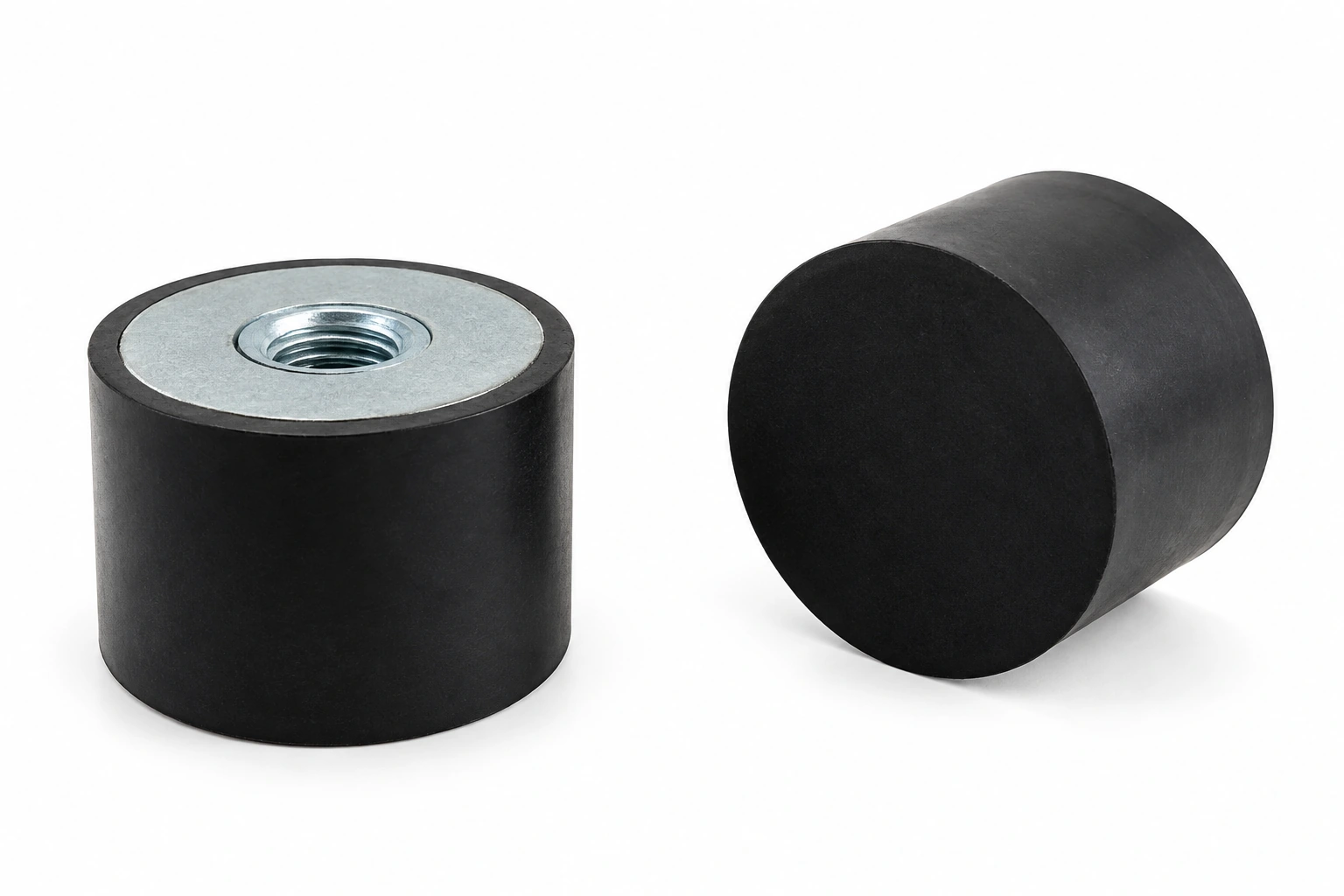
When you see the vehicle from the bottom side, whether when it is risen or opened up from the bottom, you can see how the engine is placed on some cylindrical things that are functioning like a connection between the motor and the base. These cylinders are rubber engine mountings. However, in certain situations, they may have other shapes, depending on the vehicle and the motor as well. You can see directly how the works when you turn on the motor and see if it runs calmly. If there are movements that are not supposed to happen, or it jumps more than it should, you might have to replace them.
The rubber engine mountings, as they are described are made from specially made rubber using synthetics to have some qualities upgraded and to serve the purpose of neutralizing the vibrations or movements that the motor causes. This type of rubber is really elastic but it is solid as well, so it can carry the weight that you put above and it reduces all the movements that happen above. They are put there with a purpose and that is to avoid damaging the motor by hitting surrounding parts and objects to prolong its life, and also to protect the parts around because the system can’t work without them.
When it comes time to replace them, you can ask the professional who is taking care of your vehicle to find them, or you can do that yourself. You have to be careful to find rubber engine mountings that fit perfectly for your vehicle so they can serve their purpose well. Installing them can be a problem if you don’t have the knowledge or the equipment for that, so you can just bring everything to your professional, and he will replace them properly without having to worry if you have placed everything how it should.
Vibration Mount Size Catalog
Compare five mounting arrangements using the matching drawing, thread and dimensional data. Load and compression columns retain their stated units; confirm operating conditions for your installation.
Vibration Damping Mounts A
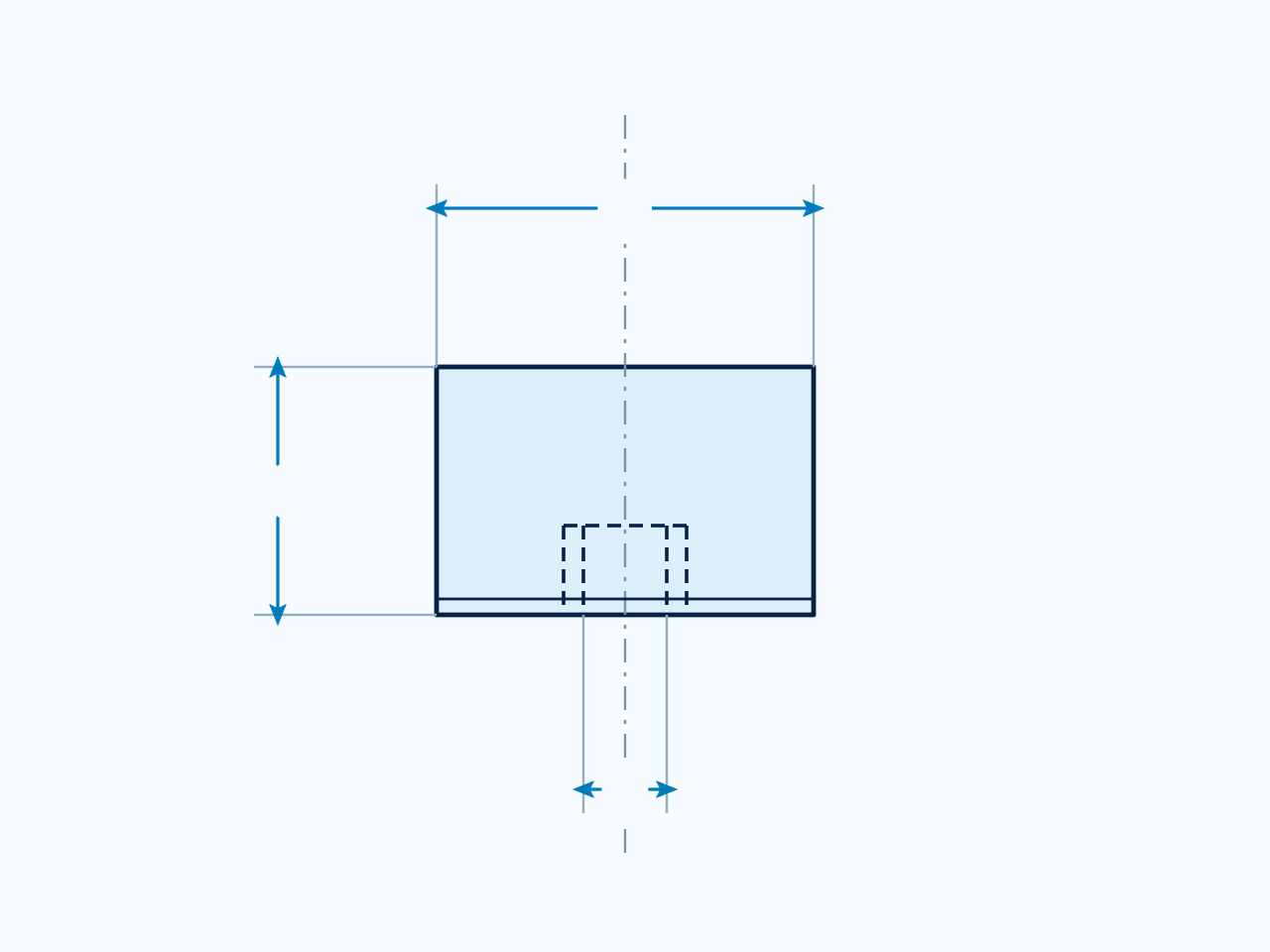
Match D, H and thread d to the drawing, including stud length L. Dimensions are in mm; thread designations, load in kg and compression in mm follow the table headings. Confirm load direction and operating conditions for your installation.
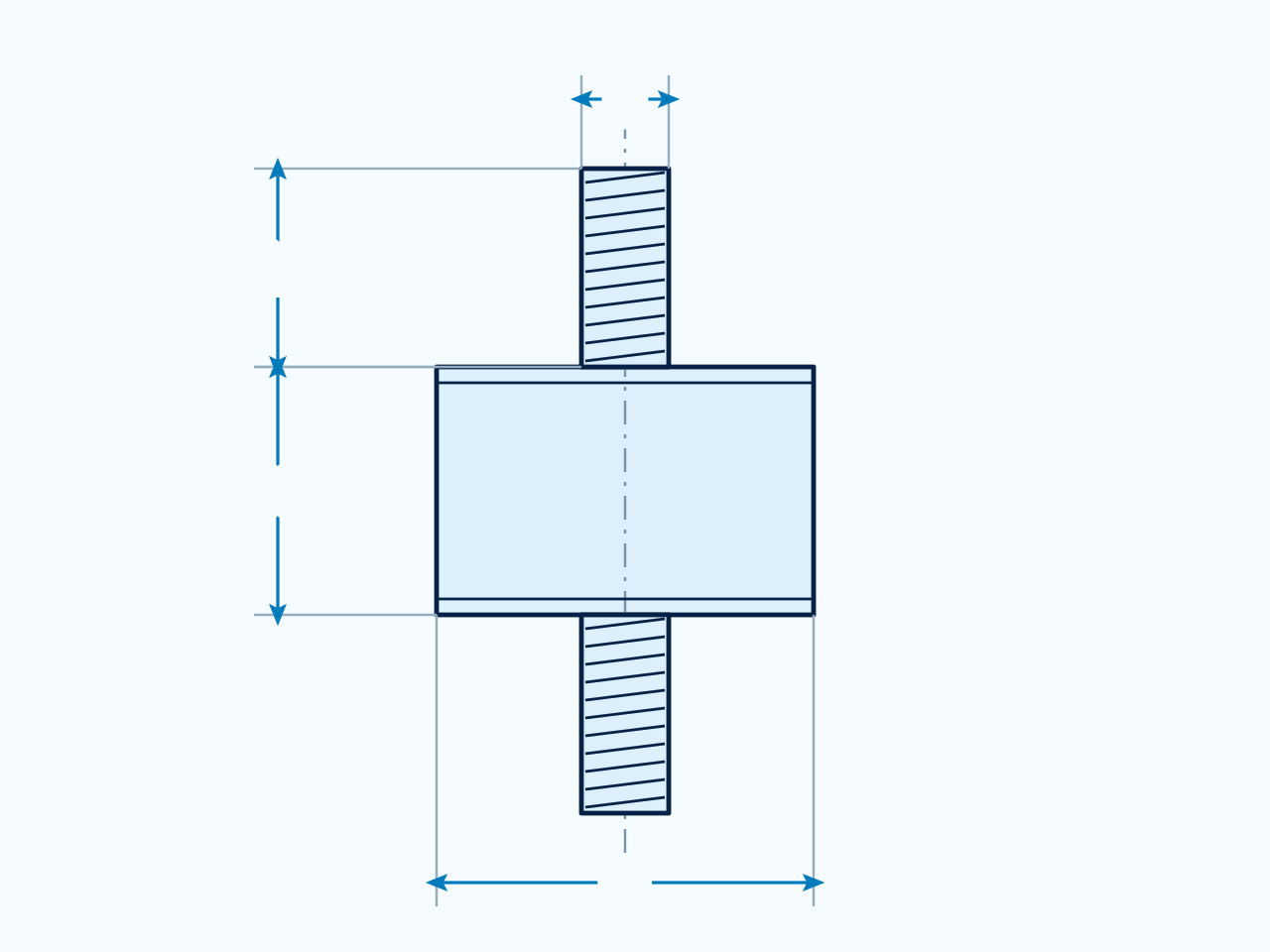
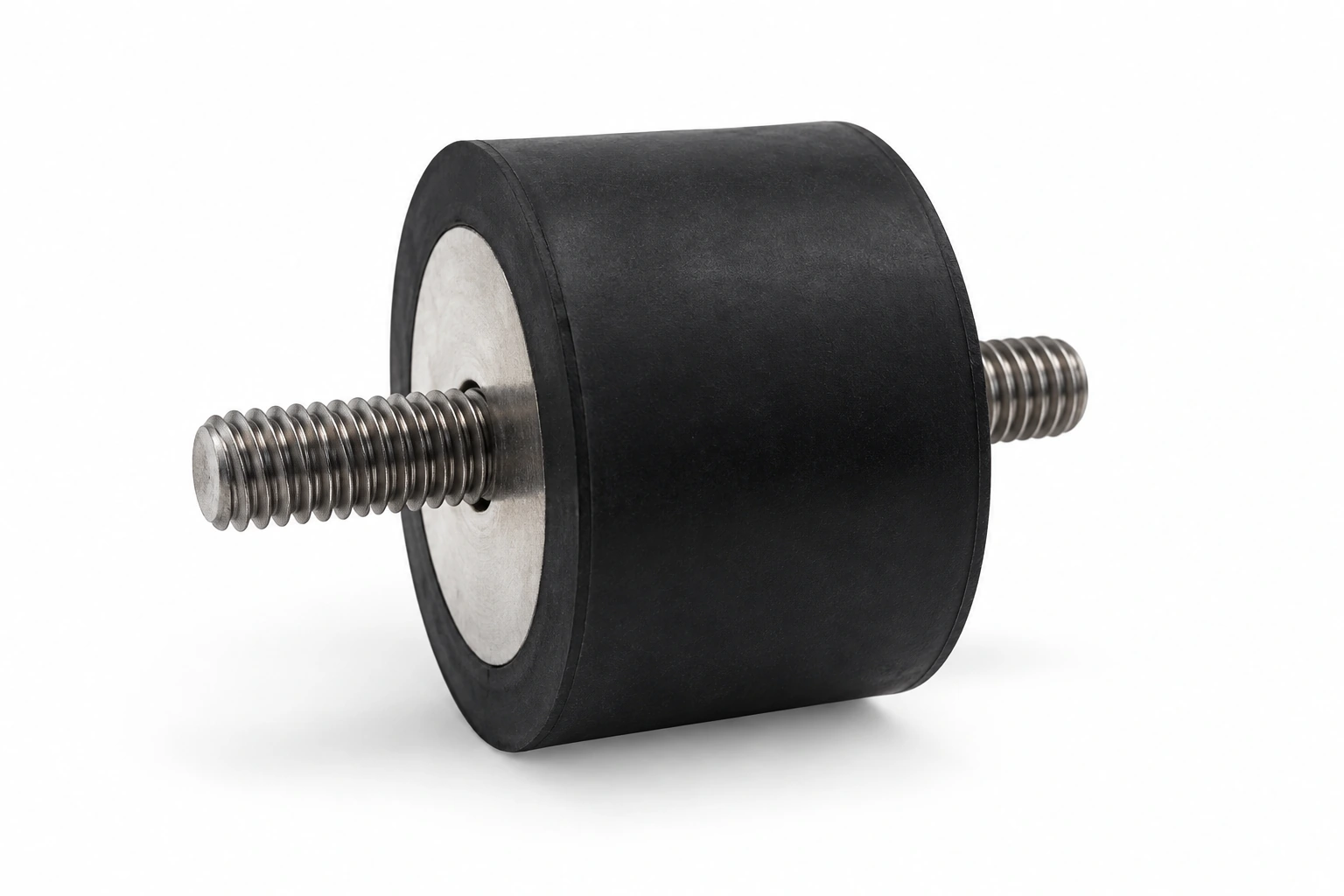
Anti-Vibration Rubber Mounts B
Match D, H and thread d to the drawing, including stud length L. Dimensions are in mm; thread designations, load in kg and compression in mm follow the table headings. Confirm load direction and operating conditions for your installation.
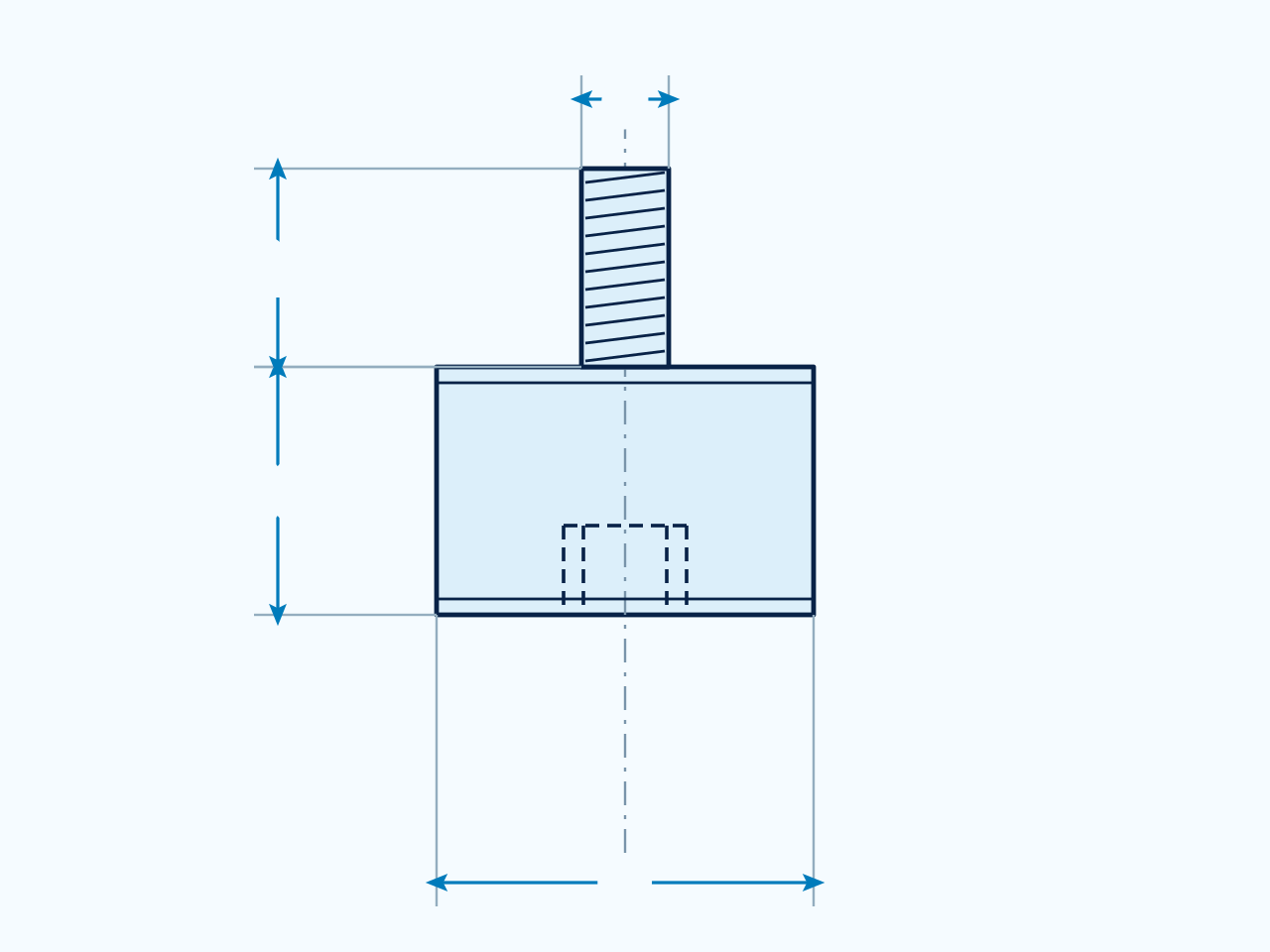
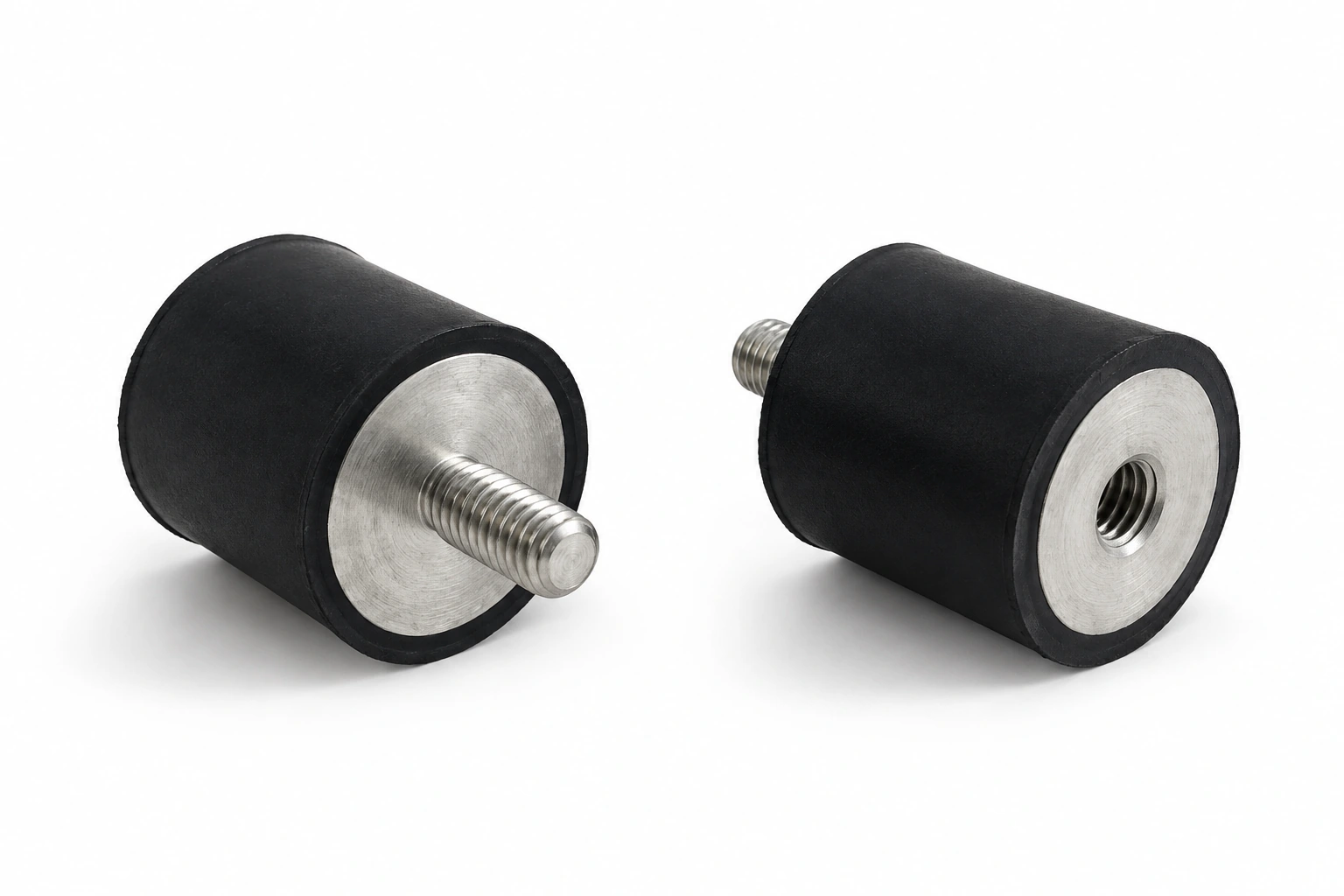
Vibration Isolators C
Match D, H and thread d to the drawing. Dimensions are in mm; thread designations, load in kg and compression in mm follow the table headings. Confirm load direction and operating conditions for your installation.
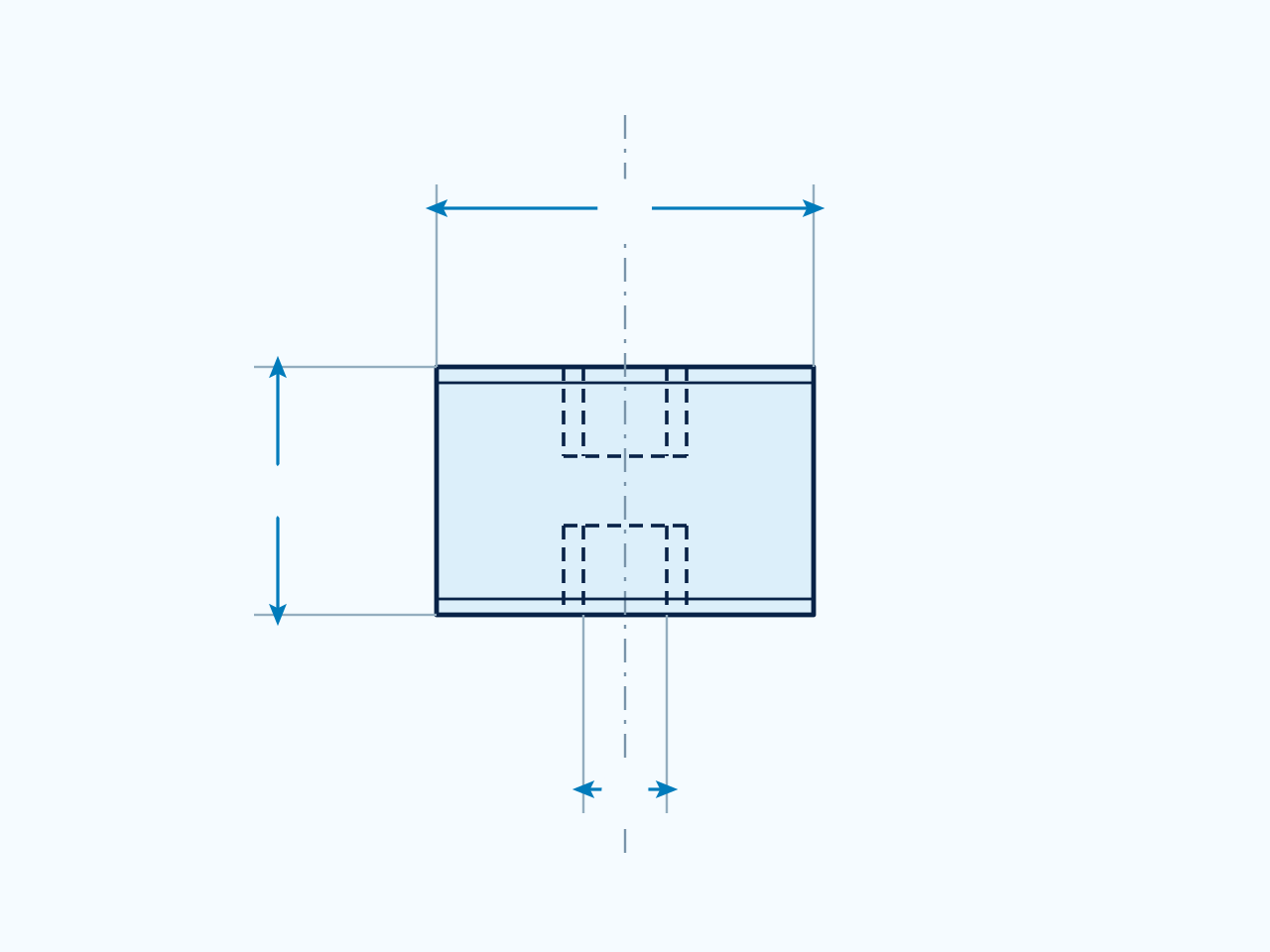
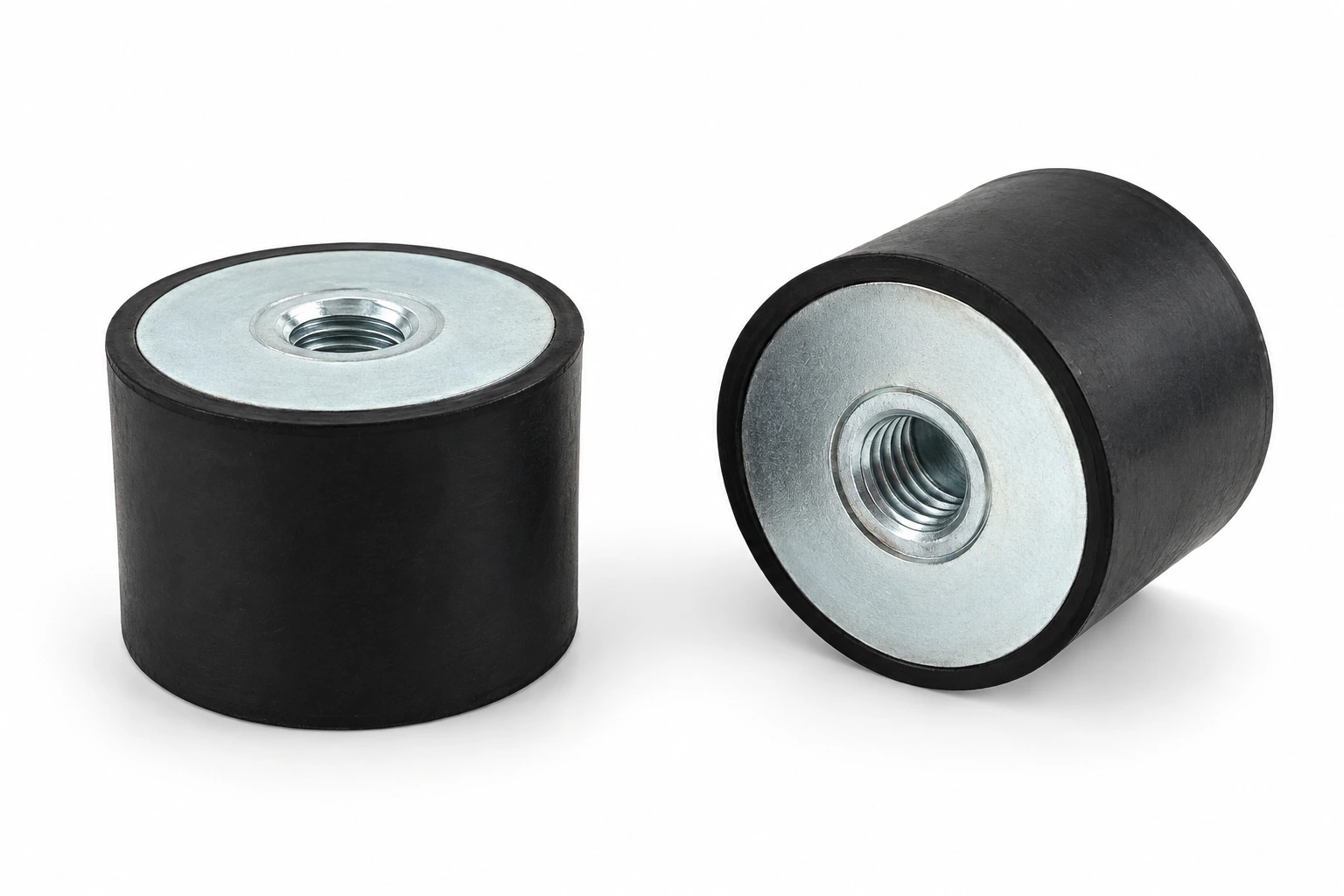
Rubber Mountings D
Match D, H and thread d to the drawing, including stud length L. Dimensions are in mm; thread designations, load in kg and compression in mm follow the table headings. Confirm load direction and operating conditions for your installation.
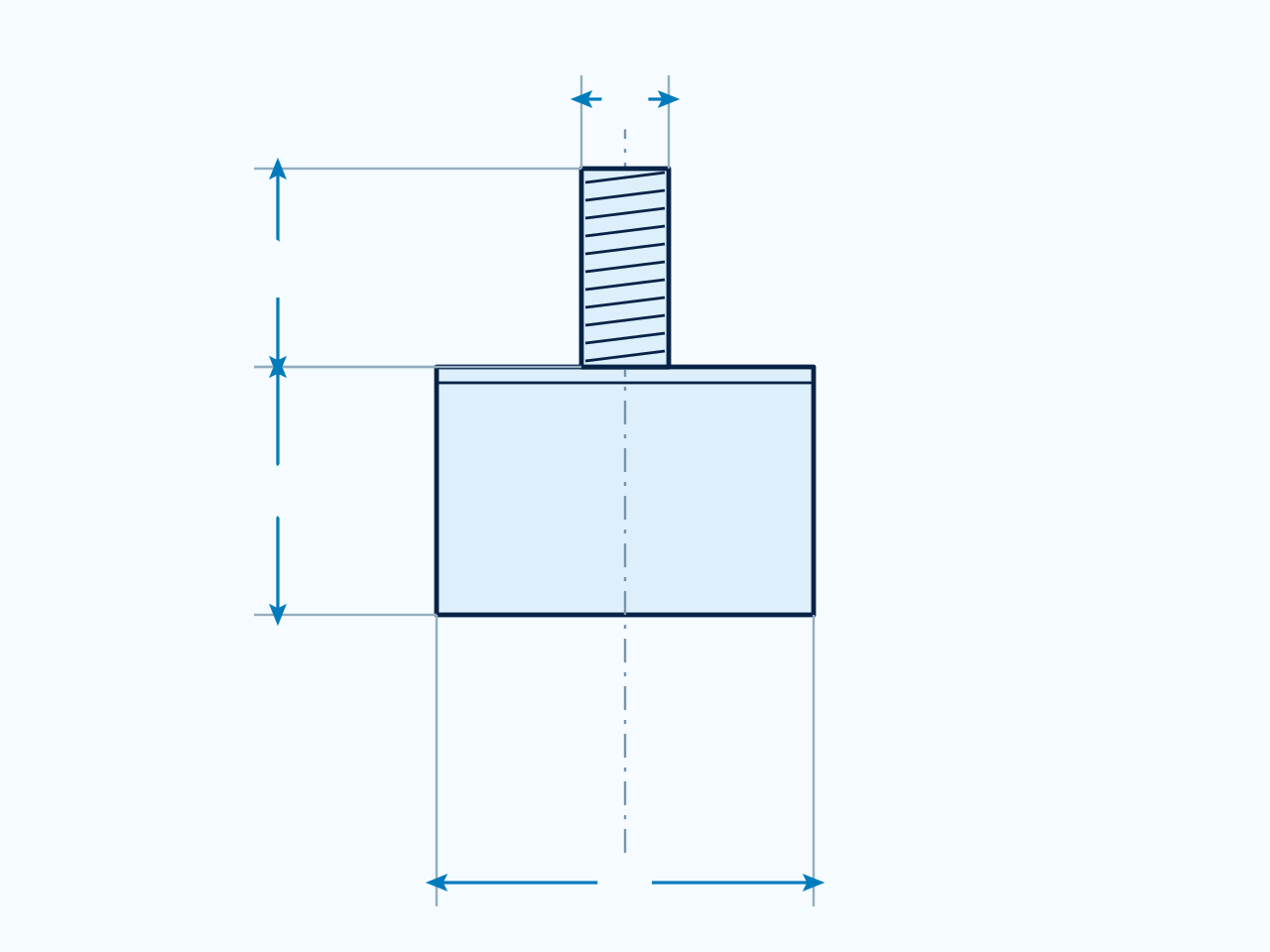
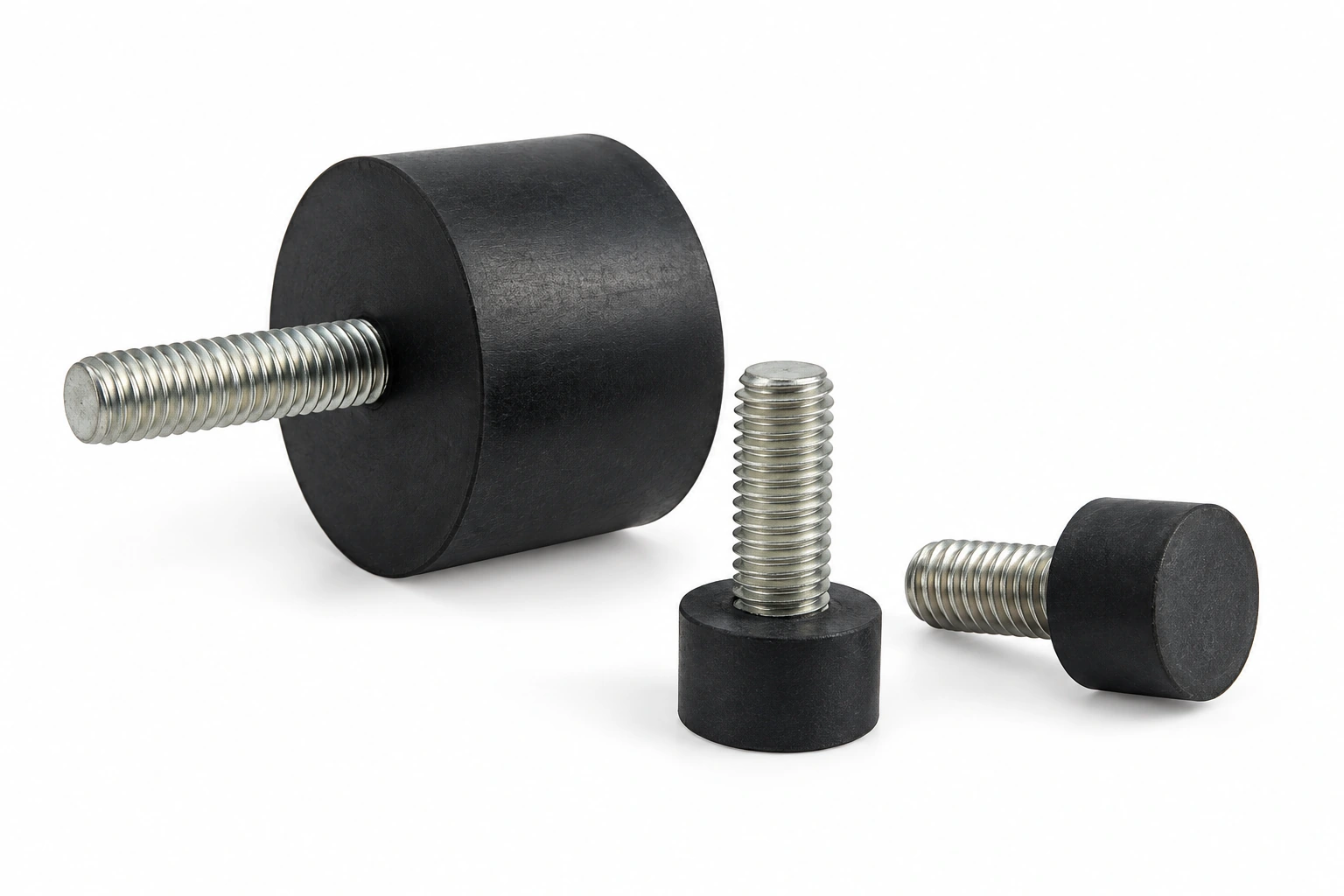
Rubber Vibration Mounts E
Match D, H and thread d to the drawing. Dimensions are in mm; thread designations, load in kg and compression in mm follow the table headings. Confirm load direction and operating conditions for your installation.
Need a different size? Share your drawing, mating dimensions and intended use to discuss a suitable part.
Discuss Your RequirementsProduct specifications
- Product form
- Elastomer mount between a vibrating assembly and its support
- Application focus
- Engines and electric motors. Size the part against the selected assembly.
- Dimensions to confirm
- Free and loaded heights, attachment spacing and body envelope. Match these to engines and electric motors.
- Isolation objectives
- Steady vibration. Define a measurable acceptance target on the supported assembly.
- Construction discussed
- Cylindrical bodies. Detail the chosen arrangement and all mating hardware on the drawing.
- Dynamic selection
- Use the load per mount, excitation frequency and allowed movement to select the mount.
Need a quote or a custom part?
Send your requirements, drawings or samples to discuss standard and custom silicone rubber parts.
Email us[email protected]