
Rubber hole covers
Rubber hole covers are used to protect the edges of the hole or the thing you want to pass through the hole. They are different types and you may have seen them at many places such as in your shower curtains or some of your shoes may contain them. They are used in a variety of ways and at various places to fulfill different purposes. Rubber hole covers shape the rough edges of the hole and is used in many industries such as manufacturing, construction, and many others. The most common purpose to cover any hole is to protect the material or thing, people are passing through the hole.
Rubber hole covers are also used to metal holes when an electric wire is passing through them. A rubber hole covers that place and acts as the insulator and ensures safety because they are electric resistant. They are available in any size and are considered a very important part of the automotive industry. They are best in sealing and can effectively reduce vibration. Moreover, they not only protect cable or wires but also are highly heat-resistant and weather-resistant and can’t be affected by UV rays. They have a long life and can be reused as they don’t crack, lose, and dry up easily. Rubber hole covers are also easy to install and they don’t get more space so you can easily pass-through the object you want to. They are durable and are a better way to protect the holes and objects.
All dimensions are in mm
Stopper & Plug Size Catalog
Compare four stopper profiles and check the selected part dimensions against your opening and available depth. Each profile has its own drawing and dimension meanings.
Custom colors are available to your Pantone color code. Include the code in your inquiry.
RST T-Shaped Plugs
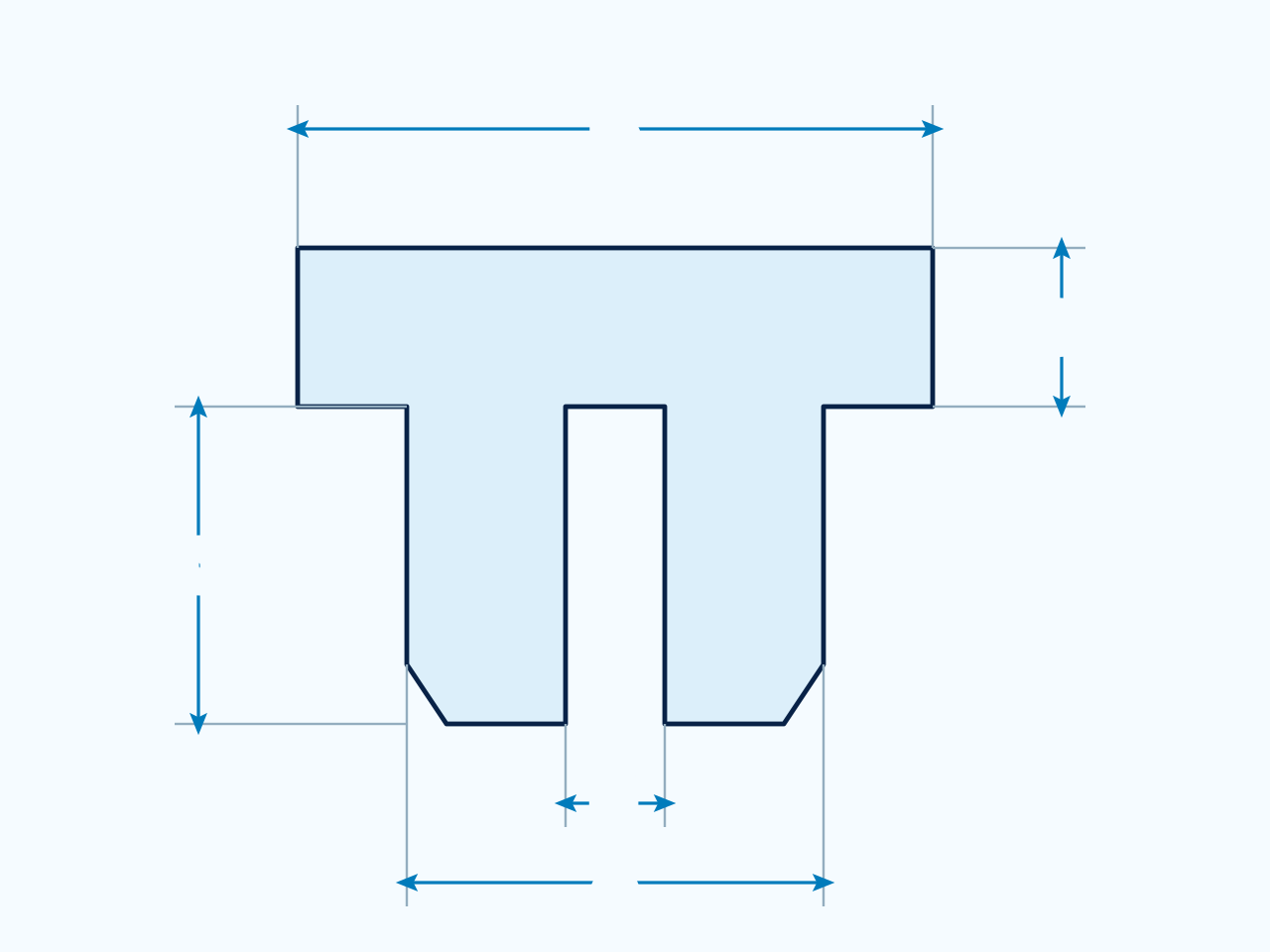
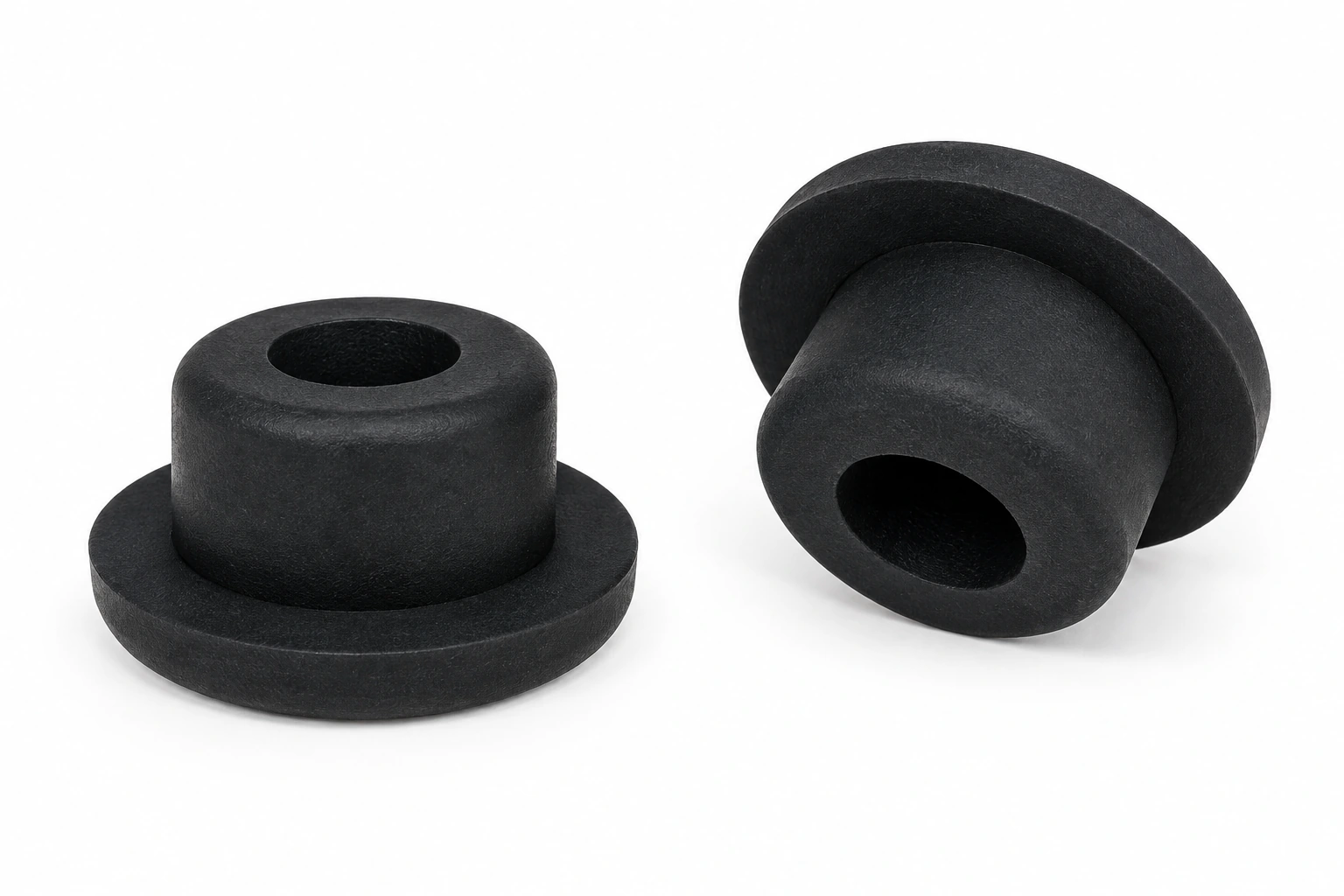
Match stem diameter A, flange diameter B, stem length C and flange thickness D. E refers to the underside recess; use the selected row and approved drawing to confirm the actual profile.
RSA Tapered Corks
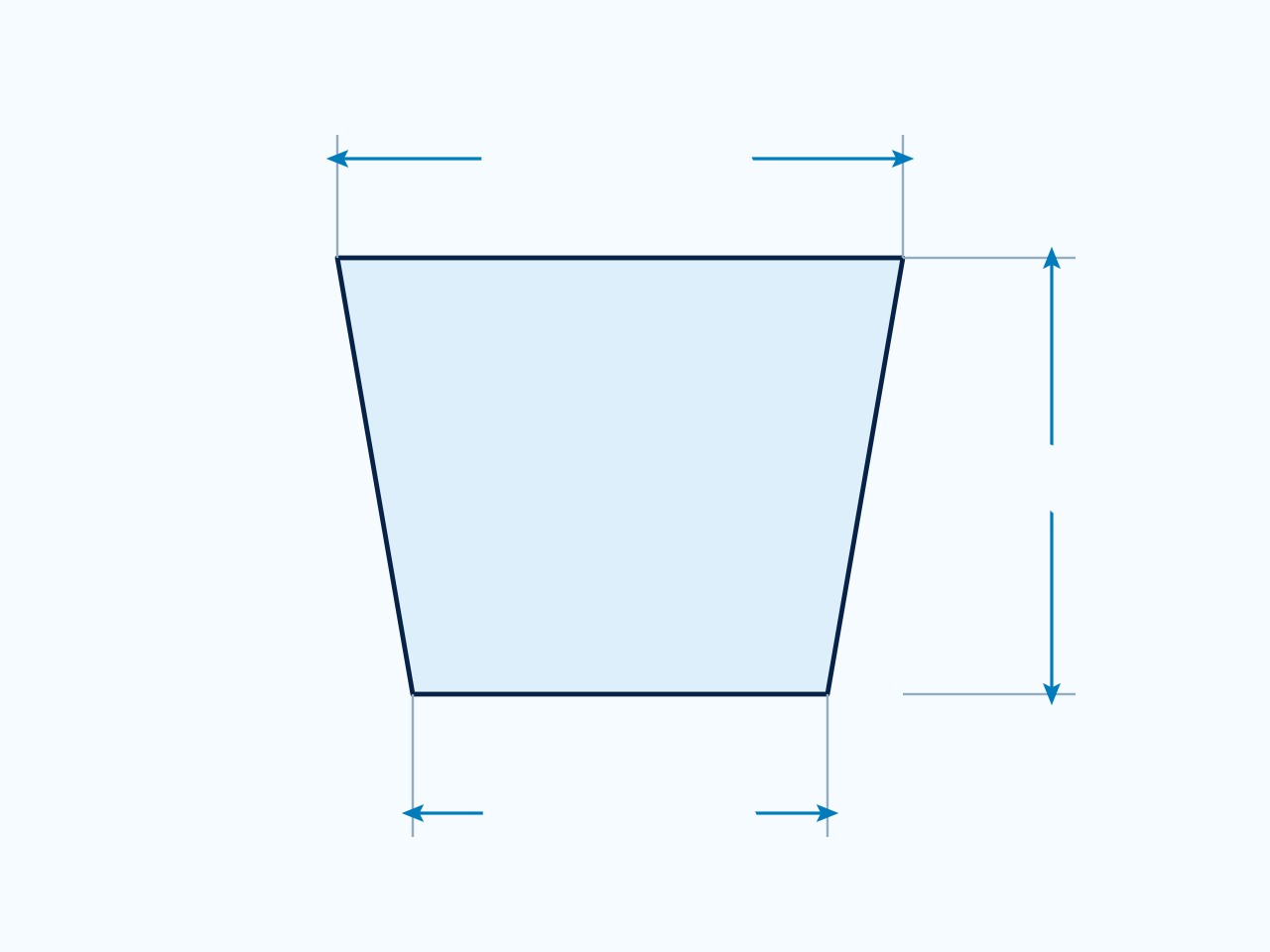
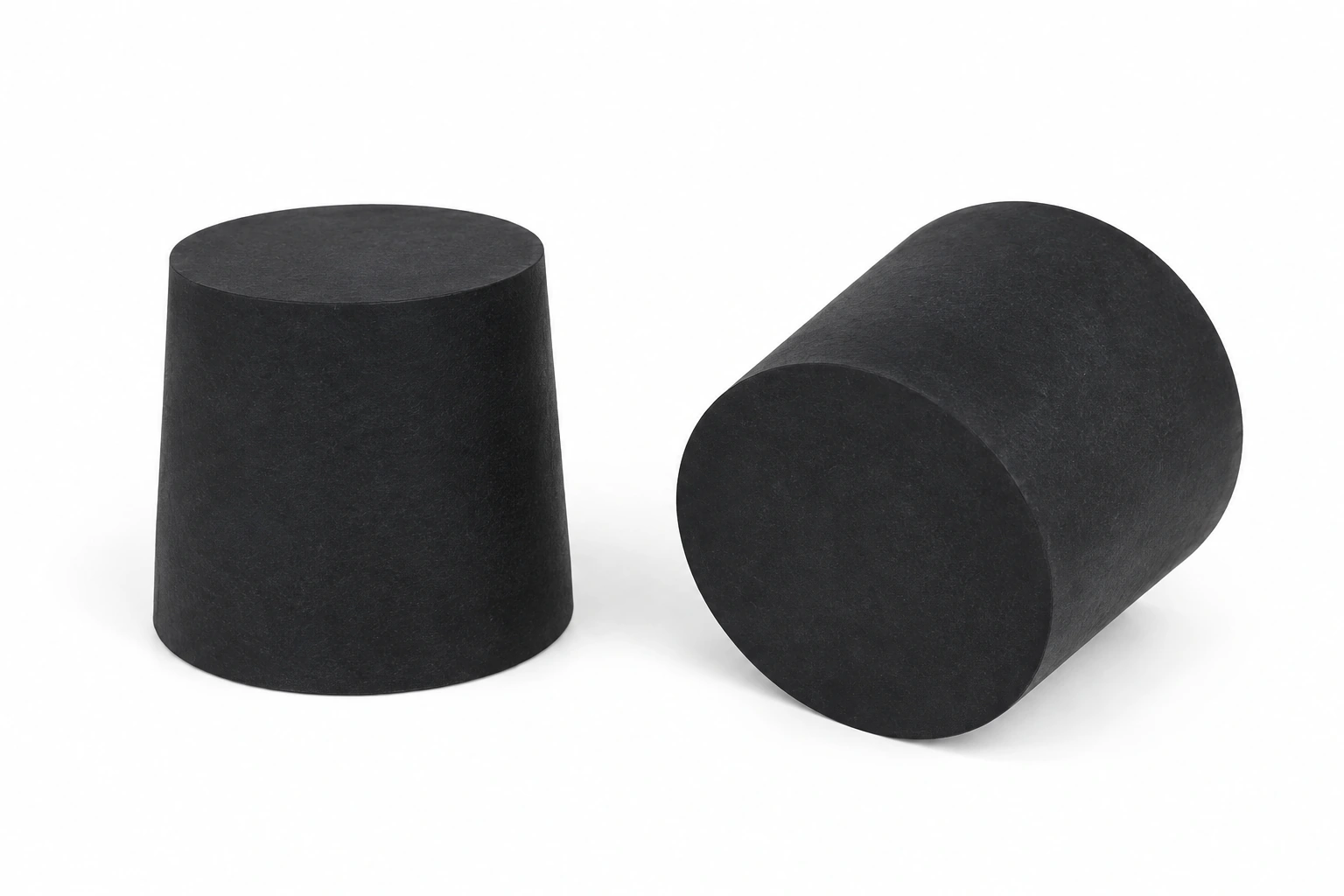
Compare large-end diameter A, small-end diameter B and Height, in mm. The mating bore and required seating depth determine where the taper contacts the opening.
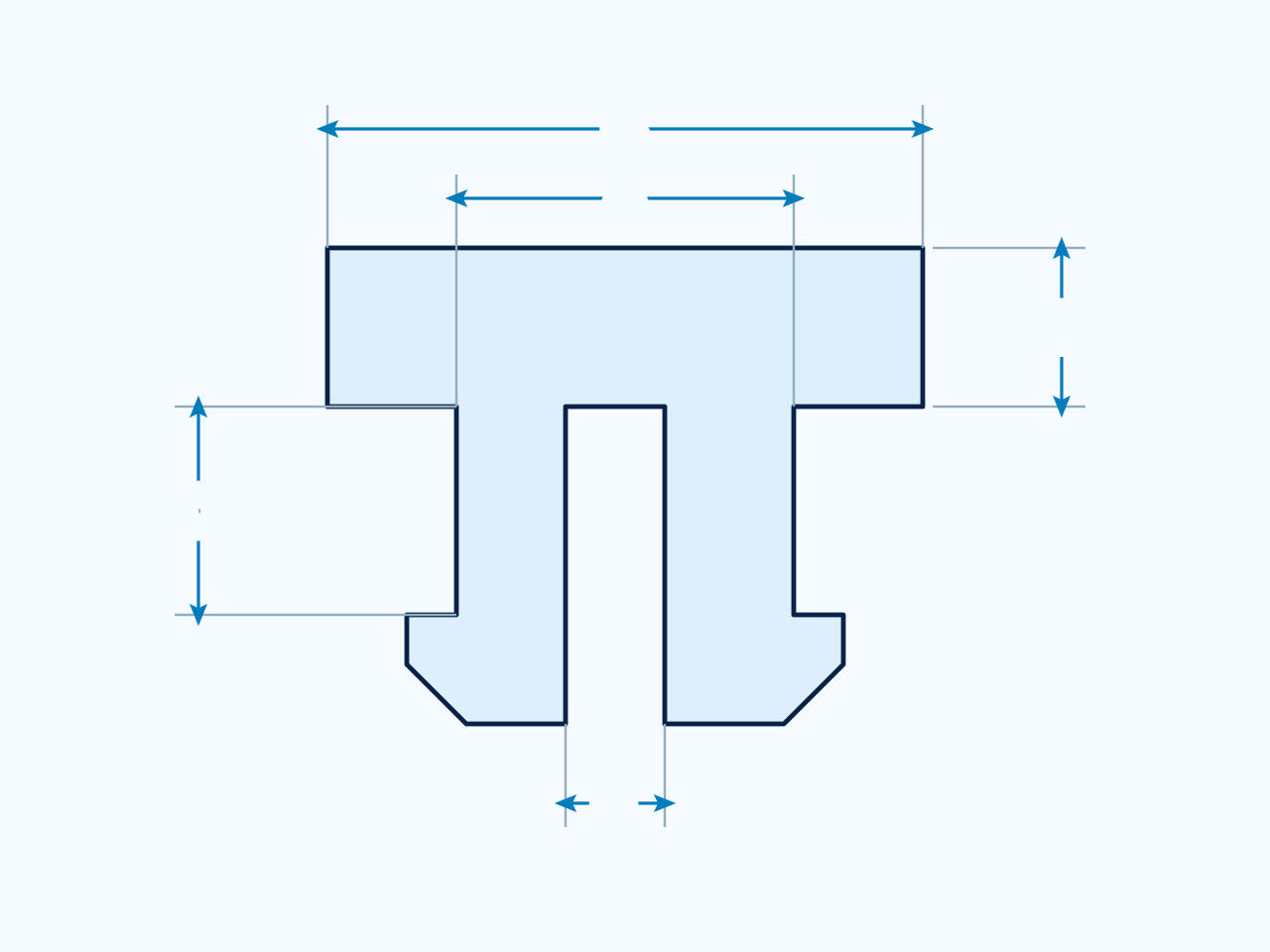
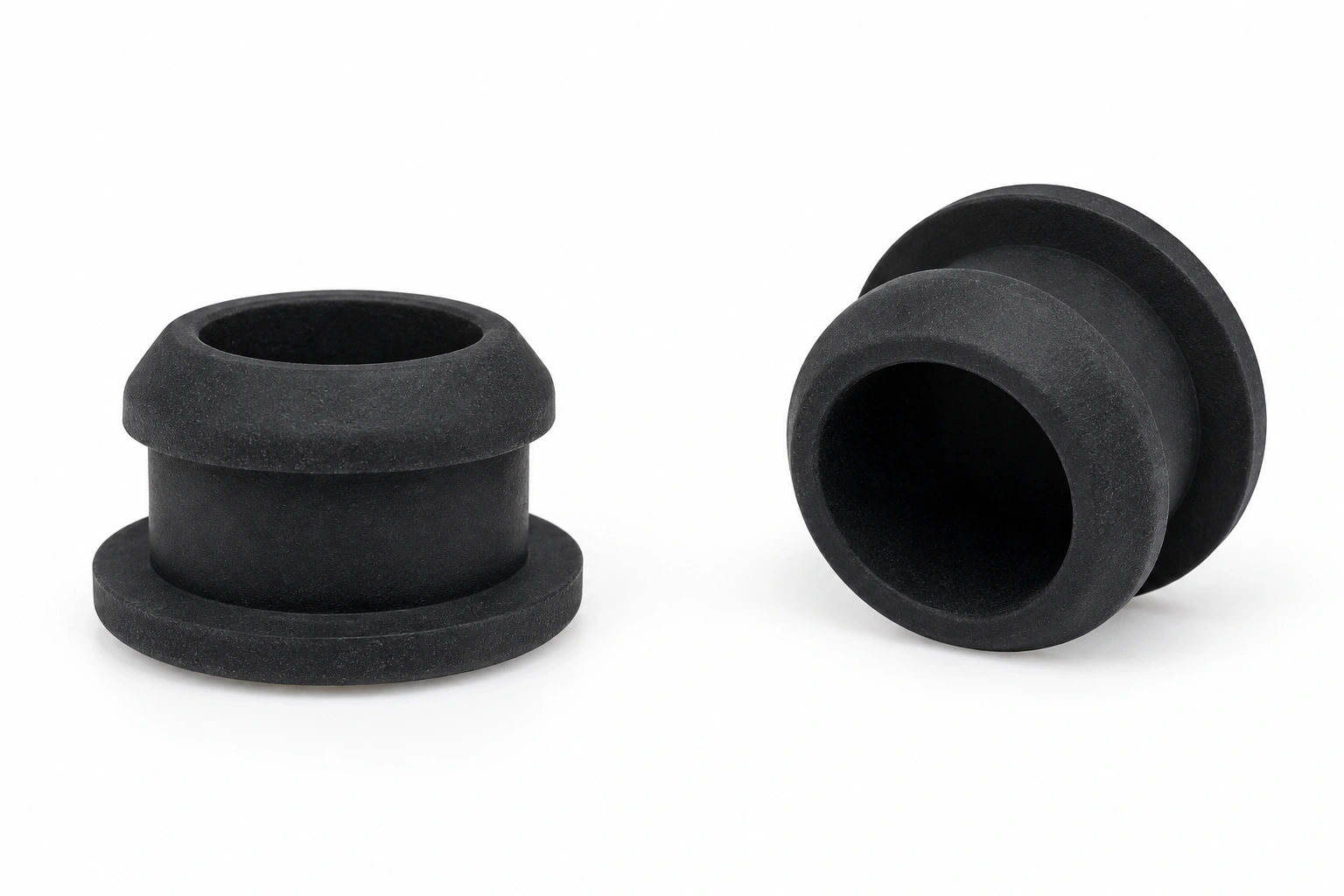
RSB Undercut Plugs
Compare neck diameter A, flange diameter B, flange-to-lip distance C and flange thickness D. Check panel thickness and rear clearance. E refers to the underside recess.
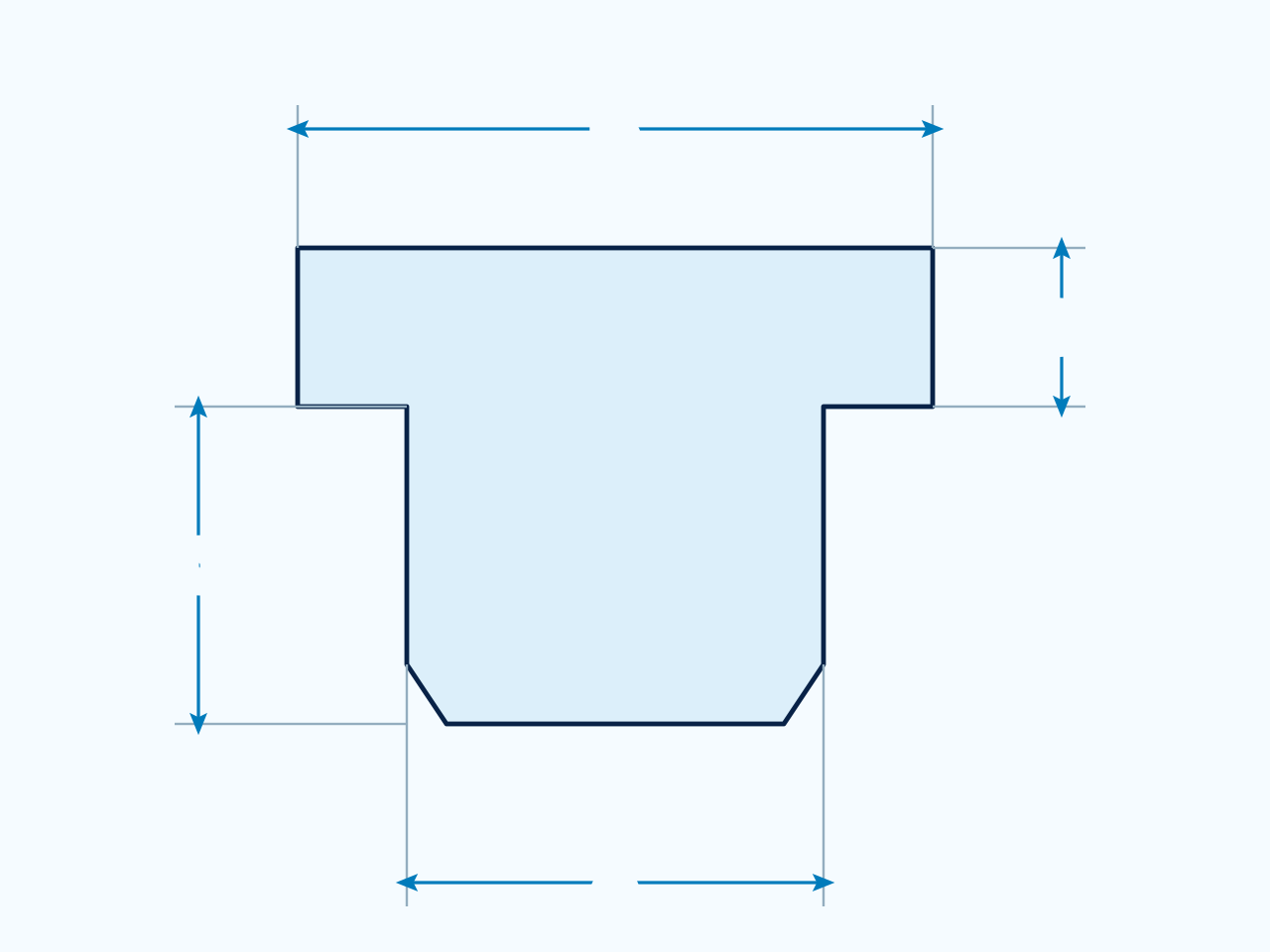
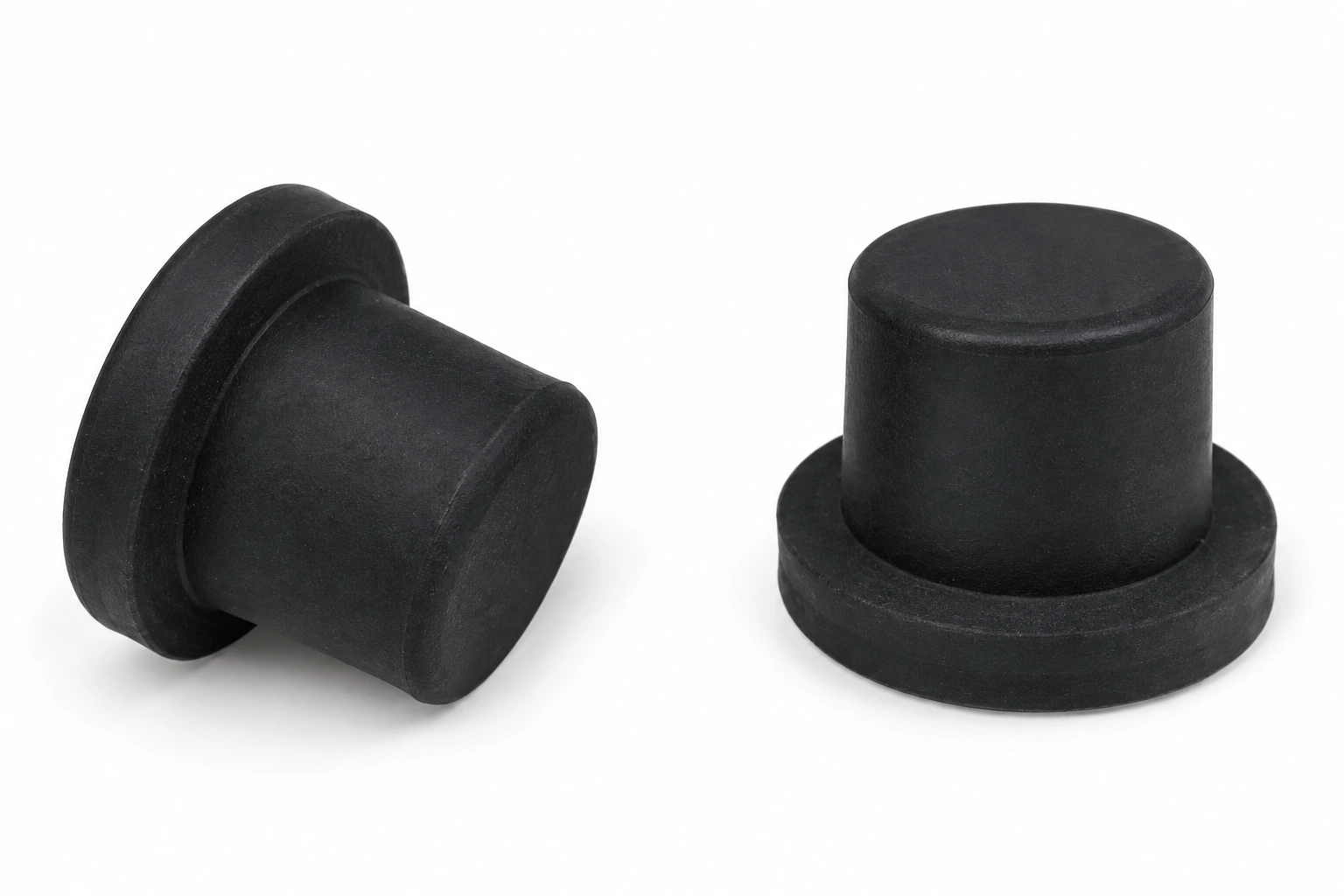
RSD T-Shaped Stoppers
Compare stem diameter A, flange diameter B, stem length C and head thickness D, in mm. Check the seating surface and available depth as well as the hole diameter.
Need a different fit? Share the opening dimensions, mating profile and intended use for a custom size.
Discuss Your RequirementsNeed a quote or a custom part?
Send your requirements, drawings or samples to discuss standard and custom silicone rubber parts.
Email us[email protected]