
Rubber hole plug
Finding the right rubber hole plug can prove to be a bit challenging. As you probably already know, these items are used to seal holes and containers of different sorts tightly. Due to its properties, this item is an essential piece not only when it comes to a wide variety of industries but also numerous types of home repairs and DIY projects. It is why it is always a good idea to have a set of these accessories in your toolbox. One can never know when they will need to use to complete a repair.
Now, you must probably be wondering why finding the correct one may be difficult. After all, there are so many products on the market. Yes, this is true, and you can check out our website to see what we are offering. However, the most common mistake people make is that they assume the difference in sizes isn’t that important and that they can use pretty much any rubber hole plug. Nevertheless, they couldn’t be more wrong about this. There is a reason these come in multiple shapes and dimensions, and you need to do quick research to understand which ones you should purchase. Naturally, you cannot use an item that is too small to seal the hole. It just won’t work. On the other hand, you may get away with using a slightly bigger one, but keep in mind that it is only a temporary solution, and you should replace it with one in the appropriate size.
How to understand which one you should use. Obviously, you need to start by investigating the dimensions of the hole itself. Don’t forget to explore the different shapes of these plugs because not every item may work for you. Once you understand what you need, place your order and wait for it to be delivered.
Stopper & Plug Size Catalog
Compare four stopper profiles and check the selected part dimensions against your opening and available depth. Each profile has its own drawing and dimension meanings.
Custom colors are available to your Pantone color code. Include the code in your inquiry.
RST T-Shaped Plugs
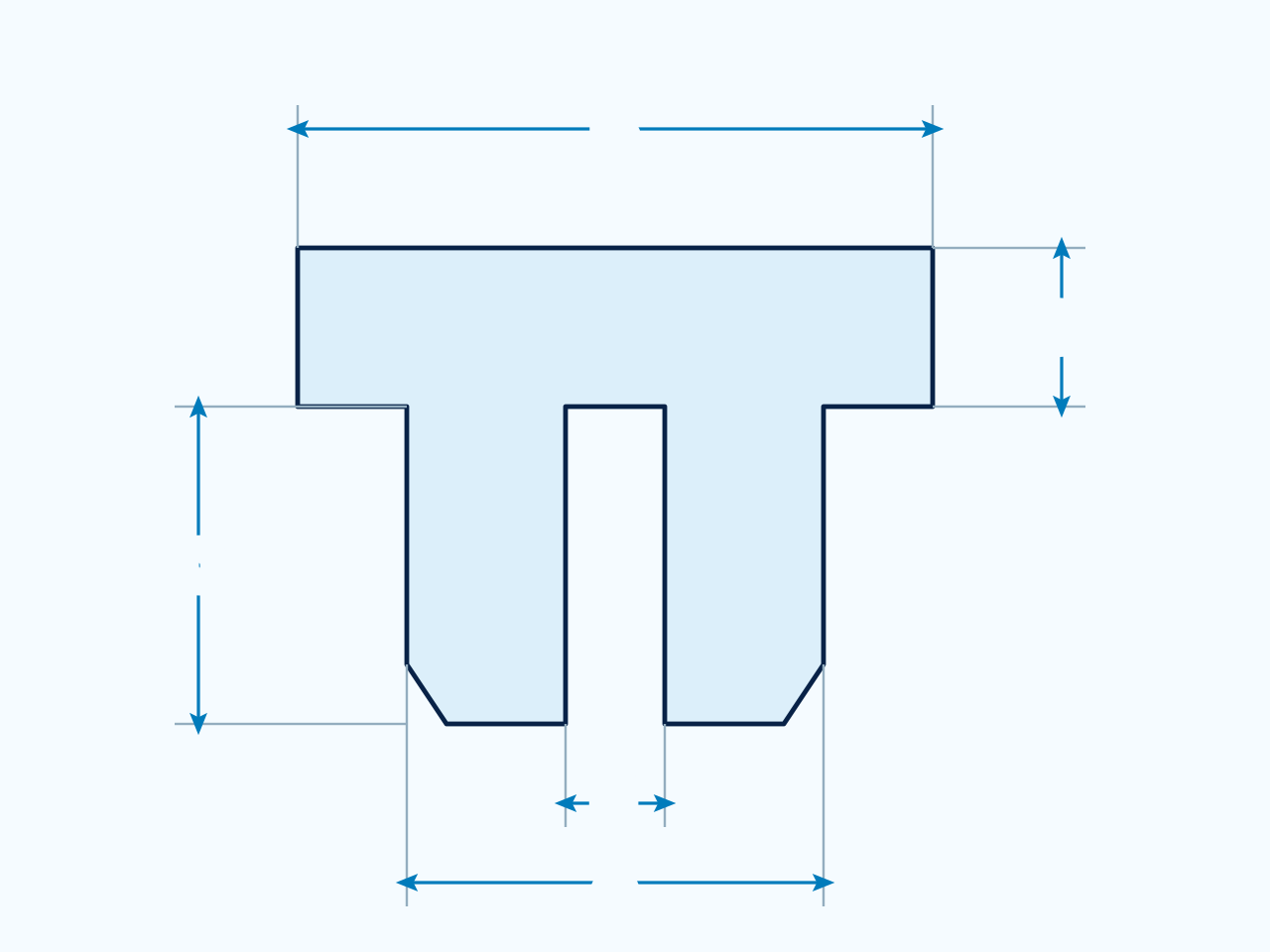
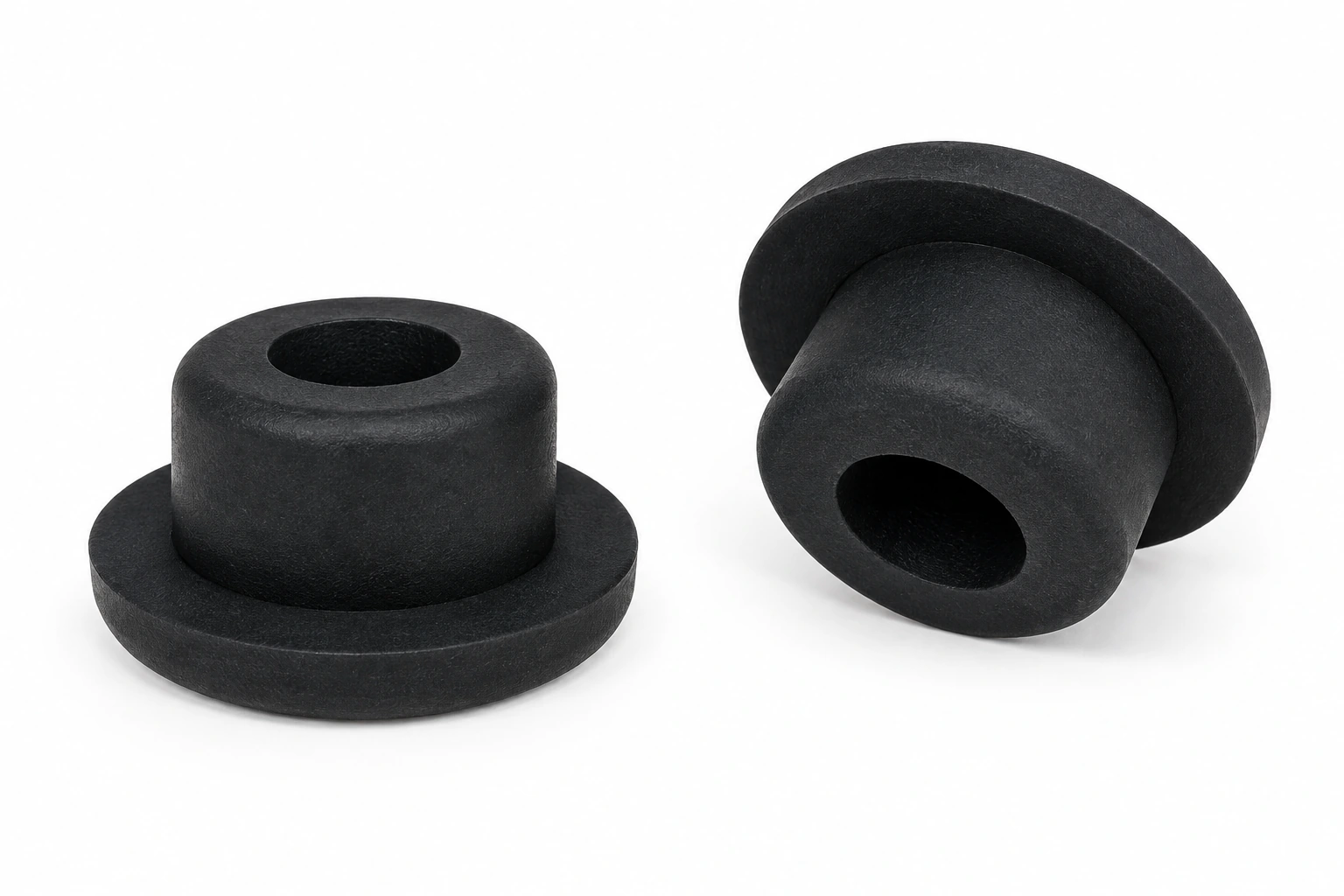
Match stem diameter A, flange diameter B, stem length C and flange thickness D. E refers to the underside recess; use the selected row and approved drawing to confirm the actual profile.
RSA Tapered Corks
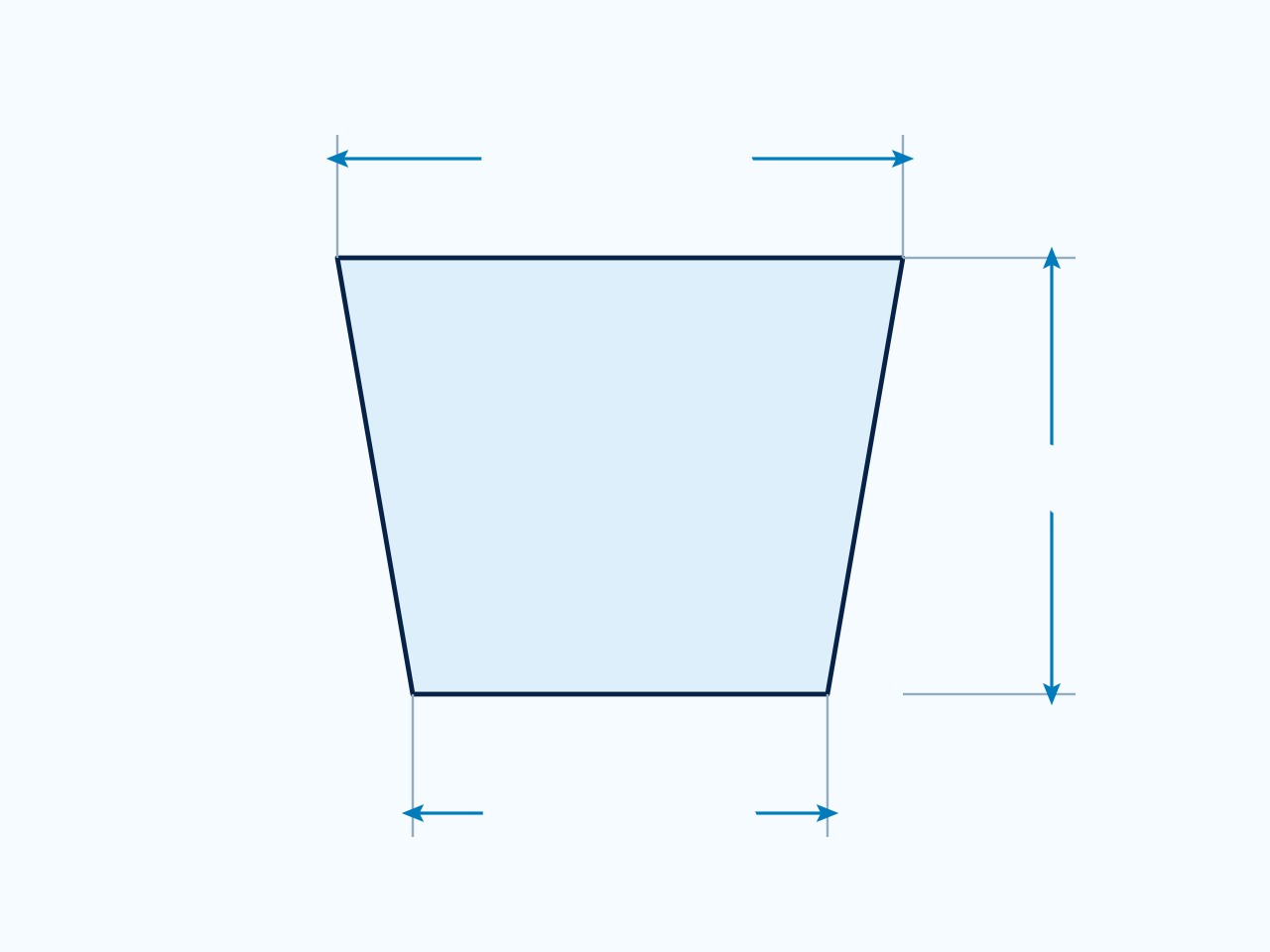
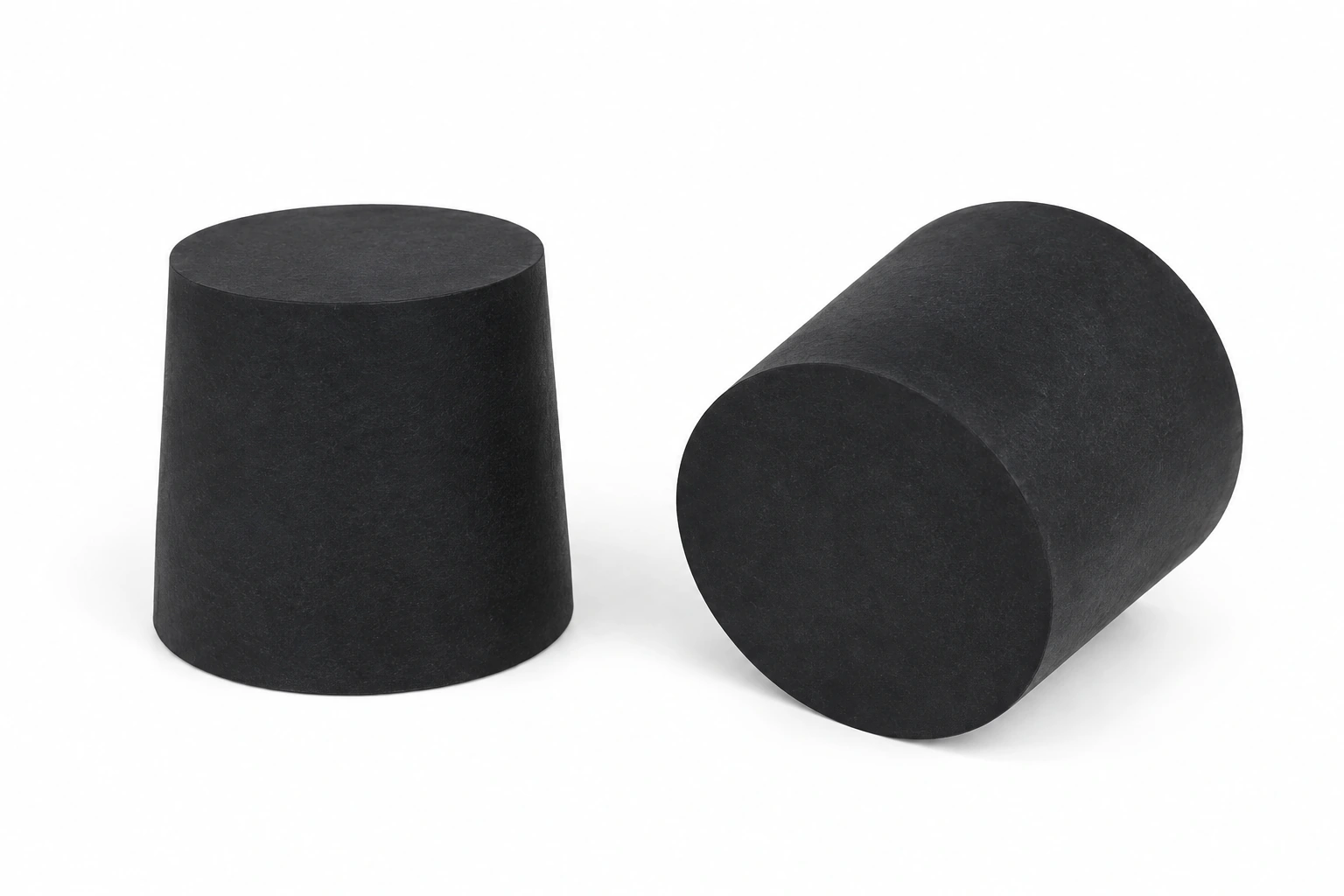
Compare large-end diameter A, small-end diameter B and Height, in mm. The mating bore and required seating depth determine where the taper contacts the opening.
RSB Undercut Plugs
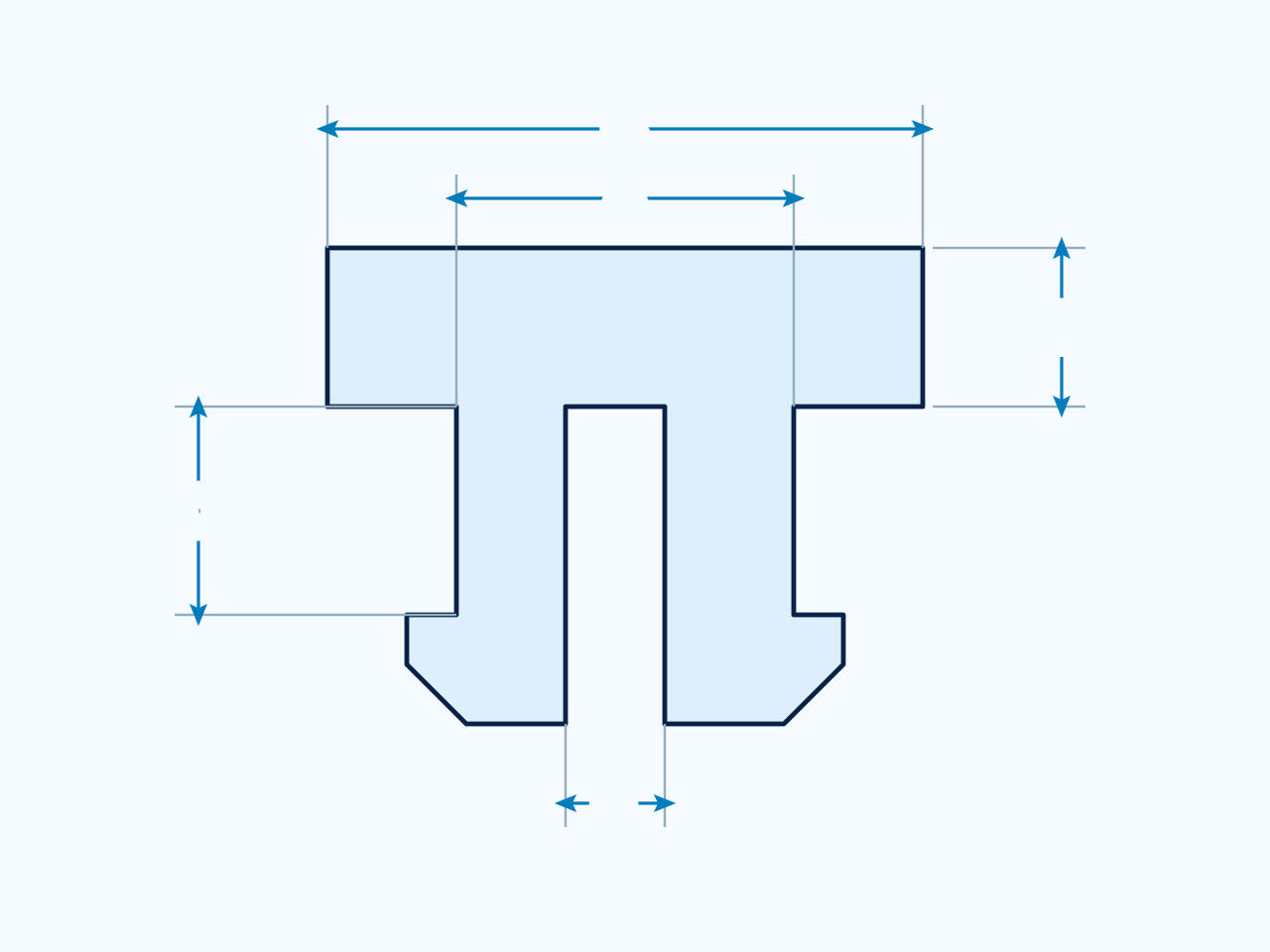
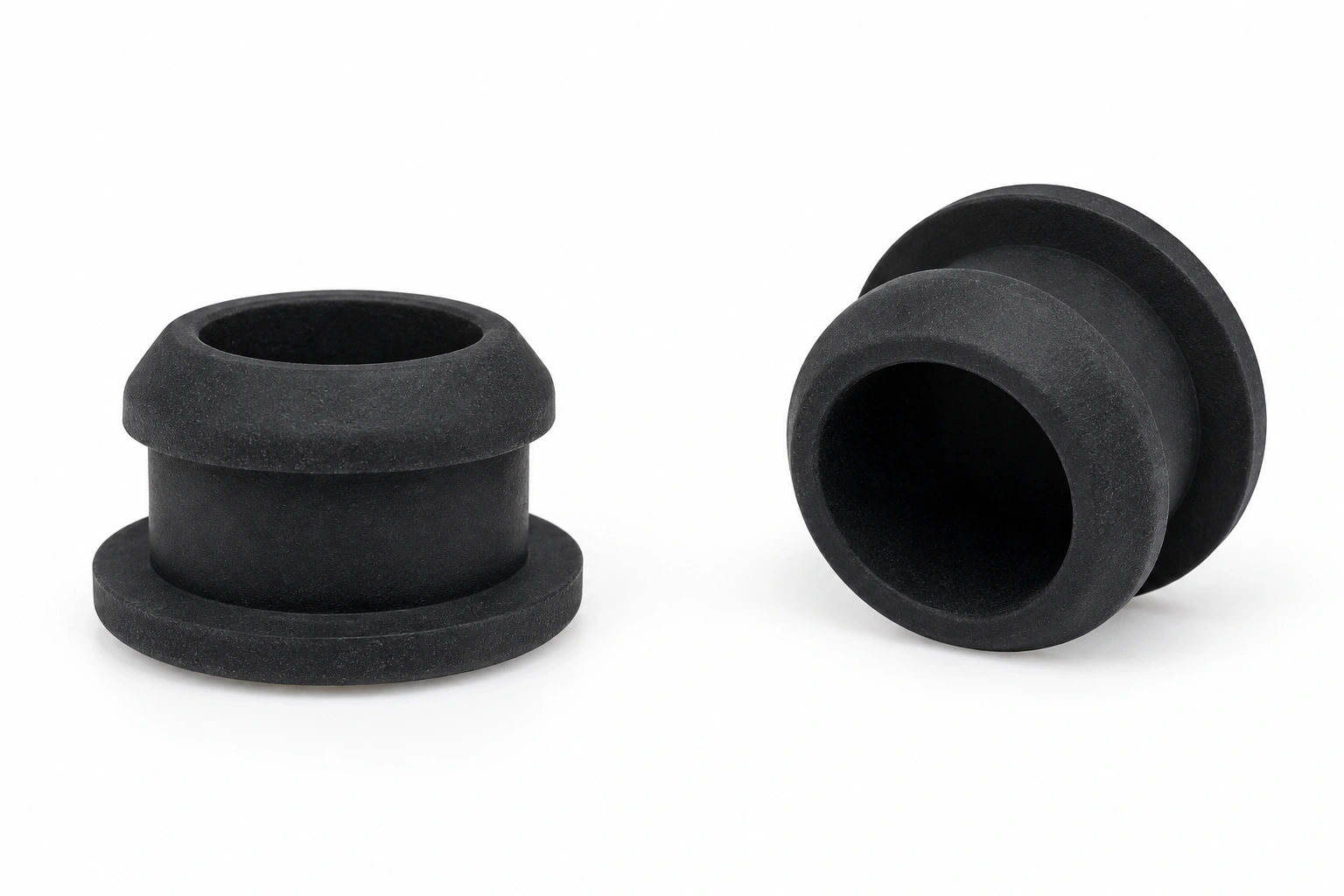
Compare neck diameter A, flange diameter B, flange-to-lip distance C and flange thickness D. Check panel thickness and rear clearance. E refers to the underside recess.
RSD T-Shaped Stoppers
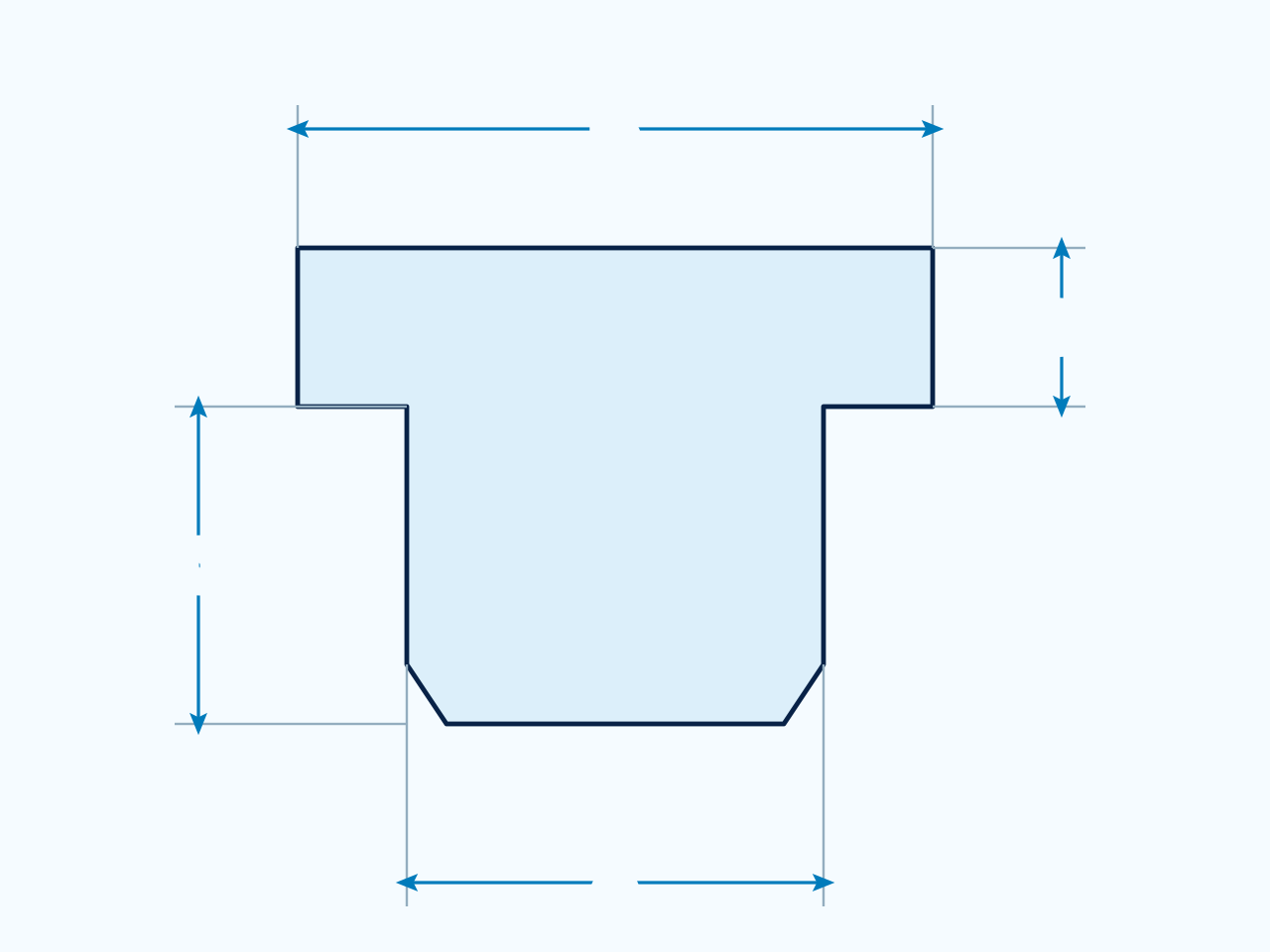
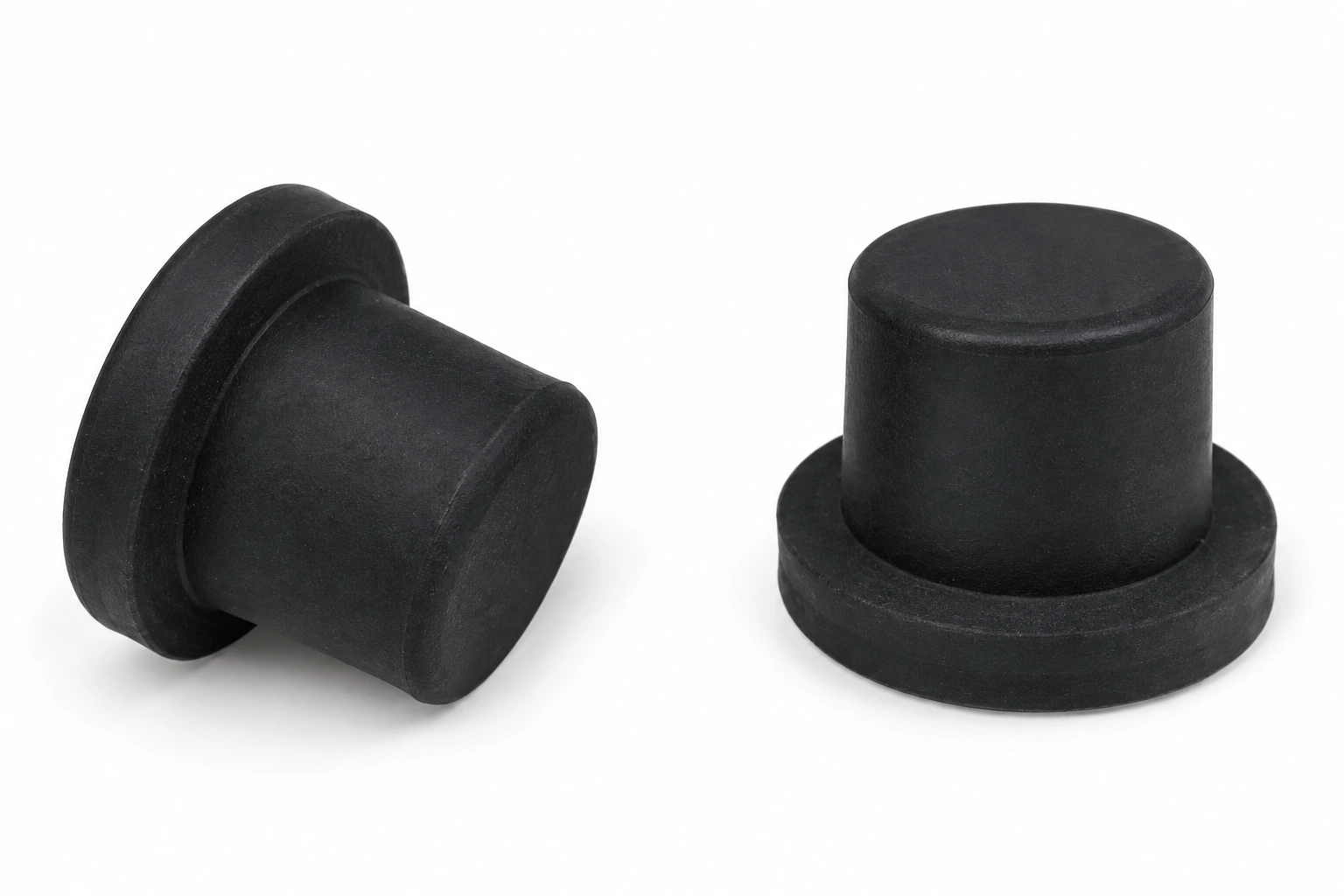
Compare stem diameter A, flange diameter B, stem length C and head thickness D, in mm. Check the seating surface and available depth as well as the hole diameter.
Need a different fit? Share the opening dimensions, mating profile and intended use for a custom size.
Discuss Your RequirementsProduct specifications
- Product form
- Blanking insert for an unused panel opening
- Dimensions to confirm
- Opening profile, panel thickness, retaining groove and head overlap.
- Panel engagement
- Seat the head against the panel and check retention at the actual cut edge.
- Service definition
- Define permanent blanking versus removable service access, and state whether a cosmetic cover or a tested environmental seal is required.
- Fit acceptance
- Record the opening tolerance and plug engagement. Reject a loose plug and check that insertion does not overstress the plug or opening.
Need a quote or a custom part?
Send your requirements, drawings or samples to discuss standard and custom silicone rubber parts.
Email us[email protected]