
Rubber hose size
A rubber hose is a rubber conductivity used to transfer the most common fluid within a hydraulic system. In addition to liquids (water, chemicals, oils, fuels), air, food, ash or similar substances can also be transferred. The materials from which they are made are of exceptional quality, mostly reinforced with several layers to be more resistant to the pressure of the system in which it is used. They are made of different types of rubber (synthetic or natural) but also of different sizes.
When buying a rubber hose, the first characteristic based on which you make a selection is a size. It will not serve you well if you choose a hose with too small an inner diameter, because you will lose pressure, and then the whole process will be questionable. On the other hand, if you opt for a hose that is larger than the one that is ideal for you, the flow of matter can be very difficult because the volume of the contents will be larger than that provided for the normal functioning of the equipment. Simply, if you do not choose the right size of hose, the cost of repairs and additional elements can be much more expensive than the hose itself.
The internal example (I.D.) is the basis for determining the size of the pipe. It is a measure of the straight distance between the two furthest points on the inner surface of the tube. Most tube IDs are denoted by inches. Sometimes, in addition to this value, the decimal value, ie the metric nominal equivalent, can also be displayed. However, in most cases, it is only a reference. It is common for the measurement to be divided into references. So he had an ID of 1/16 “better known as” dash size “which can have a mark of -16 which is the result of this fraction. In addition to the ID, it is necessary to pay attention to the outer diameter (O.D.). it involves the transverse cross-section of the hose and is very important for the proper fitting of the hose in the allocation of the proctor. If this is properly selected and installed, there is no fear of losing pressure or other budgets in the system itself.
Rubber Hose Size Catalog
Compare tube bore, outside diameter and available wall thickness. Confirm material compatibility and operating requirements for the selected hose.
Rubber Hose
Compare Inside Diameter and Outside Diameter in mm. The cross-section drawing identifies the bore and outside diameter; confirm the selected tube material and service requirements.

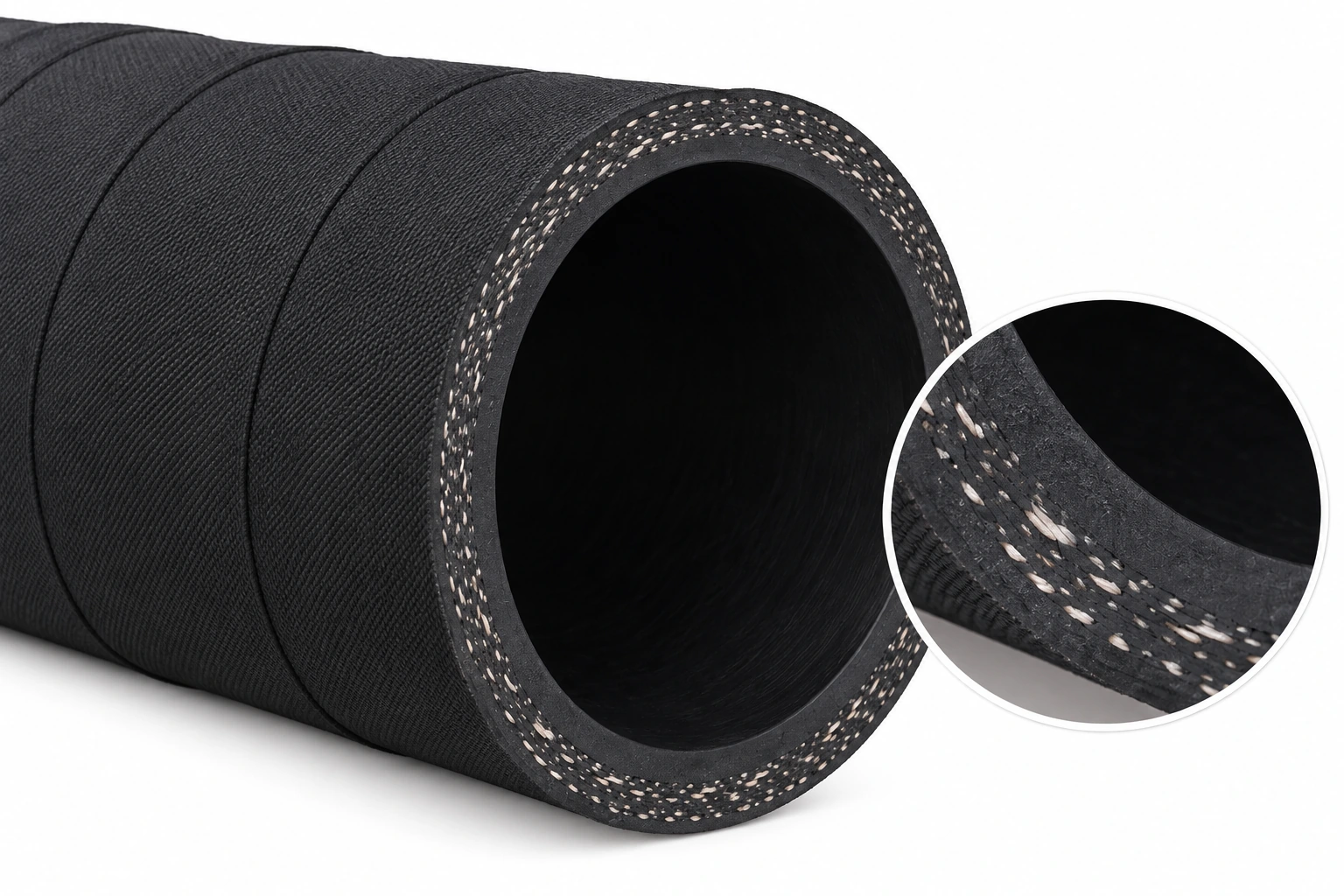
Fluororubber Hose
Compare Inside Diameter and Outside Diameter in mm. The cross-section drawing identifies the bore and outside diameter; confirm the selected tube material and service requirements.
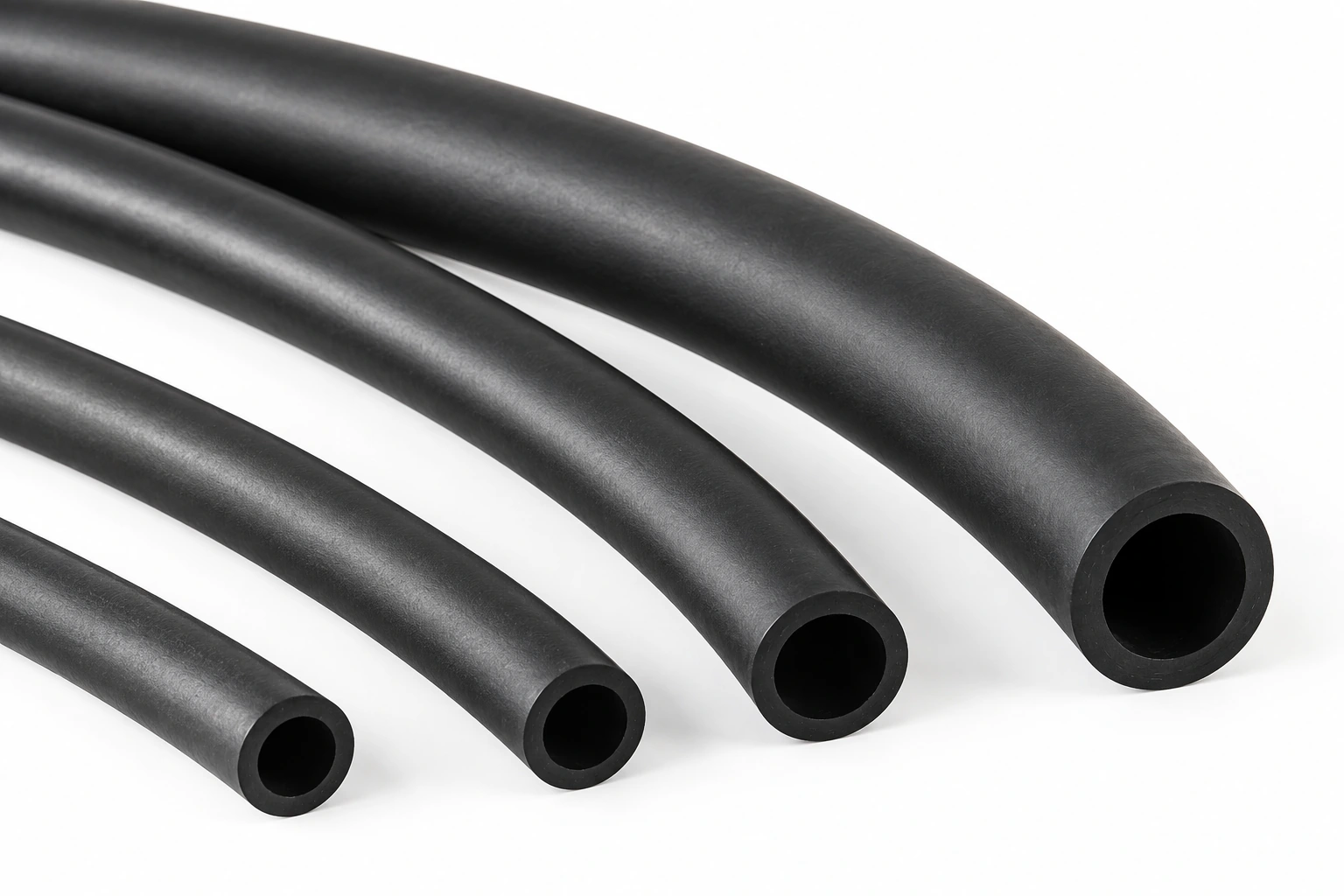
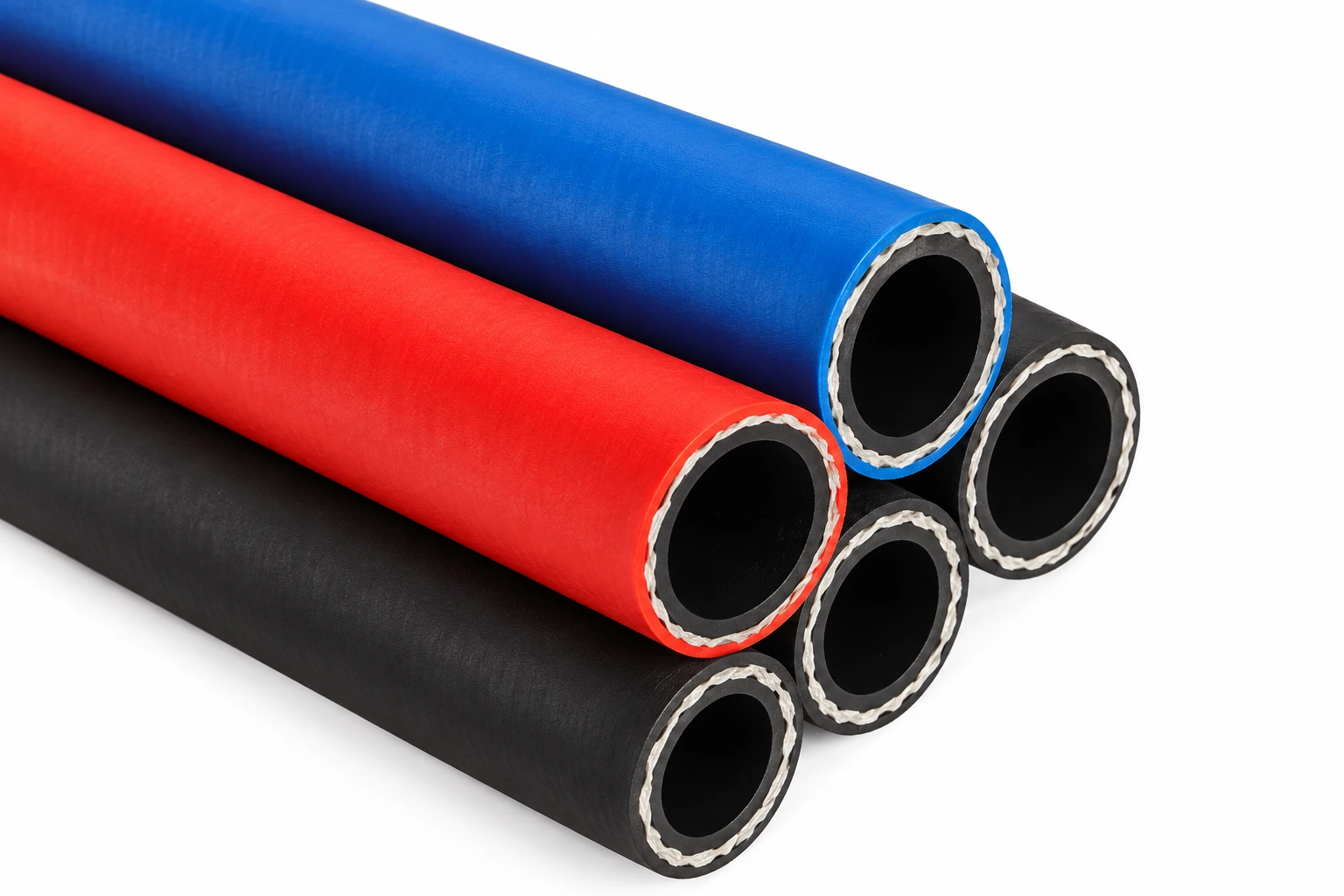
Colourful rubber high pressure hose
Compare Inside Diameter and Outside Diameter in mm, together with the listed Thickness and Colour. The cross-section drawing identifies the bore and outside diameter; confirm the selected tube material and service requirements.
Need a different size? Share your drawing, mating dimensions and intended use to discuss a suitable part.
Discuss Your RequirementsProduct specifications
- Product form
- Hollow elastomer tubing for a fitted line or sleeve
- Application focus
- Food-processing equipment. Size the part against the selected assembly.
- Dimensions to confirm
- Inside diameter, outside diameter, wall thickness and cut length. Match these to food-processing equipment.
- Size selection
- Choose the drawing or chart row by its functional dimensions and units; verify mating-part tolerances before ordering.
- Contact conditions
- Hydraulic fluid, water, lubricating oil, air and food ingredients: define concentration, temperature and contact time, then check compatibility with the chosen compound.
- Exposure to evaluate
- Oil splash. Validate the selected material under the combined conditions.
- Line layout
- Check bend radius, unsupported spans and clearance at both connections.
Need a quote or a custom part?
Send your requirements, drawings or samples to discuss standard and custom silicone rubber parts.
Email us[email protected]