
Rubber isolation feet
The vibration that is being produced by many products that we constantly use in our homes, as well as catering facilities and industries. That can cause harm to devices, as well as the surrounding objects and surfaces. When the vibration is left untreated, it can cause items to move, and they easily fall from our tables. In addition, the noise that is being produced because of the vibration is harmful to us. Lastly, the speakers as items present in almost every home can produce a bad quality sound if they are not protected with the rubber isolation feet.
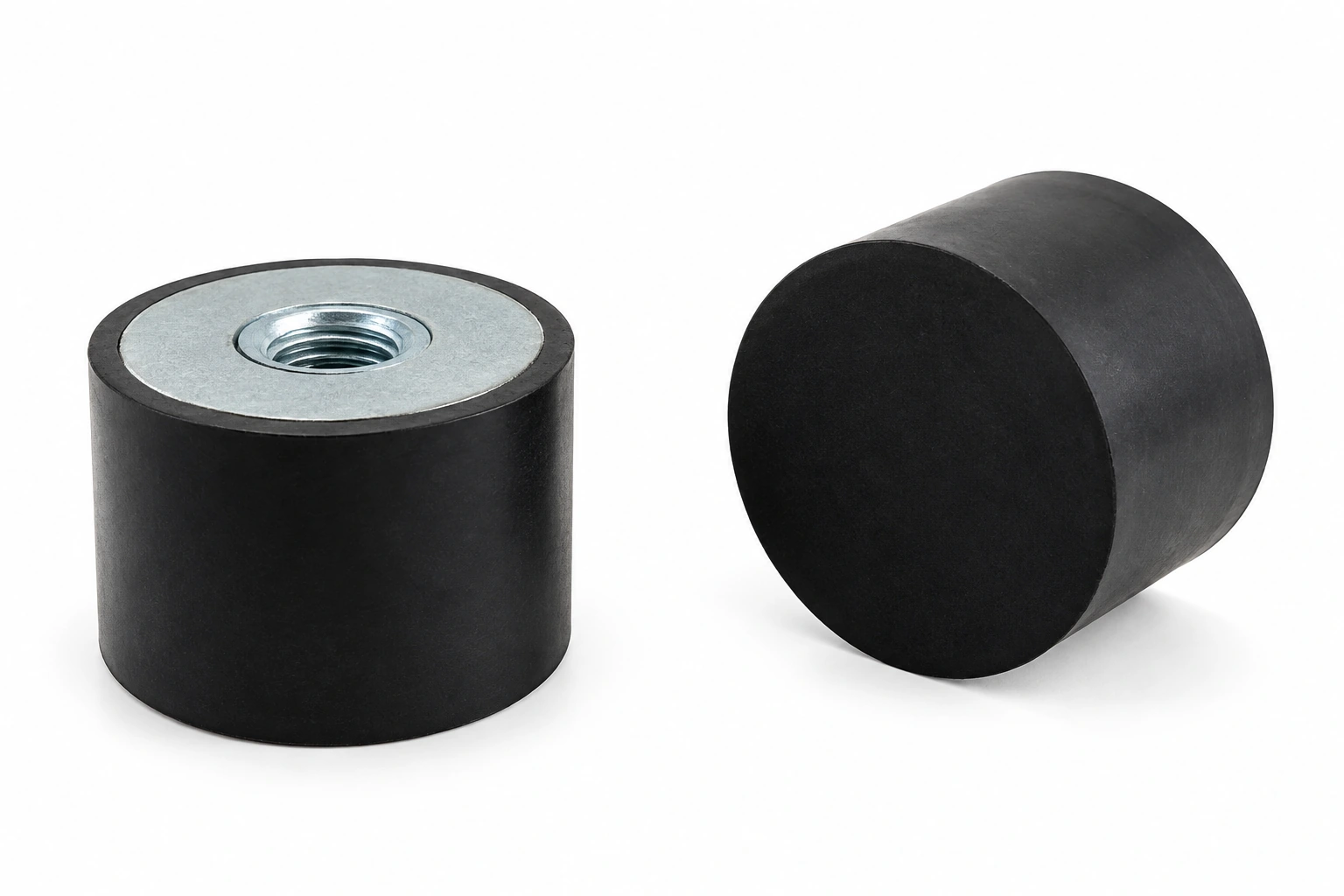
These items are made from rubber which offers the qualities essential for this protective process. The softness of this material is important for the absorption of the vibrating sensations, while the sturdiness is important for durability purposes. In addition, the rubber can be synthetically improved with things that might be essential to you, like temperature resistance for example. The density of these items can vary and should be chosen carefully. If you place rubber isolation feet with lower density under a heavier machine, the vibrations will never stop. On the contrary, placing higher density feet under something rather light, will not be suitable and the vibration will be ongoing.
Before you consider purchasing the rubber isolation feet, make sure to measure the place where these legs have to be mounted. This will ensure the fitment and good results that follow. In addition, we have various shapes that you can choose from. They start from squares to rectangles and circles. We can create everything that will suit your project the best. Just contact our firm with your requests, and we will deliver. You should not worry about the installation process because it is one of the easiest things you can do. Decide where you want to stick the legs or screw them in place. Both items are effective, but for the protection of heavier items, we recommend the screwing method more.
Vibration Mount Size Catalog
Compare five mounting arrangements using the matching drawing, thread and dimensional data. Load and compression columns retain their stated units; confirm operating conditions for your installation.
Vibration Damping Mounts A
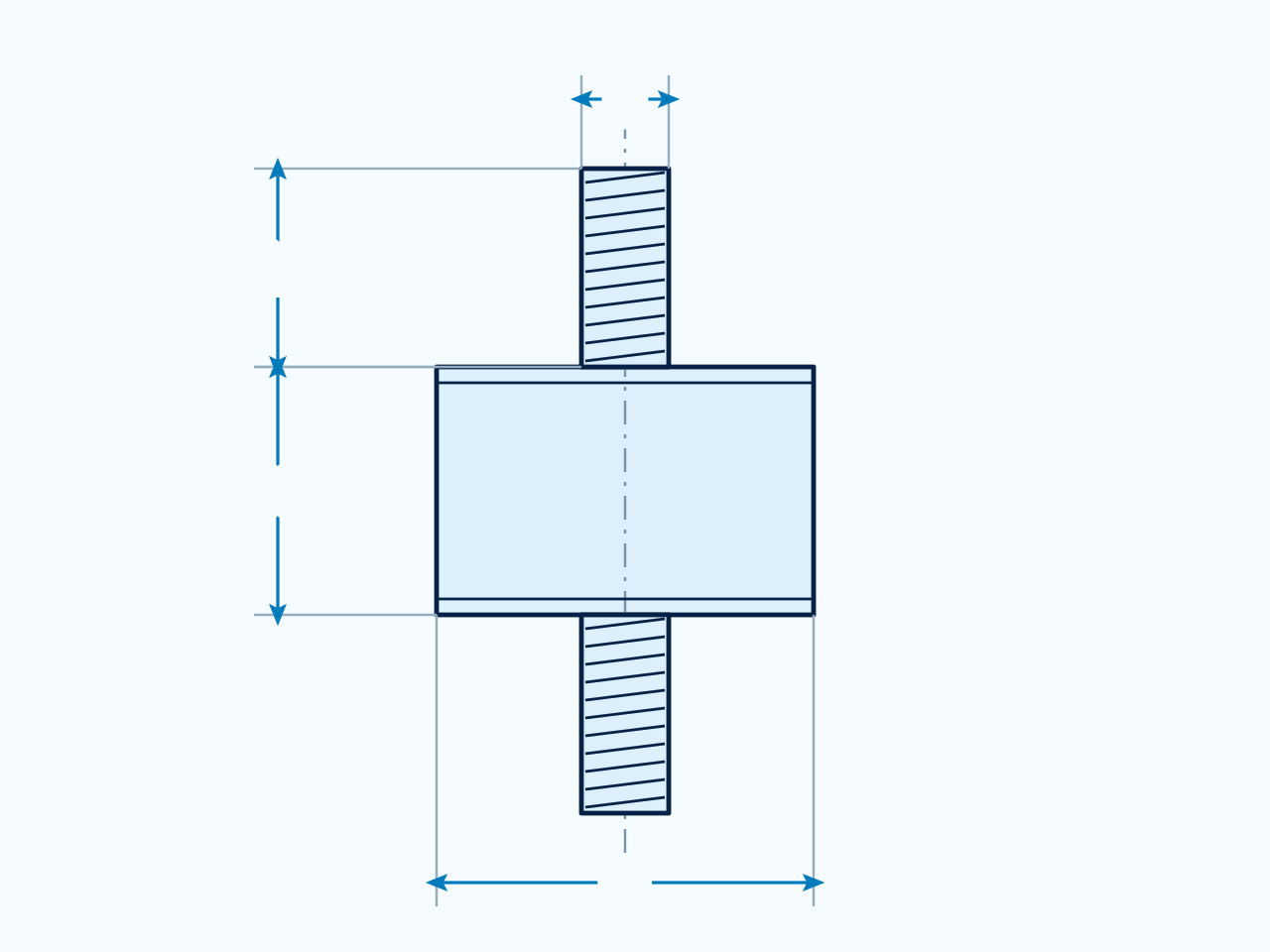
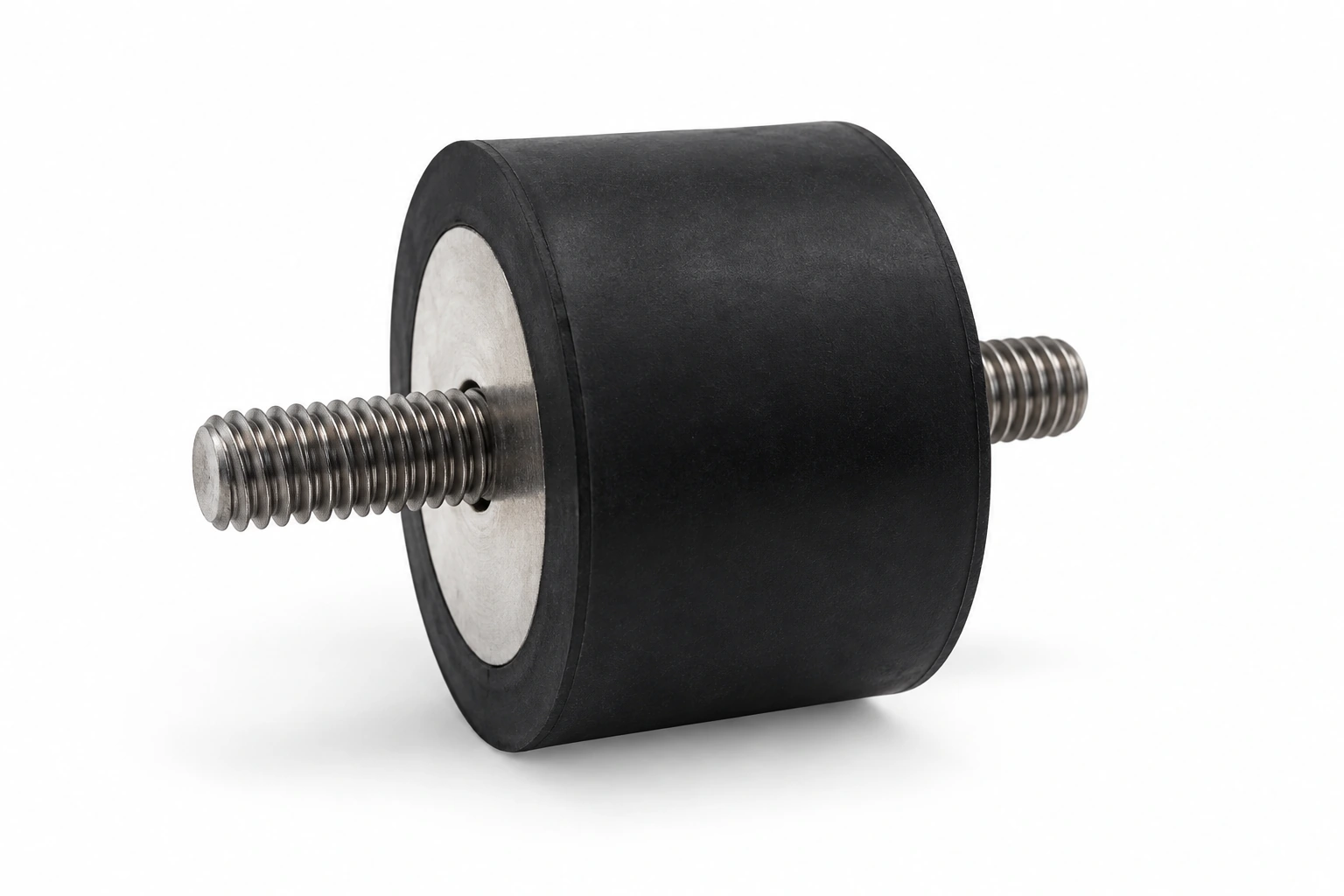
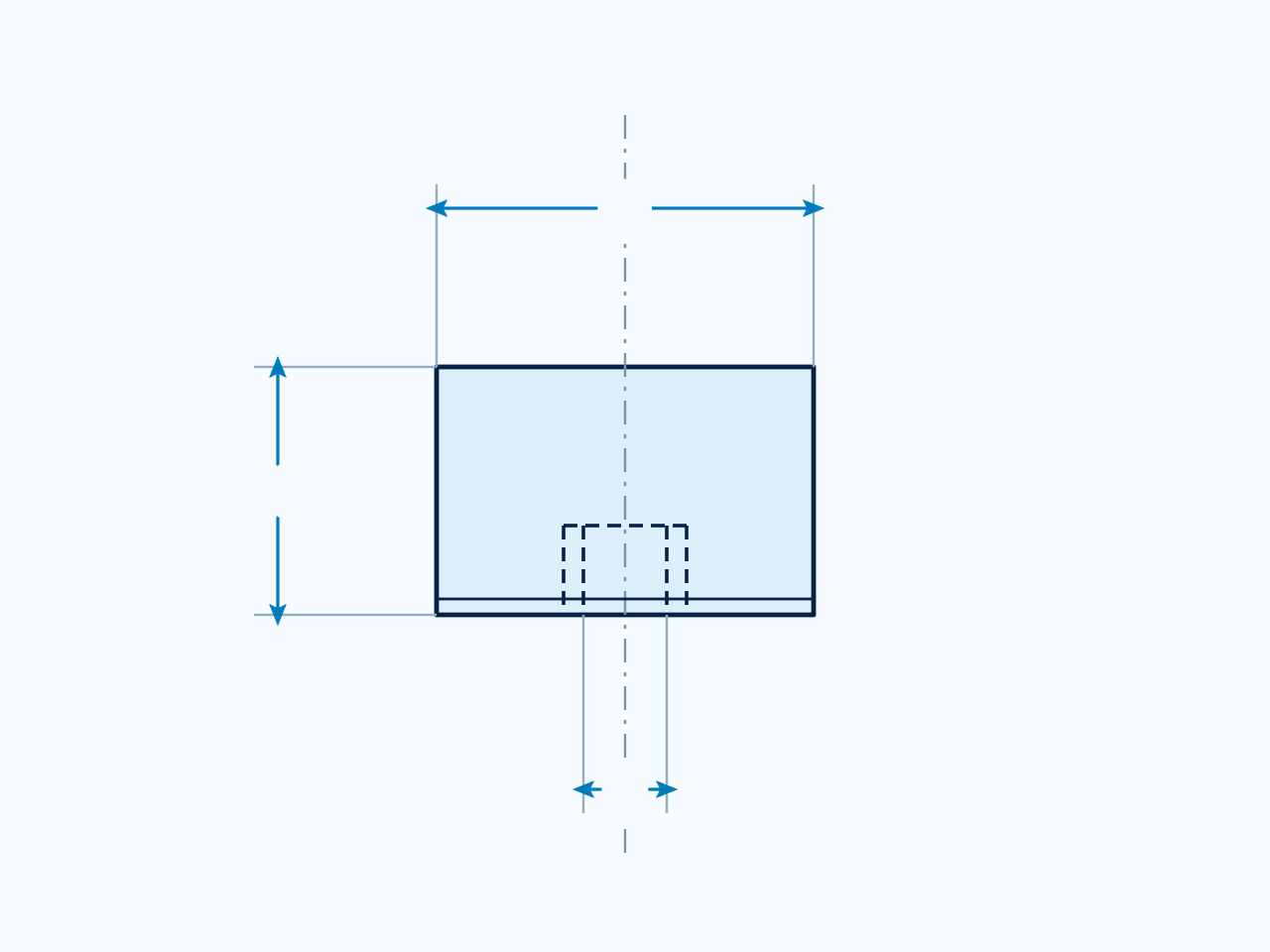
Match D, H and thread d to the drawing, including stud length L. Dimensions are in mm; thread designations, load in kg and compression in mm follow the table headings. Confirm load direction and operating conditions for your installation.
Anti-Vibration Rubber Mounts B
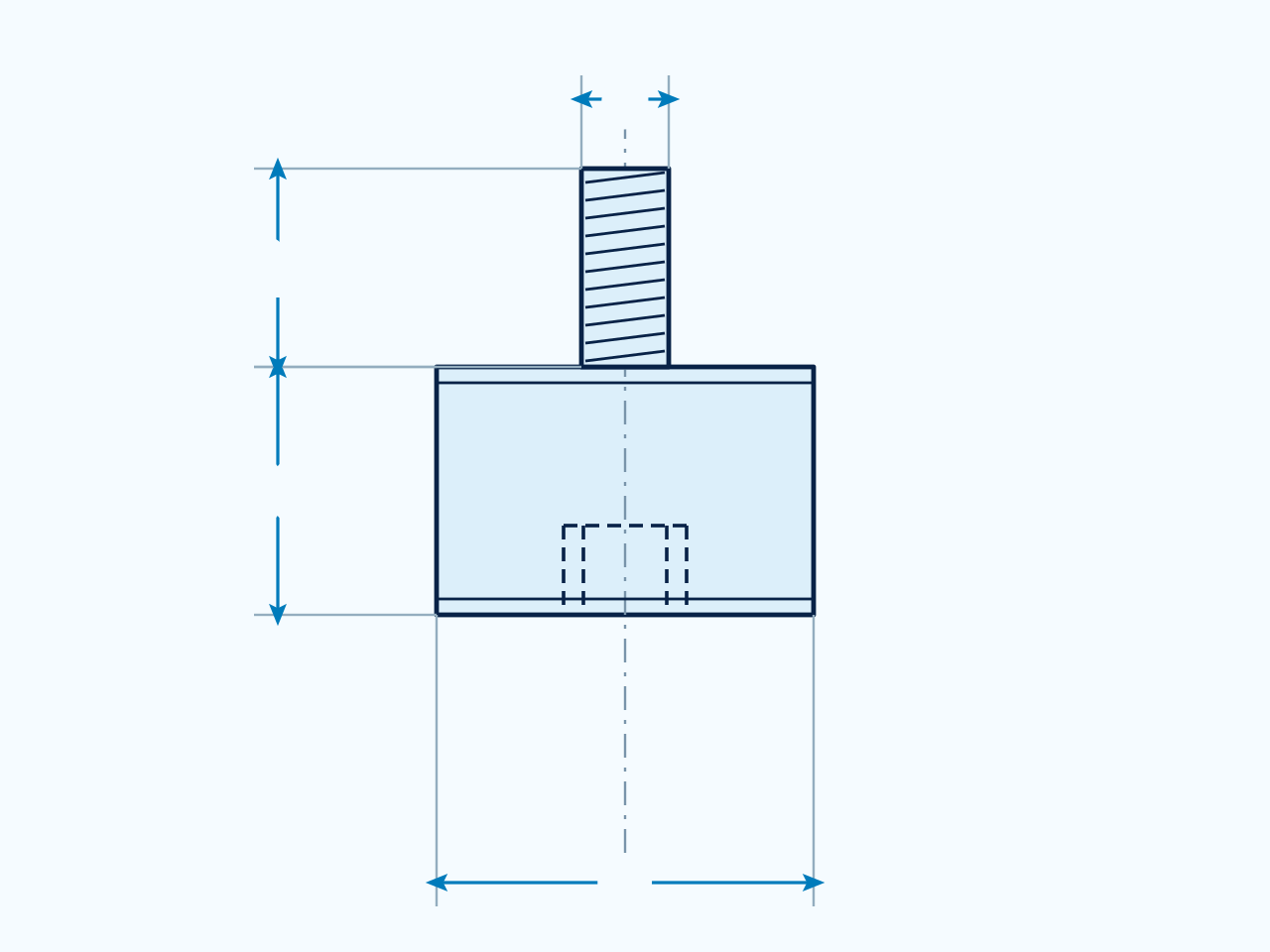
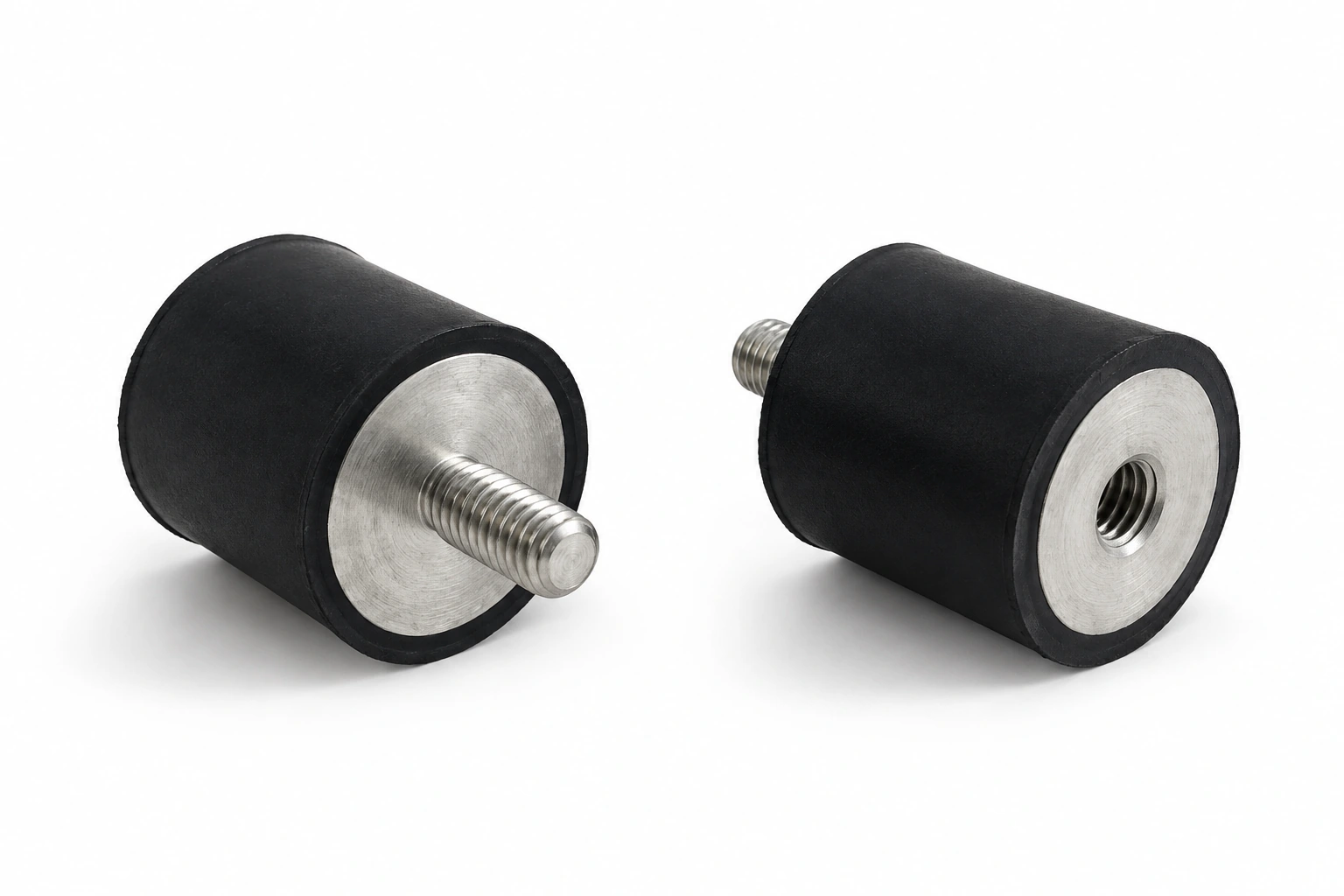
Match D, H and thread d to the drawing, including stud length L. Dimensions are in mm; thread designations, load in kg and compression in mm follow the table headings. Confirm load direction and operating conditions for your installation.
Vibration Isolators C
Match D, H and thread d to the drawing. Dimensions are in mm; thread designations, load in kg and compression in mm follow the table headings. Confirm load direction and operating conditions for your installation.
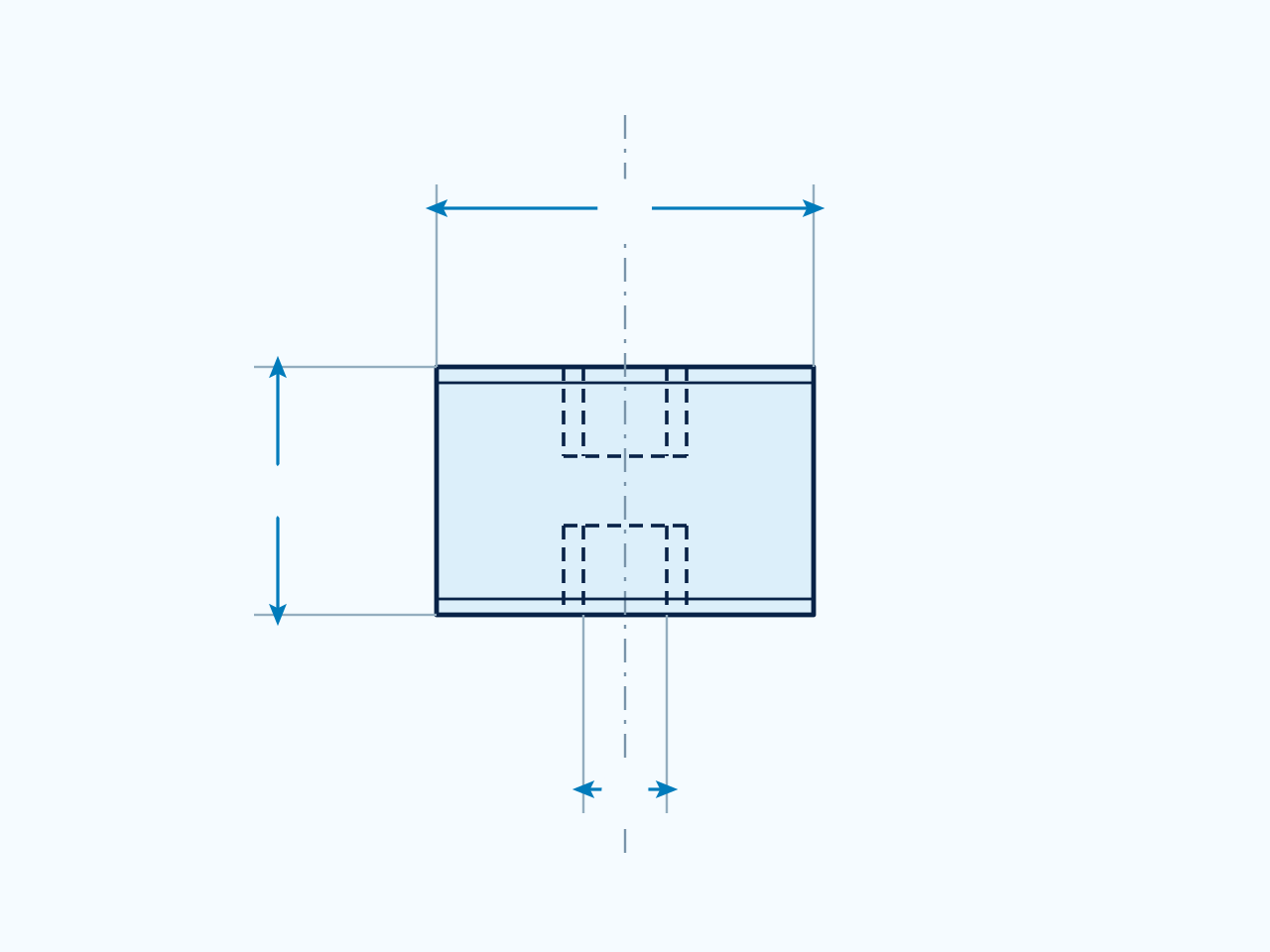
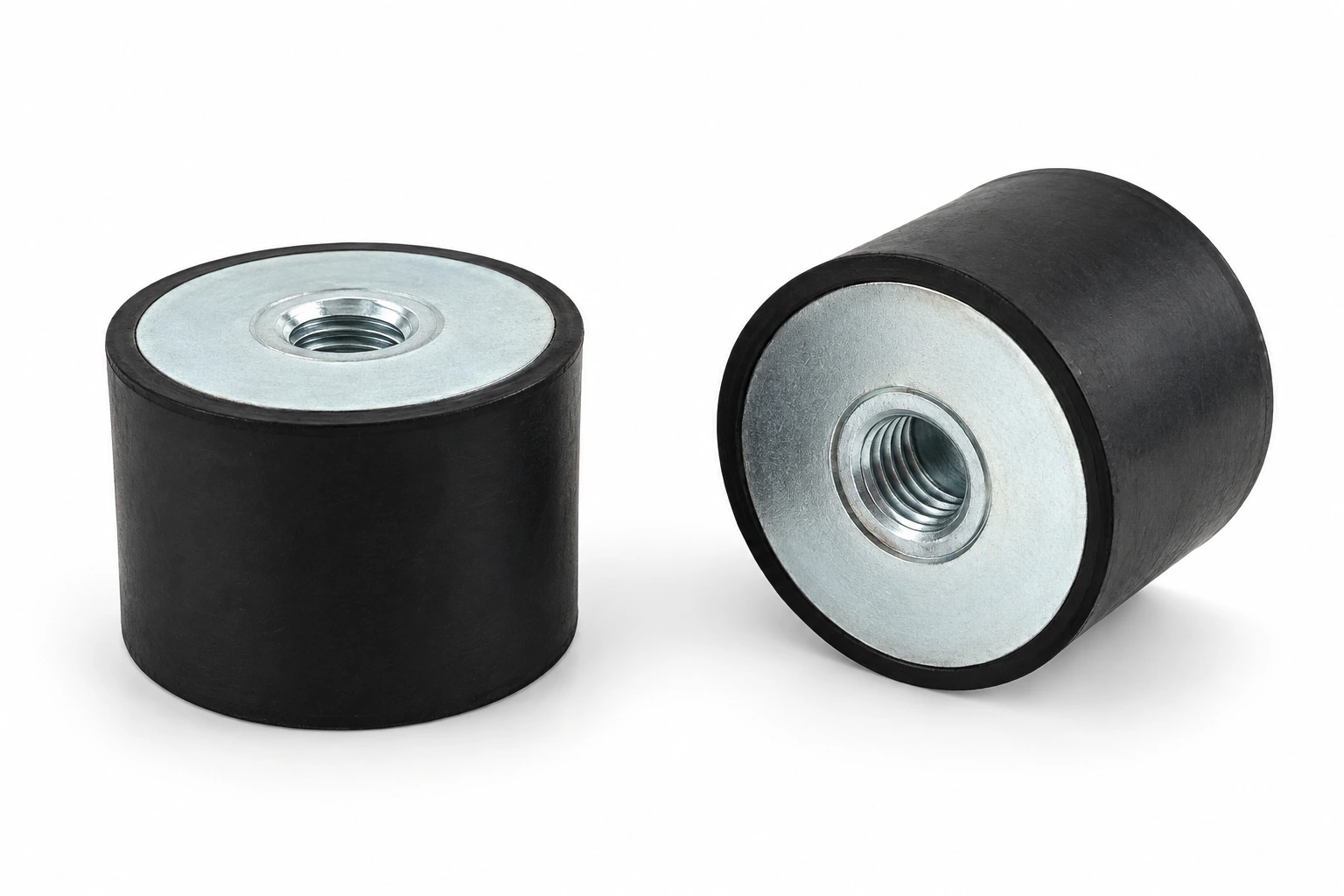
Rubber Mountings D
Match D, H and thread d to the drawing, including stud length L. Dimensions are in mm; thread designations, load in kg and compression in mm follow the table headings. Confirm load direction and operating conditions for your installation.
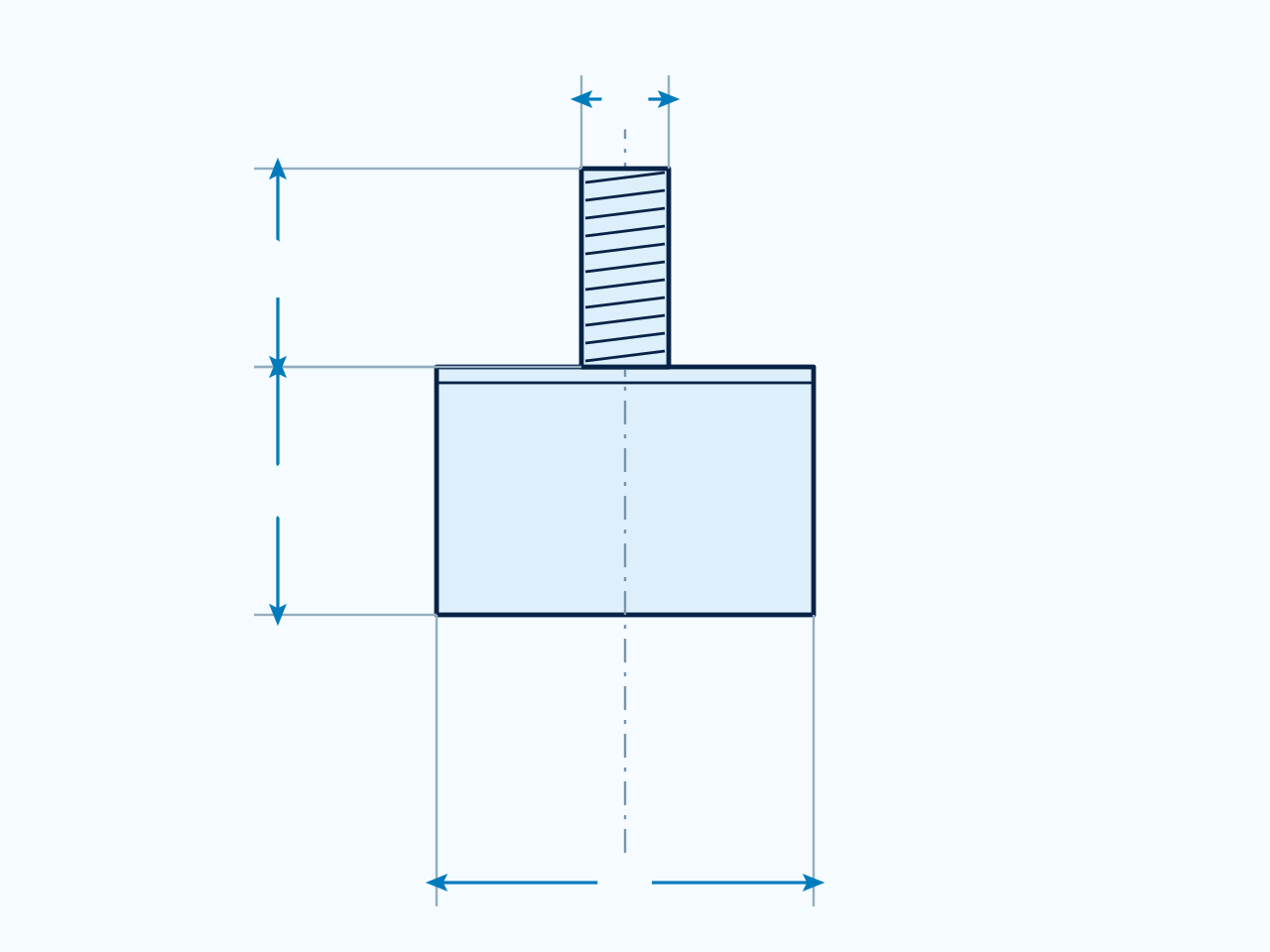
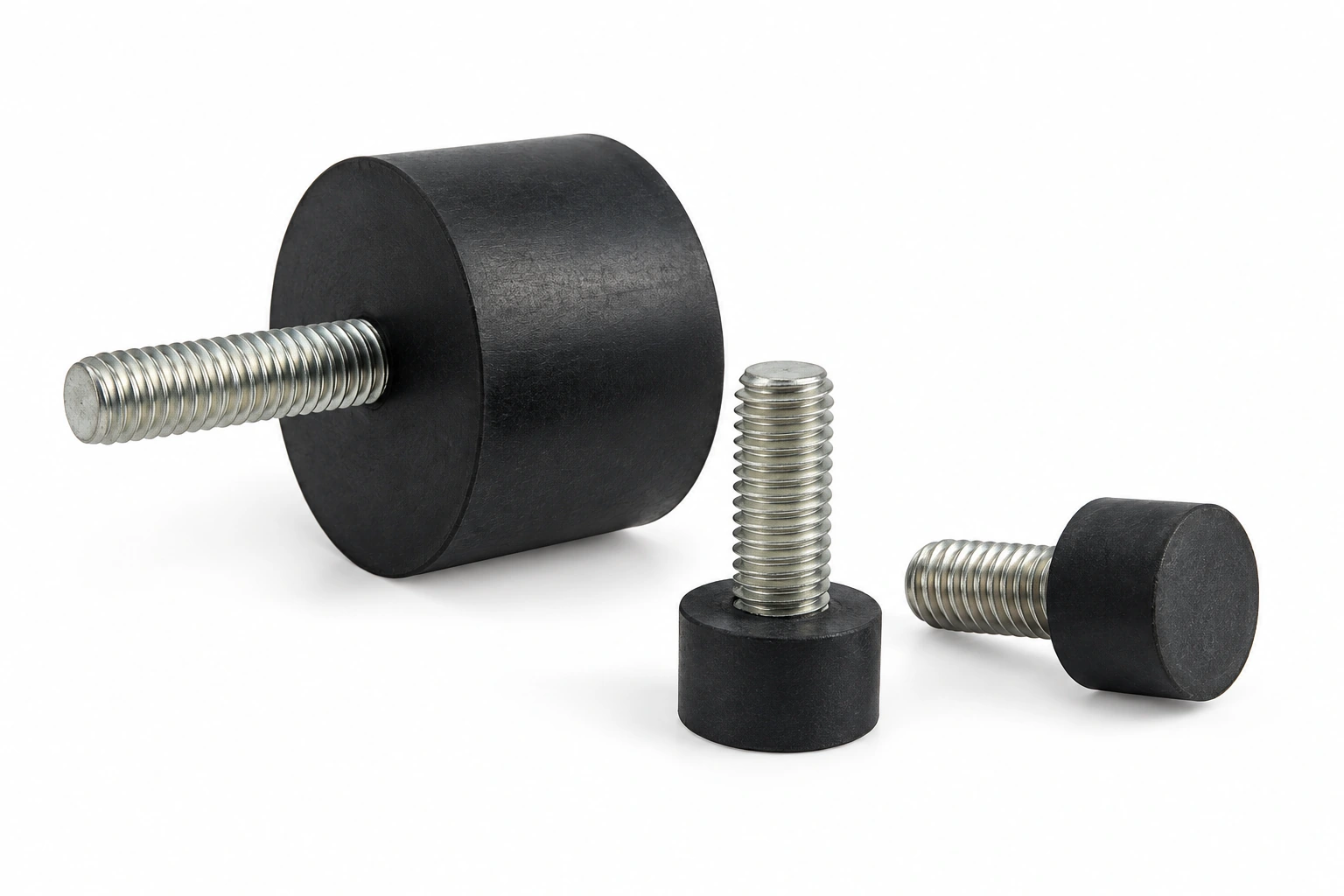
Rubber Vibration Mounts E
Match D, H and thread d to the drawing. Dimensions are in mm; thread designations, load in kg and compression in mm follow the table headings. Confirm load direction and operating conditions for your installation.
Need a different size? Share your drawing, mating dimensions and intended use to discuss a suitable part.
Discuss Your RequirementsProduct specifications
- Product form
- Elastomer mount between a vibrating assembly and its support
- Application focus
- Speaker cabinets. Size the part against the selected assembly.
- Dimensions to confirm
- Free and loaded heights, attachment spacing and body envelope. Match these to speaker cabinets.
- Isolation objectives
- Steady vibration and structure-borne noise. Define a measurable acceptance target on the supported assembly.
- Construction discussed
- Bolts or screws. Detail the chosen arrangement and all mating hardware on the drawing.
- Dynamic selection
- Use the load per mount, excitation frequency and allowed movement to select the mount.
Need a quote or a custom part?
Send your requirements, drawings or samples to discuss standard and custom silicone rubber parts.
Email us[email protected]