
Rubber isolation feet
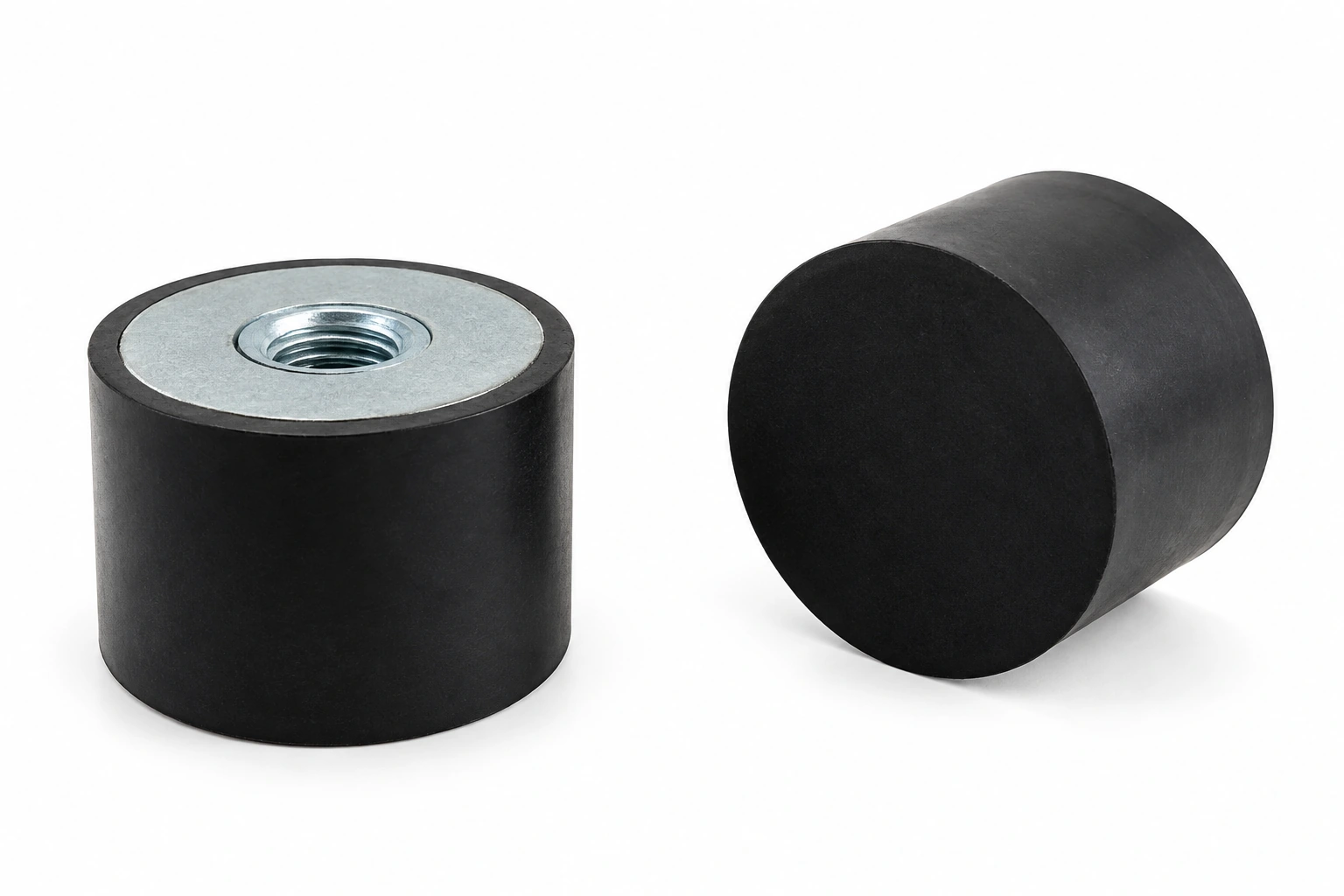
Rubber isolation feet are usually made of natural rubber because the primary purpose is vibration insulation, and for that purpose natural rubber is an ideal choice. That is why rubber isolation feet are especially used in the music industry, because without rubber isolation feet it would be very difficult to organize concerts or record in a studio. Of course, as this is not the only purpose of rubber insulation feet, but there are many, you can find or order custom and rubber insulation feet made from other types of rubber. For example, if it comes in contact with very high temperatures, then silicone is a common choice, and Viton, SBR, EPDM and others are also used, depending on whether it will be in contact with chemicals, water, weather or something else.
Although the primary purpose of rubber insulation feet is to reduce vibration, you can use them for many other things as well. Rubber feet are generally very versatile and wherever you think it can benefit you, you can use them. Many put them in to prevent furniture from slipping and damaging the parquet. Also, they can be used to improve ventilation. When you place rubber insulation feet on furniture or any other object, that object will be slightly lifted off the ground and thus airflow will be improved. All this will ensure that no moisture is created and everything else that goes with the appearance of moisture. Rubber isolation feet can even serve as a plug, if there is a hole and you have rubber insulation feet of the appropriate size.
We want to note that you will be able to find whatever size you need, because with the huge offer that is always available, you can also order custom rubber insulation feet. What can also be customized is the material as well as the color, so you can get exactly what you need.
Vibration Mount Size Catalog
Compare five mounting arrangements using the matching drawing, thread and dimensional data. Load and compression columns retain their stated units; confirm operating conditions for your installation.
Vibration Damping Mounts A
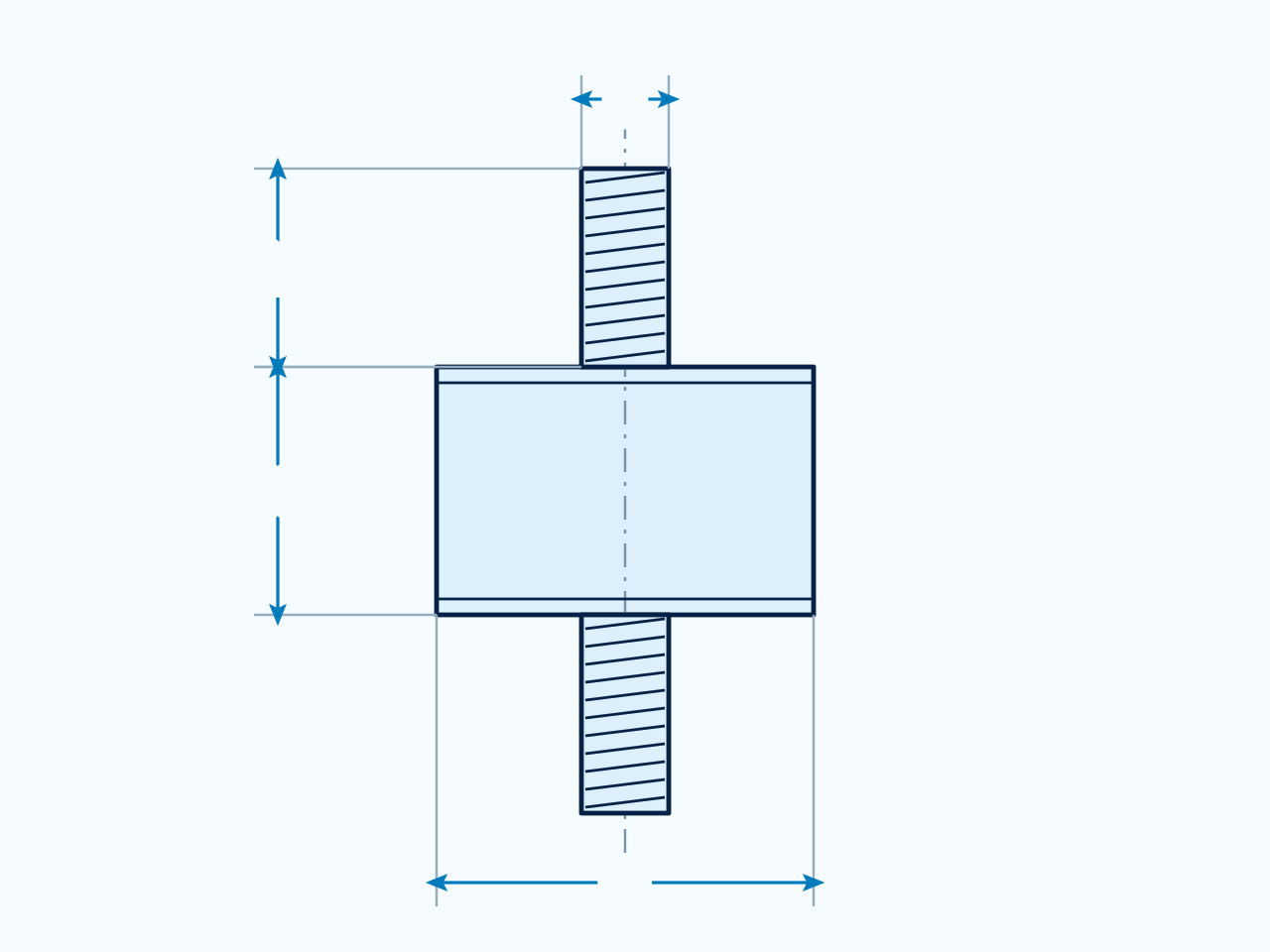
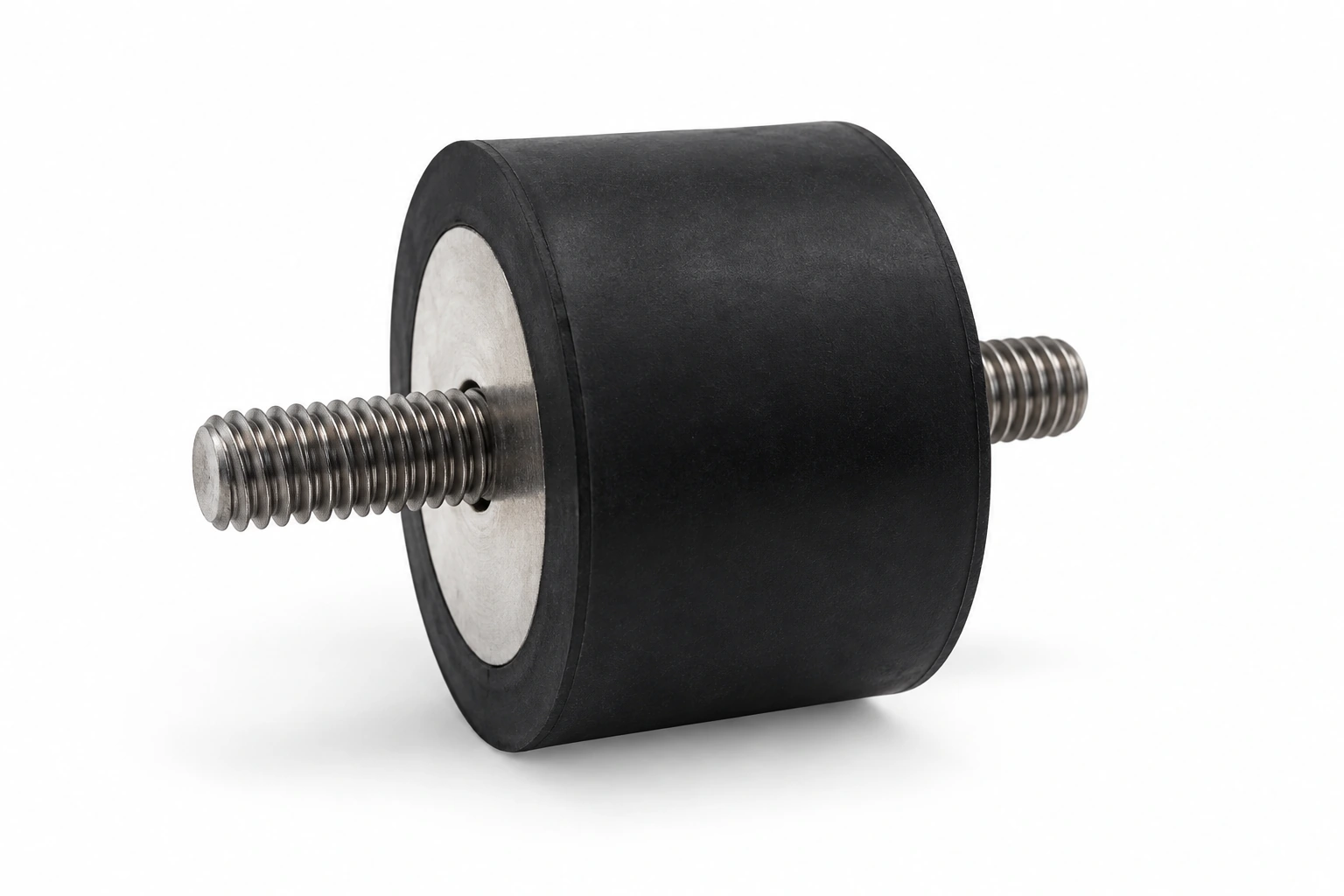
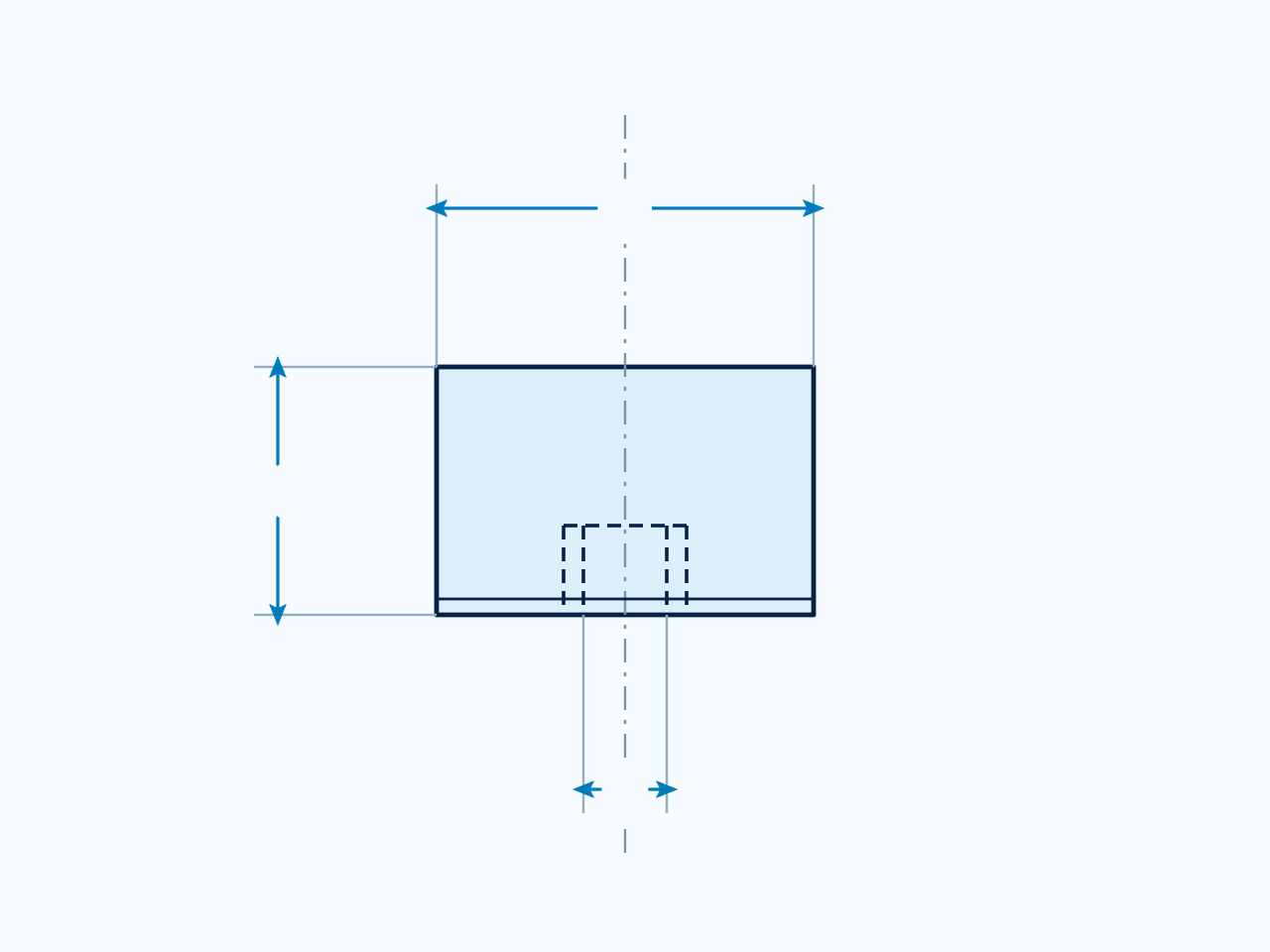
Match D, H and thread d to the drawing, including stud length L. Dimensions are in mm; thread designations, load in kg and compression in mm follow the table headings. Confirm load direction and operating conditions for your installation.
Anti-Vibration Rubber Mounts B
Match D, H and thread d to the drawing, including stud length L. Dimensions are in mm; thread designations, load in kg and compression in mm follow the table headings. Confirm load direction and operating conditions for your installation.
Vibration Isolators C
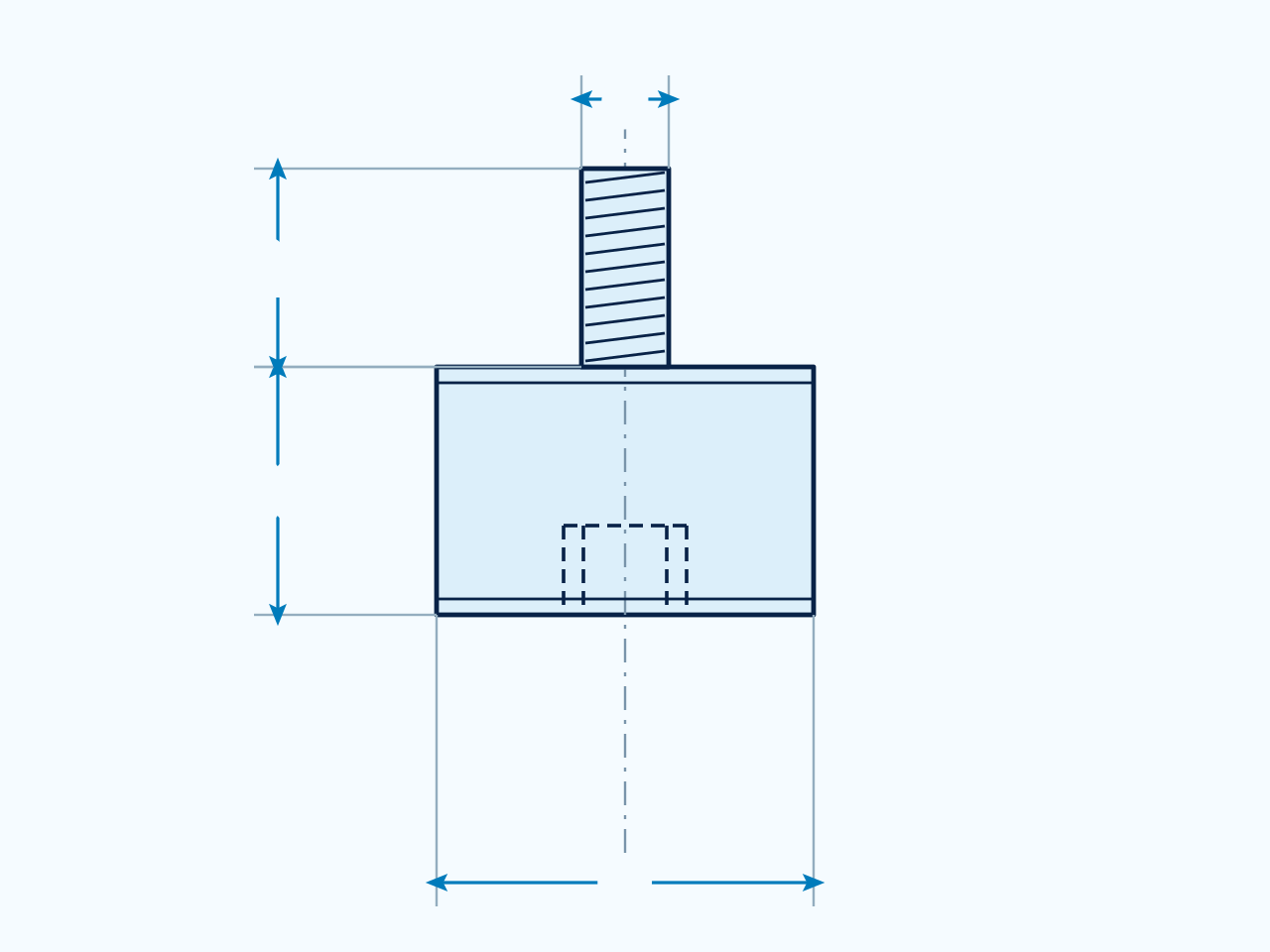
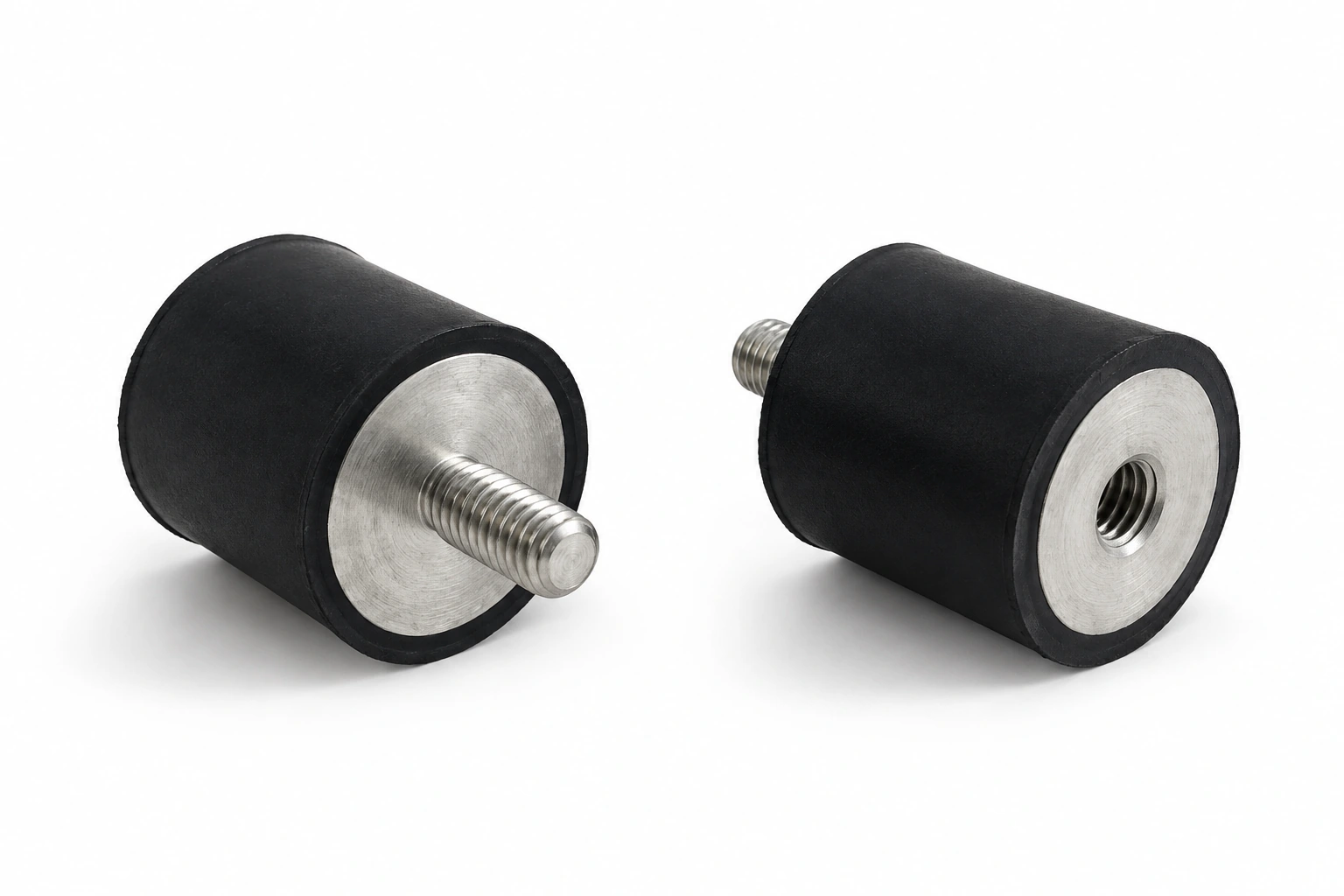
Match D, H and thread d to the drawing. Dimensions are in mm; thread designations, load in kg and compression in mm follow the table headings. Confirm load direction and operating conditions for your installation.
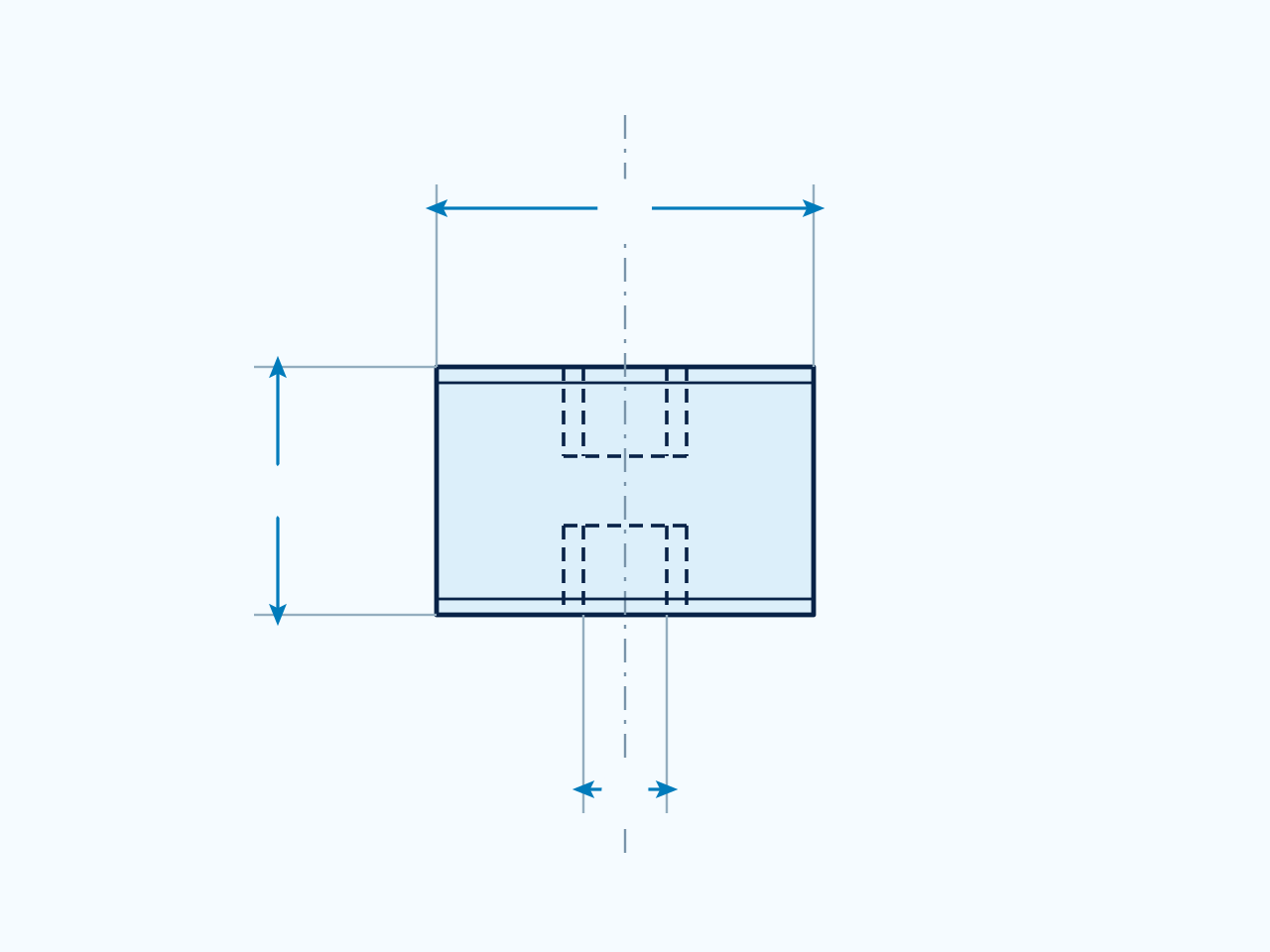
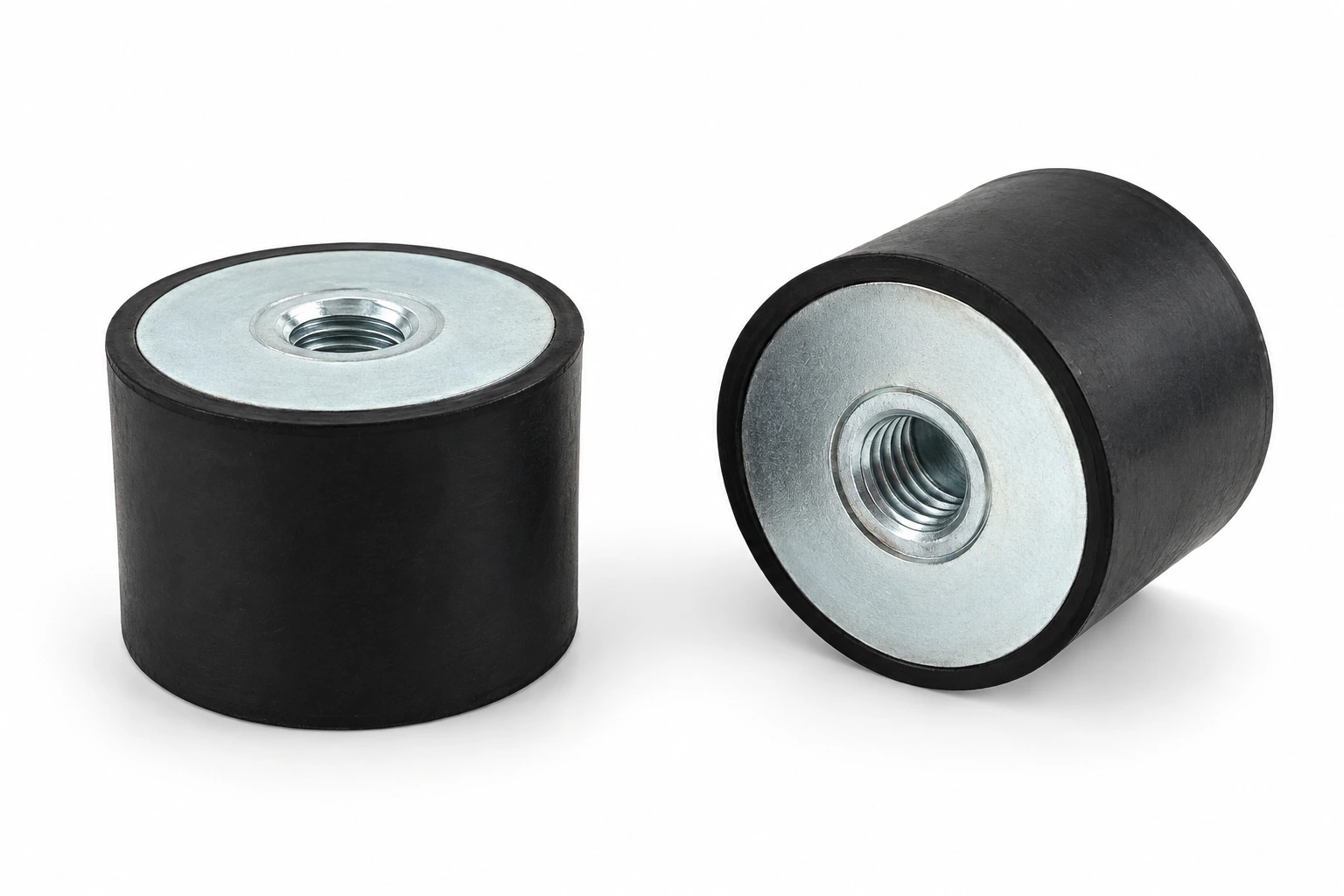
Rubber Mountings D
Match D, H and thread d to the drawing, including stud length L. Dimensions are in mm; thread designations, load in kg and compression in mm follow the table headings. Confirm load direction and operating conditions for your installation.
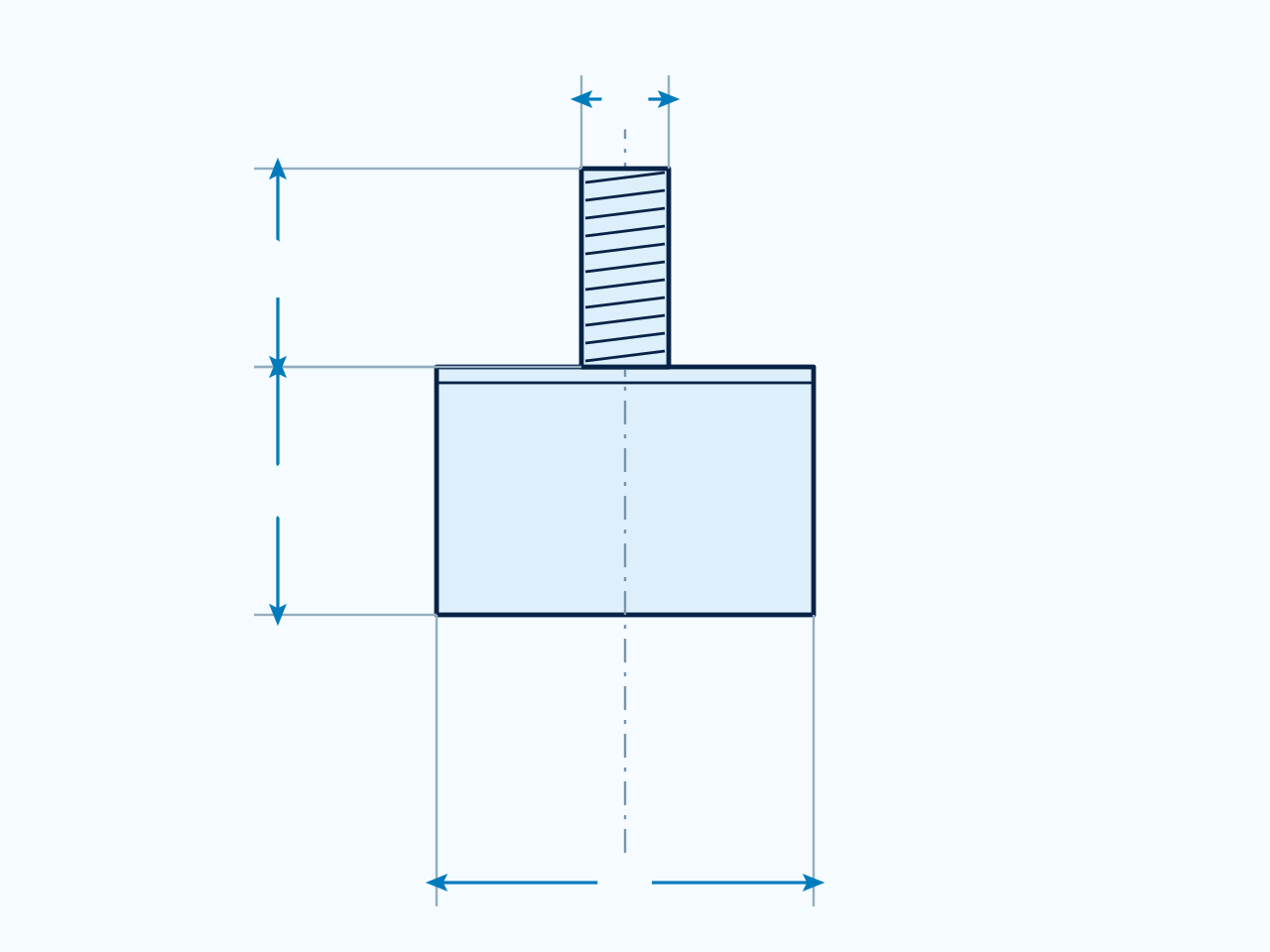
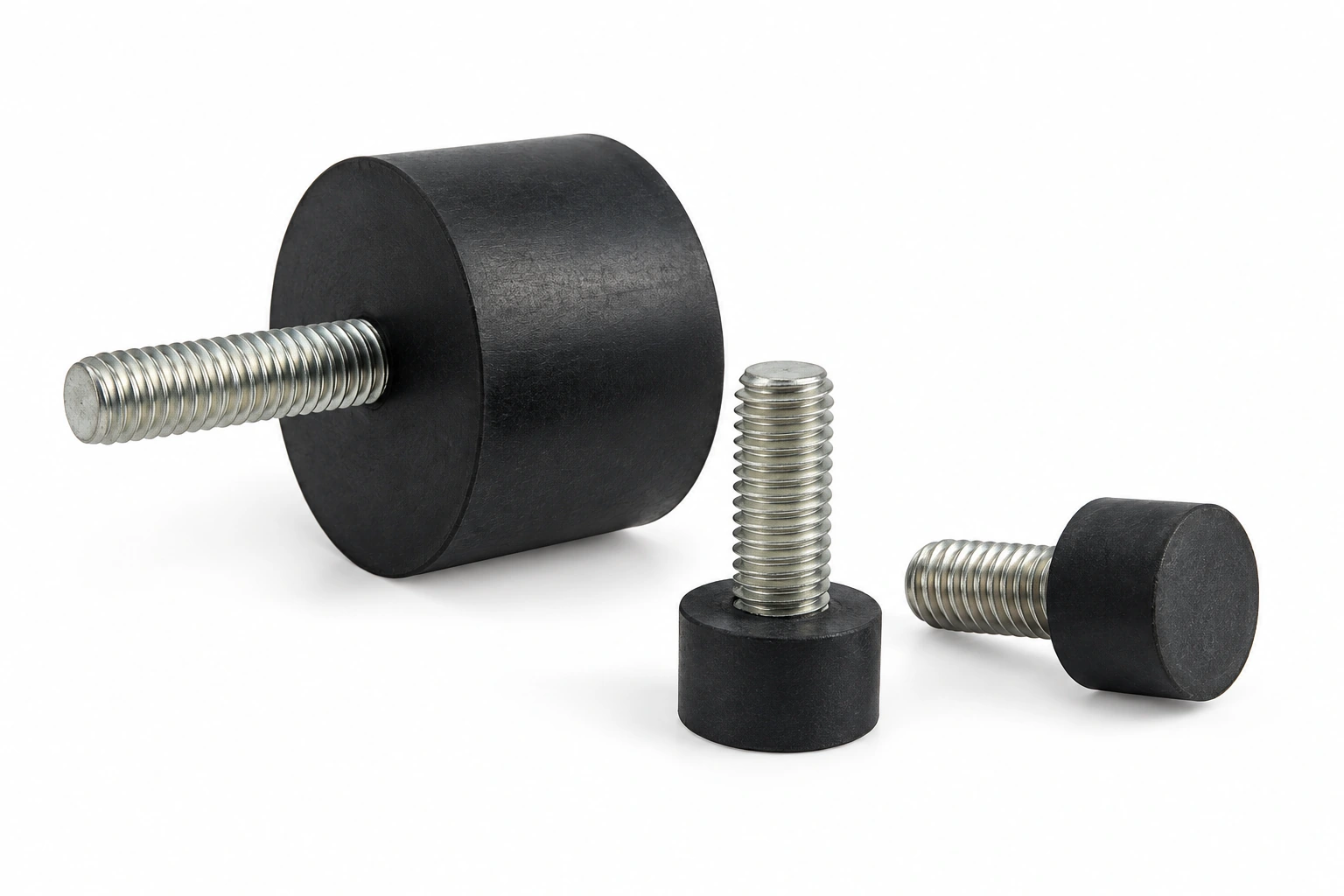
Rubber Vibration Mounts E
Match D, H and thread d to the drawing. Dimensions are in mm; thread designations, load in kg and compression in mm follow the table headings. Confirm load direction and operating conditions for your installation.
Need a different size? Share your drawing, mating dimensions and intended use to discuss a suitable part.
Discuss Your RequirementsProduct specifications
- Product form
- Elastomer mount between a vibrating assembly and its support
- Material options discussed
- Silicone, EPDM, FKM, natural rubber / latex and SBR. Choose one formulation for the actual contact and loading conditions.
- Application focus
- HVAC or ventilation equipment. Size the part against the selected assembly.
- Dimensions to confirm
- Free and loaded heights, attachment spacing and body envelope. Match these to HVAC or ventilation equipment.
- Exposure to evaluate
- Outdoor weather and moisture. Validate the selected material under the combined conditions.
- Isolation objectives
- Steady vibration and sliding at the support. Define a measurable acceptance target on the supported assembly.
- Dynamic selection
- Use the load per mount, excitation frequency and allowed movement to select the mount.
Need a quote or a custom part?
Send your requirements, drawings or samples to discuss standard and custom silicone rubber parts.
Email us[email protected]