
Rubber Isolation Grommets
When we say rubber insulation grommets – we immediately think of sealing and plugging holes and water insulation. While this may be one kind of explanation, it’s not quite that simple. Namely, rubber insulation grommets have a huge application and multipurpose use. They are produced in various shapes and colors – they are used almost everywhere from the car industry, through children’s toys, to the food industry. But let’s go in order.
Rubber isolation grommets primarily serve to prevent damage – and since they are waterproof, this means that water cannot penetrate and cause additional damage. Each toilet, shower, drain, etc. – contains one or more of these rubber insulation grommets. They are fixed and they are preventing water from circulating in places where it’s not supposed to. Due to their flexibility and elasticity, they are very practical and useful. If necessary, and according to the purpose, they can be made of harder but also softer rubber.
Due to their properties, rubber insulation grommets are often used in the electrical industry when protecting cables or working with high voltage current – where rubber protects but also insulates cables, accumulators, tanks, or other appliances from contact with each other and contact with water. Rubber insulation grommets withstand both high and low temperatures, so in the automotive industry, they are used as inserts for most cables and screws in the engine – or the rest of the parts for cars or other means of transport.
Speaking of protection, even special working footwear is made with rubber insulating crampons that will protect the wearer. However, rubber grommets are most often used as sealants on various appliances from TVs to kitchen appliances that are in frequent contact with water – to cars where they serve as protective plugs and prevent electronics from coming into contact with water or oil.
Their use and purpose are simple and you can’t even imagine how useful and necessary it is in everyday life. You certainly encounter rubber insulation grommets every day and you may not have even thought about it this way.
Rubber Bushing Size Catalog
Compare the bore, groove and flange dimensions of the flanged rubber bushing profile against the panel and mating part.
Rubber Bushing
Use d1, d2, d3, L and t in mm as shown in the flanged-bushing drawing. Match the groove and flange to the panel opening and thickness.
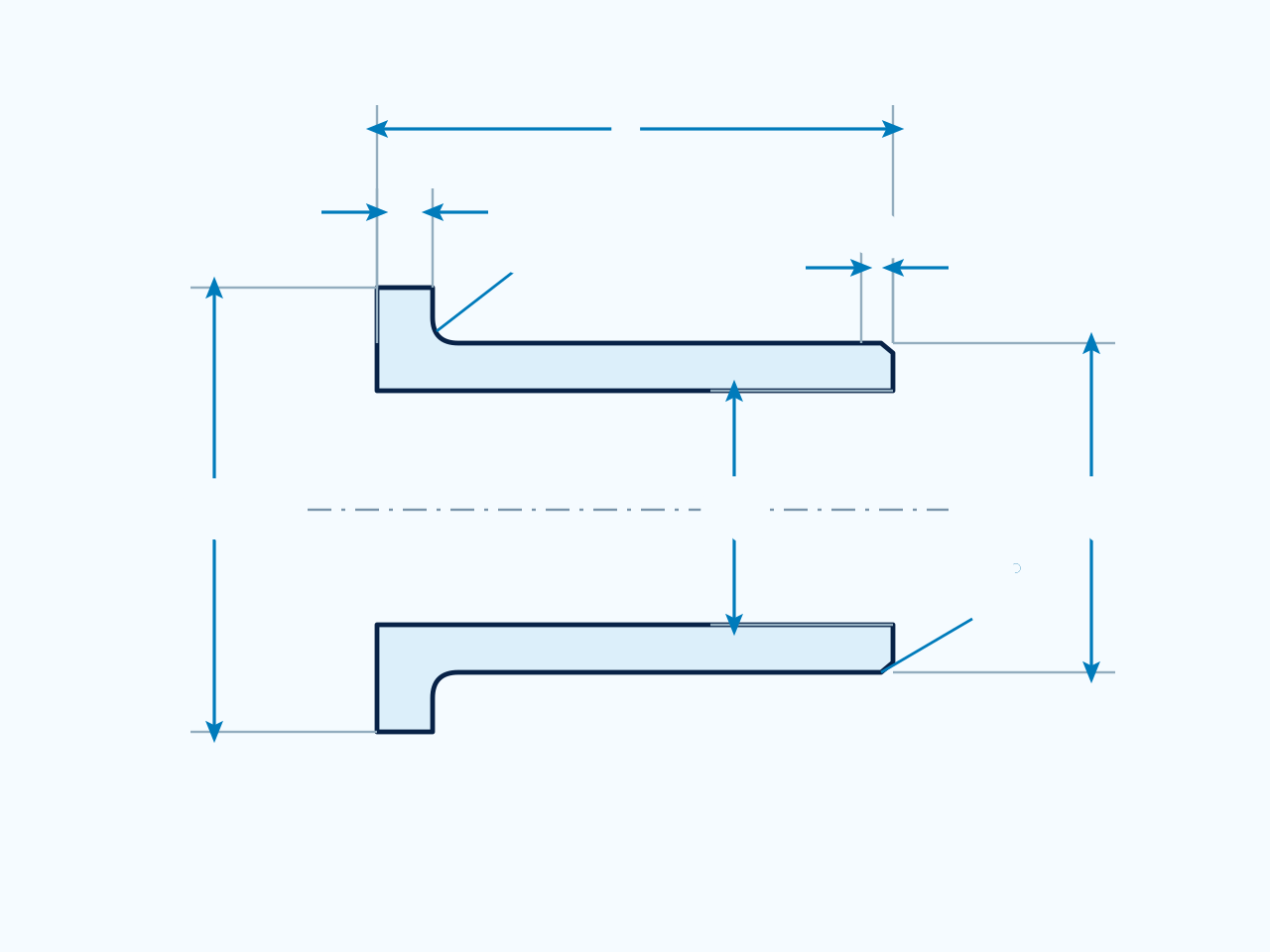
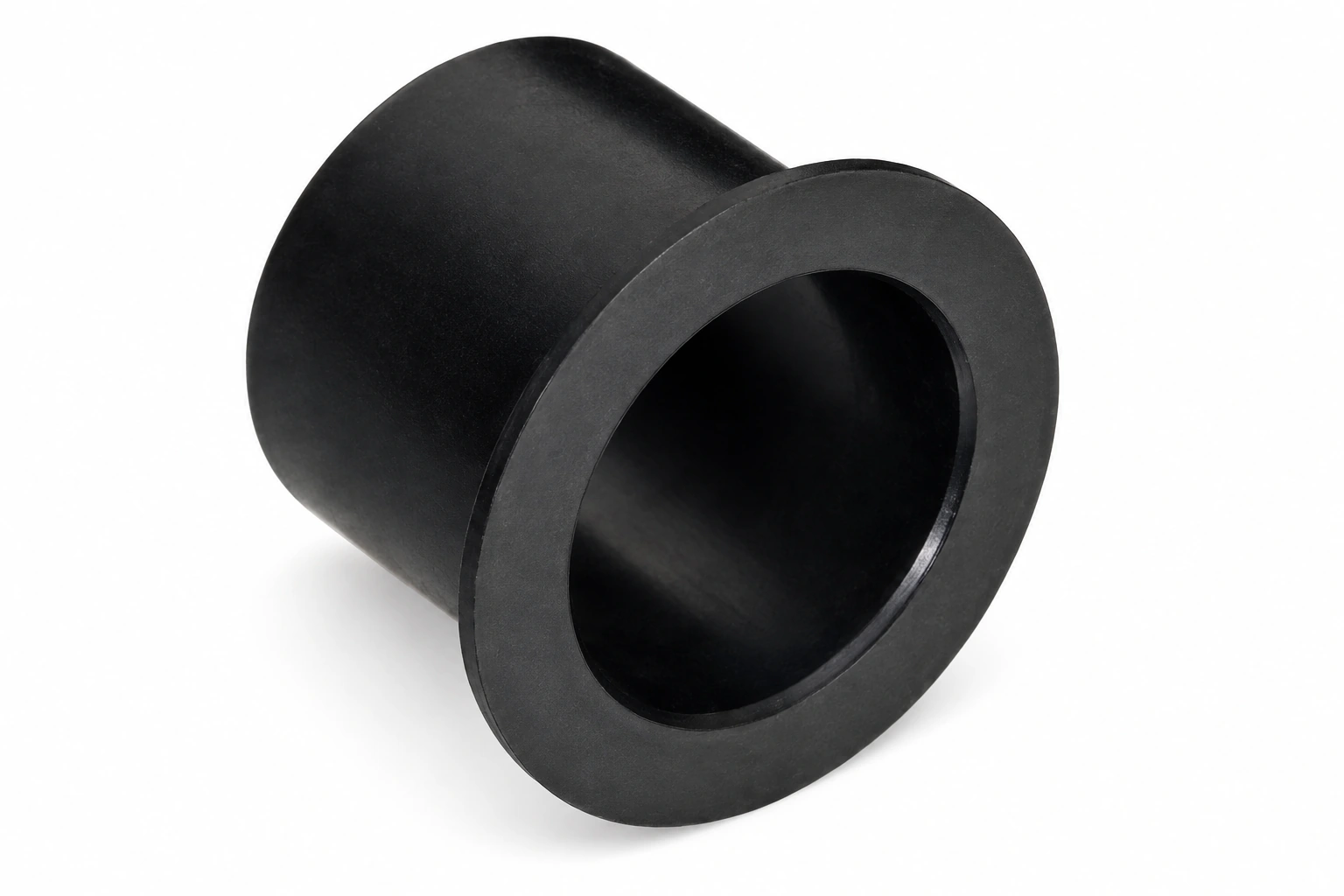
Need a different size? Share your drawing, mating dimensions and intended use to discuss a suitable part.
Discuss Your RequirementsProduct specifications
- Product form
- Resilient insert around a panel pass-through
- Dimensions to confirm
- Panel hole, panel thickness, groove width and central passage.
- Exposure to evaluate
- Heat and cold cycling and oil splash. Validate the selected material under the combined conditions.
- Edge clearance
- Check retention in the panel and clearance around the passing cable, tube or hardware.
Need a quote or a custom part?
Send your requirements, drawings or samples to discuss standard and custom silicone rubber parts.
Email us[email protected]