
Rubber Isolation Mount
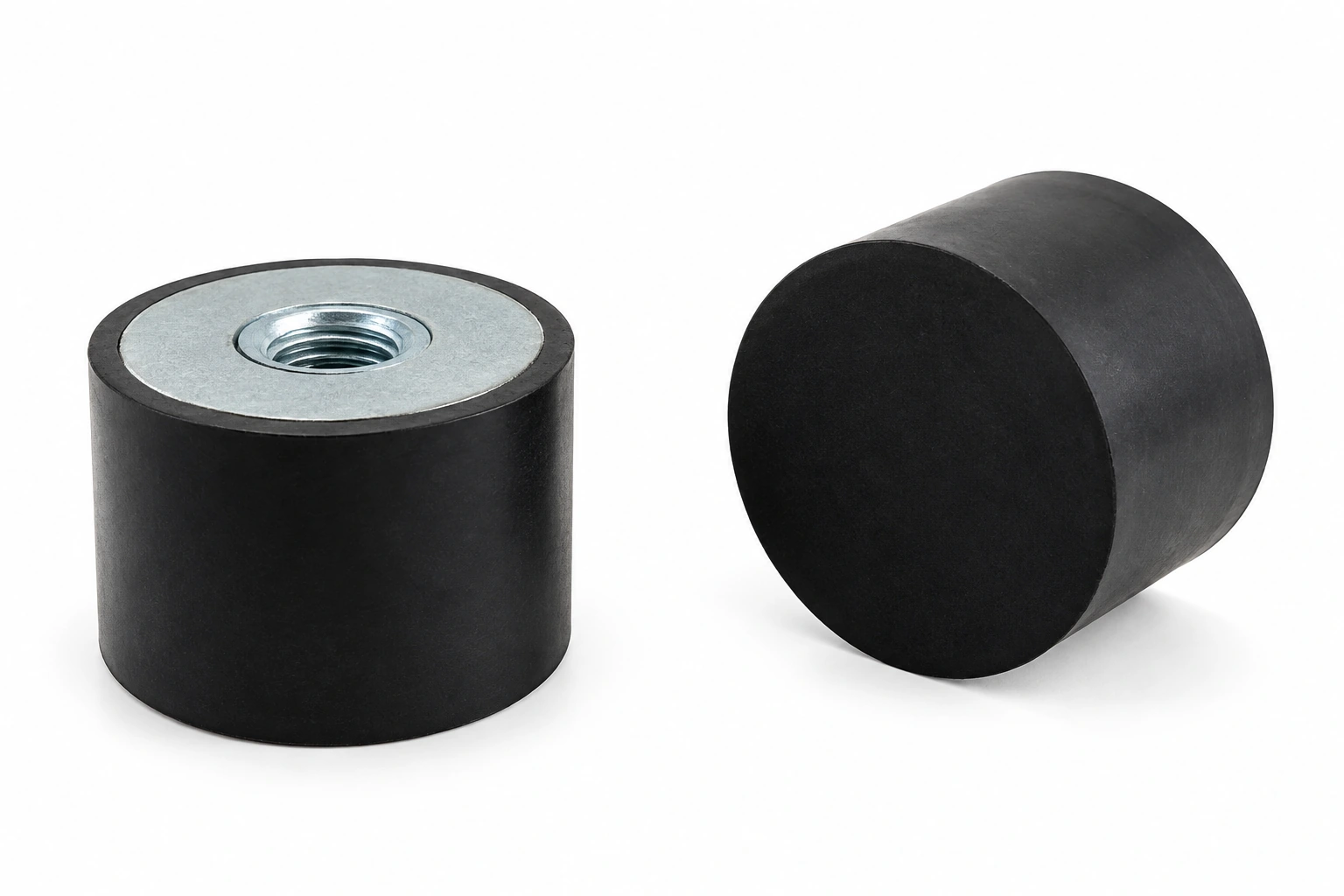
Due to its affordable price and production costs – rubber as a material is highly valued in the market. Rubber products are very useful in all forms. One of the many purposes where this material is used is the rubber insulation mount. This product is one of the best-selling, most useful, and most cost-effective – because there is no manufacturing plant, office, home, or car industry that does not use a rubber insulation mount.
Although at first glance this product does not seem too important – you are wrong. Its benefits and use-value are multiple. From the auto industry that uses over thirty types of rubber insulation mounting for its needs, onwards – this product is essential for other devices or machines to work properly. For example, we have the engine holder which is, of course, the main crankshaft of every vehicle. There is certainly a shock absorber holder on the wheels without which driving would be uncomfortable. Finally, there are numerous insulation caps for the hood, battery, gearbox, etc. In all these things, rubber insulation mounts allow everything to be fixed and give stability – while reducing vibrations and protection from water, oil, electricity, etc.
The wide application is first and foremost what makes rubber isolation mount used so massively. However, it is also their financial viability. Namely, the production is not expensive, and even in retail, they are very affordable.
It is not just the car industry that uses these useful insulation mounts. They are also widely used in the chemical, construction interior, and even food industries. By installing these rubber insulation mounts in food industry plants, you will not bear any risks – because natural rubber is non-toxic and does not affect food processing or endanger human health.
Also, the application of rubber isolation mounts in households is huge. All holders of your kitchen elements as well as technical devices have rubber insulating holders for protection – but also the absorption of strong vibrations. So these little things are actually very useful.
Vibration Mount Size Catalog
Compare five mounting arrangements using the matching drawing, thread and dimensional data. Load and compression columns retain their stated units; confirm operating conditions for your installation.
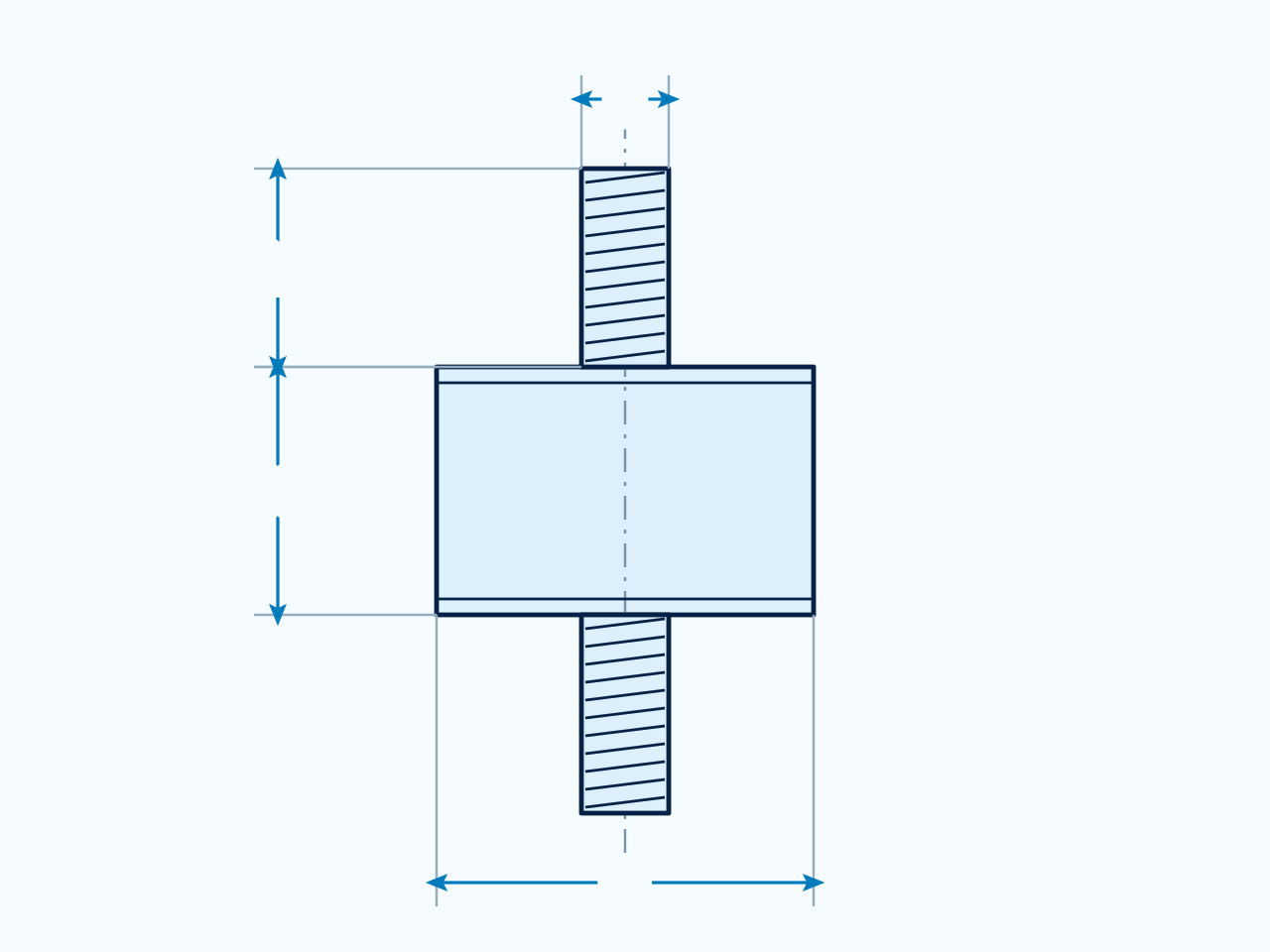
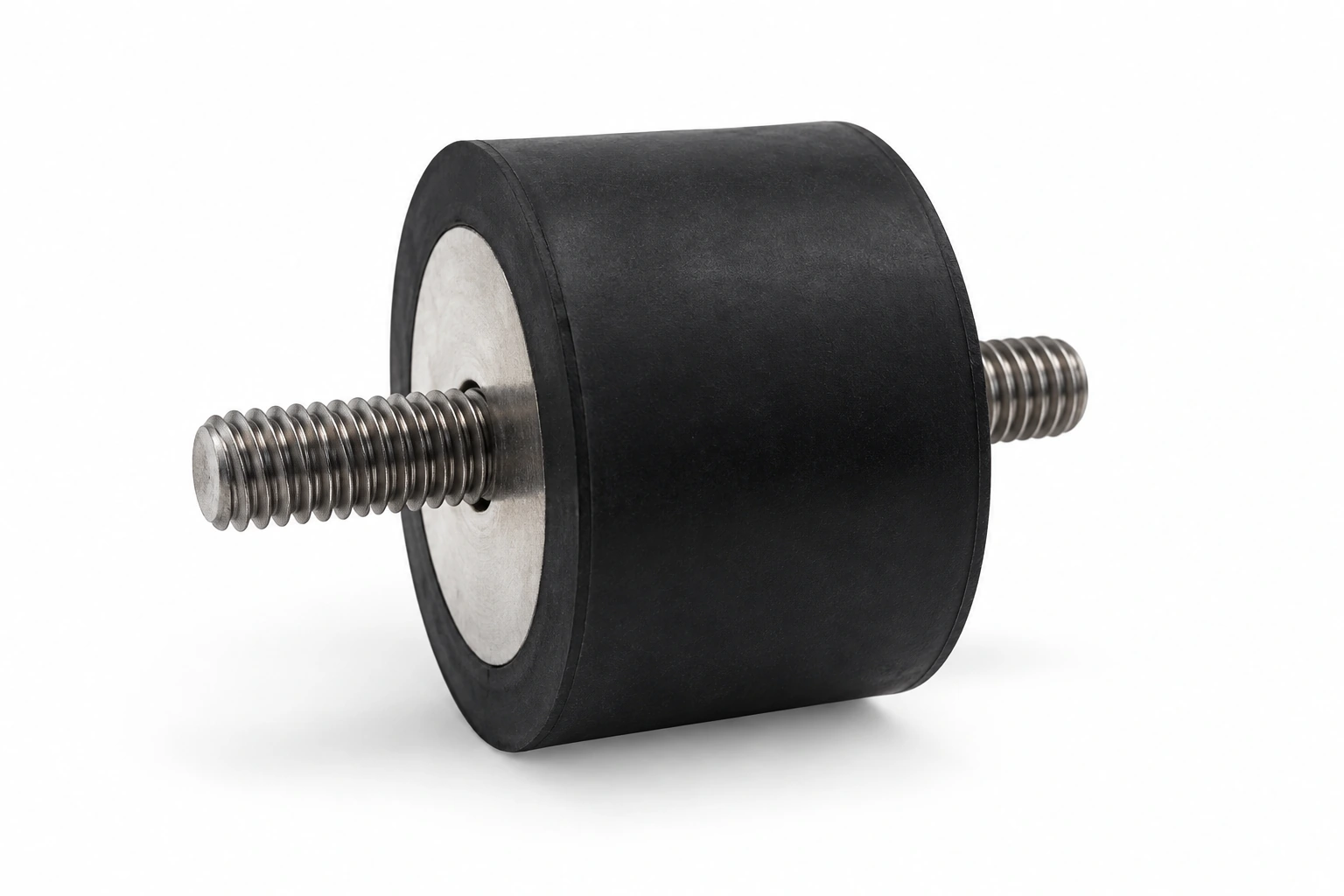
Vibration Damping Mounts A
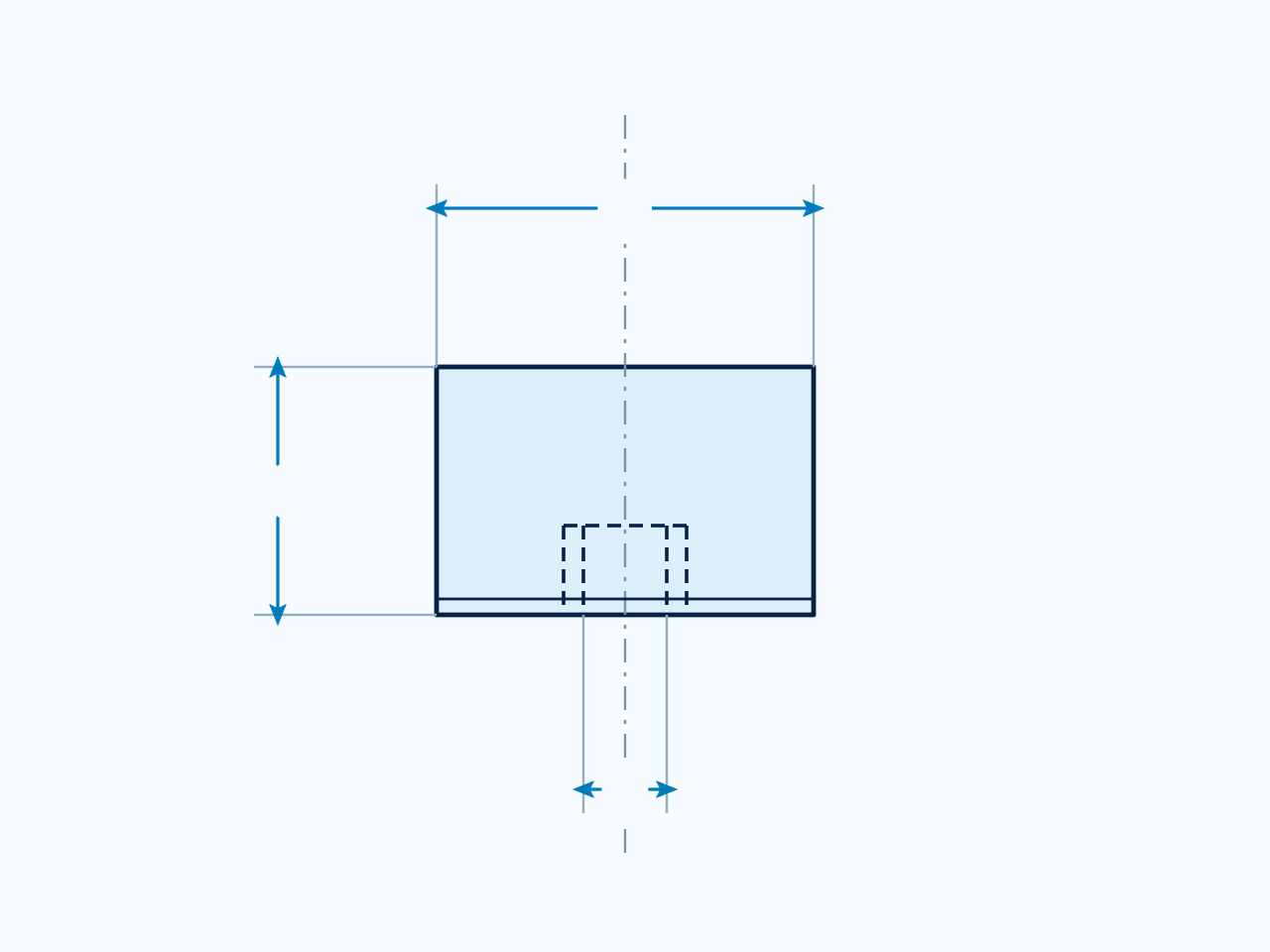
Match D, H and thread d to the drawing, including stud length L. Dimensions are in mm; thread designations, load in kg and compression in mm follow the table headings. Confirm load direction and operating conditions for your installation.
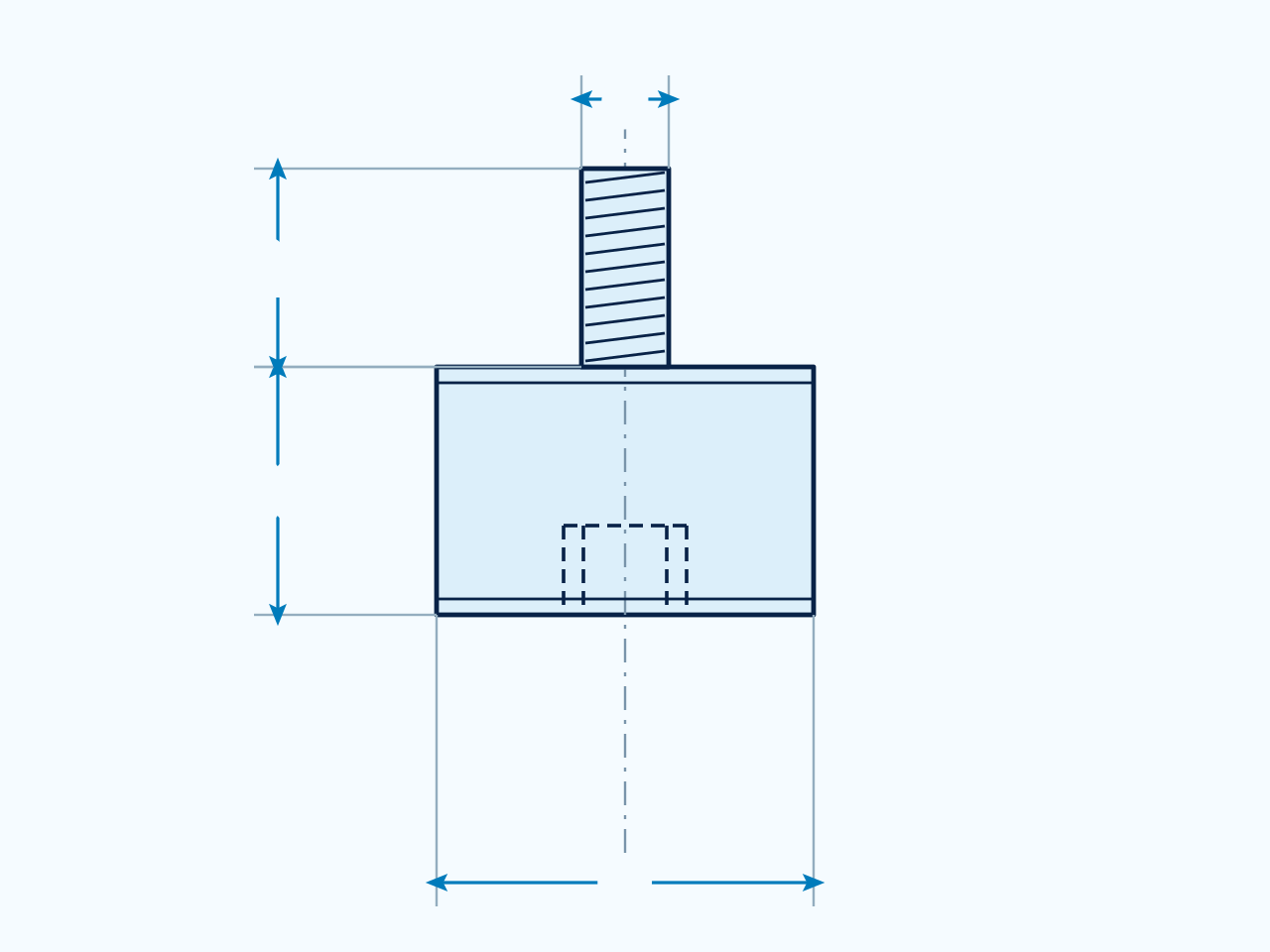
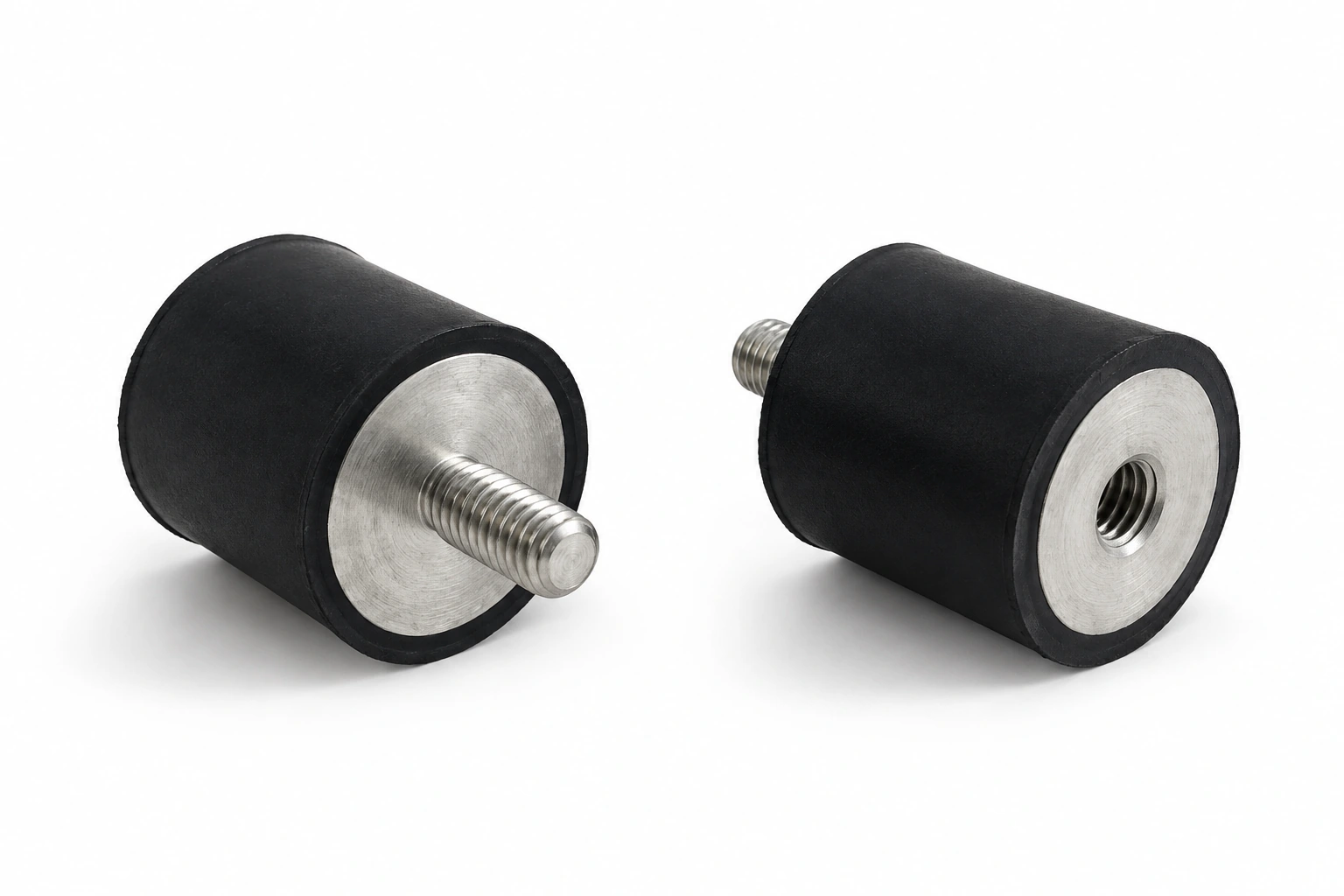
Anti-Vibration Rubber Mounts B
Match D, H and thread d to the drawing, including stud length L. Dimensions are in mm; thread designations, load in kg and compression in mm follow the table headings. Confirm load direction and operating conditions for your installation.
Vibration Isolators C
Match D, H and thread d to the drawing. Dimensions are in mm; thread designations, load in kg and compression in mm follow the table headings. Confirm load direction and operating conditions for your installation.
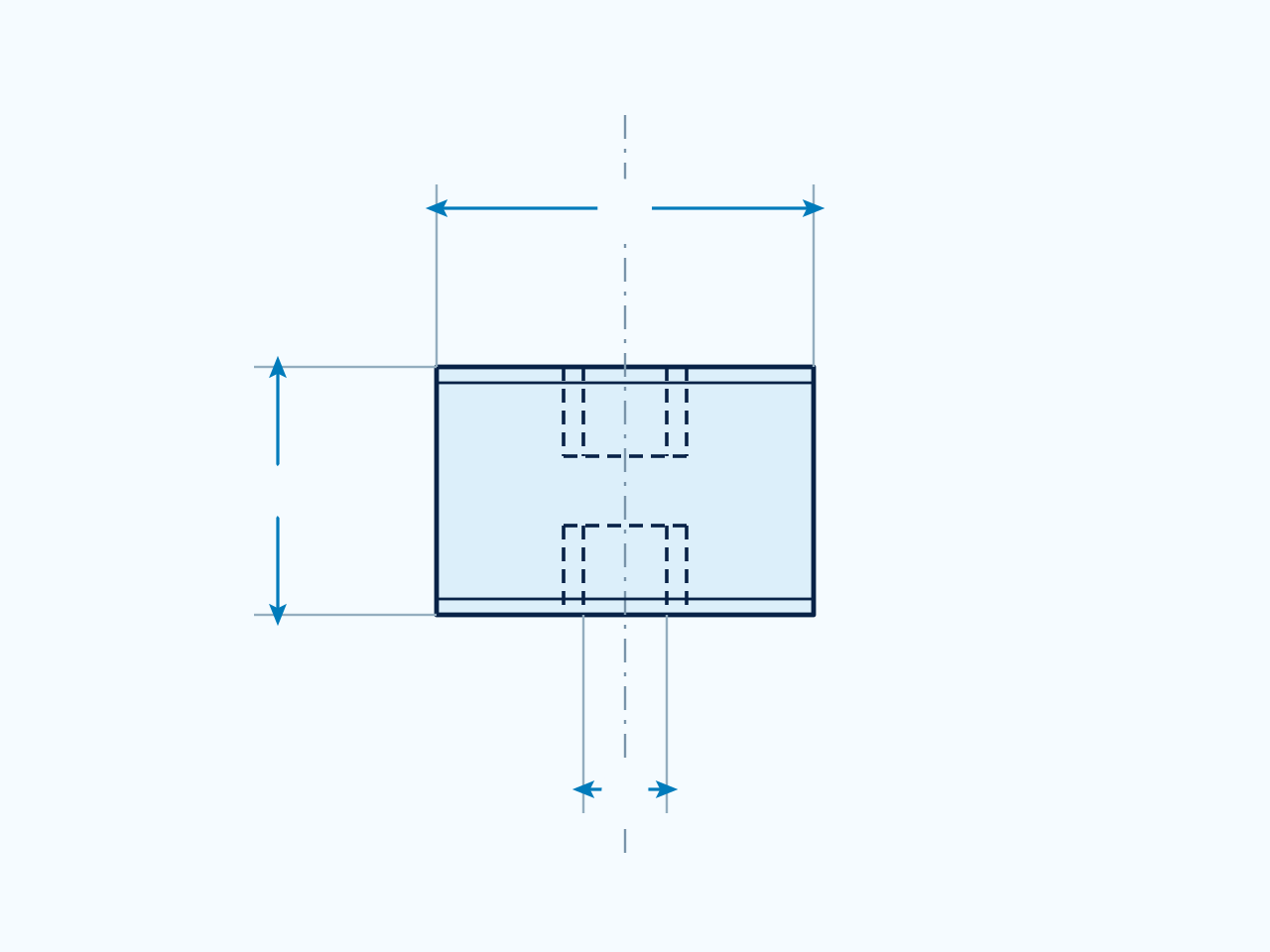
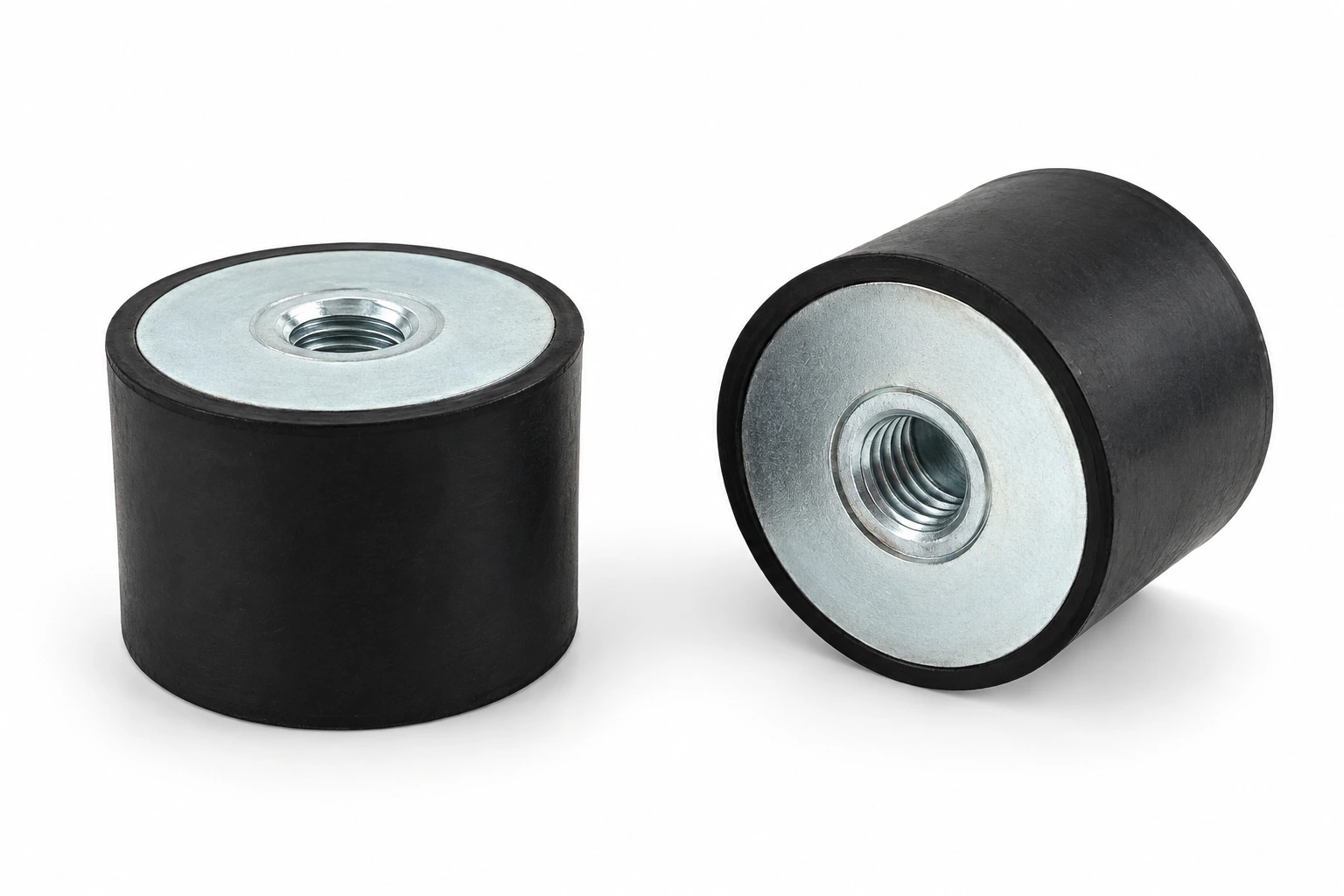
Rubber Mountings D
Match D, H and thread d to the drawing, including stud length L. Dimensions are in mm; thread designations, load in kg and compression in mm follow the table headings. Confirm load direction and operating conditions for your installation.
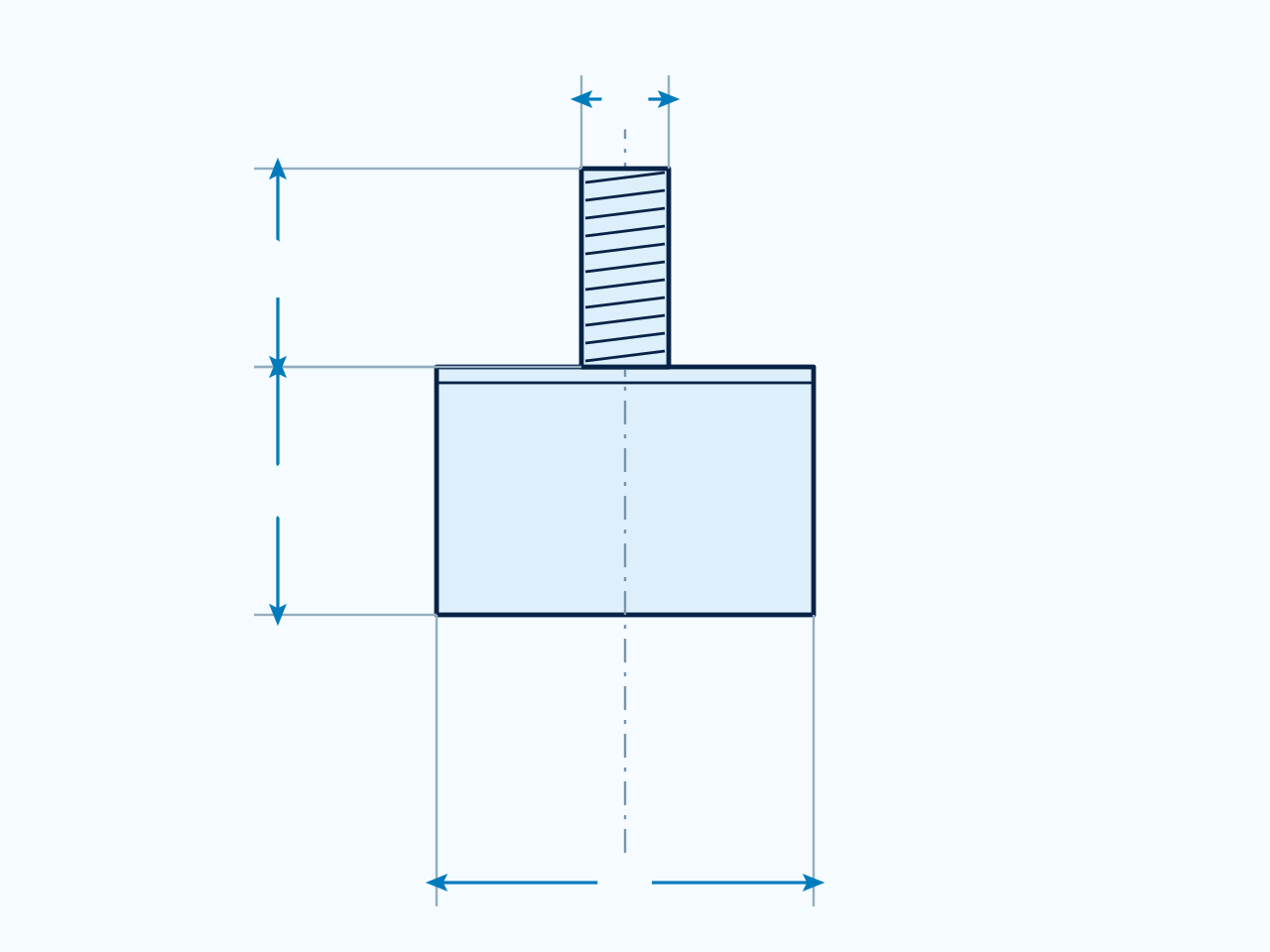
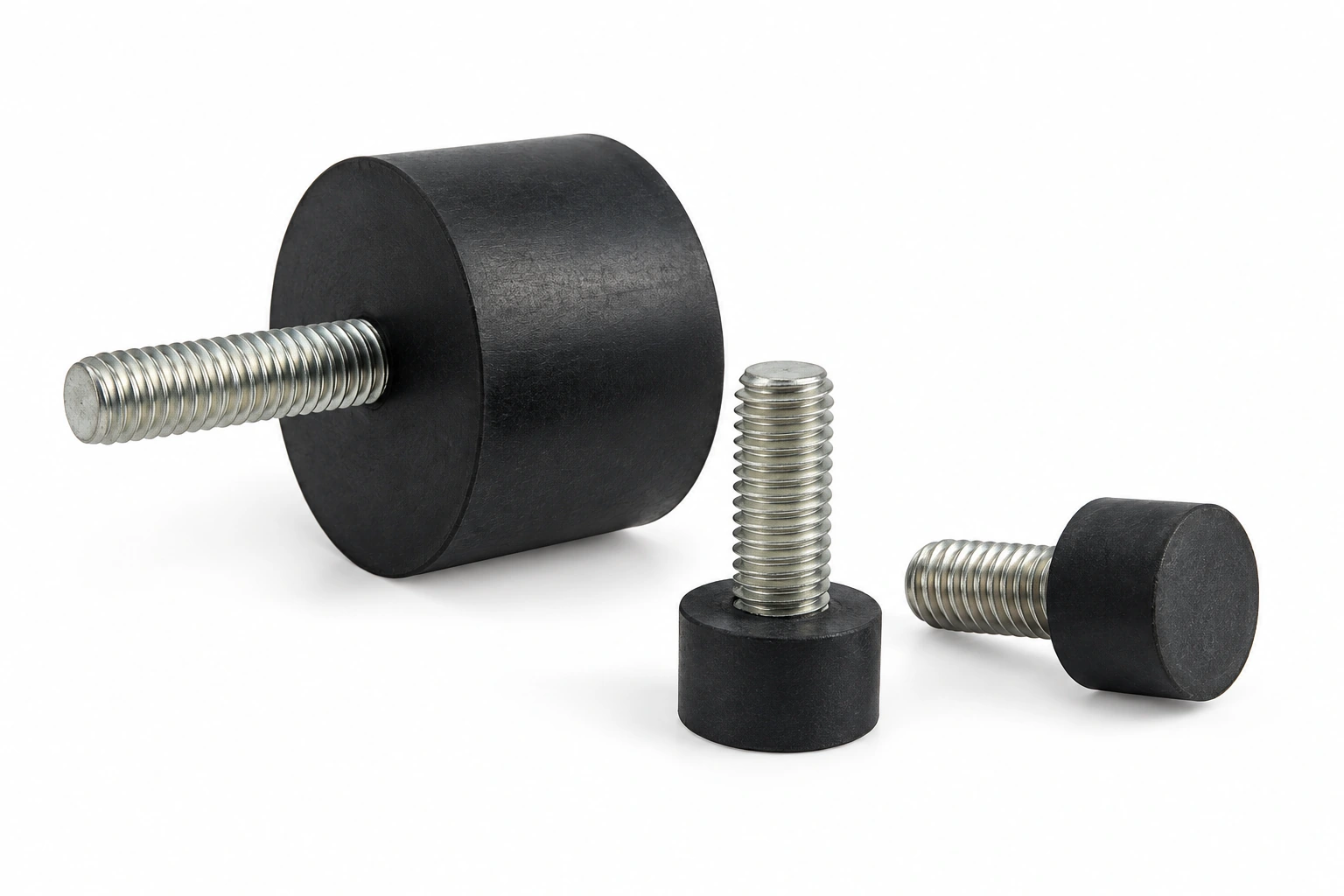
Rubber Vibration Mounts E
Match D, H and thread d to the drawing. Dimensions are in mm; thread designations, load in kg and compression in mm follow the table headings. Confirm load direction and operating conditions for your installation.
Need a different size? Share your drawing, mating dimensions and intended use to discuss a suitable part.
Discuss Your RequirementsProduct specifications
- Product form
- Elastomer mount between a vibrating assembly and its support
- Material options discussed
- Natural rubber / latex. Choose one formulation for the actual contact and loading conditions.
- Application focus
- Production equipment and engines. Size the part against the selected assembly.
- Dimensions to confirm
- Free and loaded heights, attachment spacing and body envelope. Match these to production equipment and engines.
- Exposure to evaluate
- Oil splash. Validate the selected material under the combined conditions.
- Isolation objectives
- Steady vibration and impact or shock. Define a measurable acceptance target on the supported assembly.
- Dynamic selection
- Use the load per mount, excitation frequency and allowed movement to select the mount.
Need a quote or a custom part?
Send your requirements, drawings or samples to discuss standard and custom silicone rubber parts.
Email us[email protected]