
Rubber laboratory tubing
Rubber laboratory tubing is used in a laboratory, as you can probably tell by the name. Laboratories are one of the world’s leading consumers of rubber tubing because of all the work and experiments they do on a daily basis. Most of the equipment, aside from glassware, that’s found in a laboratory is one way or another dependent on rubber laboratory tubing. What is also popular in laboratories are rubber stoppers, especially for Erlenmeyers and other glassware, but more on that some other time.
Rubber laboratory tubing is often called silicone laboratory tubing or just silicone rubber tubing. Why? Well, if you couldn’t tell from the name, silicone is the most commonly used rubber in this kind of a setting. As you probably know, silicone is an elastomer, which means it’s very strong, durable, and flexible – all of which are very important properties for a piece of laboratory equipment. But, what also makes silicone the number one choice for rubber laboratory tubing is its remarkable stability and non-reactivity.
Let’s start with chemicals. As you can probably imagine, the inside of the laboratory is filled with various chemicals used for all sorts of experiments. Everything from water to highly corrosive and abrasive acids can be found in a laboratory. Thankfully, silicone tubing is perfect for handling any of those. Its impeccable chemical non-reactivity makes it the obvious choice for an application like this. Nothing that you’d convey through a silicone tube would be able to leave the tube or damage the silicone. What is also quite important is how stable and non-conductive rubber laboratory tubing is. This matters because rubber laboratory tubing won’t ever get hot to the touch, or freeze. This is due to the materials like silicone, from which the lab tubing is made of. Generally speaking, you could use this tubing in environments as hot as 270 °C.
Rubber Hose Size Catalog
Compare tube bore, outside diameter and available wall thickness. Confirm material compatibility and operating requirements for the selected hose.
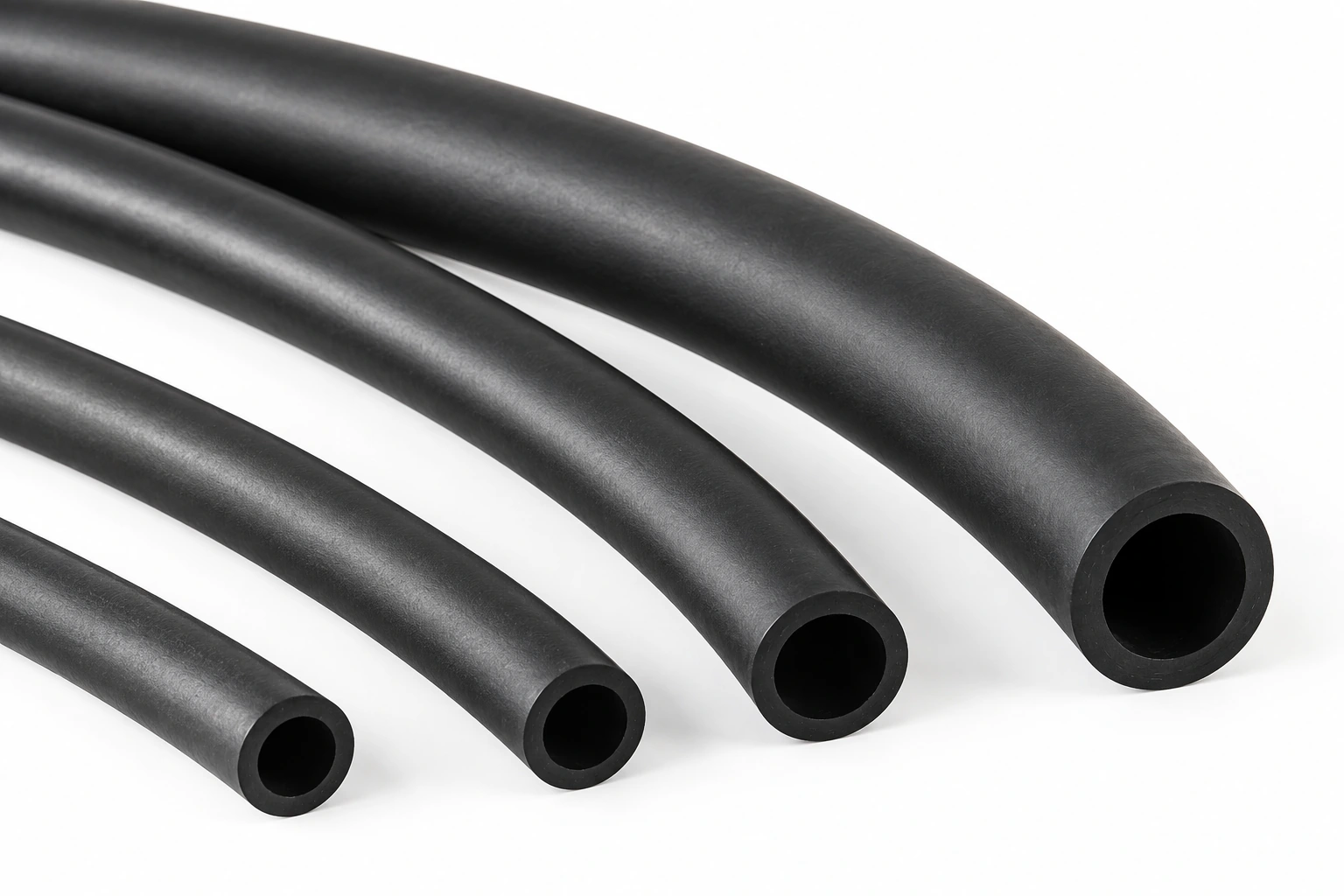
Rubber Hose
Compare Inside Diameter and Outside Diameter in mm. The cross-section drawing identifies the bore and outside diameter; confirm the selected tube material and service requirements.

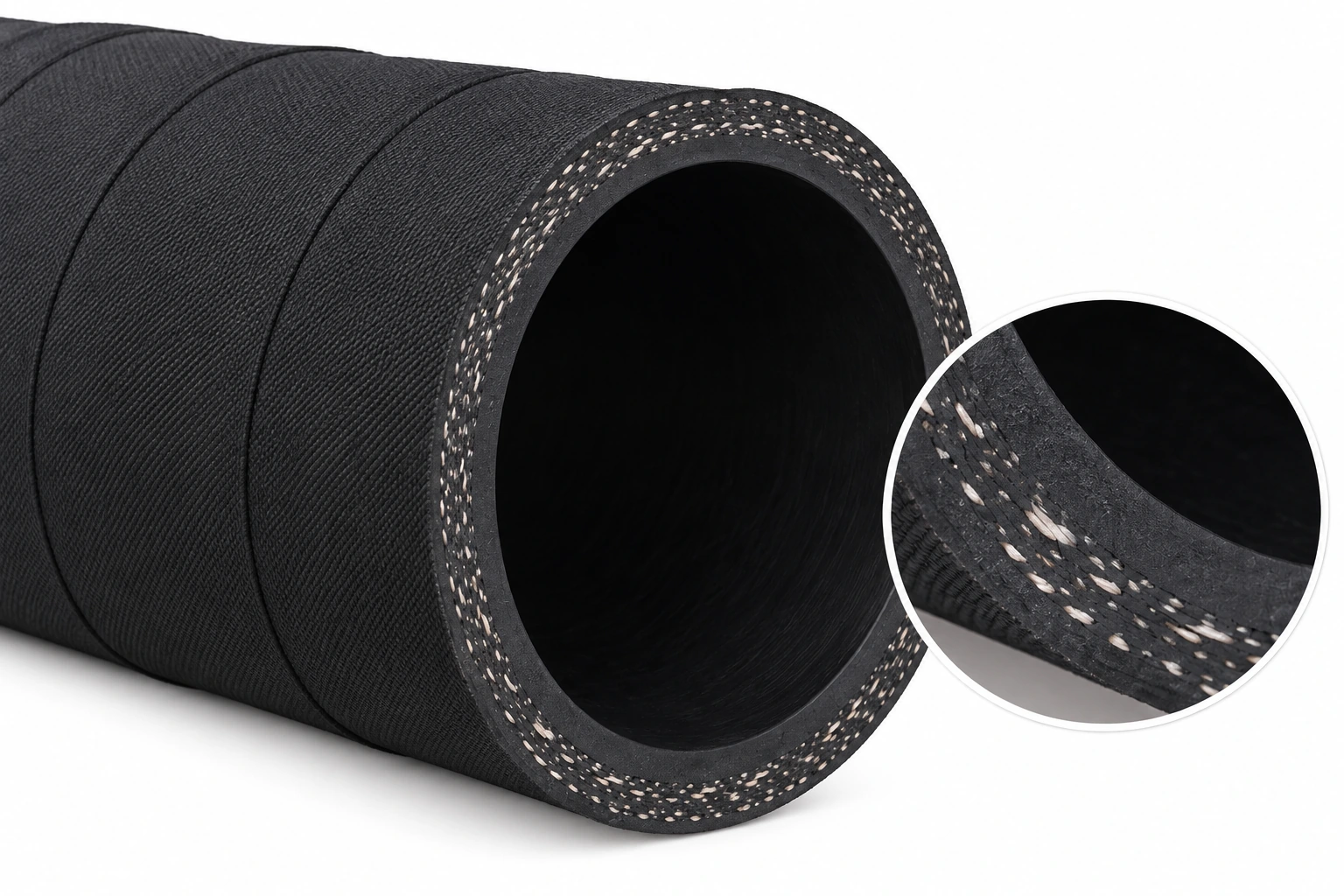
Fluororubber Hose
Compare Inside Diameter and Outside Diameter in mm. The cross-section drawing identifies the bore and outside diameter; confirm the selected tube material and service requirements.
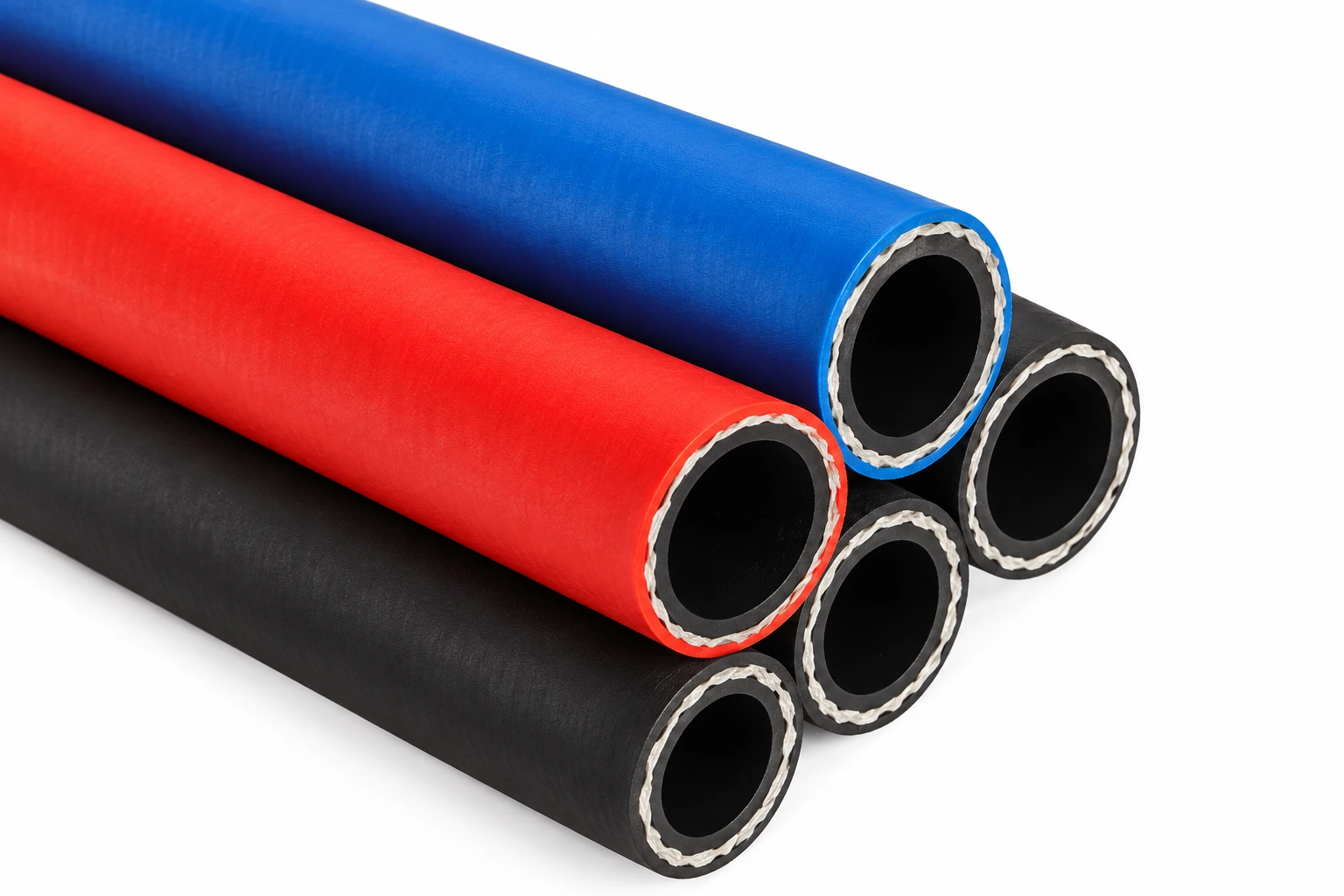
Colourful rubber high pressure hose
Compare Inside Diameter and Outside Diameter in mm, together with the listed Thickness and Colour. The cross-section drawing identifies the bore and outside diameter; confirm the selected tube material and service requirements.
Need a different size? Share your drawing, mating dimensions and intended use to discuss a suitable part.
Discuss Your RequirementsProduct specifications
- Product form
- Hollow elastomer tubing for a fitted line or sleeve
- Material options discussed
- Silicone. Choose one formulation for the actual contact and loading conditions.
- Application focus
- Laboratory connections. Size the part against the selected assembly.
- Dimensions to confirm
- Inside diameter, outside diameter, wall thickness and cut length. Match these to laboratory connections.
- Contact conditions
- Water and acids: define concentration, temperature and contact time, then check compatibility with the chosen compound.
- Exposure to evaluate
- Rubbing or abrasion. Validate the selected material under the combined conditions.
- Line layout
- Check bend radius, unsupported spans and clearance at both connections.
Need a quote or a custom part?
Send your requirements, drawings or samples to discuss standard and custom silicone rubber parts.
Email us[email protected]