
Rubber leg caps
When improving your home, you have to think about everything because you don’t want to forget an important task and have to do things that you already did once again. When fixing your floors, you add finish so they are glossy and look like new. That can be ruined pretty fast when you drag sharp objects on the floor like chair legs, dining table legs, or moving the whole sofa without lifting it. To avoid repairing your floors again after just finishing them try using rubber leg caps because they are very essential.
What are rubber leg caps? Well, rubber leg caps are objects that you insert on the end of the legs of the chairs, tables, sofas, or cabinets as well. Their main purpose is to stop the scratching of your floors when you move the furniture around. No matter what type of floors you have whether wooden floors, laminate, or maybe tiles, everything can suffer from dragging sharp legs on it. They can be made from different materials like cloth, plastic but most commonly they are made from rubber because the rubber is an affordable material and is most suitable for floor protection because successfully stop the scratching and the abrasion of your floors.
The size of the rubber caps can be very variable because not every furniture piece has the same dimensions. In order to buy the perfect size of leg caps, you will need to measure the thickness of the tip of the leg to ensure that the leg cap would fit snugly. A loose-fit leg cap will annoy you more than leaving the floor unprotected. The shape can also be different because as the interior design is improving and getting more creative with time, there are different types of legs whether cylindrical or more of a square type.
Rubber Feet & Bumper Size Catalog
Compare mounting style, overall size and recess dimensions. Each profile uses its own drawing and column meanings.
Recess Rubber Bumper
Compare OD, H, A, B and C in mm. C indicates the outer base dimension on this bumper profile, not the recess depth.
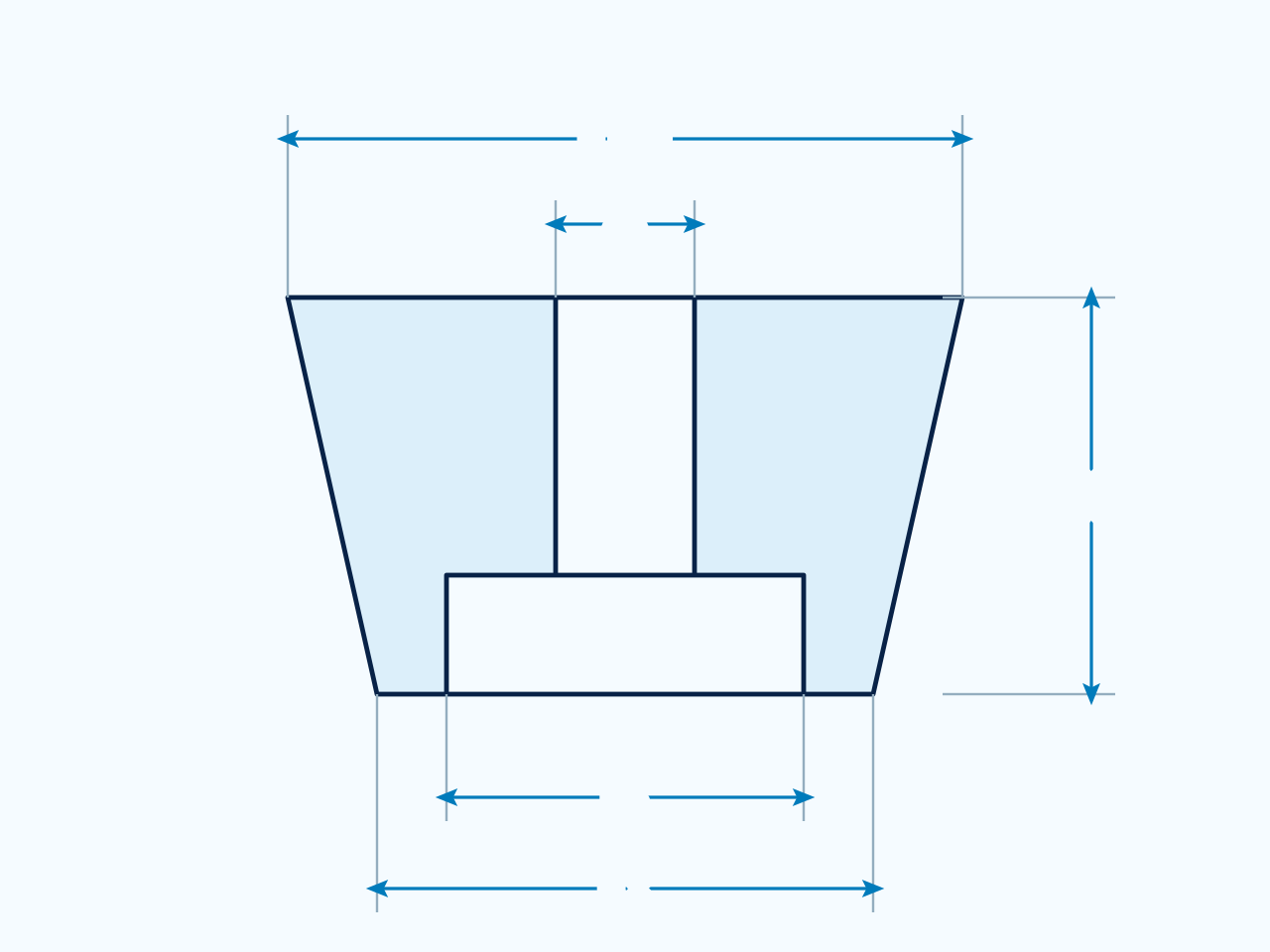
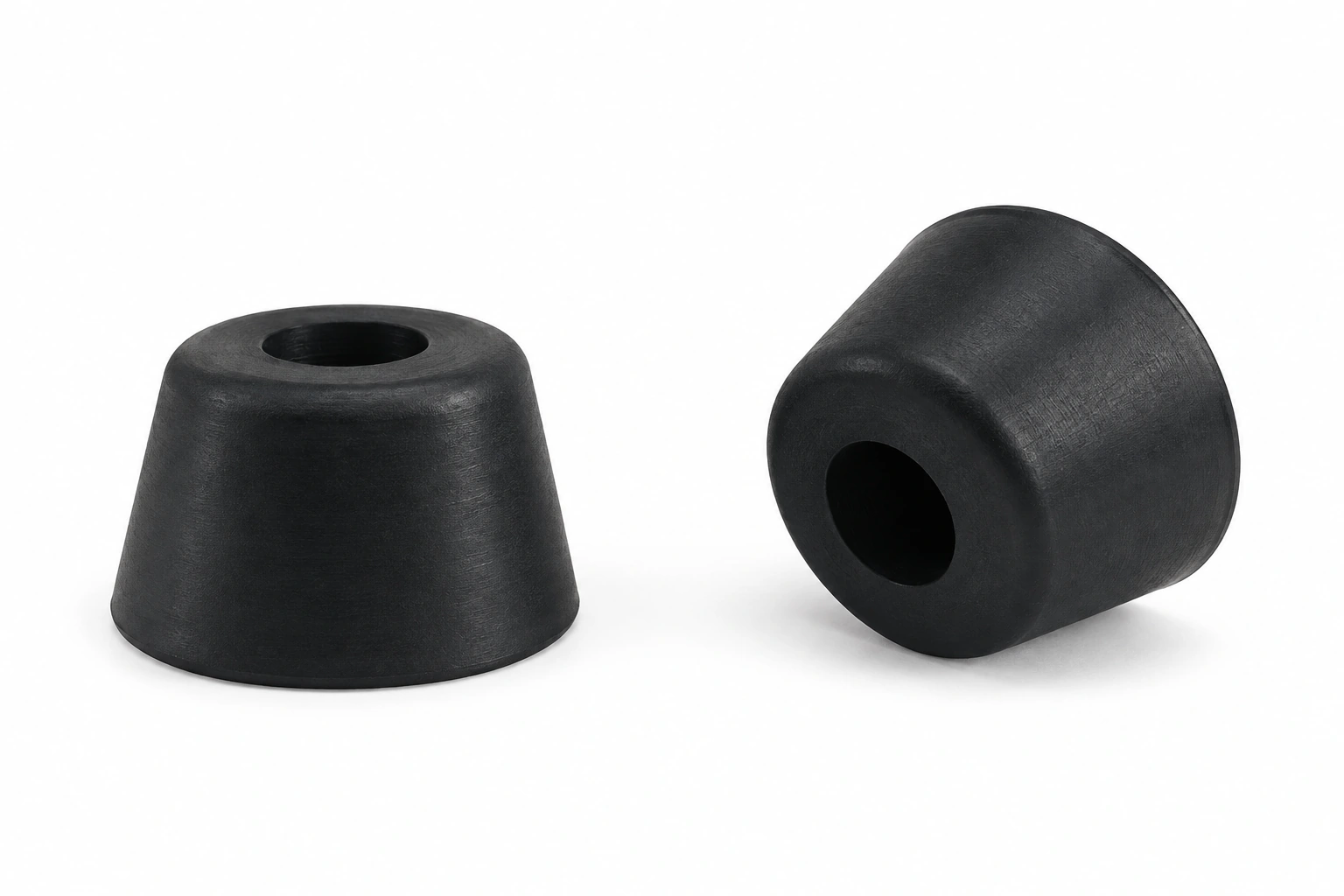
Cylindrical Rubber Feet
Compare OD, H and B in mm using the cylindrical-foot drawing. Material and colour remain listed separately.
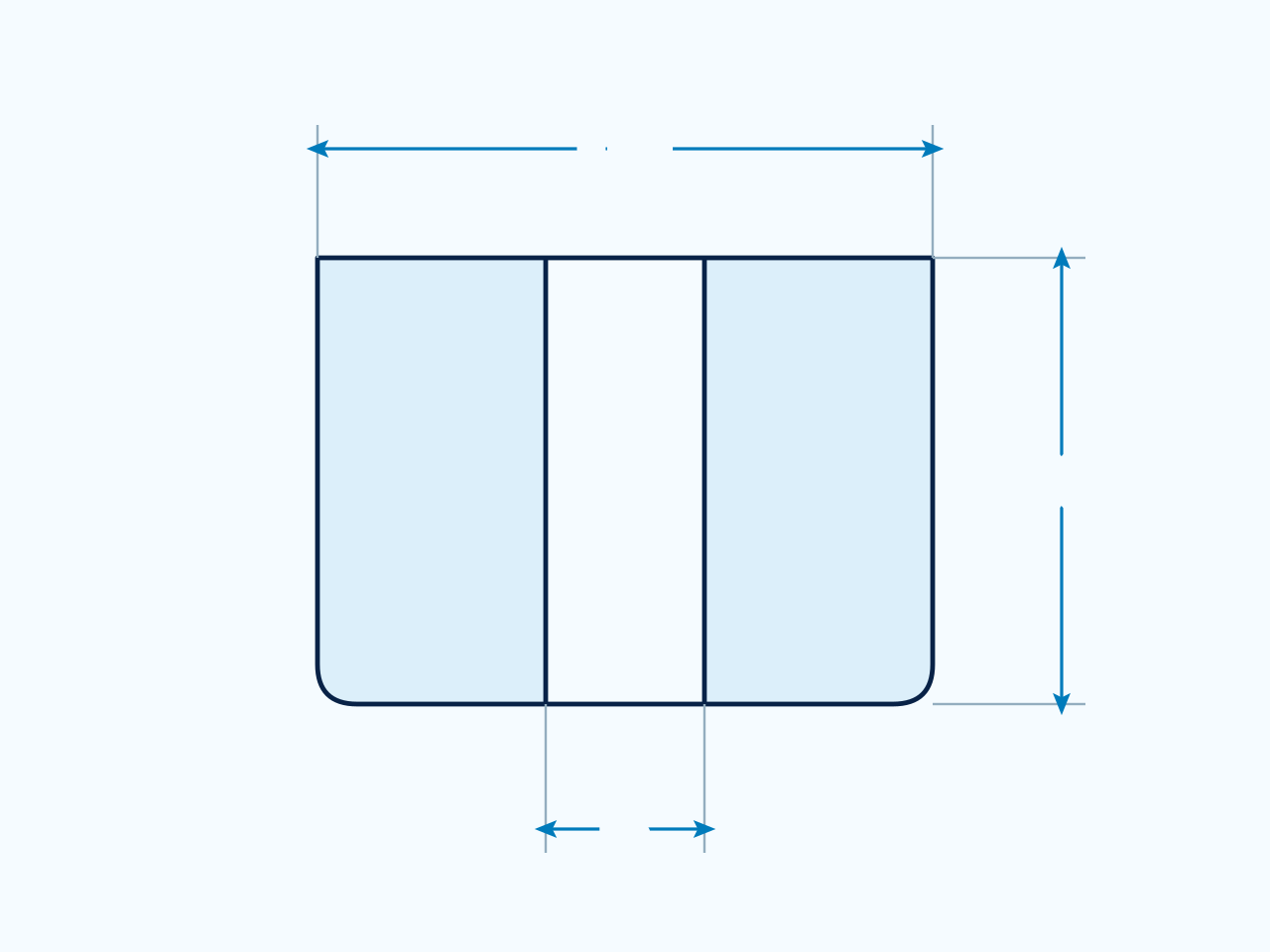
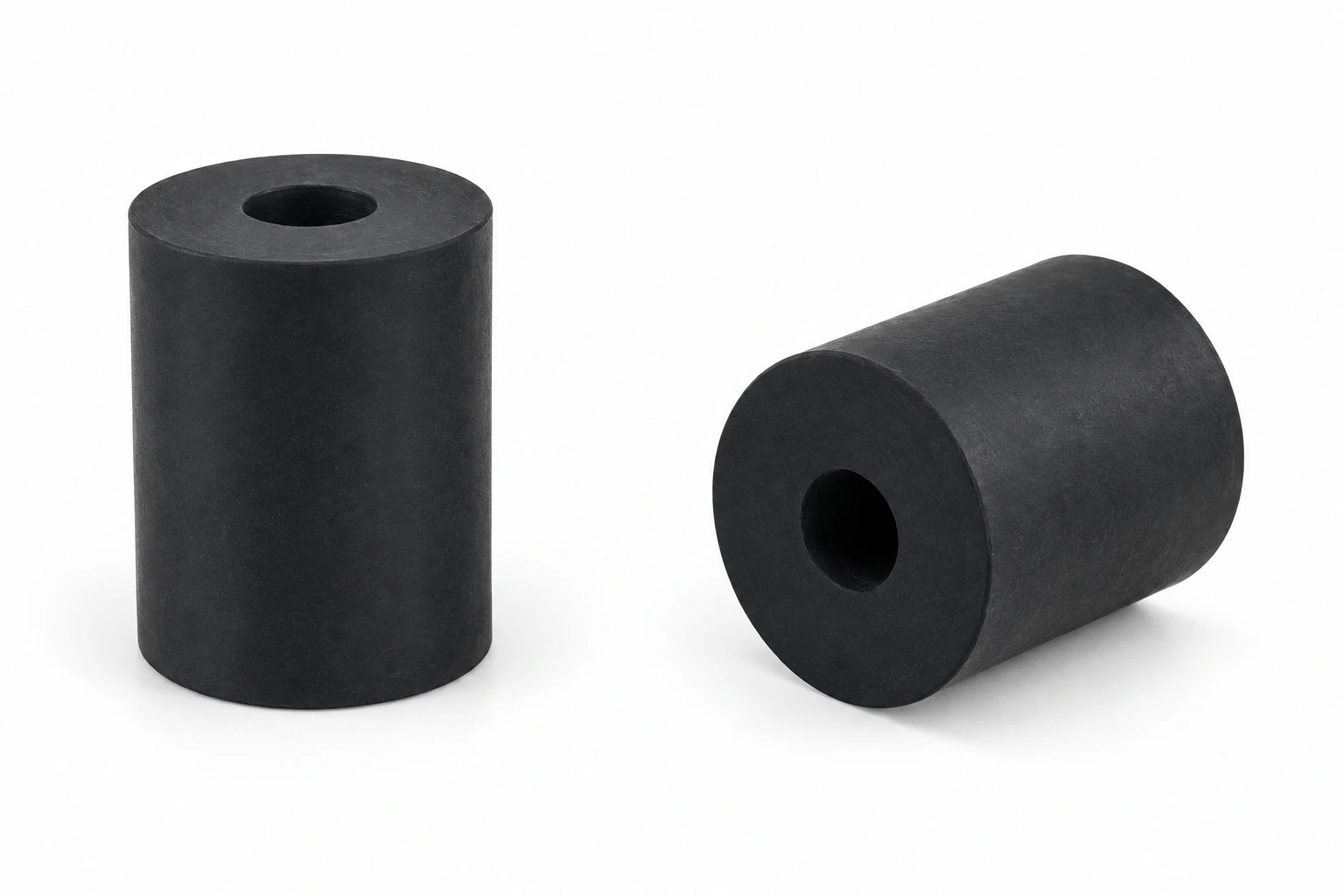
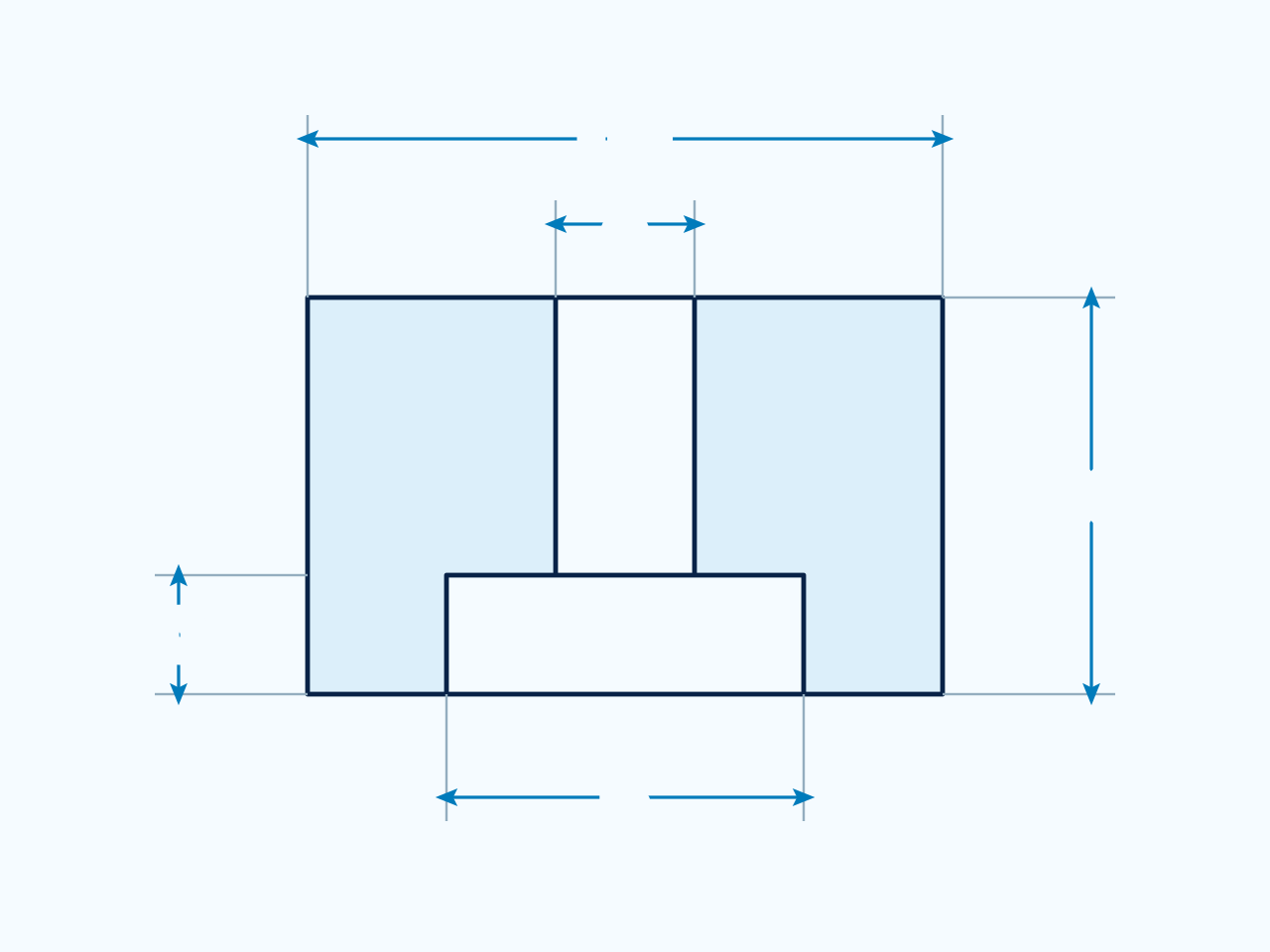
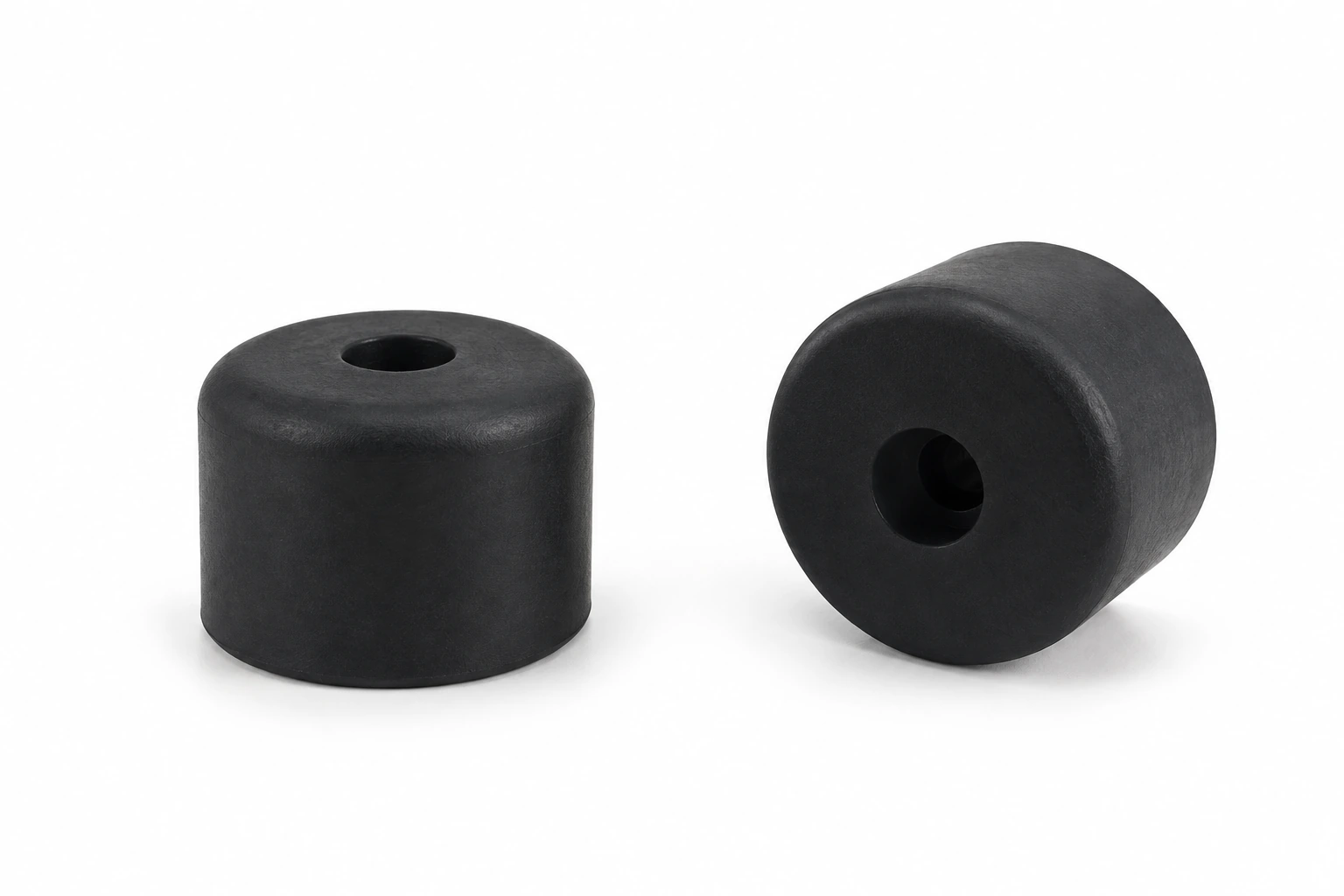
Recess Rubber Feet
Compare OD, H, A, B and C in mm. C indicates the recess depth on this feet profile.
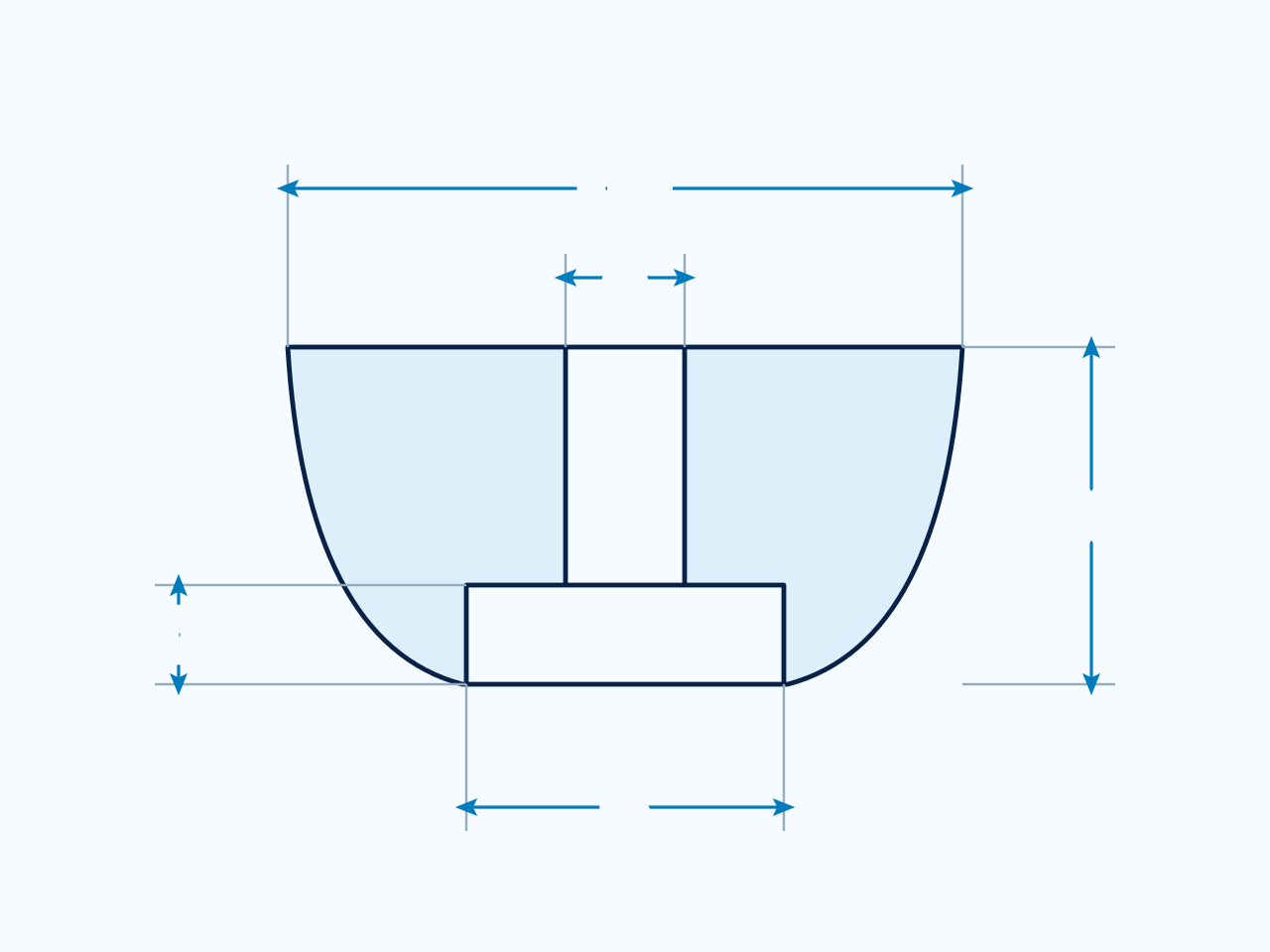
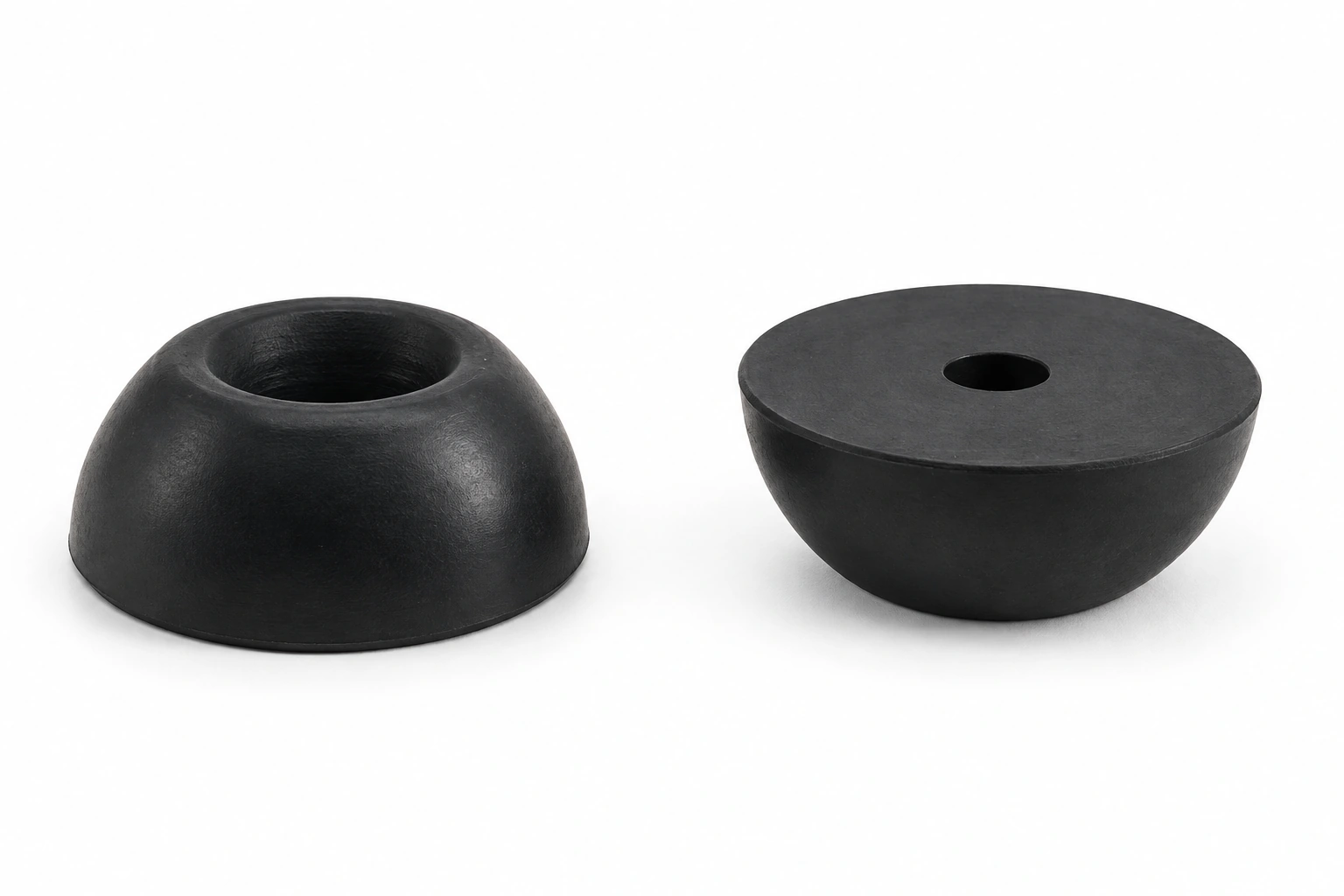
Hemispherical Rubber Bumper
Compare OD, H, A, B and C in mm using the hemispherical-bumper drawing.
Rubber Tips
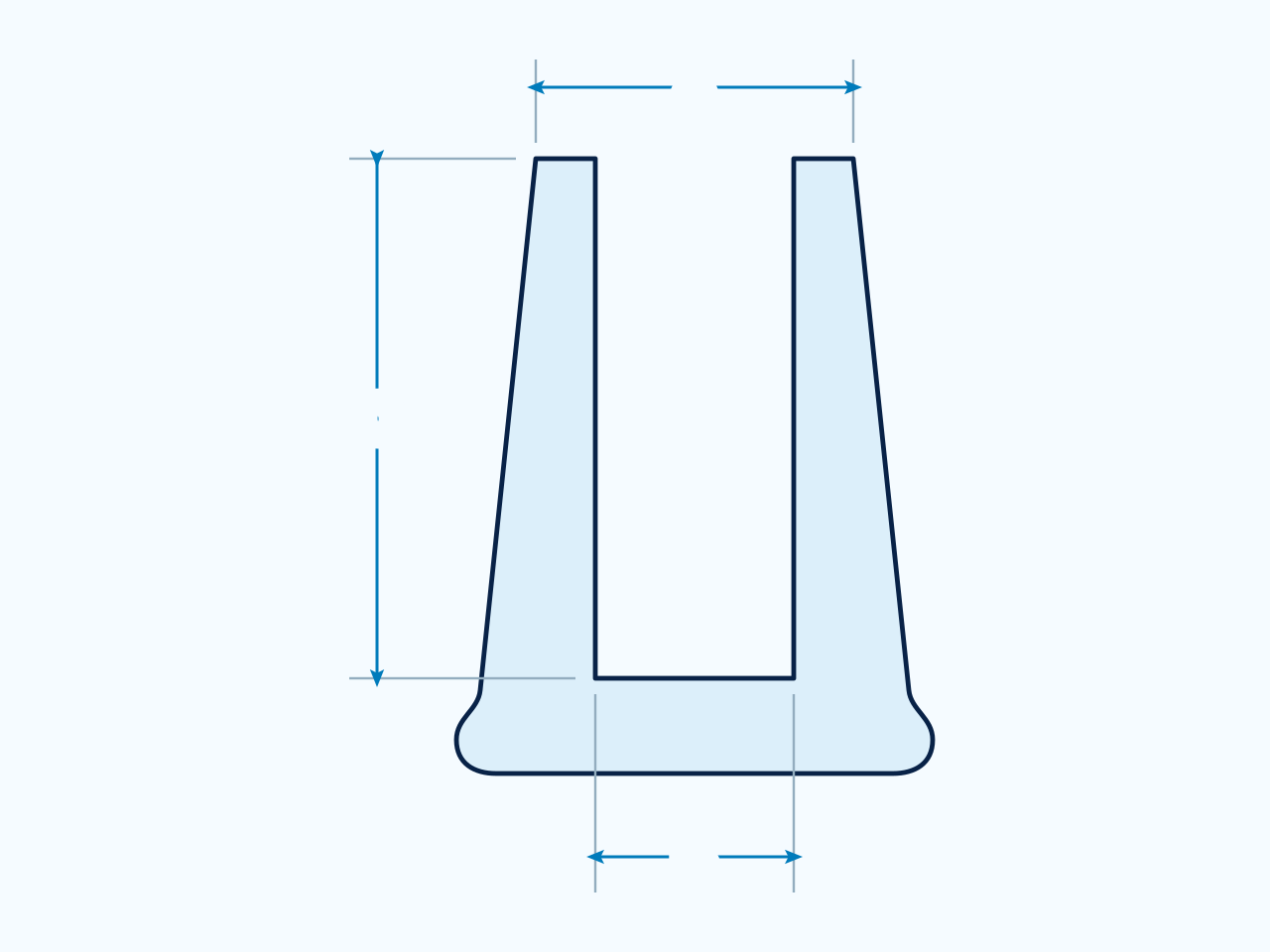
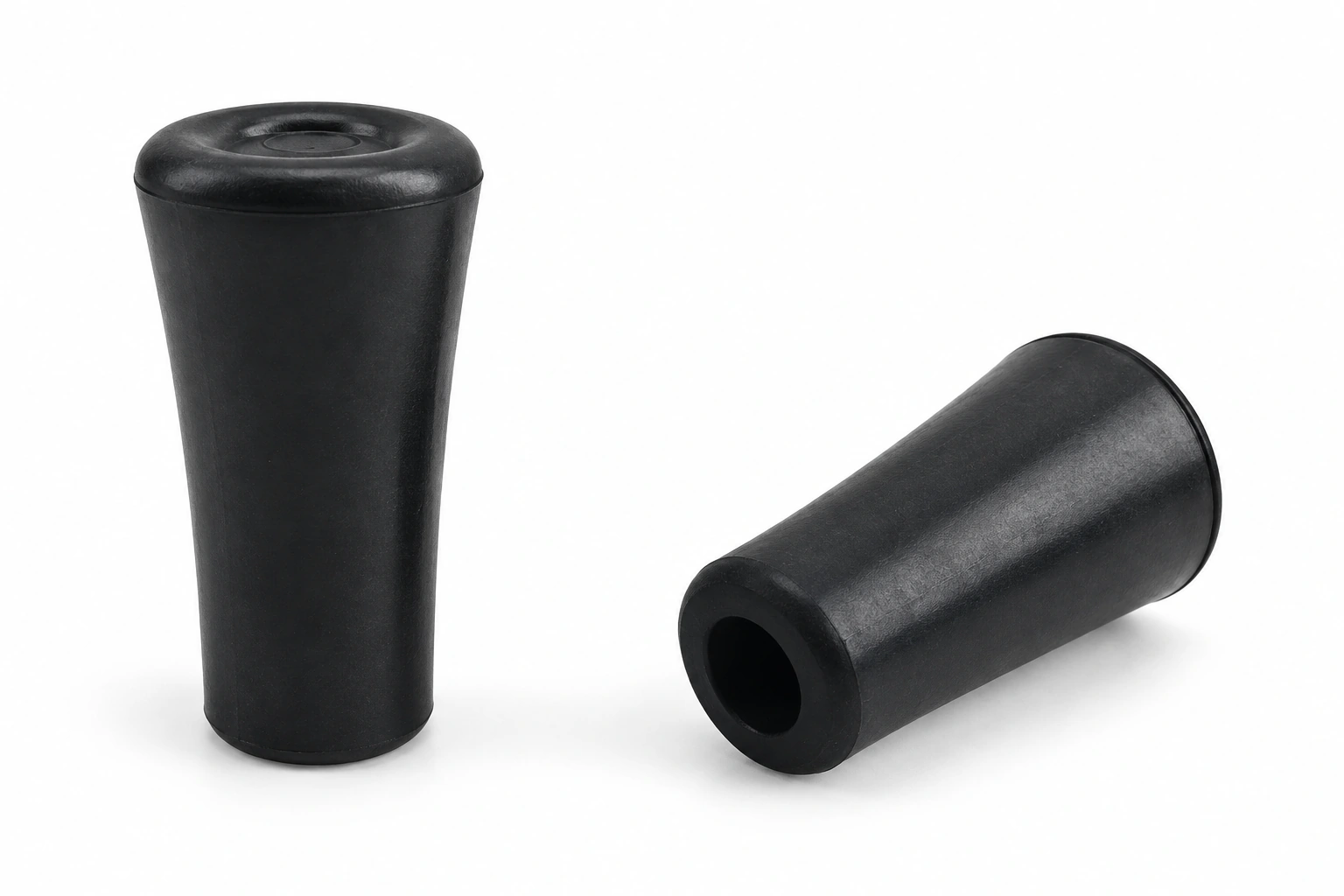
Compare A, B and C in mm using the open round-tip drawing. Check the mating leg dimensions and seating depth.
Rectangular rubber feet for chairs
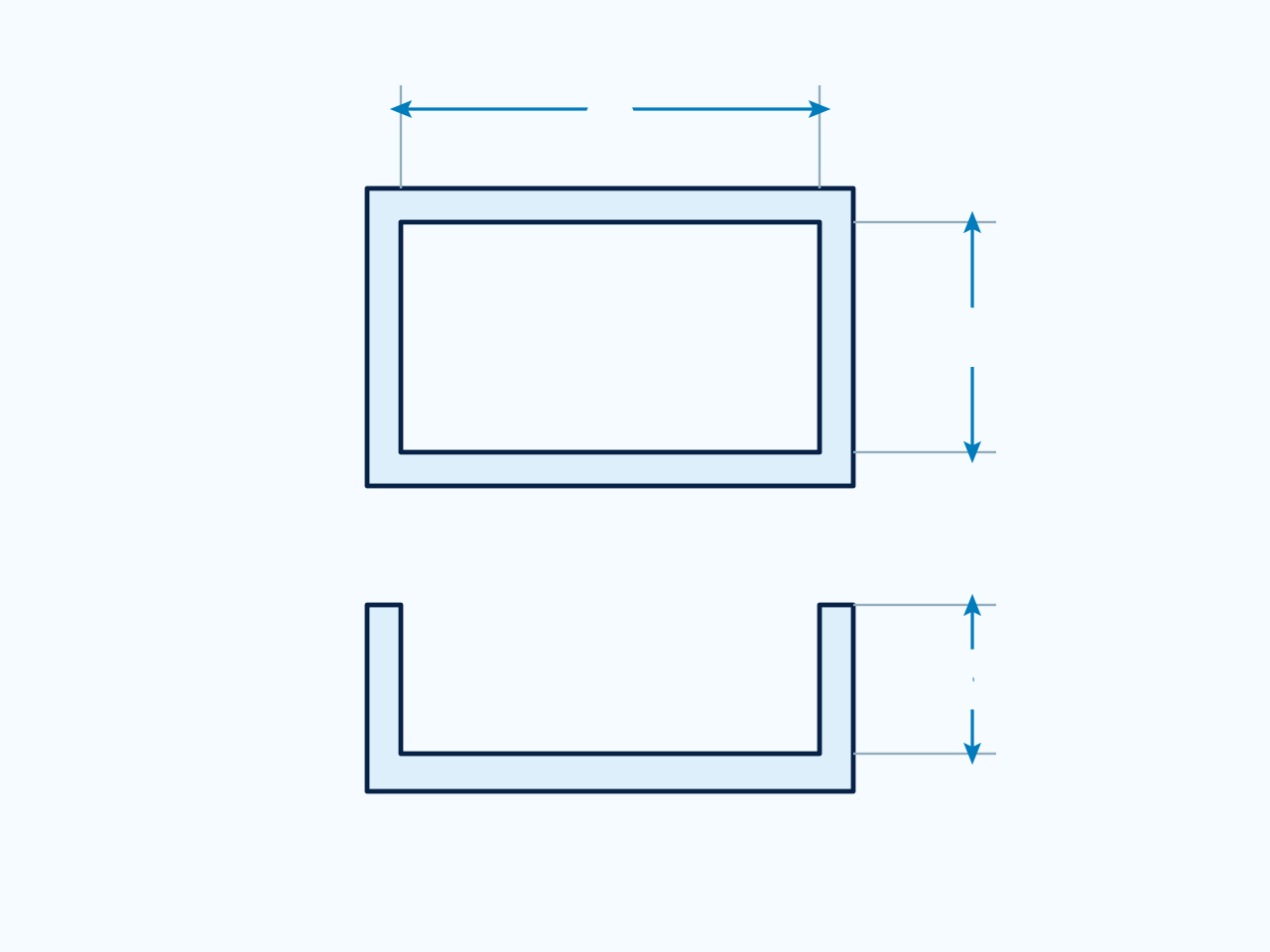
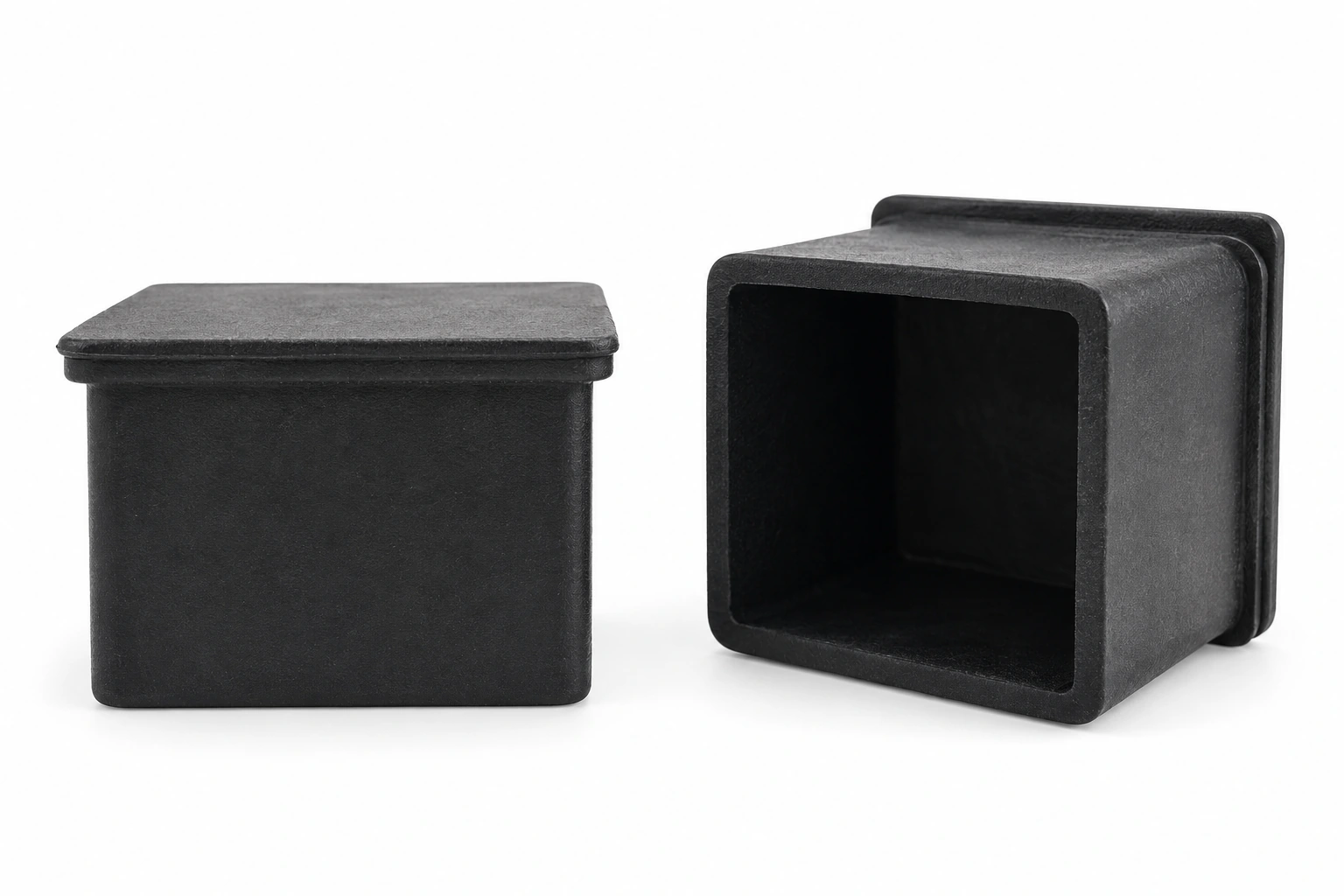
Compare A, B and C in mm using the rectangular-tip drawing. Check both sides of the mating leg and the seating depth.
Rubber Feet For Chairs
Compare A, B, C and D in mm using the square-tip drawing. Check the mating leg profile and seating depth.
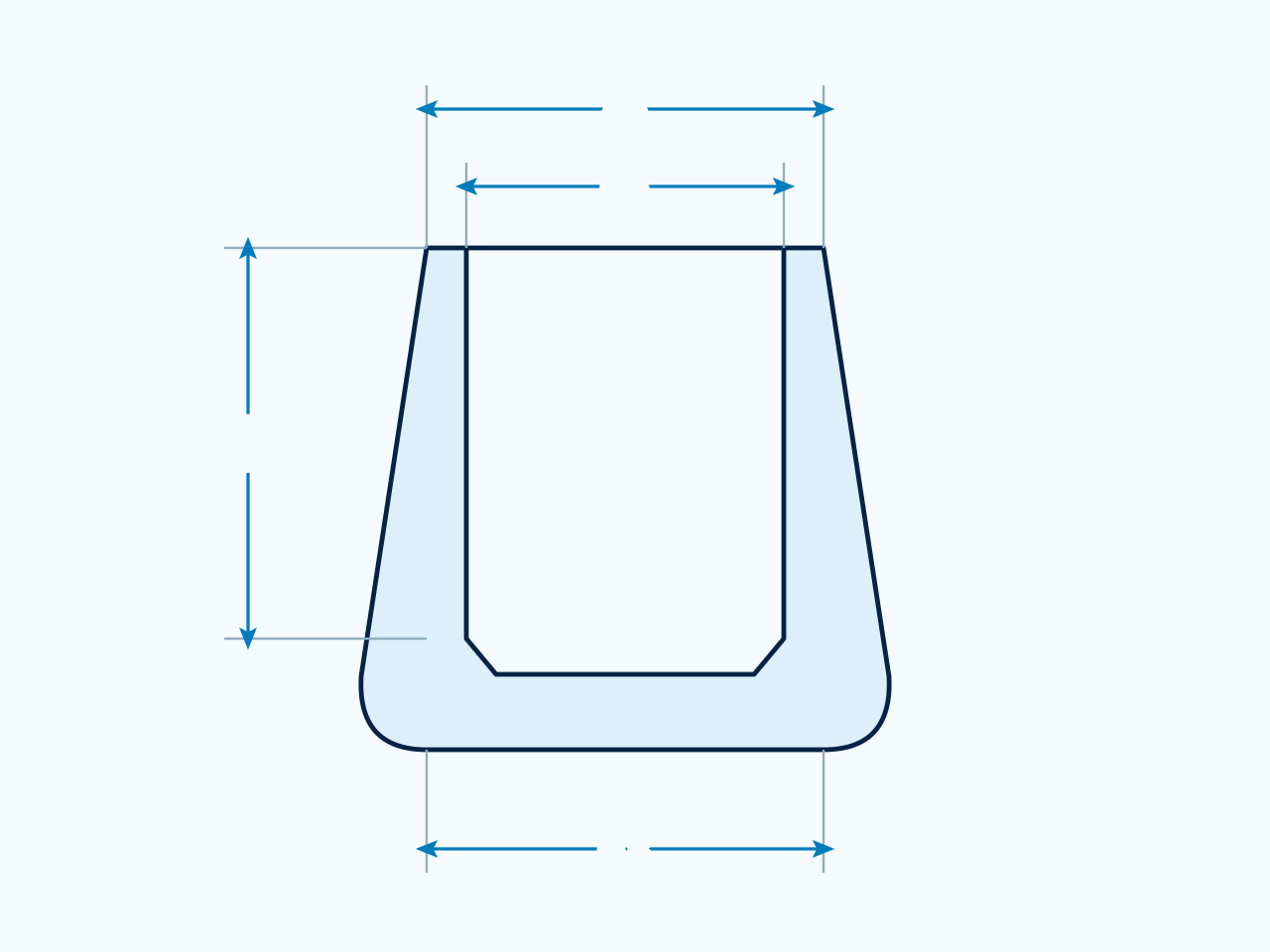
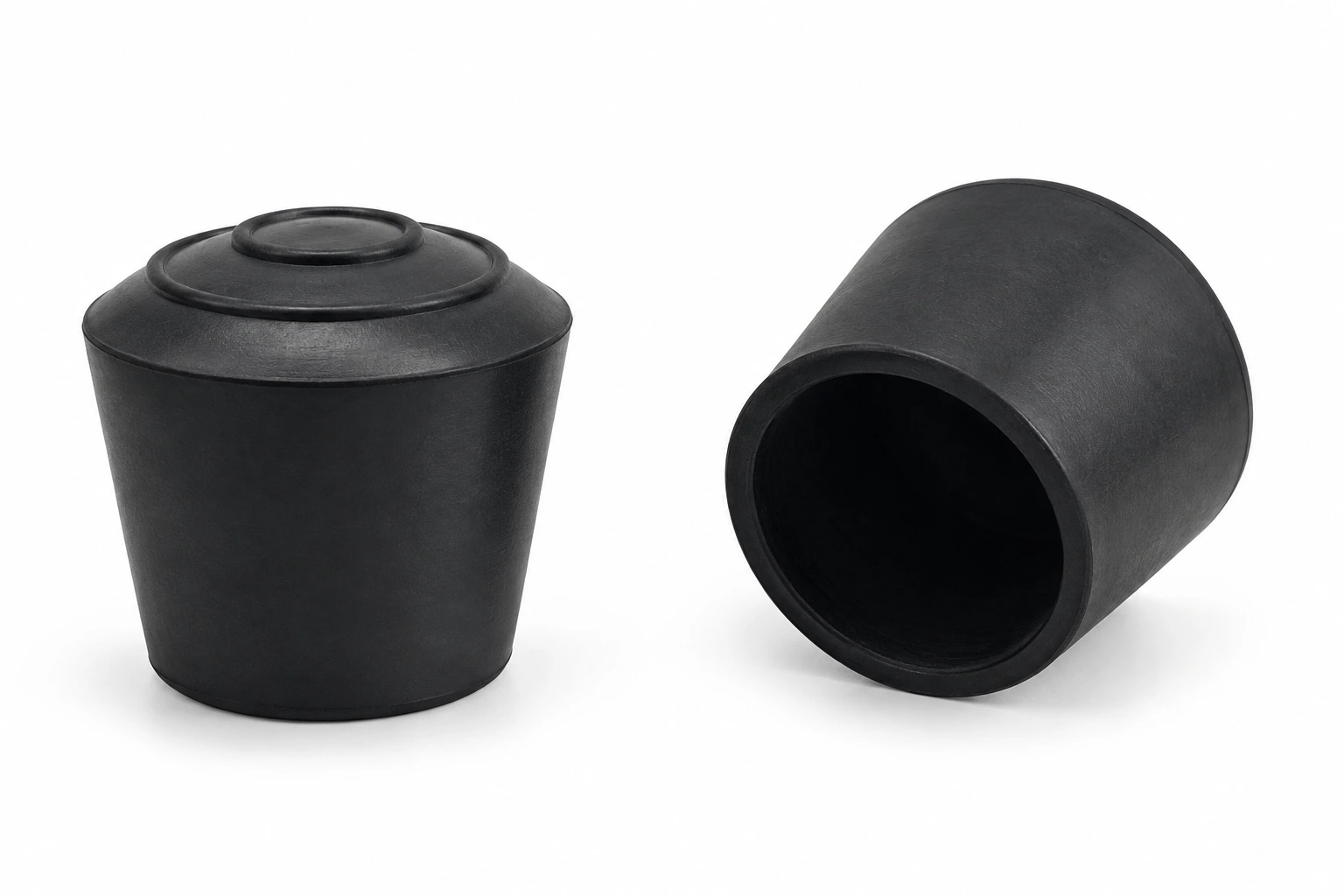
Need a different size? Share your drawing, mating dimensions and intended use to discuss a suitable part.
Discuss Your RequirementsProduct specifications
- Product form
- Furniture-leg tip with a resilient floor-contact face
- Application focus
- Chair legs, table legs and wooden furniture legs. Size the part against the selected assembly.
- Dimensions to confirm
- Leg-end profile, cap cavity, engagement depth and contact-face area. Match these to chair legs and table legs.
- Profiles discussed
- Square profiles and cylindrical sections. Select the profile that matches the mating part and dimension that section explicitly.
- Exposure to evaluate
- Rubbing or abrasion. Validate the selected material under the combined conditions.
- Contact surface
- Laminate and ceramic tile. Check marking, grip and movement on the actual finish under load.
- Loaded seating
- Check that the contact face sits evenly on the floor with the furniture loaded.
Need a quote or a custom part?
Send your requirements, drawings or samples to discuss standard and custom silicone rubber parts.
Email us[email protected]