
Rubber Screw Caps
Uncovered screws do not look good. In fact, they can even be dangerous. Just imagine scratching or cutting yourself on an exposed, rusty screw – you would probably have to go to a hospital to get a shot. So, it is obvious – we need to cover the screws. How do we do that – with rubber screw caps.
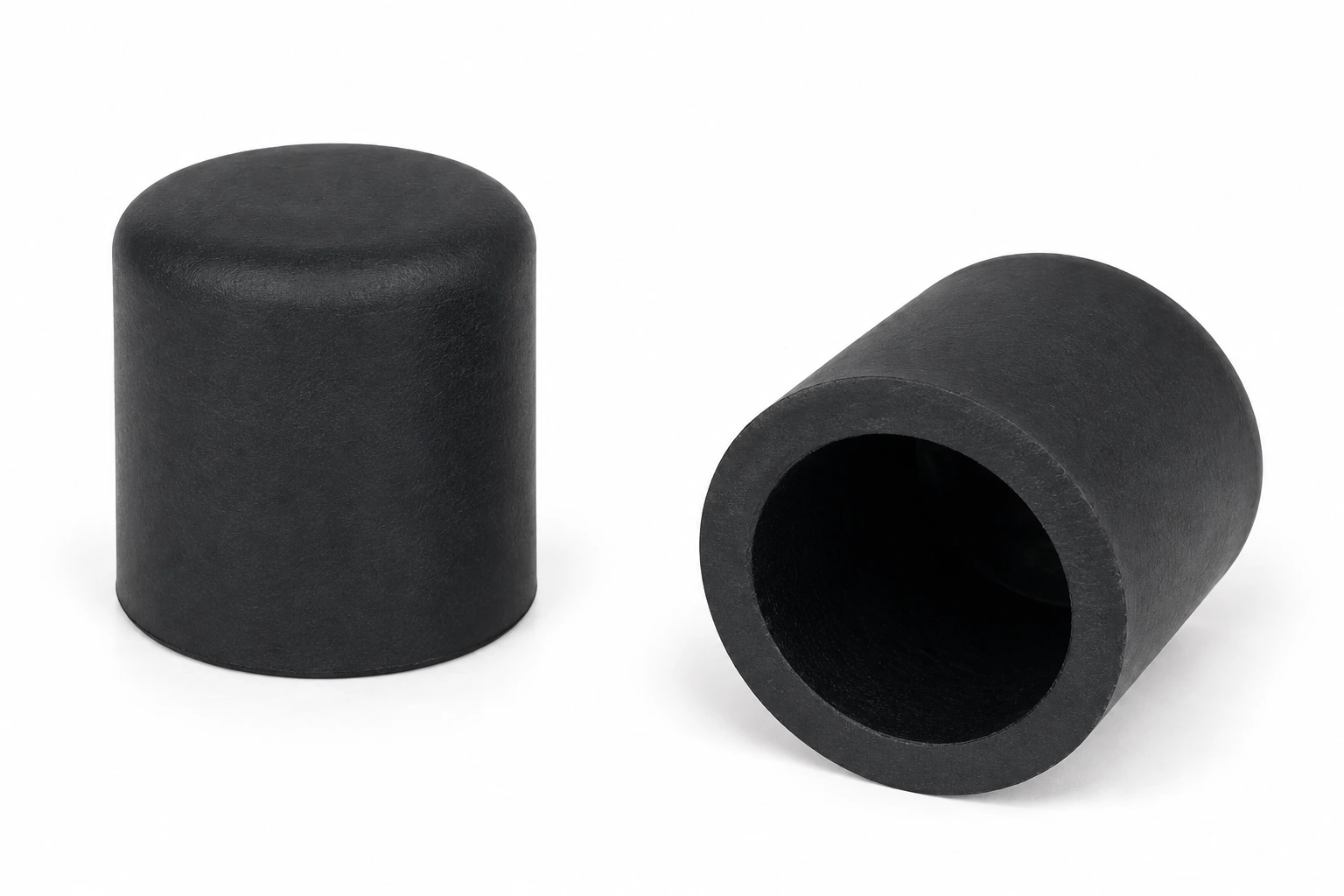
Rubber screw caps are so useful. A lot more useful than people give them credit for. In fact, there are probably several of them around you right now – you just don’t know about them. Most furniture legs are screwed or nailed in, and to prevent those screws or nails from completely destroying your floors, manufacturers place rubber screw caps on top of them, and now – your floors are protected and scratch-free. However, that is not all rubber screw caps are good for. In fact, that’s not even half of it. Screws are prone to corroding, especially if they are out in the open. Weather, wind, moisture – all of those things affect the lifespan of a screw, and if you don’t protect it, you’re risking the screw breaking or becoming impossible to unscrew or get out. However, by placing a rubber screw cap on top of it, you not only protect the outside from the sharp edges of a screw, but you also create a tight, water, air and weather-proof seal that will protect the screw for a long time.
As for options, we offer a lot of them. Rubber screw caps come in various shapes and sizes – just like screws do. Furthermore, rubber screw caps are not just limited to a single rubber material. In fact, they’re manufactured from quite a few of them, depending on the application and the environment the screw cap is going to end up in.
Rubber Cap Size Catalog
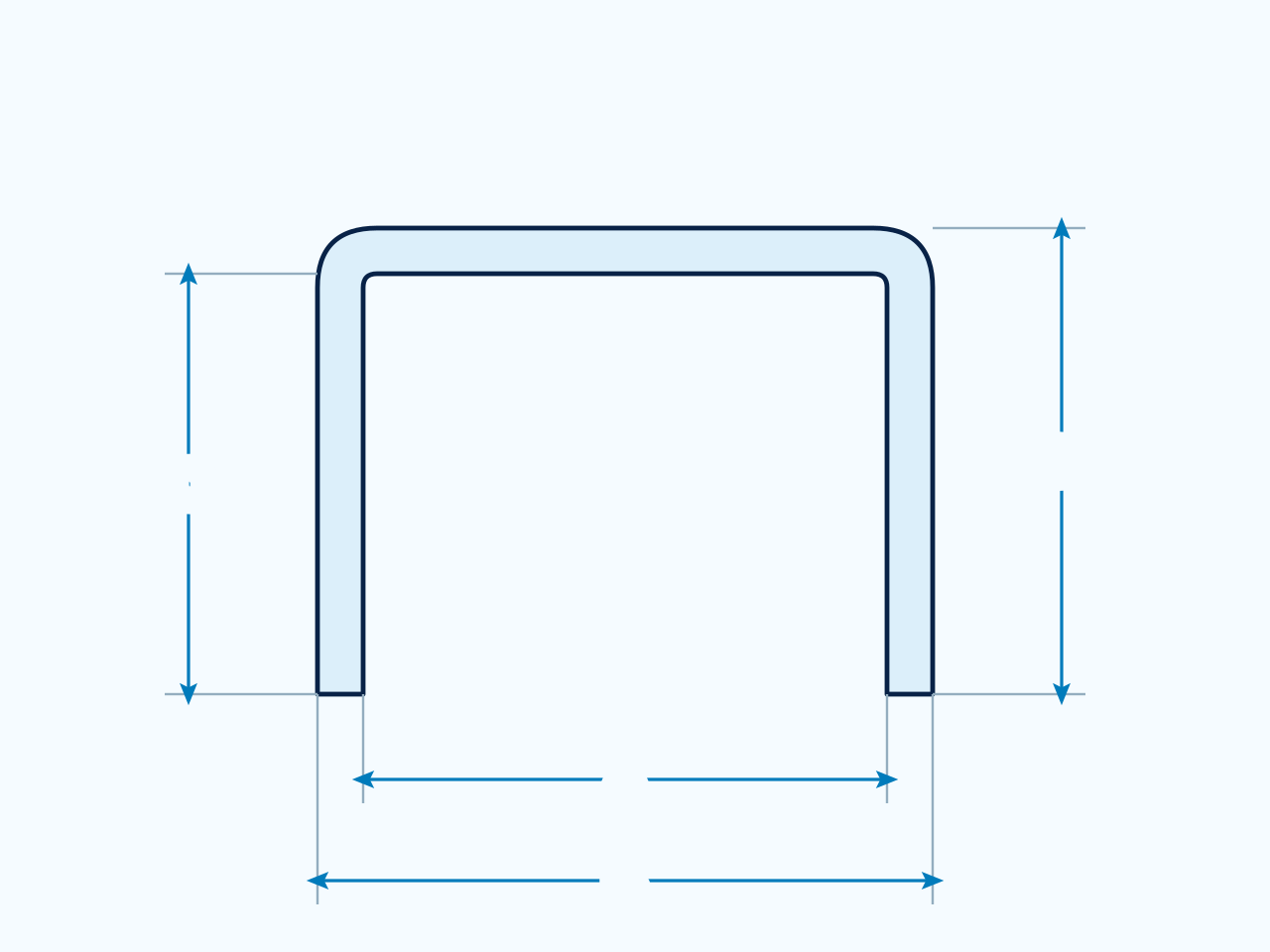
Compare the internal and external dimensions of rubber caps against the part being covered.
Custom colors are available to your Pantone color code. Include the code in your inquiry.
Rubber Caps-RSE
Compare A (inner diameter), B (outer diameter), C (inner depth) and D (total height), in mm.
Need a different size? Share your drawing, mating dimensions and intended use to discuss a suitable part.
Discuss Your RequirementsProduct specifications
- Product form
- Protective cover for exposed fastening hardware
- Dimensions to confirm
- Fastener head width and height, exposed thread length and cap cavity.
- Installation discussed
- Screw attachment. Identify the chosen retention method and the surface or hardware it engages.
- Exposure to evaluate
- Outdoor weather and moisture. Validate the selected material under the combined conditions.
- Access after fitting
- Leave room for fitting and removal without displacing the fastener.
Need a quote or a custom part?
Send your requirements, drawings or samples to discuss standard and custom silicone rubber parts.
Email us[email protected]