
rubber stopper chemistry
With chemical processes there are frequently adverse effects when improper safety measures are taken. That’s why it’s good to plan ahead and get proper equipment. Even if it’s something as simple as plugging containers, you will find it more than fruitful to get completely ready before engaging. The proper materials are to be had too as our chemical components could have adverse effects on materials usually used as plugs too. That’s why rubber is frequently used.
Items made out of rubber have some exceptionally fruitful traits that make them leagues more resistant than materials of other types. Physical, elemental, corrosion, or any other type of damage is easily neglected. Not to mention they can last for quite a long time. Of course, temperature is something they resist with little issue as well, often boasting great heat resistance. The rubber stopper chemistry items are just the item if you are looking for something to plug your containers with. Their exceptional resilience is only matched by the versatility of these simple stoppers. When buying rubber stopper chemistry and the potential issues you may run while doing it are made far safer with a lot better quality of experience. It doesn’t pay to neglect safety measures because utilizing these items doesn’t take long yet it pays back in peace of mind.
Speaking of quality, our key factor as manufacturers is to provide a well-made product that meets all standards, or even surpasses them. All of our items, rubber stopper chemistry items included, are made out of the highest quality materials. On top of that, finding the right one for your need is made easy with our handy catalog. Failing that, turn to customer support for quick and easy fixes to any of your questions. Your satisfaction is our goal, so don’t fret about contacting us no matter what day it is.
Stopper & Plug Size Catalog
Compare four stopper profiles and check the selected part dimensions against your opening and available depth. Each profile has its own drawing and dimension meanings.
Custom colors are available to your Pantone color code. Include the code in your inquiry.
RST T-Shaped Plugs
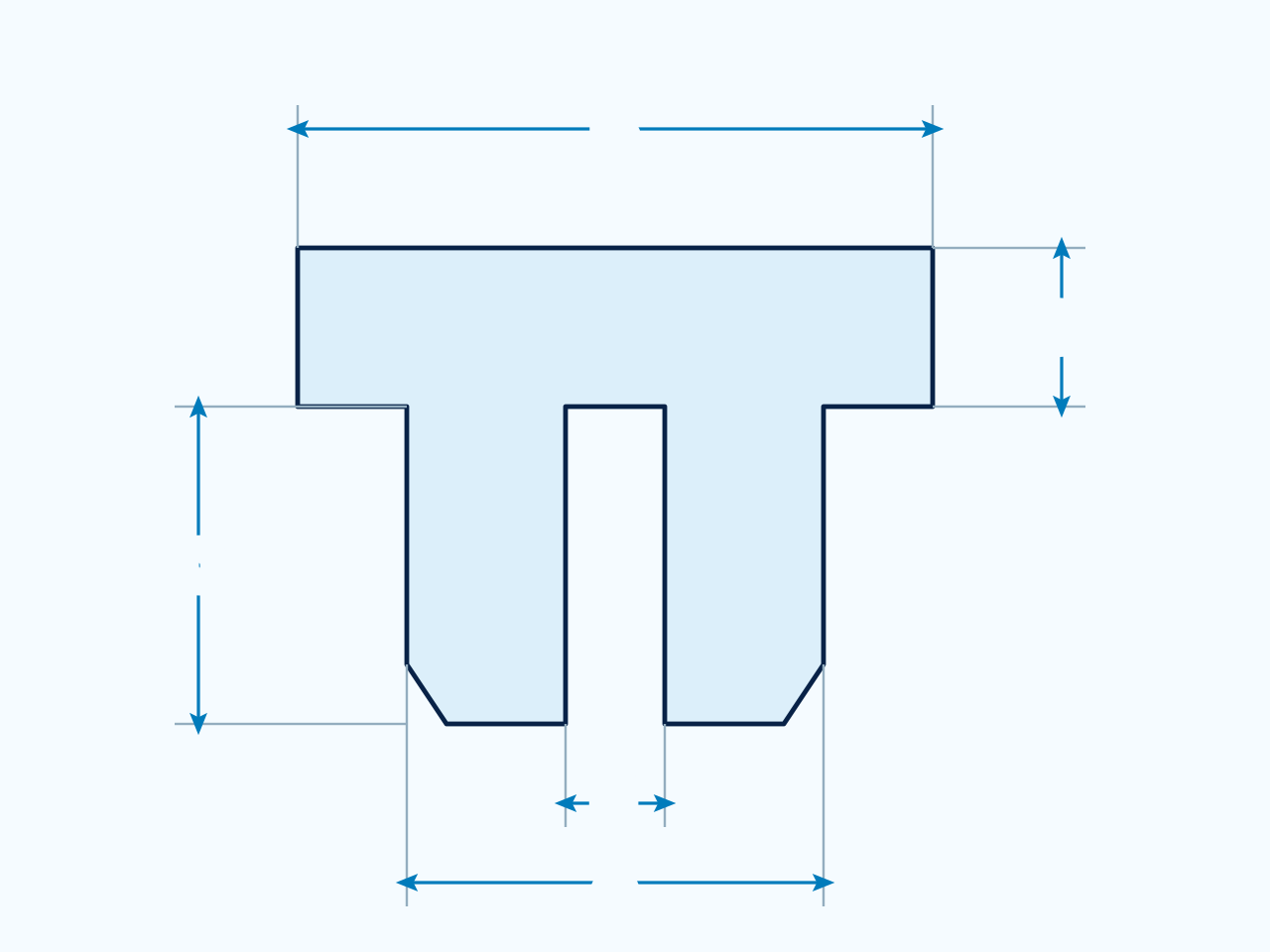
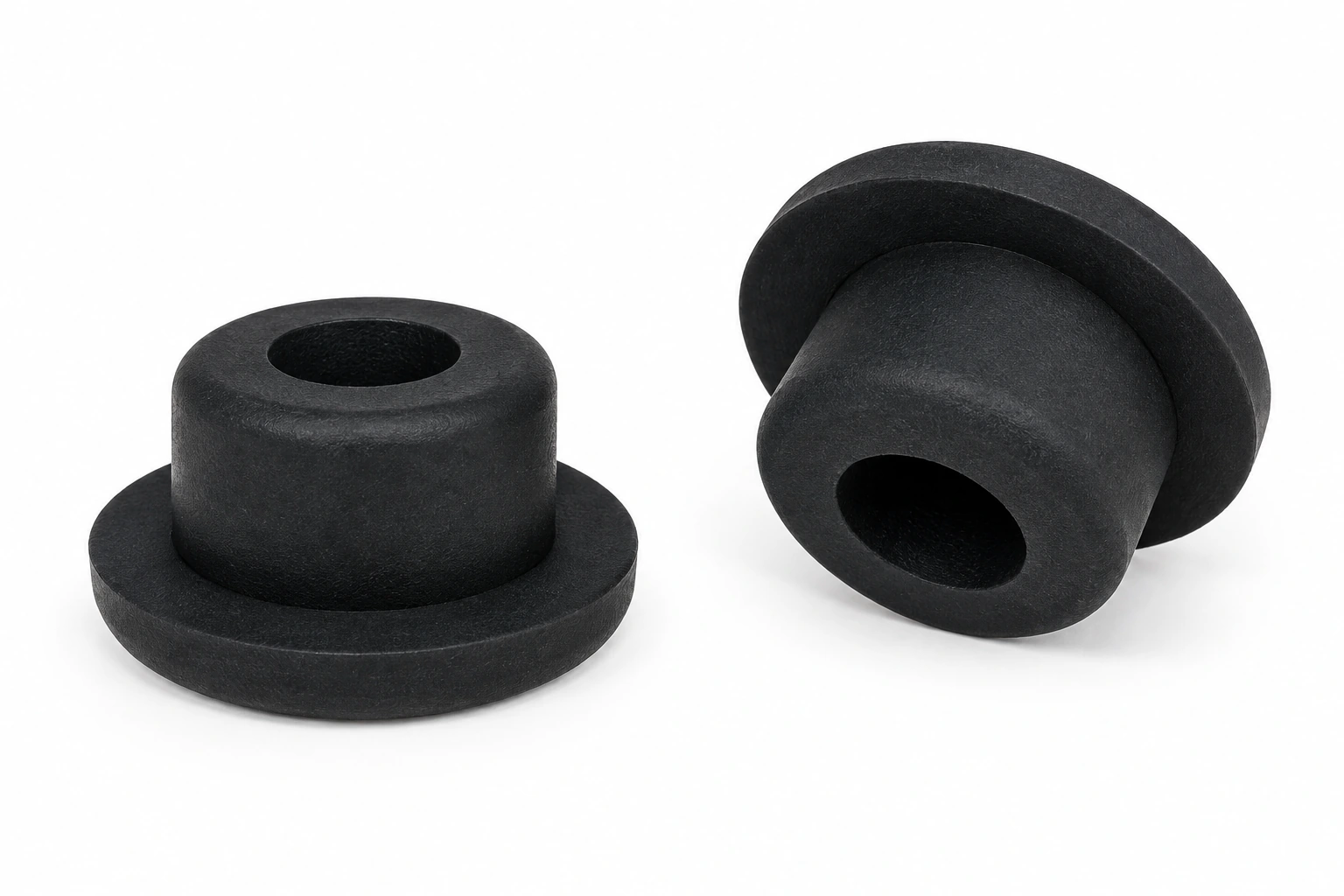
Match stem diameter A, flange diameter B, stem length C and flange thickness D. E refers to the underside recess; use the selected row and approved drawing to confirm the actual profile.
RSA Tapered Corks
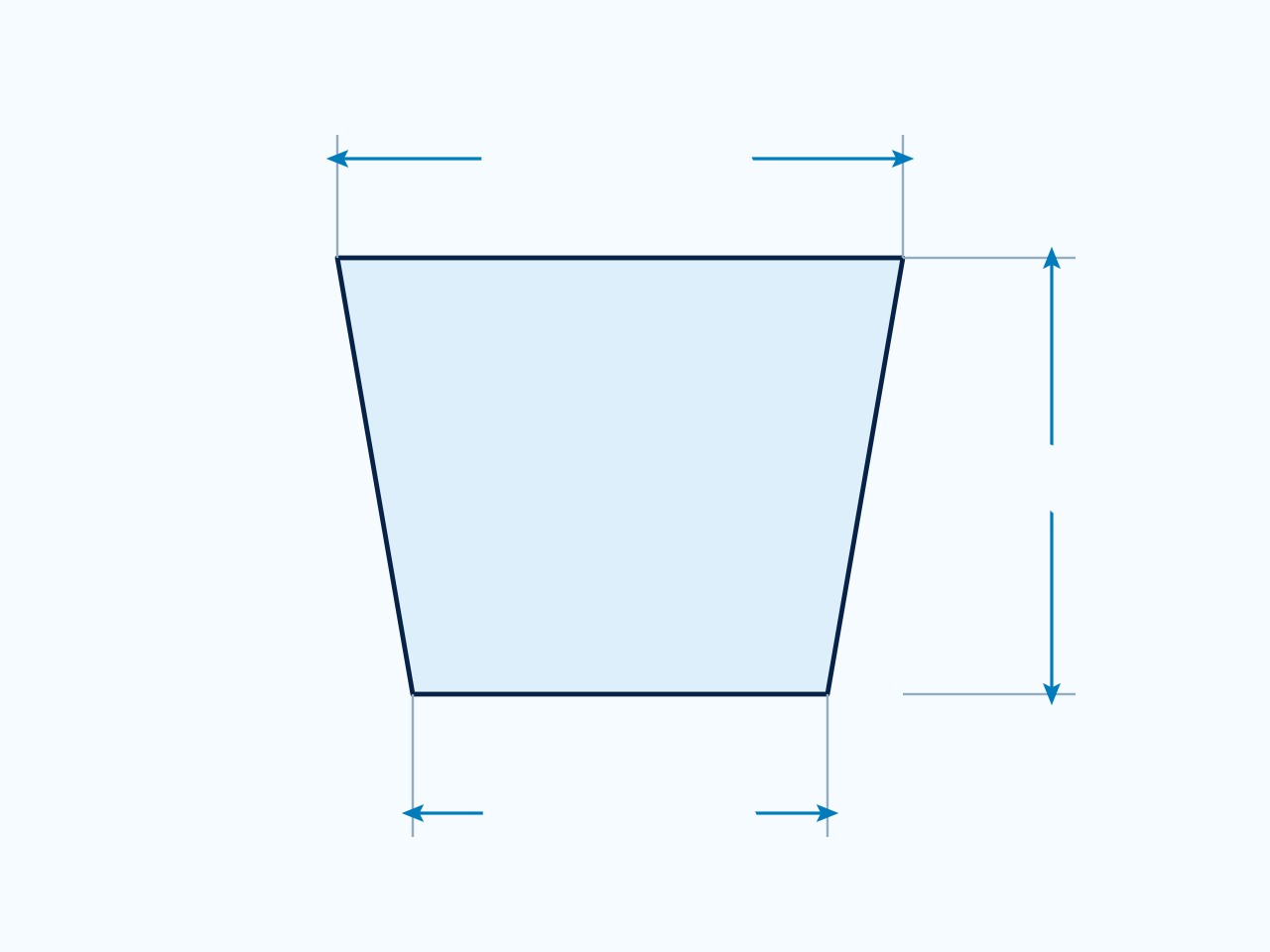
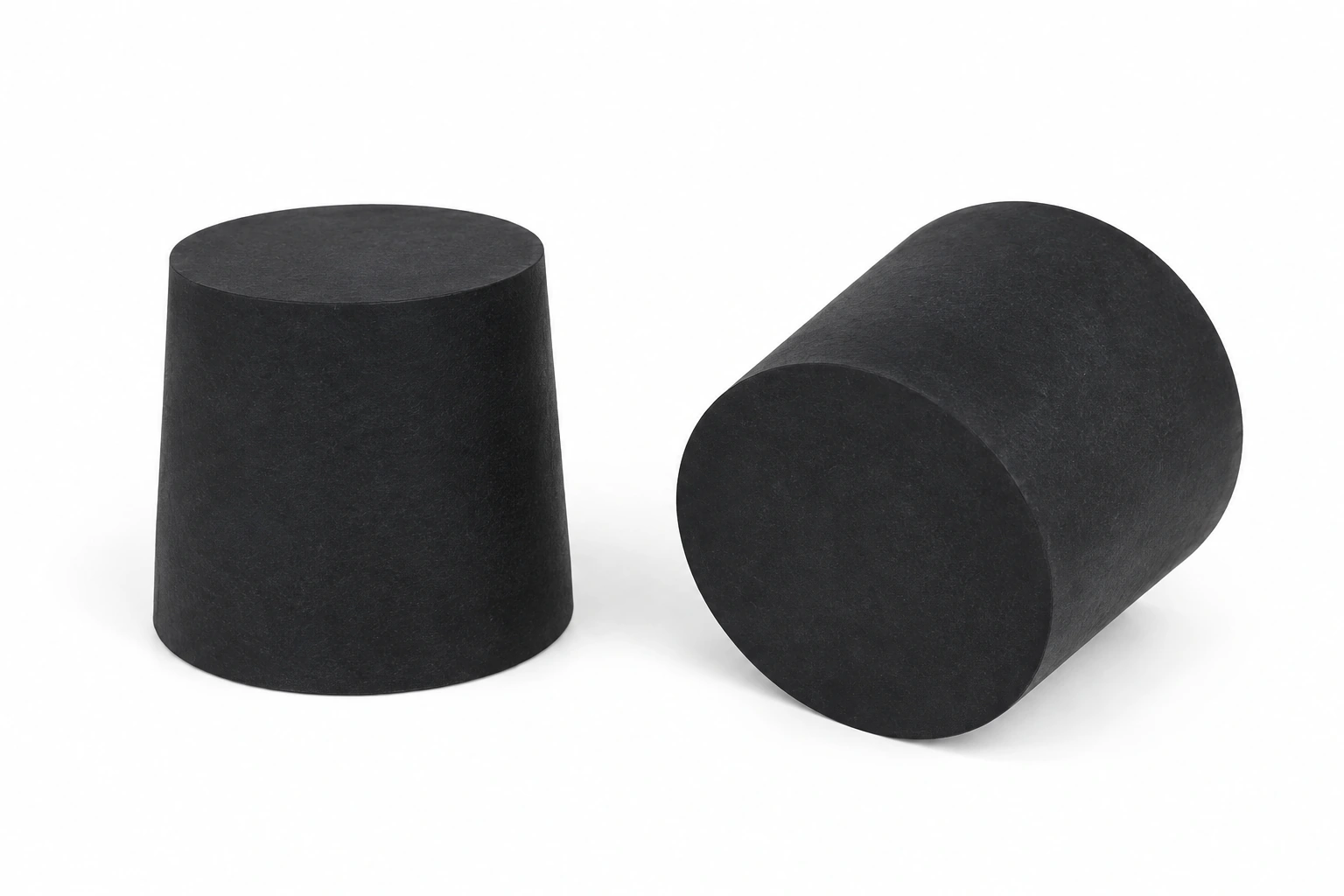
Compare large-end diameter A, small-end diameter B and Height, in mm. The mating bore and required seating depth determine where the taper contacts the opening.
RSB Undercut Plugs
Compare neck diameter A, flange diameter B, flange-to-lip distance C and flange thickness D. Check panel thickness and rear clearance. E refers to the underside recess.
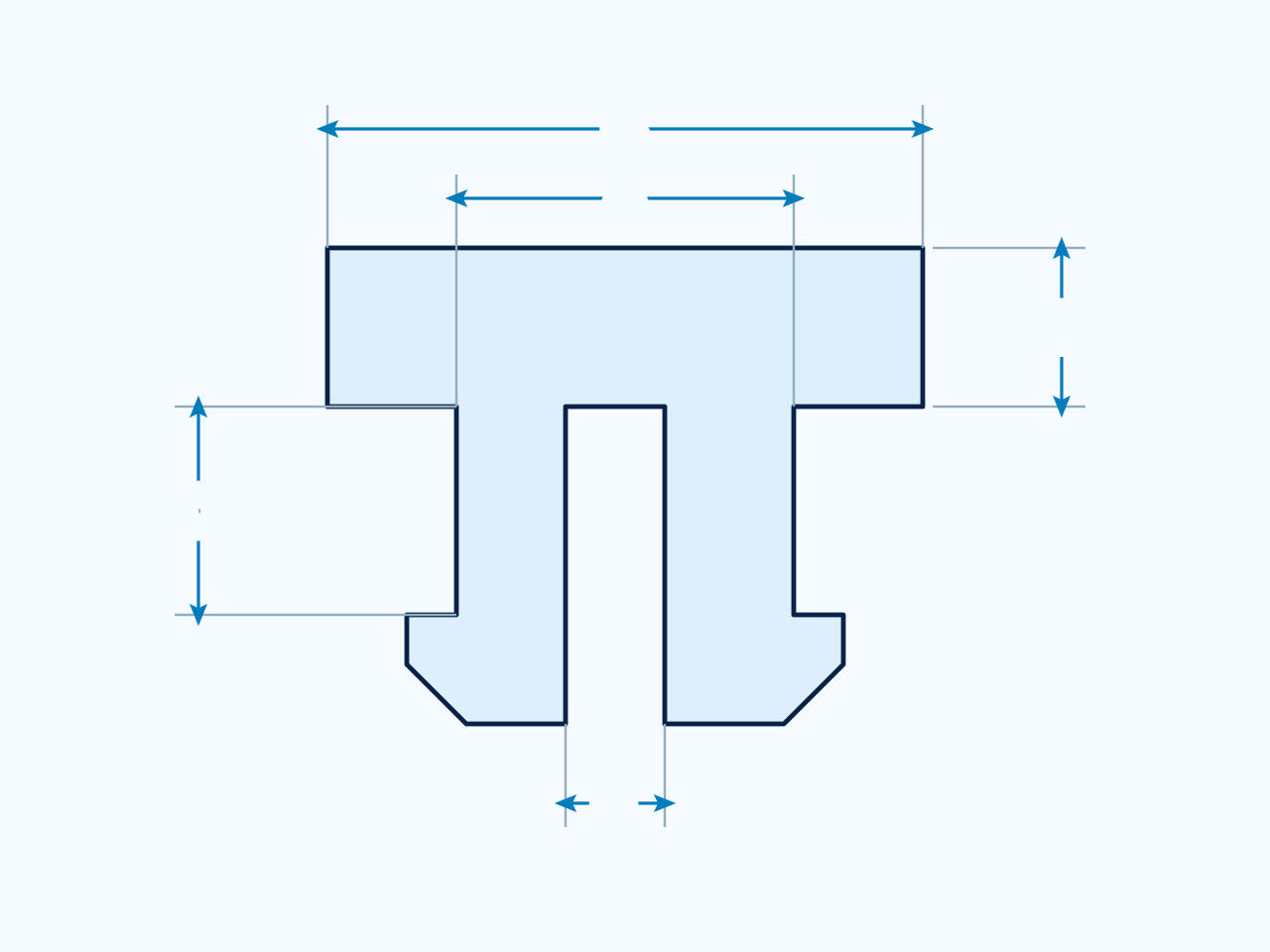
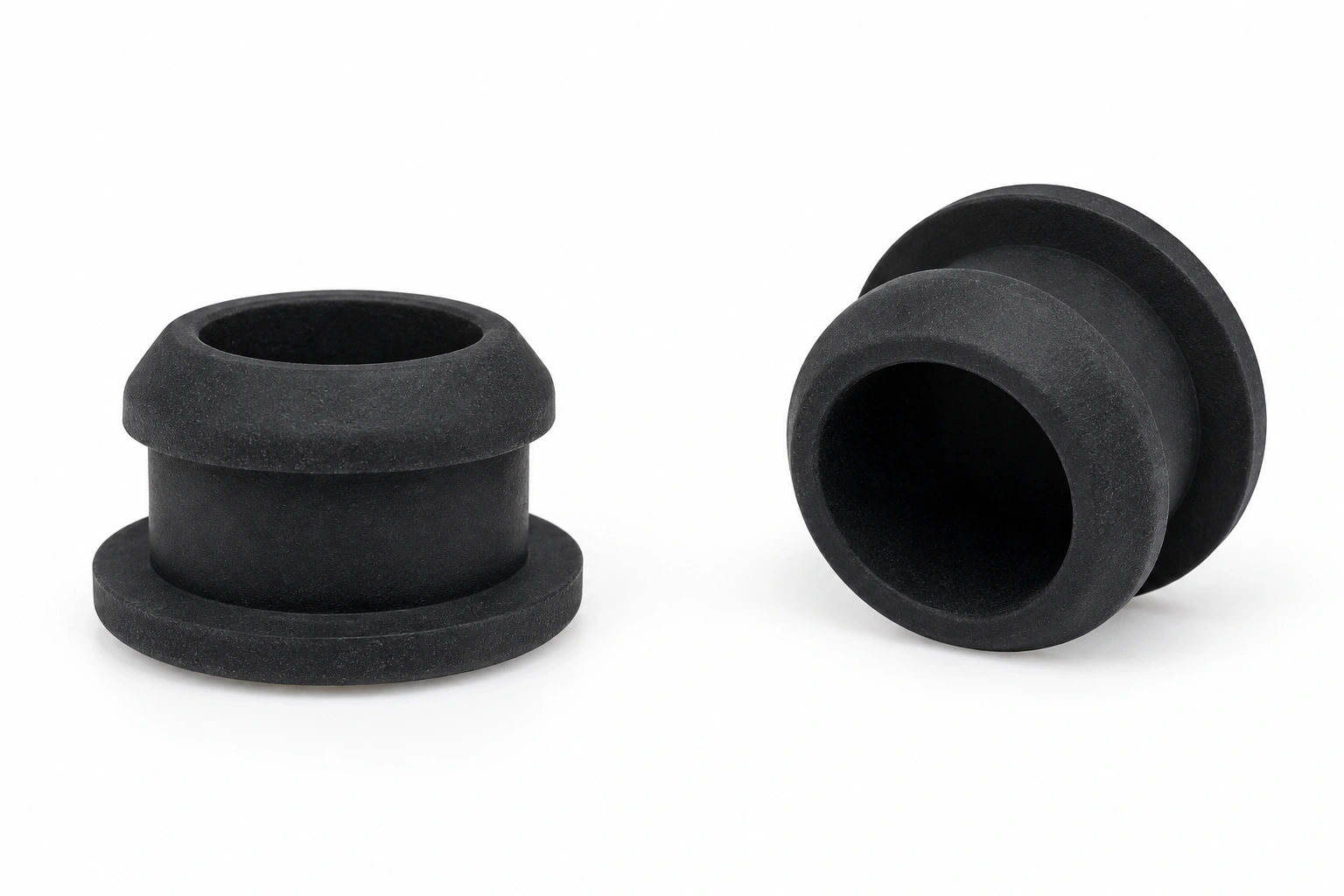
RSD T-Shaped Stoppers
Compare stem diameter A, flange diameter B, stem length C and head thickness D, in mm. Check the seating surface and available depth as well as the hole diameter.
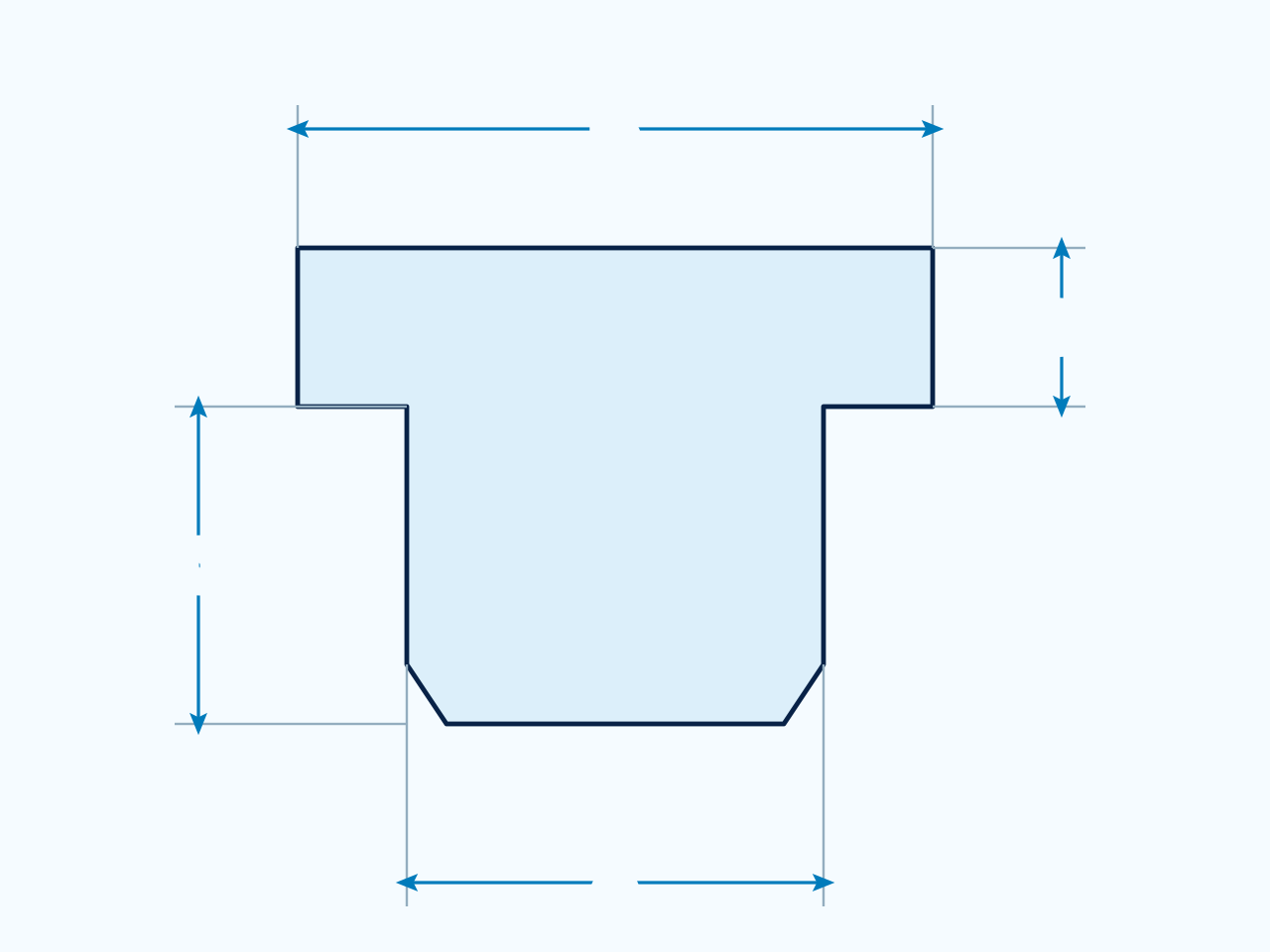
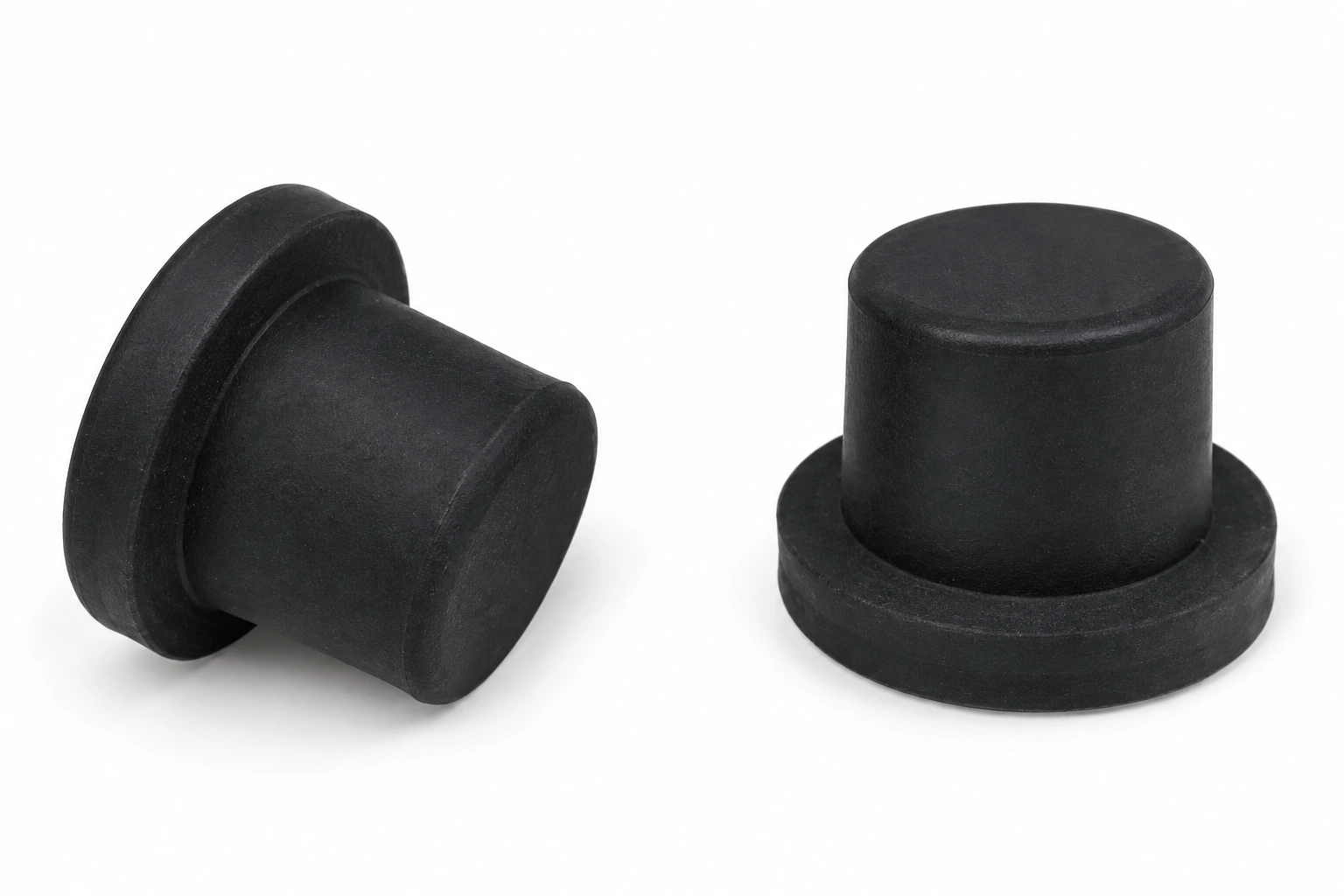
Need a different fit? Share the opening dimensions, mating profile and intended use for a custom size.
Discuss Your RequirementsProduct specifications
- Product form
- Removable closure fitted inside an opening
- Application focus
- Laboratory vessels. Size the part against the selected assembly.
- Dimensions to confirm
- Opening diameter, closure profile, insertion depth and exposed grip. Match these to laboratory vessels.
- Seating check
- Check the sealing contact around the opening and the force needed for insertion and removal.
Need a quote or a custom part?
Send your requirements, drawings or samples to discuss standard and custom silicone rubber parts.
Email us[email protected]